
15+ Brilliant Drop Ceiling Ideas for Your Home
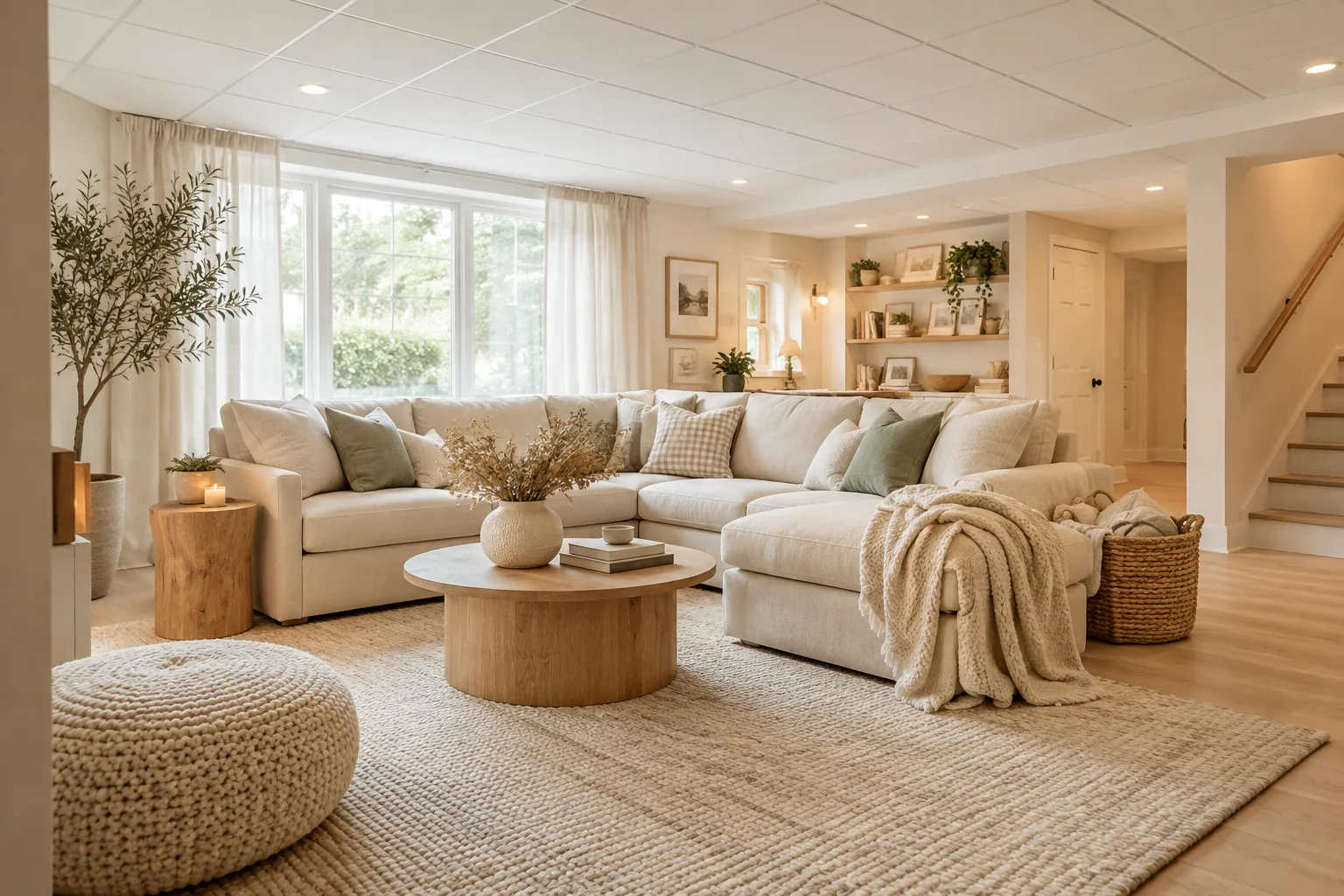
We all know that standard office-style ceiling grid can instantly drag down the look of a finished basement. I've gathered my favorite ways to update those tiles so you can keep the plumbing access but lose the corporate vibe.
1. Paint It Flat Black
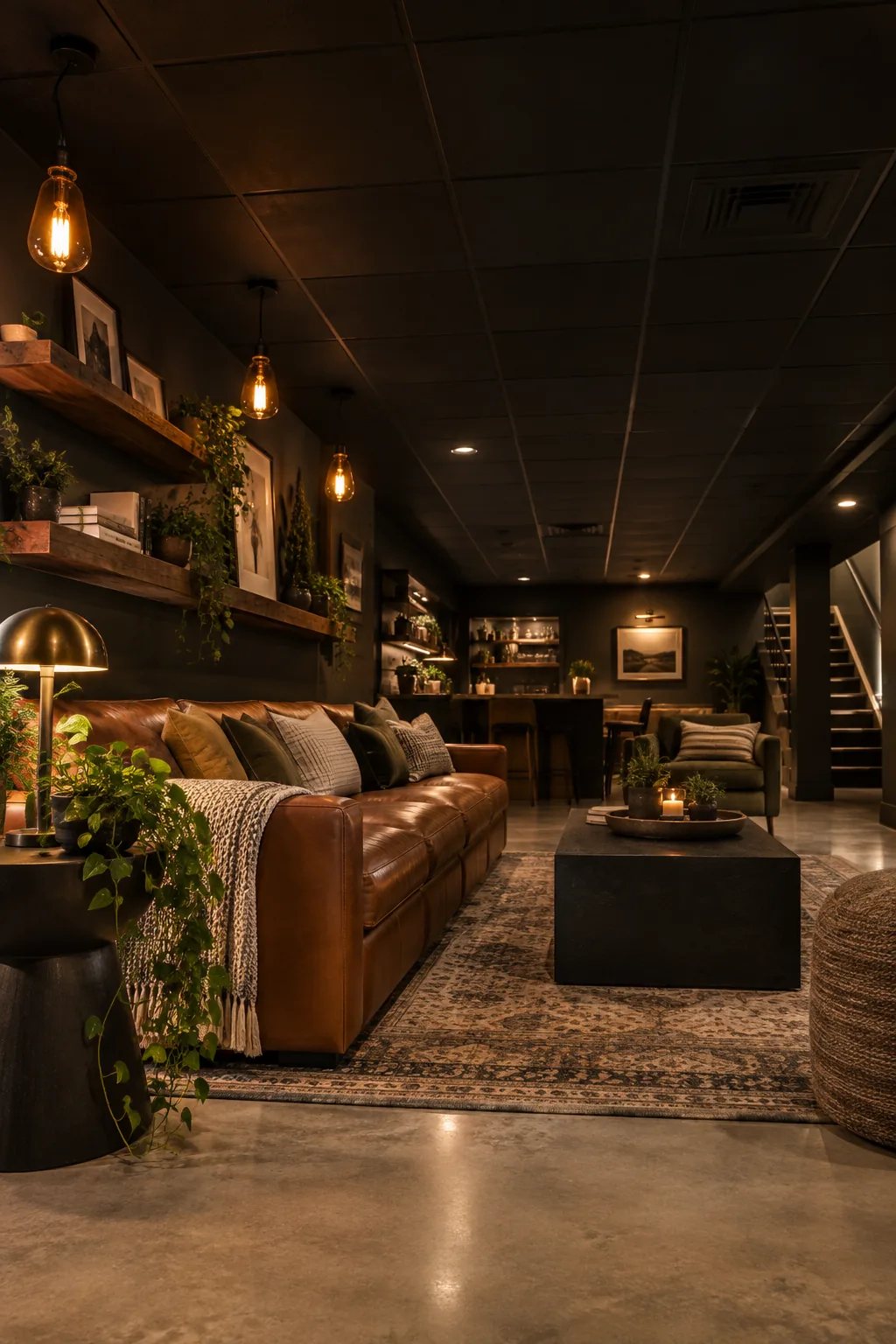
A sleek, industrial vibe comes together instantly when you paint the entire ceiling grid and tiles flat black. It makes the metal tracks disappear into the shadows while adding depth to the room. You can even spray the vents to match for a truly seamless finish.
Just make sure you use a primer designed for acoustic tiles so they do not warp.
2. Install Faux Tin Tiles

Swap out those fibrous white squares for faux tin tiles to add instant character to a plain room. These lightweight PVC panels drop right into your existing grid but look exactly like stamped metal from the 1920s. I love using copper or bronze finishes in a basement bar area to bounce the ambient light around. You can cut them easily with regular scissors to fit around your recessed lighting. It takes just a few hours to completely change the architectural feel of the space.
3. Warm Up with Wood-Look Planks
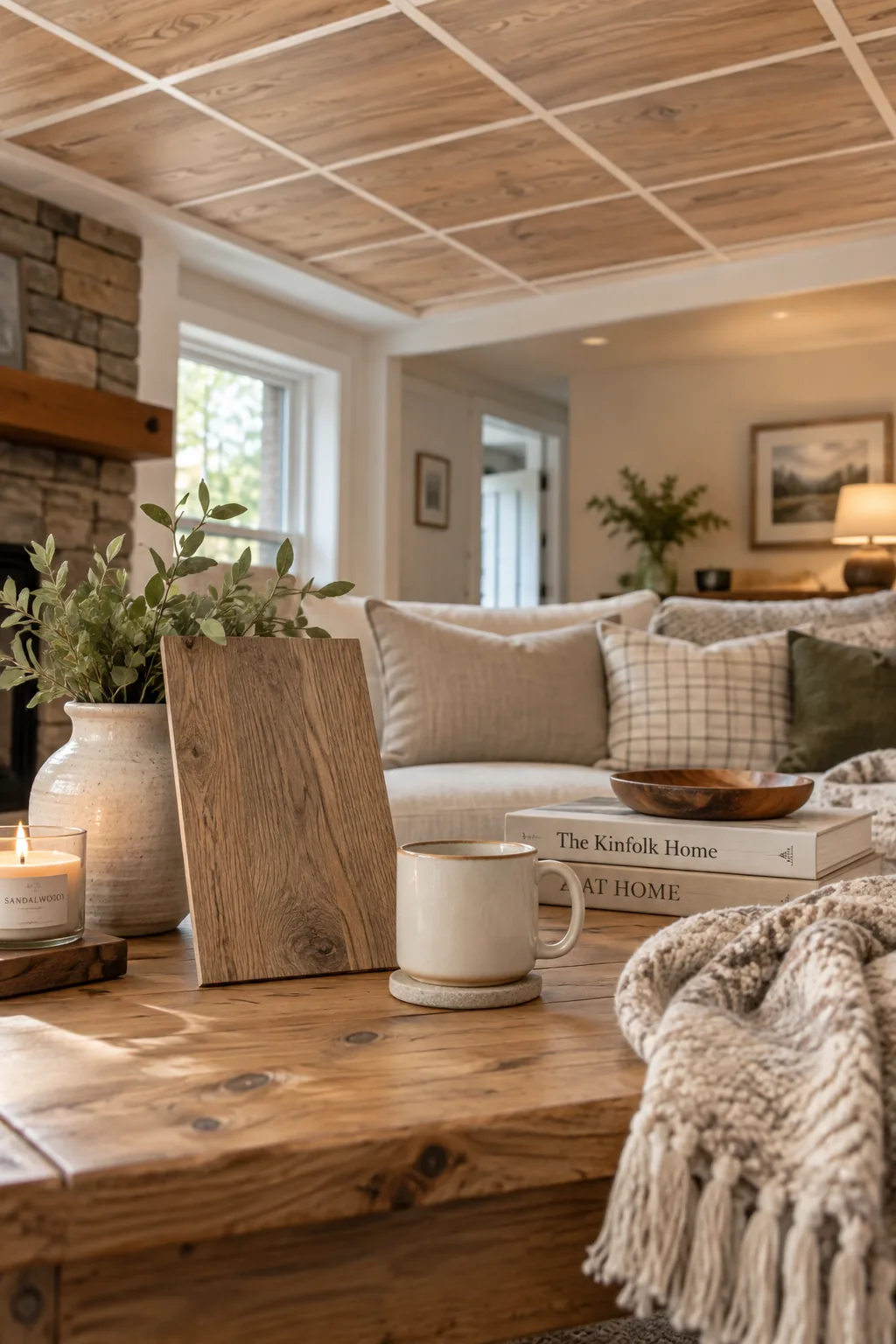
A warm, rustic cabin aesthetic is surprisingly easy to achieve with wood-look planks.
These clever panels are actually made of lightweight foam or PVC that mimic real wood grain perfectly. They fit directly into your standard grid system without adding heavy weight to the ceiling supports. It completely erases the commercial feel and makes a lower-level family room feel incredibly cozy.
4. Create Custom Light Boxes
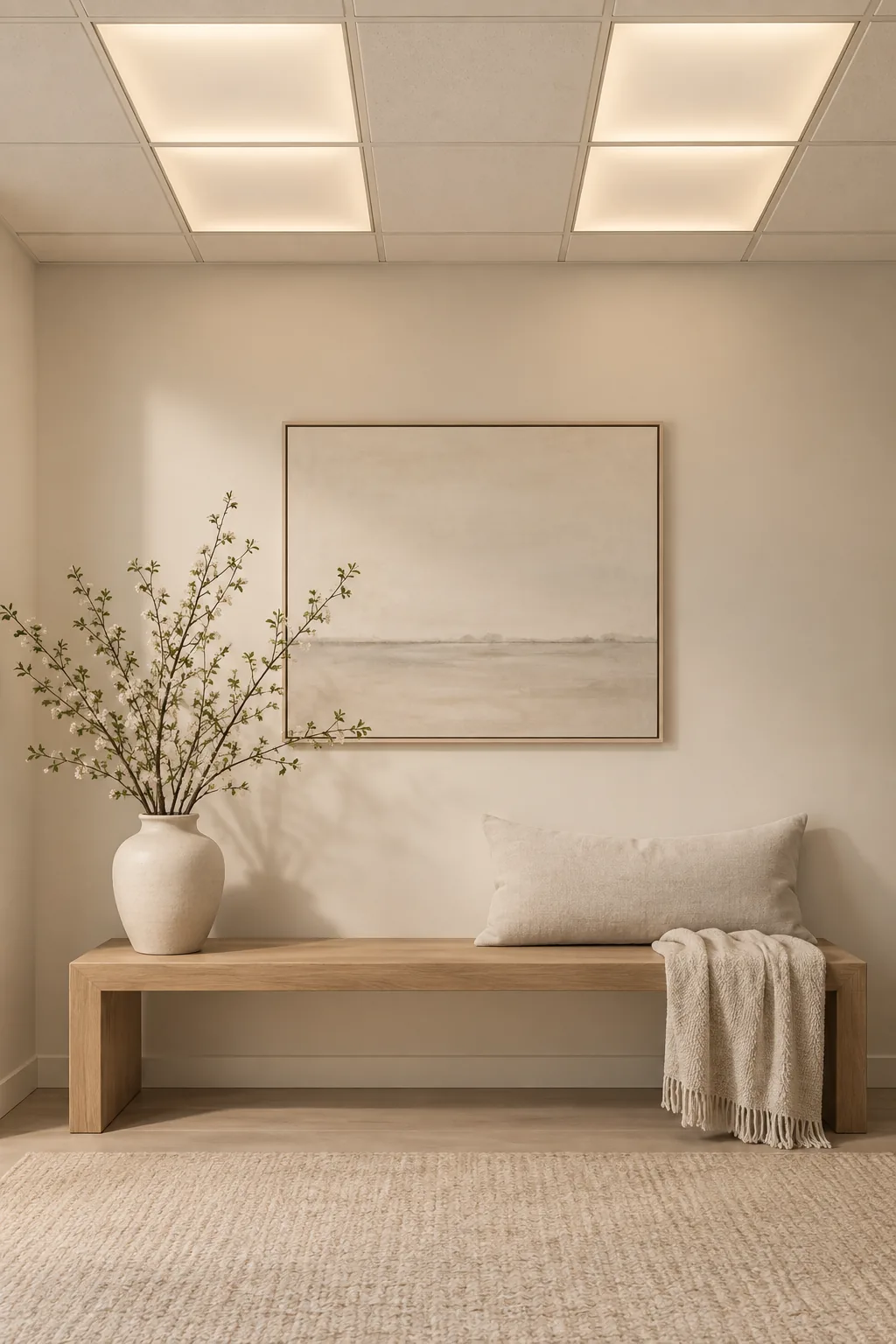
Standard drop ceiling grids leave exactly two feet of space between the cross tees.
You can slide custom translucent acrylic panels into a few of these slots to create custom light boxes. Placing LED strip lights above the frosted panels gives you a soft, diffused glow.
It is a brilliant way to brighten up a windowless basement room.
5. Add Beadboard Inserts
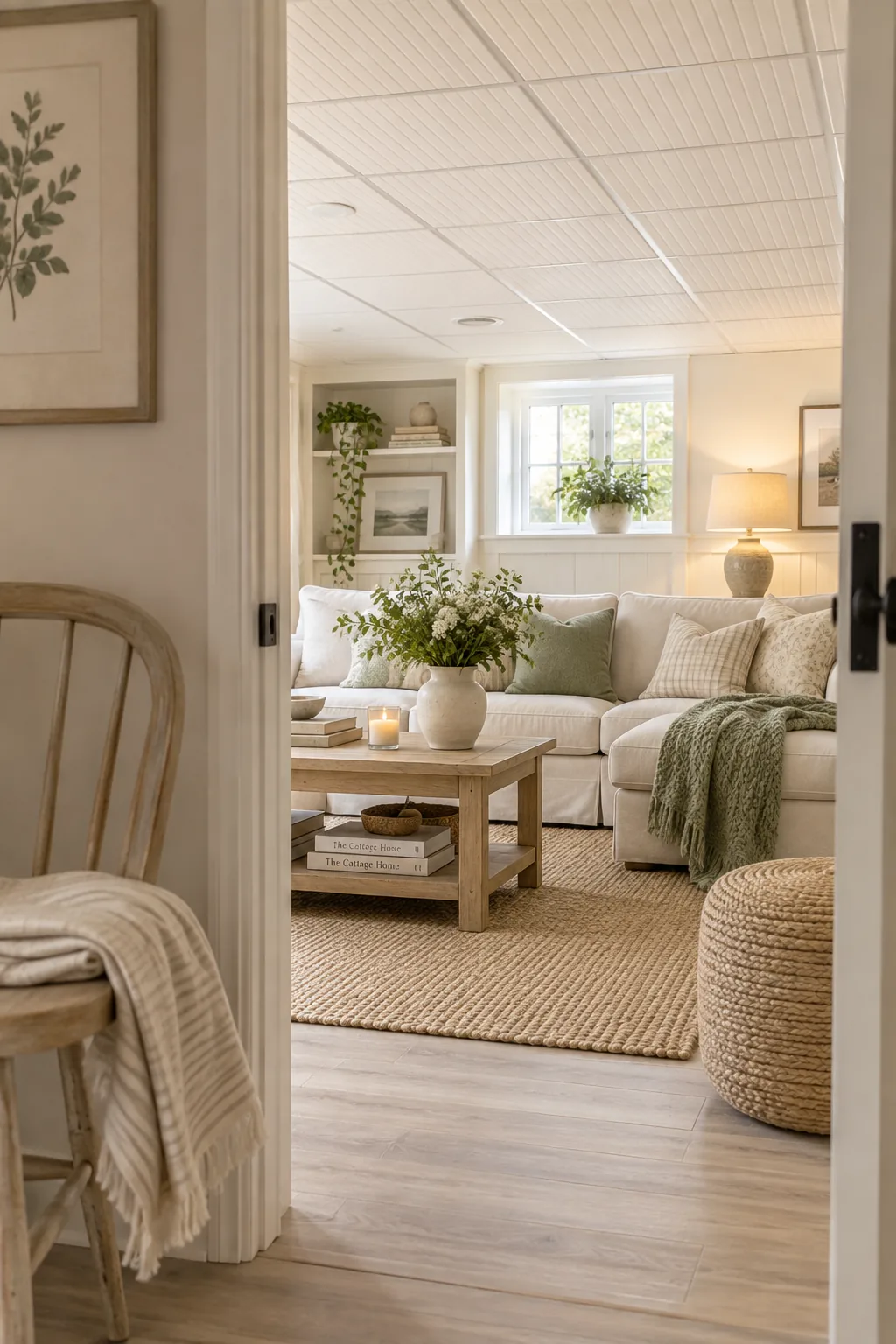
The contrast between natural textures and rigid metal frames is exactly what makes beadboard inserts so effective. You just cut standard beadboard sheets to size and lay them into the existing tracks for a classic cottage feel. This approach pairs beautifully with a few specific basement features.
- Crisp white trim
- Built-in bookshelves
- Shiplap accent walls
6. Upgrade to Coffered Tiles
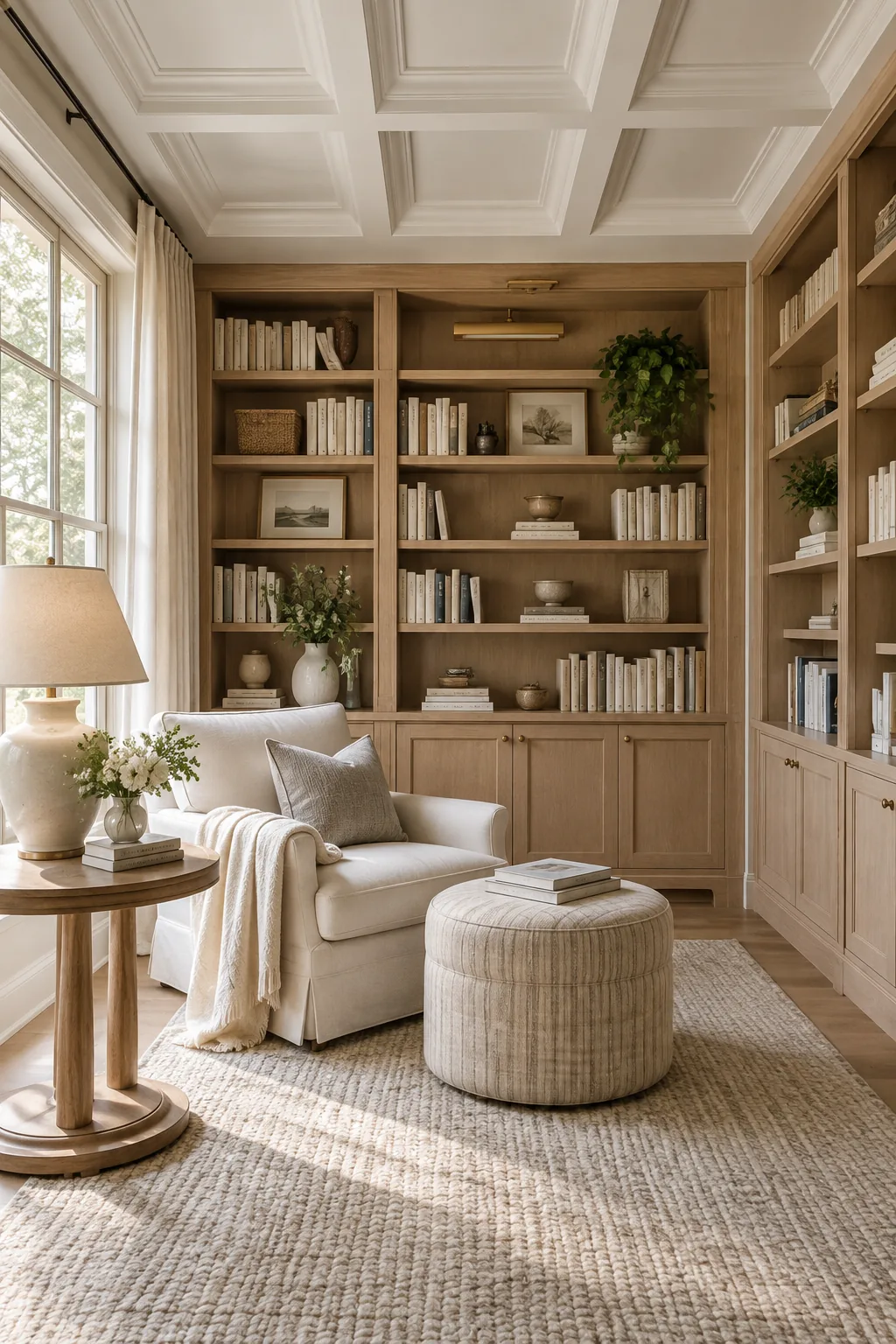
Use coffered ceiling tiles to add high-end architectural depth without the massive carpentry bill. These molded panels drop directly into the metal framework and give your room that expensive, custom-built library look in a single afternoon.
7. Swap Out Light Covers
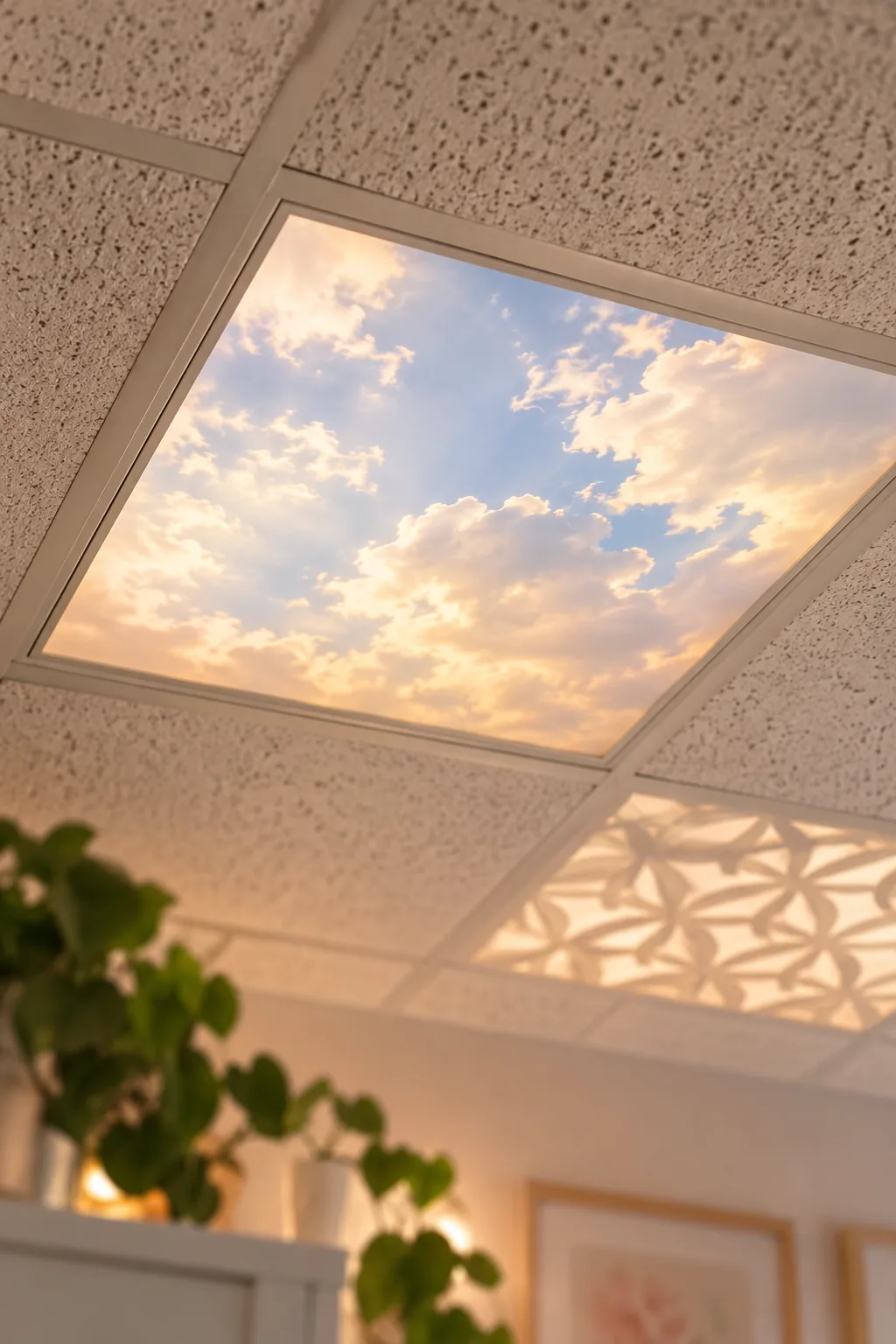
I always hated the cheap plastic diffusers covering the fluorescent basement lights in my first house.
Upgrading those fixtures with decorative light covers changes the entire atmosphere of the room. You can find options printed with cloudy skies or geometric patterns that fit right into the grid. It softens the harsh glare and makes the space feel much more inviting.
- Sky and cloud prints
- Stained glass patterns
- Wrought iron motifs
8. Go Ultra-Modern with Smooth PVC

A sleek, ultra-modern finish happens naturally when you install smooth white PVC tiles. They reflect a ton of light and completely wipe out the fuzzy, porous texture of standard acoustic panels.
9. Install Acoustic Wood Slats
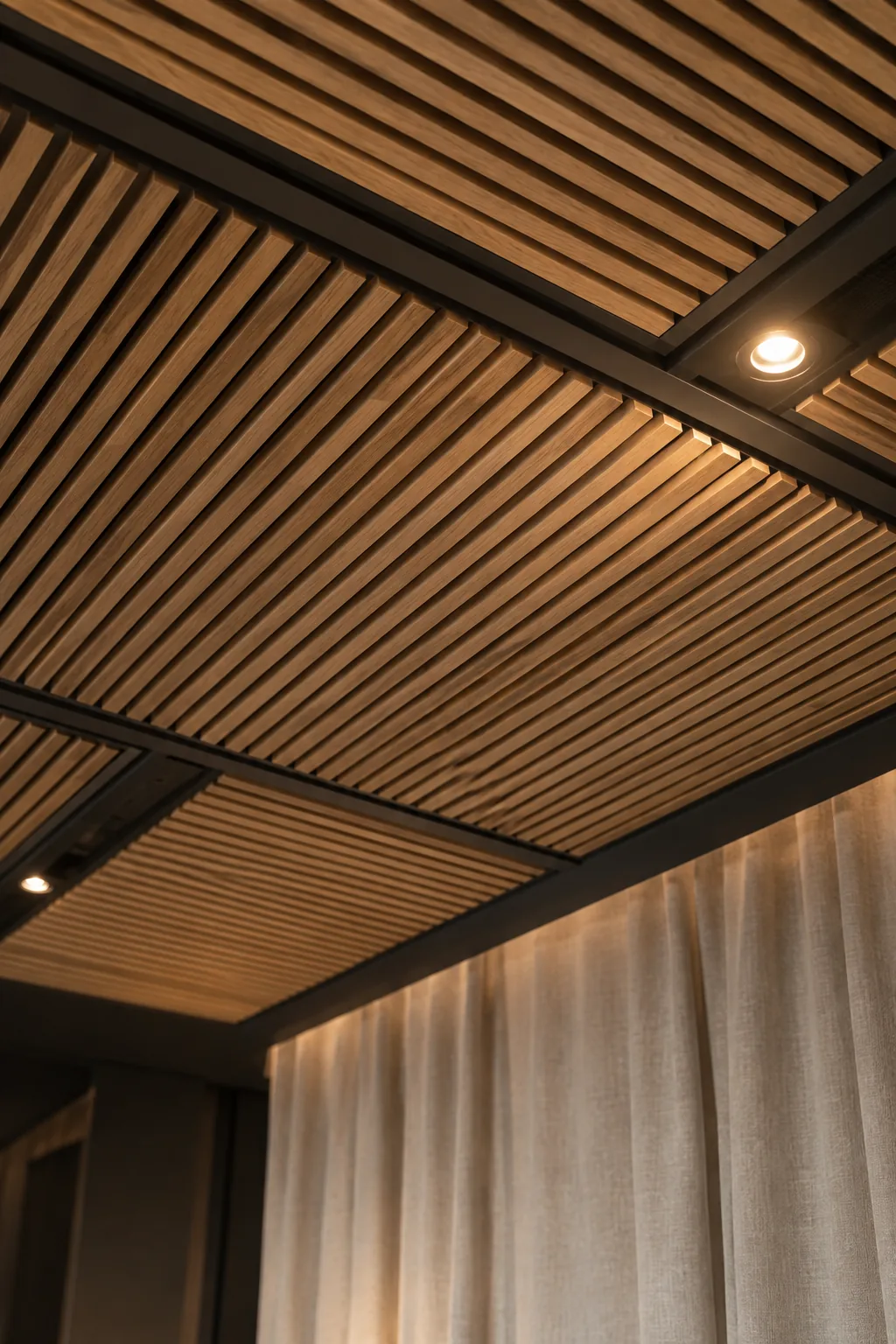
Most residential ceiling grids are built on a standard 24-by-24-inch or 24-by-48-inch layout. This uniform spacing lets you easily incorporate acoustic wood slat panels to dampen sound in a home theater. You can run the slats continuously in one direction to make a short room feel much longer. The rich wood tones bring warmth to the space while hiding the messy wires above. You will need a few basic tools to get this right.
- A fine-tooth saw
- Heavy-duty construction adhesive
- A reliable tape measure
10. Expose and Paint the Joists

I recently helped a client update her basement gym and we decided to embrace the exposed look. We removed the tiles completely and painted the open ceiling joists and grid a uniform charcoal gray. It gave her extra headroom and created a cool, urban loft aesthetic without needing to reroute any plumbing.
11. Wrap the Grid in Wood Veneer
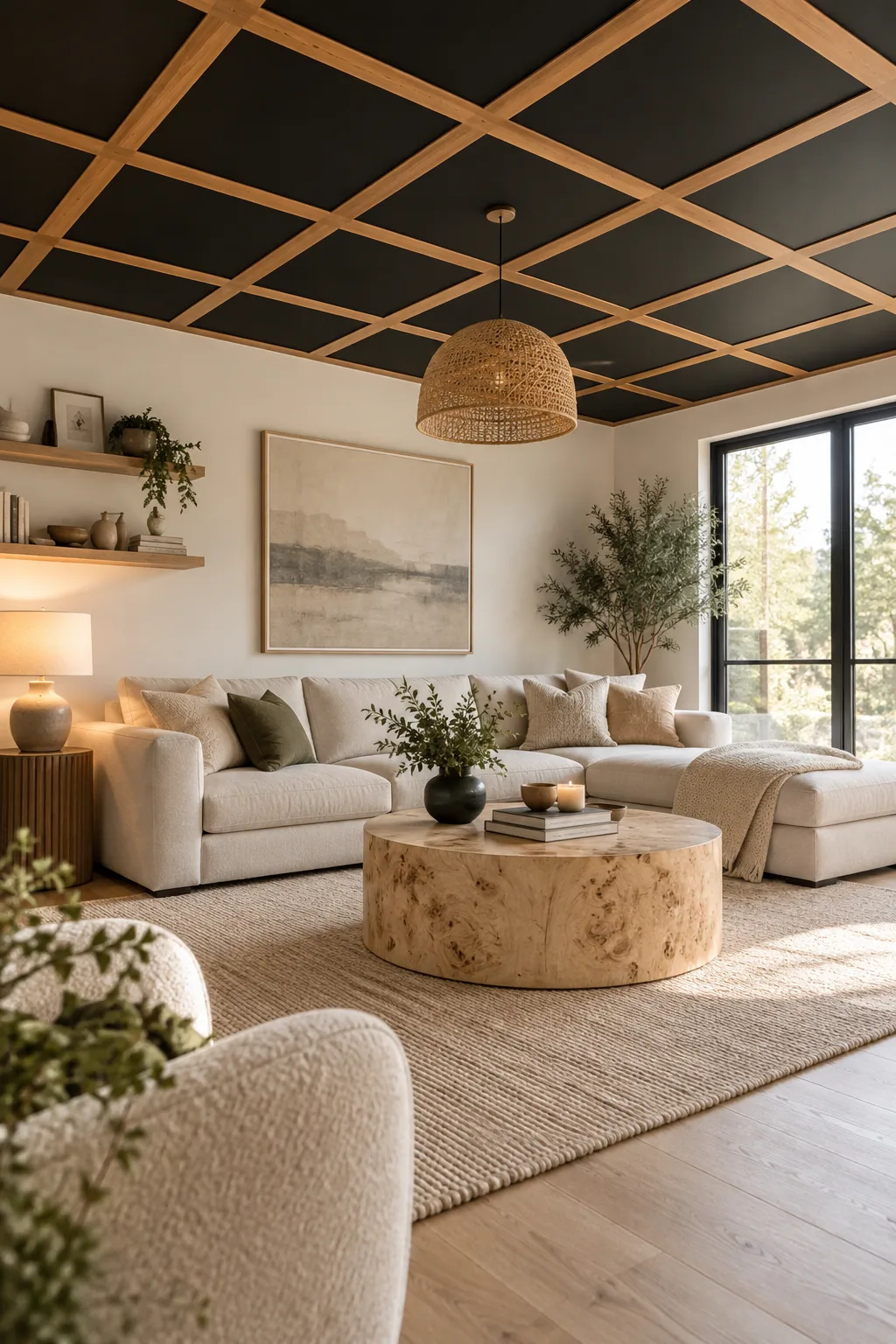
Wrap your existing metal grid in wood veneer tape to instantly warm up the ceiling. It is a peel-and-stick application that covers the stark white tracks with a realistic wood grain finish. You can pair this with plain black tiles for a really striking, modern look.
Just be sure to wipe the metal tracks with rubbing alcohol before sticking the tape down.
12. Use Mirrored Panels to Bounce Light

My absolute favorite trick for low ceilings is using mirrored ceiling panels in strategic spots. Placing them directly over a home bar or a dark corner bounces the existing light around beautifully. It makes a cramped basement feel twice as tall and adds a touch of glamour.
Why it works: The reflective surface creates an optical illusion of endless vertical space.
13. Fake a Drywall Finish
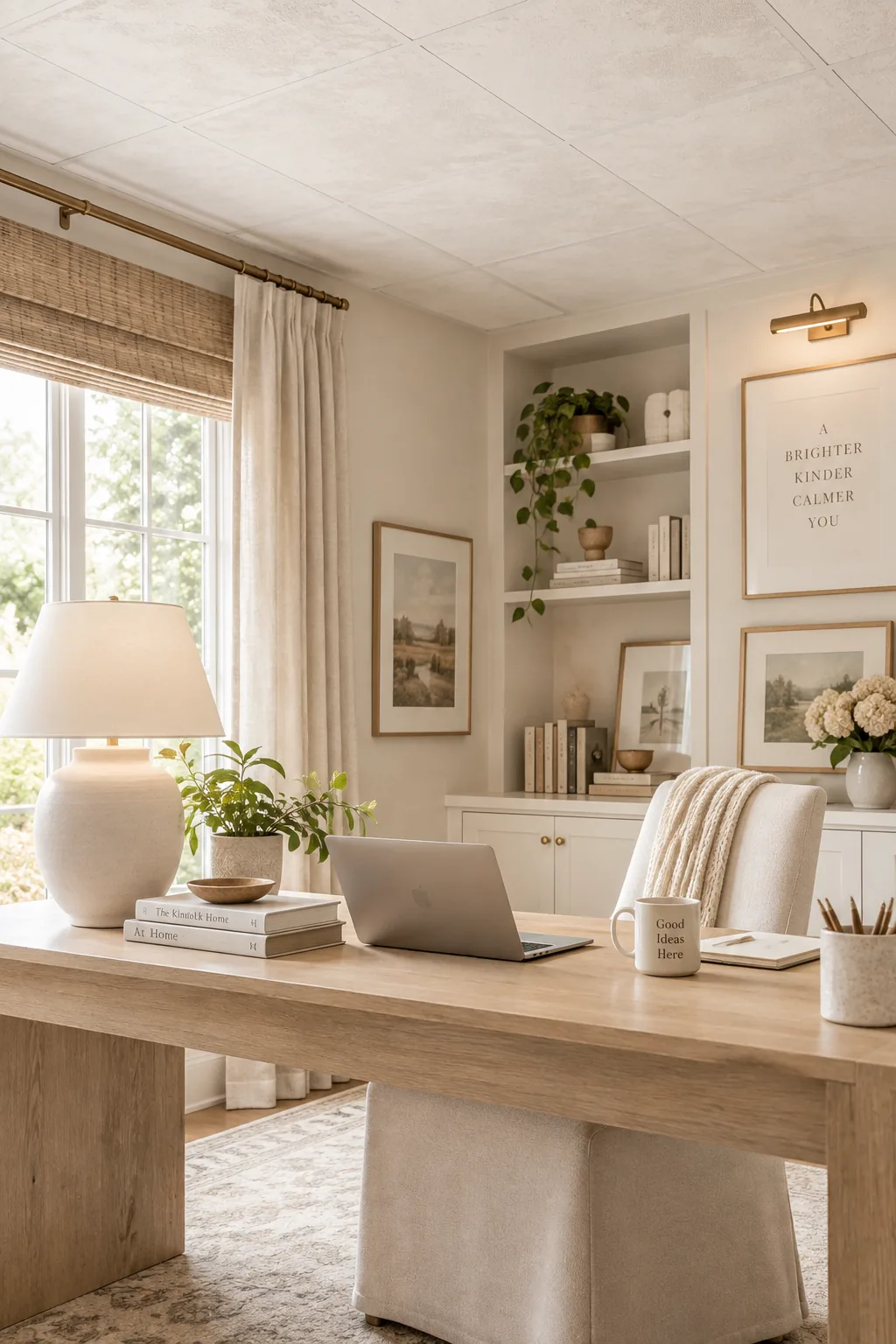
The seamless blending of materials is what makes plaster-look tiles so convincing.
These molded panels feature a subtle texture that mimics traditional drywall or hand-troweled plaster. Once they are dropped into a matching white grid, the individual squares practically disappear. It is the closest you can get to a traditional ceiling while keeping your pipes accessible.
Why it works: Matching the tile texture closely to the grid color eliminates the harsh grid lines that draw the eye upward.
14. Add Depth with 3D Geometric Tiles
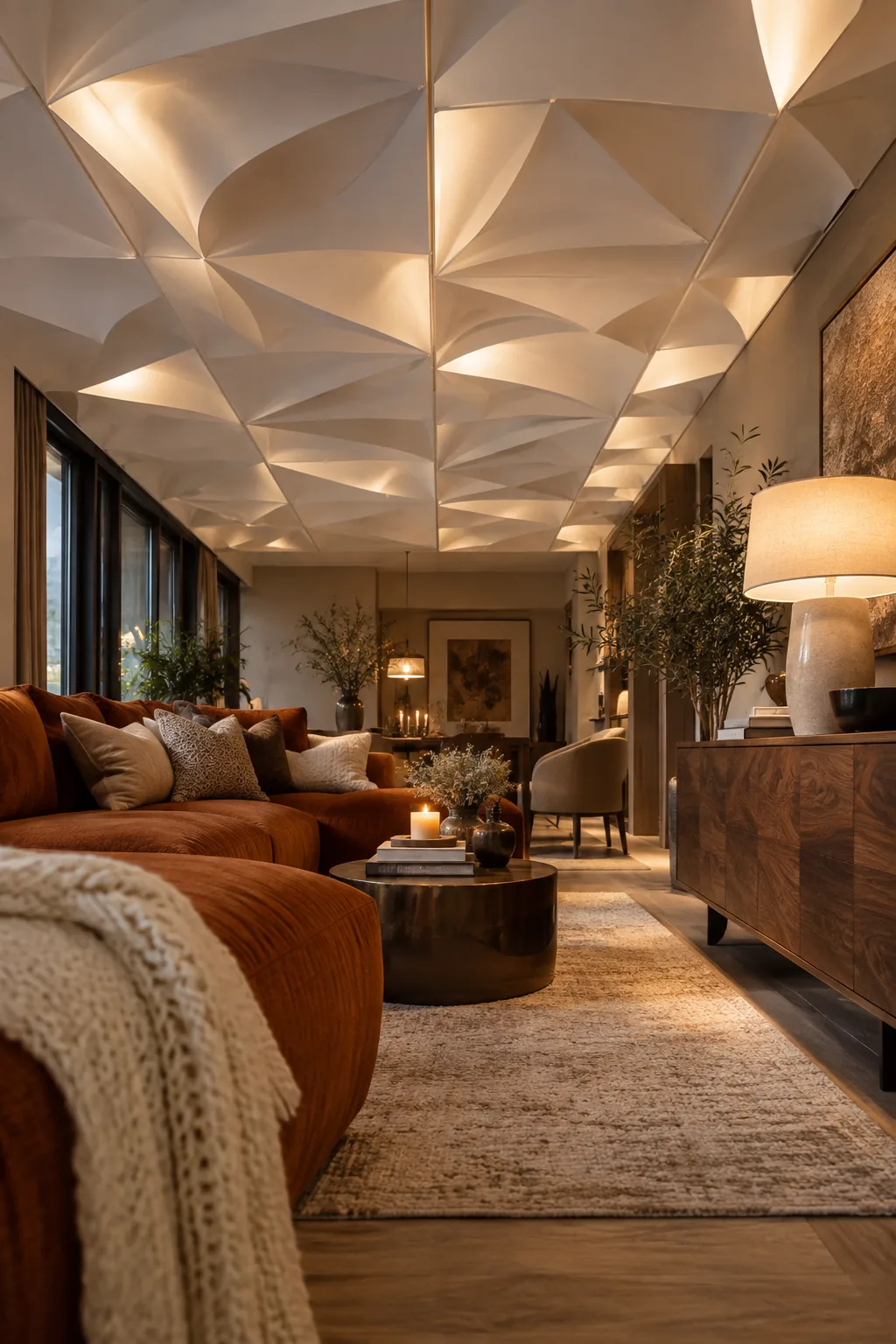
Standard drop ceilings tend to make rooms feel incredibly flat and one-dimensional. Introducing 3D geometric tiles breaks up that flat plane by adding sculptural waves or sharp angles. The raised patterns catch the light from your lamps and cast really interesting shadows across the room. You can mix and match the orientation of the tiles to create a custom, randomized pattern. It completely distracts from the fact that you are looking at a suspended ceiling.
Why it works: The varied depths of the 3D shapes trick the eye into ignoring the structural grid holding them up.
15. Wallpaper the Acoustic Tiles

I always recommend wallpapering acoustic tiles to clients who want a bold, custom pattern without a huge investment. You simply wrap standard tiles in a fun, peel-and-stick vinyl wallpaper before dropping them back into the frame.
16. Bring in Corrugated Metal

The combination of raw metal and warm light is what makes corrugated metal panels work so well. You can cut roofing tin to fit your grid for a rugged, industrial farmhouse style. It looks amazing when paired with exposed brick or concrete floors.
- Vintage filament bulbs
- Matte black hardware
- Leather furniture pieces