
16+ Gorgeous Wildflower Garden Ideas for Your Yard
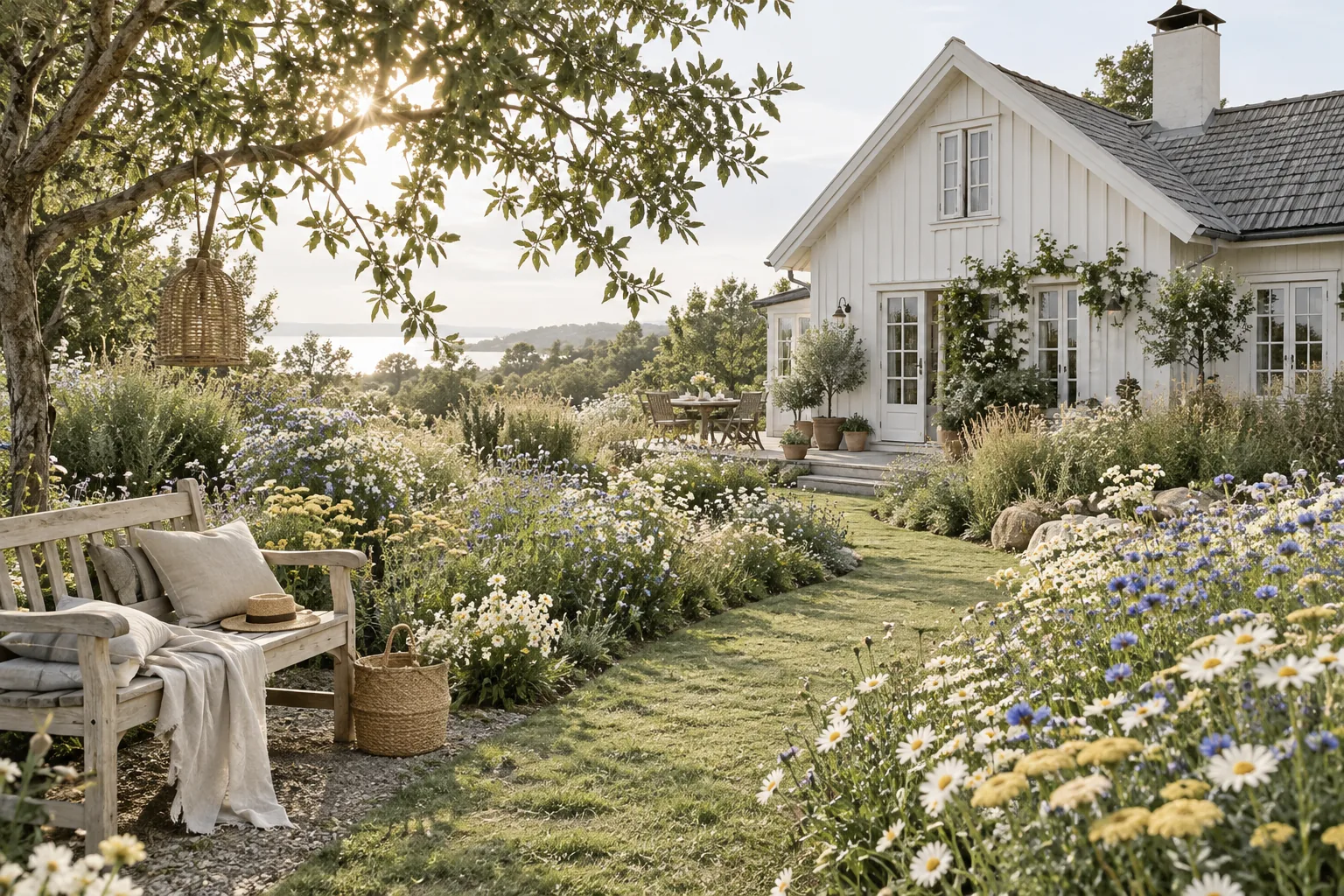
Turning your yard into a wildflower garden is the easiest way to bring low-maintenance color and life right to your doorstep. I am sharing my absolute favorite ways to plant these native blooms so you can recreate the magic in your own space.
1. Plant in Color Blocks
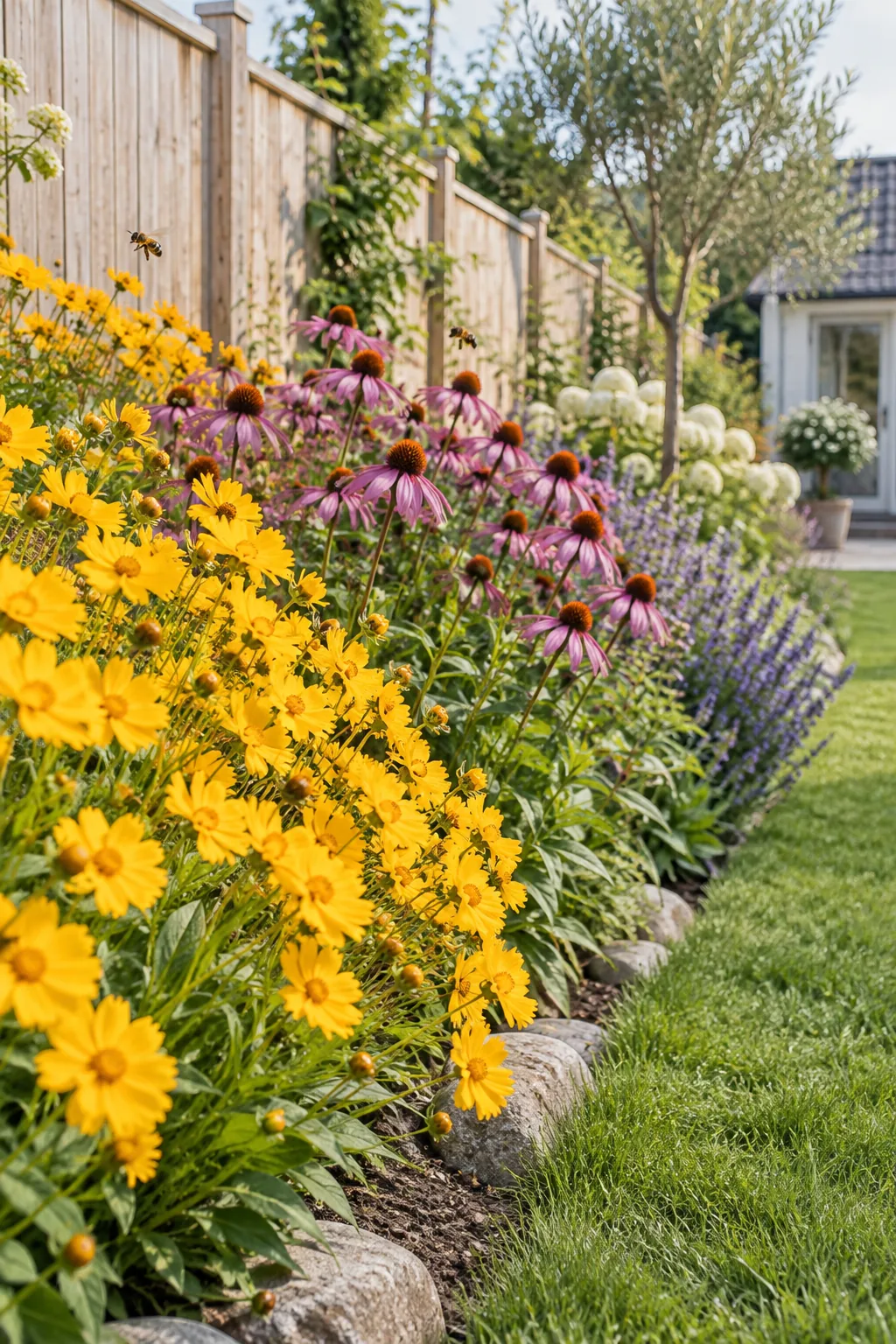
Group your seeds by color to create bold floral drifts instead of a messy scatter. You want a massive patch of yellow coreopsis flowing right into a sea of purple coneflowers. This trick mimics how they actually grow in nature. It completely transforms a basic border into a structured pollinator paradise.
2. Galvanized Tub Planters
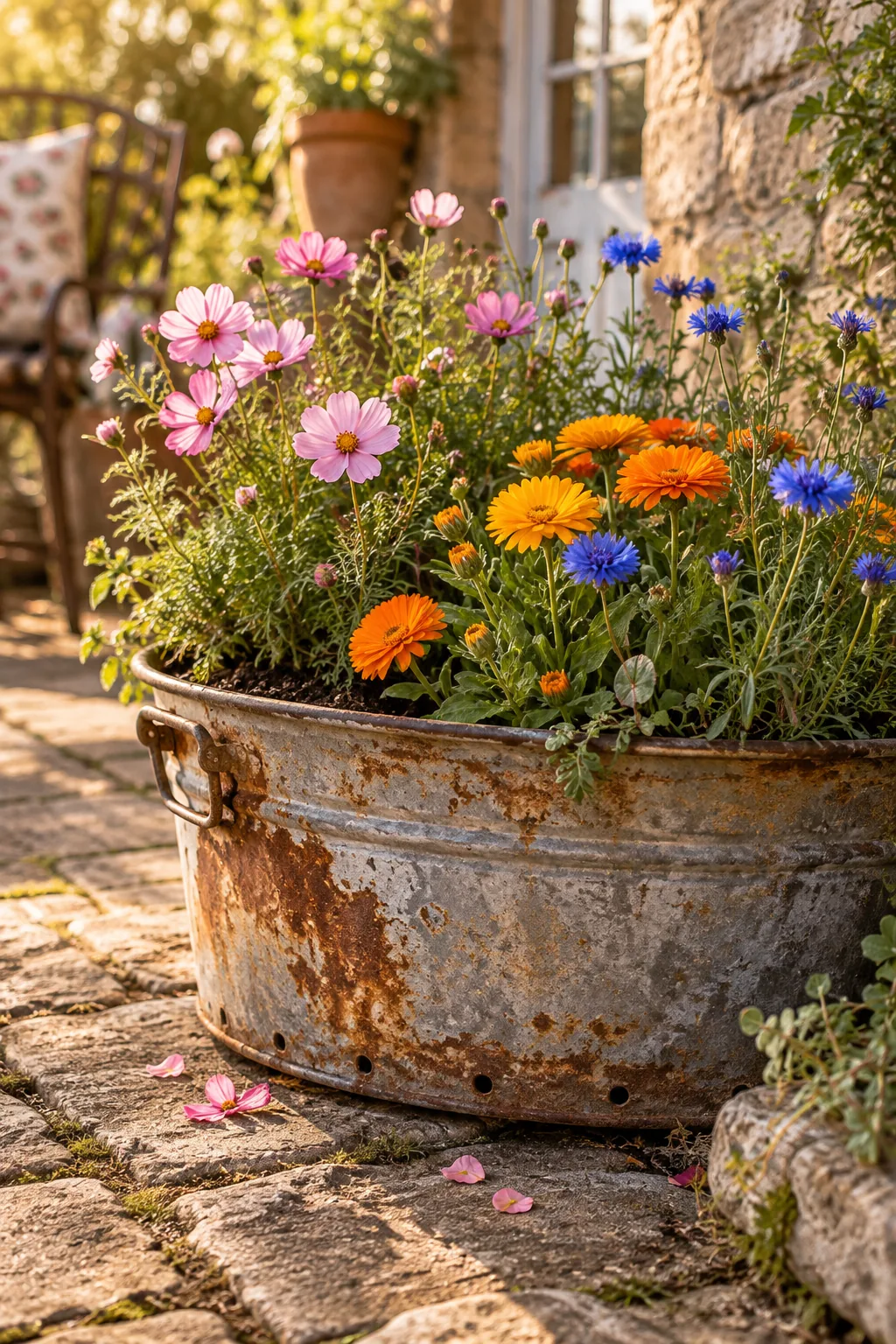
I always keep a few rusty metal buckets around for extra planting space. They make the perfect contained wildflower garden for a small patio.
Just drill plenty of drainage holes in the bottom before adding your soil mix. Native blooms hate sitting in soggy dirt.
Toss in a dwarf seed blend. You get that meadow look without needing an actual yard.
3. Walkway Spillovers
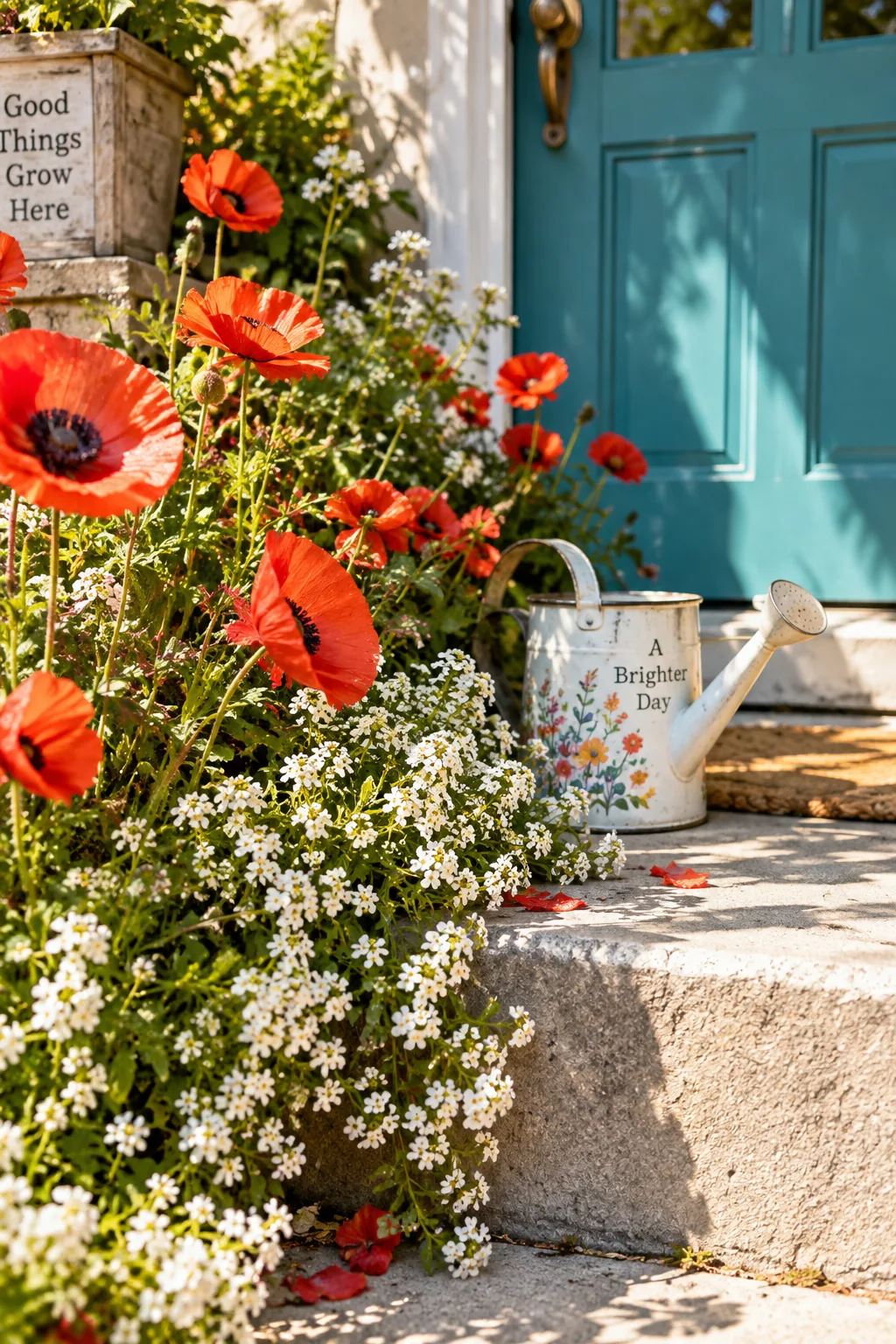
A soft, spilling edge of sweet alyssum and poppies gives your front walkway a totally romantic cottage vibe. The low-growing plants soften hard concrete lines while handling the extra heat radiating from the pavement.
Why it works: The staggered height hides awkward walkway gaps while naturally crowding out stubborn weeds.
4. Contained Raised Beds
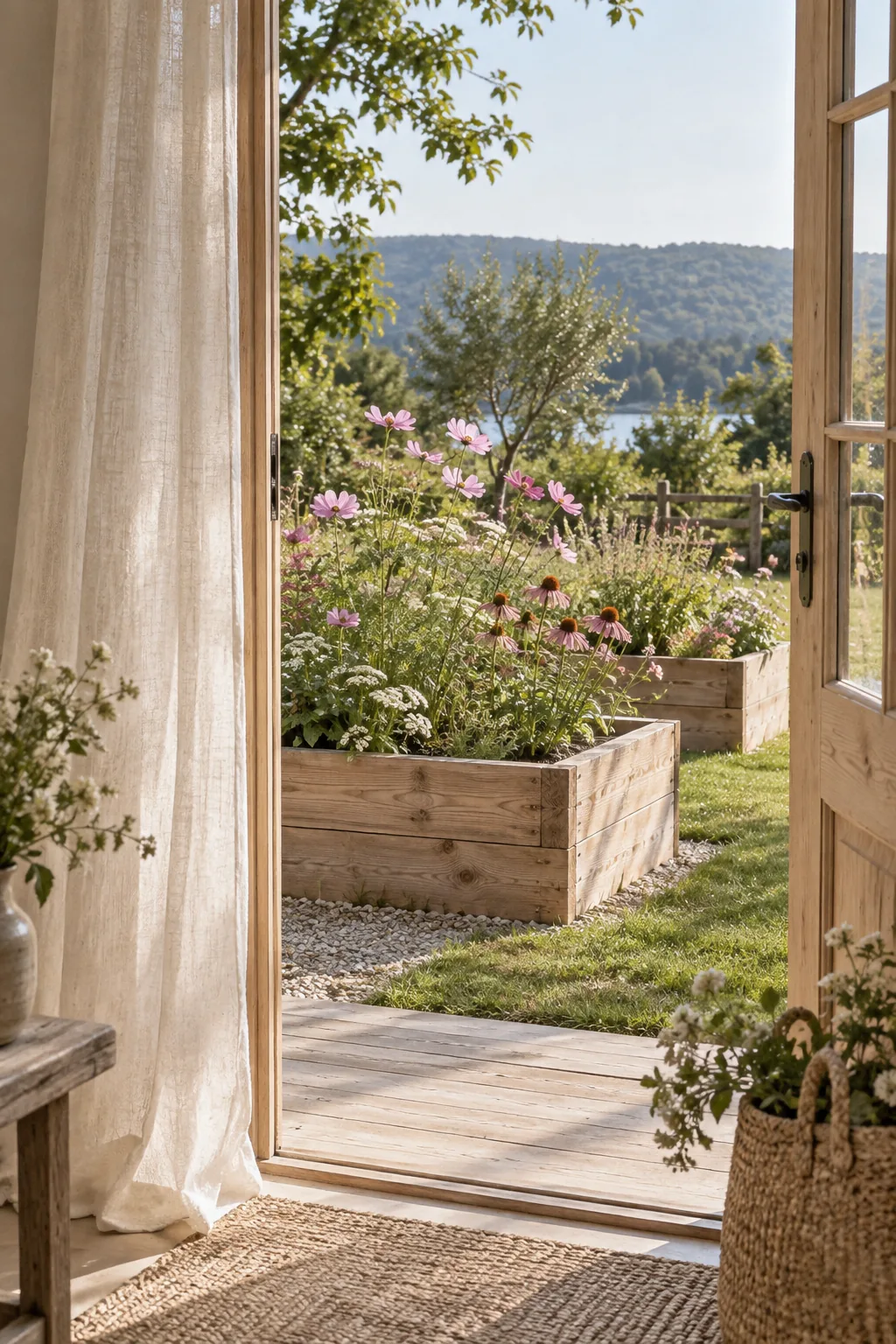
Using untreated cedar raised beds keeps aggressive native spreaders from taking over your manicured lawn. The wooden frame physically holds the chaotic blooms together so the garden looks intentional instead of overgrown.
5. Mailbox Makeover
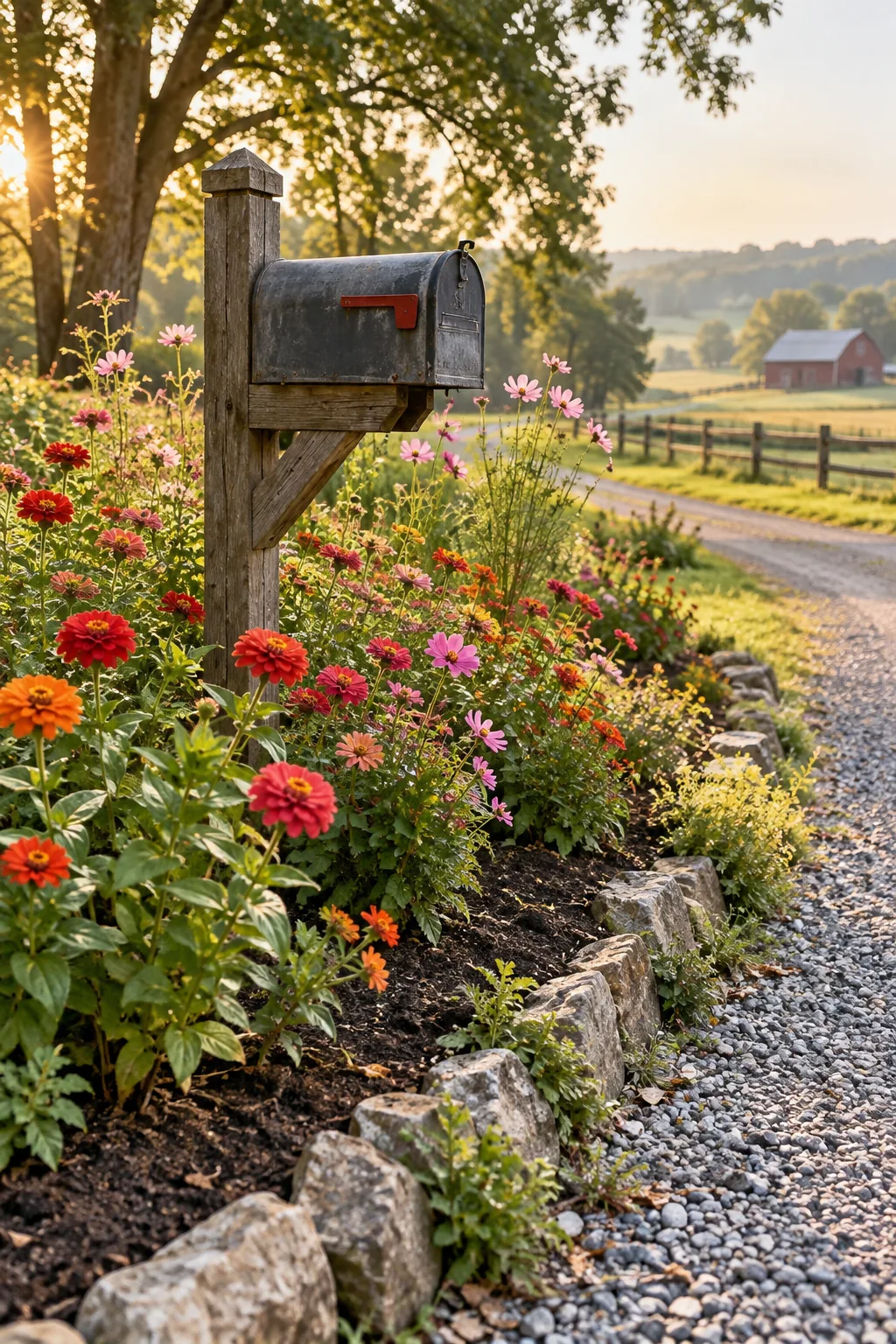
My mailbox used to sit in a boring patch of dead grass until I threw down some zinnias and cosmos. It is such an easy weekend project.
You just pull up the turf, add a little compost, and rake the seeds right in. The mail carrier actually thanked me for the upgrade.
These tough plants thrive on neglect. They actually prefer the poor soil right next to the road.
Why it works: A small, clearly defined planting zone prevents the wildflowers from looking like neglected weeds to your neighbors.
6. Rock Garden Crevices
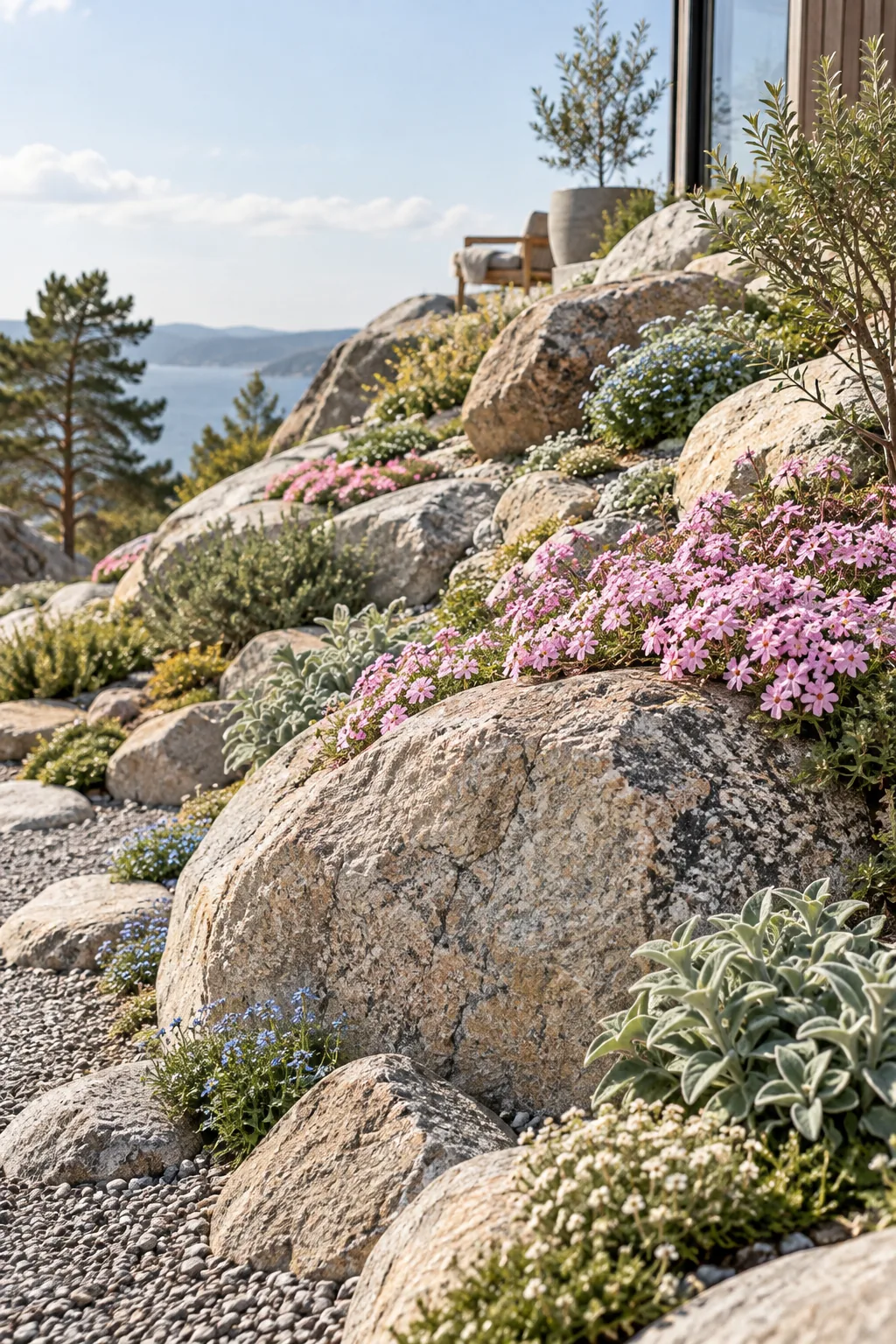
Tucking seeds into the crevices of large boulders creates instant visual texture.
The stones absorb heat during the day and keep the soil warm at night. This microclimate helps alpine wildflowers and creeping phlox bloom weeks earlier than the rest of the yard. It is a brilliant way to handle a steep, unusable slope.
7. Lush Window Boxes
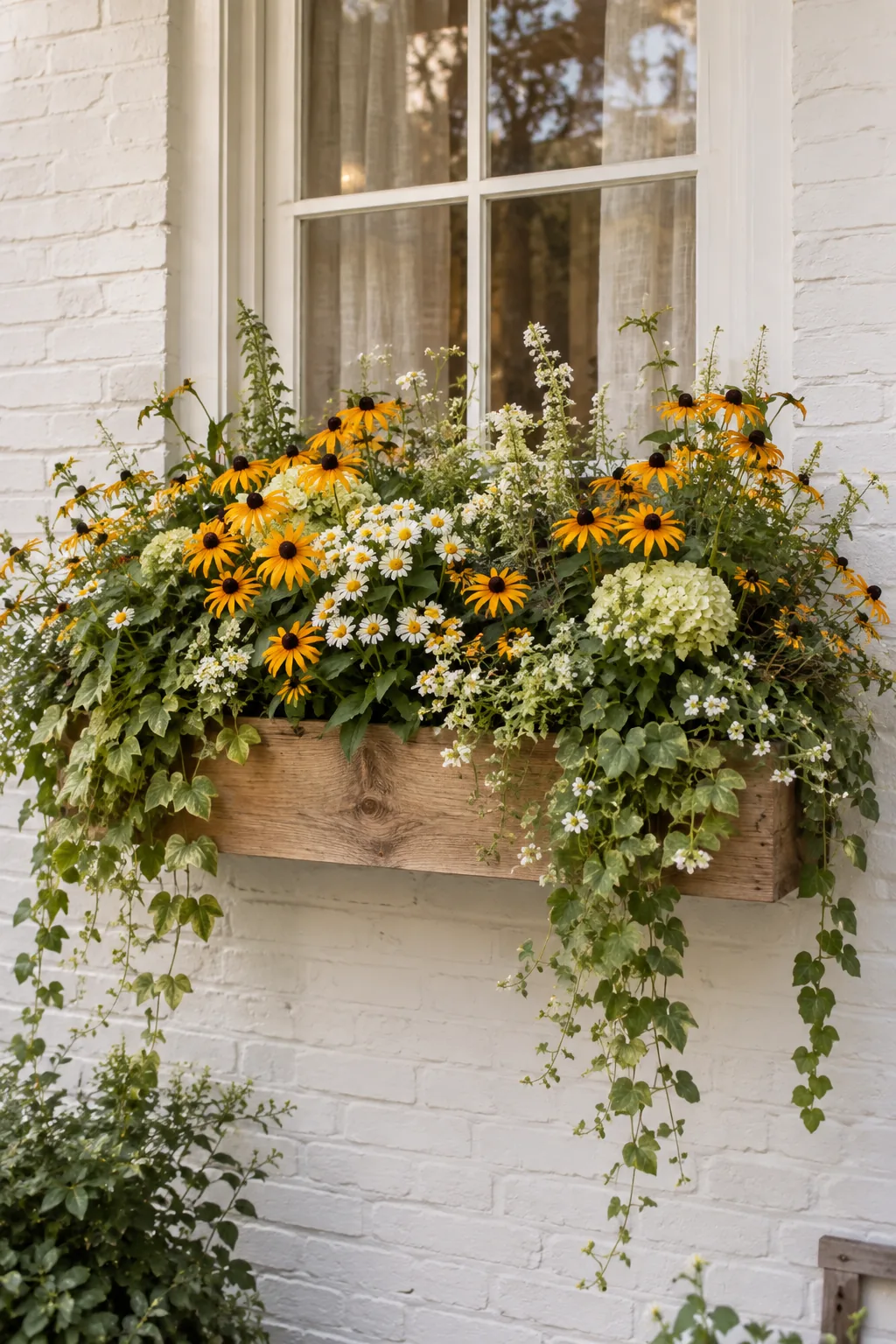
Most people only put petunias in window boxes, but native annuals work just as well. A thick mix of black-eyed Susans and trailing vines looks incredibly lush against brick siding.
You want to pack the seeds in tighter than you would in the ground. This guarantees a really full, overflowing display.
Water them daily during the summer heat. Boxes dry out much faster than garden beds.
8. Hellstrip Meadows
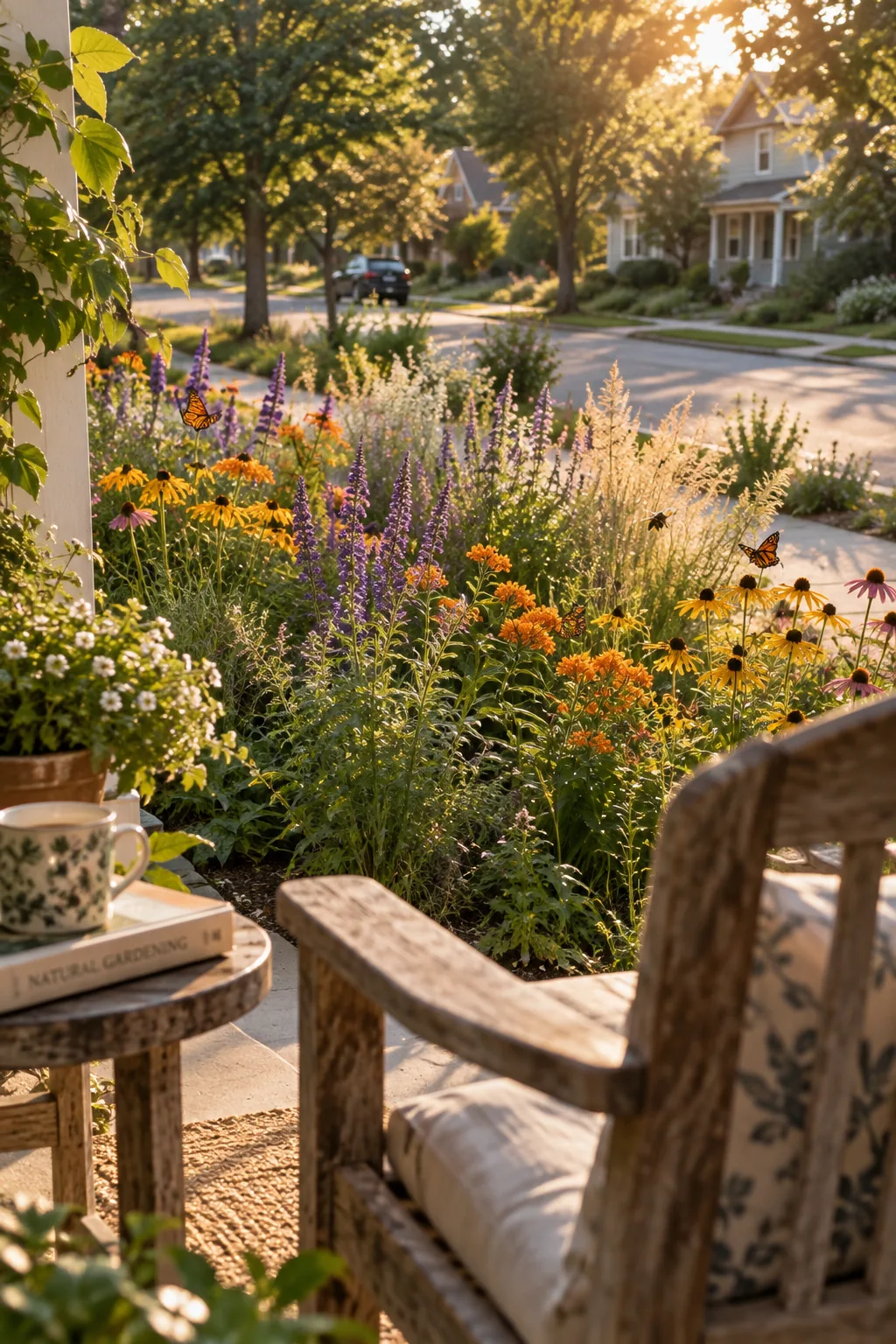
Ripping out the grass between the sidewalk and the street turns wasted space into a vibrant pollinator corridor. You need tough, drought-tolerant varieties here because the city radiant heat is intense. Once established, this mini meadow rarely needs watering.
Just check your local city ordinances regarding plant height before you start digging.
- Yarrow
- Blanket flower
- California poppies
9. Living Fence Screens
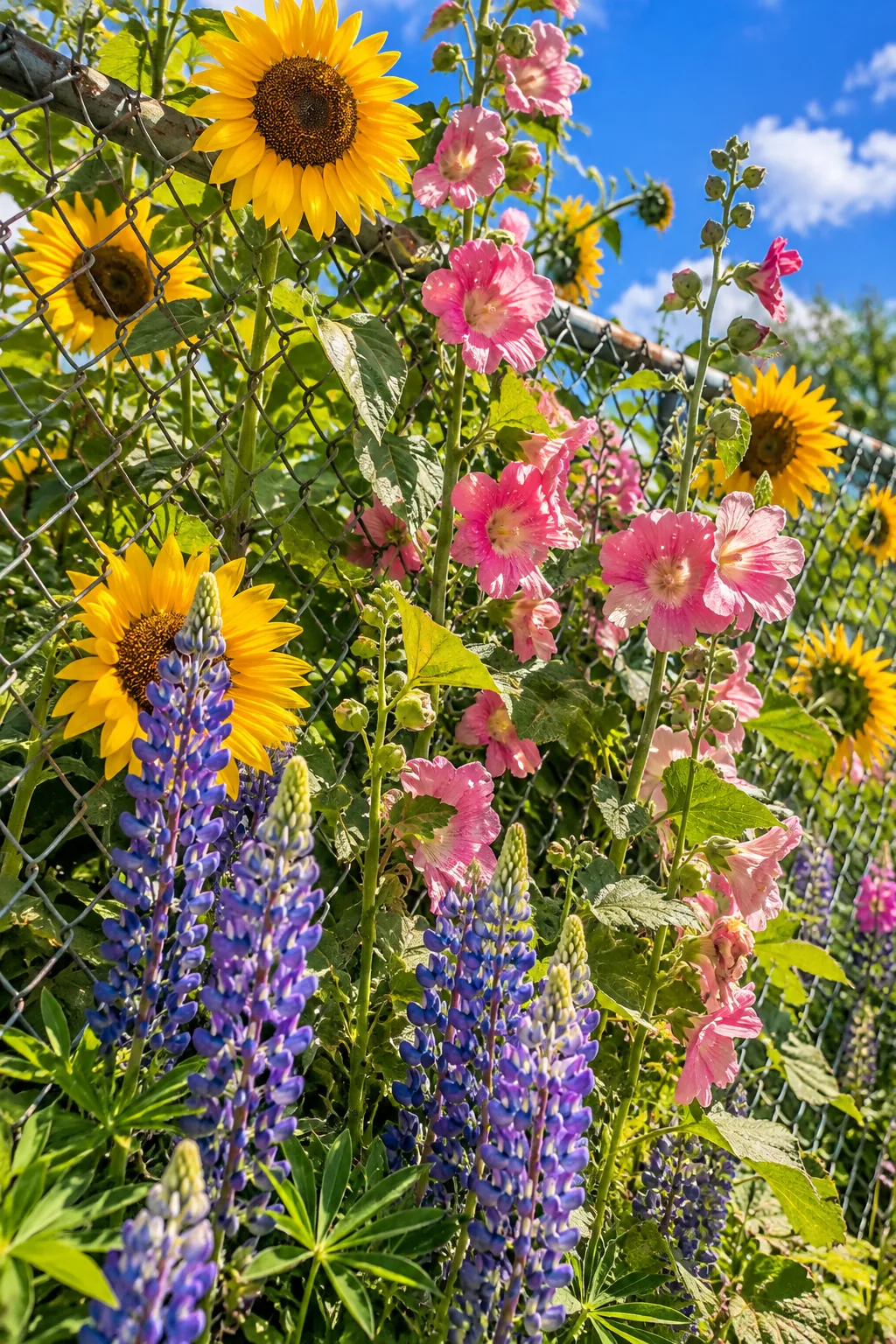
A tall wall of sunflowers and hollyhocks creates a living privacy screen. It completely transforms a boring chain-link fence into a secret garden boundary.
Plant the tallest varieties right against the fence wire. Then layer medium blooms like lupine directly in front of them.
The fence provides crucial wind support for those heavy flower heads. You will not have to stake a single plant.
10. Hollow Log Planters
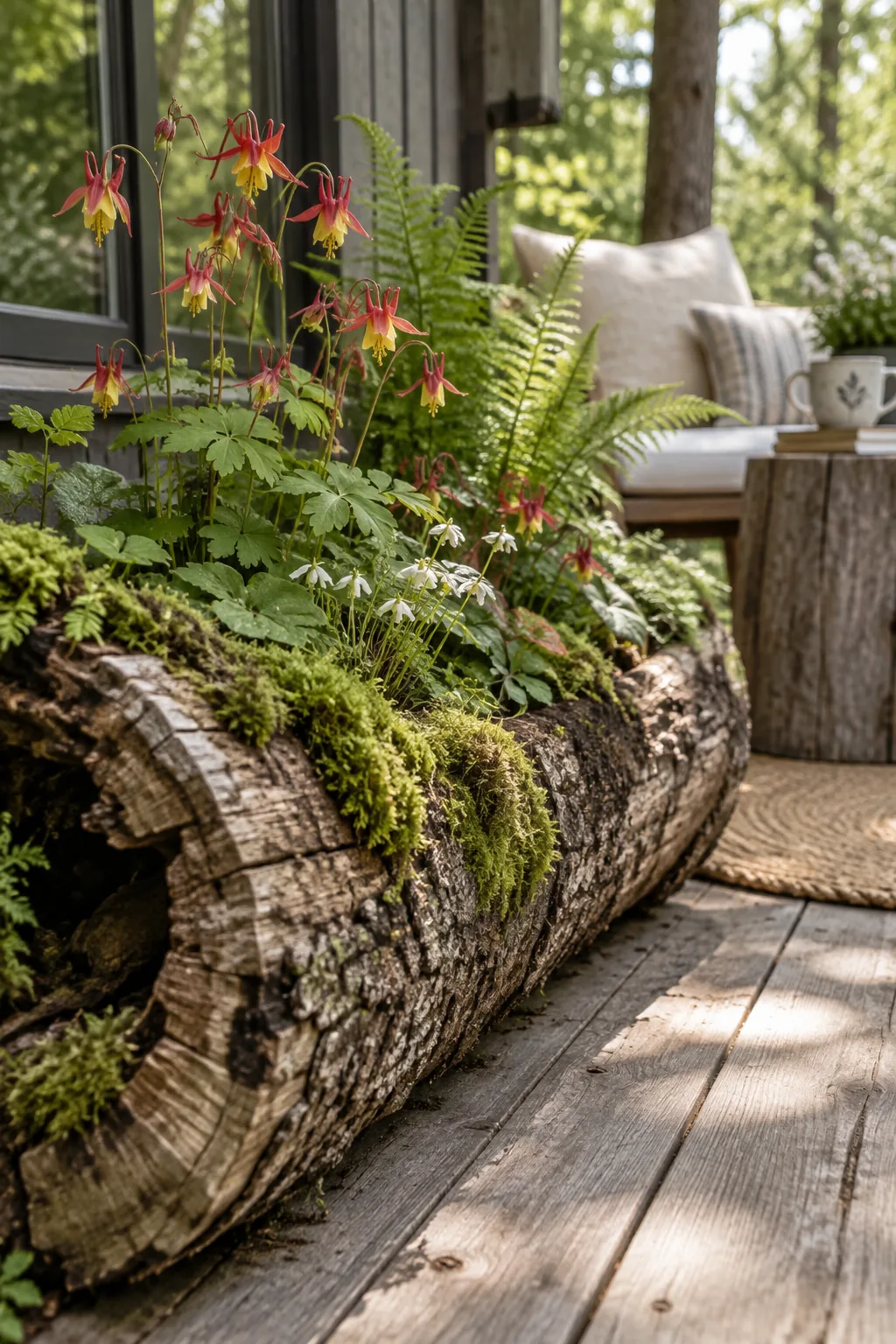
I found a rotting oak log in the woods and hollowed it out for the ultimate rustic planter. You just fill the center with potting soil and sprinkle in a shade-tolerant seed mix. The decaying wood holds moisture perfectly for delicate woodland varieties like columbine. It feels like a tiny piece of the forest floor right on my patio.
11. Gravel Garden Beds
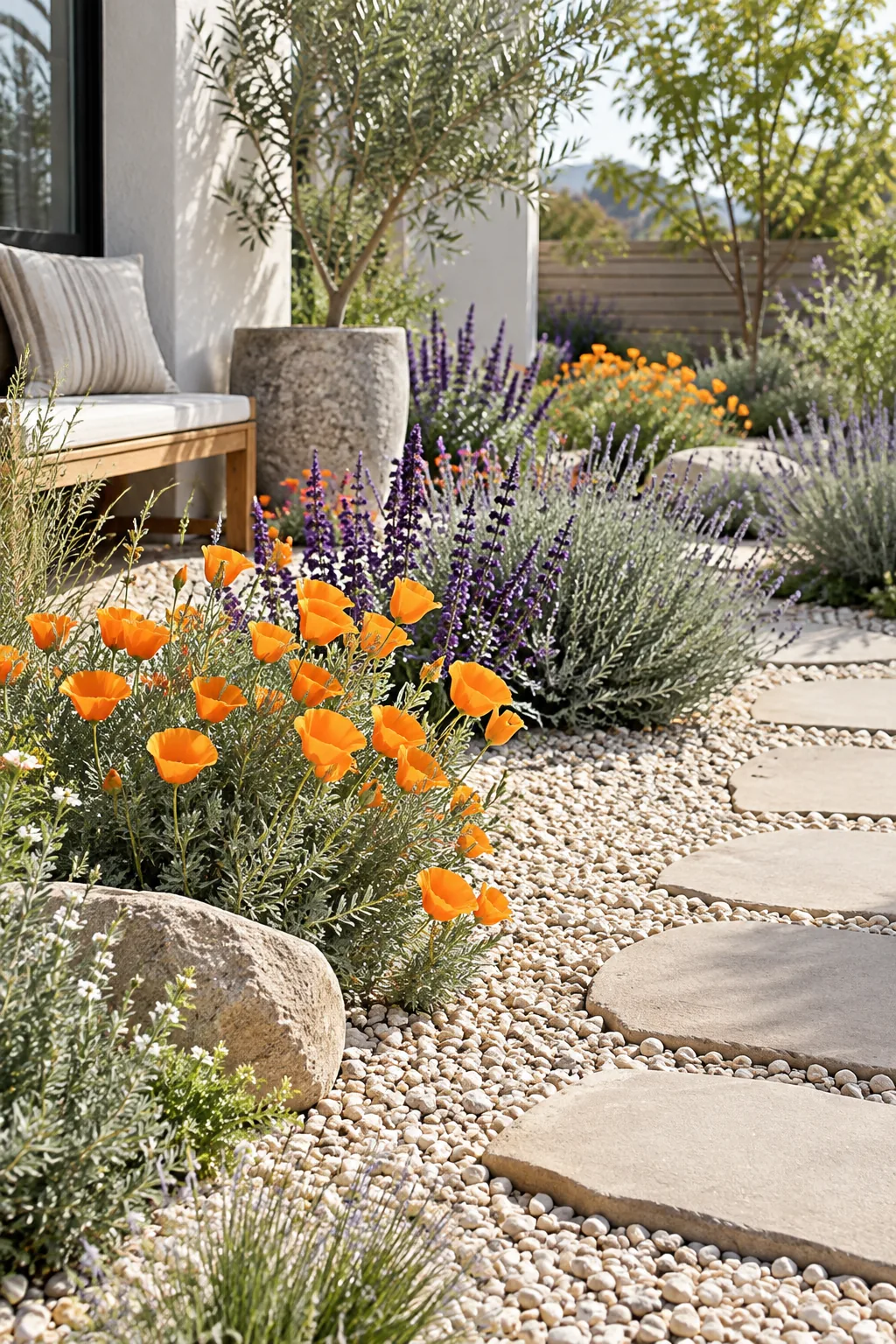
Sowing seeds directly into a thick layer of pea gravel forces the roots to dig deep.
This harsh environment keeps the foliage compact and pushes the plants to produce way more flowers. It is the perfect solution for a sunny, dry yard where traditional grass refuses to grow. You end up with a gorgeous, water-wise landscape.
Why it works: The gravel acts as a permanent mulch that stops weed seeds from germinating while keeping the wildflower crowns dry and rot-free.
12. Wheelbarrow Display
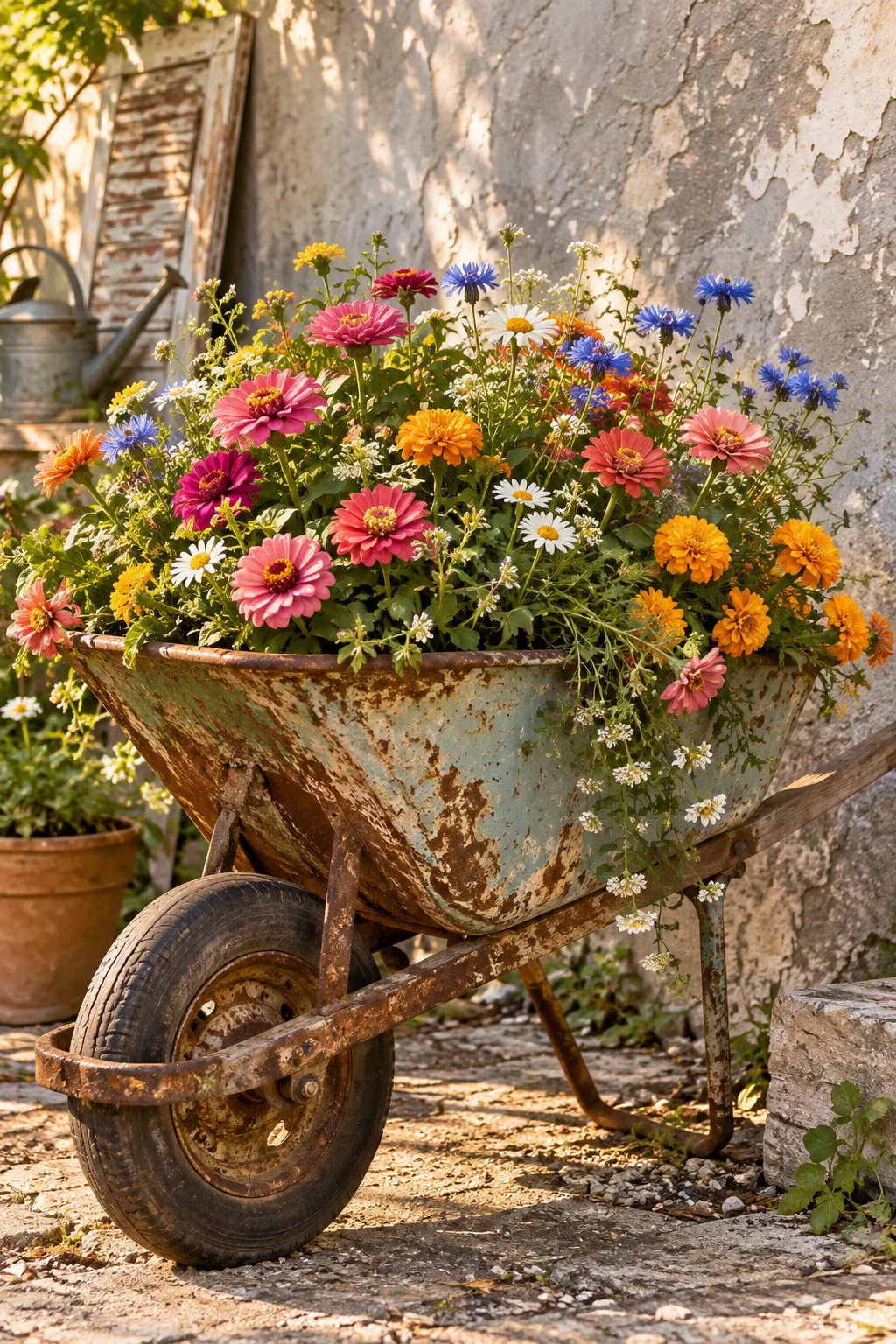
Repurpose an old, broken wheelbarrow into a mobile wildflower display. Drill a few holes in the rusted pan, fill it with a lightweight soil mix, and heavily seed it with quick-blooming annuals. You can wheel the whole arrangement into the sunniest spots of your yard as the seasons change. It adds instant vintage charm to any bare corner.
13. Tree Ring Skirts
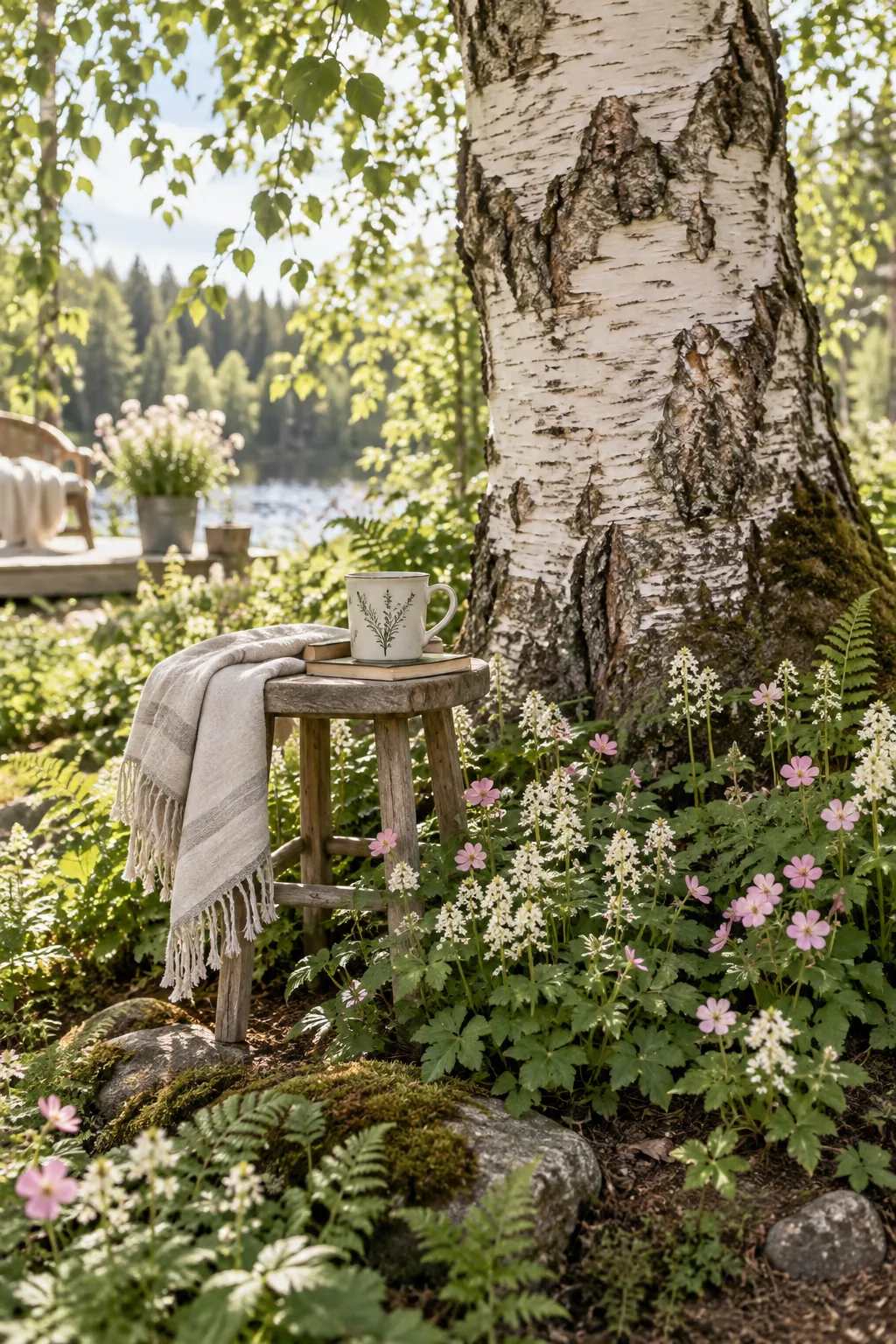
Plant a ring of shallow-rooted woodland wildflowers under your mature shade trees instead of fighting with patchy grass. Foamflower and wild geraniums thrive in the dappled light and will not compete with the deep tree roots. It gives the base of the tree a soft, natural skirt of color.
Keep the soil layer thin so you do not smother the tree bark.
14. Herb Garden Mix
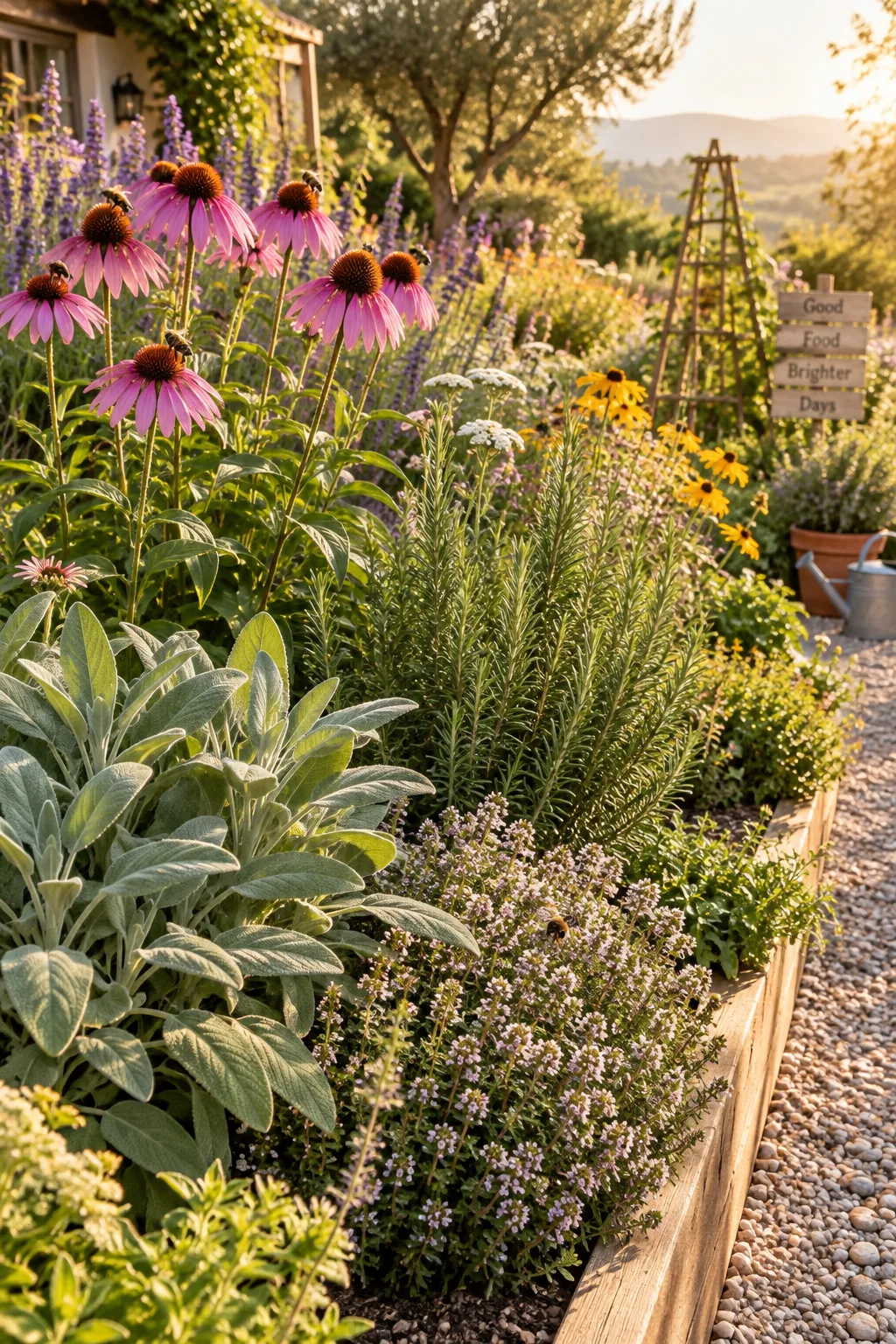
Interplanting your wildflowers with culinary herbs creates a highly fragrant, pest-resistant garden bed. The strong oils in rosemary and thyme naturally deter deer and rabbits from eating your delicate blooms.
I love mixing tall purple echinacea right next to bushy sage plants. The textures contrast beautifully.
Plus, the bees absolutely go crazy for herb flowers. It is a total win for the ecosystem.
15. Farm-Style Cutting Rows
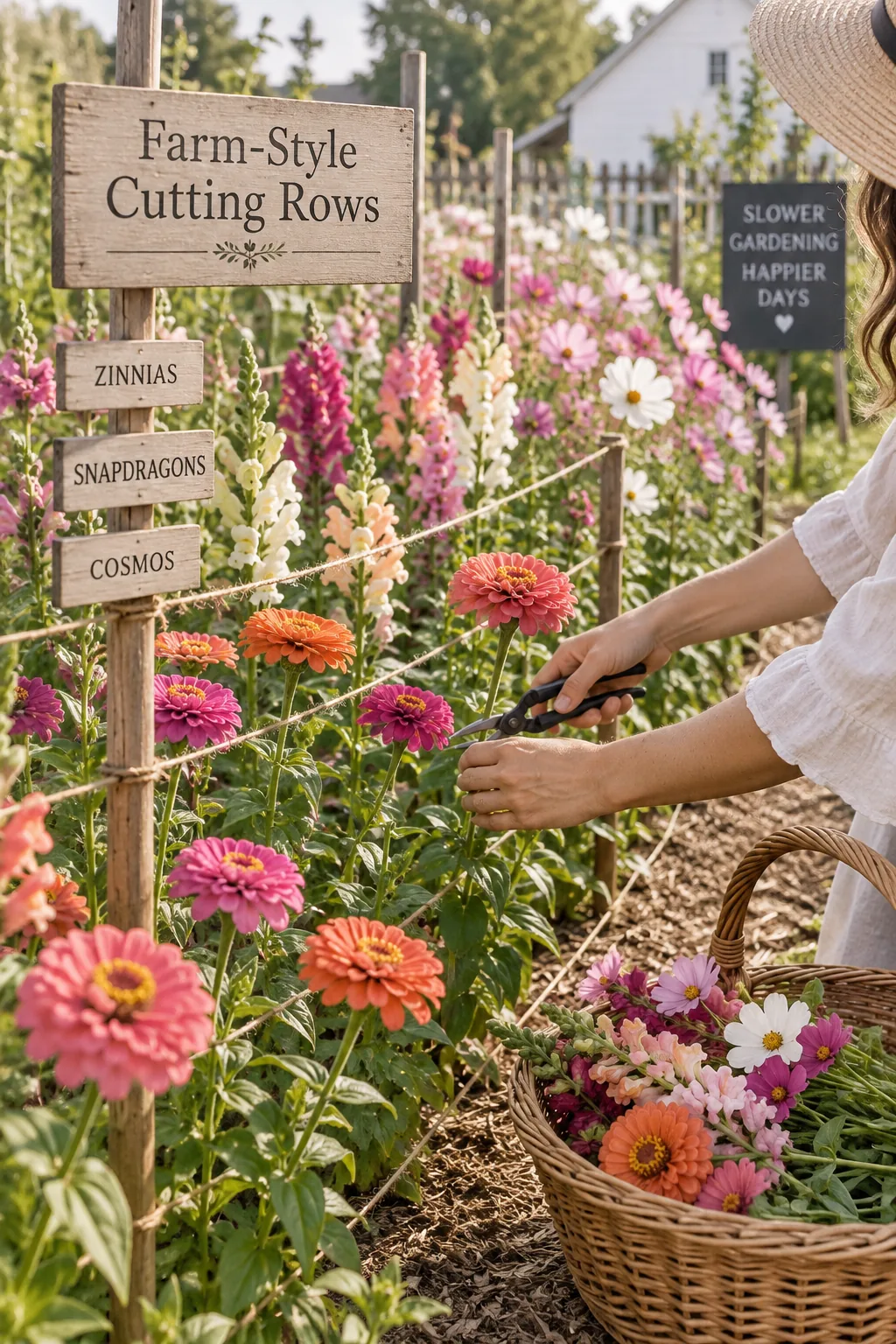
A dedicated grid of straight floral rows gives you that endless English manor cutting garden aesthetic. Setting it up like a farm plot makes it incredibly easy to walk through and harvest stems without trampling the other plants. You want to focus heavily on cut-and-come-again varieties that push out new growth every time you snip them. Stringing twine between wooden stakes keeps the taller stems perfectly straight for your indoor vases. It is the cheapest way to fill your kitchen with fresh bouquets all summer long.
- Bachelor's buttons
- Feverfew
- Strawflower
- Queen Anne's lace
16. Birdbath Anchors
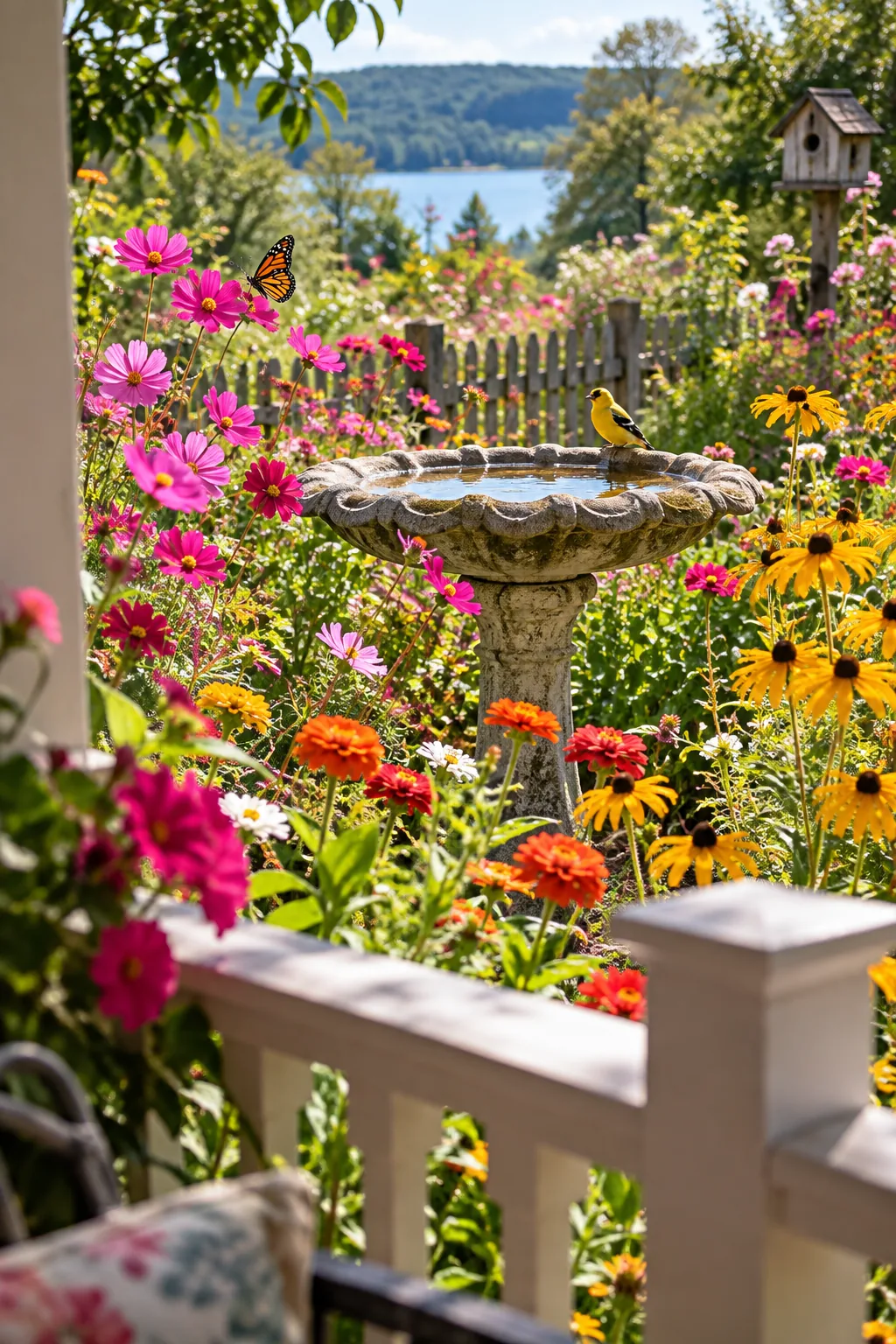
I planted my entire front meadow around a vintage concrete birdbath.
The water source brings in so many goldfinches and butterflies right into the middle of the floral chaos. The tall blooms eventually swallow the pedestal, making the water basin look like it is floating on a sea of petals. It acts as the perfect structural anchor for a wild space.
17. Rain Garden Swales
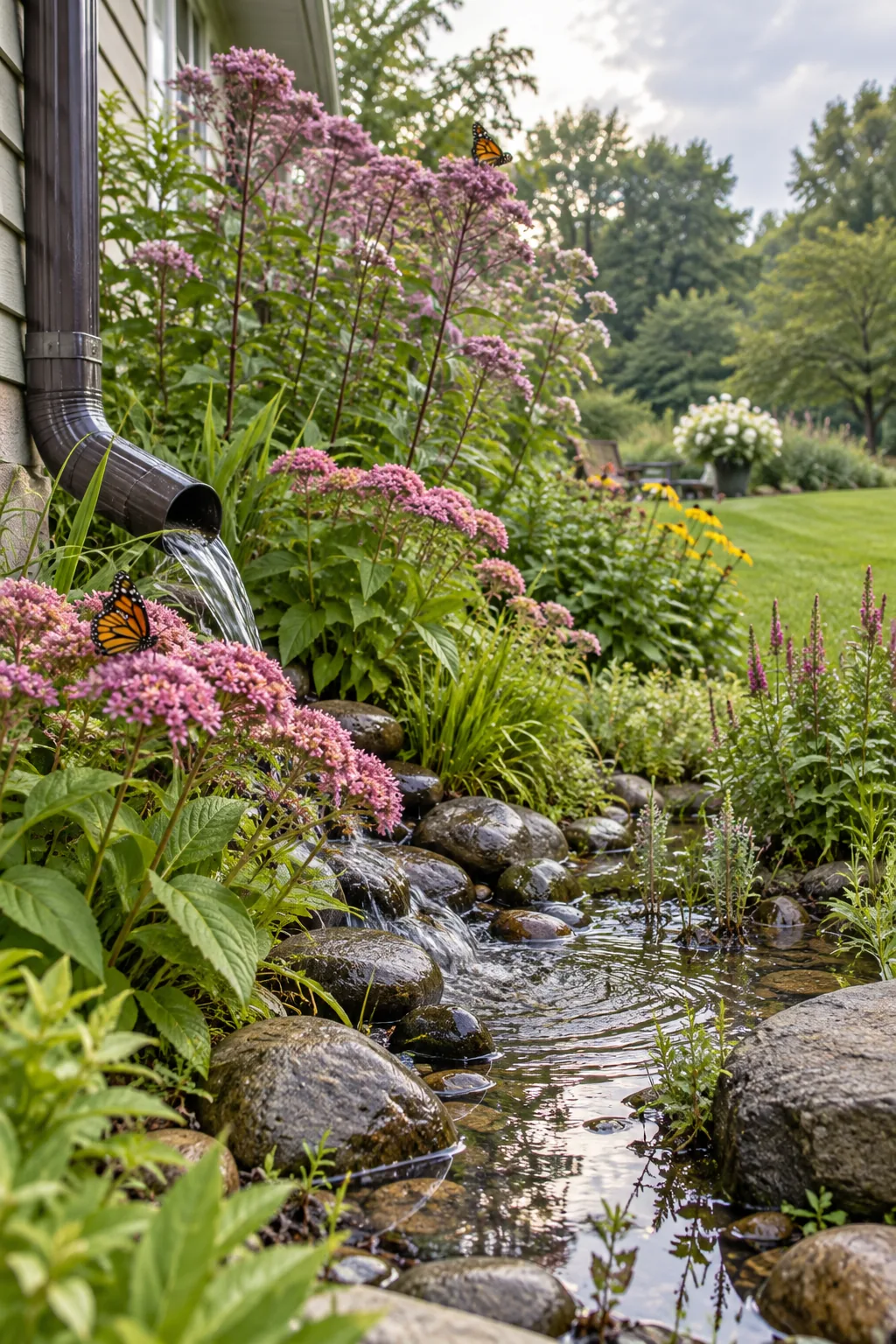
Funneling your gutter runoff into a sunken depression creates the ultimate habitat for moisture-loving natives.
Swamp milkweed and Joe-Pye weed will happily soak up standing water that would normally flood your lawn. The deep roots filter out roof pollutants before the water hits the groundwater system. It turns a massive drainage problem into a stunning landscape feature.
Why it works: Matching the specific water needs of the plants to the lowest, wettest part of your yard guarantees they thrive with zero extra irrigation.