
The Natural Family Photo: Wardrobe and Posing Guide
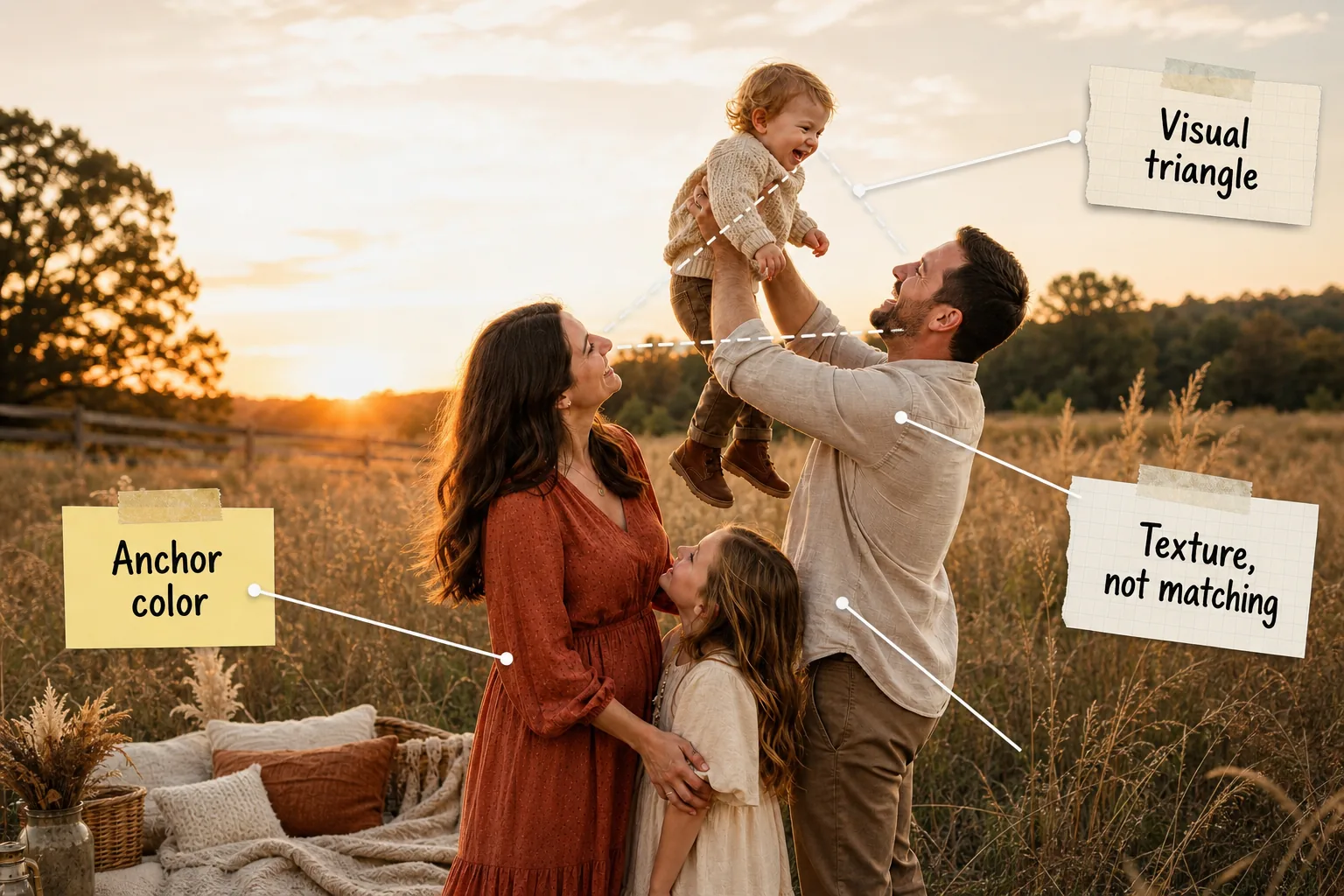
Welcome to your complete Wardrobe and Posing Guide, meticulously designed to help you style a cohesive, non-matching family palette and direct natural, candid-looking interactions. Skip the stiff, uncomfortable outfits and use these exact steps to coordinate rich textures, build visual triangles, and reliably prompt genuine laughs.
Start With One Anchor Color
Establish your foundation by selecting one anchor color for the largest outfit, which is usually a beautiful flowing dress worn by the mother. This dominant shade grounds the entire visual palette and dictates the complementary supporting tones for everyone else in the frame.
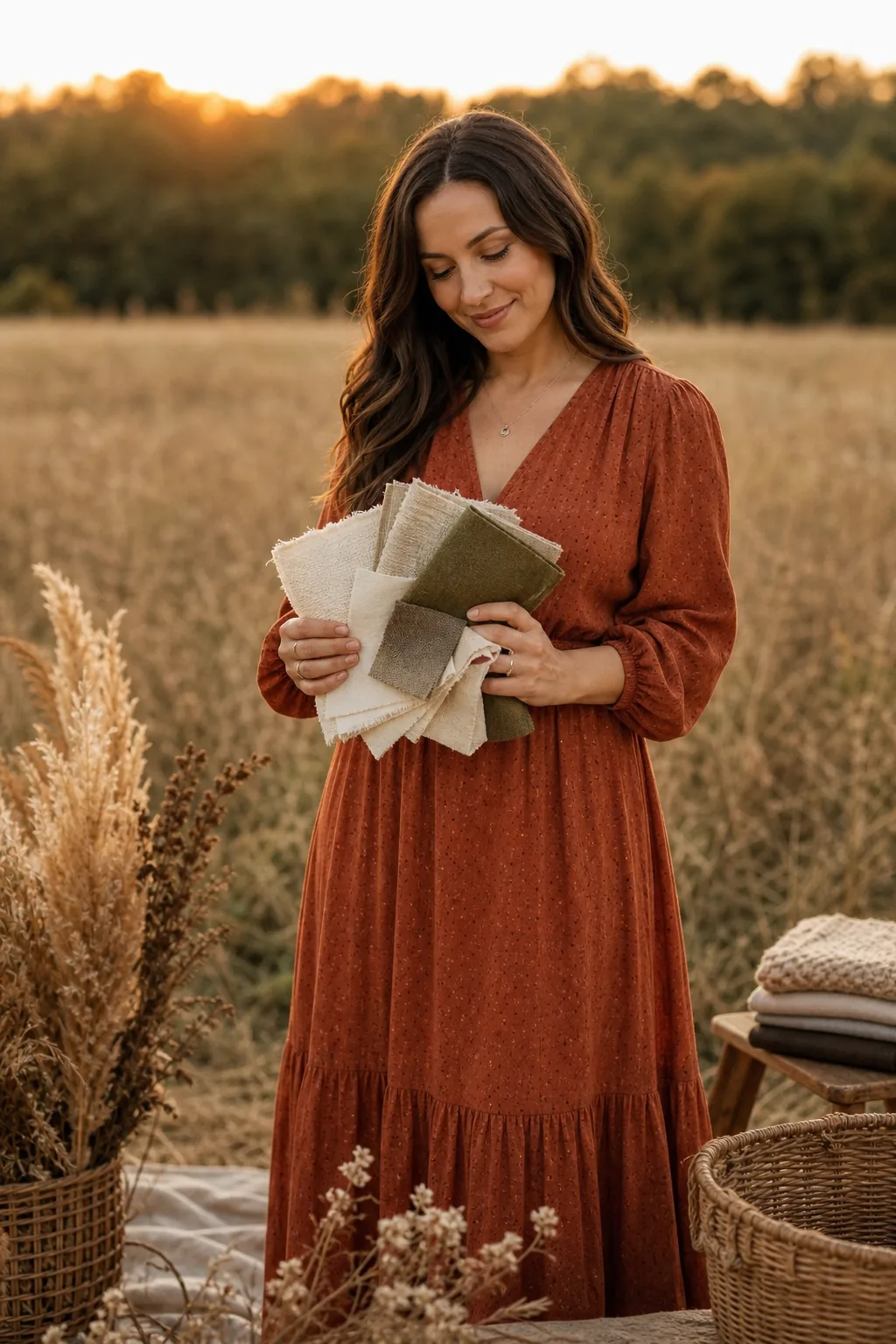
Once this primary color is firmly set, you can safely build the rest of the family’s wardrobe without worrying about clashing. This single focal point prevents the final portrait from looking chaotic while keeping the viewer’s attention firmly anchored on the subjects.
Select Complementary Neutral Tones
Support your main focal point by introducing two to three muted, earthy tones for the remaining family members. Colors like soft olive, warm camel, and heather gray blend seamlessly with most outdoor environments while beautifully highlighting the primary anchor garment without competing for attention.
| Anchor Color | Supporting Neutral 1 | Supporting Neutral 2 | Supporting Neutral 3 |
|---|---|---|---|
| Rust | Cream | Olive Green | Warm Camel |
| Mustard | Charcoal | Ivory | Navy Blue |
| Dusty Blue | Sand | Light Gray | Slate |
Using this structured palette method guarantees that the family looks unified but never overly coordinated or matching. Sticking to a strict limit of three supporting shades prevents the overall image from becoming visually overwhelming and keeps the styling timeless for years to come.
Layer Texture Instead of Matching
Break the outdated rule of matching white shirts by prioritizing texture, not matching, which creates essential visual depth in photographs. Mixing materials prevents the group from blending into a single flat shape when they are standing close together during intimate family poses.

Incorporate at least three distinct fabrics across the family to add richness and dimension to the frame. Combine chunky cotton knits, breathable linen, and soft washed denim to catch the sunlight differently and instantly elevate the final image to a professional level.
Avoid Distracting Prints and Logos
Keep the focus entirely on your family’s faces and interactions by eliminating bold patterns, graphic tees, and visible brand logos. Solid colors and subtle weaves ensure the final portraits remain timeless and keep the attention squarely on your genuine expressions and emotional connections.
Even when introducing a small pattern, ensure that at least eighty percent of the family is dressed in solid, textured fabrics. This ratio maintains a balanced composition and prevents the clothing from competing with the beautiful outdoor landscape during your photography session.
Keep Kids Comfortable and Mobile
Apply your wardrobe rules to children with a strict focus on mobility, ensuring hemlines allow for active play in a field setting. Avoid stiff collars or restrictive dresses that prevent them from running, jumping, and being lifted safely during dynamic action prompts.
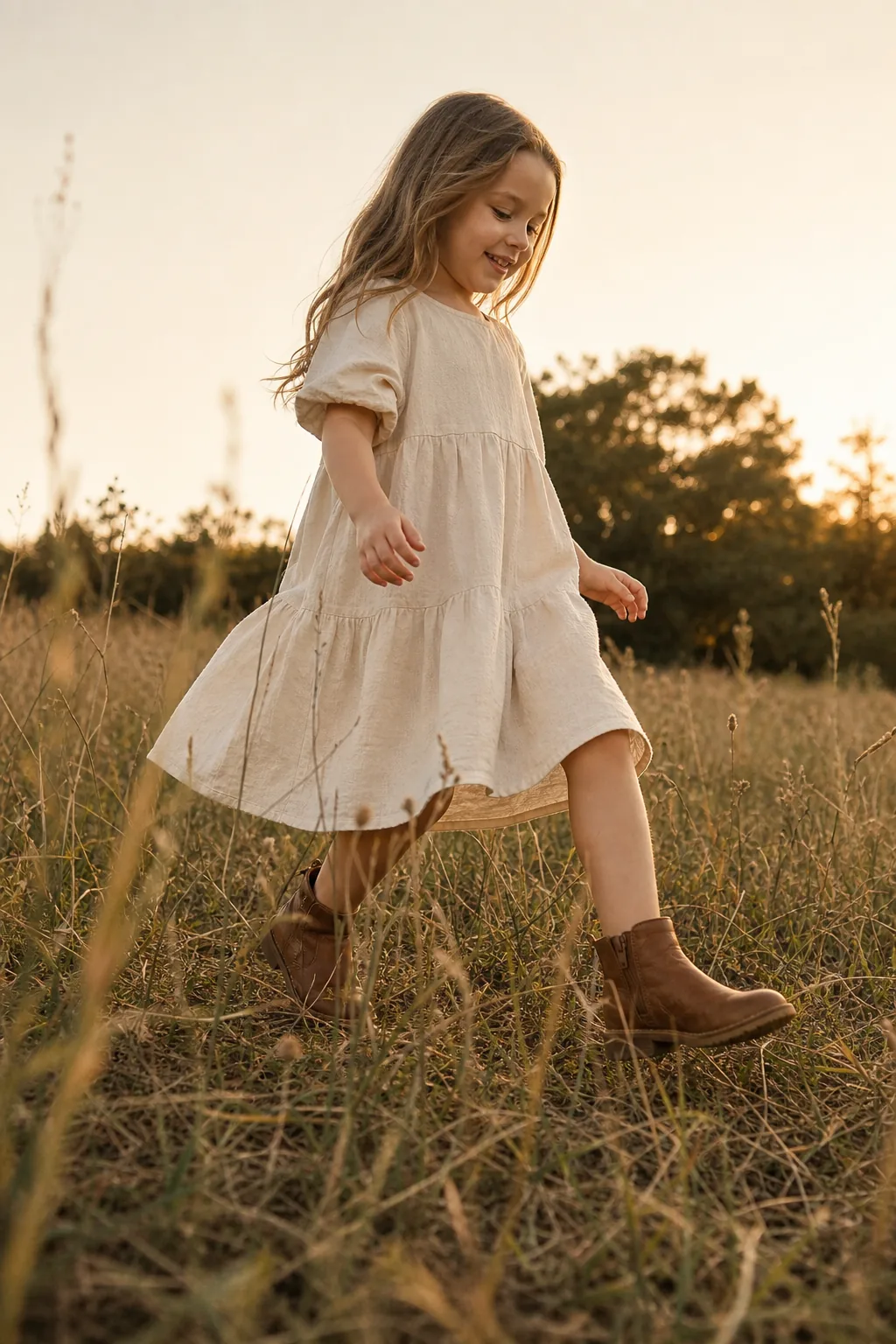
Even the most beautiful outfit will ruin a session if it causes a sensory meltdown or restricts natural movement. Prioritize comfortable fabrics and practical footwear above all else to keep the timeline on track and ensure happy, relaxed smiles from the kids.
Choose Footwear for Uneven Terrain
Outdoor sessions require walking through tall grass, navigating dirt paths, and climbing over uneven ground, making stilettos or formal dress shoes a serious hazard. Select sturdy, practical footwear that allows parents to safely carry heavy toddlers without losing their balance or sinking.
- Wear flat leather boots for tall grass and fields.
- Choose neutral lifestyle sneakers for rocky paths.
- Opt for secure strappy sandals on sandy beaches.
Ensuring everyone is wearing appropriate shoes prevents rolled ankles and allows the photographer to utilize the best scenic spots. Comfortable feet directly translate to relaxed posture and a much more enjoyable experience for the entire family throughout the hour-long session.
Build a Visual Triangle
Ditch the straight lineup and arrange your subjects to build a visual triangle, which naturally guides the viewer’s eye around the frame. Staggering head heights creates a dynamic, balanced composition rather than a stiff, formal corporate portrait that lacks emotional warmth.
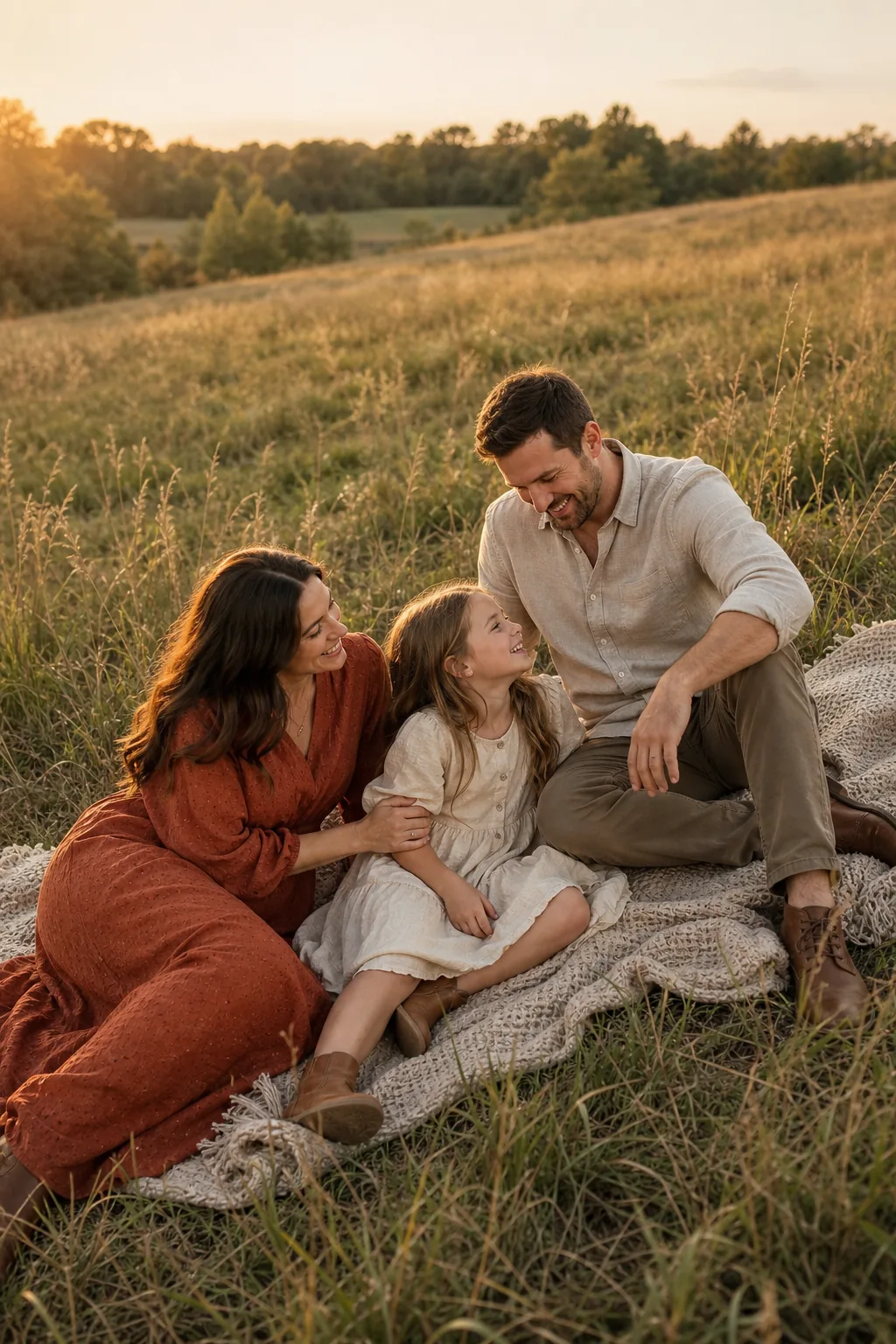
Create a height difference of at least 12 to 18 inches between faces to form this triangular structure. Achieve this easily by having one parent sit on a blanket, leaning against a tree, or lifting a child onto their shoulders for a playful shot.
Close the Physical Gaps
Photographs exaggerate physical distance, so families must stand significantly closer together than they would in normal daily conversation. Eliminate awkward empty space by overlapping shoulders, linking arms, and ensuring every person is physically touching at least one other family member at all times to create a unified shape.
Use Action Prompts Over Poses
Replace static, frozen postures with a specific action prompt to generate authentic motion and genuine laughter. Giving the family a physical task completely distracts them from the presence of the camera lens and eliminates awkward, rigid hands that ruin otherwise perfect shots.
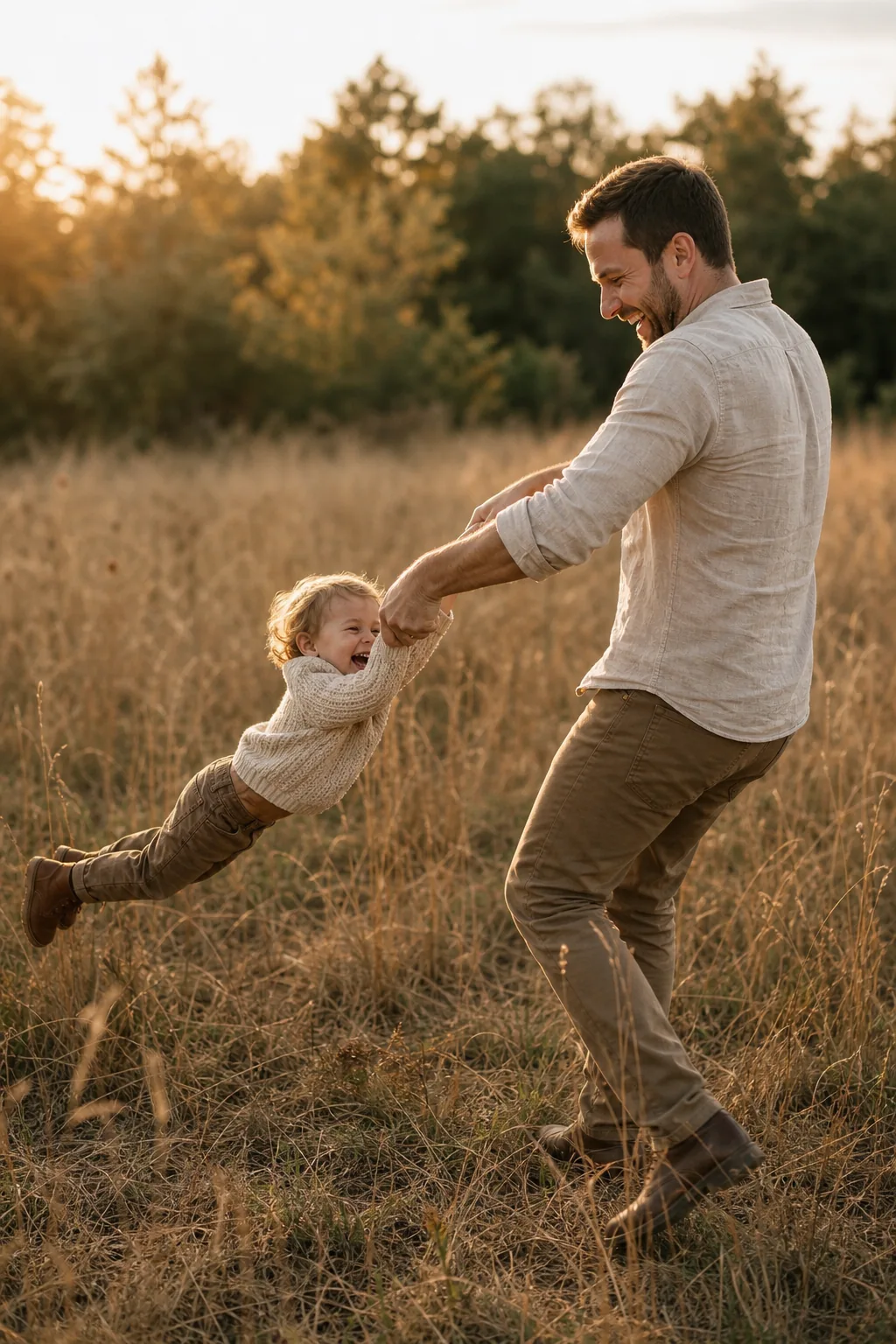
Direct the parents to lift a child high in the air, tackle them with tickles, or whisper a funny secret. These physical instructions reliably produce natural, candid smiles within three to five seconds of initiating the playful action, capturing true joy.
Keep Prompts Age-Appropriate
Tailor your physical directions to the developmental stage of the children to guarantee enthusiastic participation. While toddlers respond best to being swung or tossed, older children prefer walking prompts, telling jokes, or racing their siblings across the open meadow to burn off energy and loosen up.
Where to Look During the Shot
If you are wondering where to look?, the answer is almost always at each other rather than directly into the lens. Establishing eye contact between family members creates an intimate, documentary-style atmosphere instead of a forced, theatrical performance for the photographer.
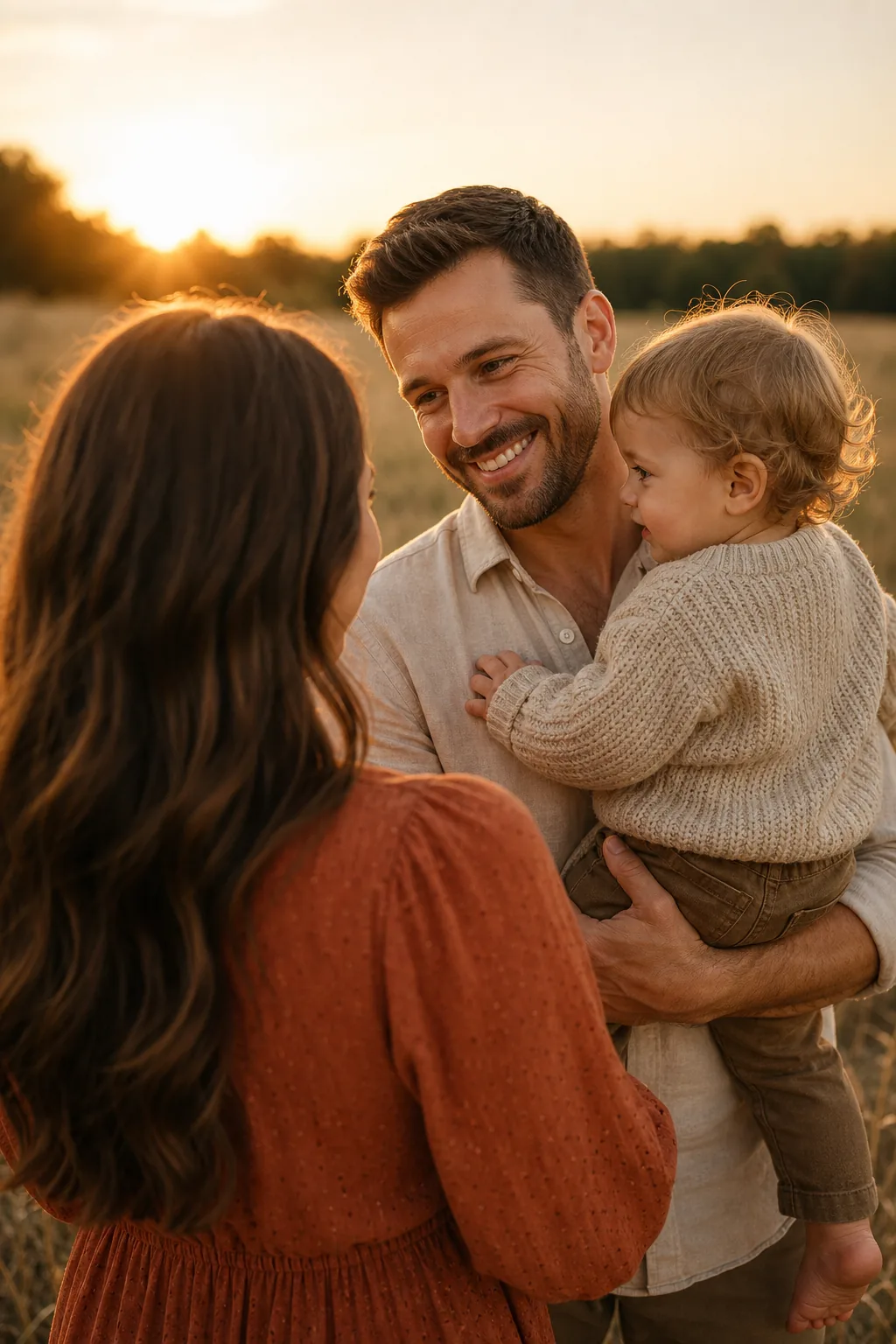
Instruct parents to look at their partner or down at their children for 80 percent of the session. This continuous connection guarantees that the resulting portraits capture real emotional bonds and quiet, tender moments between the family members that feel completely authentic.
Manage Flyaway Hair and Details
Keep a close eye on stray hairs, twisted collars, and untucked shirts before initiating a new sequence of movements. Taking ten seconds to smooth out these minor distractions saves hours of frustrating digital retouching after the gallery is delivered and ensures polished, professional results every time.
Position for Golden Hour Light
Timing and positioning are just as critical as your wardrobe, so always utilize the soft, directional light occurring 60 to 90 minutes before sunset. This specific window provides a flattering, warm glow that elevates the entire final gallery and creates a magical atmosphere.
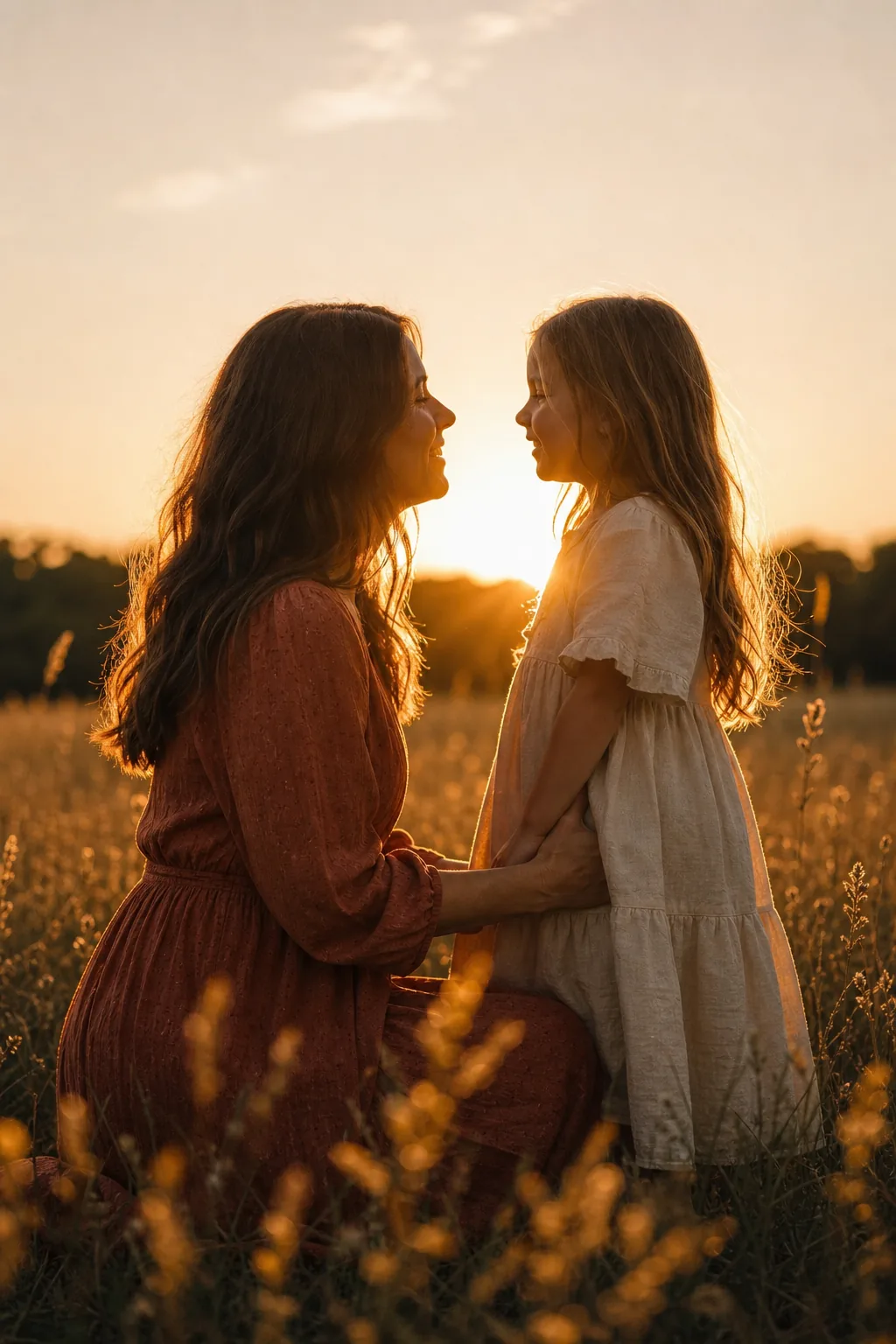
Position the sun directly behind the family to create a luminous rim light on their hair and separate them from the background. Backlighting completely eliminates harsh facial shadows and prevents the awkward, strained squinting caused by direct, overhead sunlight during midday shoots.
Plan for Weather Shifts
Outdoor sessions are vulnerable to sudden temperature drops as the sun dips below the horizon. Bring a textured, neutral-colored blanket that complements the wardrobe so you can quickly wrap up a shivering toddler without interrupting the beautiful final shots of the evening as the light fades.
Your Complete Wardrobe and Posing Guide
Reviewing your wardrobe choices, composition rules, and timing ensures you arrive at the location fully prepared. A successful outdoor session relies on executing these foundational steps before you ever step in front of the camera lens, allowing you to simply enjoy the moment.
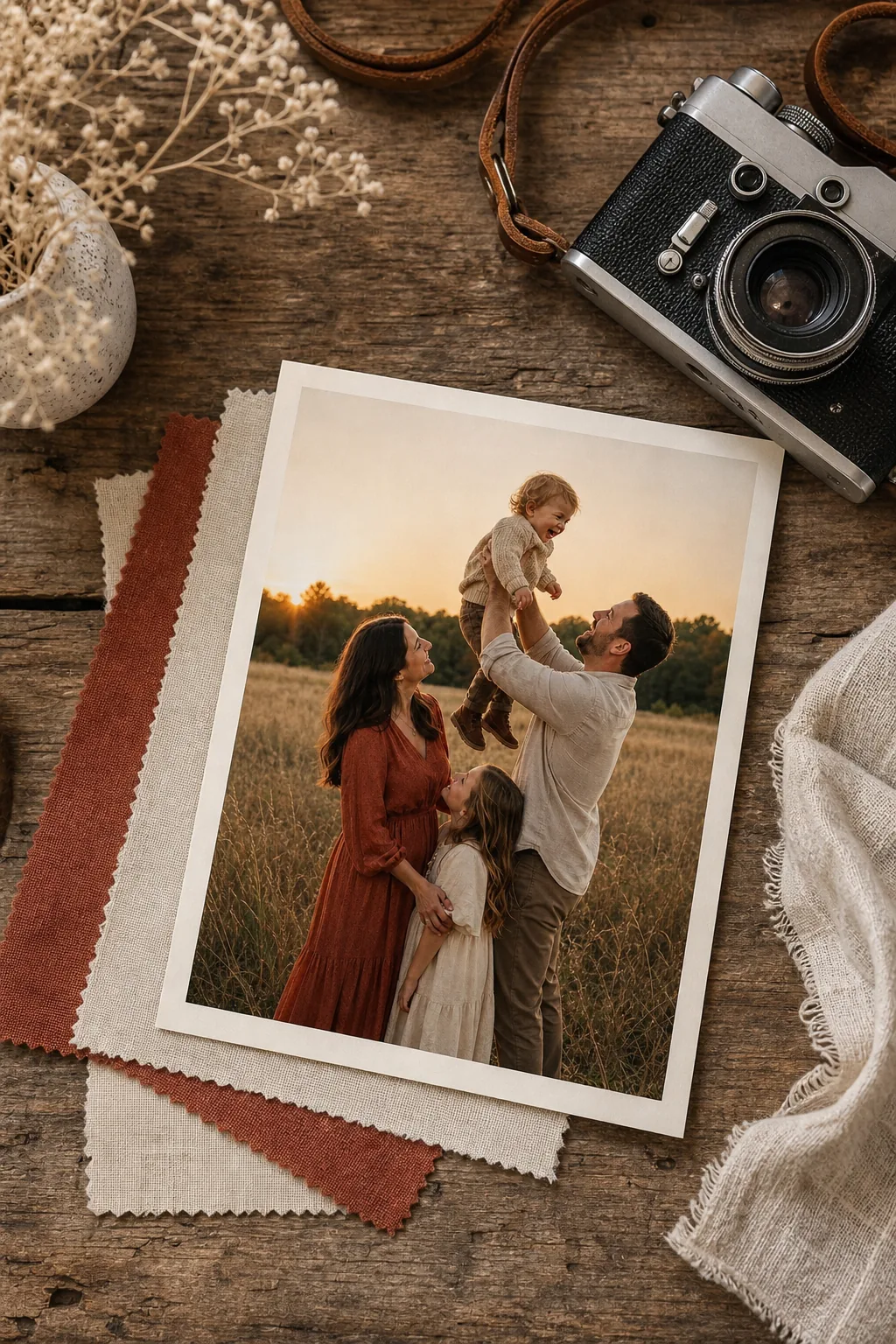
Bring all these elements together to finalize your plan and remove any session-day stress. Use this final checklist to guarantee a smooth, beautiful shoot and perfectly deliver on your promised Wardrobe and Posing Guide for a stunning family photo collection.