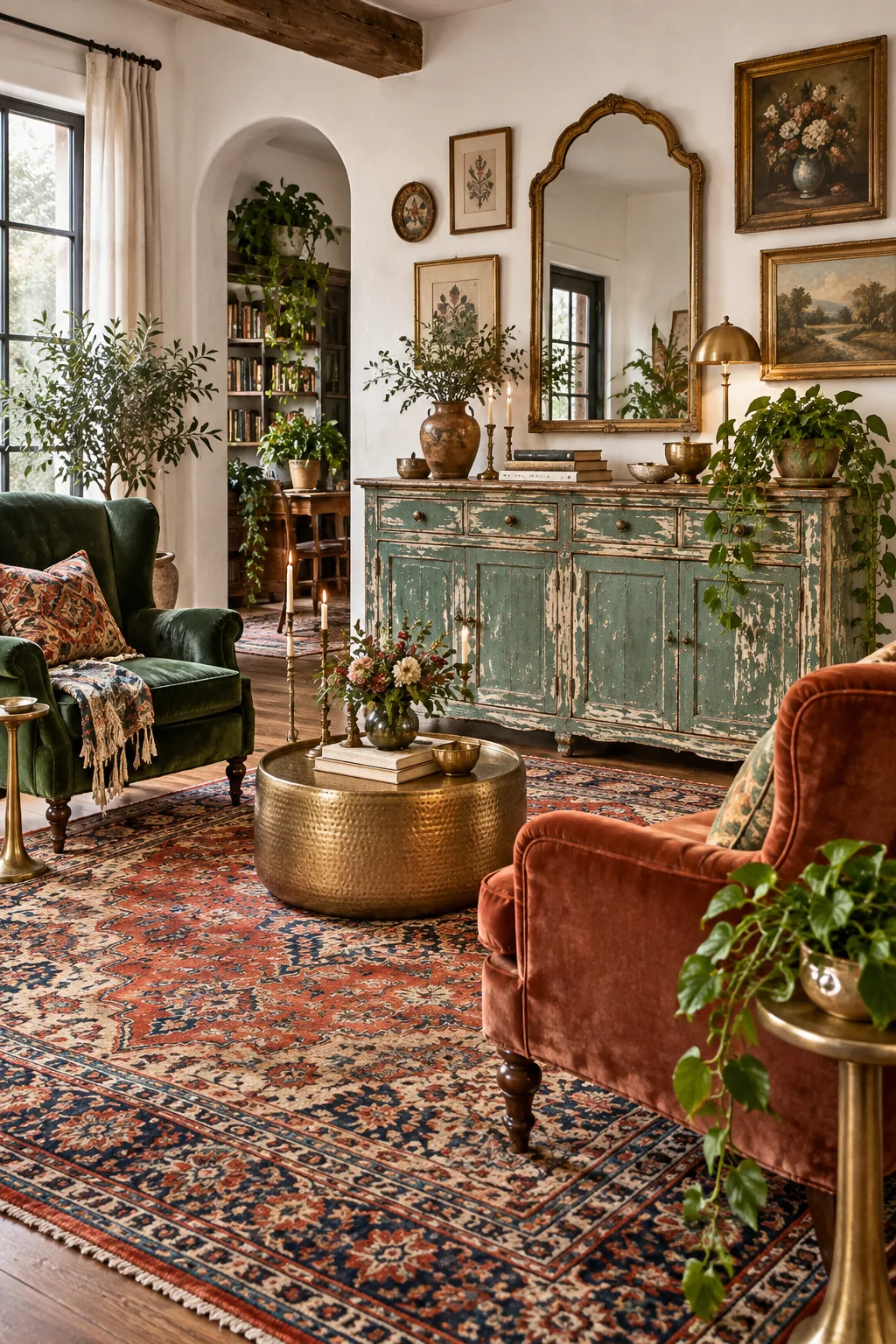
Boho Living Room: The 12-Swap Budget Shopping List & Guide
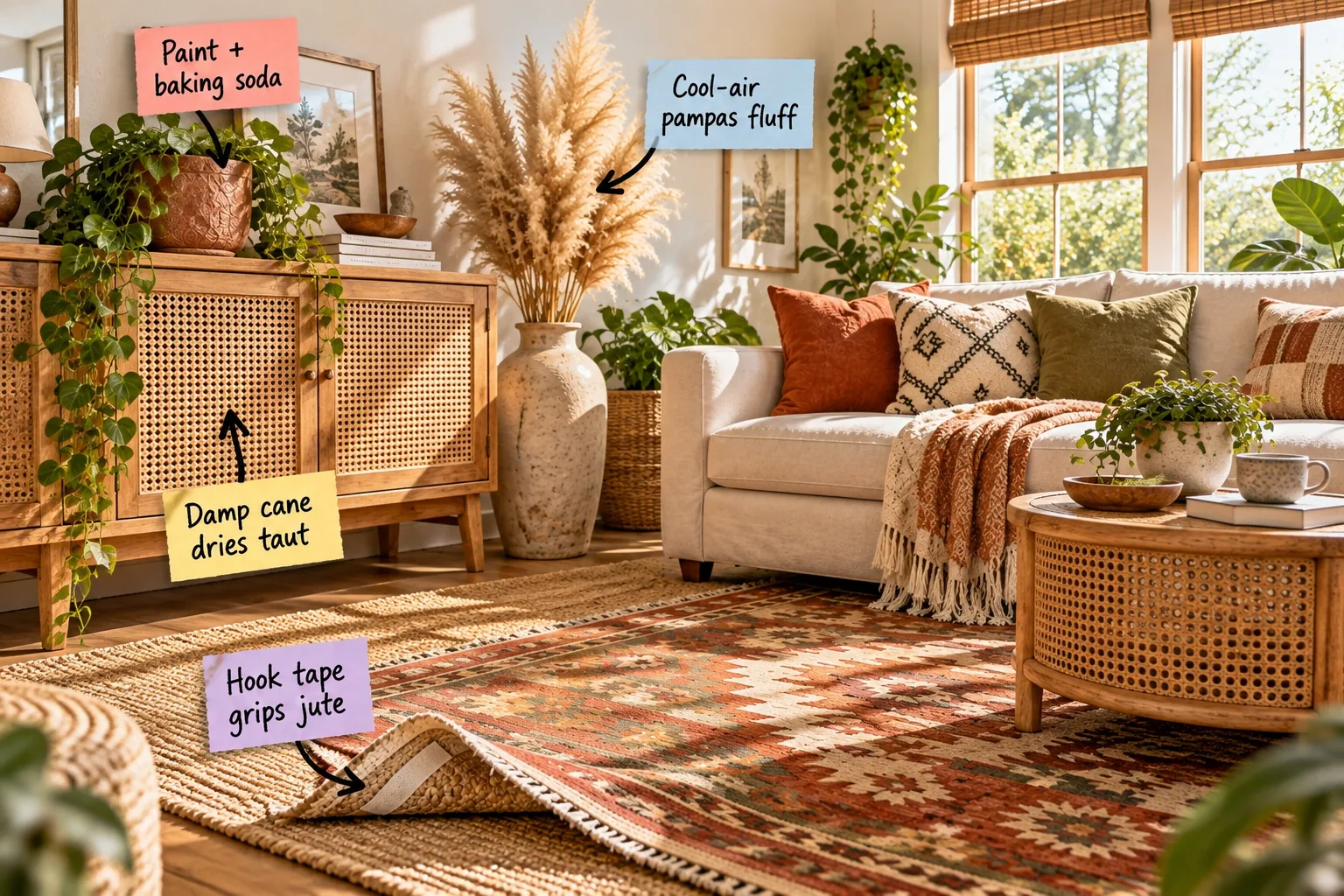
You will be able to confidently mix thrifted swaps with strategic splurges using our exact measurements, paint ratios, and the printable 12-swap boho shopping list provided below. This complete high-low styling guide ensures you build a sunlit, attainable boho space without sacrificing quality.
The High-Low Boho Strategy
Achieving the right visual balance between busy boho patterns and quiet foundational furniture requires a strict 80/20 budget ratio. You will anchor the room with twenty percent high-quality investment pieces, allowing the remaining eighty percent of attainable thrifted swaps to shine without looking cheap.
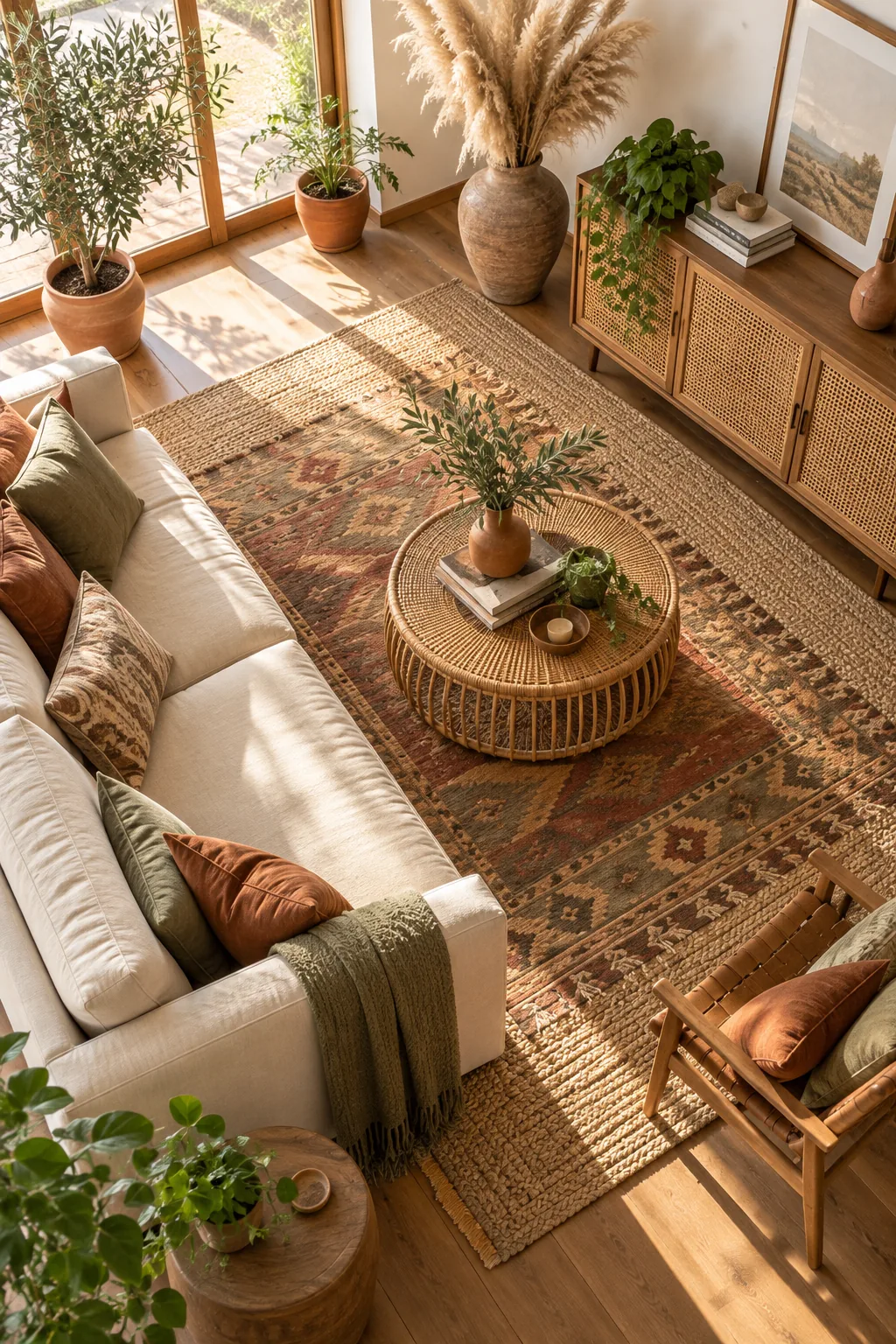
To maintain this delicate balance across the entire space, I always categorize living room elements by their daily wear and structural importance.
| Category | Strategy | Expected Lifespan | Key Material |
|---|---|---|---|
| Seating | Splurge | 10+ years | Performance Linen |
| Accent Tables | Swap | 3-5 years | Thrifted Wood |
| Base Rug | Splurge | 5-8 years | Chunky Jute |
| Top Rug | Swap | 2-4 years | Vintage Kilim |
| Decor Vessels | Swap | Seasonal | Painted Ceramic |
Layering the Jute and Kilim Rugs
Getting the proportions right is crucial before you even think about securing the layers to the floor.
Securing the Rugs with Hook Tape
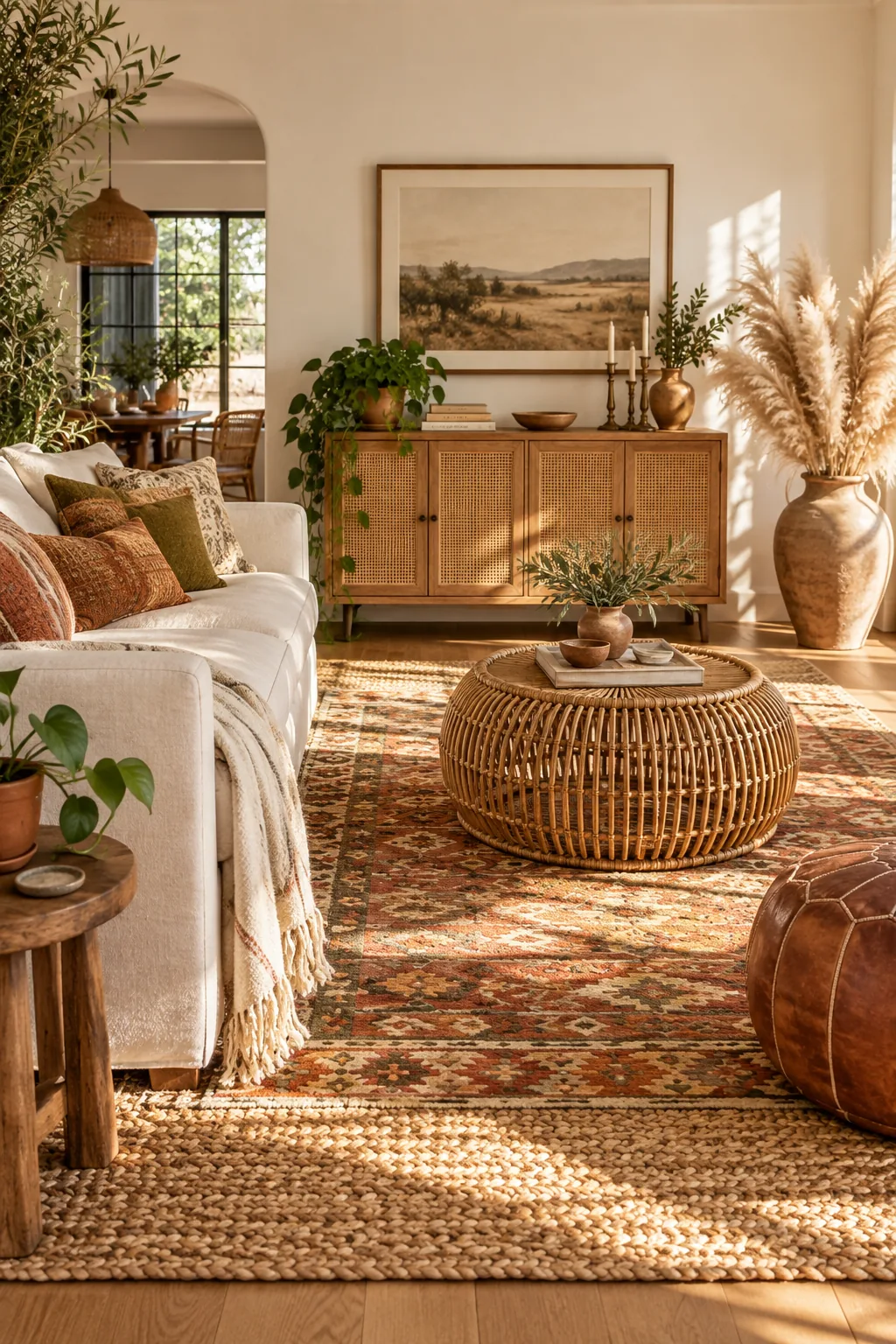
Centering a 5×8 foot patterned kilim directly over an 8×10 foot chunky jute base creates the specific sizing ratio that makes layered rugs look intentional rather than accidental.
To prevent the thinner top layer from bunching into a tripping hazard, apply four-inch strips of fastening tape to the underside corners. Ensure the hook tape grips jute securely without tearing the natural fibers when you eventually rotate the textiles.
Investing in a Neutral Sofa Foundation
I learned the hard way in my own Denver bungalow that a cheap sofa quickly collapses under daily use, making it the primary splurge in any room. Always check the fabric’s double-rub count to ensure a durable, quiet backdrop for busy patterns.
- Verify the upholstery exceeds a 50,000 double-rub rating for maximum longevity under daily wear.
- Select a solid cream or oatmeal linen to ground the vibrant boho textiles without competing visually.
- Test the frame for kiln-dried hardwood construction to prevent long-term sagging and structural failure.
Upcycling a Thrifted Cane Sideboard
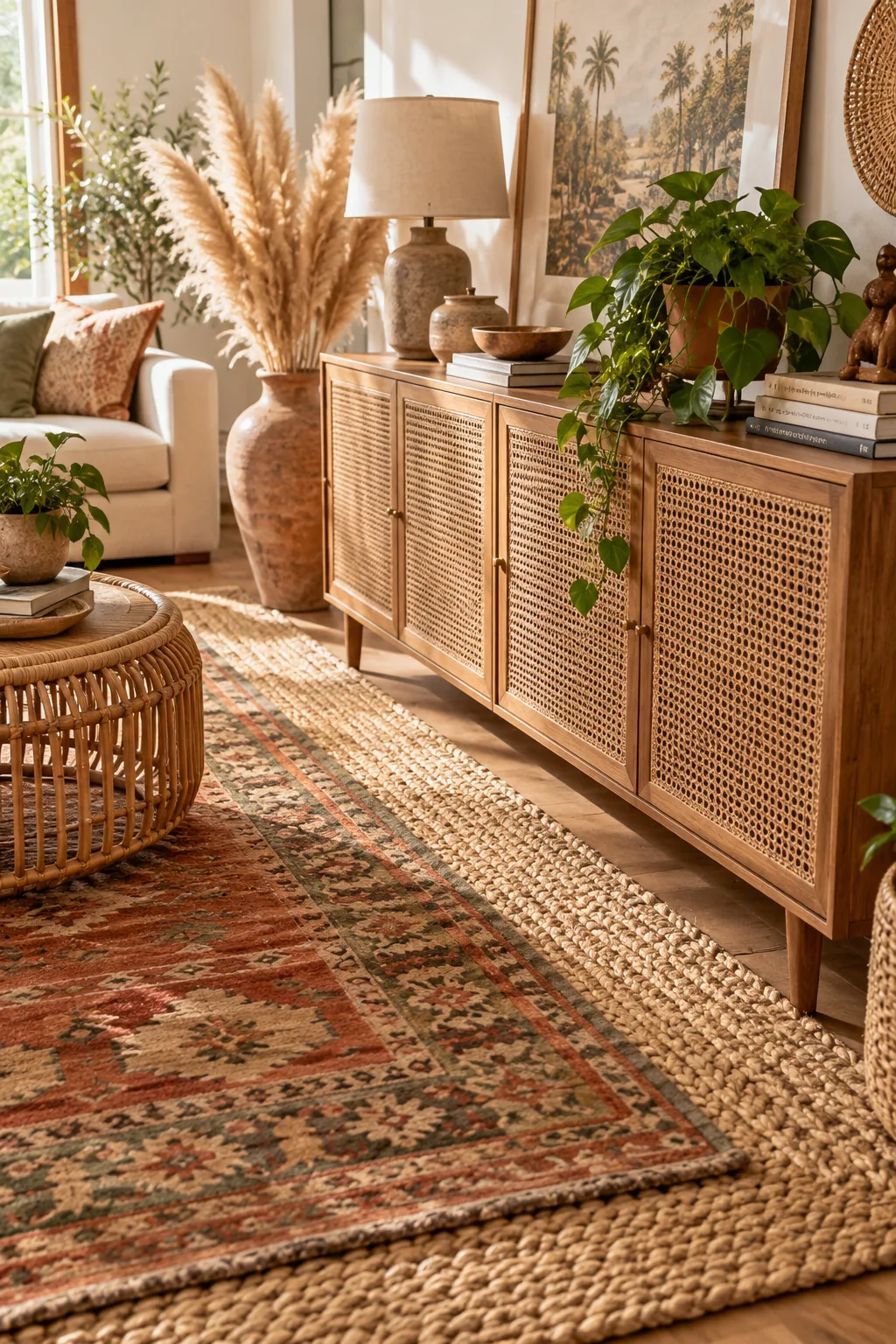
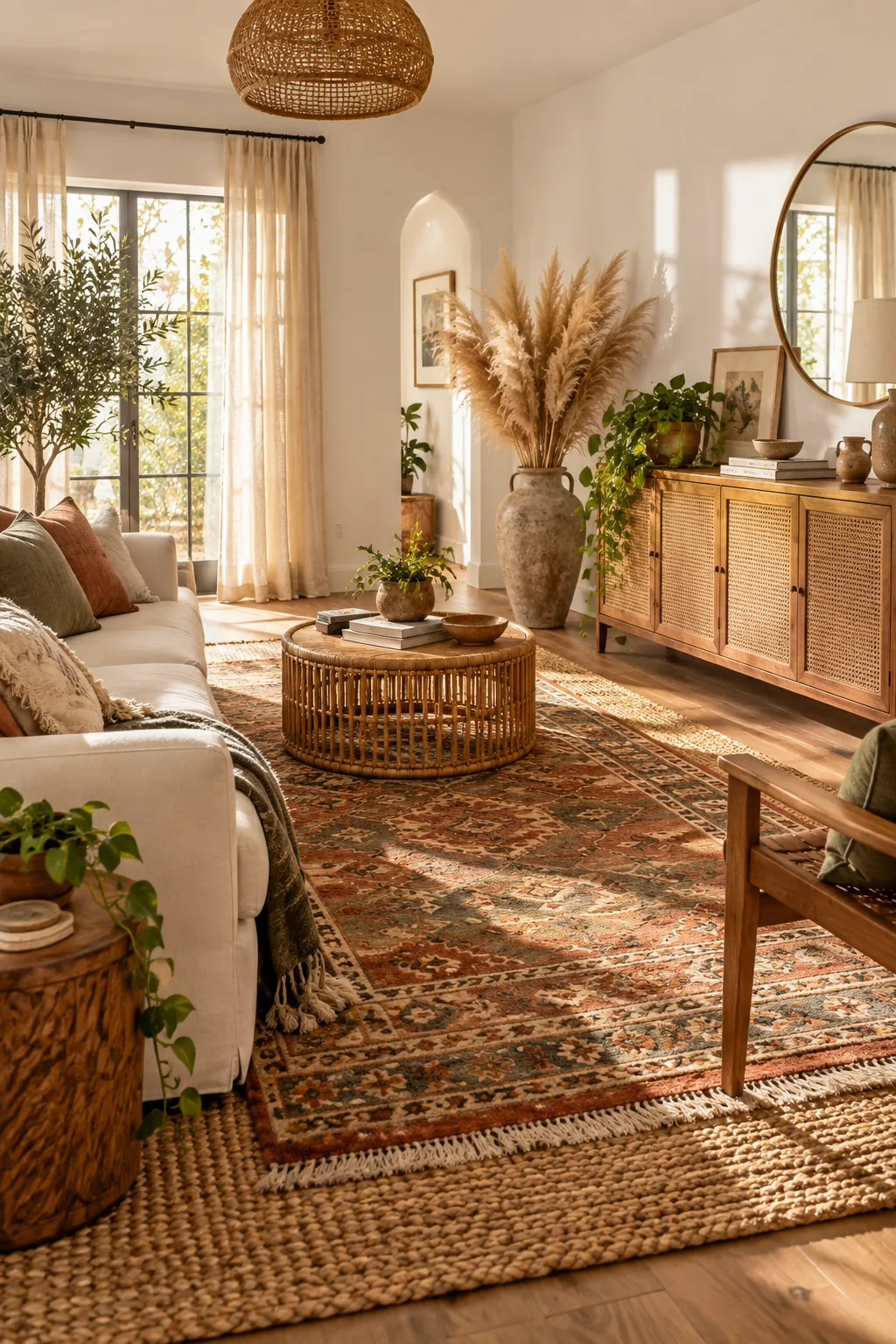
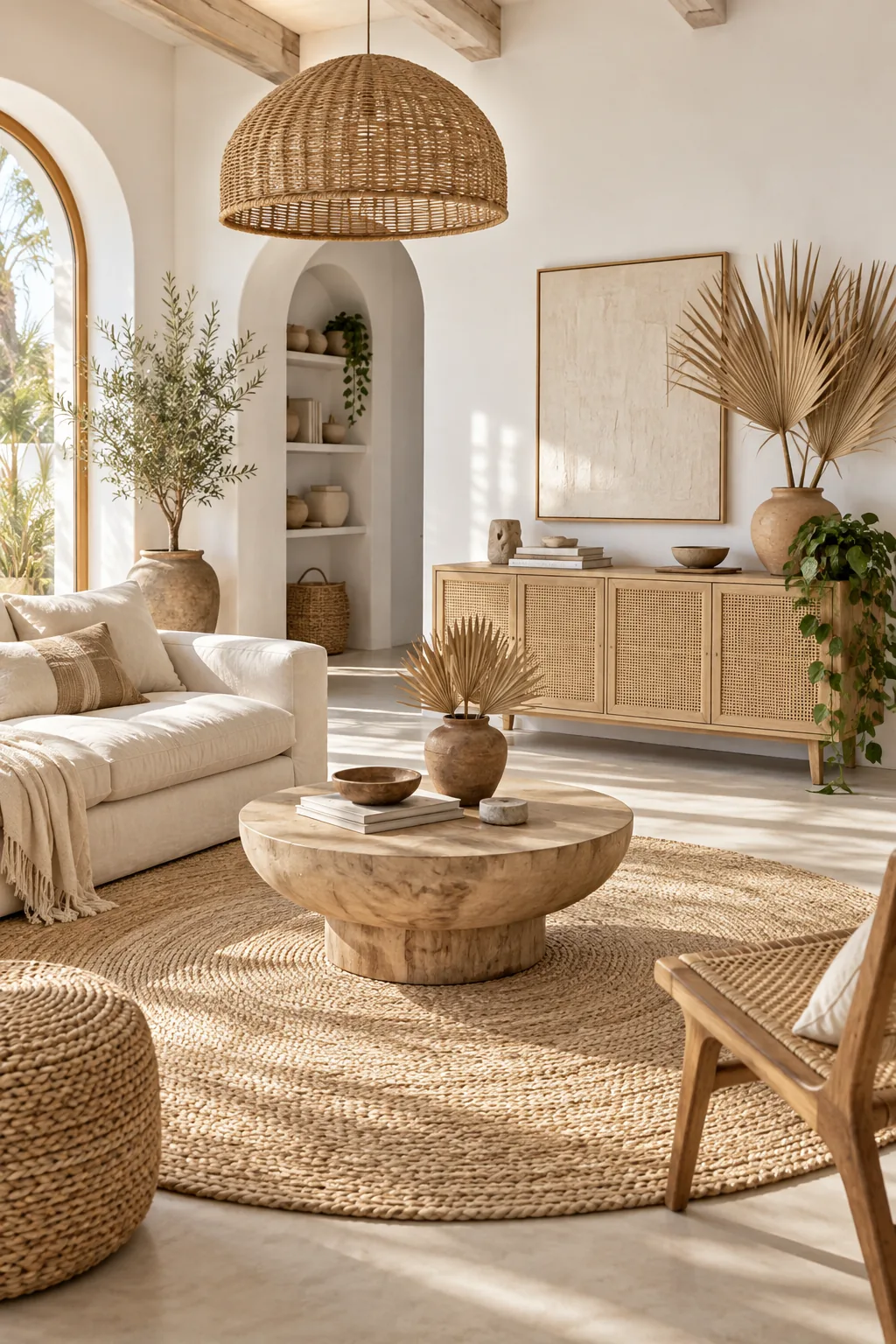
Swapping an expensive new credenza for a thrifted wooden sideboard relies entirely on the textural contrast between the smooth wood frame and the woven cane inserts.
Soak the natural cane webbing in warm water for exactly 30 minutes before stapling it to the interior door frames. As the moisture evaporates, the damp cane dries taut, creating a drum-tight finish that looks professionally restored.
Styling the Pampas Floor Vase
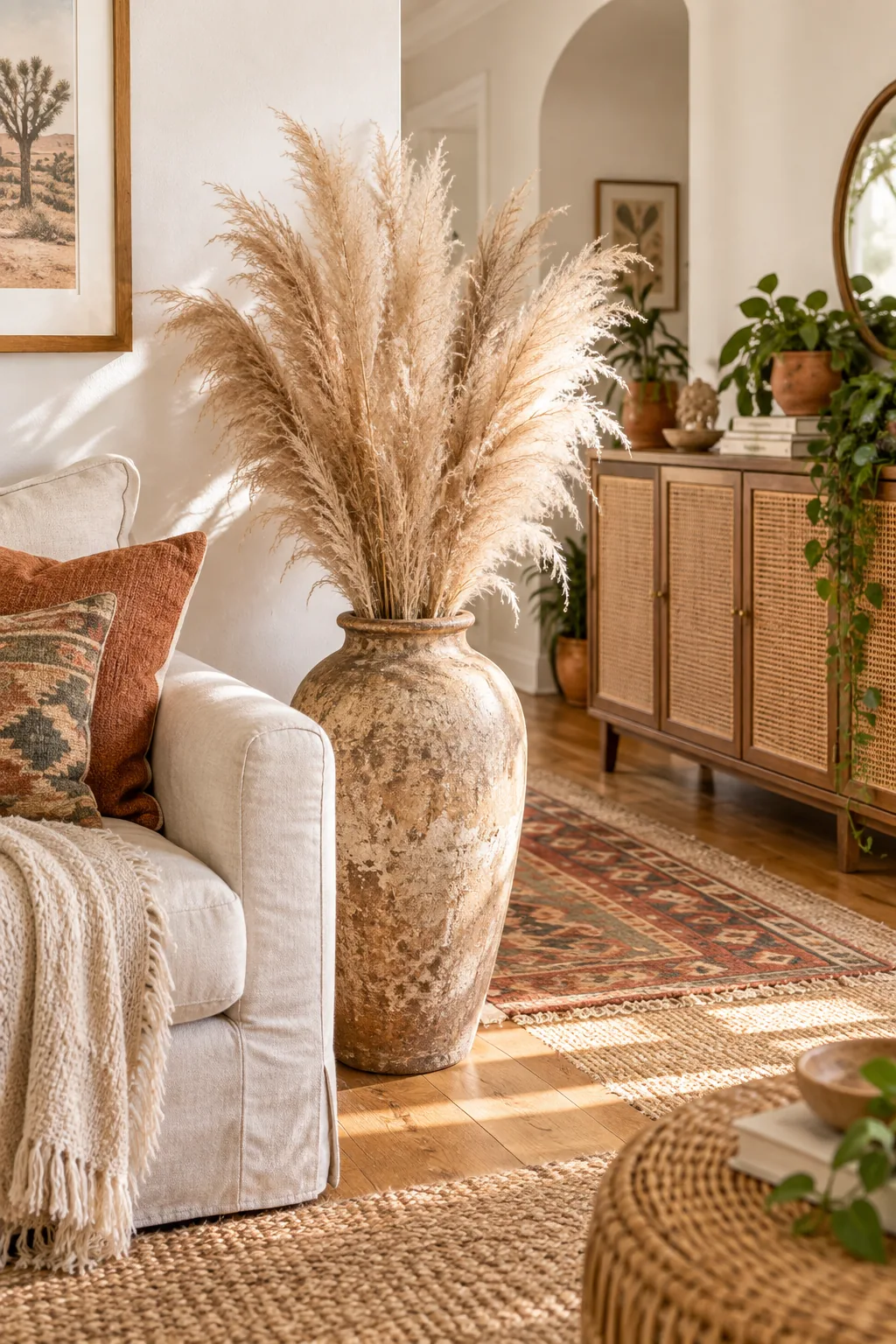
Adding vertical volume to empty corners cheaply requires the technique of arranging dried stems to maximize volume without looking sparse.
Place five to seven tall plumes in a heavy ceramic floor vase to anchor the arrangement. Use a cool-air pampas fluff with your hair dryer to safely expand the stems without causing excessive shedding across your living room floor.
Faking Terracotta with Baking Soda Paint
You can easily turn cheap plastic or glazed planters into textured, aged terracotta by mixing exactly one cup of matte rust-colored paint with one tablespoon of baking soda.
Download the 12-Swap Boho Shopping List
Sourcing the perfect thrifted swaps to complete the room requires patience, much like when I spent three months hunting for the exact vintage kilim for my own living space.
Before you head out to source your new living room pieces, run through this quick preparation checklist to ensure your measurements are accurate.
4 More Ways to Style a Boho Living Room
Explore these distinct color palettes and styling approaches to find the exact boho mood that fits your home.
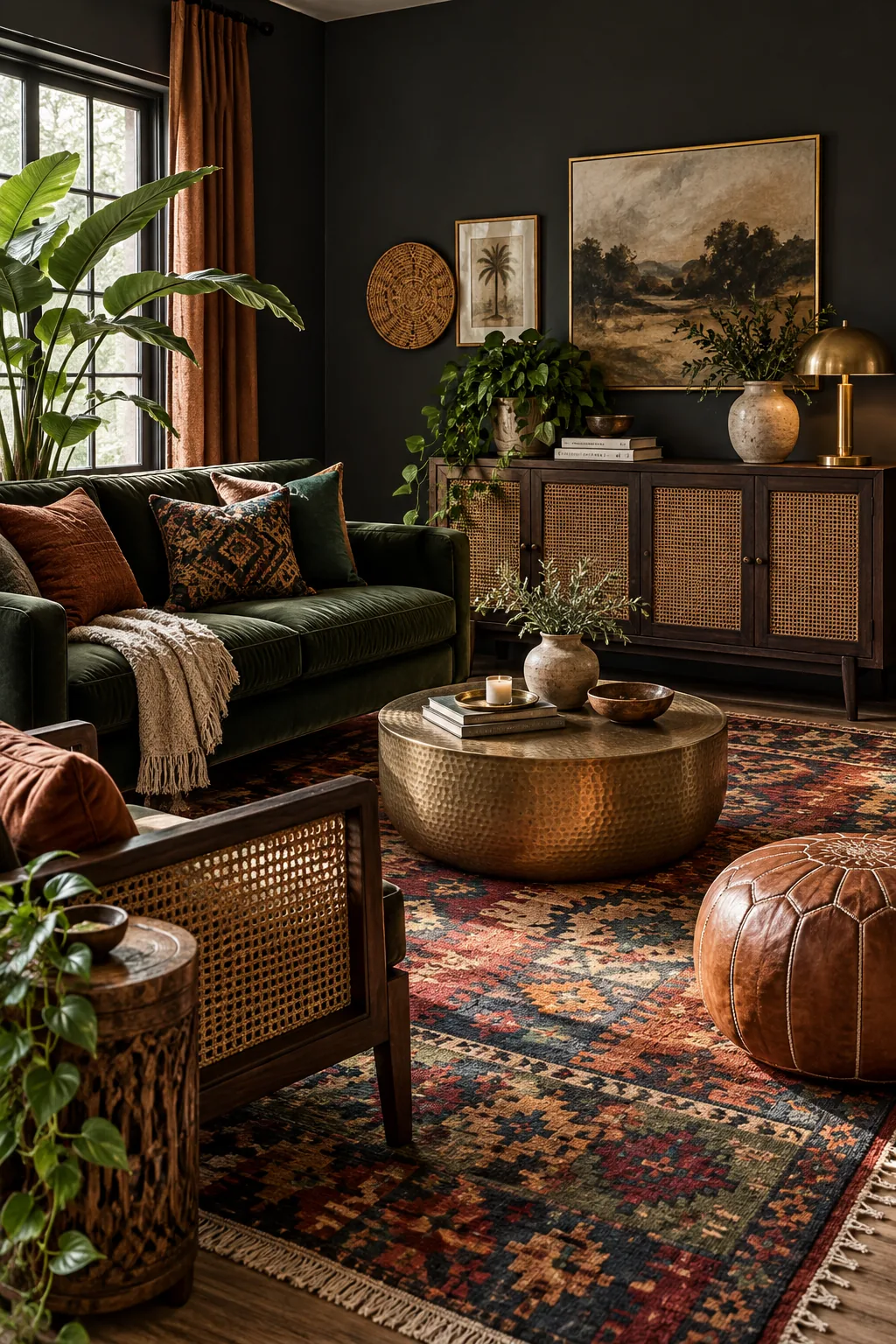
Moody Boho Lounge: Dark charcoal walls and rich velvet upholstery create a dramatic backdrop that makes jewel-toned kilim rugs pop.
Desert Minimalist Boho: Keep the palette strictly neutral with pale ash woods and a single layer of sand-colored jute for a cleaner look.
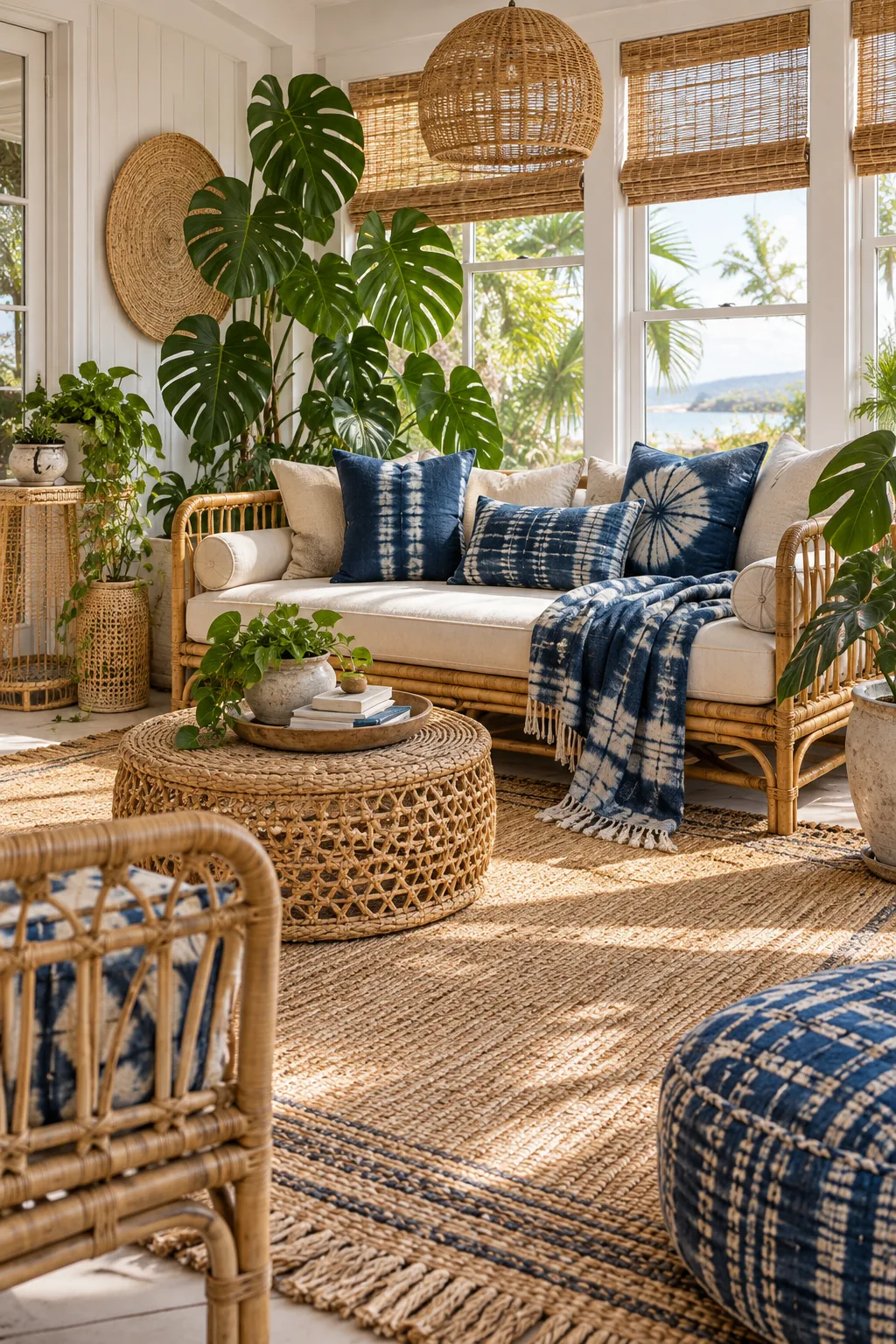
Coastal Boho Sunroom: Introduce an airy beachside feel by pairing bleached cane accents with deep indigo shibori textiles and vibrant tropical greenery.
Vintage Eclectic Boho: Lean into maximalism by combining a colorful vintage Persian rug with mismatched seating and heavily distressed painted furniture.