
15+ Brilliant Low Basement Ceiling Ideas
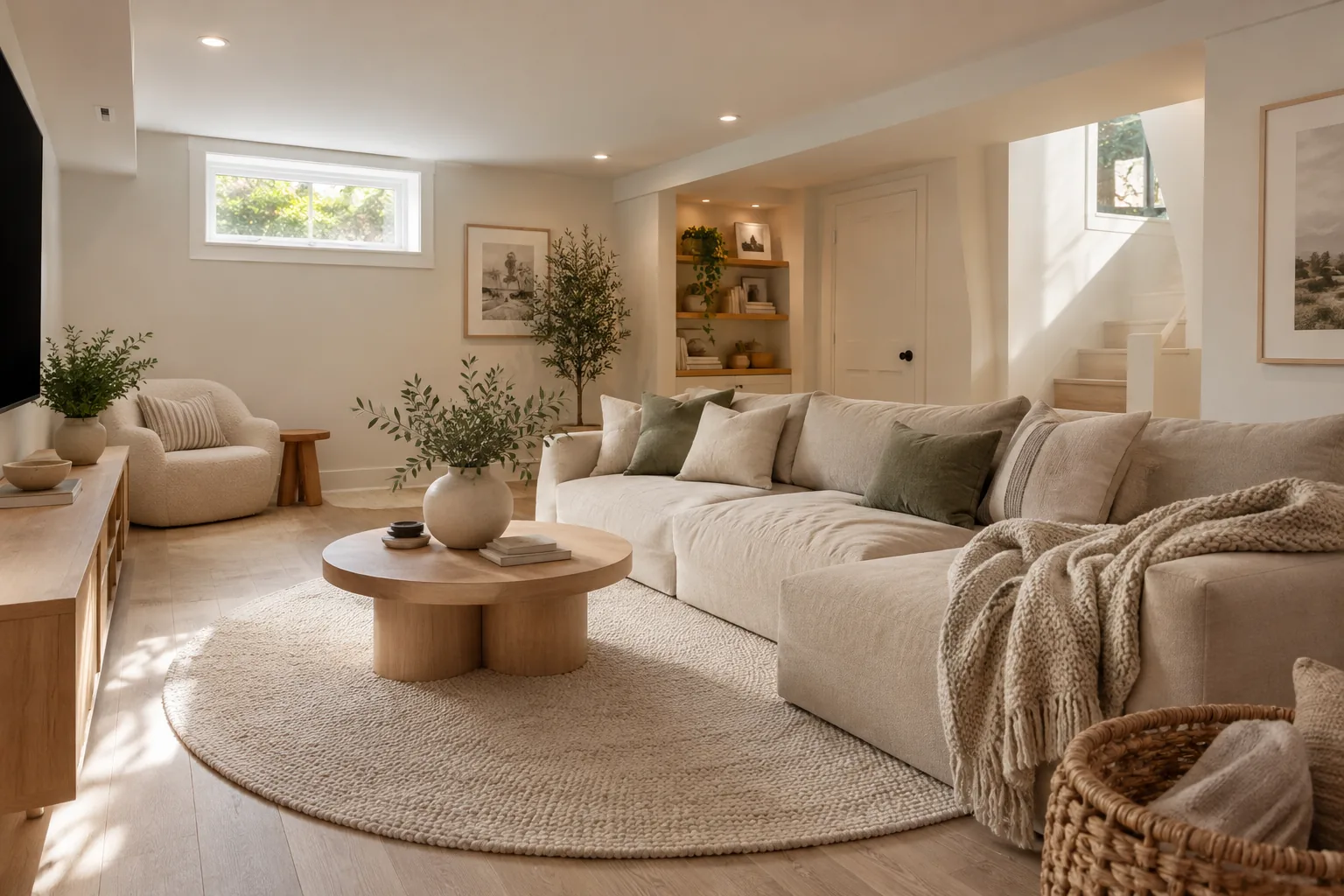
Working with a cramped basement can feel impossible when the ceiling seems to rest right on your head. I rely on a few specific design tricks to visually lift the room and make the whole space feel intentionally cozy instead of trapped.
1. Paint It All White

Dark colors absorb light and pull surfaces inward.
Painting your basement ceiling a crisp, flat white instantly reflects the available light around the room. You lose the harsh shadows that highlight the low clearance. It makes the entire ceiling recede so you barely notice the height.
2. Exposed Floor Joists
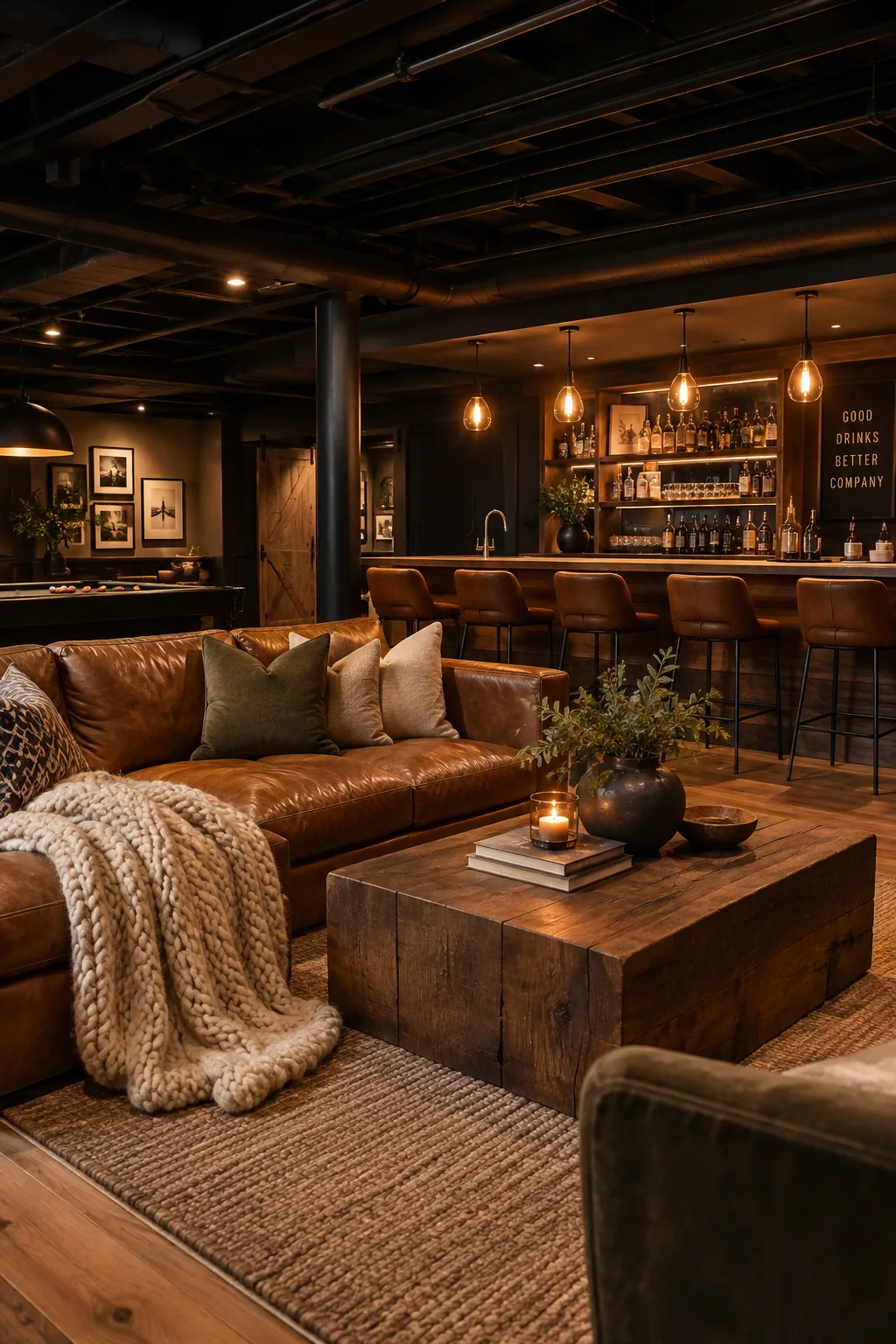
An industrial, lofty vibe completely distracts from a lack of vertical space. Leaving the floor joists exposed gives you back several precious inches that drywall would steal. You can spray everything matte black to make the hardware and pipes disappear into the shadows. It turns a structural flaw into a deliberate architectural feature. Add some warm wood accents below to keep the room from feeling too cold.
3. Recessed Can Lighting
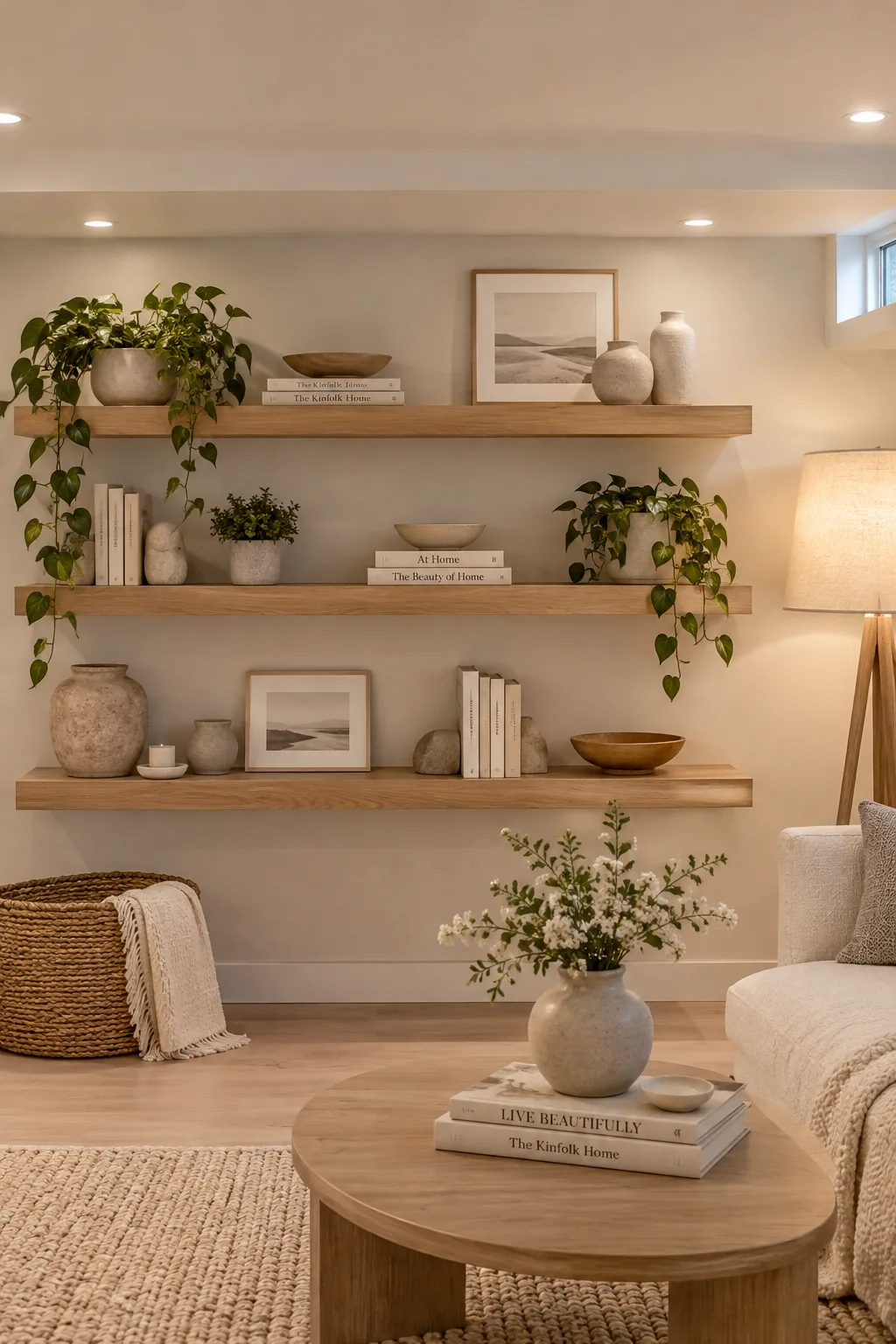
I always rip out bulky flush mounts the second I start a basement project. Swapping them for ultra-thin recessed LED lights keeps the ceiling plane completely flat and uninterrupted. You just need to choose fixtures with a wide beam angle to avoid creating spotlight puddles on the floor.
- Ultra-thin LED wafers
- Matte white trim kits
- Dimmable switches
4. Vertical Wall Paneling
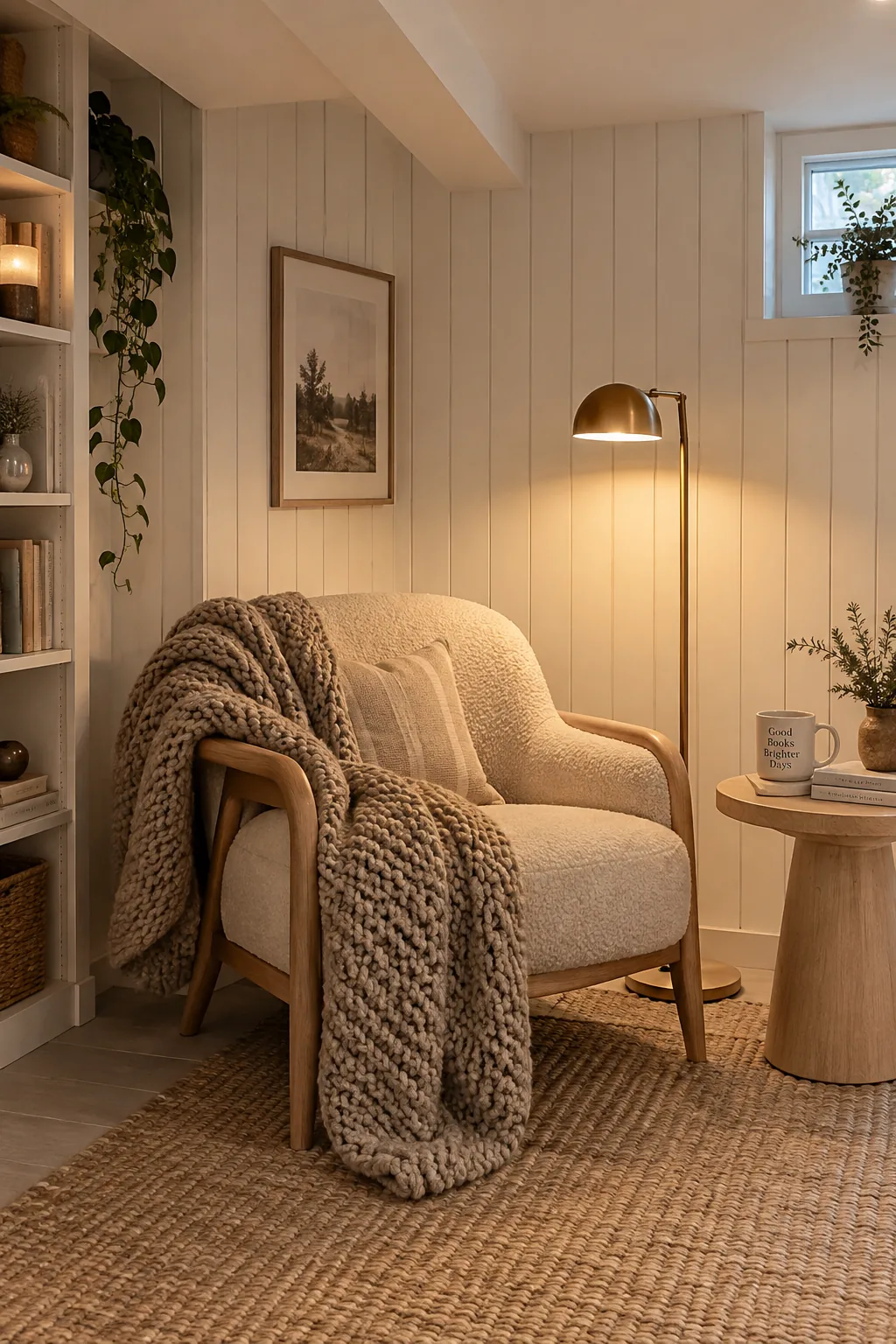
Vertical lines force the human eye to look upward.
Installing vertical shiplap or beadboard on your walls creates an optical illusion of height. The continuous vertical seams stretch the visual distance between the baseboards and the ceiling. Keep the boards relatively narrow to maximize the lengthening effect.
5. High-Gloss Ceiling Paint
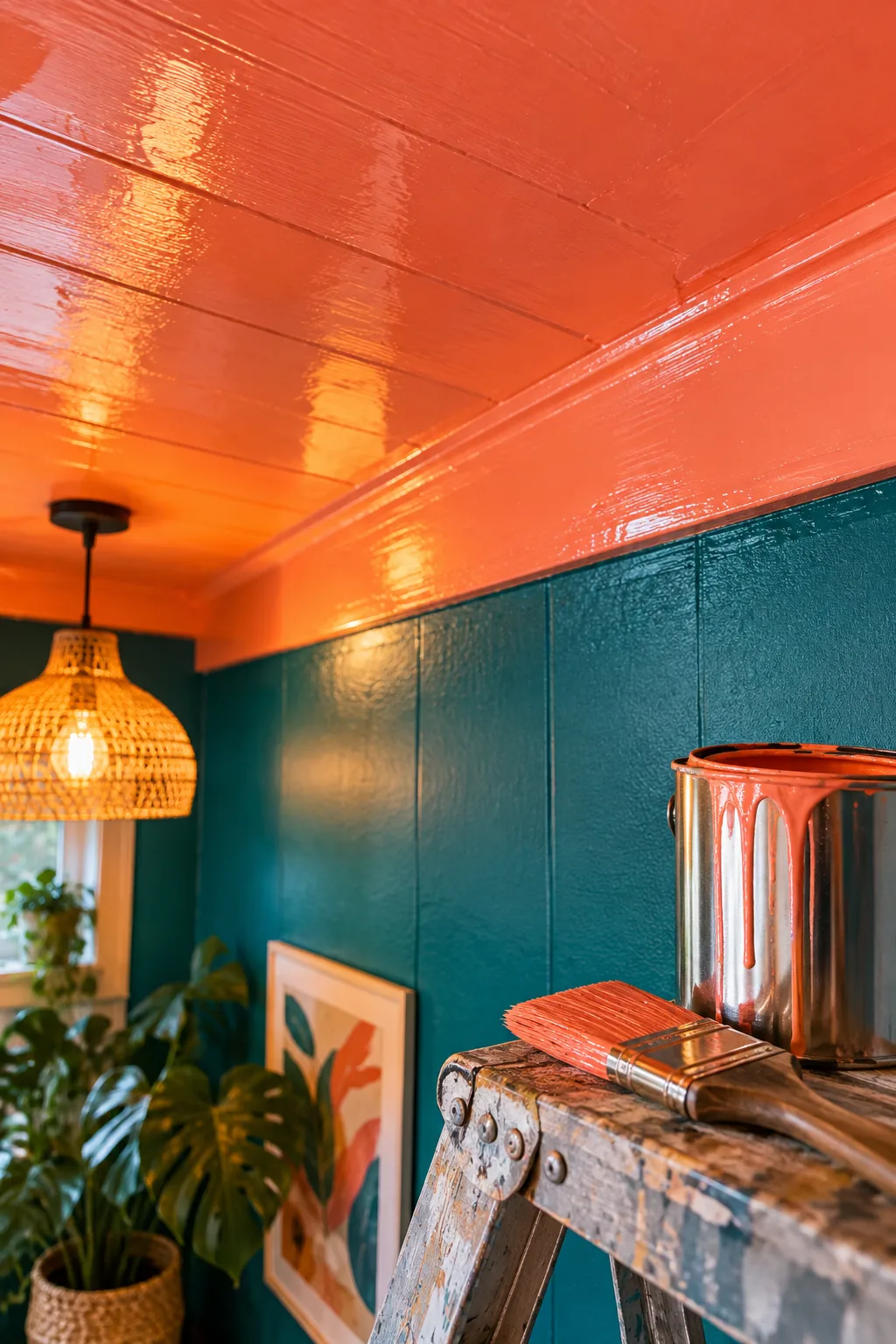
I used to avoid shiny paint until I saw it transform a tiny basement den.
A coat of high-gloss paint acts like a subtle mirror above your head.
It bounces light around the room and makes the ceiling feel endless.
Why it works: The reflective surface creates an illusion of depth that pushes the visual boundary higher.
6. Low-Profile Furniture
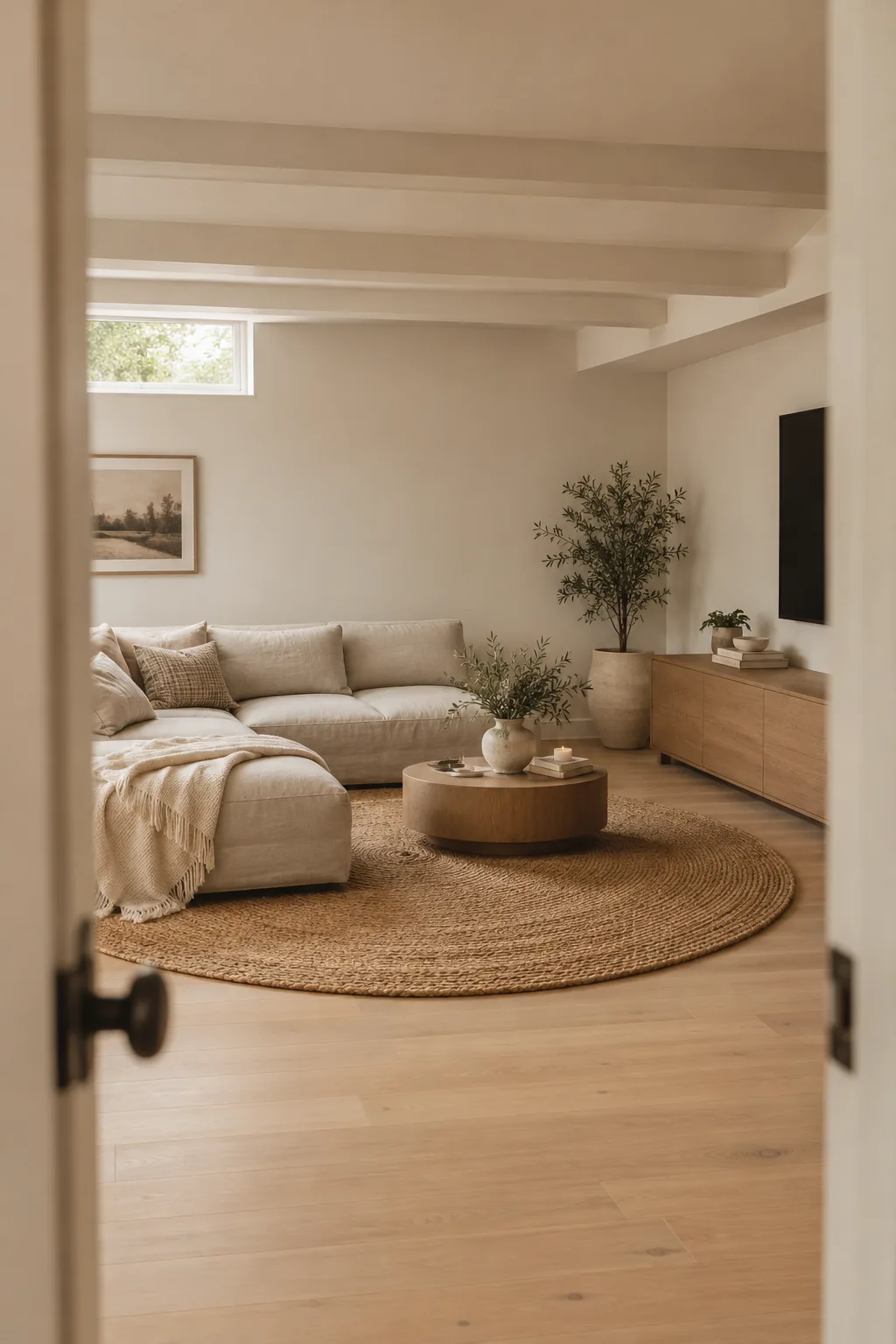
Increasing the distance between your furniture and the ceiling changes the room's proportions.
Choosing low-profile sofas and media consoles leaves a much larger gap of empty space above them. This negative space tricks your brain into thinking the ceiling is higher than it actually is. Stick to clean, modern lines to keep the floor plan feeling open.
7. Floor-to-Ceiling Curtains
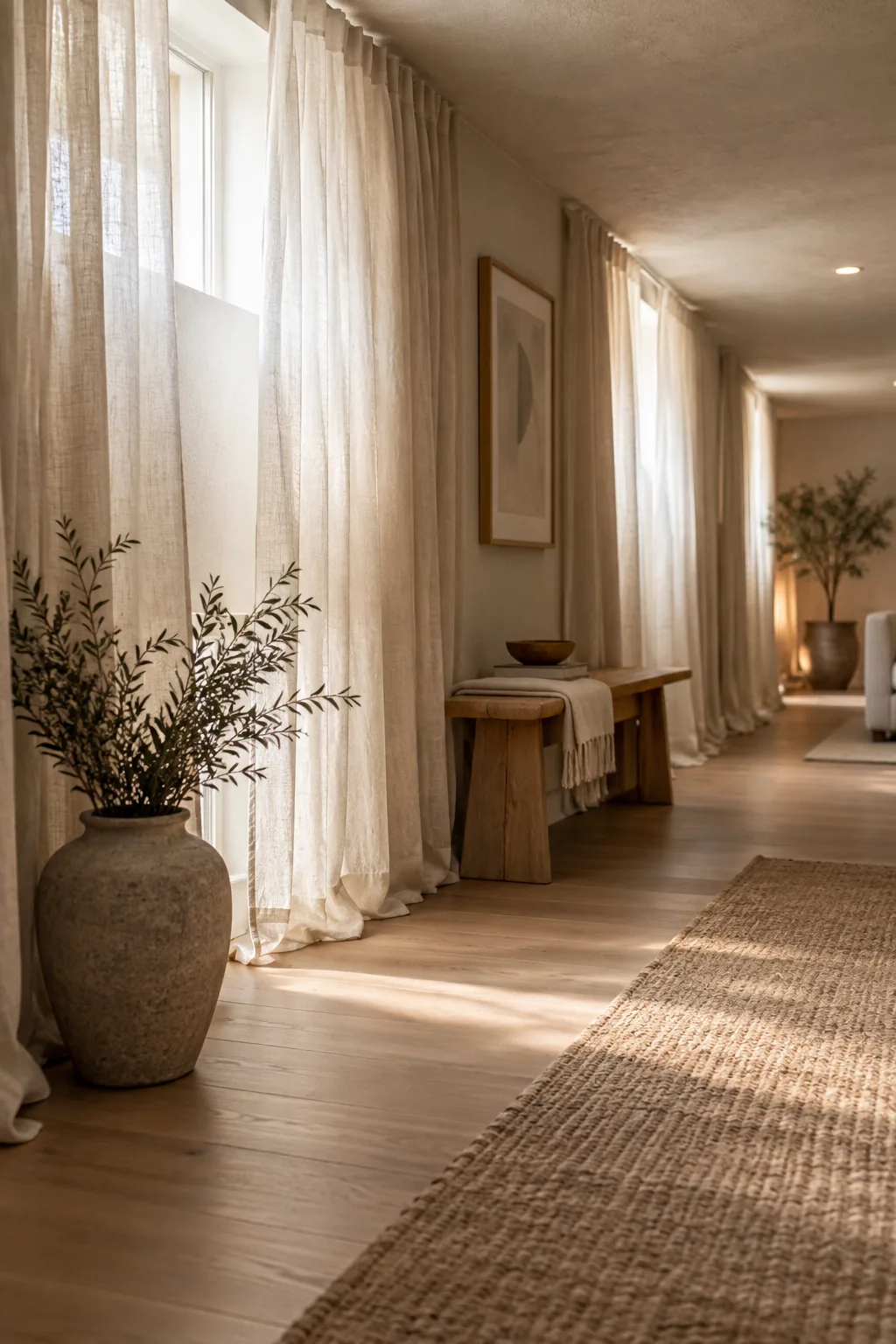
Standard basement windows sit high on the wall and visually chop the room in half. Hanging floor-to-ceiling drapes from the very top edge of the wall down to the floor creates a strong vertical column that lengthens the space.
8. Monochromatic Color Scheme
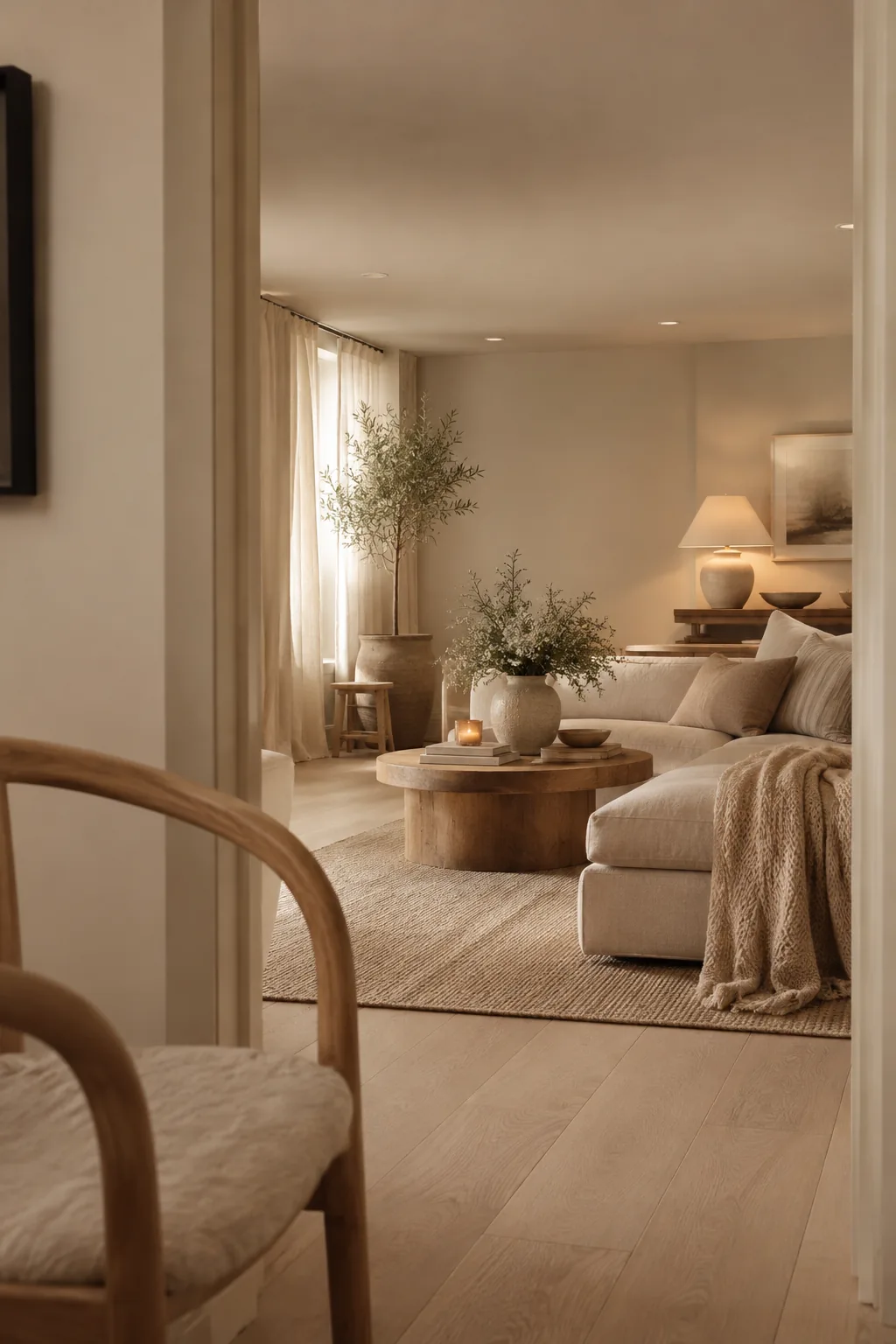
A seamless, modern aesthetic blurs the hard lines where the walls meet the roof. Painting your walls, trim, and basement ceiling the exact same shade eliminates contrasting borders that highlight the low height.
9. Large Floor Rugs
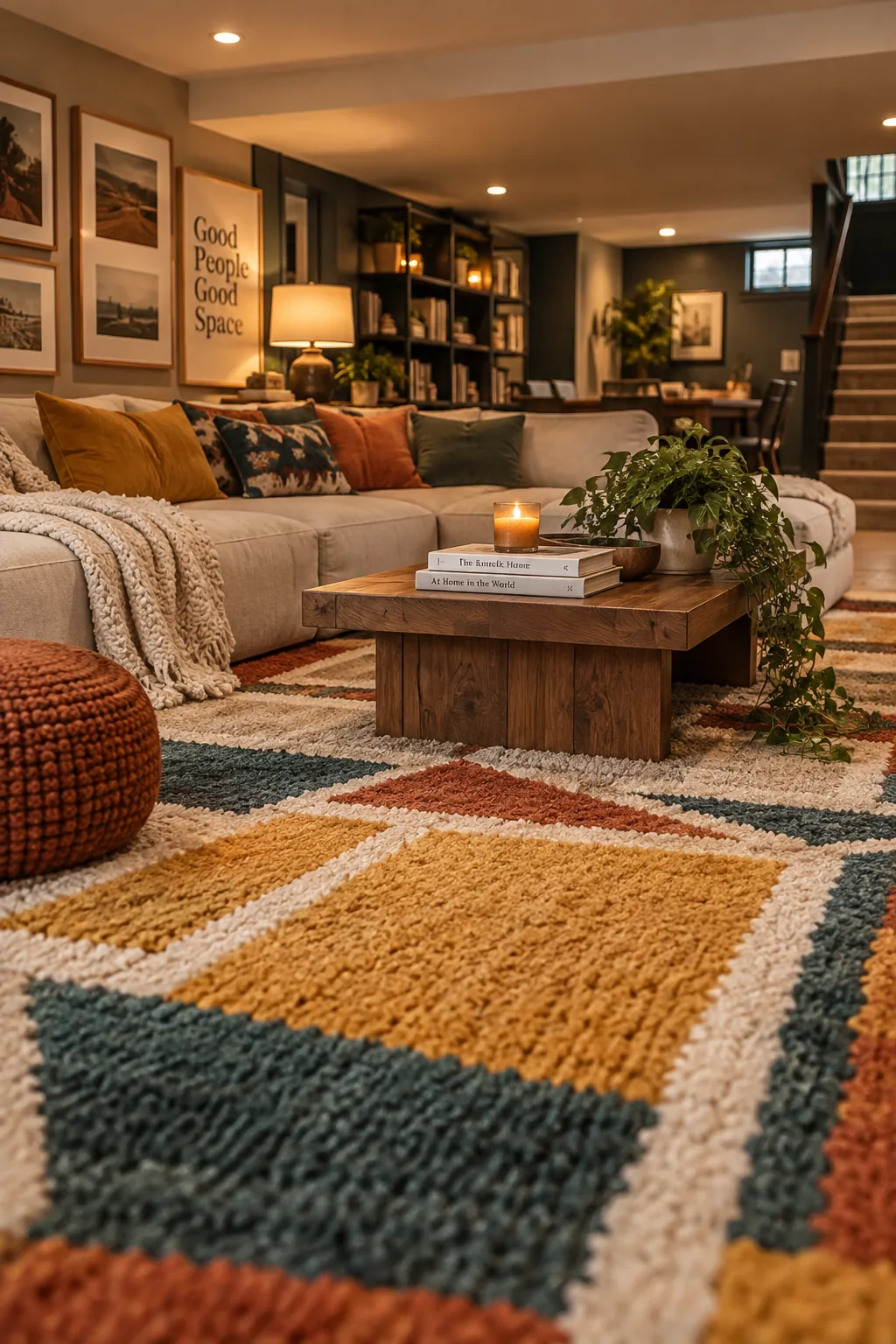
Draw attention downward by rolling out an oversized, brightly patterned rug. A massive area rug anchors the room and keeps eyes focused on the floor rather than the cramped ceiling above.
10. Shallow Coffered Ceilings
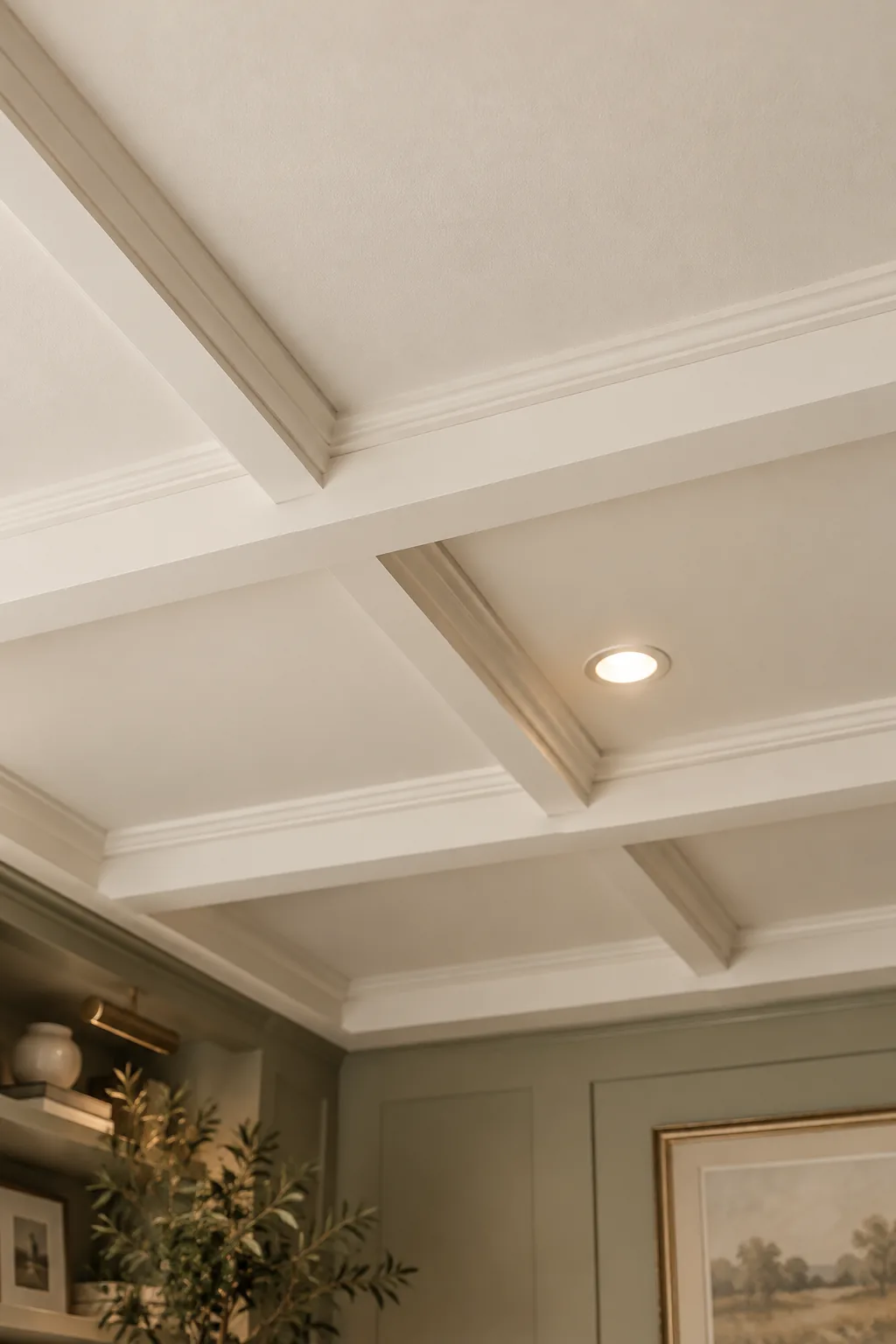
A sophisticated, architectural finish adds character without feeling heavy.
Building a shallow coffered ceiling uses thin trim pieces instead of deep, bulky beams. The grid pattern adds visual interest and texture while only dropping the ceiling height by an inch or two. It gives the room a highly custom feel.
11. Accent Floor Tiles
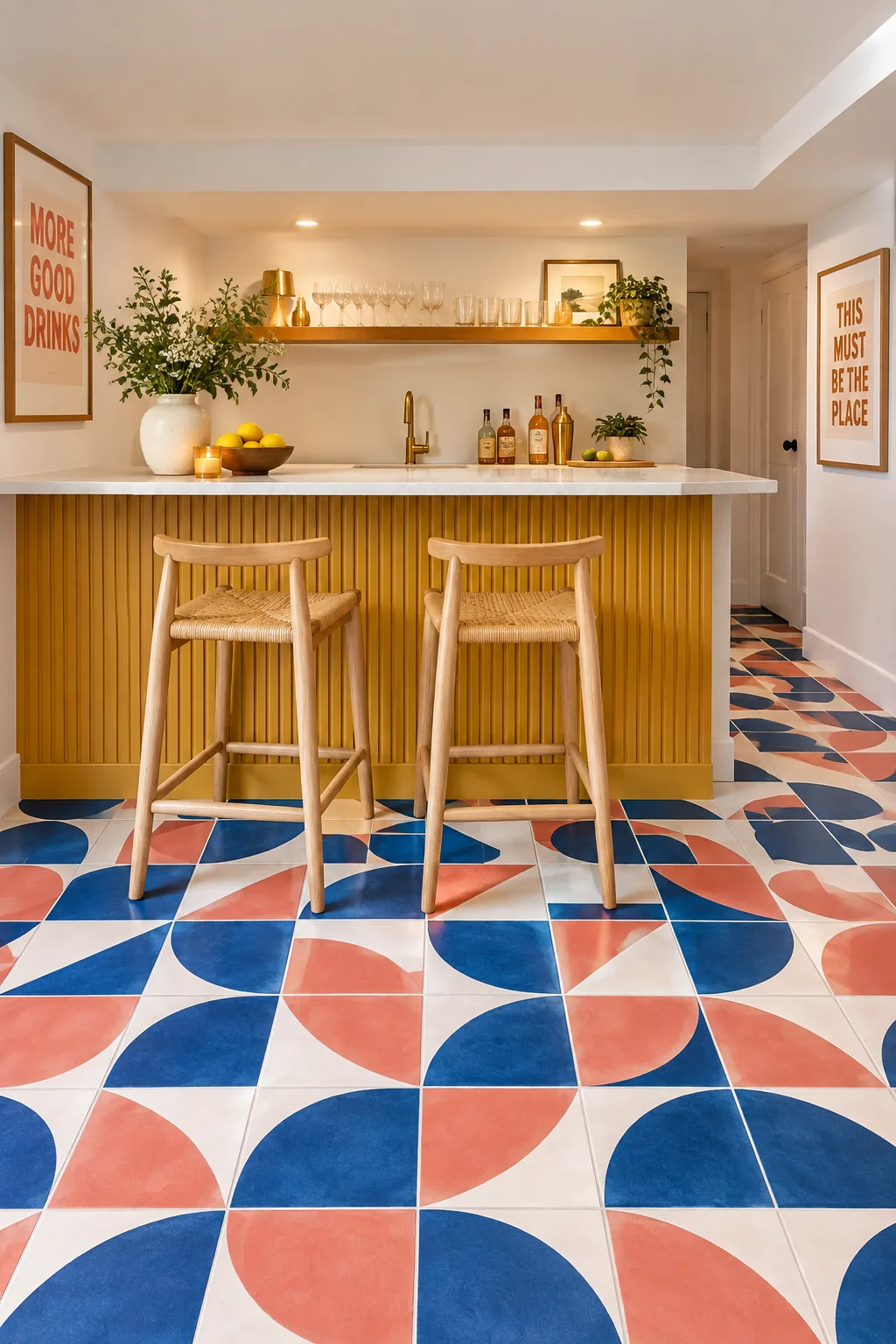
Bold patterns on the floor naturally pull your gaze downward. Installing geometric accent tiles in a basement bathroom or bar area distracts completely from the lack of headroom. The high-contrast design demands all the visual attention.
Just keep the walls simple so the room doesn't feel chaotic.
12. Stretch Ceiling System
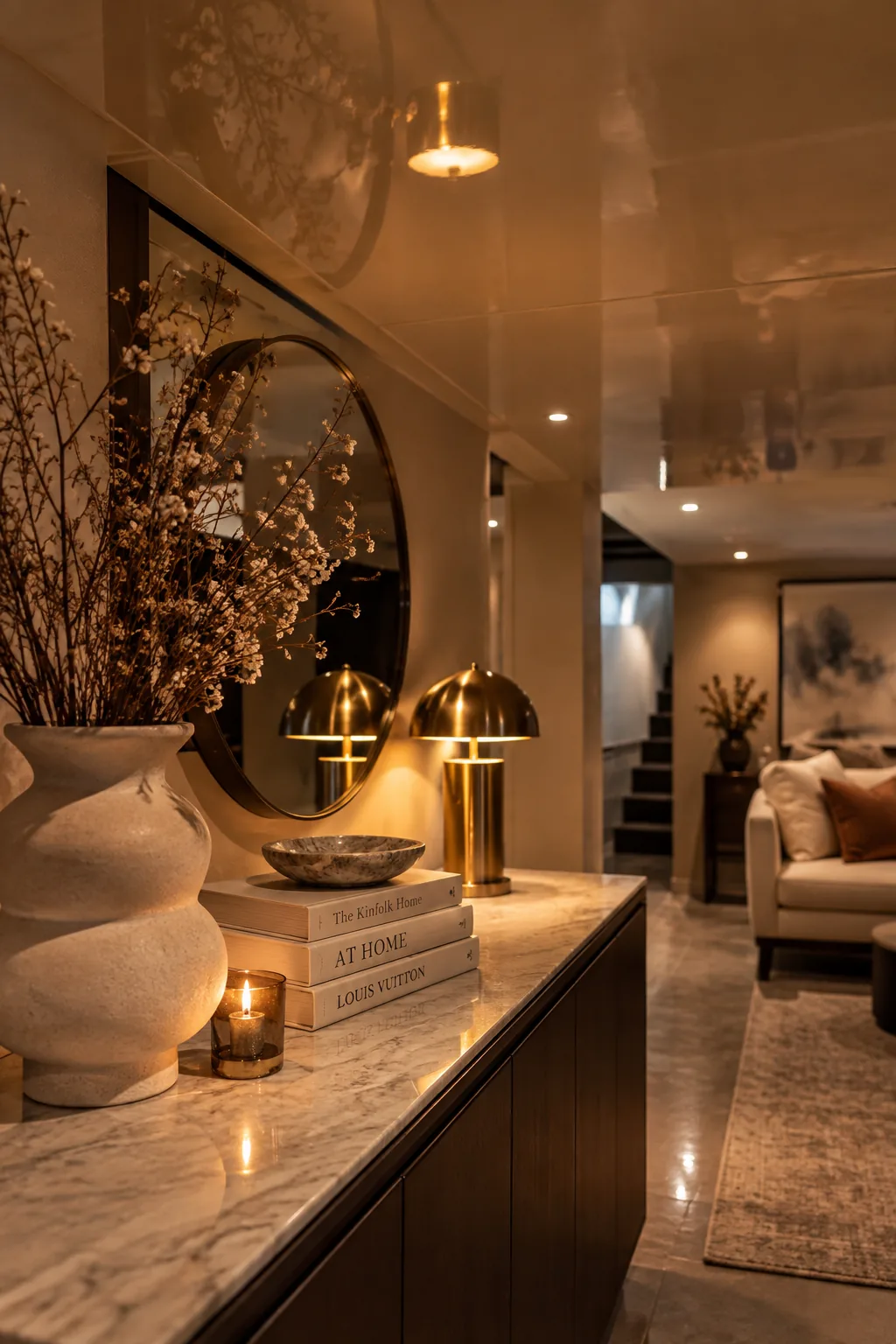
A perfectly smooth, flawless canopy gives the room an ultra-contemporary edge. A stretch ceiling system uses a PVC membrane pulled tightly across a perimeter track, taking up less than an inch of vertical space. You can get it in a high-gloss finish to double the light reflection. It completely hides messy pipes and old popcorn textures without the bulk of traditional drywall.
13. Wall Sconces
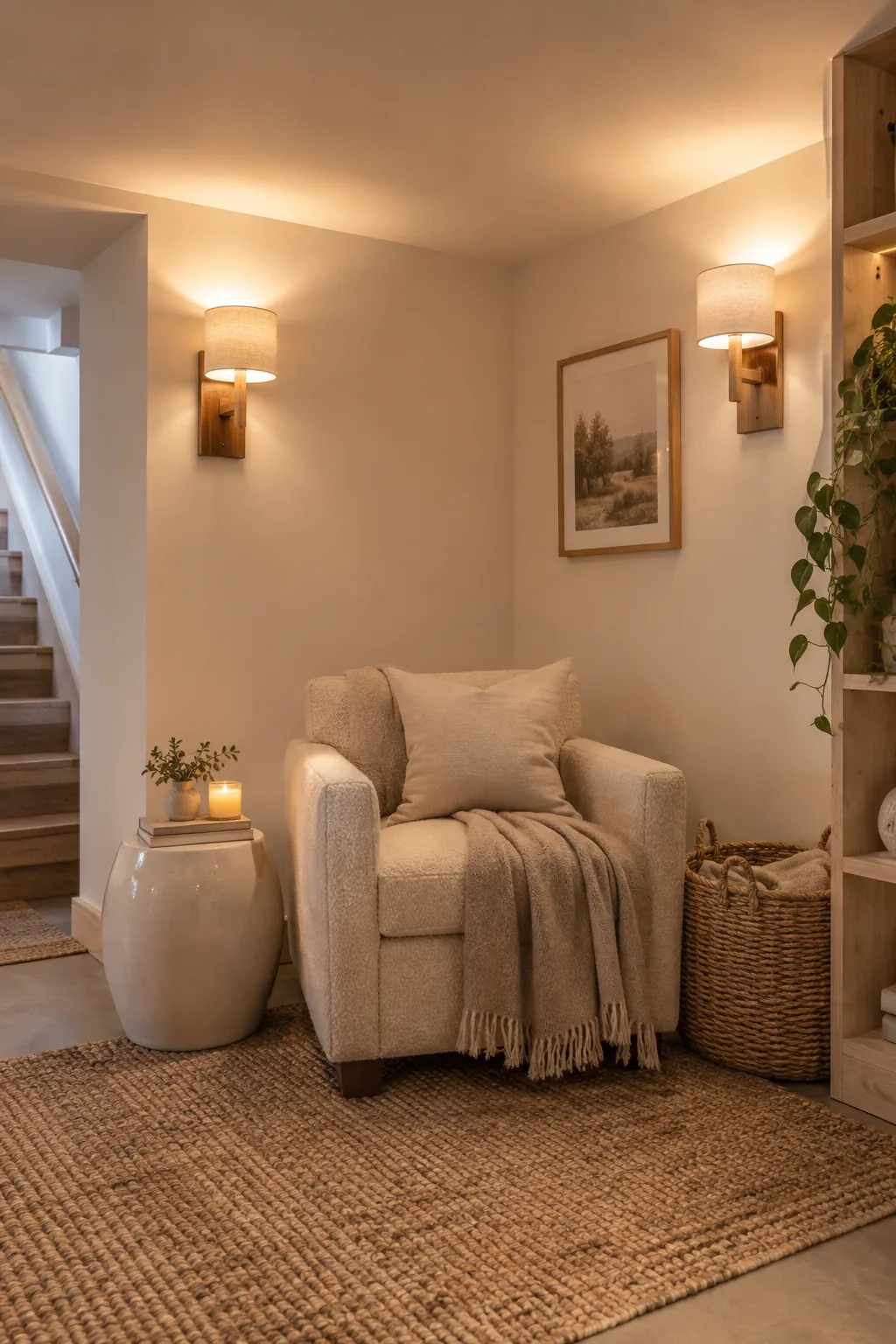
Directing light upward washes the ceiling in a soft glow that eliminates harsh overhead shadows.
Installing wall sconces around the perimeter of the room creates an uplifting ambient light.
The upward wash makes the ceiling feel like it is floating away from the walls.
14. Mirrored Wall Accents
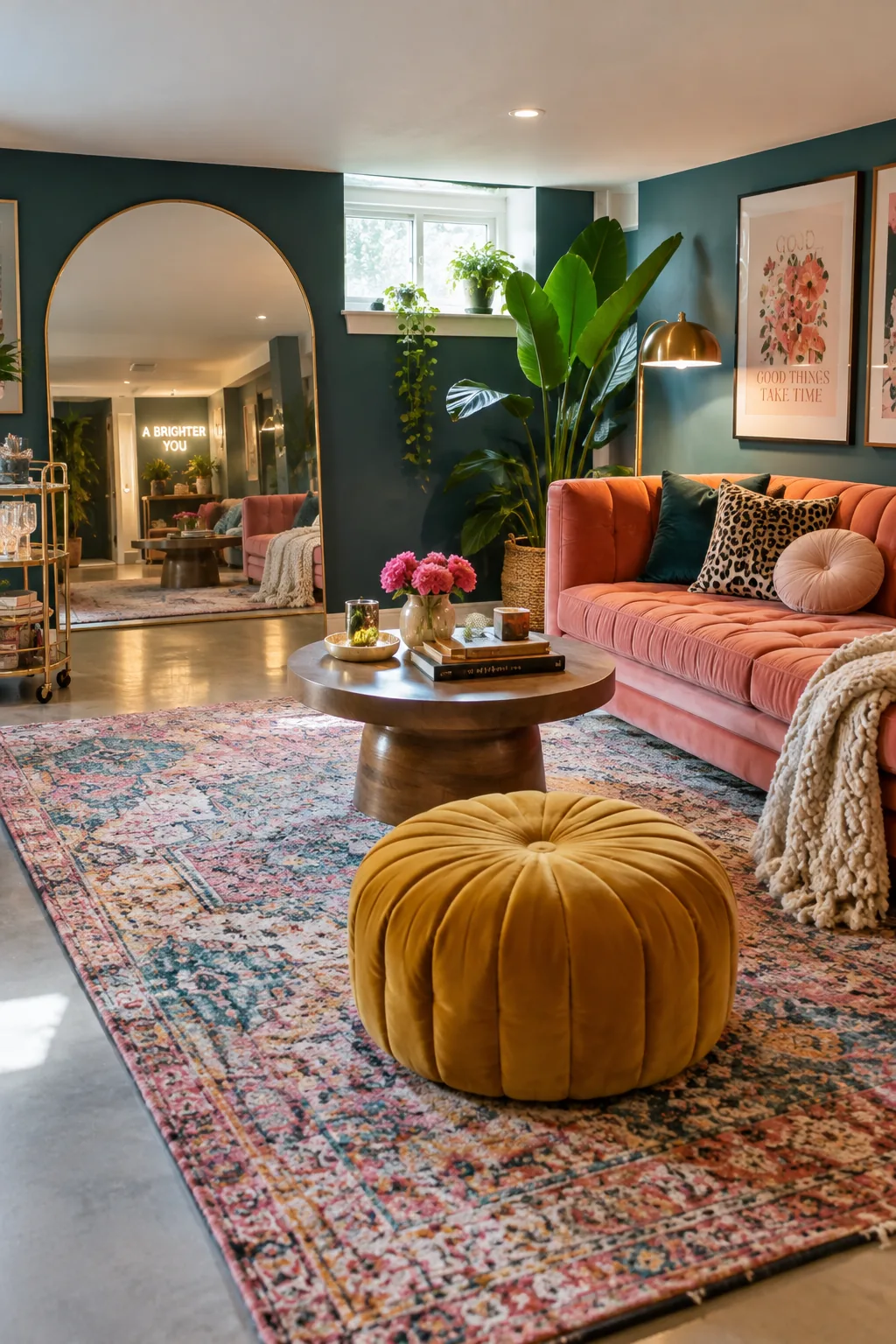
A bright, expansive atmosphere immediately makes a tight basement feel twice its size. Leaning a massive mirror against the wall or adding mirrored accents bounces light horizontally across the room. This lateral expansion tricks the eye into ignoring the vertical limitations.
Try positioning the mirror directly opposite a window to catch the natural light.
15. Drop Ceiling Alternatives
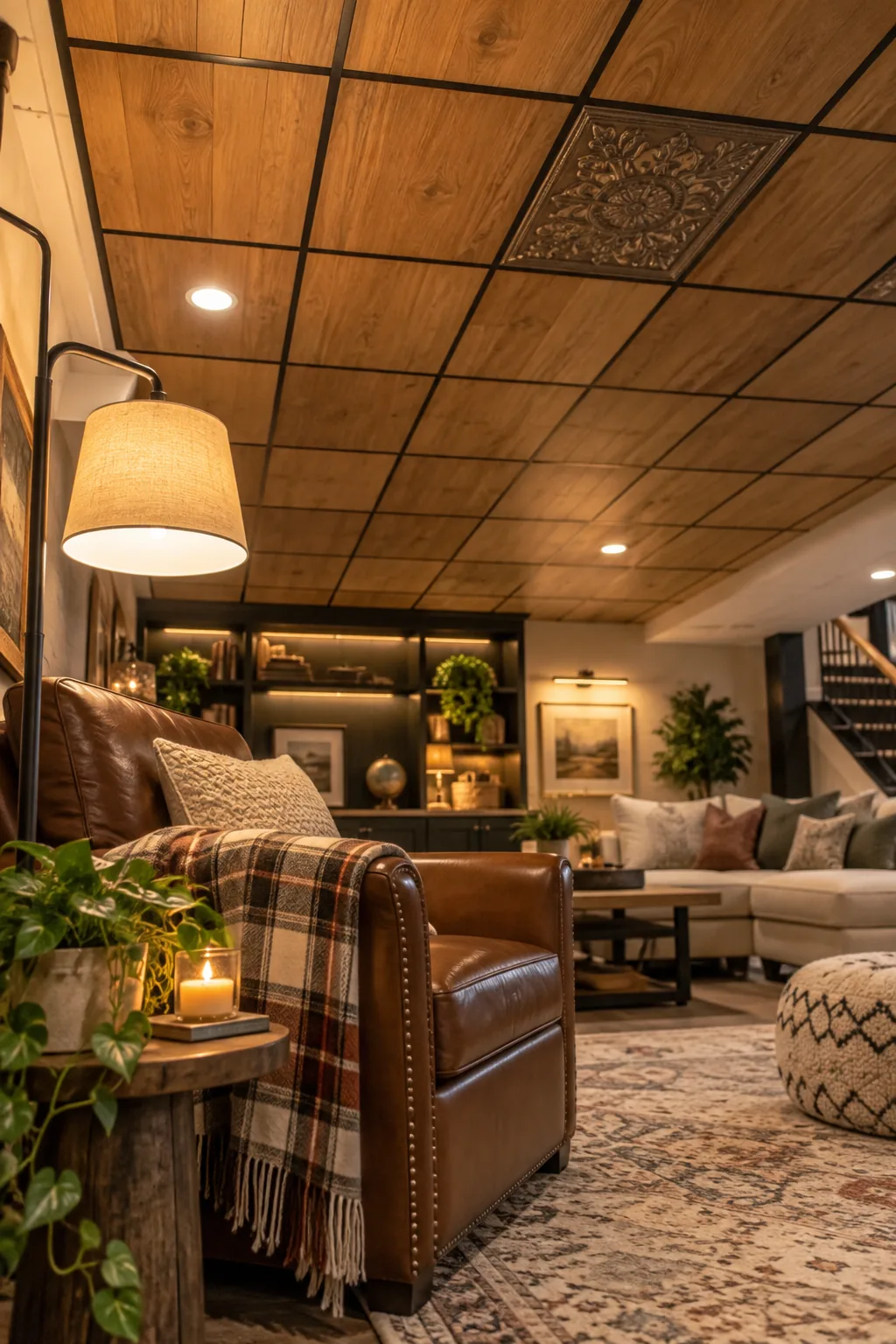
I absolutely hate those old, sagging acoustic tiles from the nineties.
Swapping them out for sleek faux wood planks or decorative metal panels breathes new life into the existing grid.
You get to keep the easy plumbing access without the depressing office vibe.
Why it works: The updated textures draw the eye along the ceiling plane smoothly instead of breaking it up into chunky squares.
16. Half-Painted Walls
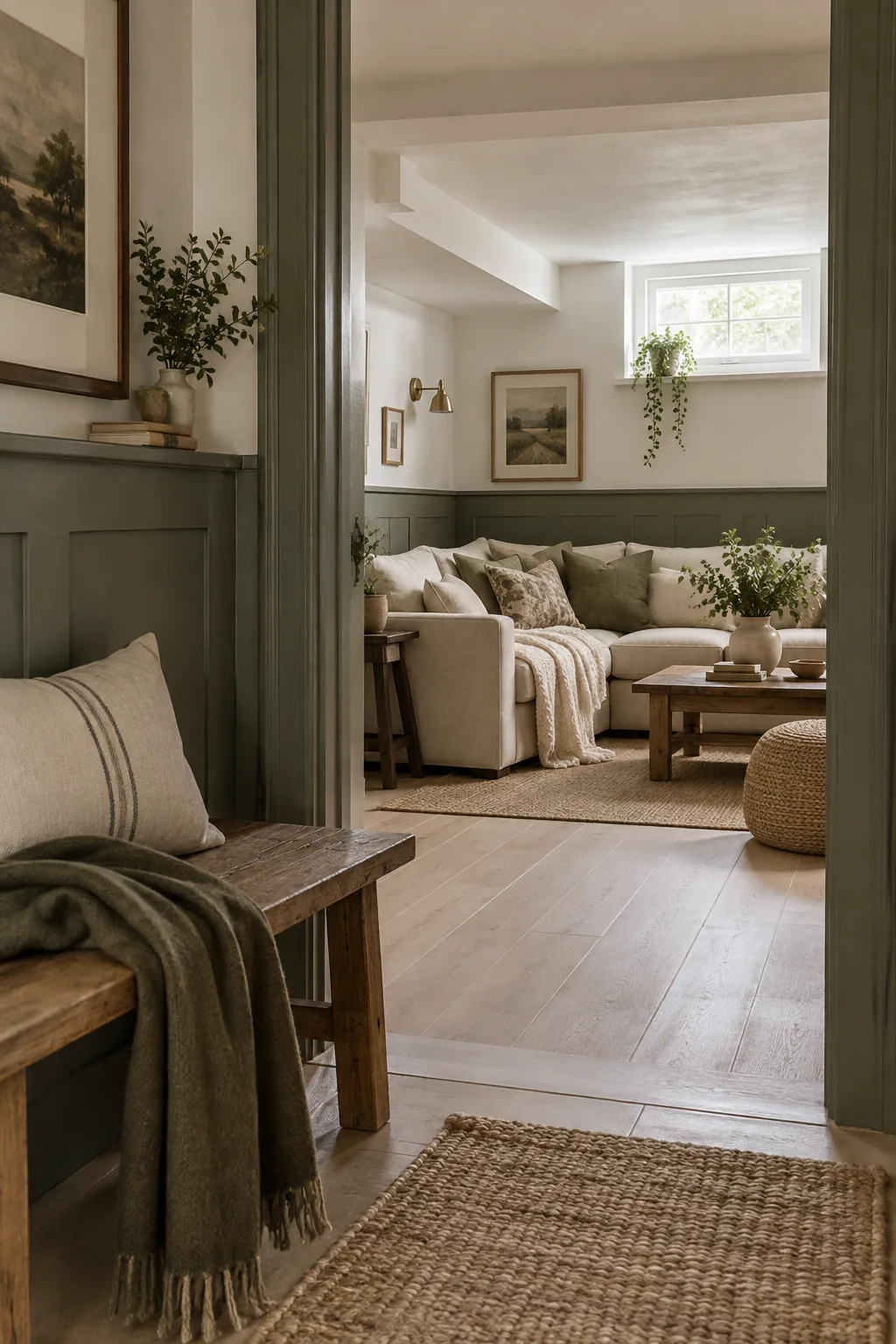
A standard wainscoting height sits around 36 inches off the floor. Painting the bottom half of your walls a dark color and taking a crisp white all the way up and across the basement ceiling alters the room's geometry. This two-tone approach pushes the ceiling line down to the paint transition, making the white portion feel massive. It is an incredibly cheap weekend project that completely changes the room's proportions.