Bedroom for Couples: The Better Sleep Measurement Checklist
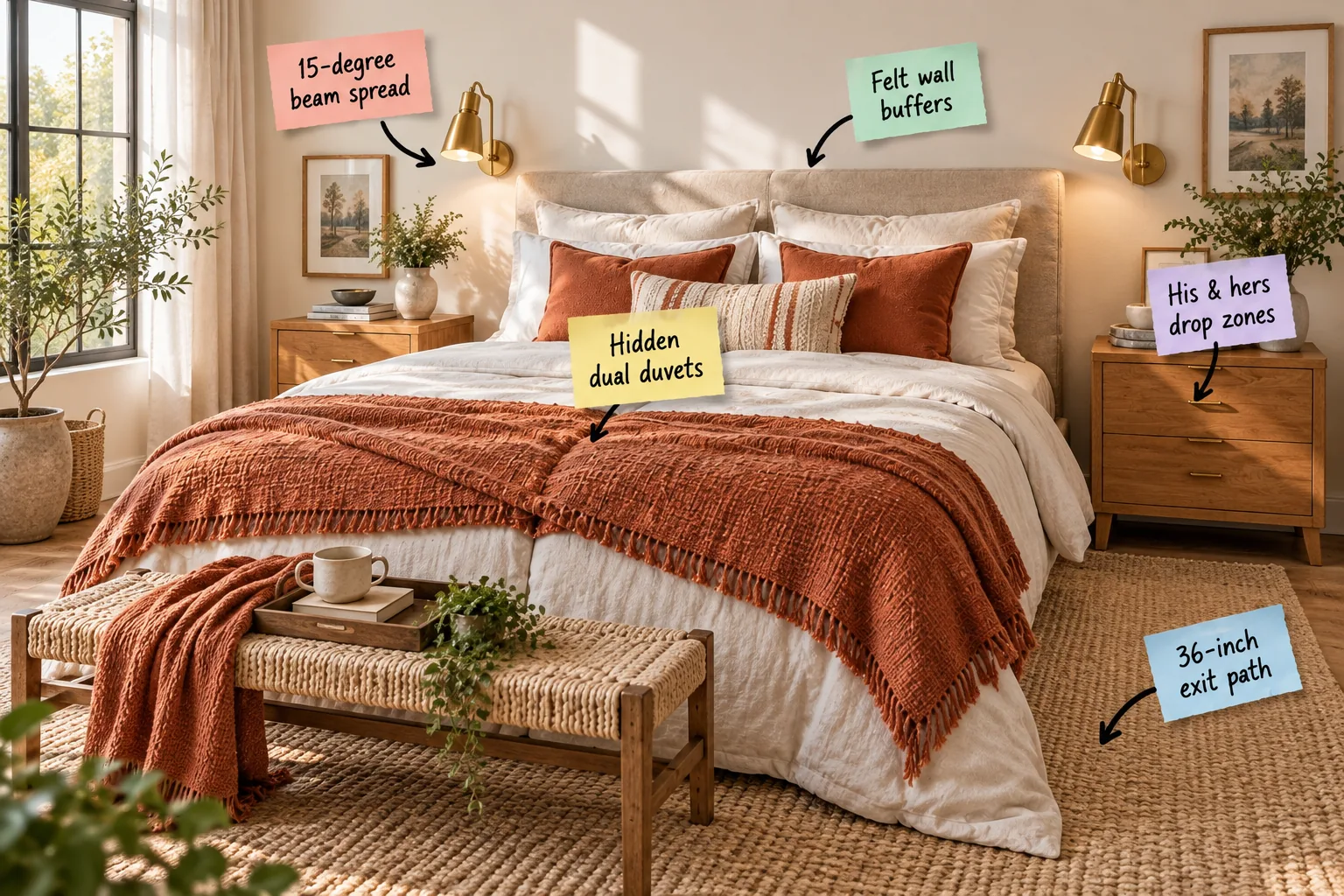
Stop waking each other up and get the exact spacing, lighting, and bedding measurements for a perfectly shared room with our Couple’s bedroom measurement checklist. You will be able to measure, arrange, and outfit your shared bedroom to eliminate sleep disruptions completely.
Position the Bed for Equal Access
A truly balanced room requires absolute symmetry, meaning you must center the mattress on your primary wall. This fundamental layout decision ensures neither person feels trapped against a corner and sets the stage for equal spacing on both sides.
Maintain a 36-Inch Exit Path
A peaceful night starts with how easily you can leave the bed, so establishing a 36-inch clear exit path is your first priority. This specific clearance allows you to swing your legs out and stand without bumping the mattress or your partner.
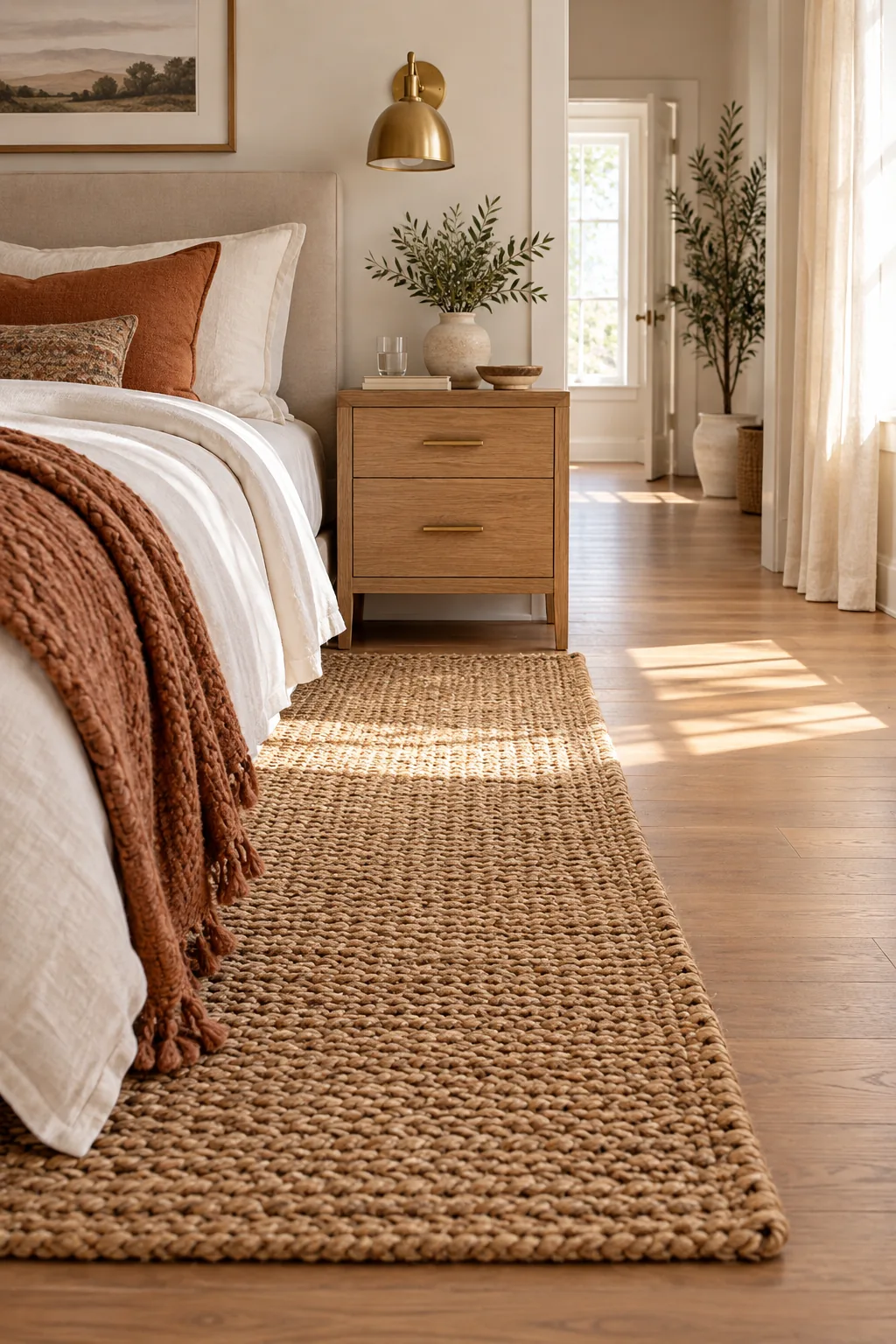
Keeping that walkway entirely clear of furniture legs or low benches prevents toe-stubs when you navigate the room in the dark. A wide exit path fundamentally changes how a shared space functions, turning a cramped sleep setup into an accessible retreat.
Anchor the Rug for Sound Dampening
Hardwood floors amplify every footstep, so introducing a large, dense area rug is essential for absorbing midnight movement. You need a high-pile or thick wool rug that extends at least 24 inches beyond the sides and foot of the bed.
Designate His & Hers Drop Zones
Shared surfaces quickly become cluttered battlegrounds if you lack dedicated storage for your daily essentials. Assign dedicated top drawer space in matching nightstands to keep individual items like glasses, lip balm, and electronics completely out of sight.

This closed storage strategy prevents visual chaos from interrupting your wind-down routine before sleep. When each partner has a defined boundary for their personal clutter, the bedroom immediately feels more intentional and deeply relaxing.
Conceal Unsightly Charging Cables
Visible cords ruin the serene atmosphere of a meticulously organized nightstand. Route your phone and watch chargers through a drilled grommet hole in the back of the drawer to keep the tabletop pristine while your devices power up overnight.
Install Targeted Reading Lights
General room lighting forces both partners onto the same schedule, often leading to frustration when one wants to read. Use adjustable brass sconces with a tight 15-degree beam spread to illuminate a single book without spilling light across the pillows.

Hardwiring these fixtures directly above each nightstand keeps the tabletop completely clear for your drop zone items. Precise directional lighting is the ultimate compromise, allowing night owls to stay awake while their partner sleeps peacefully in the shadows.
Select Warm Color Temperatures
The bulbs you choose for your sconces directly impact your body’s natural melatonin production. Always install 2700K warm white LED bulbs to create a soothing, amber glow that signals to your brain that it is time to wind down.
Silence the Frame with Wall Buffers
Every time one partner shifts, a loose bed frame broadcasts the movement as a loud knock against the drywall. I always apply thick felt wall buffers to the back edge of my clients’ upholstered headboards to instantly absorb impact and sound.
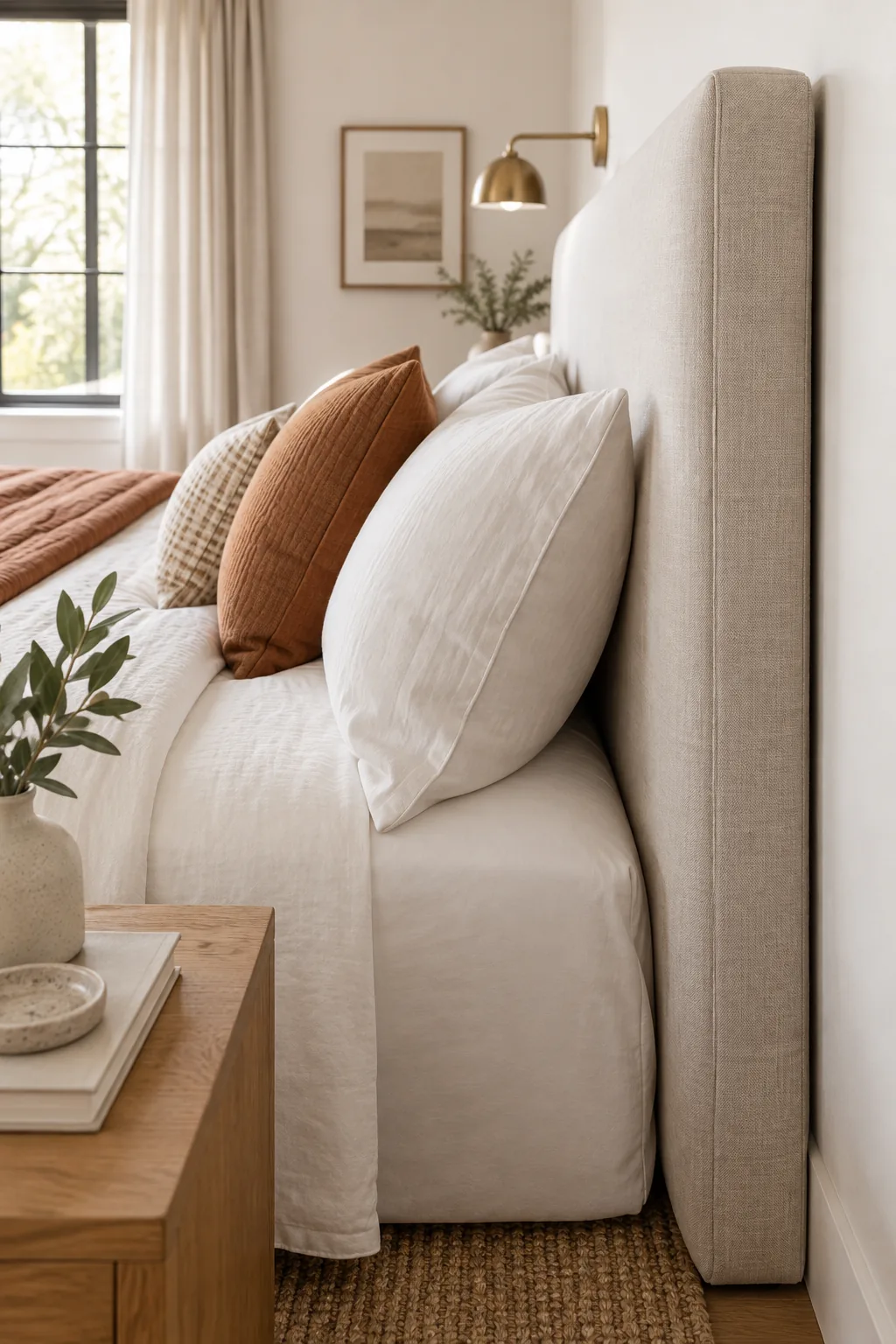
Securing the headboard this way transforms a restless, noisy bed into a solid, silent foundation. Even with a quieted headboard, a few common layout errors can easily ruin your room’s tranquility if you aren’t paying attention to the surrounding elements.
Upgrade to Motion-Isolating Support
The best layout cannot fix a bouncy mattress that transfers every toss and turn directly to your side of the bed. Choose a pocket-sprung or dense memory foam foundation designed specifically to isolate motion transfer completely.

Independent support coils react only to the pressure applied directly above them, leaving the rest of the surface undisturbed. This structural upgrade ensures that differing sleep schedules or restless habits never physically impact the other person’s rest.
| Support Type | Motion Transfer | Edge Support | Best For |
|---|---|---|---|
| Pocket Sprung | Very Low | Excellent | Hot sleepers |
| Memory Foam | Zero | Moderate | Joint pain |
| Continuous Coil | High | Good | Guest rooms |
| Hybrid Foam | Low | Excellent | Couples |
Optimize the Under-Bed Clearance
A mattress sitting too low forces you to squat uncomfortably, while one that is too high requires a disruptive jump. Aim for a total bed height of 24 to 28 inches from the floor to the top of the mattress for effortless entry and exit.
Adopt the Hidden Dual Duvet System
End the nightly blanket tug-of-war by adopting the highly effective Scandinavian sleep method for your shared bed. In my own home, we use two separate Twin XL duvets on our King bed so we each control our own temperature.
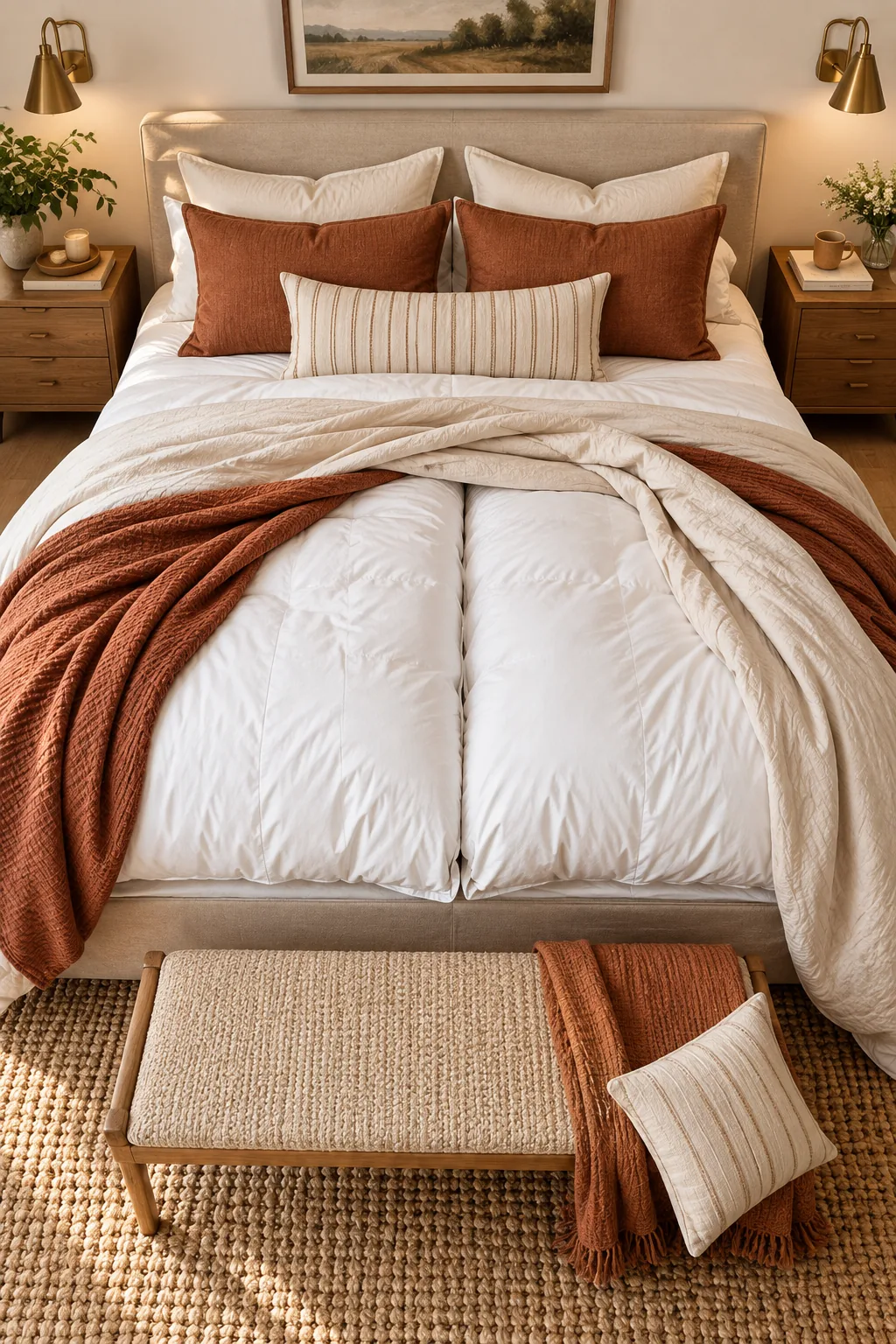
Individual covers mean you can choose a heavy down insert while your partner opts for a lightweight cotton alternative. This hidden split in the bedding guarantees that neither person wakes up shivering or sweating in the middle of the night.
Match Insert Weights to Preferences
The true genius of the dual duvet system lies in customizing the internal layers. If you sleep hot, select a lightweight bamboo or silk-filled insert, while your partner can enjoy a dense, high-fill-power goose down comforter right beside you.
Choose Breathable Natural Linens
Synthetic fabrics trap body heat and moisture, leading to restless tossing that disrupts both individuals. Invest in 100-percent linen or percale cotton duvet covers to ensure maximum airflow and regulate your microclimate throughout the night.
Style a Unified Bed Surface
Separate duvets are highly functional for sleep but can look messy and unmade during the daylight hours. Drape a wide, textured throw blanket horizontally across the foot of the bed to bridge the gap and create a cohesive visual layer.

Pulling a single structural textile across both individual covers instantly restores the traditional, symmetrical bedroom aesthetic. You get all the practical benefits of the Scandinavian method without sacrificing the polished, welcoming look of a perfectly styled suite.
Establish Consistent Nightstand Heights
A truly unified bed surface requires matching bedside proportions to maintain visual and functional harmony. Keep your nightstand height within two inches of the top of your mattress so you can reach your drop zone without straining.
- Measure your mattress: Find the exact distance from the floor to the top of your fully inflated mattress.
- Select the tables: Choose nightstands that sit exactly level with or up to two inches below that mattress measurement.
- Mount the sconces: Position your reading lights precisely 30 inches above the nightstand surface for optimal illumination.
Coordinate the Window Treatments
Early morning sunlight will instantly wake a light sleeper, making blackout curtains a non-negotiable layer for shared rooms. Install your curtain rod just below the ceiling line and ensure the heavy panels extend past the window frame to block all light leaks.
Manage the Ambient Room Temperature
Even with personalized bedding, the overall room climate plays a massive role in sleep quality. Program your thermostat to drop to a cool 65 to 68 degrees Fahrenheit at night, which naturally supports the body’s internal cooling process during deep sleep.
The Shared Bedroom Measurement Checklist
Achieving this balance requires precise spacing, and reviewing these exact dimensions ensures your room supports two independent sleep cycles. When I design a primary suite, I always verify these exact clearances to guarantee the space feels like one unified retreat.

Use these exact dimensions to evaluate your current setup and plan your structural or furniture improvements. Keeping this checklist handy will help you make confident, permanent decisions about your shared sanctuary.
Shared Bedroom Styles to Copy
Find the perfect aesthetic for your couple's retreat with these distinct looks.
Minimalist Organic: Keep visual noise low with washed white linens and pale oak tones that promote instant relaxation.

Moody Boutique: Embrace a cozy, cave-like atmosphere using dark charcoal walls and rich velvet textures for deep sleep.
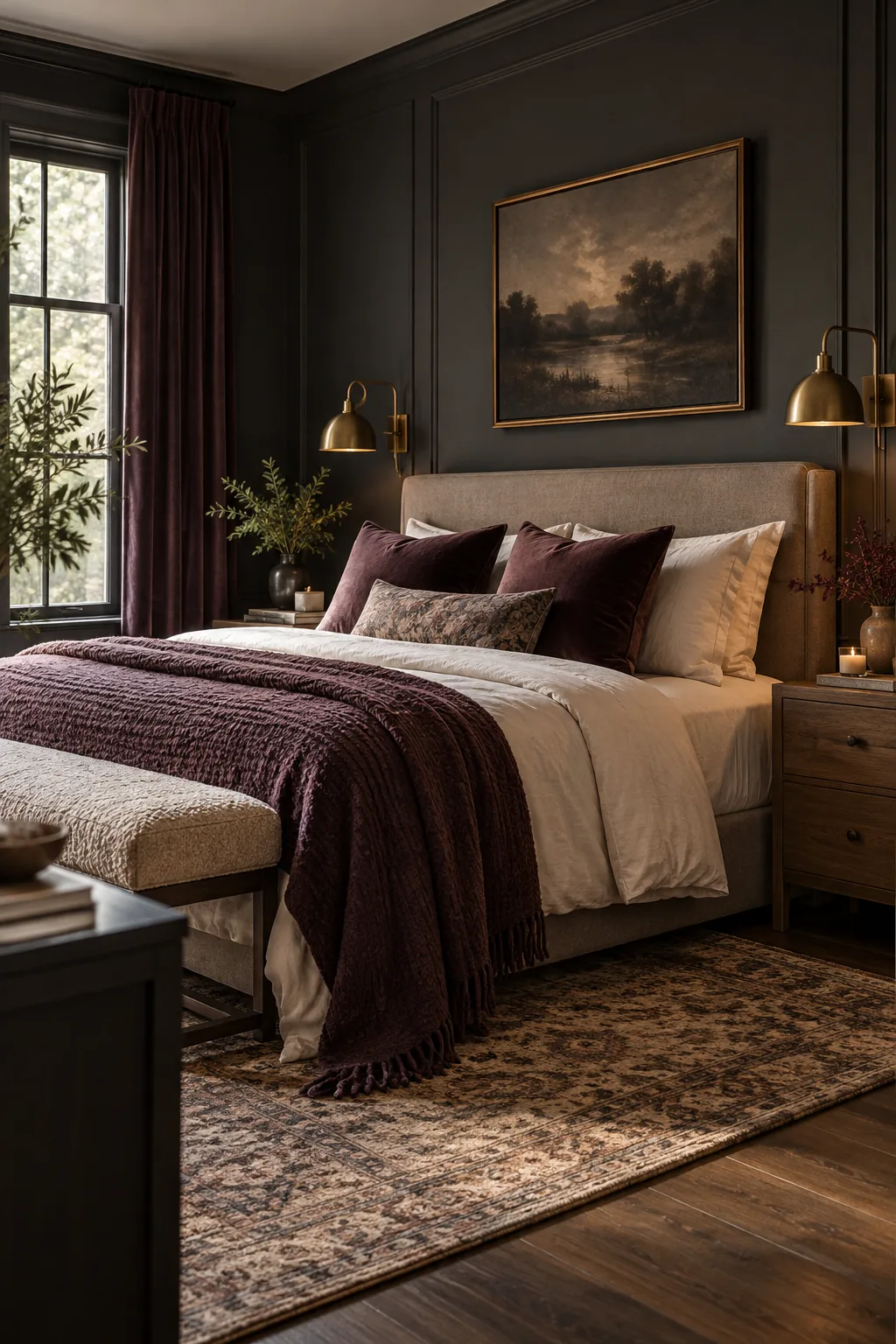
Modern Traditional: Balance classic comfort and fresh design by pairing warm walnut wood with soothing sage green walls.

Warm Industrial: Soften edgy exposed brick and matte black fixtures with layers of rich, warm terracotta bedding.