
16+ Brilliant Study Room Design Ideas for Your Home
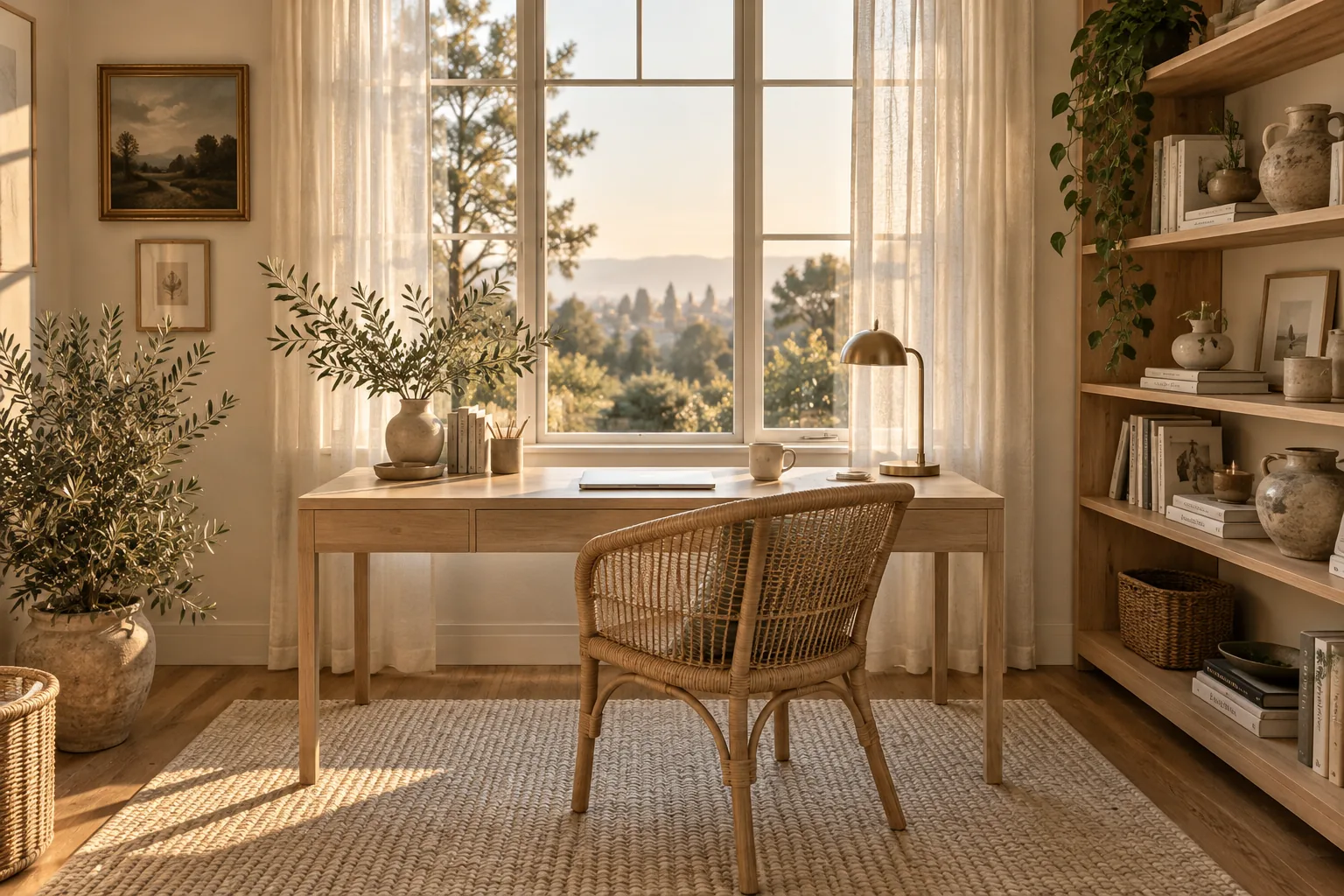
A great study room needs to balance serious focus with enough comfort to keep you sitting there for hours. I rely on a mix of smart lighting, hidden storage, and layout tricks to make these spaces actually work.
1. Face the Light
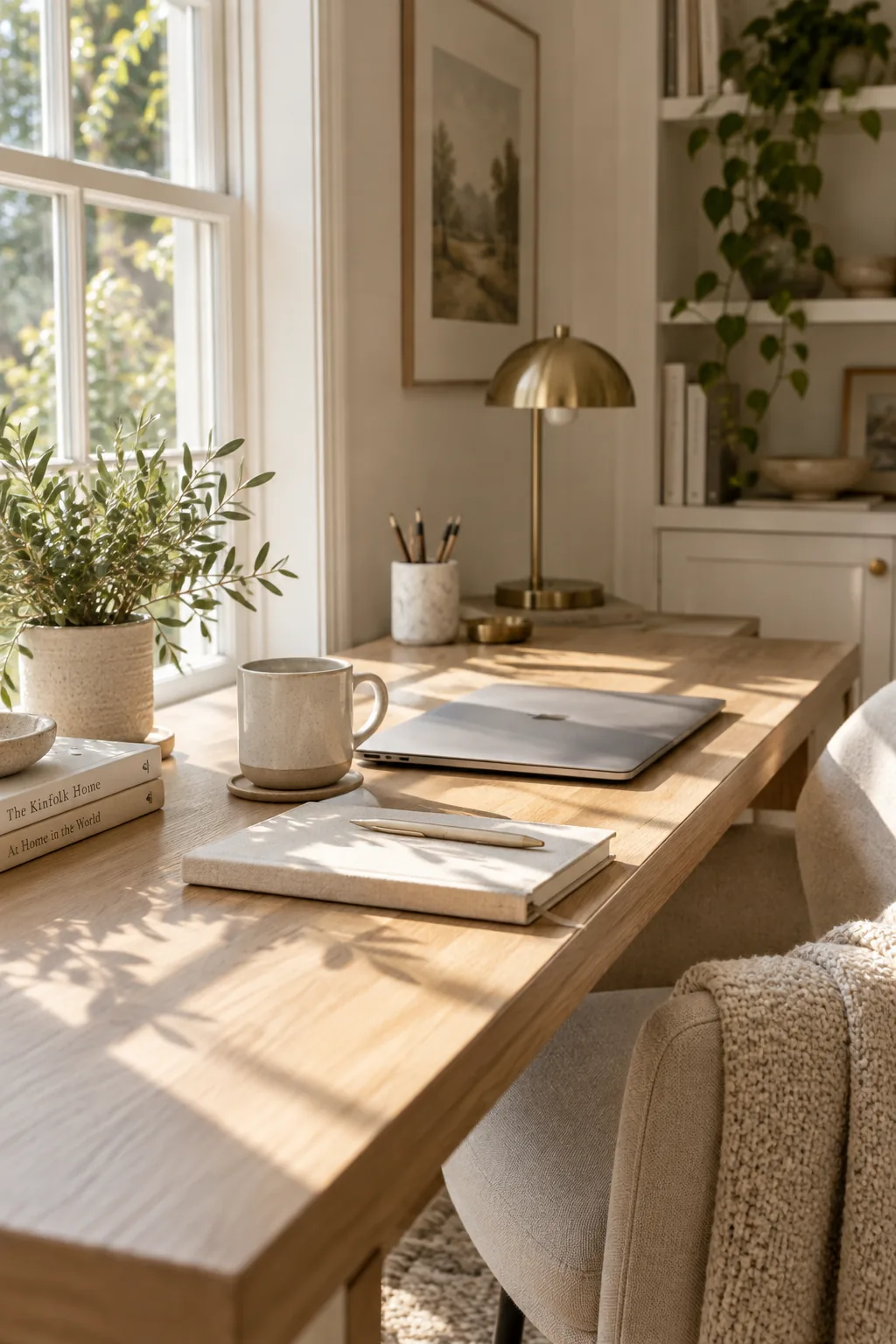
I always start my study room projects by placing the desk near the window.
Natural light is crucial for keeping your energy up during long reading sessions. You want the desk facing sideways to the glass to prevent harsh screen glare. This simple desk placement instantly makes the room feel larger and more inviting.
2. Measure Your Clearance
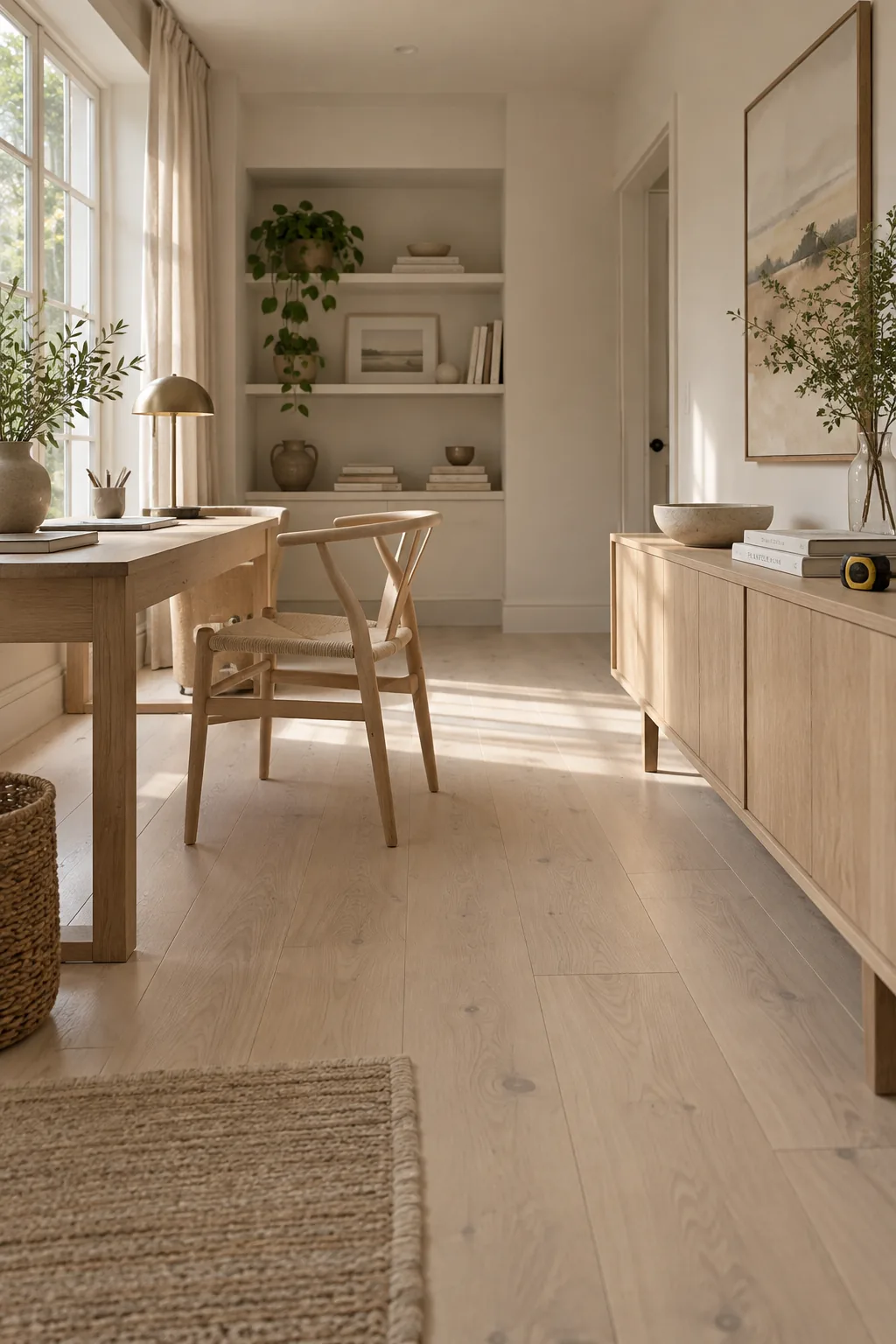
A standard desk needs at least 30 inches of clearance behind it so you can push your chair back comfortably. When planning your room layout, tape out these measurements on the floor before buying heavy furniture. Adding a slim credenza on the opposite wall gives you a place to drop mail and books without cluttering your main workspace. Keep the center of the room open to allow for better airflow. This breathing room prevents the space from feeling like a cramped cubicle.
3. Go Vertical with Shelving
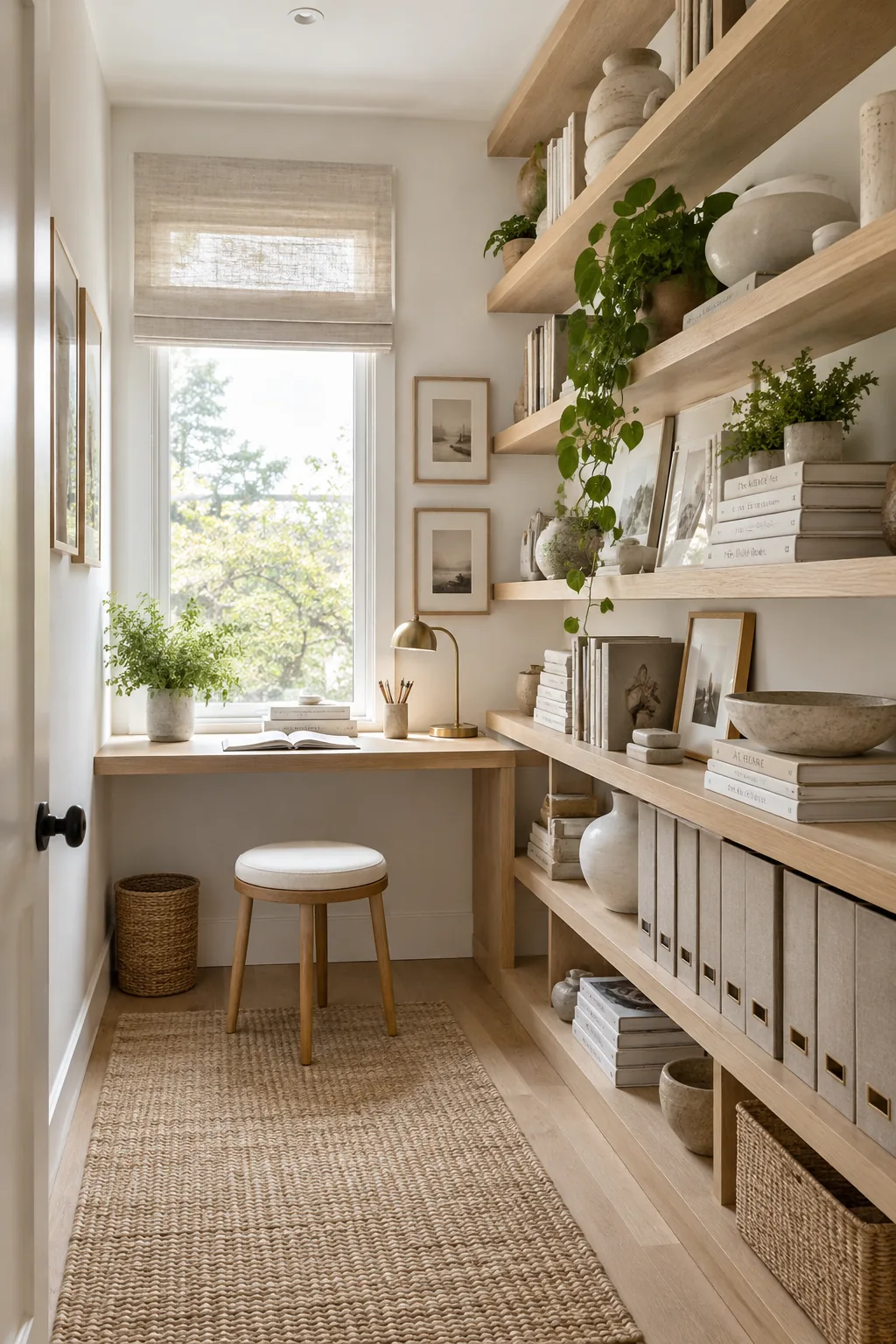
My absolute favorite trick for small spaces is installing floating shelves all the way up to the ceiling. It draws the eye upward and gives you massive amounts of storage for heavy textbooks and display items. Use matching magazine files on the lower shelves to hide messy paperwork and loose cords.
4. Warm White Walls
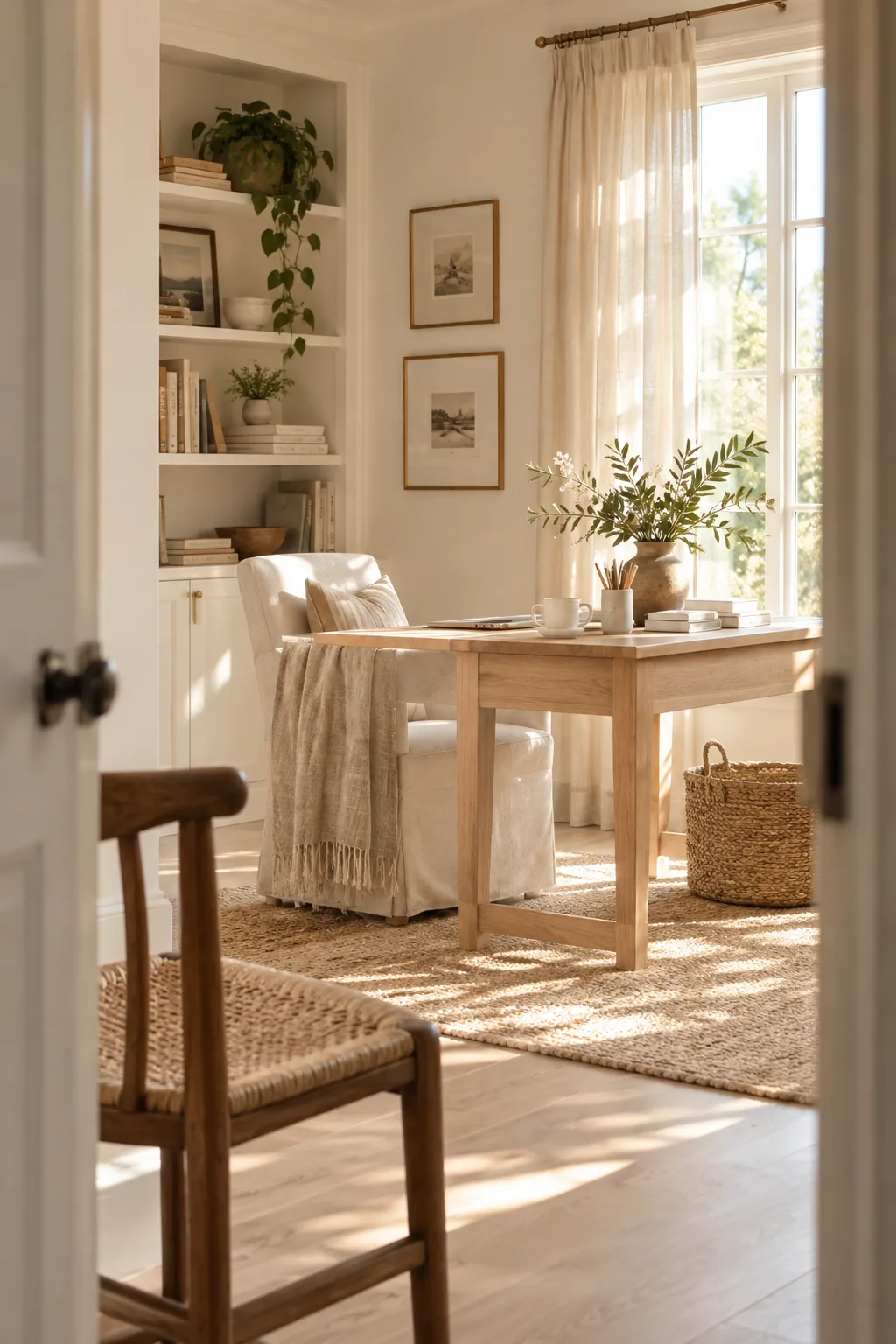
Dark wall colors absorb light and can make a small study feel incredibly heavy. Painting the walls a crisp, warm white bounces natural light around the room and creates a clean slate for your thoughts.
5. Layer Your Lighting
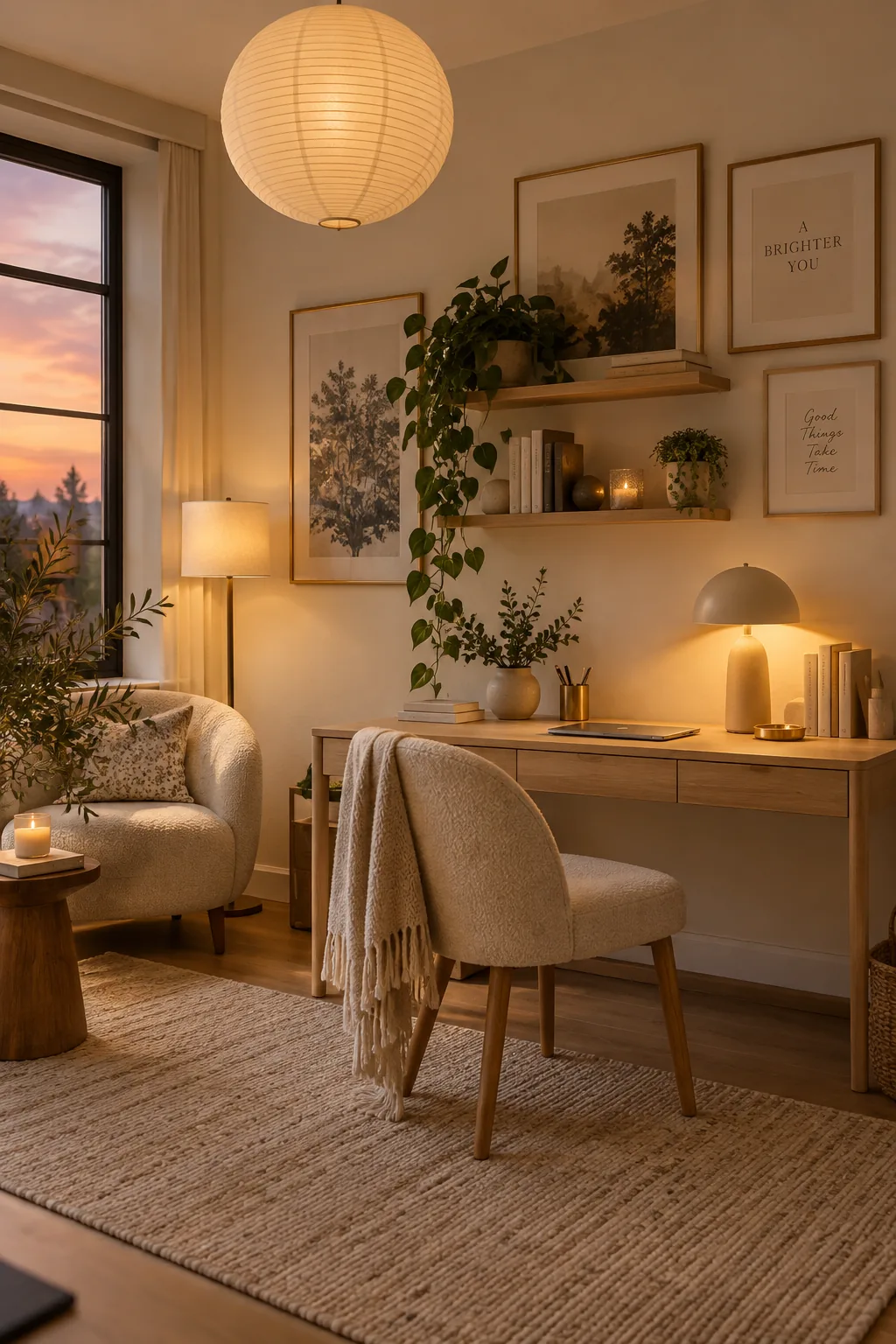
Layered lighting is the secret to a space that transitions perfectly from daytime tasks to late-night reading. You need a bright overhead fixture for general cleaning, paired with a focused task lamp right on the desk.
Don't forget a small floor lamp in the corner for a softer evening glow.
Why it works: Multiple light sources reduce eye strain and let you adjust the mood instantly.
6. Utilize the Picture Ledge
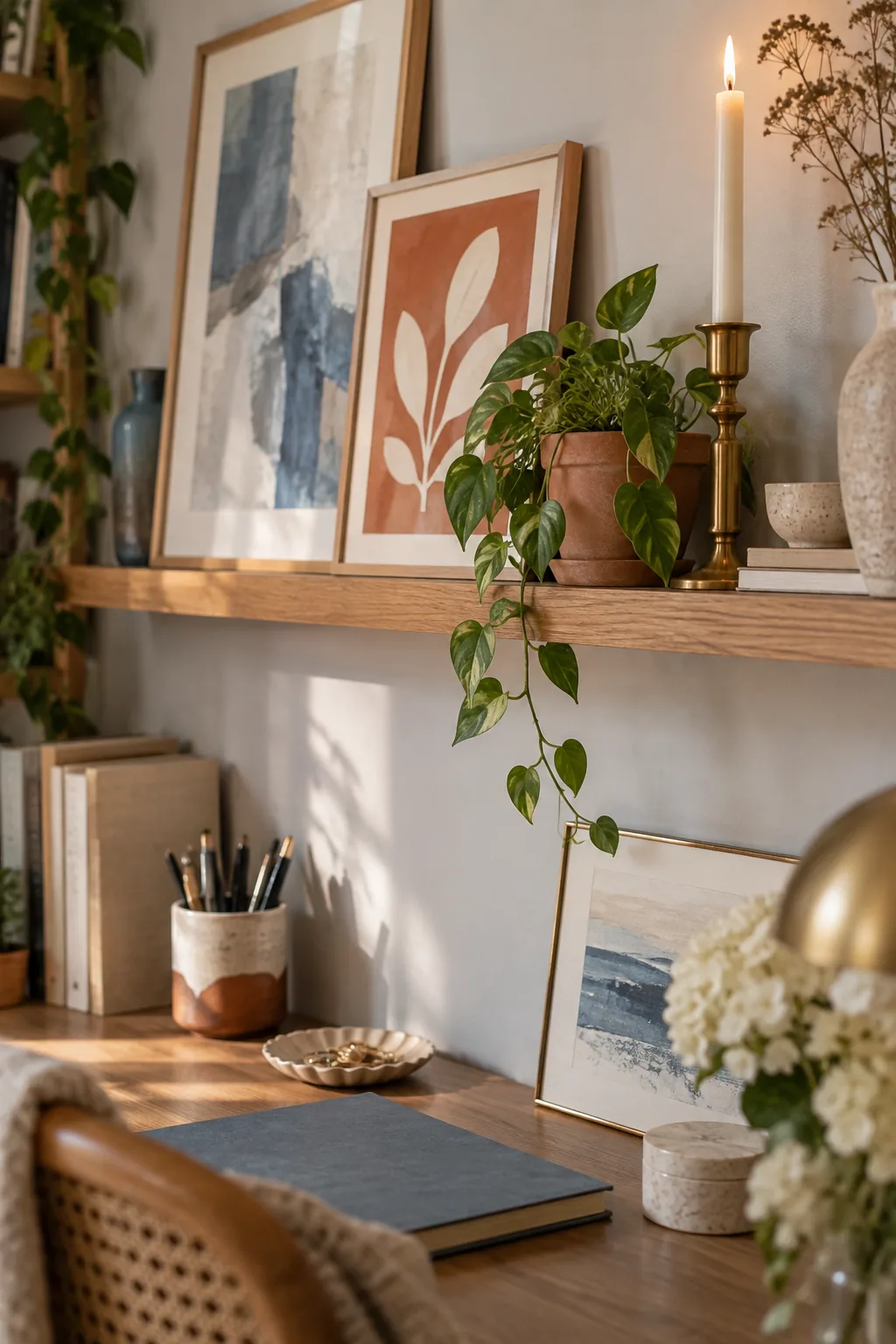
The top third of your walls is usually wasted real estate.
Adding a picture ledge right above your monitor height gives you a flexible display area. You can swap out art, motivational quotes, or small plants without putting new holes in the drywall. This keeps your desktop clear while still adding personality.
- Framed typography
- Trailing pothos plants
- Small analog clocks
7. Moody Academic Built-Ins
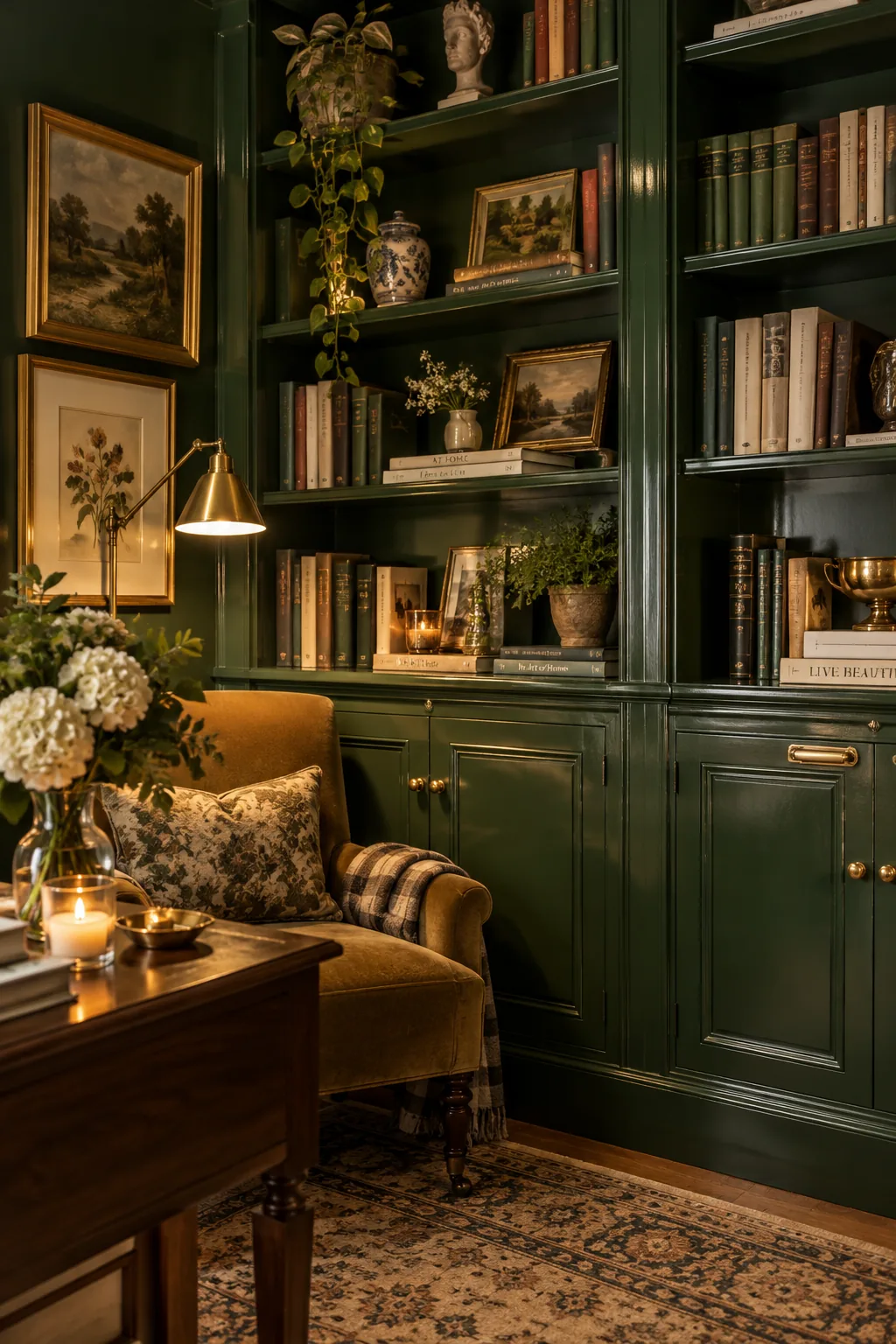
A moody, academic aesthetic is easy to achieve by painting your built-ins a deep hunter green. Pair this rich color with brass hardware to instantly elevate the room into a sophisticated home library.
8. Add a Reading Nook
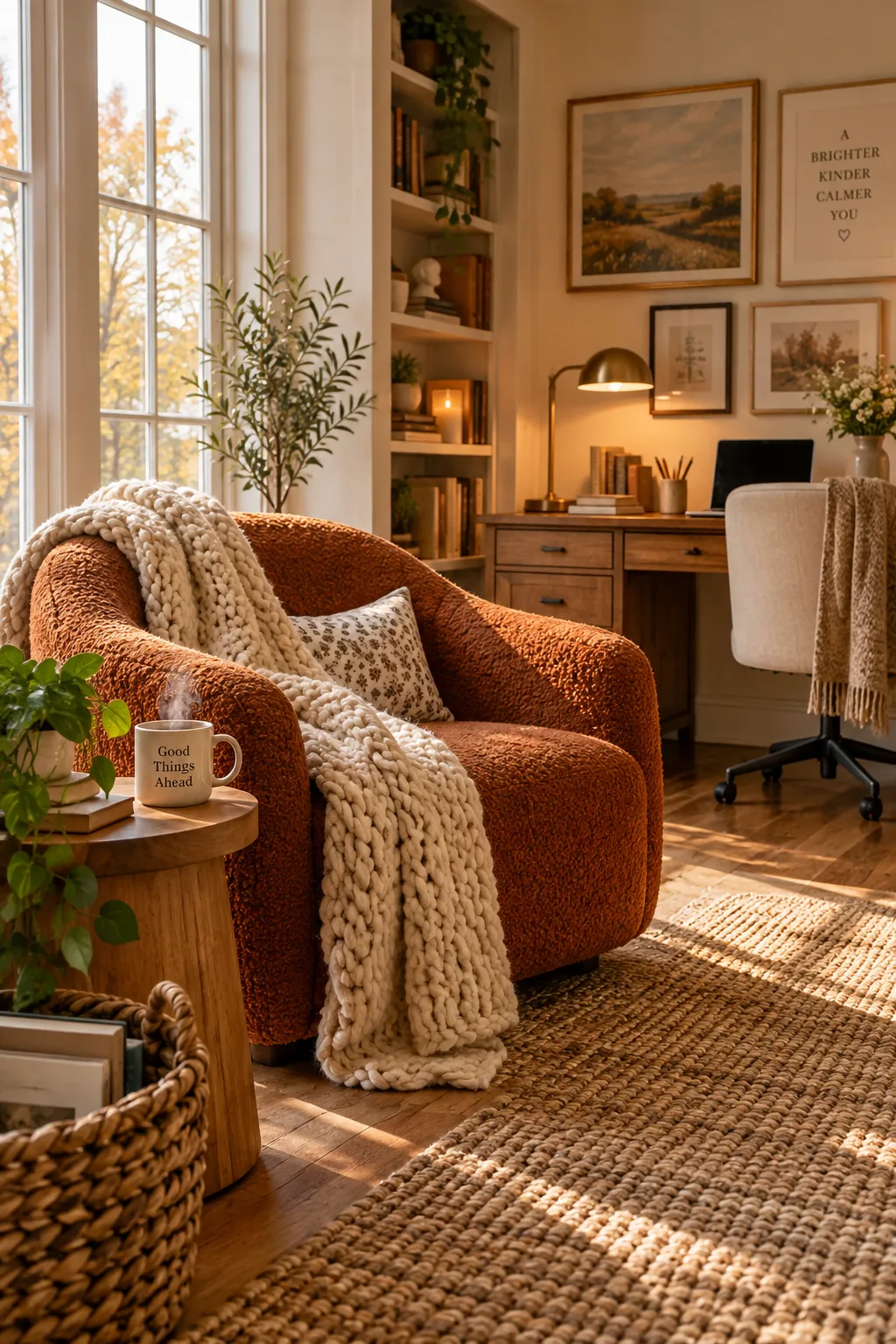
I always try to sneak a comfortable reading chair into every study I design. Having a plush spot away from the screen gives you a physical break and encourages actual reading. Toss a heavy knit throw over the back to soften the room's hard wooden edges.
A small side table next to it is essential for your coffee mug.
- Upholstered armchair
- Textured throw blanket
- Compact drink table
9. Maximize Desktop Footprint
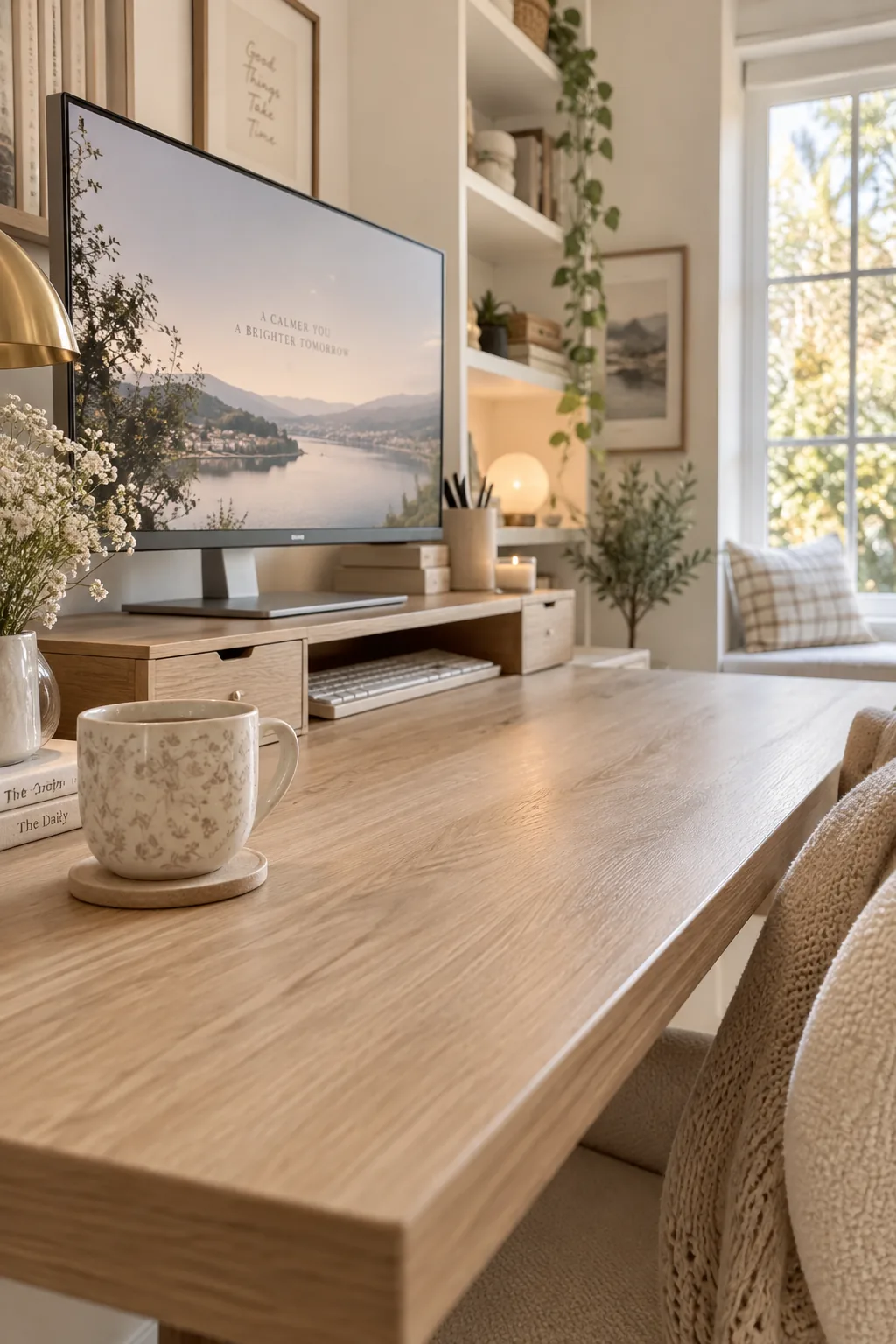
Most people only use about forty percent of their desk surface for actual work.
Push your monitor back and utilize a monitor stand with drawers underneath to maximize that footprint. This gives you a dedicated spot to slide your keyboard away at the end of the day. A clean work surface is the best way to signal to your brain that it is time to clock out.
10. Try Color Drenching
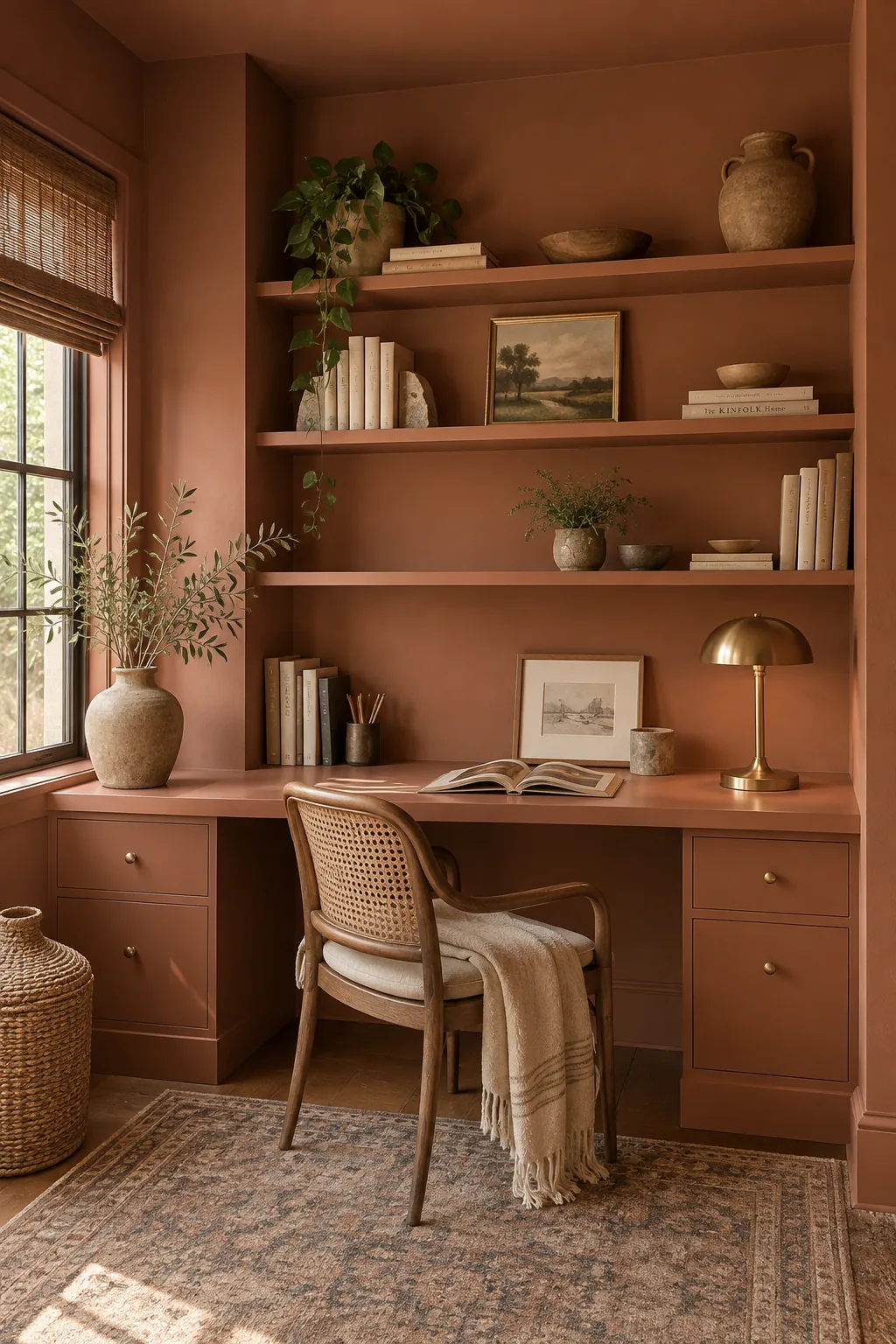
A seamless, custom-built look happens when you paint your baseboards, walls, and shelving all the exact same color. This color drenching technique blurs the edges of the room and makes a tiny study feel incredibly cozy and intentional.
11. Create a Sorting Station
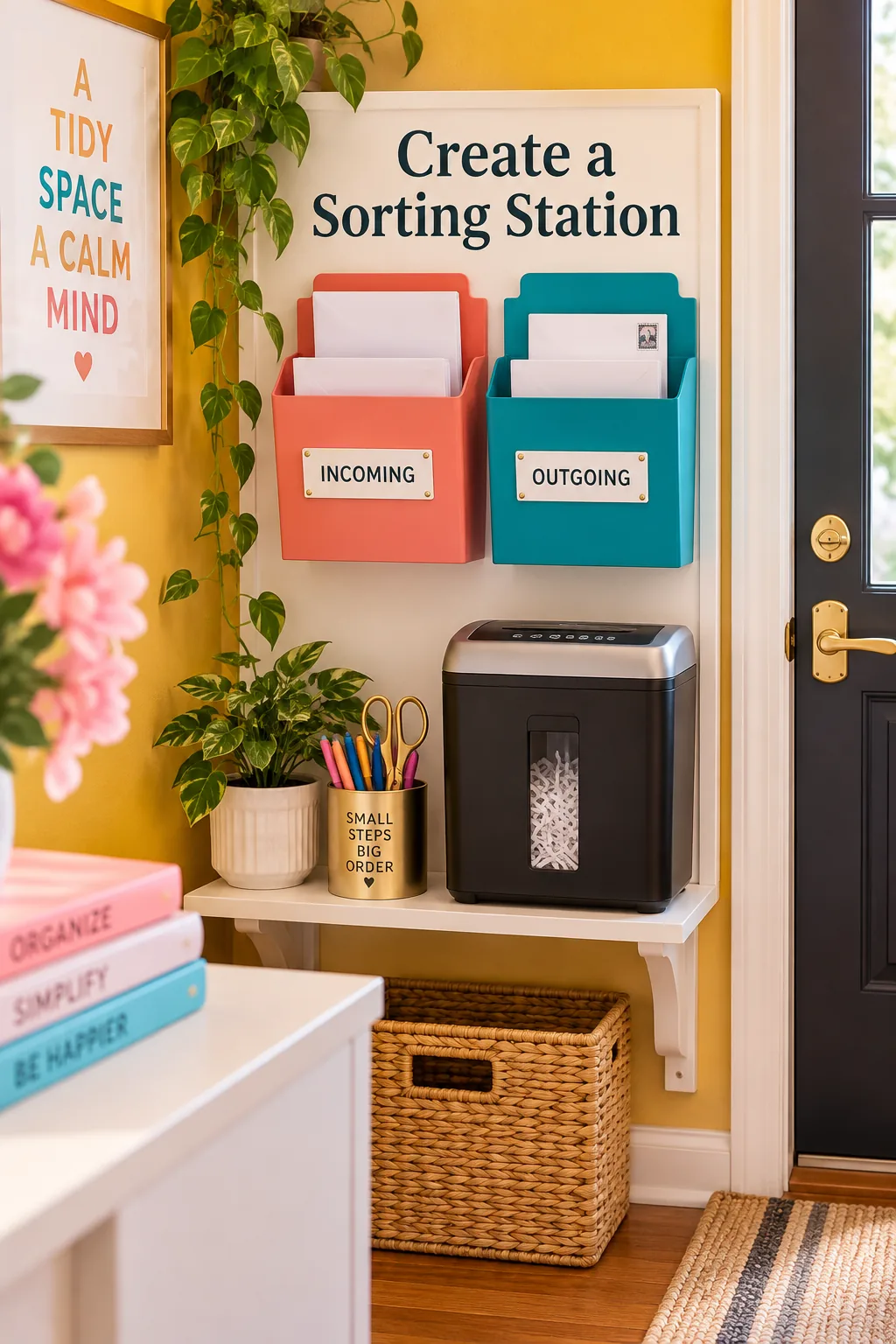
Paper clutter multiplies the moment you turn your back.
Setting up a dedicated sorting station near the door stops mail from ever reaching your desk. Use a simple wall-mounted organizer with slots for incoming and outgoing items.
Add a sleek paper shredder right below it to handle sensitive junk mail immediately.
12. Anchor with a Low-Pile Rug
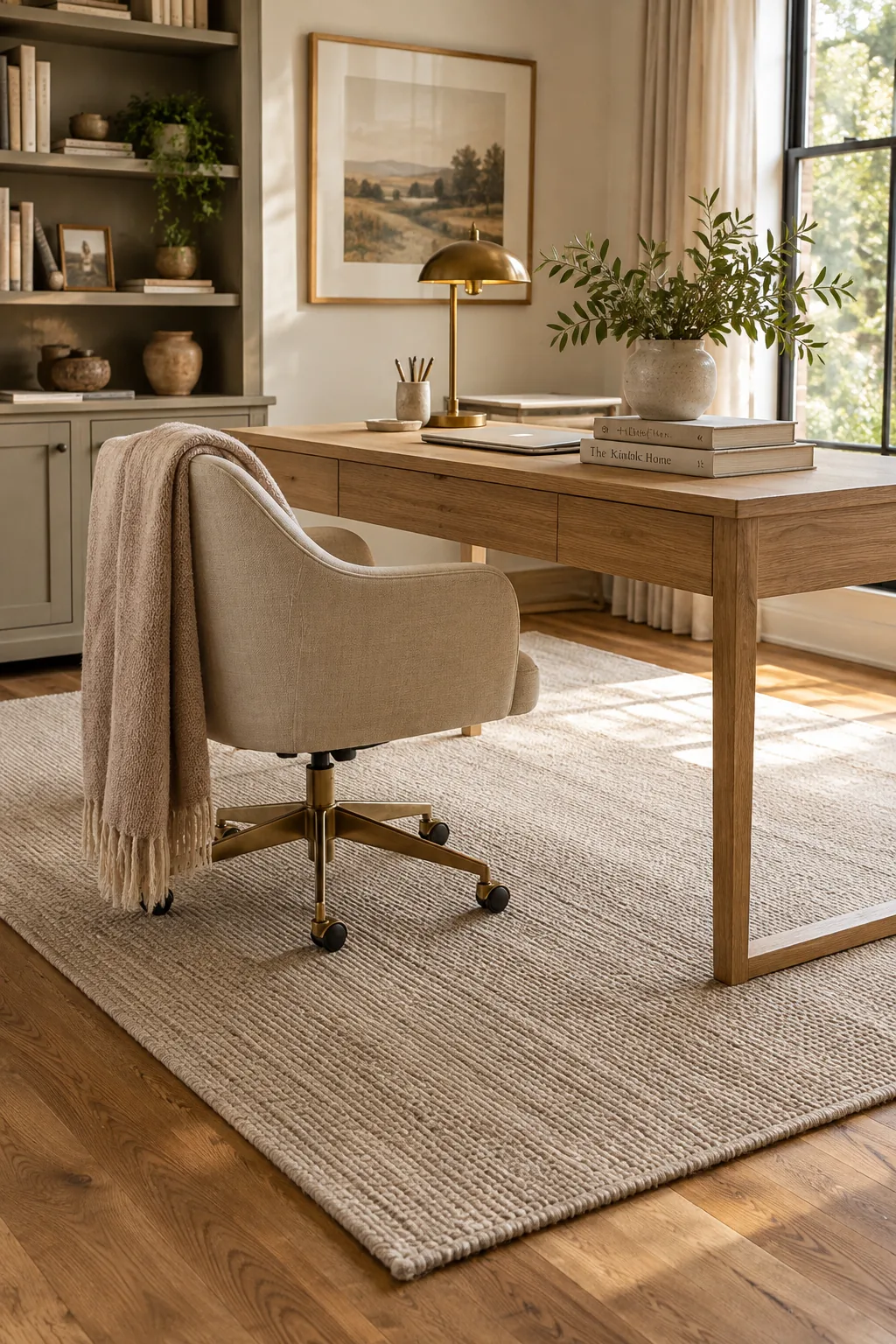
A large rug needs to extend at least two feet beyond all sides of your desk.
This ensures your rolling chair stays on the fabric instead of constantly catching on the edge. Choose a low-pile rug so the casters glide smoothly while still adding much-needed acoustic dampening to the room. The right floor covering anchors the furniture and instantly warms up cold hardwood.
13. Soften the Acoustics
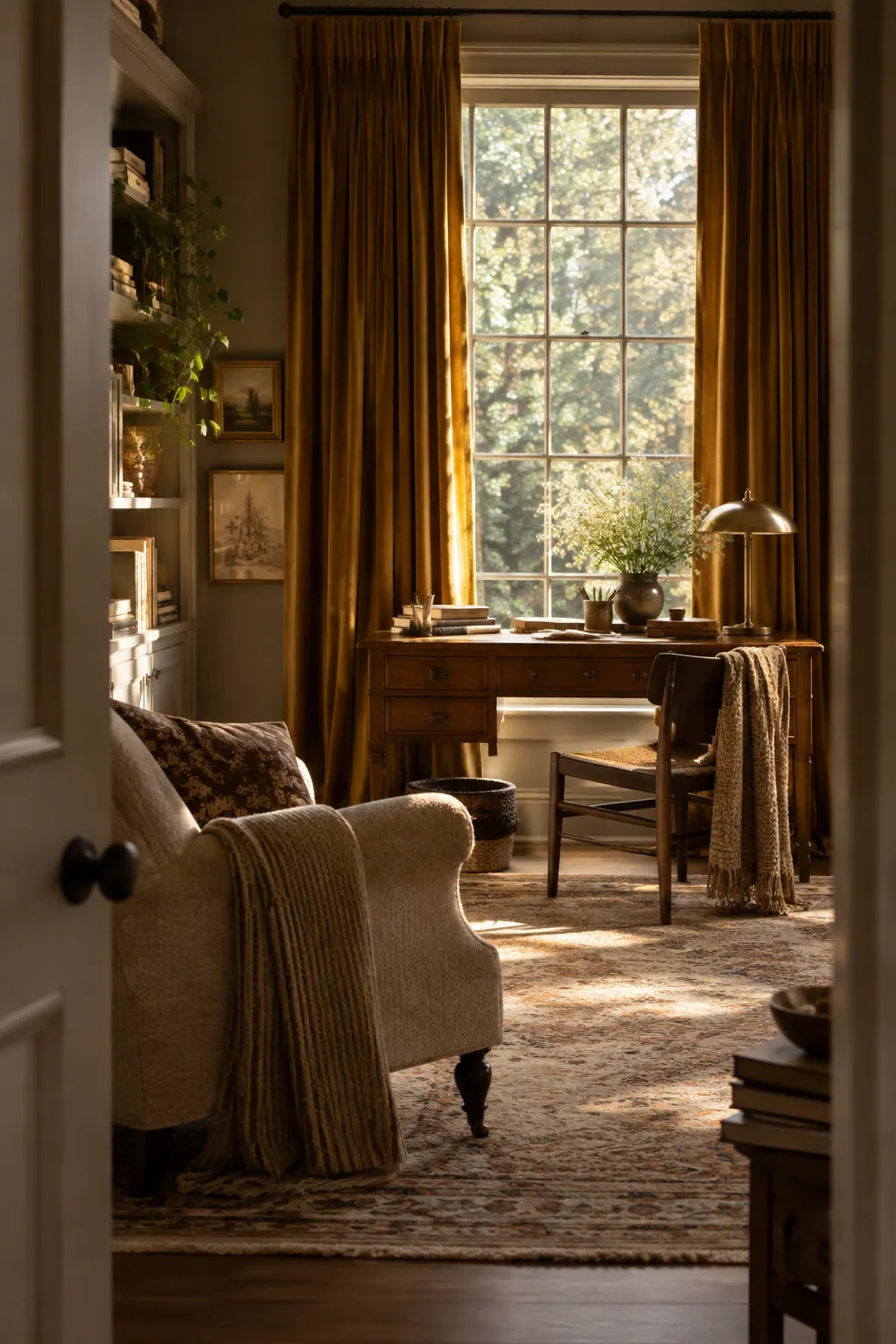
Hard surfaces in a small room create terrible echoes during video calls. Bringing in heavy velvet curtains absorbs that bouncing sound and dramatically improves your room's acoustics. Hang the rod high and wide to make the window look massive while adding a layer of rich textural softness.
14. Install a Pinboard Wall
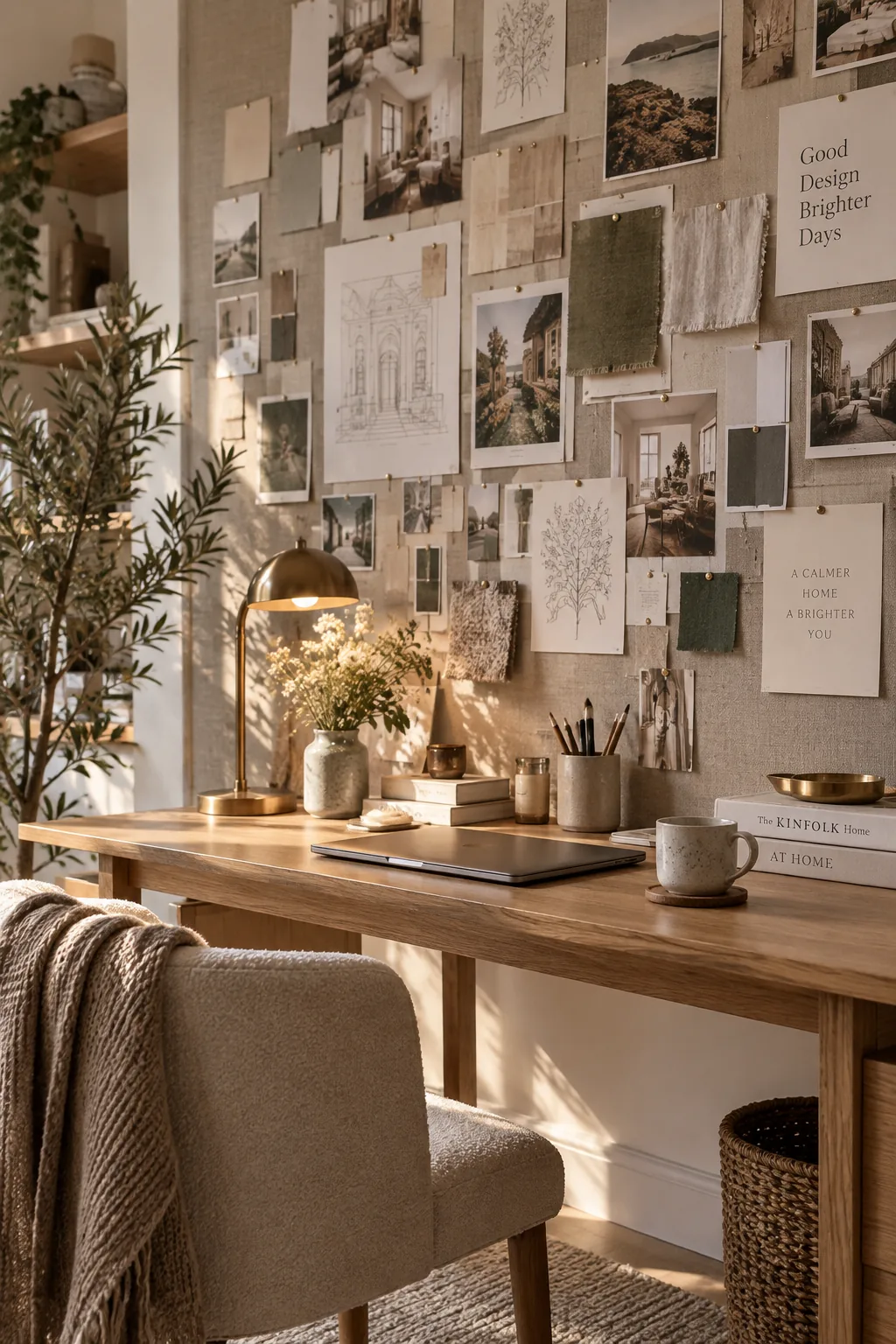
I recently started incorporating large cork boards into my home office designs instead of standard whiteboards. A massive, floor-to-ceiling pinboard wall gives you a tactile way to map out projects and visualize ideas. You can cover the raw cork with a neutral linen fabric to make it look like expensive custom wallpaper. It completely eliminates the need for sticky notes scattered across your monitor. Plus, it serves as a massive sound absorber for the space.
15. Hide Visual Noise
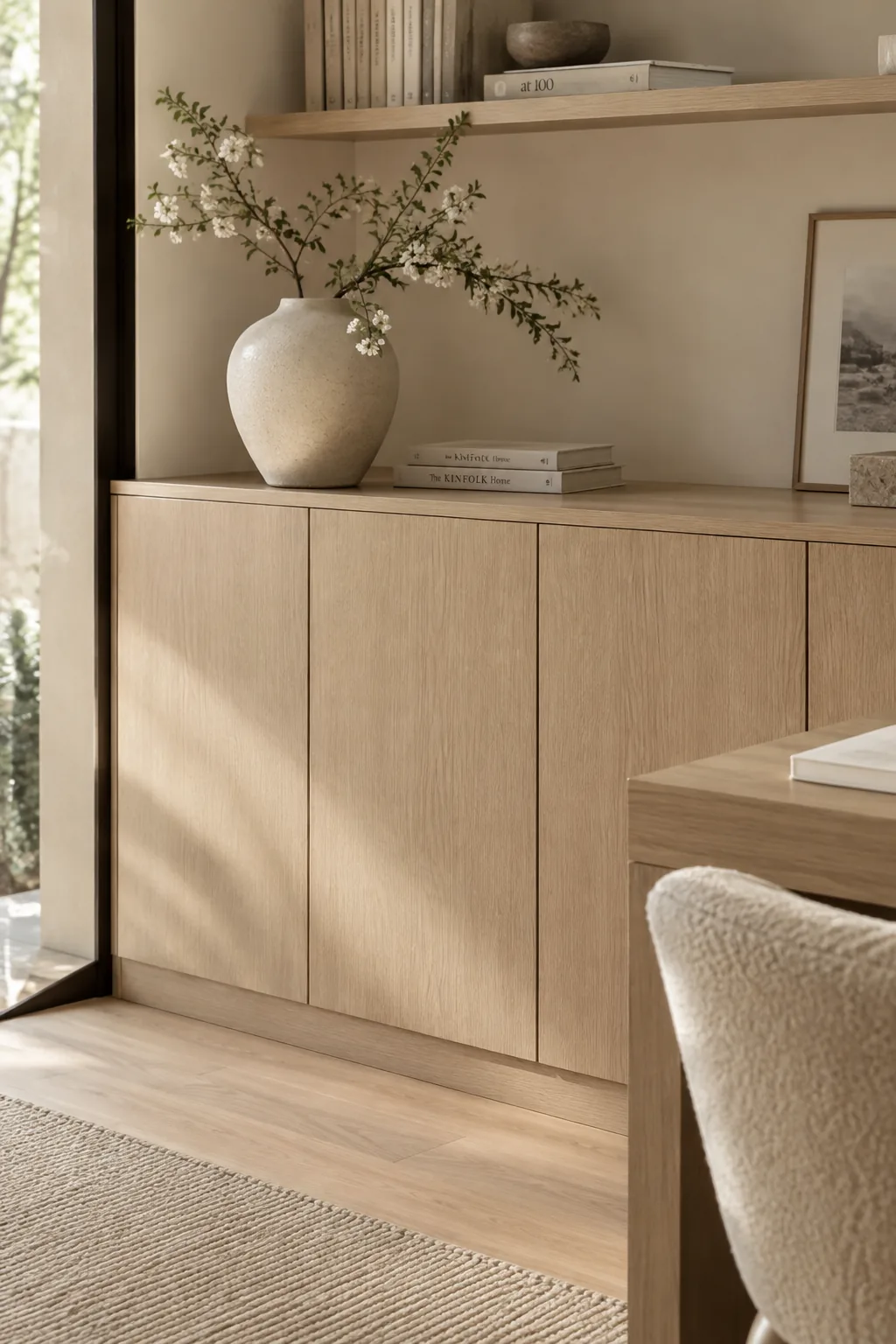
A minimalist, distraction-free zone relies on entirely closed storage.
Swapping open bookshelves for cabinet doors hides the visual noise of mismatched binders and messy supplies. Opt for flat-panel doors with push-to-open hardware for an ultra-sleek, modern finish. This forces the eye to rest and keeps your mind focused strictly on the task at hand.
- Flat-panel cabinets
- Push-latch hardware
- Internal drawer organizers
16. Repurpose a Dining Table
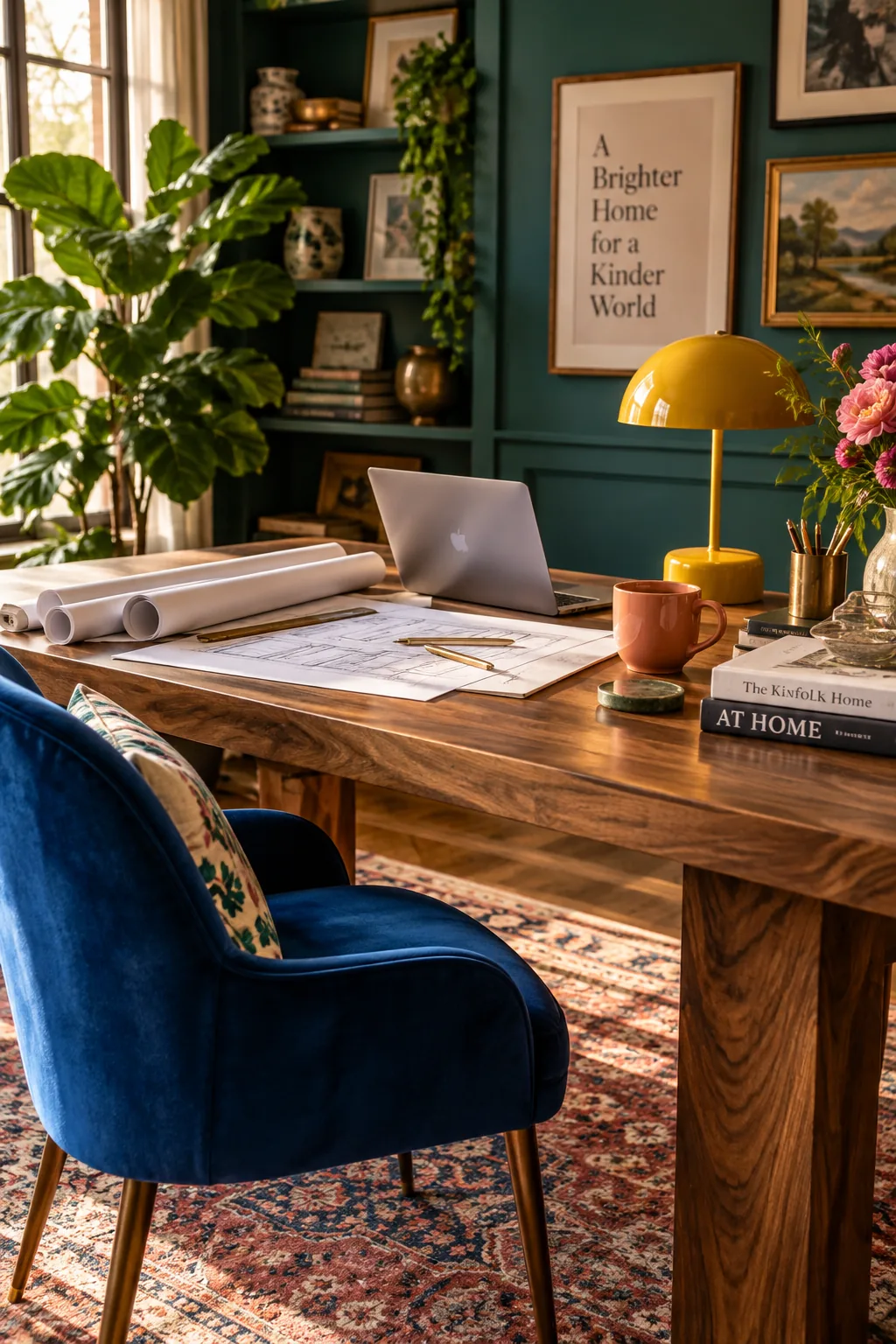
Using a dining table instead of a traditional desk provides a massive surface area for spreading out blueprints or multiple monitors. A sturdy wood table brings a sense of warmth and history to the room that standard office furniture simply cannot match.
17. Lean Your Art
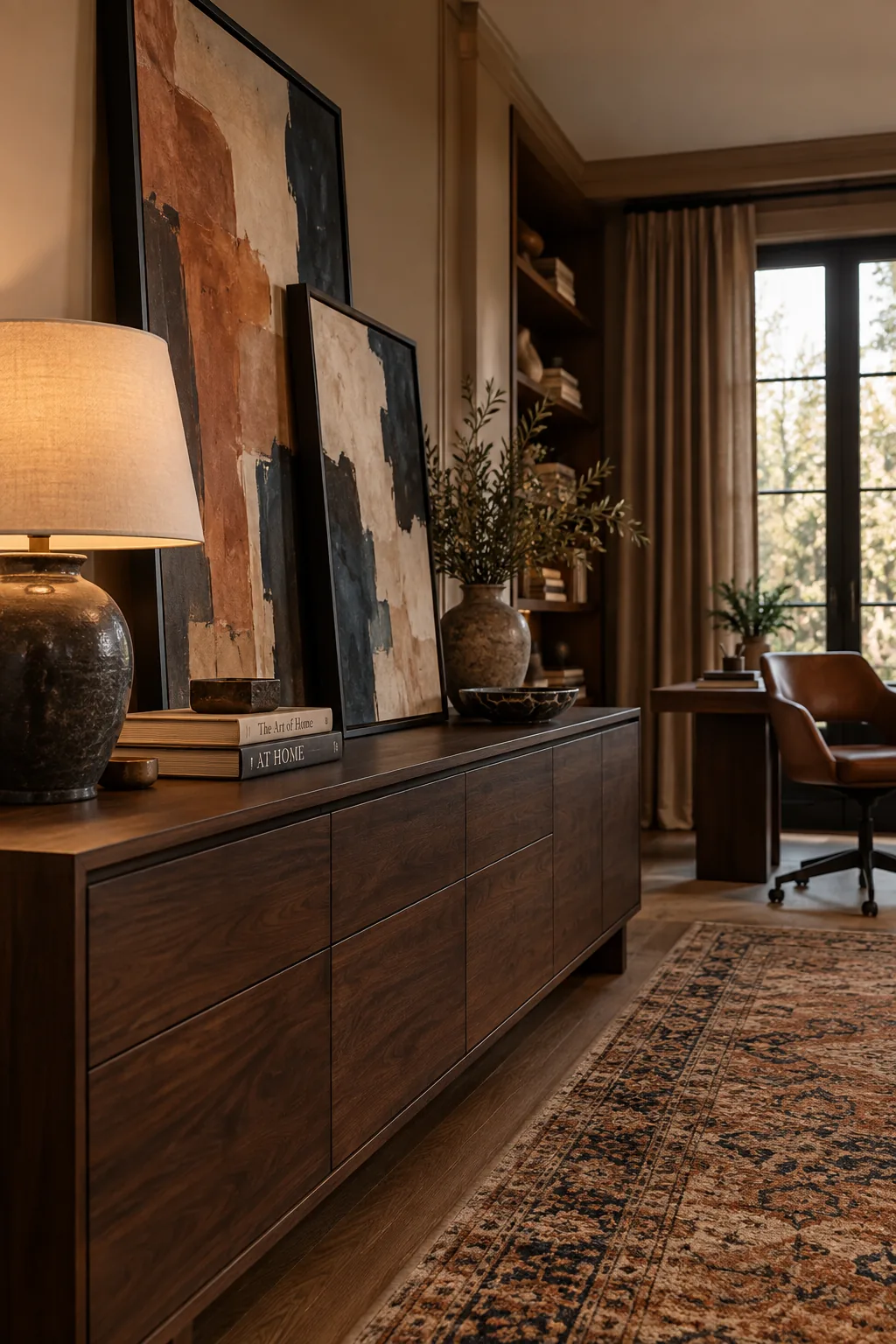
An inspiring, gallery-like feel is perfect for creative professionals who need constant visual stimulation. Lean large framed artworks against the wall on a deep credenza to create a casual, evolving display. This setup lets you rotate your inspiration pieces whenever you start feeling stuck on a project.
Just keep the frames in a similar finish to maintain a cohesive look.