Budget Farmhouse Decor: The Ultimate Sourcing Cheat Sheet
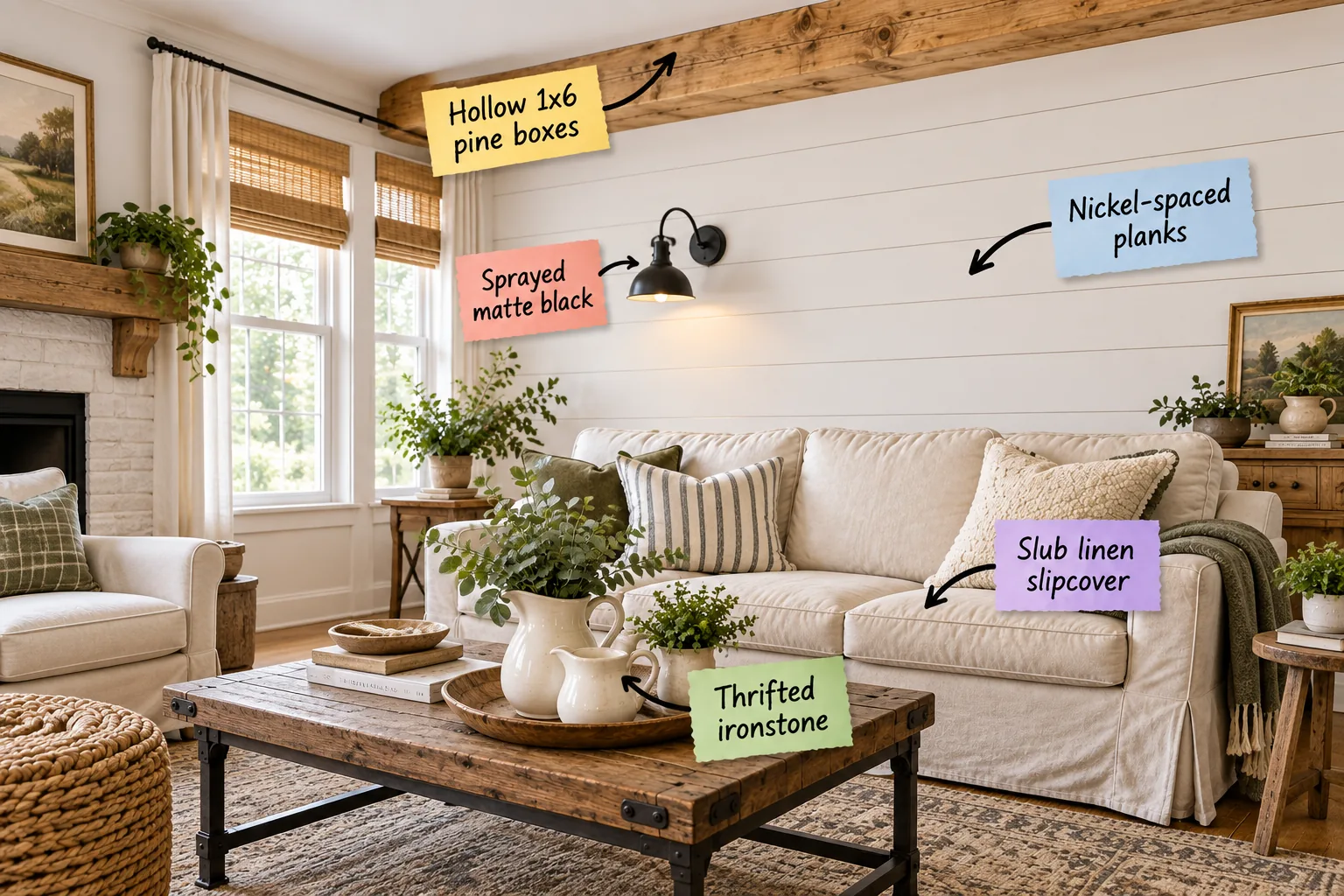
Give your living room a high-end farmhouse makeover on a tight budget. You will be able to source, space, and style affordable materials using our concrete Budget Farmhouse Sourcing Cheat Sheet.
Crafting Faux Ceiling Beams
Building lightweight architectural features from standard lumber transforms a plain ceiling without requiring heavy lifting. By assembling hollow 1×6 pine boxes, you get the dramatic look of solid timber beams at a fraction of the weight and structural cost.
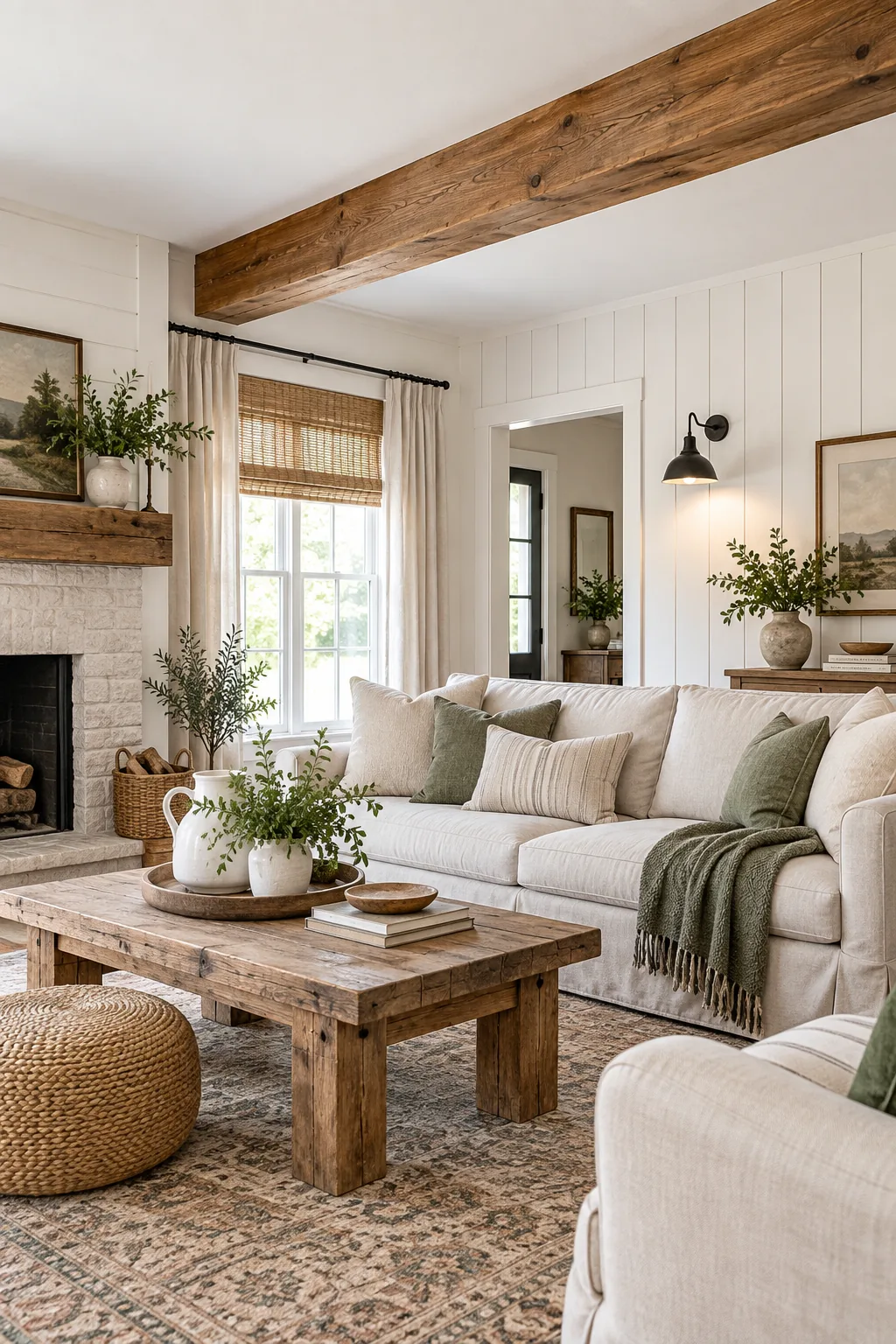
Using wood glue and finishing nails to secure the butt joints creates a seamless box that looks like a single piece of timber. Clamping the boards tightly during assembly prevents unsightly gaps along the bottom edge of your new ceiling feature.
Securing the Hollow Wooden Boxes
Understanding lumber sizing is critical before you map out your ceiling grid, as a standard 1×6 board actually measures exactly 3/4 inch by 5.5 inches.
| Board Size | Nominal Width | Actual Width | Best Use |
|---|---|---|---|
| 1×4 | 4 inches | 3.5 inches | Trim |
| 1×6 | 6 inches | 5.5 inches | Beams |
| 1×8 | 8 inches | 7.25 inches | Shelves |
Installing a solid two-by-four cleat directly into the ceiling joists gives you a sturdy, reliable base to slide the hollow beam over and secure it safely.
Achieving the Perfect Plank Spacing
Creating traditional shadow lines with inexpensive underlayment strips offers incredible texture without the high cost of interlocking boards. Installing these nickel-spaced planks gives your room that historic architectural character while keeping the renovation budget strictly in check.
Getting that classic farmhouse shadow line doesn’t require complicated math or expensive specialty spacers.
Underlayment strips provide the perfect thickness to mimic historic home paneling without eating up valuable square footage. The remarkably thin profile also means you rarely have to remove or extend your existing baseboards and window casings.
Cutting Underlayment Strips
Ripping down large four-by-eight sheets of underlayment into manageable six-inch strips requires a sharp table saw blade to prevent edge splintering. Setting up a dedicated cutting station in the garage keeps the fine sawdust out of your freshly cleaned living space.
Sanding the Cut Edges
Sanding the freshly cut wood edges ensures your primer and paint roll on smoothly. This quick extra step prevents the rough fibers from snagging your microfiber cloths when you dust the paneled walls later.
Upcycling Dated Wall Sconces
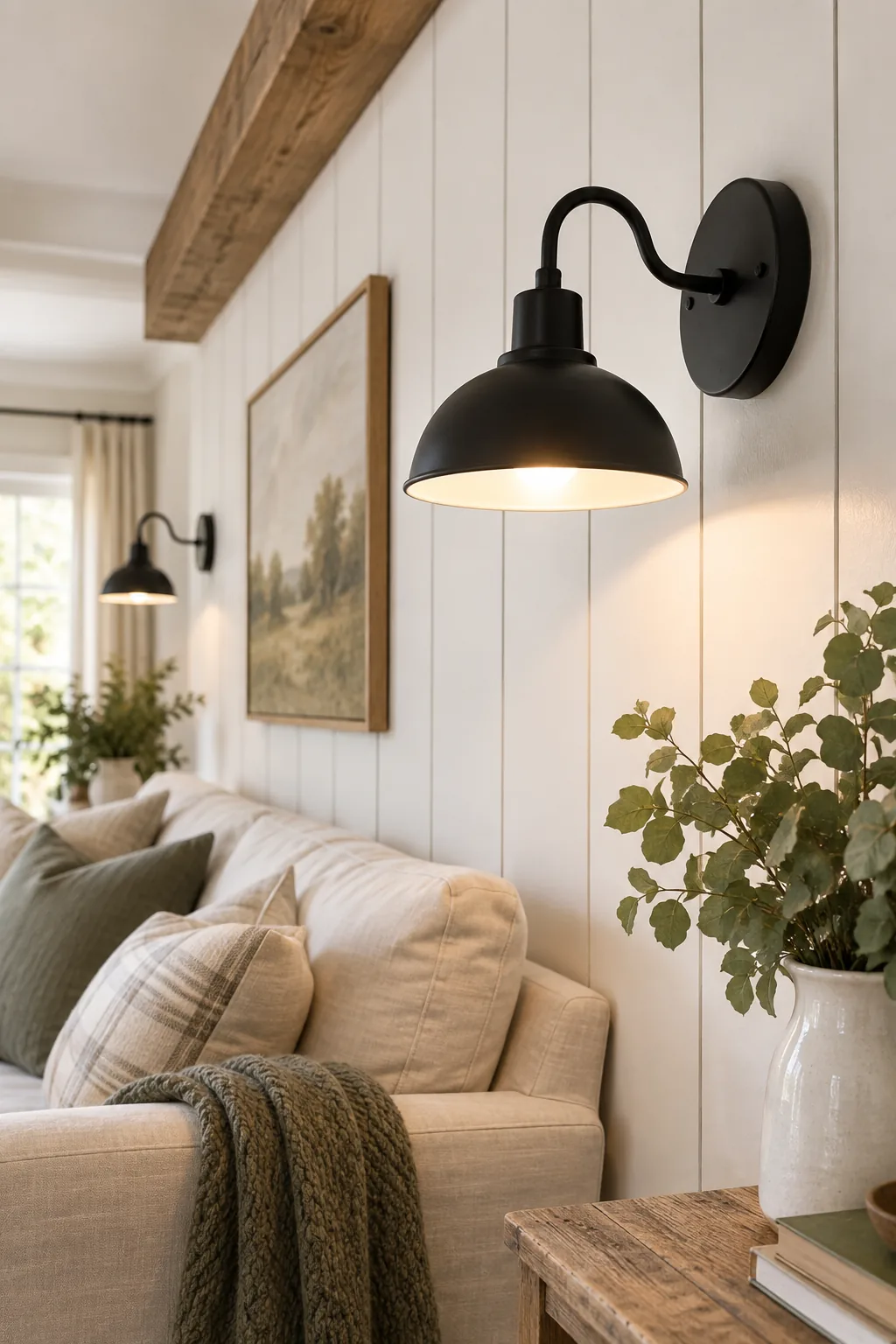
Modernizing cheap lighting fixtures with spray paint completely changes a room’s atmosphere. When I updated my own Austin guest room, I found two brass sconces for five dollars each and completely transformed them in a single afternoon.
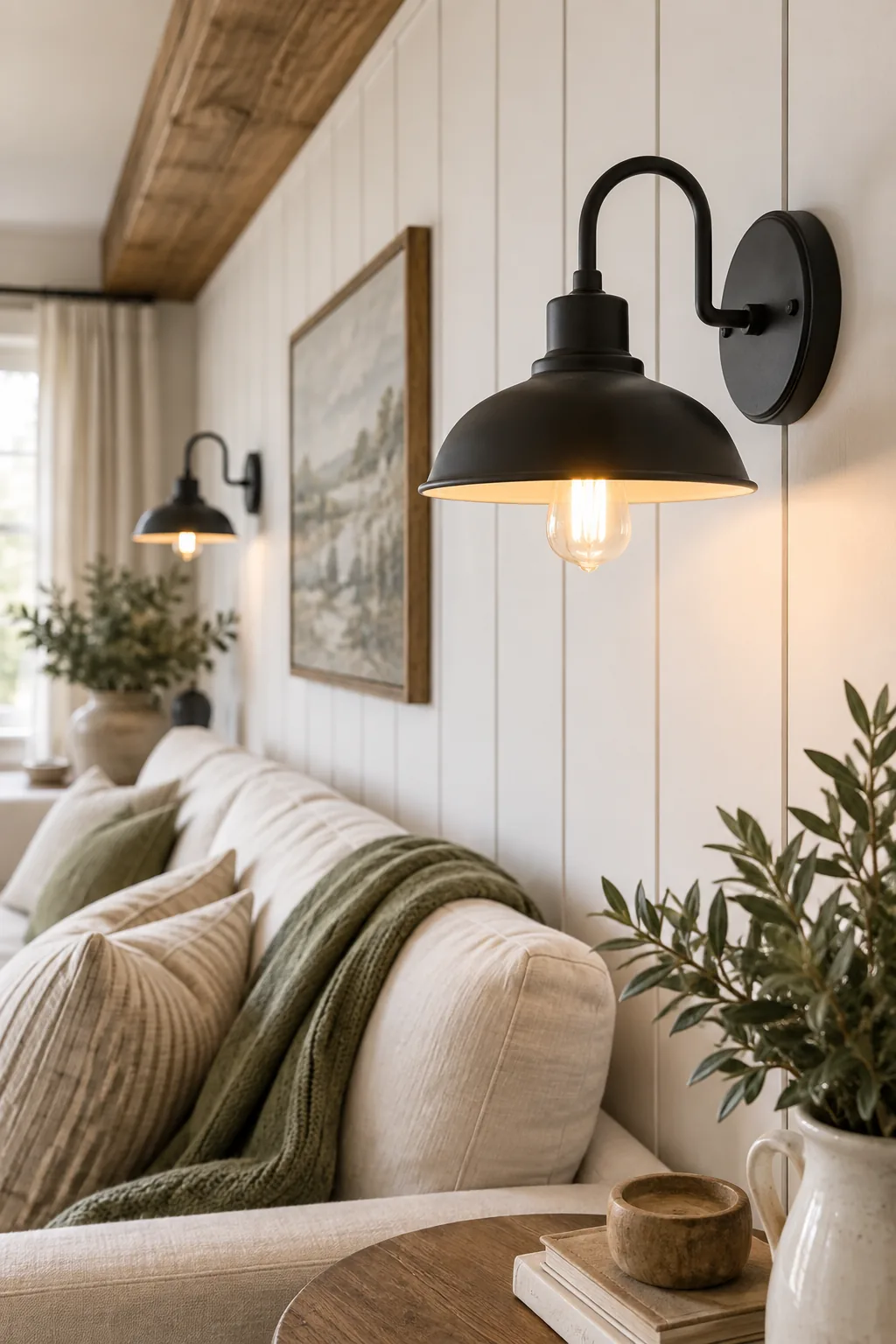
A sprayed matte black finish is crucial because it mimics high-end wrought iron beautifully. The flat sheen easily hides surface scratches and minor dents that are incredibly common on older metal thrift store fixtures.
Prepping and Painting Metal Fixtures
Proper adhesion requires completely removing the factory clear coat before you apply any new color to the metal surface. Skipping the prep work guarantees your fresh paint will chip the first time you change a lightbulb.
- Scuff the entire fixture lightly with fine-grit steel wool.
- Wipe away all dust using a lint-free cloth dampened with degreaser.
- Apply two light coats of bonding primer, waiting ten minutes between passes.
Let the final color coat cure in a well-ventilated area for a full forty-eight hours. Handling the sconces too early will leave permanent fingerprint impressions embedded in the soft paint.
Softening the Sofa with Linen
Updating an existing sofa with a textured organic cover instantly relaxes the entire living room atmosphere. A slub linen slipcover provides the necessary natural texture to contrast beautifully with the rigid horizontal lines of the paneled walls.
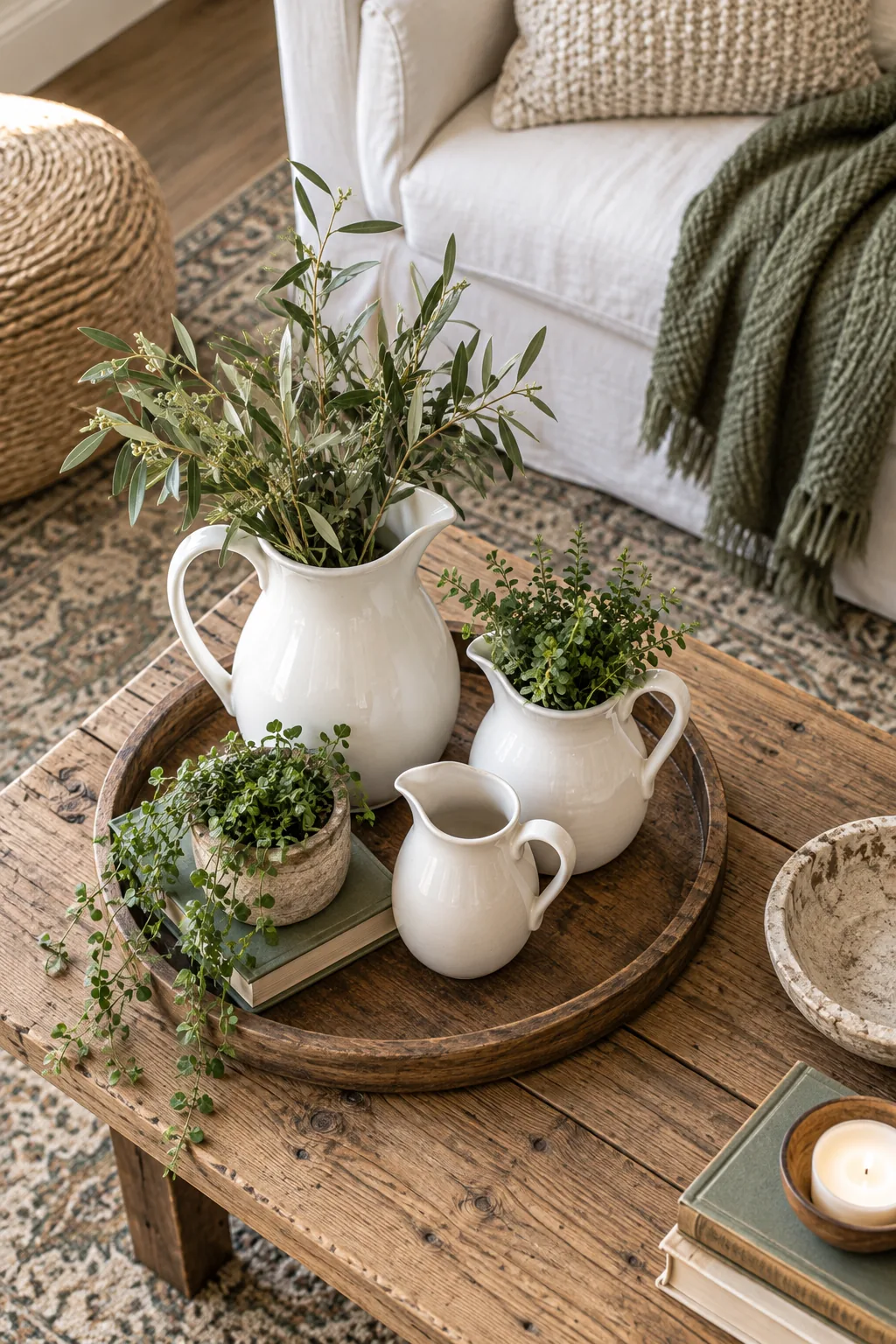
Natural fibers breathe significantly better than synthetic blends, making your seating area much more comfortable during warm summer afternoons. The slightly rumpled look of washed linen invites guests to actually sit down and get comfortable.
Maintaining Organic Slipcover Fabrics
Washing your linen covers in cold water and pulling them out of the dryer while they are still slightly damp prevents deep wrinkles from setting in permanently. Stretching them back over the sofa frame while damp ensures a custom fit.
Ironing just the skirt pleats and the armrests gives the piece a deliberately tailored look. This high-low approach lets the main seat cushions remain comfortably rumpled while the frame looks crisp and intentional.
Styling with Vintage Ironstone
Grouping thrifted ironstone pitchers in odd numbers creates a cohesive, balanced coffee table centerpiece. I still use the chipped white pitcher my grandmother gave me as the anchor for all my seasonal coffee table arrangements.
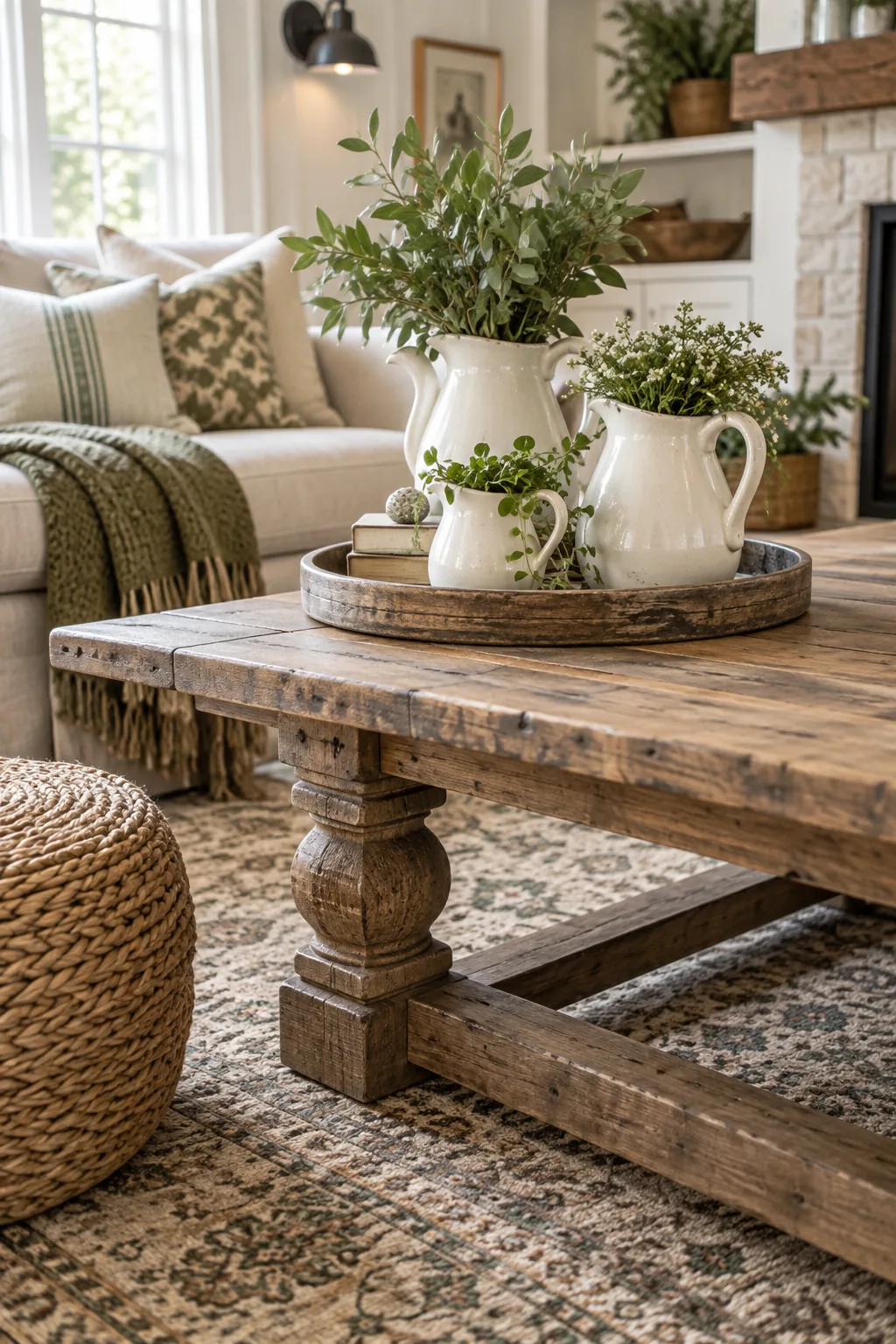
A cluster of three pitchers of varying heights forms a visual triangle that feels intentionally curated rather than cluttered. Placing the tallest piece in the back establishes a clear focal point for the arrangement.
Identifying Authentic Thrifted Ceramics
Genuine antique ironstone carries a distinct heavy weight and often features a slightly blue or grey undertone beneath the white glaze. Checking the bottom for stamped maker’s marks helps verify the age and origin of your thrifted finds.
Layering Woven and Wood Textures
Grounding a bright white room with heavy, natural wood and woven textures keeps the space from feeling sterile. After trying to make a sleek glass table work, I finally swapped it for a reclaimed wood piece that instantly warmed up the room.
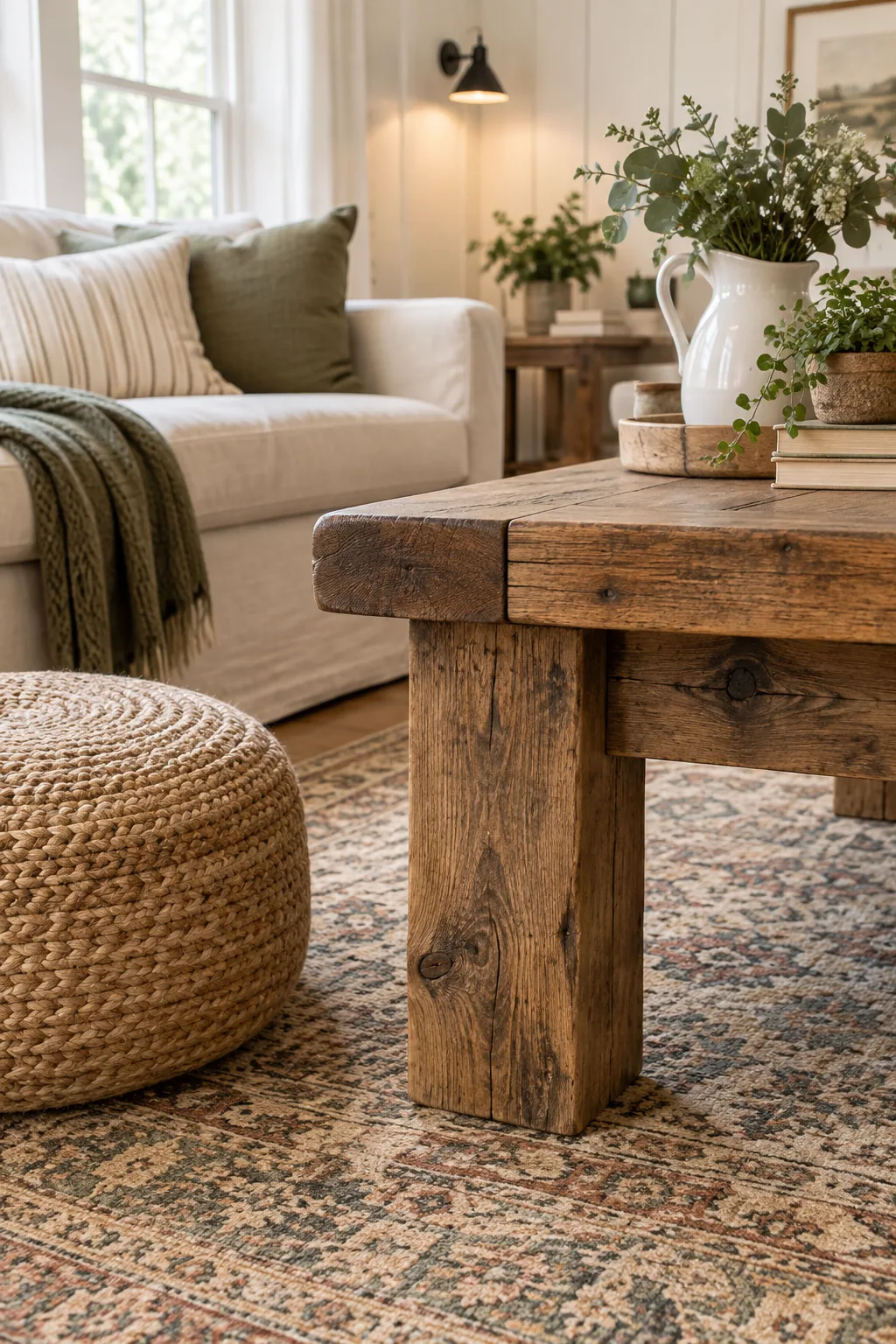
The thick salvaged wood of the coffee table and the braided jute pouf add necessary visual weight to the lower half of the room. This grounds the airy white walls and prevents the furniture from looking like it is floating.
Sourcing Salvaged Wood Responsibly
Check local architectural salvage yards for authentic barn beams and old flooring planks that offer genuine patina. These historical pieces feature natural wear and saw marks that you simply cannot replicate with modern stains and distressing techniques.
Bringing in Natural Greenery
Using tall structural branches draws the eye upward toward your wooden ceiling beams and breaks up the room’s horizontal architecture. Fresh or preserved greenery breathes vital life into a strictly neutral farmhouse palette.
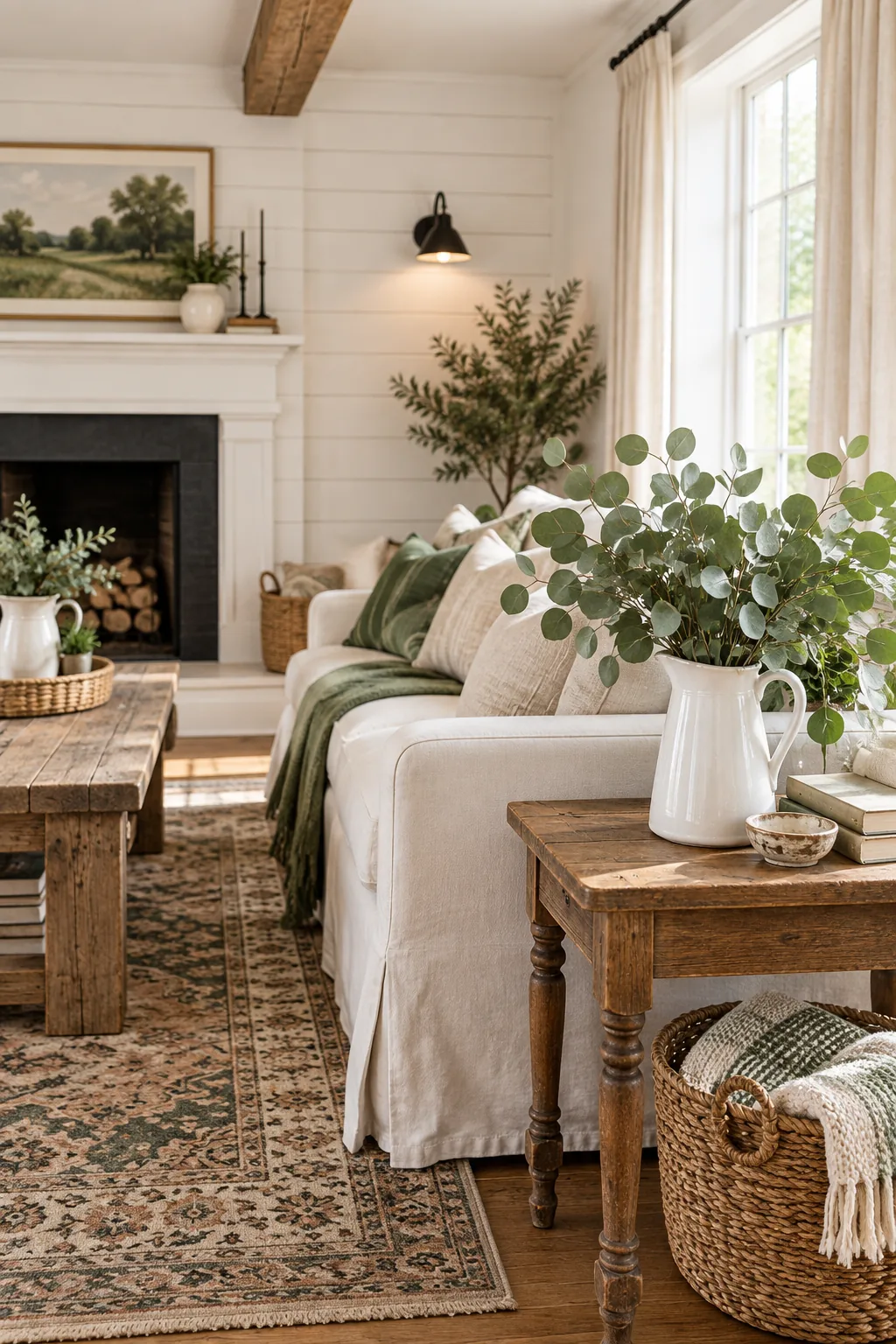
Eucalyptus branches dry perfectly right in the pitcher without drooping or dropping leaves. This allows them to transition seamlessly from a fresh foliage display to a long-lasting preserved arrangement that requires zero maintenance.
Foraging and Preserving Structural Branches
Snipping overgrown branches from your own yard provides free, large-scale botanical elements that change naturally with the seasons. Just be sure to crush the woody stems with a hammer before placing them in water to maximize hydration.
Your Budget Farmhouse Sourcing Cheat Sheet
Delivering on our promise, this complete Budget Farmhouse Sourcing Cheat Sheet breaks down exactly where to find affordable materials. You can easily replicate this high-end look by knowing exactly which aisles and thrift store sections to target.
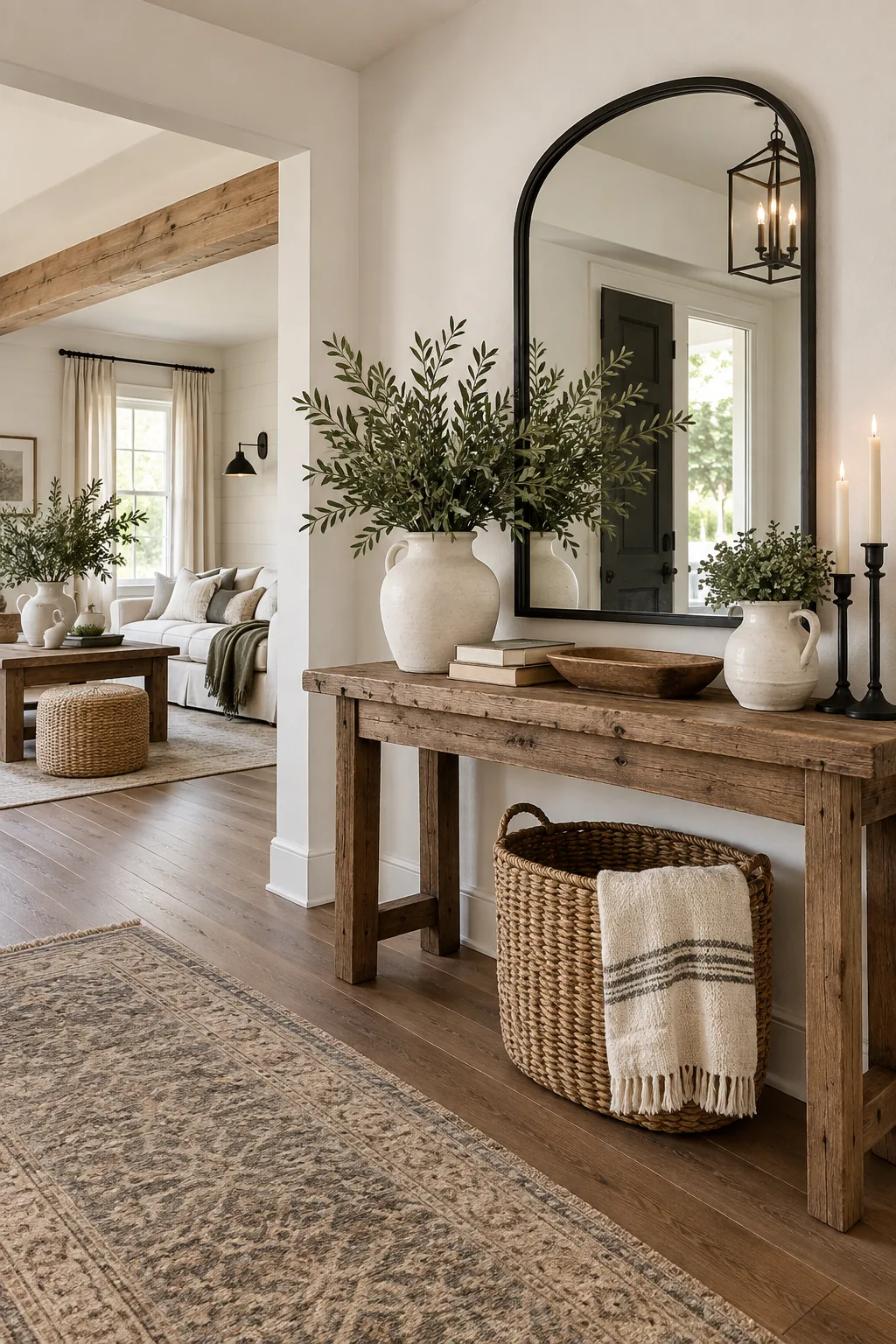
Before you head to the hardware store or flea market, keep these core sourcing principles in mind to ensure you only buy what you can actually use.
Stick to these straightforward guidelines and you will build a beautifully curated, high-end look over time. Patience and strategic sourcing guarantee a stunning farmhouse aesthetic without ever paying premium retail prices.
5 Ways to Style Budget Farmhouse Decor
Explore how these affordable materials adapt to entirely different rooms and color palettes.
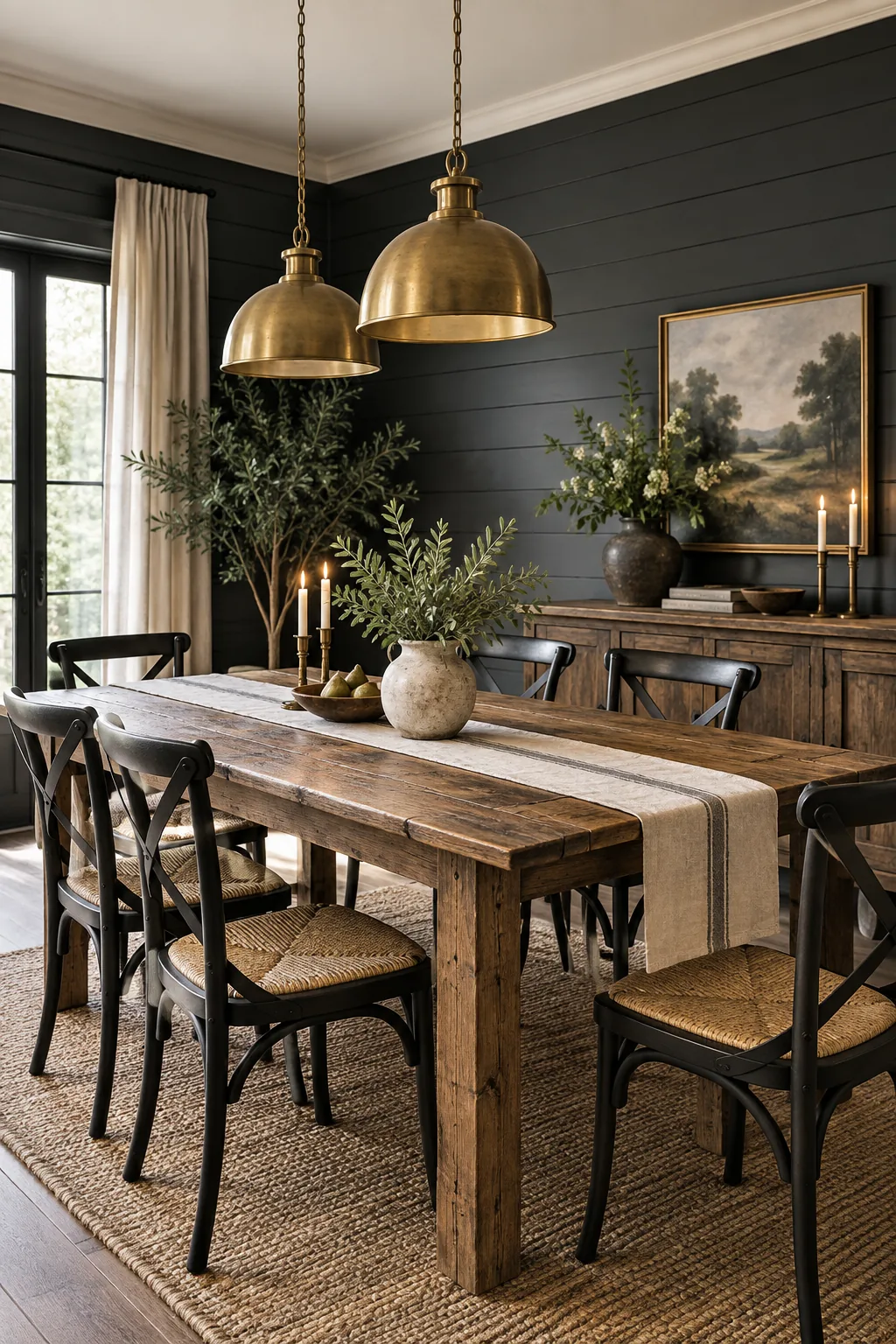
Moody Modern Farmhouse: Dark charcoal shiplap provides a dramatic backdrop that makes warm brass lighting fixtures pop instantly.
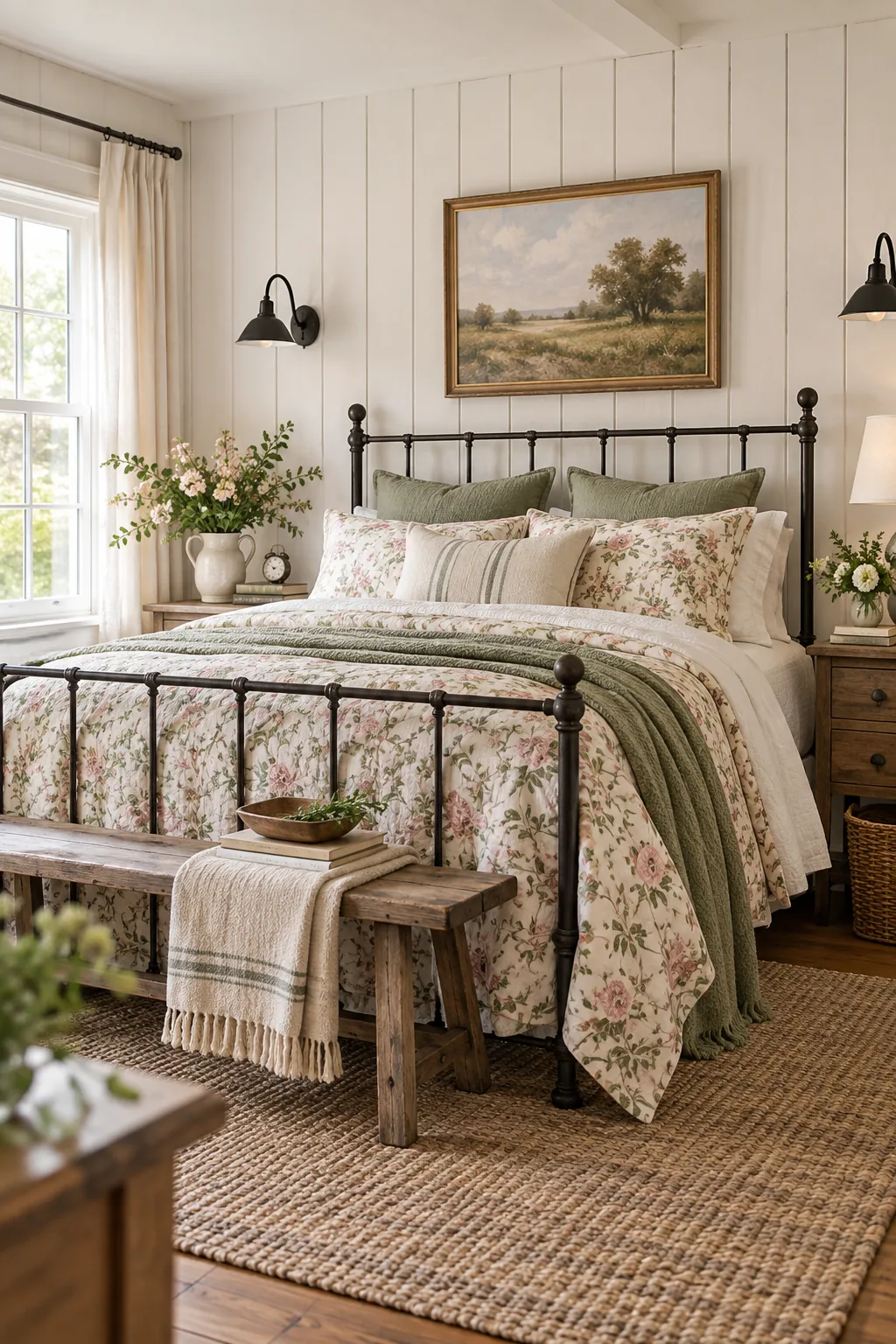
Cottage Farmhouse Bedroom: Whitewashed wood walls and delicate floral linens soften the harsh lines of a traditional iron bed frame.
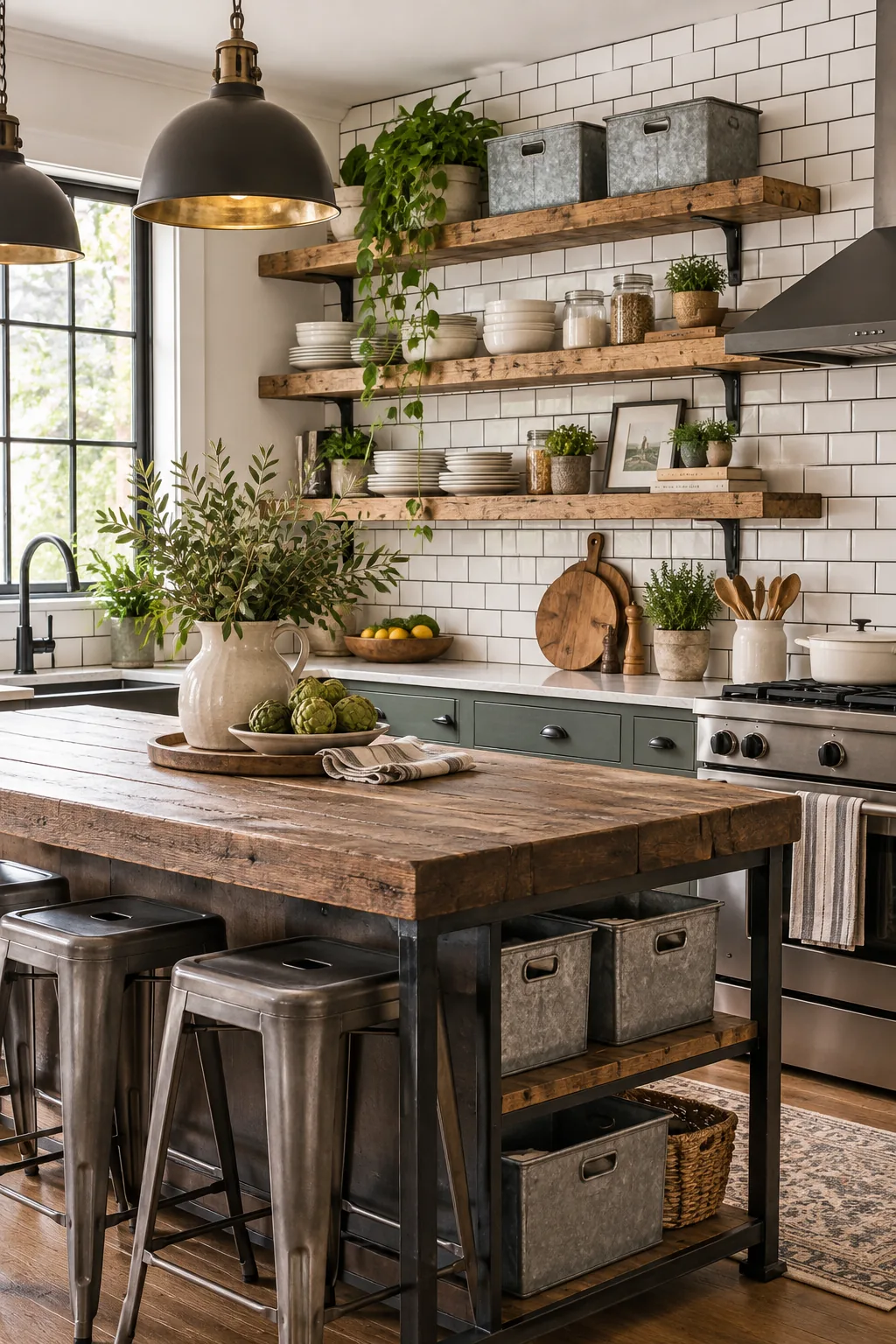
Industrial Farmhouse Kitchen: Rough-sawn oak shelving and galvanized metal bins bring hardworking, utilitarian texture to crisp white subway tile.
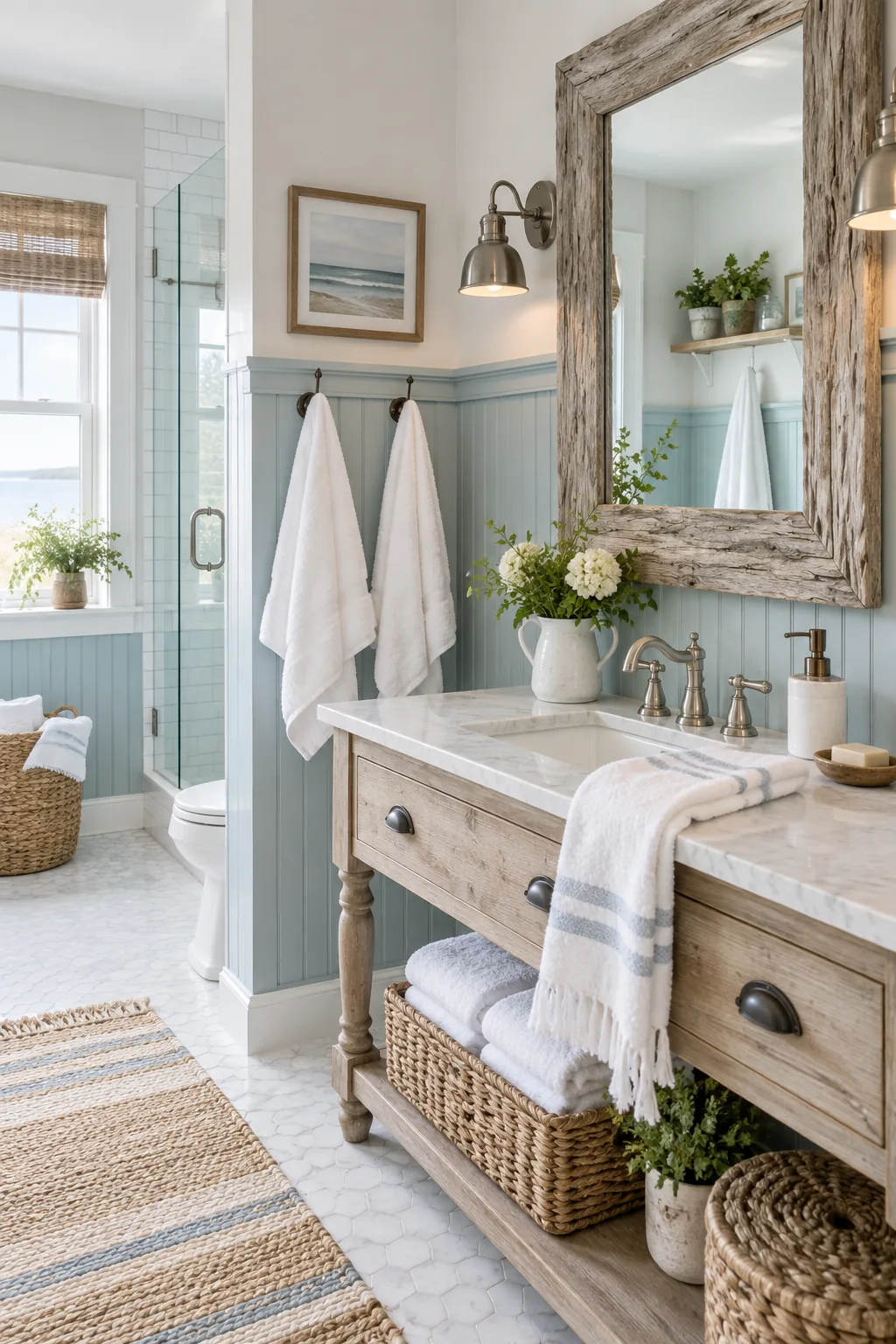
Coastal Farmhouse Bathroom: Light blue beadboard wainscoting introduces a breezy, coastal feel while maintaining traditional farmhouse architectural roots.
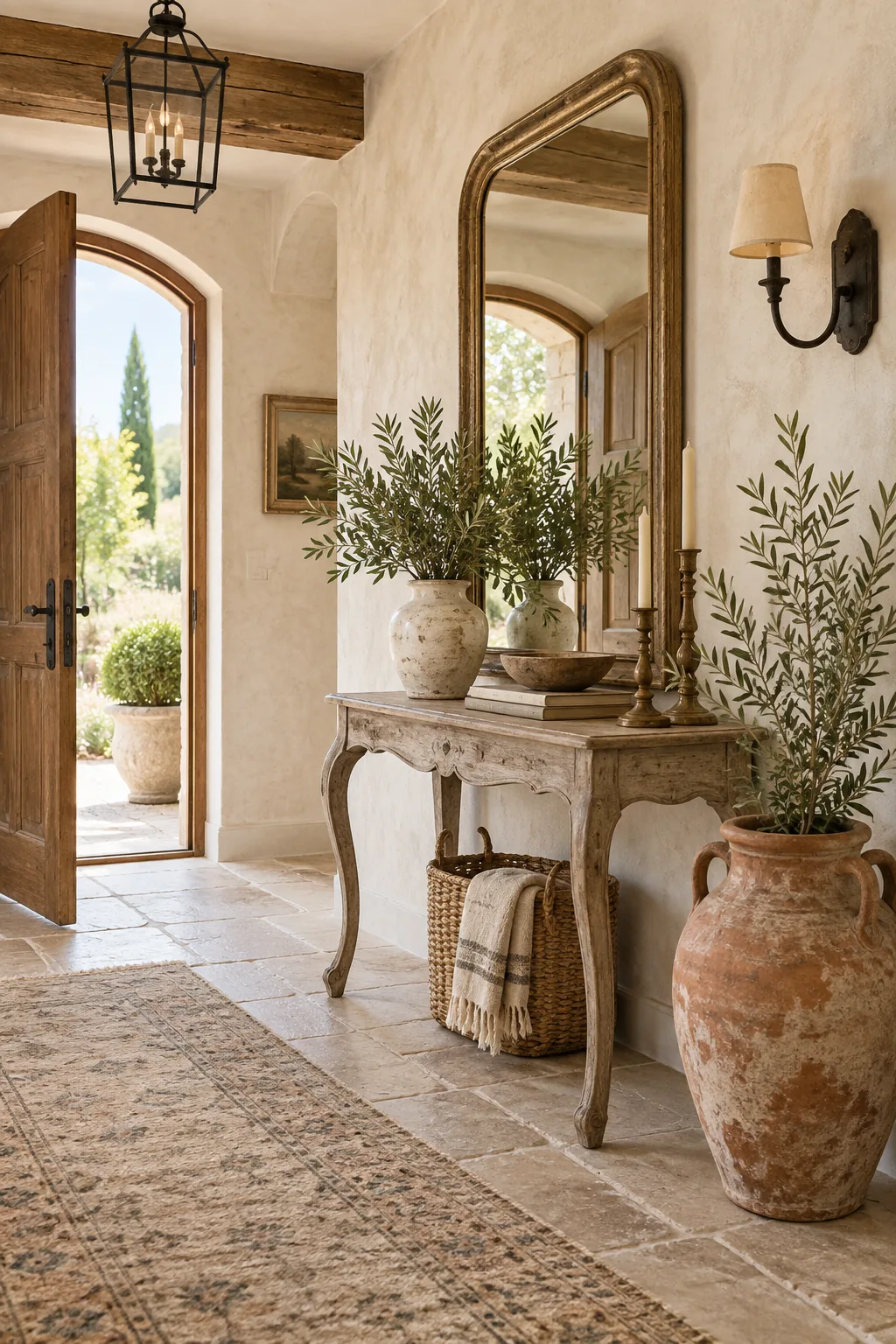
French Country Farmhouse: Textured limewash walls and a weathered terracotta olive jar add European countryside elegance to a simple entryway.