
17+ Brilliant Home Daycare Room Ideas for Your Home
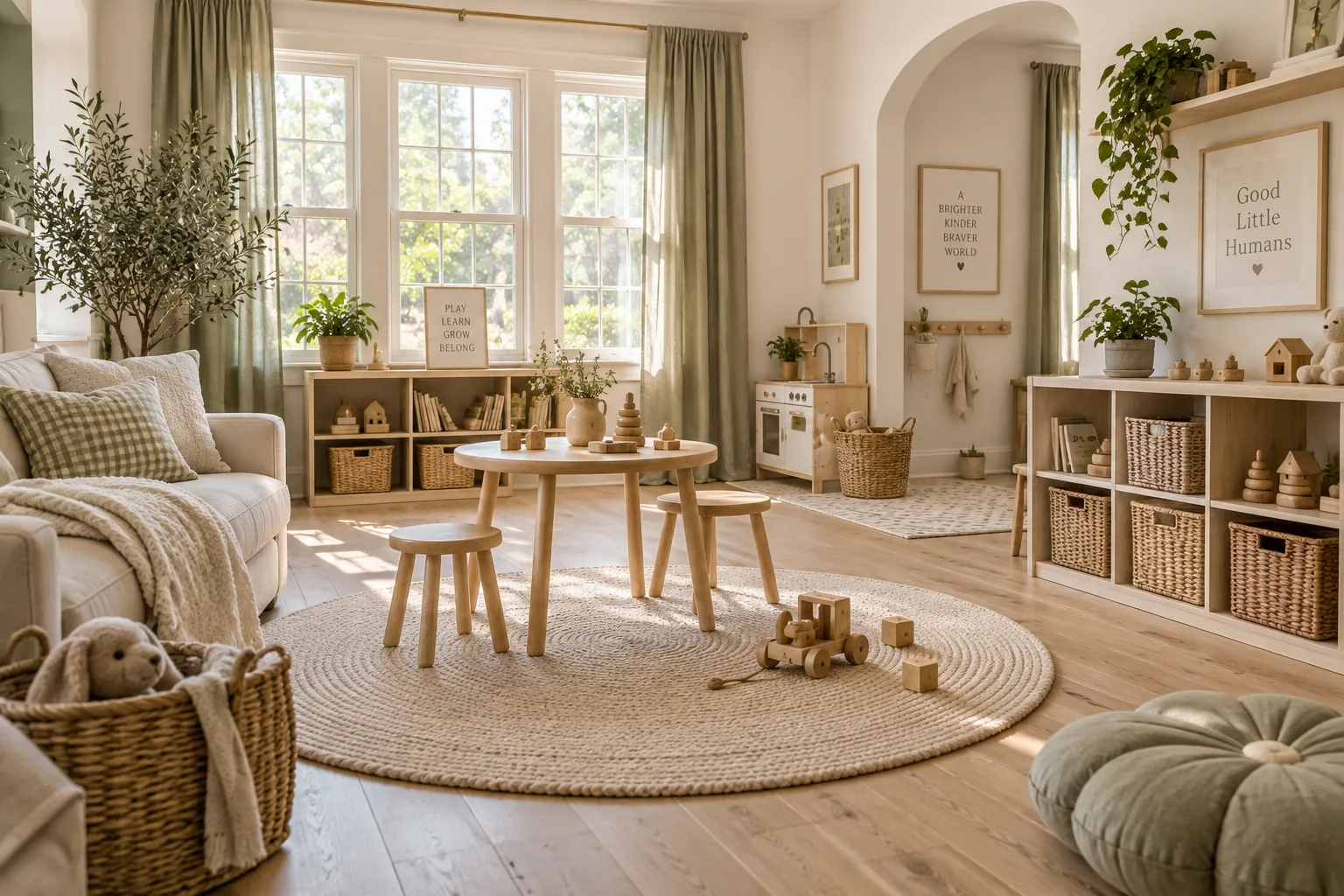
Setting up a home daycare room means balancing fun, safety, and your own sanity. You need a space that handles daily chaos but still looks like it belongs in your house.
1. Define Clear Play Zones
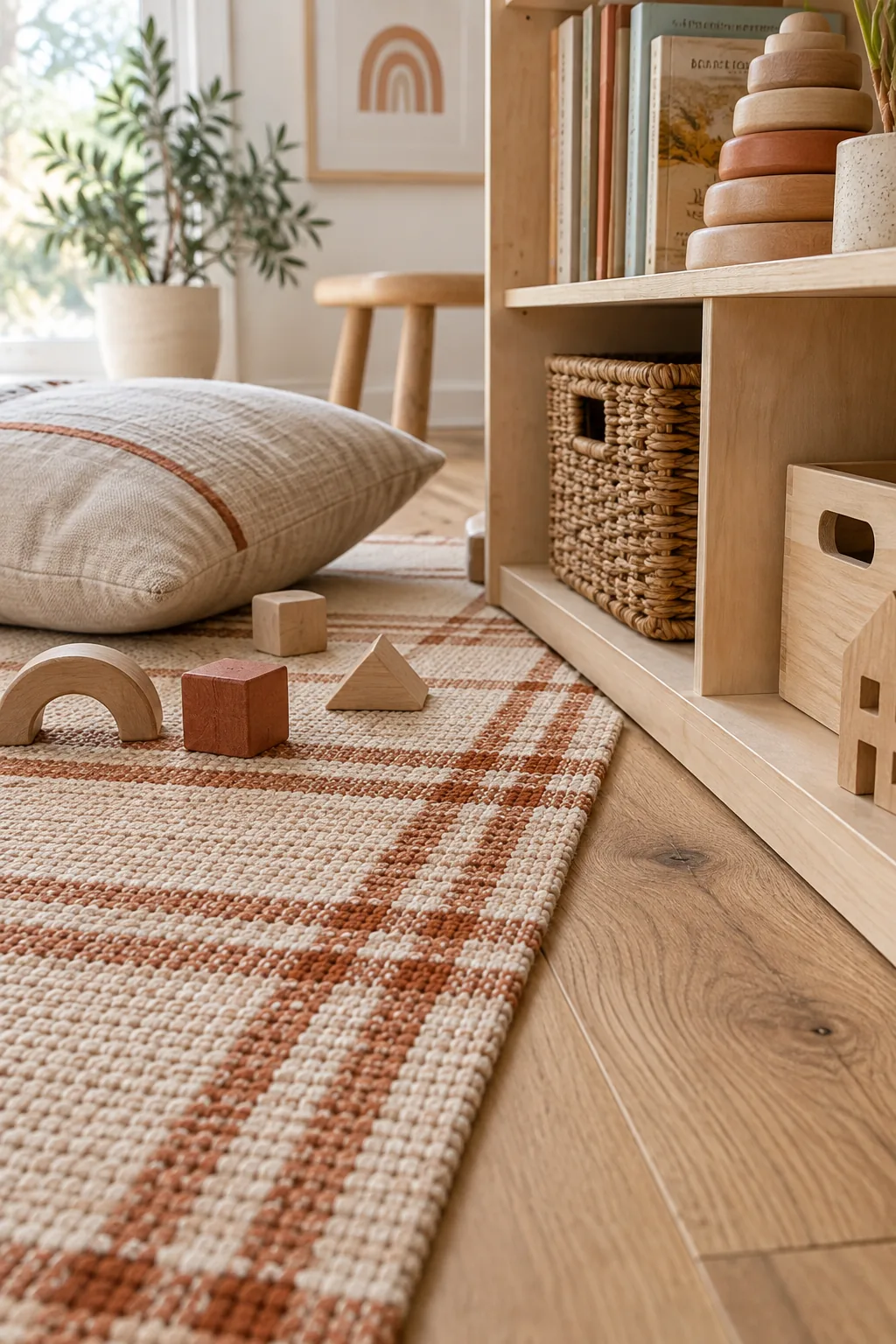
I always tackle the floor plan first when designing play spaces. You need clear zones so kids know exactly where to go.
Keep these areas distinct using washable area rugs or low shelving.
It saves you from constantly breaking up traffic jams. It also makes cleanup much faster.
- Quiet reading corner
- Active play area
- Messy craft zone
2. Stick to Neutral Walls
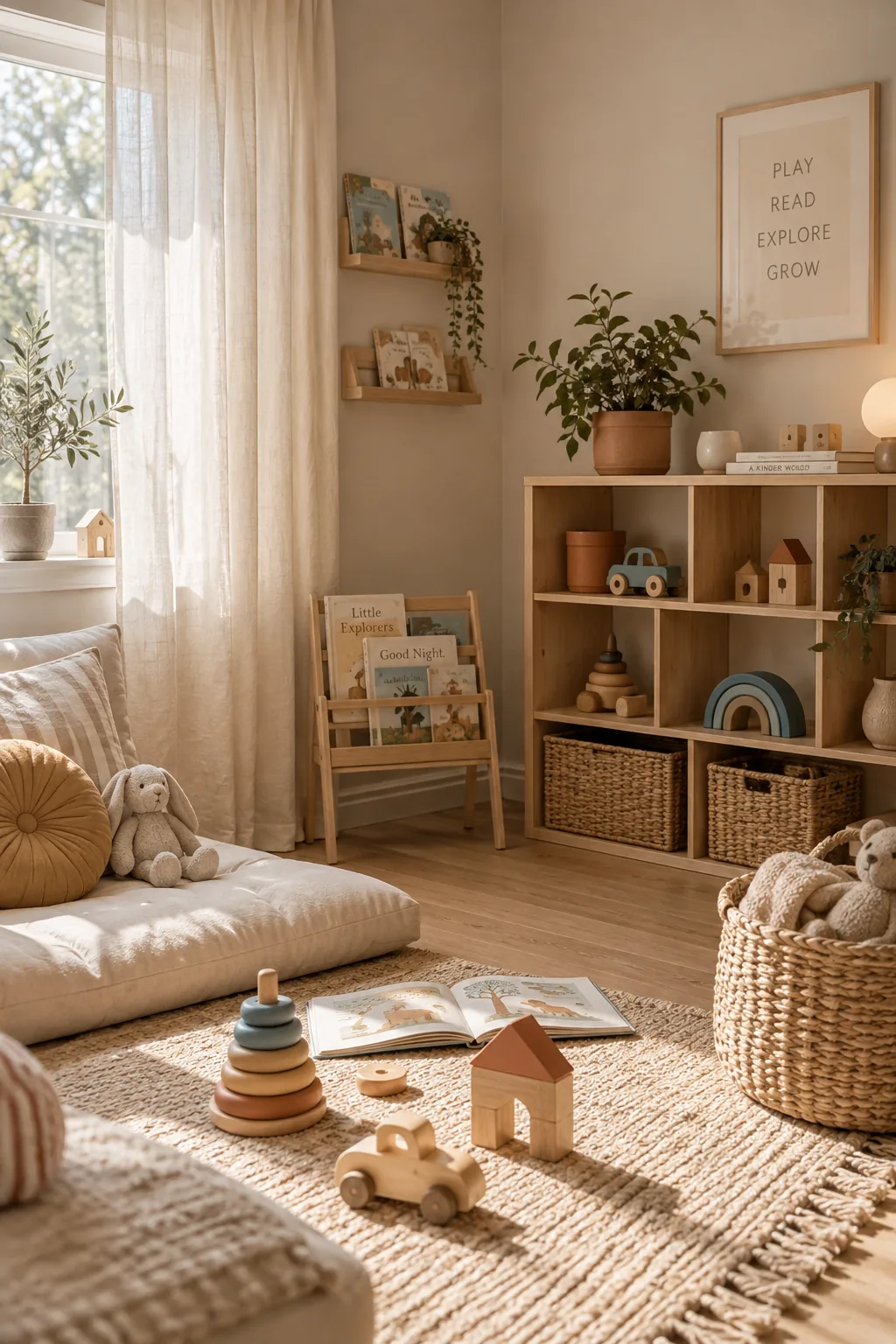
A calm, cohesive aesthetic happens when you ditch the primary color explosion. Neutral walls let the toys provide the pops of color.
Bring in natural wood shelving and soft linen curtains. This keeps the room feeling like a home rather than a commercial facility.
The kids will still find it engaging. You just won't get a headache looking at it after hours.
3. Go Vertical with Storage
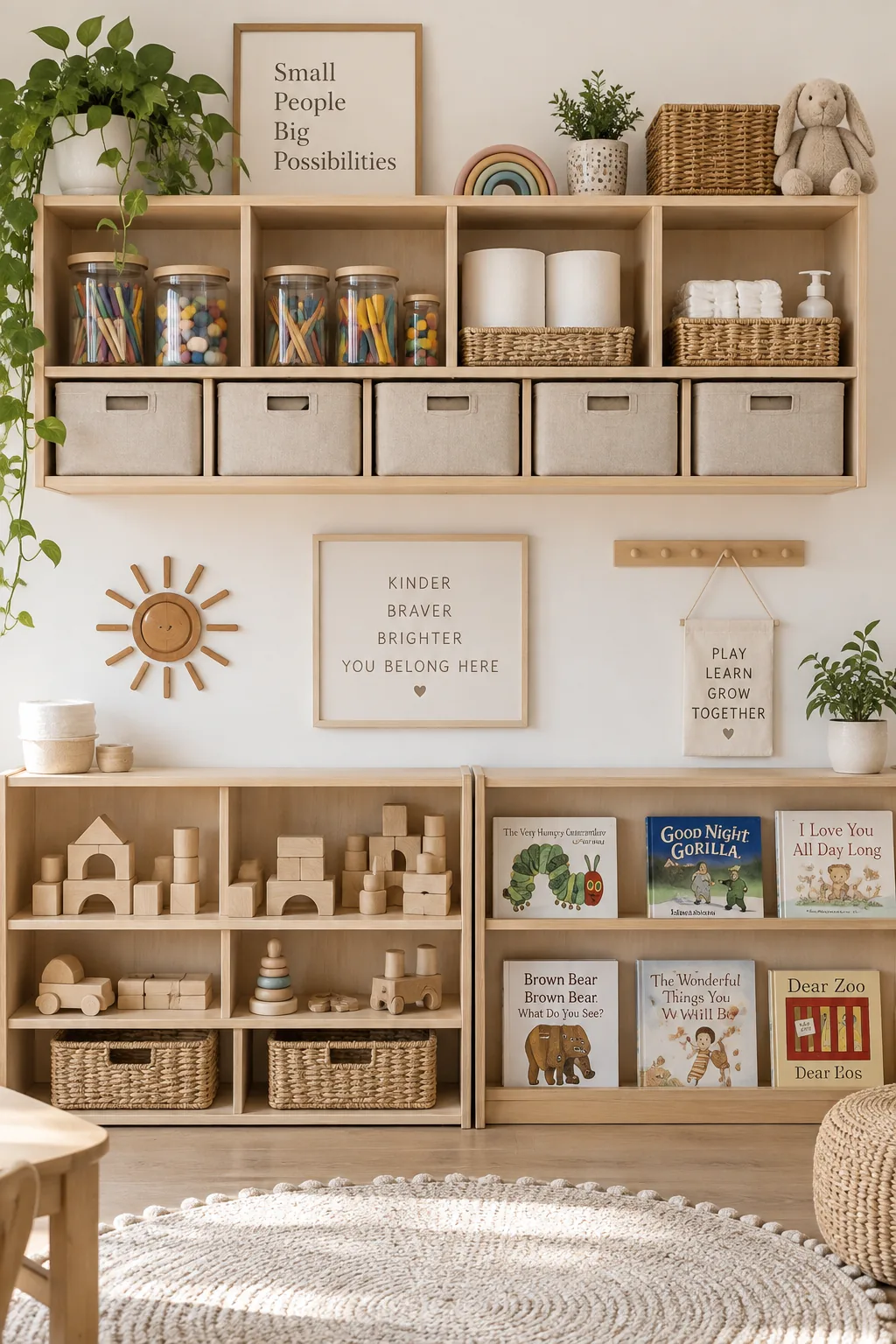
My absolute favorite trick for small spaces is going vertical with storage. You run out of floor space fast with bulky toddler toys.
Install wall-mounted cubbies up high for supplies you need to control. Paint, scissors, and extra wipes stay safe but visible.
Leave the bottom shelves strictly for the kids. They can reach their own blocks and books safely.
4. Install Front-Facing Bookshelves
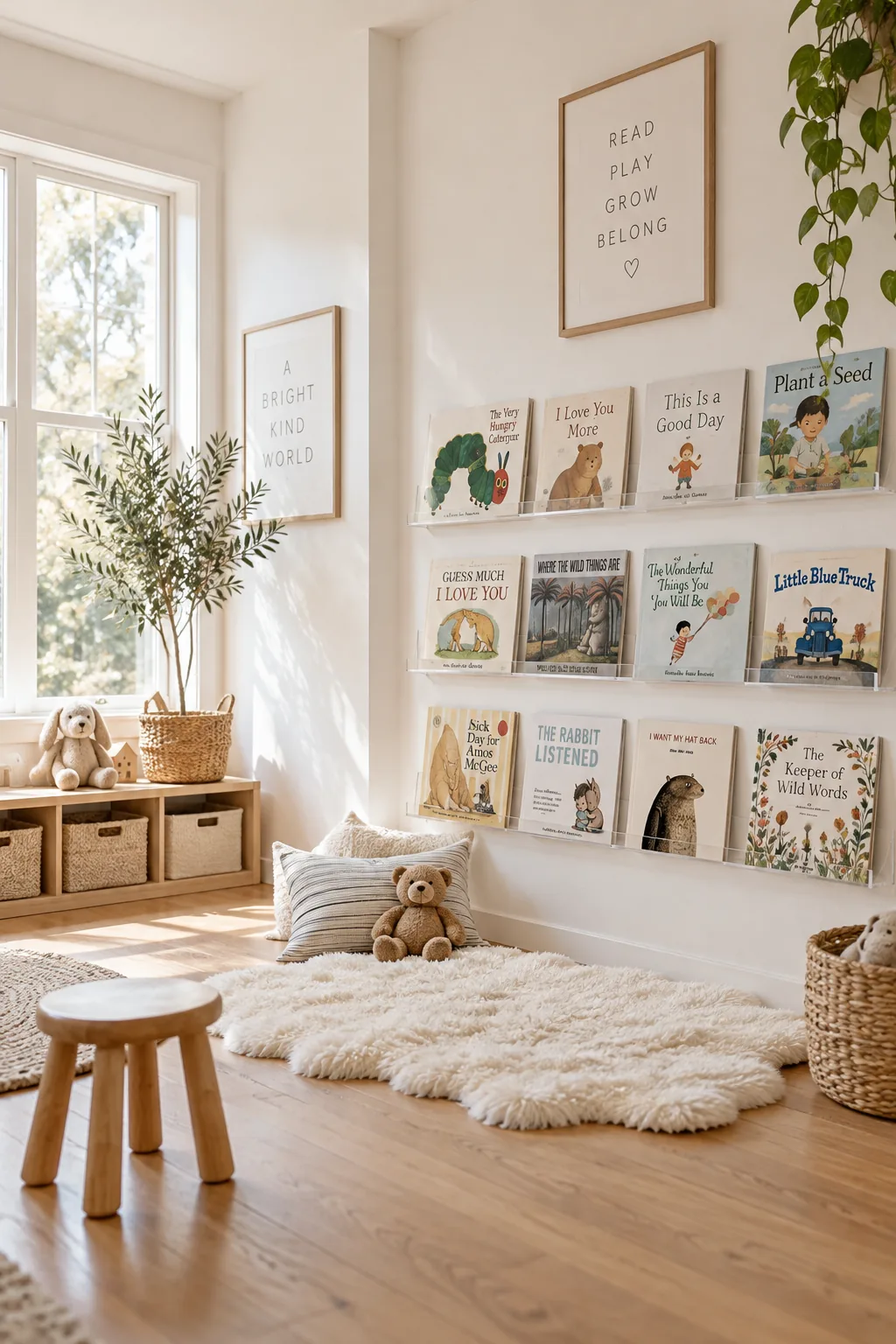
Using acrylic picture ledges as bookshelves makes a massive difference in how kids interact with reading. They can see the covers easily, which draws them in much faster than a traditional spine-out shelf.
Why it works: Front-facing books encourage independent reading and double as colorful wall art.
5. Layer Soft Flooring
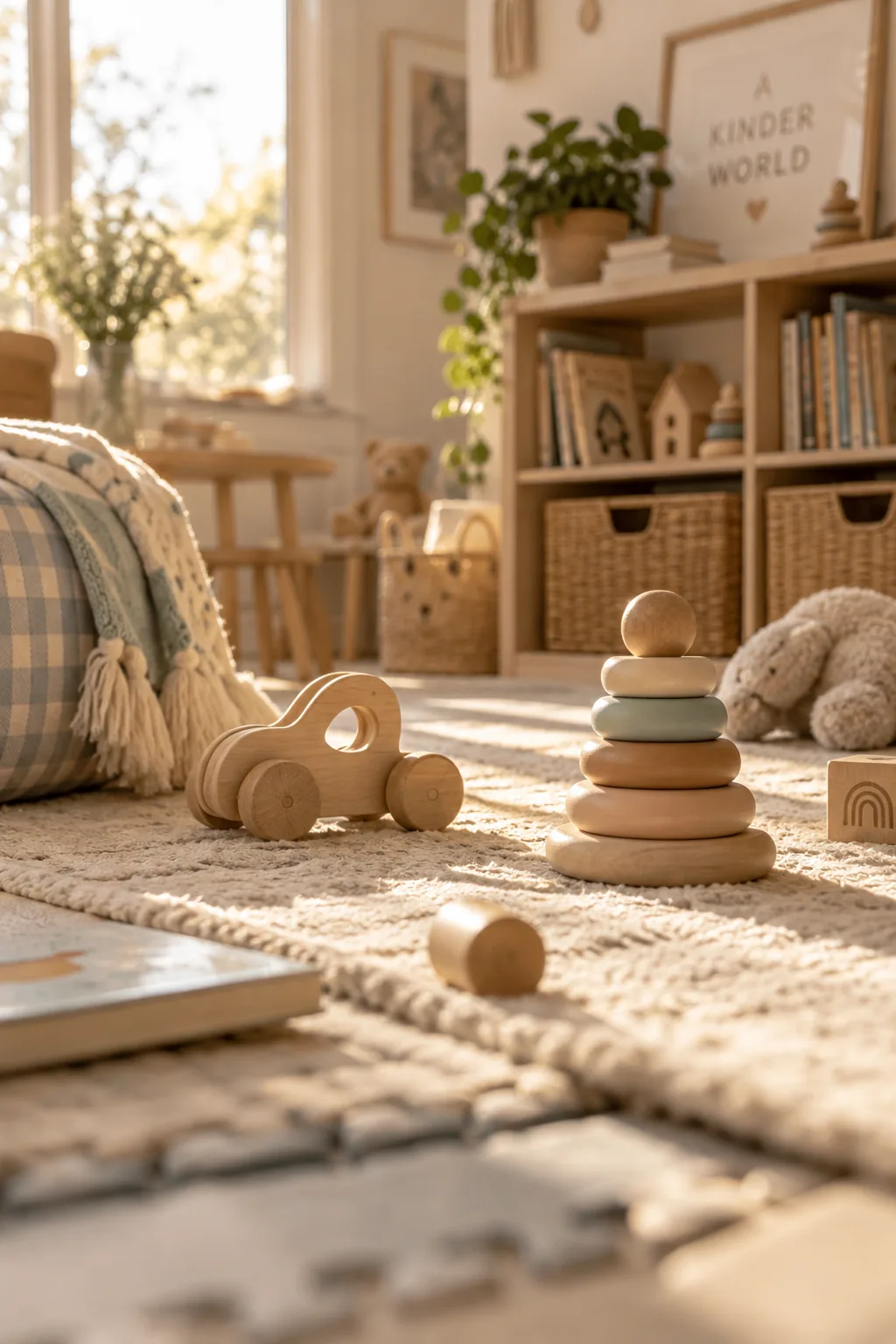
Toddlers spend most of their day sitting right on the floor. Layering a thick foam play mat under a soft, low-pile rug gives them a cushioned surface that still looks sophisticated.
6. Use Slim Profile Bins
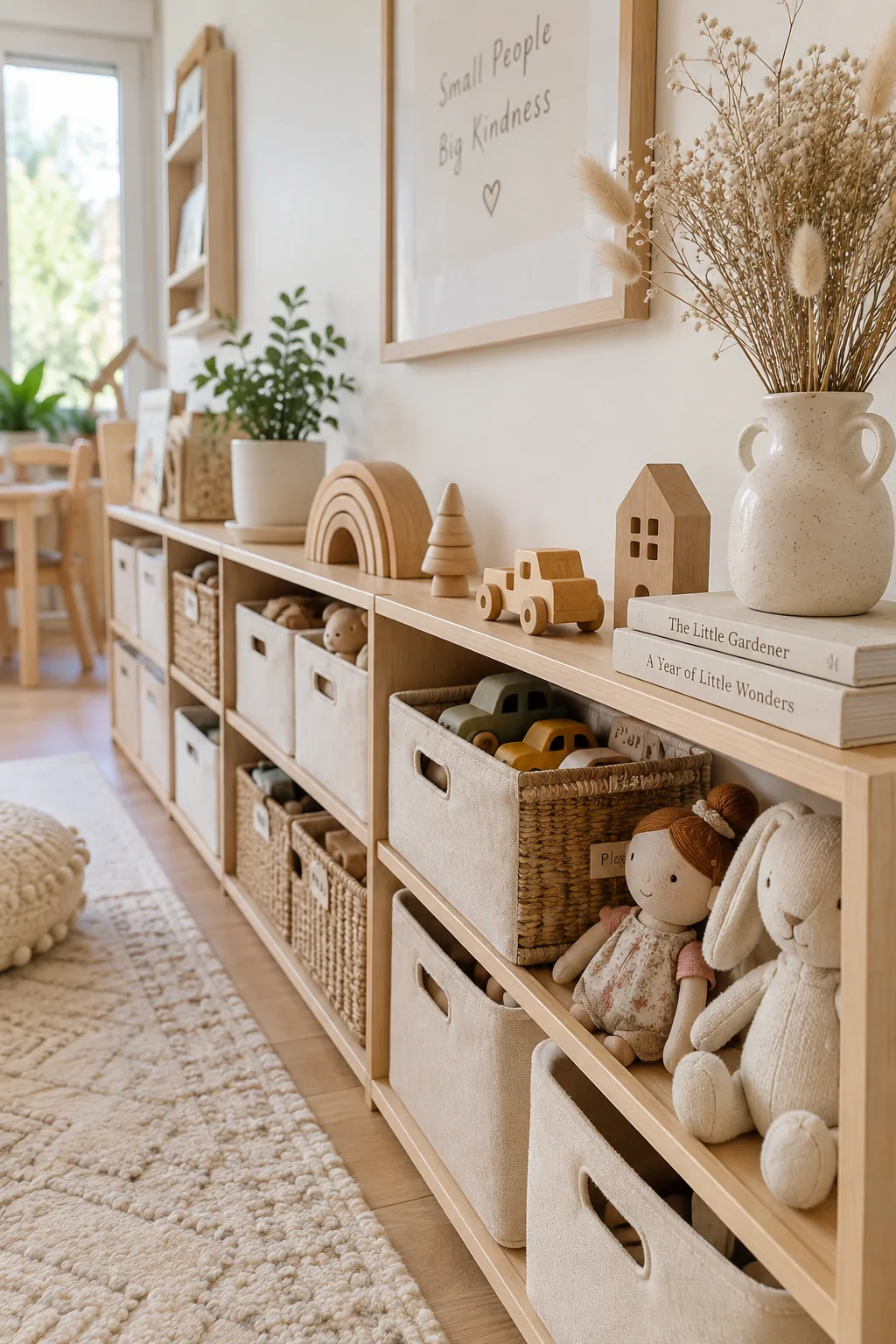
A standard 12-inch deep bookshelf takes up way too much valuable real estate in a tight room. Swap them out for slim profile bins that hug the wall while holding just as many toys.
7. Implement a Toy Rotation System
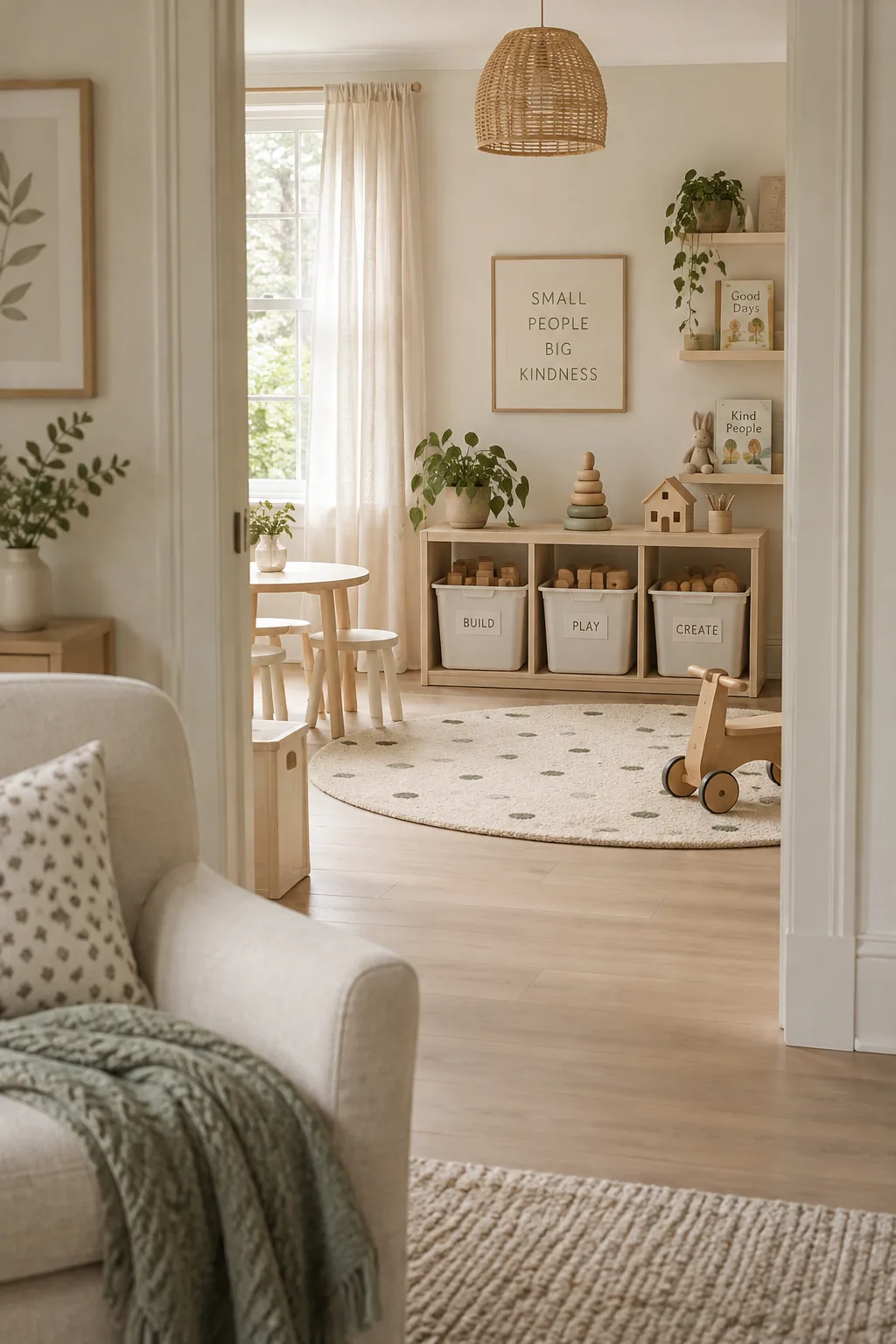
Rotating toys is the secret to keeping a daycare room from feeling cluttered and overwhelming. You just keep a few curated bins out on open wooden shelves at a time. The rest stay hidden in a nearby closet or garage in labeled plastic tubs. Every two weeks, you swap the bins to instantly refresh the room. It feels like Christmas to the kids, and you avoid the visual mess of a hundred toys on the floor.
Why it works: Less visual clutter improves focus and dramatically cuts down on daily cleanup time.
8. Set Up a Drop Zone
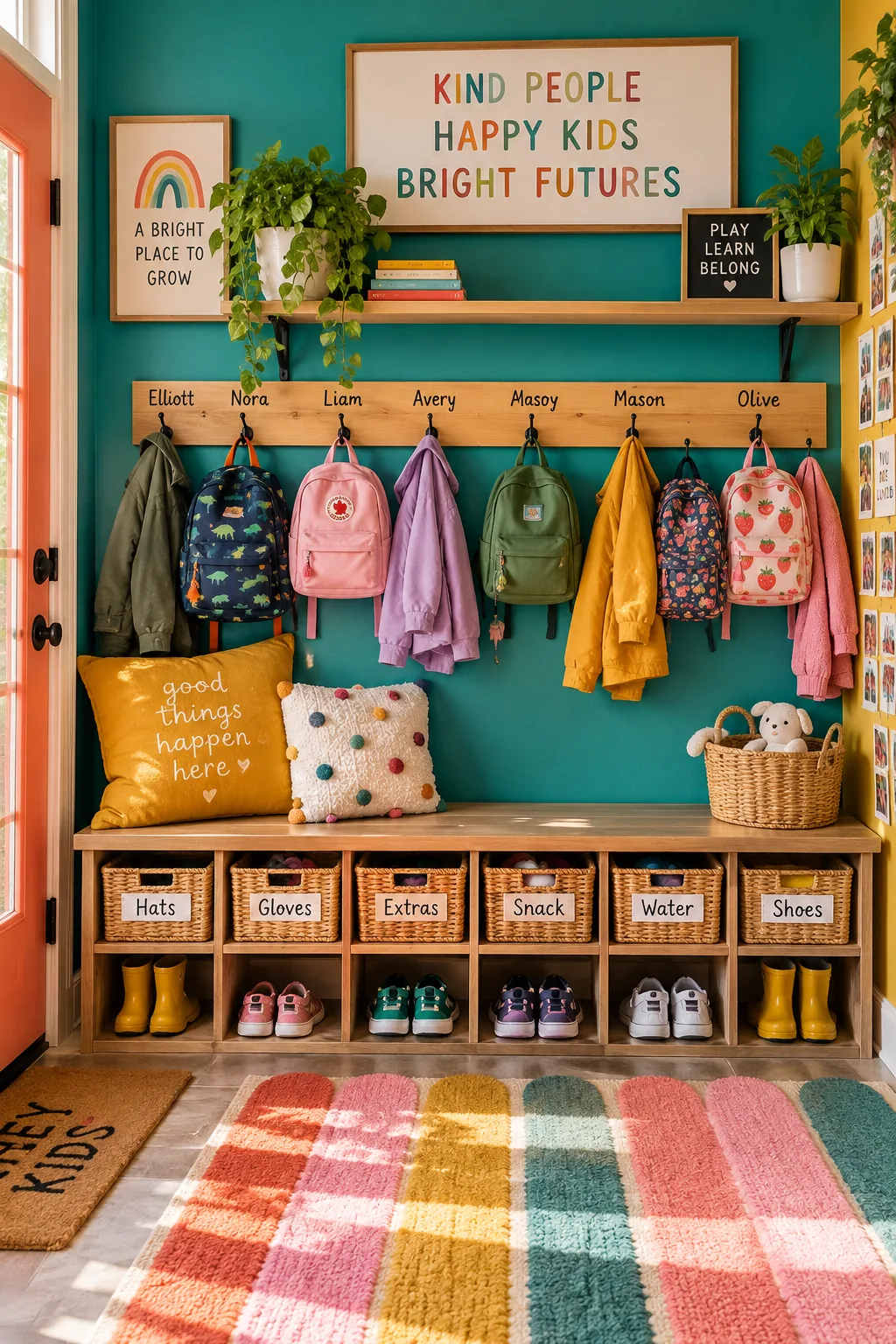
I learned the hard way that you need a dedicated drop zone right at the entrance of your daycare space. Parents arrive in a rush, and kids drop things immediately. Set up a simple entryway system using a sturdy wooden bench and wall hooks. Add a few specific storage pieces below it to stop the morning mess from spreading into the main play area.
- Individual coat hooks
- Personal shoe baskets
- A small tray for parent paperwork
9. Provide Flexible Floor Seating
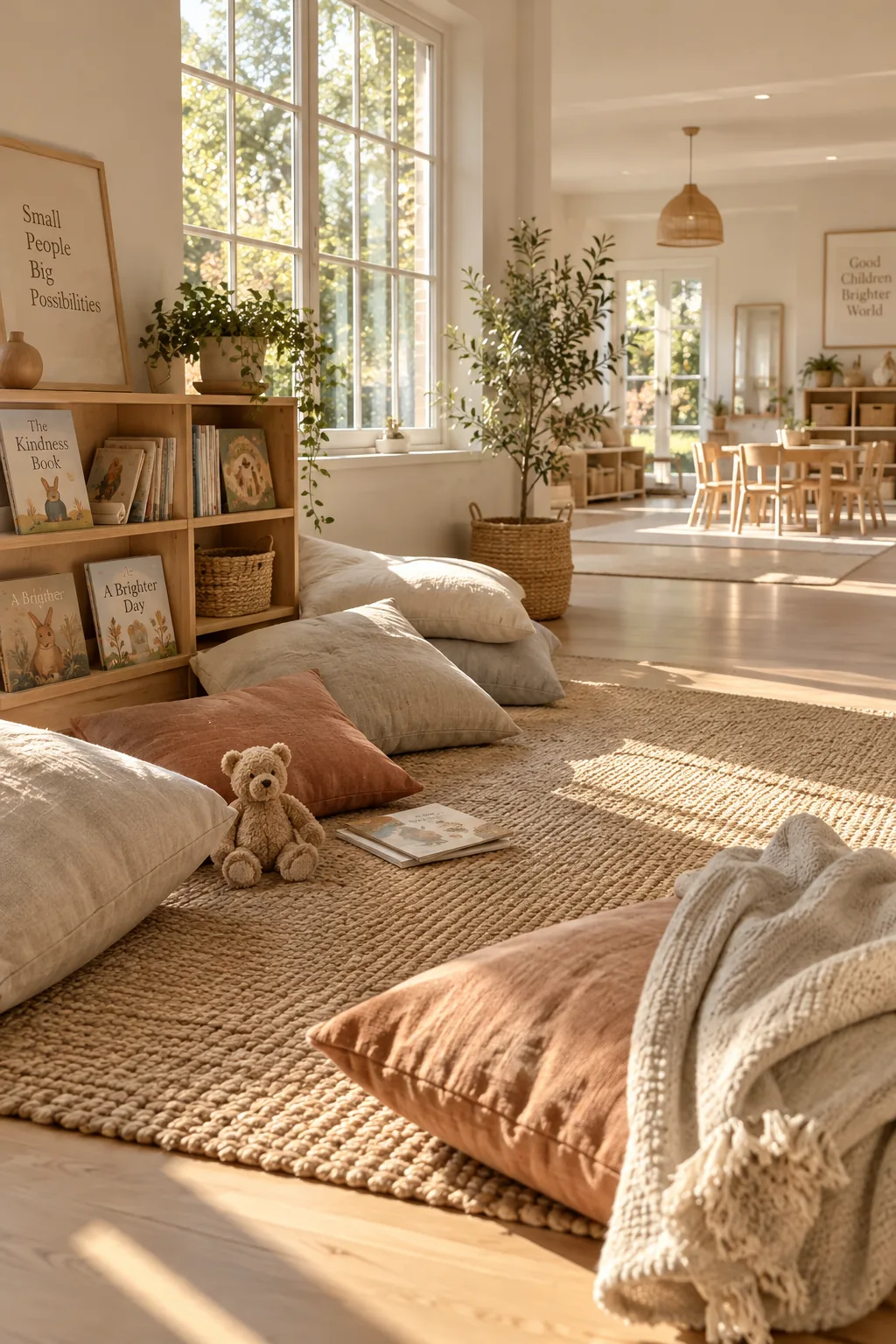
Use oversized floor pillows instead of rigid toddler chairs for your reading nook. They are much easier to wash when spills inevitably happen. You can also stack them out of the way when you need more floor space for a dance party.
Why it works: Flexible seating adapts instantly to different activities and saves precious floor space.
10. Control the Natural Light
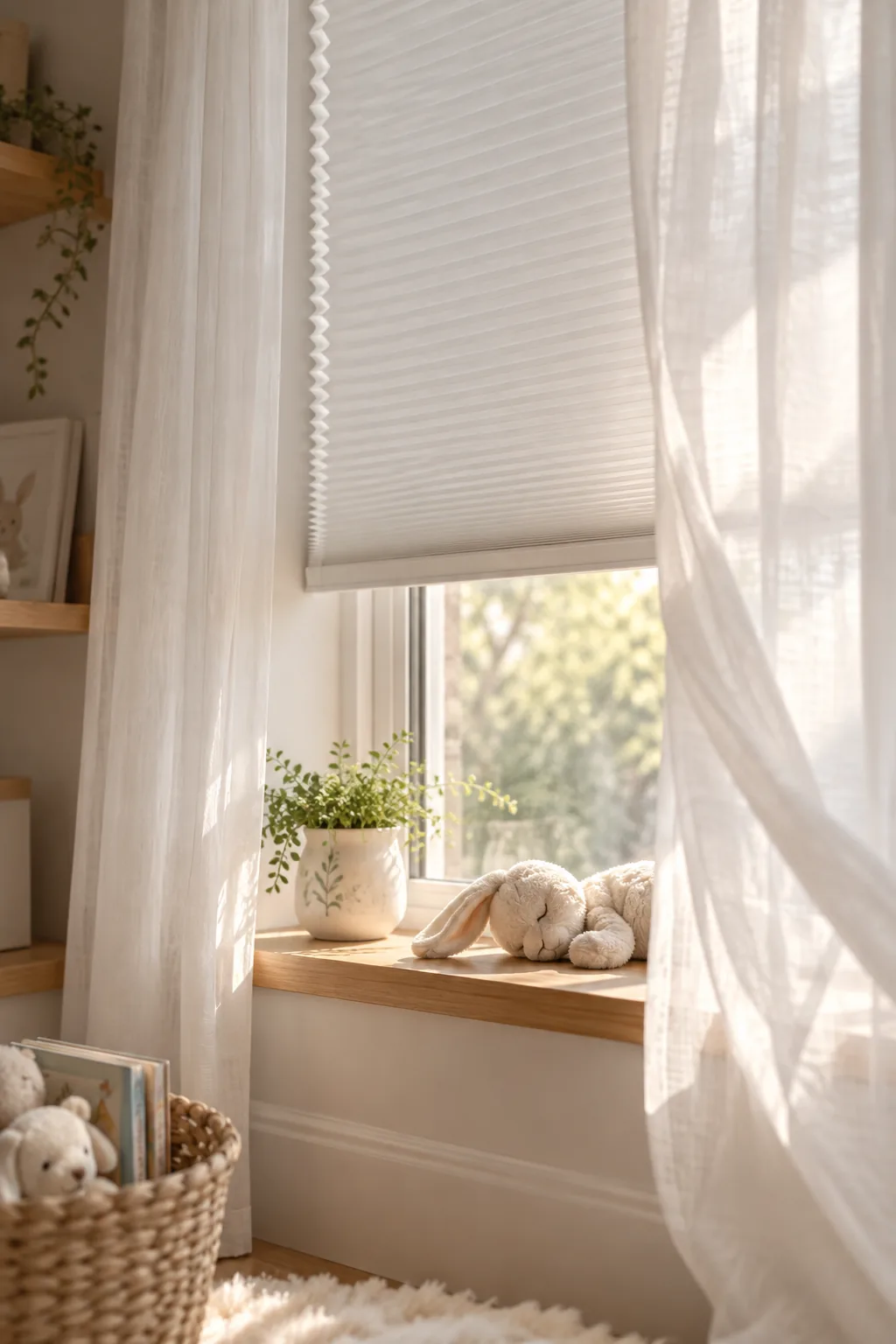
A bright, airy atmosphere naturally boosts everyone's mood during long indoor days. You want to maximize natural light while still controlling glare during nap time. Install blackout cellular shades paired with sheer white curtains. You get the soft, diffused light for playtime and total darkness for sleep. It is the perfect balance of function and beautiful design.
11. Create a Cozy Hideaway
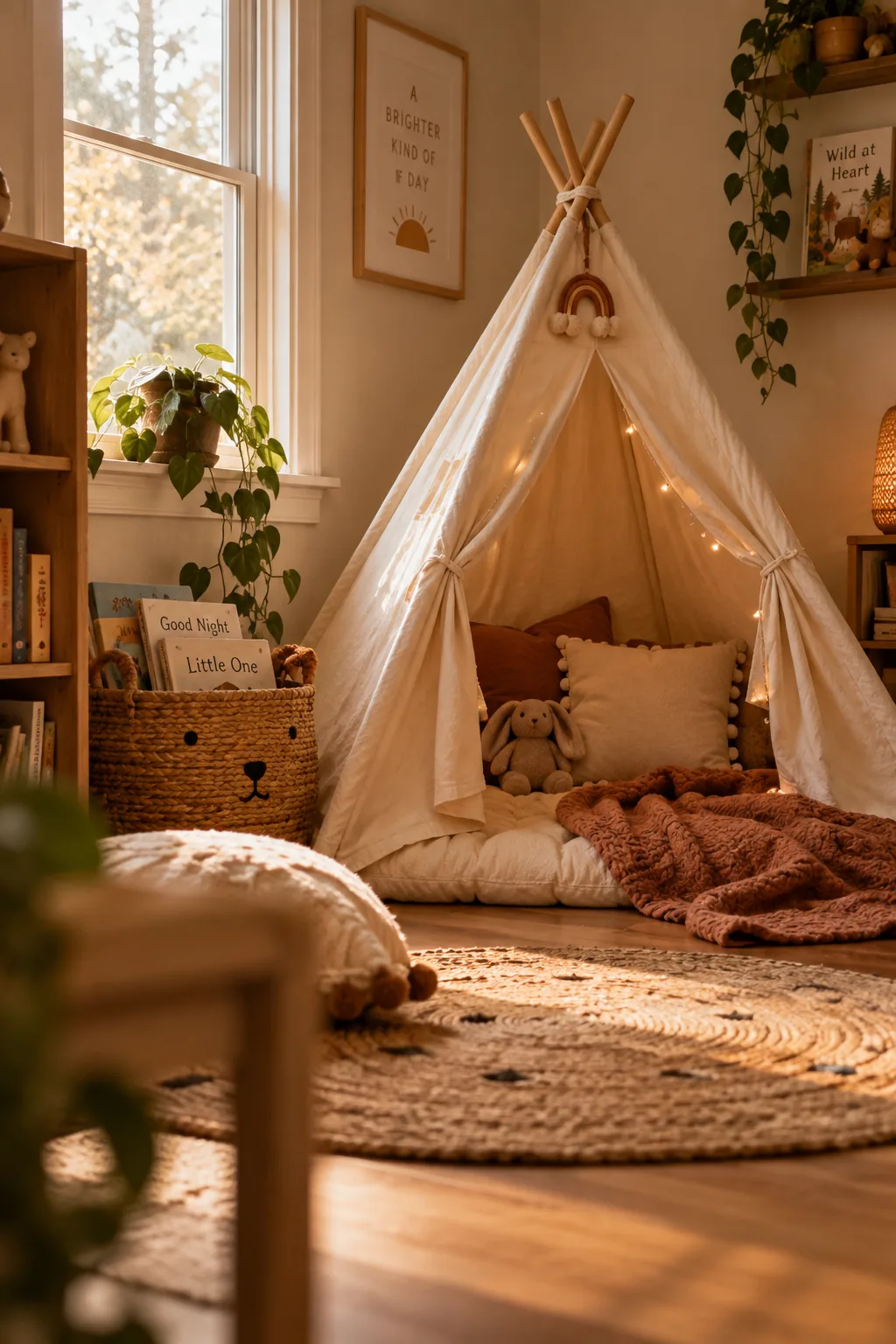
I always recommend creating a cozy, enclosed hideaway for kids who get easily overstimulated. A simple canvas play tent tucked into a corner with a few soft blankets provides the perfect escape.
Why it works: It gives children a safe, quiet boundary to self-regulate without leaving the room.
12. Label Bins with Picture Tags
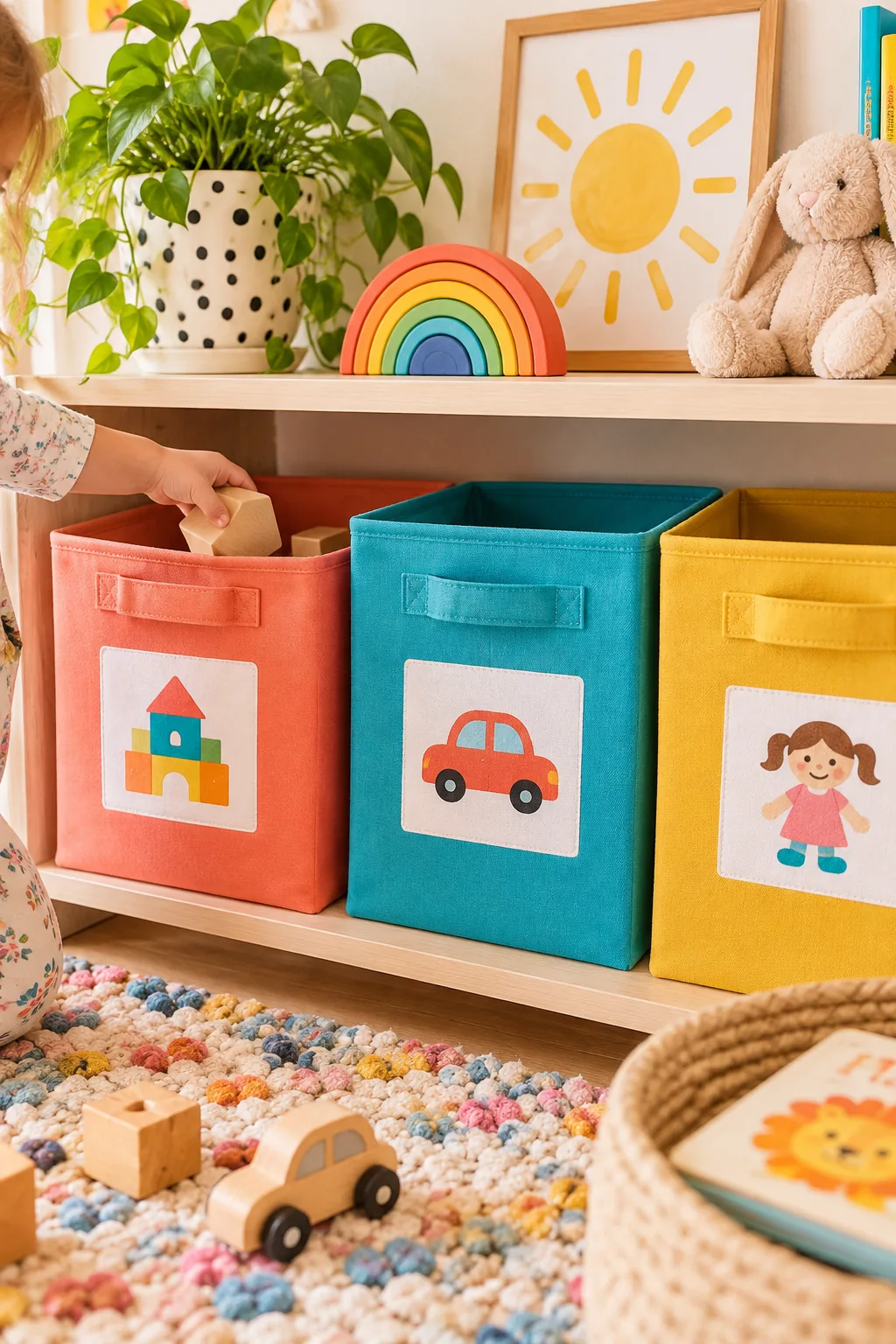
Labeling everything with picture tags makes cleanup a breeze even for pre-readers. You just print simple icons of blocks, cars, or dolls and tape them to your canvas storage bins. The kids learn exactly where everything belongs through visual matching. It turns tidying up into a fun sorting game rather than a chore. You will spend way less time reorganizing shelves at the end of the day.
13. Mount a Wall Paper Roll
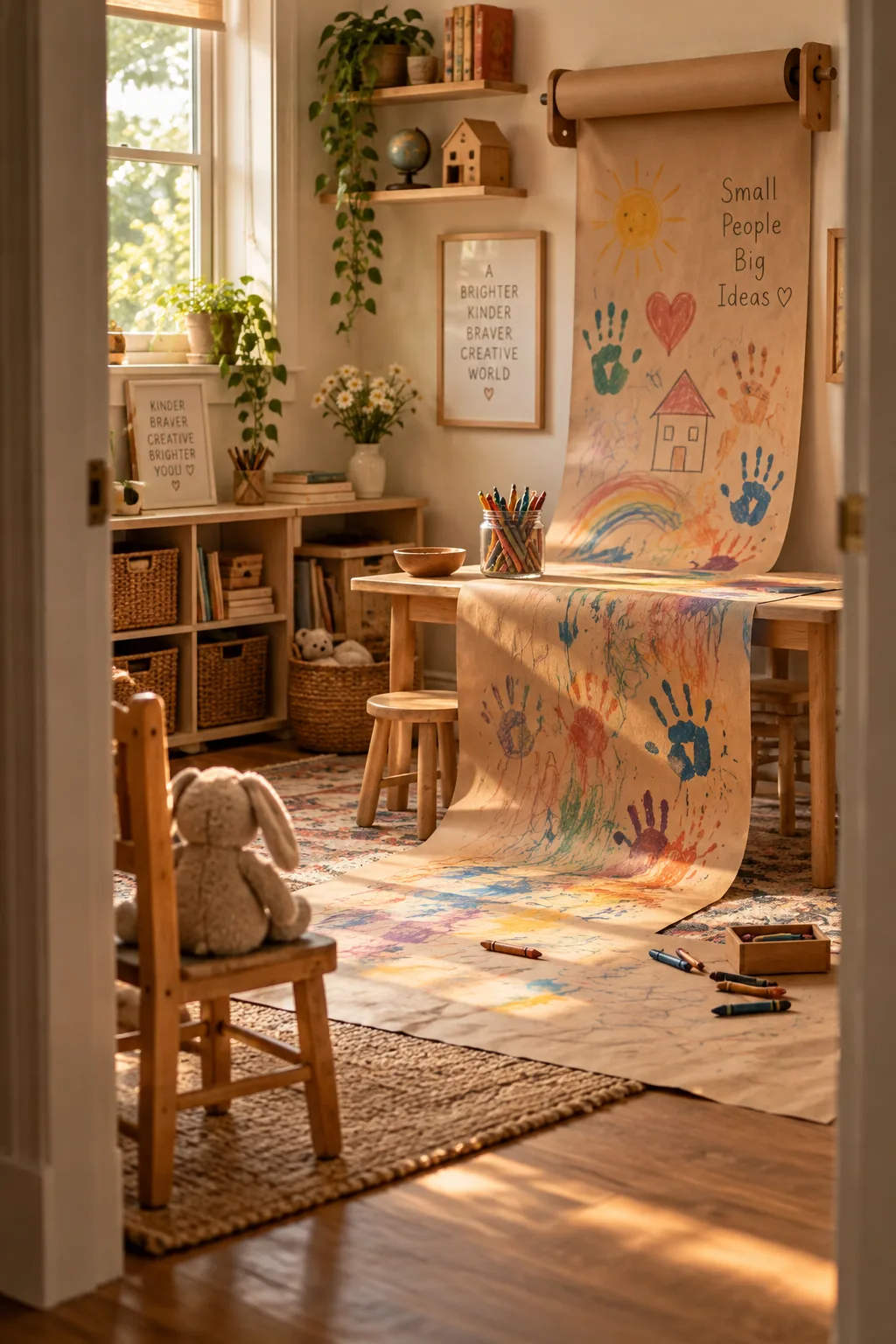
Mount a continuous roll of craft paper on the wall to create an instant, endless art station. Pull it down over a small table or let it hang straight to the floor for vertical drawing. It is much cheaper than buying individual sketchpads for a whole group of kids. When they finish a masterpiece, you just tear it off and pull down a fresh canvas.
14. Invest in a Solid Wood Table
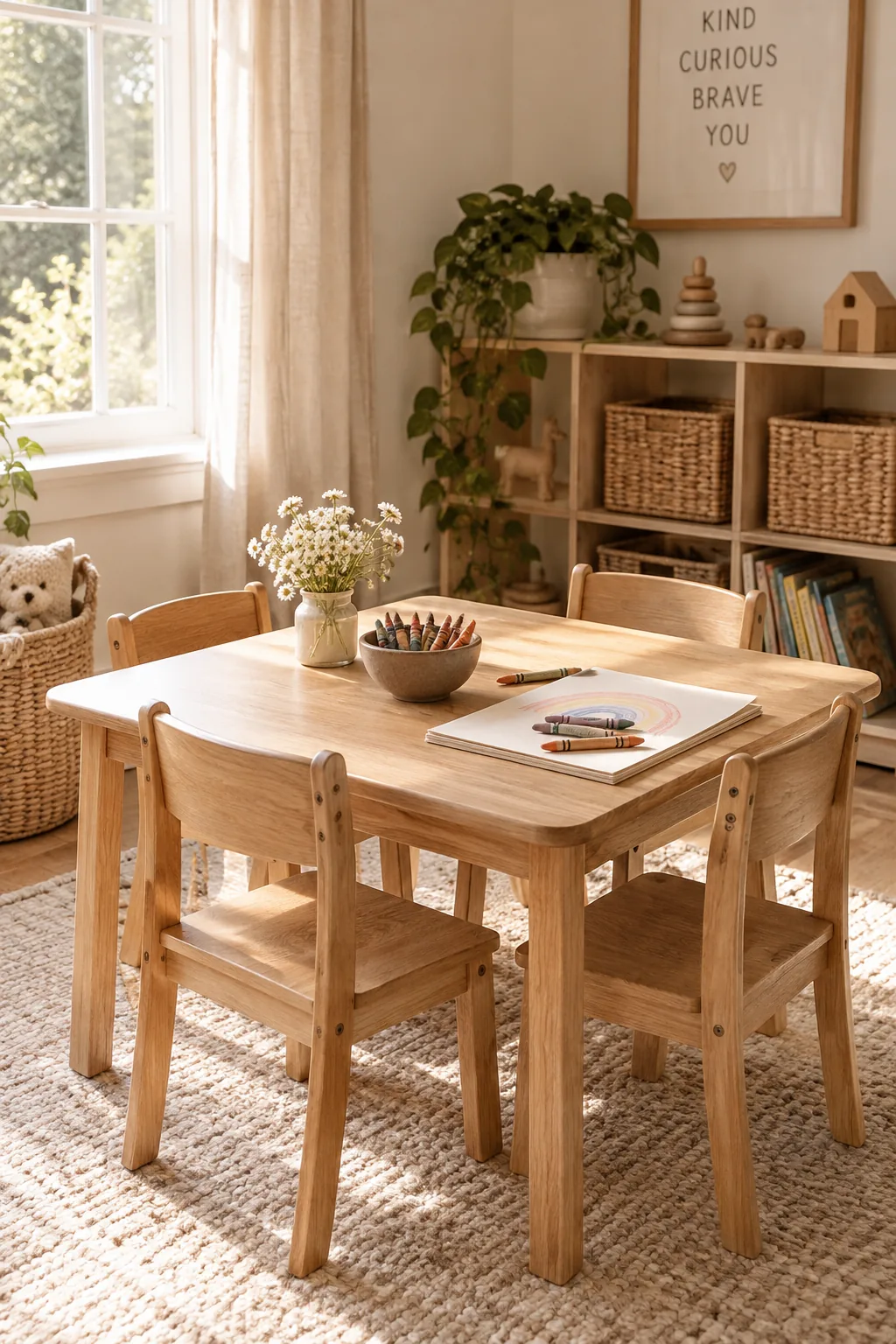
Kids are hard on furniture.
15. Design a Magnetic Gallery Wall
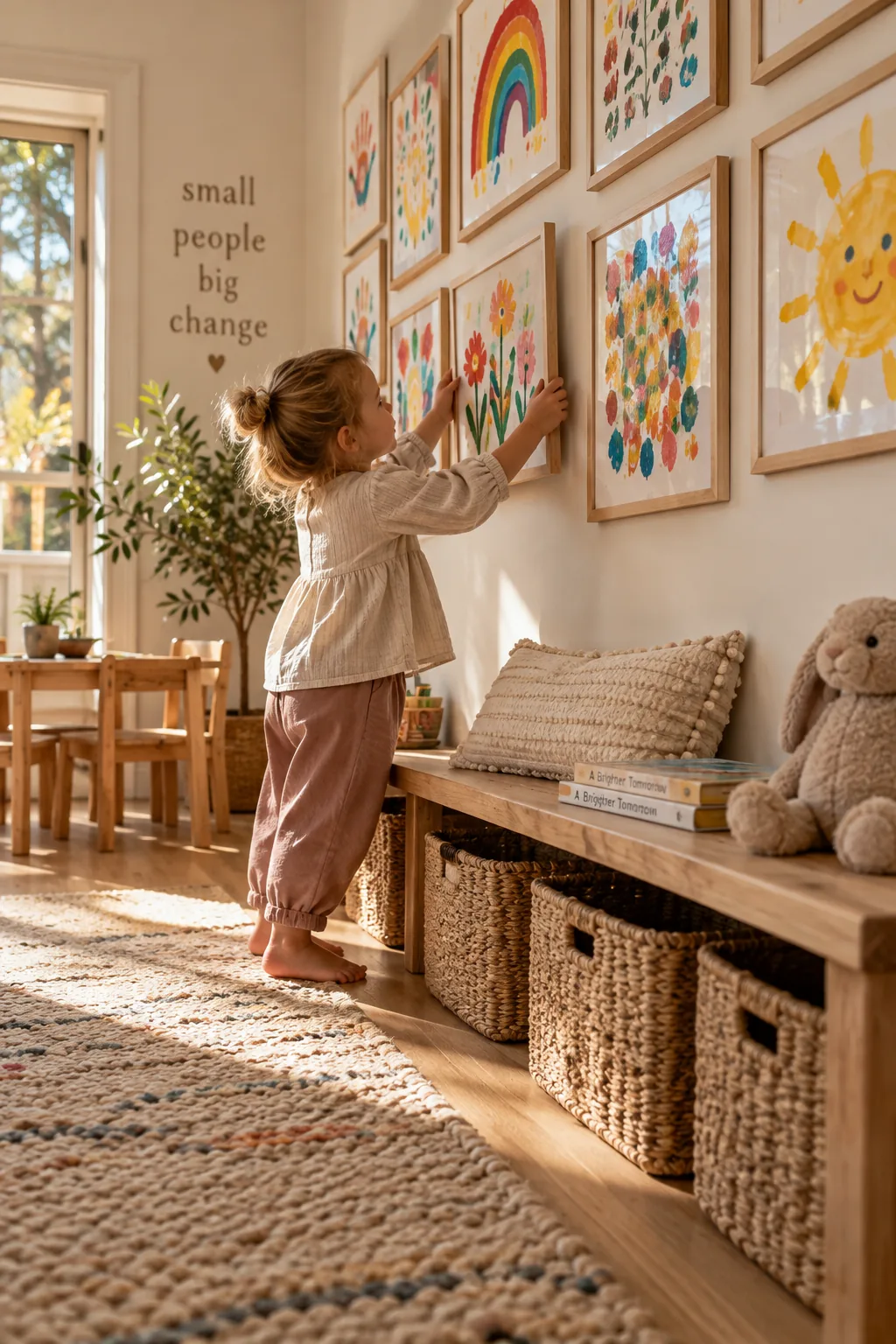
A sophisticated gallery wall gives the space a high-end feel while still honoring the children's work. Frame their best finger paintings in matching magnetic frames across one main wall. The magnetic fronts let you swap out the art in seconds without taking the frames down. It elevates standard kid crafts into actual decor. The kids feel incredibly proud seeing their work displayed so beautifully.
16. Hide Clutter in Storage Ottomans
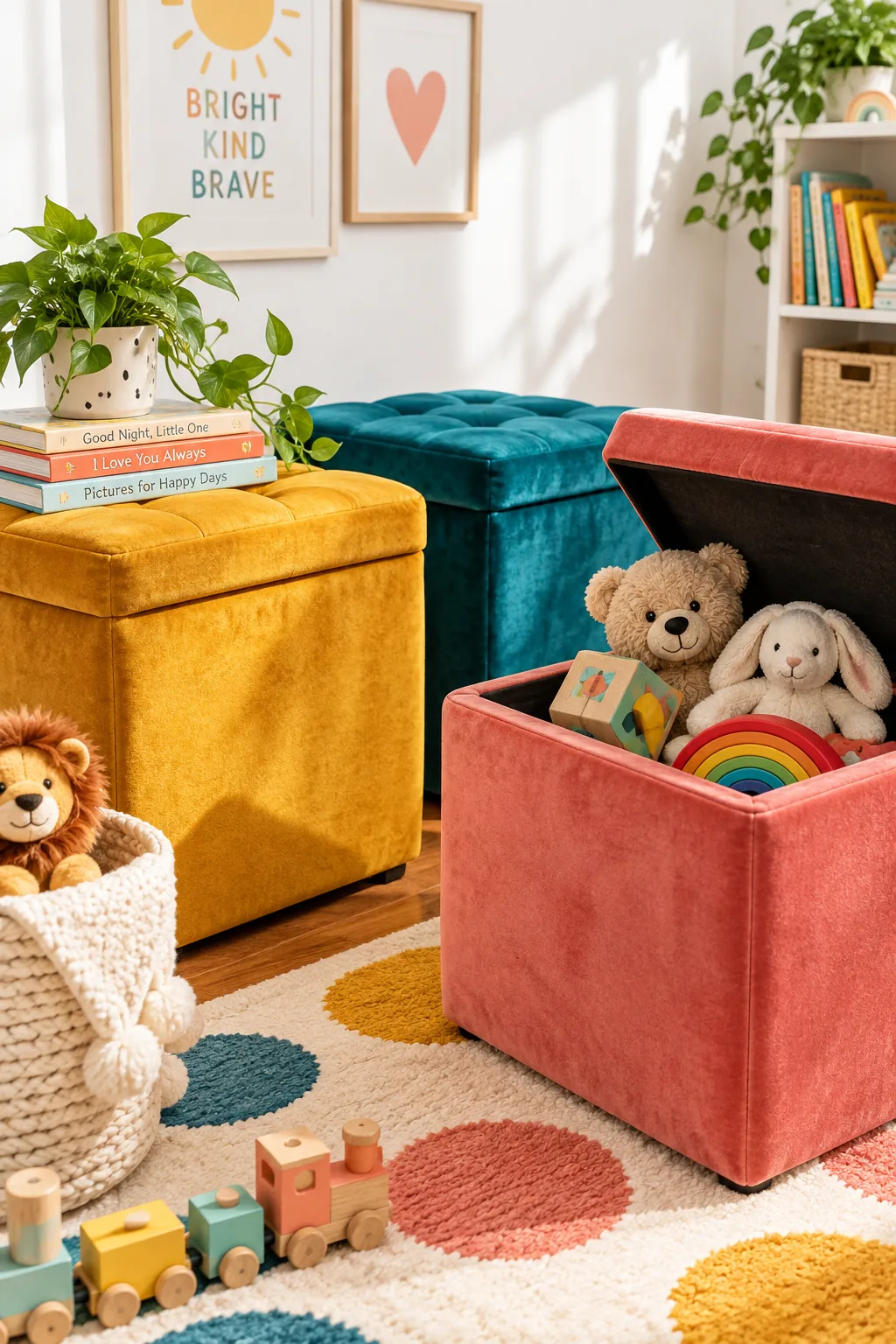
Dual-purpose furniture is essential.
17. Build a Contained Sensory Station
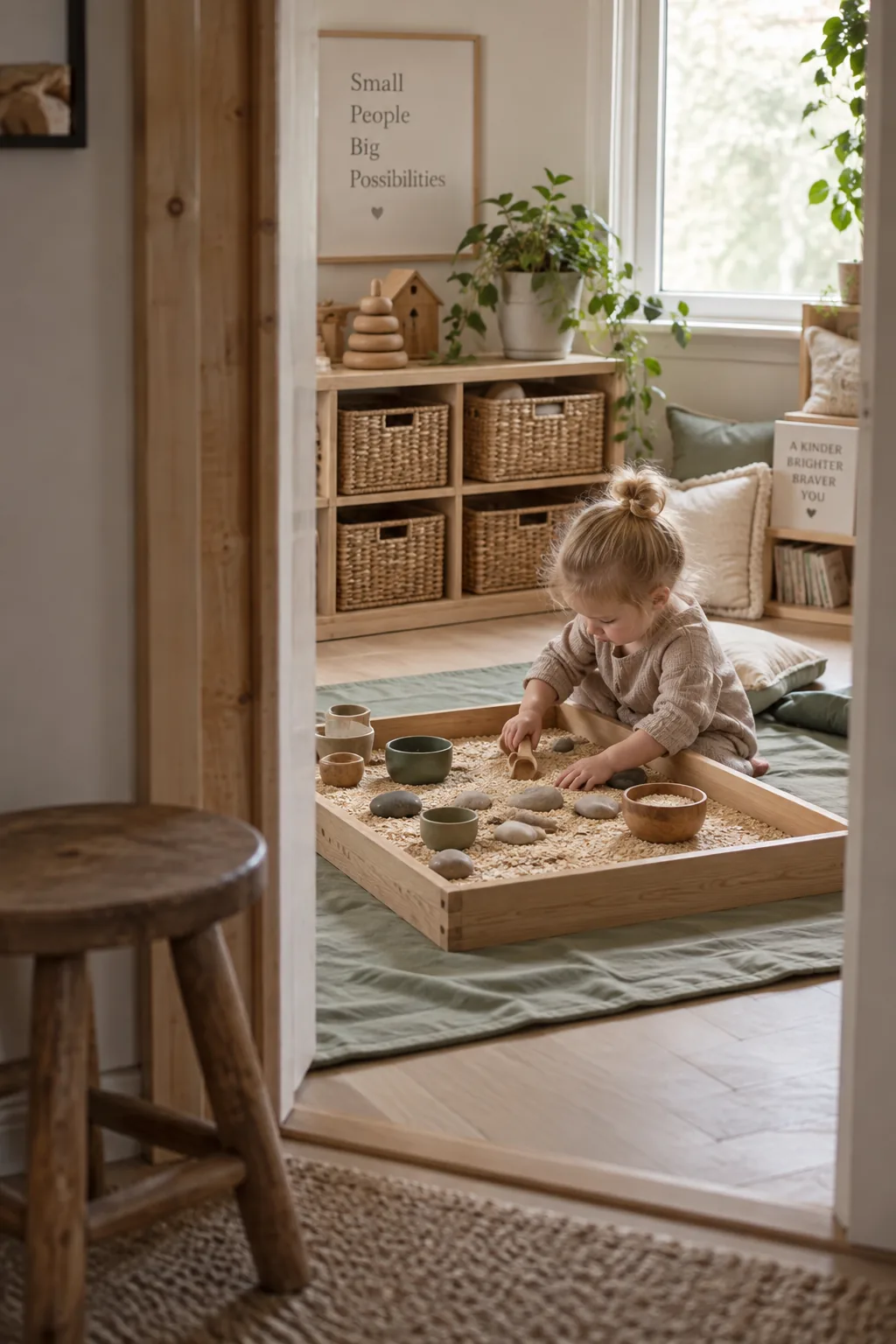
Most indoor play areas lack sensory experiences that kids naturally crave. You can easily build a small, contained sensory station that won't ruin your floors. Grab a shallow wooden tray and fill it with different tactile materials each week. Place it on a heavy-duty splash mat to catch the inevitable spills. It keeps little hands busy for hours while looking neat and contained.
- Moldable sand with small scoops
- Dried beans and hidden toys
- Water beads with plastic cups
18. Hide Cots Behind a Divider
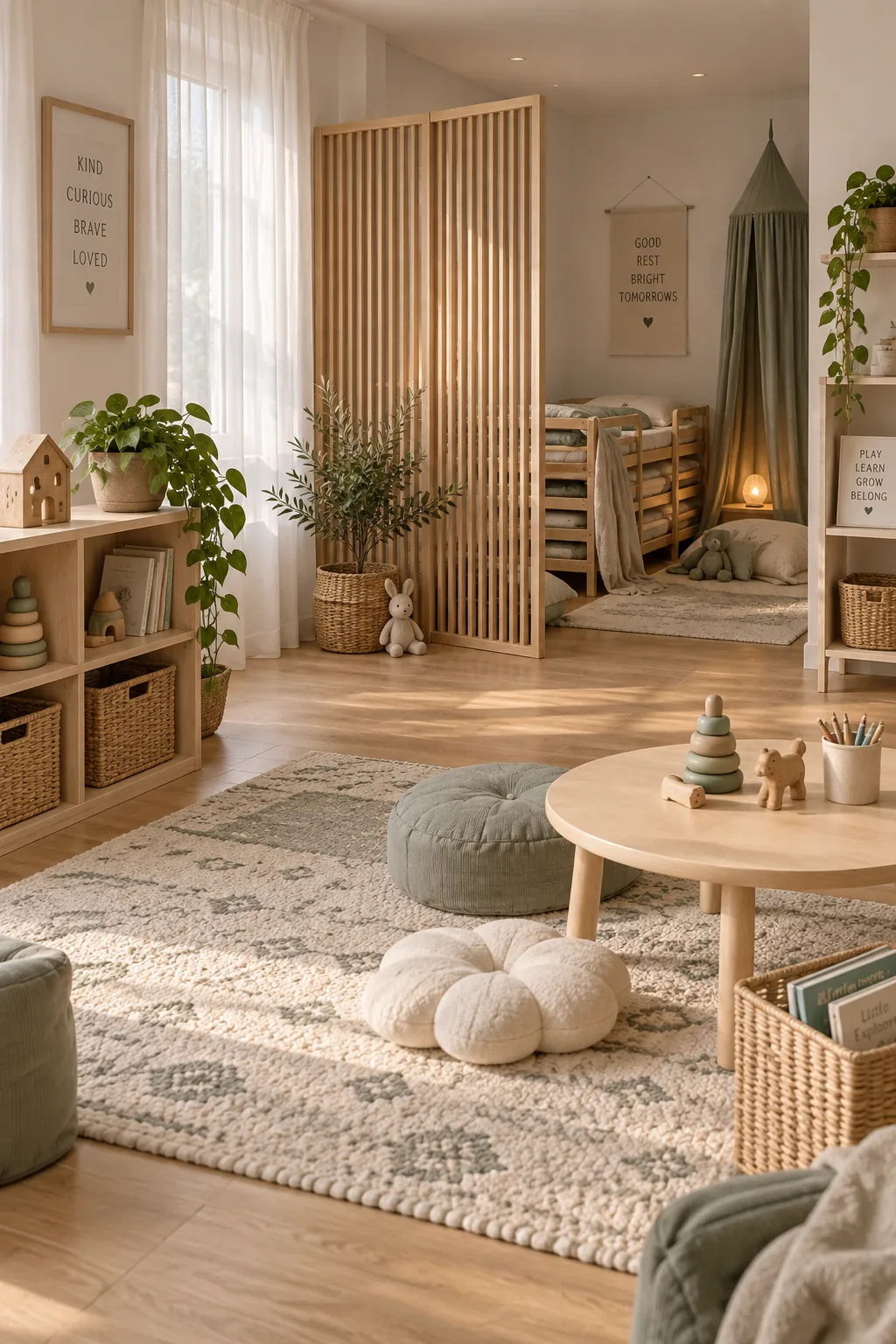
A warm, welcoming nap zone is easy to achieve with stackable wooden cots tucked behind a folding room divider. The divider hides the beds during active play but creates a cozy, private sleeping nook in seconds.
Why it works: Physical boundaries signal transition times to kids and help them wind down faster.