Romantic Bedroom Designer Secrets: Sensory Layering Checklist
You can easily transform your space into a cozy, high-end retreat by following this step-by-step sensory layering checklist. I rely on these exact designer measurements and tactile material choices to build beautifully layered, romantic bedrooms that feel as good as they look.
Setting the Mood with 2400K Lighting
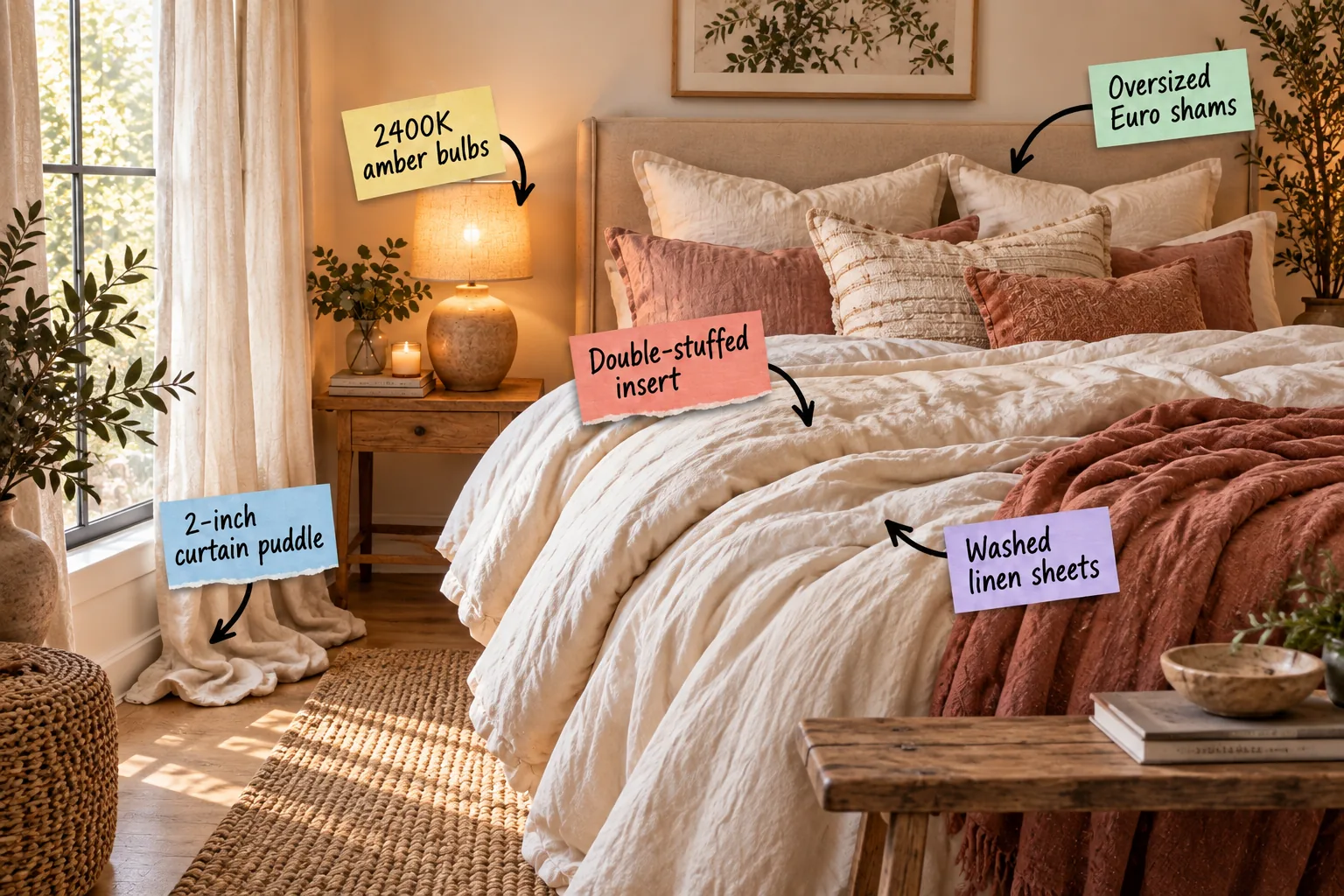
The foundation of any romantic space relies entirely on how you handle ambient light after the sun goes down. Swapping harsh overhead fixtures for 2400K amber bulbs in your bedside lamps creates a soft, flattering glow that perfectly mimics real candlelight.
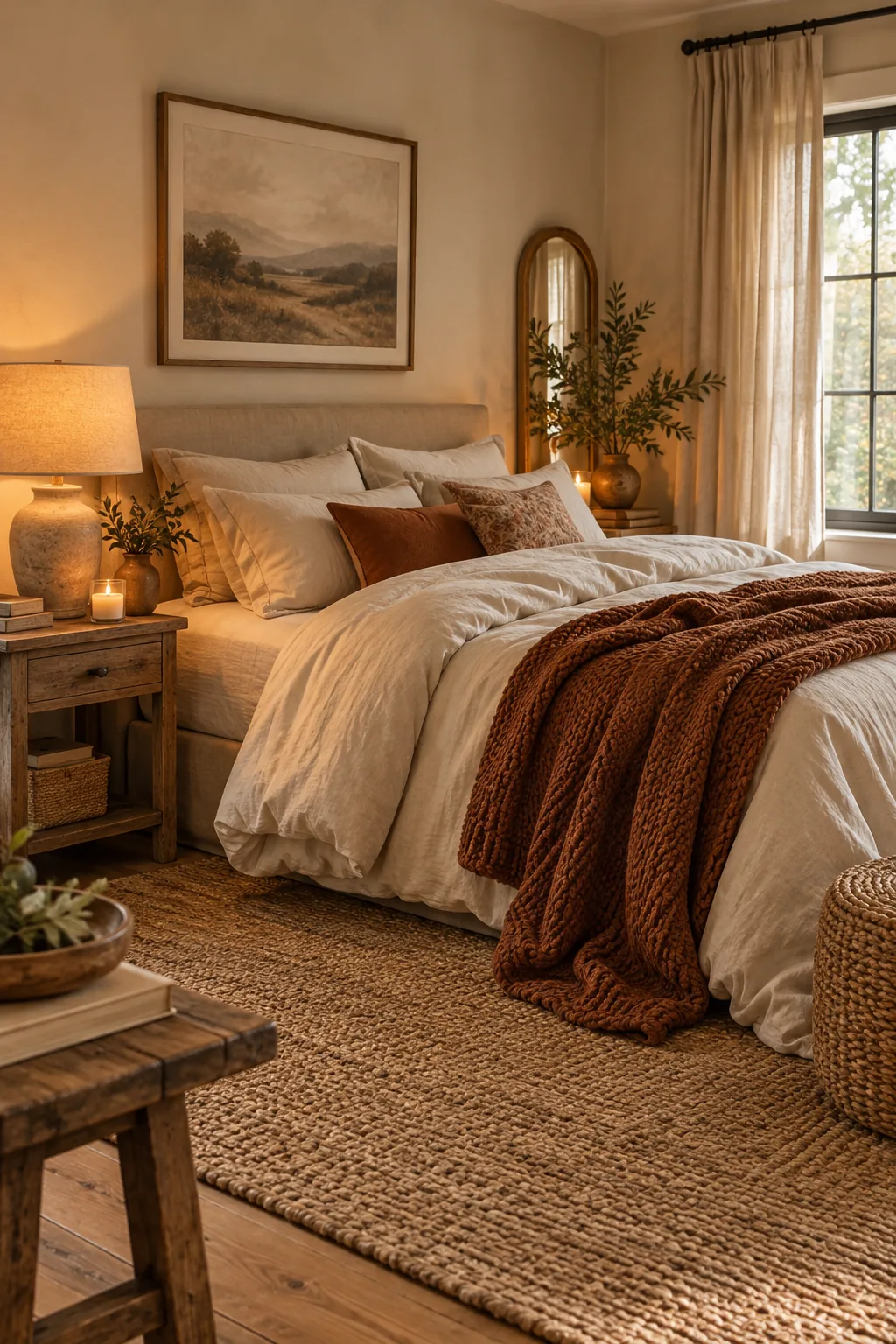
This warm color temperature signals your brain that it is time to unwind, instantly softening the harsh architectural lines of the room.
Installing Dimmer Switches for Control
Even the warmest bulbs benefit from adjustable intensity to suit different evening activities. Installing plug-in dimmer switches on your bedside cords allows you to lower the output to a mere whisper of light when you are ready to sleep.
Positioning the Ambient Glow
To maximize that warm candlelight effect, the physical height of your light source must align properly with your resting eye level. You want the bottom of the lampshade to sit roughly flush with your shoulder height when propped up against the headboard.
| Mattress Height | Nightstand Height | Ideal Lamp Height |
|---|---|---|
| 18 to 20 inches | 20 to 22 inches | 24 to 26 inches |
| 21 to 23 inches | 23 to 25 inches | 22 to 24 inches |
| 24 to 26 inches | 26 to 28 inches | 20 to 22 inches |
Extending the Curtain Rod Width
Before addressing the fabric itself, you must ensure the underlying hardware supports a generous, sweeping aesthetic. Extending your curtain rod 10 to 12 inches beyond the window frame allows the panels to rest against the wall, making the window appear significantly larger.
Softening the Edges with a Curtain Puddle
Window treatments should interact gracefully with the floor to create a relaxed, unstudied atmosphere that feels intentionally luxurious. I always specify a 2-inch curtain puddle, allowing the heavy fabric to drape romantically without gathering dust or becoming a frustrating tripping hazard.
Choosing the Right Blackout Lining
That perfect puddle requires a fabric with enough structural weight to hold its shape where it meets the floorboards. Adding a high-quality blackout lining not only ensures deep, uninterrupted sleep but also gives lighter face fabrics the necessary heft to drape beautifully.
Starting with Washed Linen Sheets
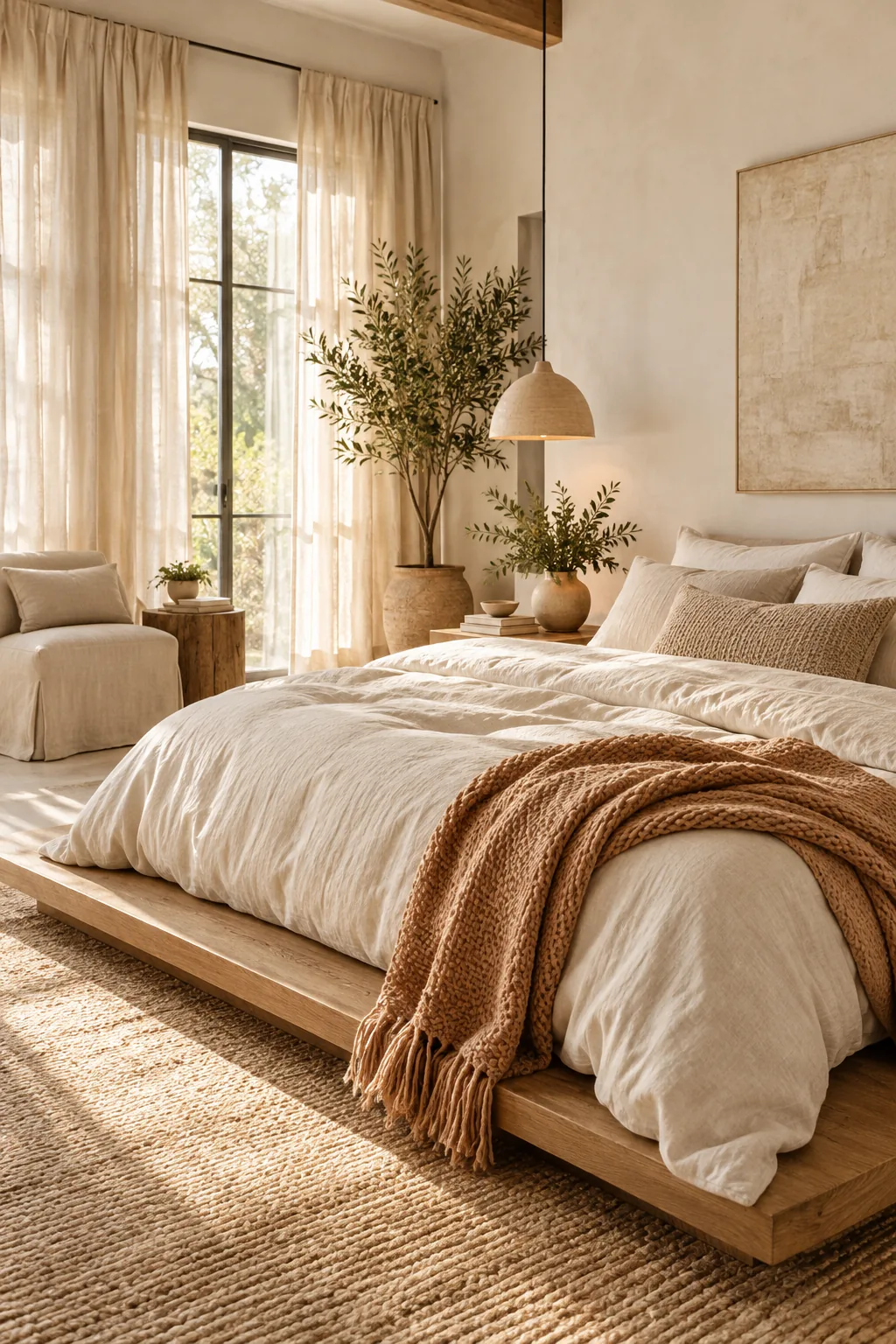
The tactile foundation of the bed itself dictates how inviting the entire room feels when you finally pull back the covers. I always recommend washed linen sheets for their highly breathable, slightly rumpled texture that looks effortlessly elegant and feels incredible against the skin.
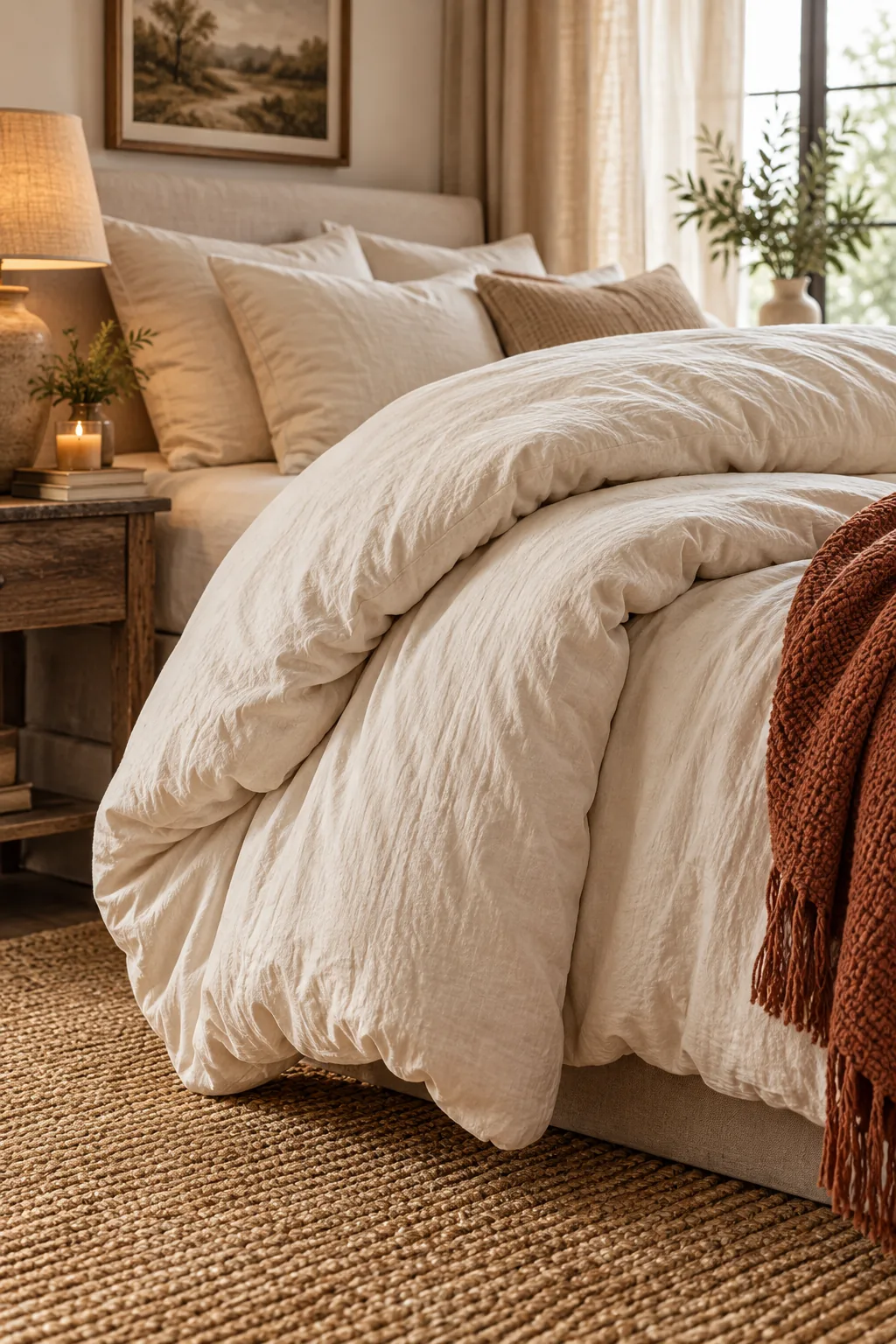
Because natural fibers breathe better during warmer nights, this base layer keeps you comfortably cool while providing substantial, comforting weight.
Embracing the Natural Wrinkle
Many people worry about keeping their bed looking pristine, but true luxury leans into a slightly lived-in aesthetic. Skip the heavy ironing and simply smooth your linen sheets by hand while they are still slightly damp to encourage a gentle, organic wave.
Selecting a Breathable Mattress Pad
The finest sheets in the world cannot compensate for a synthetic, heat-trapping layer hidden directly underneath them. Invest in a thick, 100-percent cotton quilted mattress pad to protect your bed while preserving the natural airflow established by your linen bedding.
Grounding the Room with Woven Textures
A chunky natural fiber rug placed under the bed grounds the space and provides necessary visual contrast to the soft bedding. In my own 1920s Denver bungalow, I layered a thick jute rug over the original oak floors, instantly anchoring the floating feeling of the high ceilings.
Sizing the Grounding Rug
To achieve that grounded aesthetic, the rug must extend far enough beyond the bedframe to offer a soft landing for your feet. A standard king bed requires a 9-by-12-foot rug, leaving exactly 36 inches of textured clearance on both sides and at the foot.
Balancing the Bed Frame Materials
The structural frame holding your mattress plays a crucial role in balancing the room’s overall tactile profile. Introducing a contrasting material here prevents the heavily layered textiles from overwhelming the bedroom’s architecture.
- Pair soft linen bedding with a highly polished walnut or rich oak frame to introduce organic warmth.
- Contrast a fully upholstered velvet headboard with crisp, matte cotton percale sheets for textural relief.
- Anchor delicate silk or sateen layers using a raw, matte-finished iron or blackened steel canopy bed.
Creating the Double-Stuffed Cloud
The ultimate designer secret to an ultra-plush, inviting bed is manipulating the density of your primary covering. Using a double-stuffed insert—placing two separate inserts inside a single cover—achieves immense volume and a luxurious, cloud-like aesthetic. When I finally tried stuffing two lightweight inserts into my own duvet cover, the resulting loft completely transformed my bed from flat to five-star luxury.
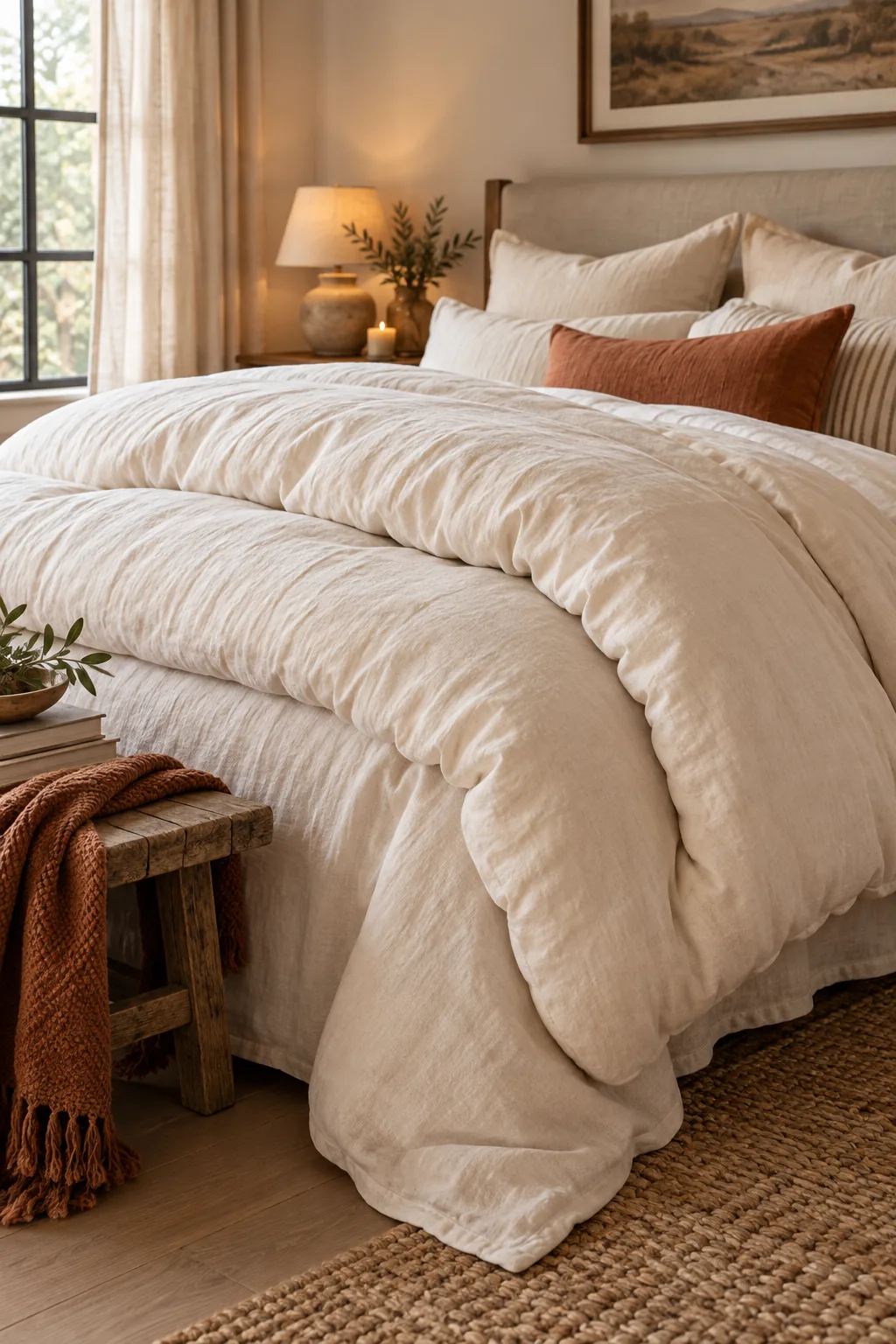
Achieving that high-end hotel volume requires a specific approach to your duvet filling.
Selecting the Right Duvet Material
The fabric shell holding your inserts must breathe just as well as your base sheets to prevent uncomfortable night sweats. Opt for a crisp cotton percale or a matching washed linen cover to ensure heat escapes efficiently while maintaining a beautiful, matte finish.
Sizing Up the Duvet Cover
To properly accommodate those twin inserts without compressing the down, you must carefully check your cover dimensions. Purchase a duvet cover that measures exactly two inches smaller than your inserts to force the filling upward, creating that coveted domed effect.
Folding the Duvet for Maximum Volume
Once you have achieved that incredible density, the way you arrange the duvet dictates the visual weight of the mattress. Fold the top edge down exactly one third of the way, then fold it back on itself to create a massive, inviting ridge of fabric.
Styling Oversized Euro Shams
Large pillows anchor the bed visually against the headboard, establishing a structured backdrop for the softer sleeping layers. I recommend using three oversized Euro shams for a king bed or two for a queen to build necessary height and comfortable back support.
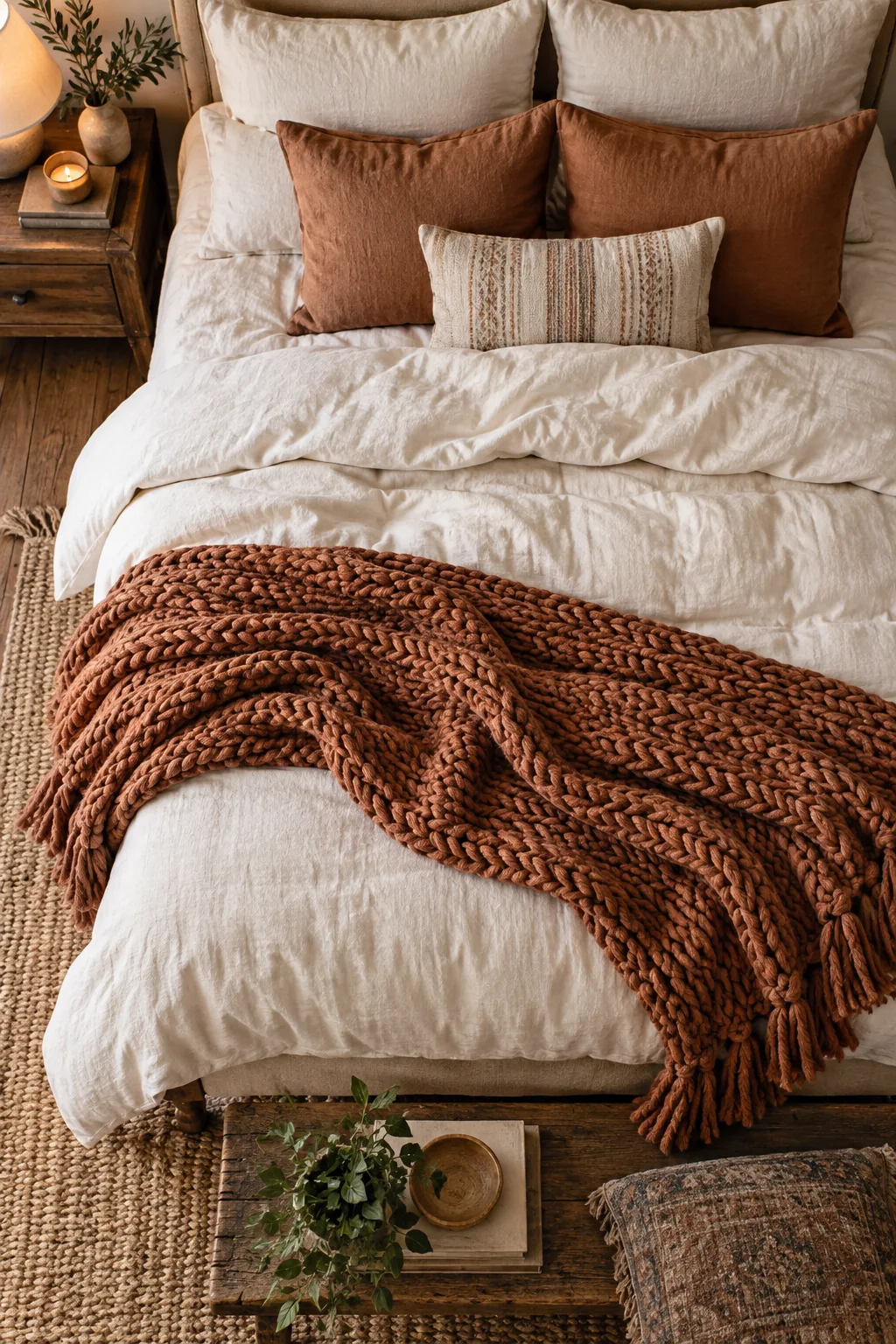
This structured back row creates a clean, architectural line that beautifully contrasts the rumpled, organic drape of the folded duvet.
Filling the Euro Shams Perfectly
A sagging decorative pillow immediately ruins the tailored look of your back row. Always purchase feather inserts that are exactly two inches larger than your sham covers—such as a 28-inch insert for a 26-inch cover—to ensure the corners stand up sharply.
Layering Standard Sleeping Pillows
Your functional sleeping pillows need a designated place in the arrangement so they remain accessible without ruining the styled aesthetic. Tucking them neatly behind a decorative front layer keeps the bed looking pristine while maintaining everyday practicality.
- Prop your firm oversized Euro shams directly against the headboard to form the structural foundation.
- Stack your standard functional sleeping pillows flat on the mattress, hiding them completely behind the upright Euros.
- Place one long decorative lumbar pillow in the very front to bridge the gap and add a subtle pattern.
Adding the Final Tactile Throw
A heavy, textured blanket draped casually at the foot of the bed completes the visual weight of the room. Adding a contrasting chunky knit in a warm terracotta accent color breaks up the expanse of cream linen and invites you to curl up.
Draping Versus Folding the Blanket
The way you position this final layer dramatically alters the mood of the entire room. A rigid, hospital-corner fold feels too severe for a romantic space, so simply pinch the blanket at its center and let it fall naturally across the bottom corner of the mattress.
Your Sensory Layering Checklist
The magic of a romantic bedroom lies in how these carefully chosen elements interact to engage all your senses simultaneously.
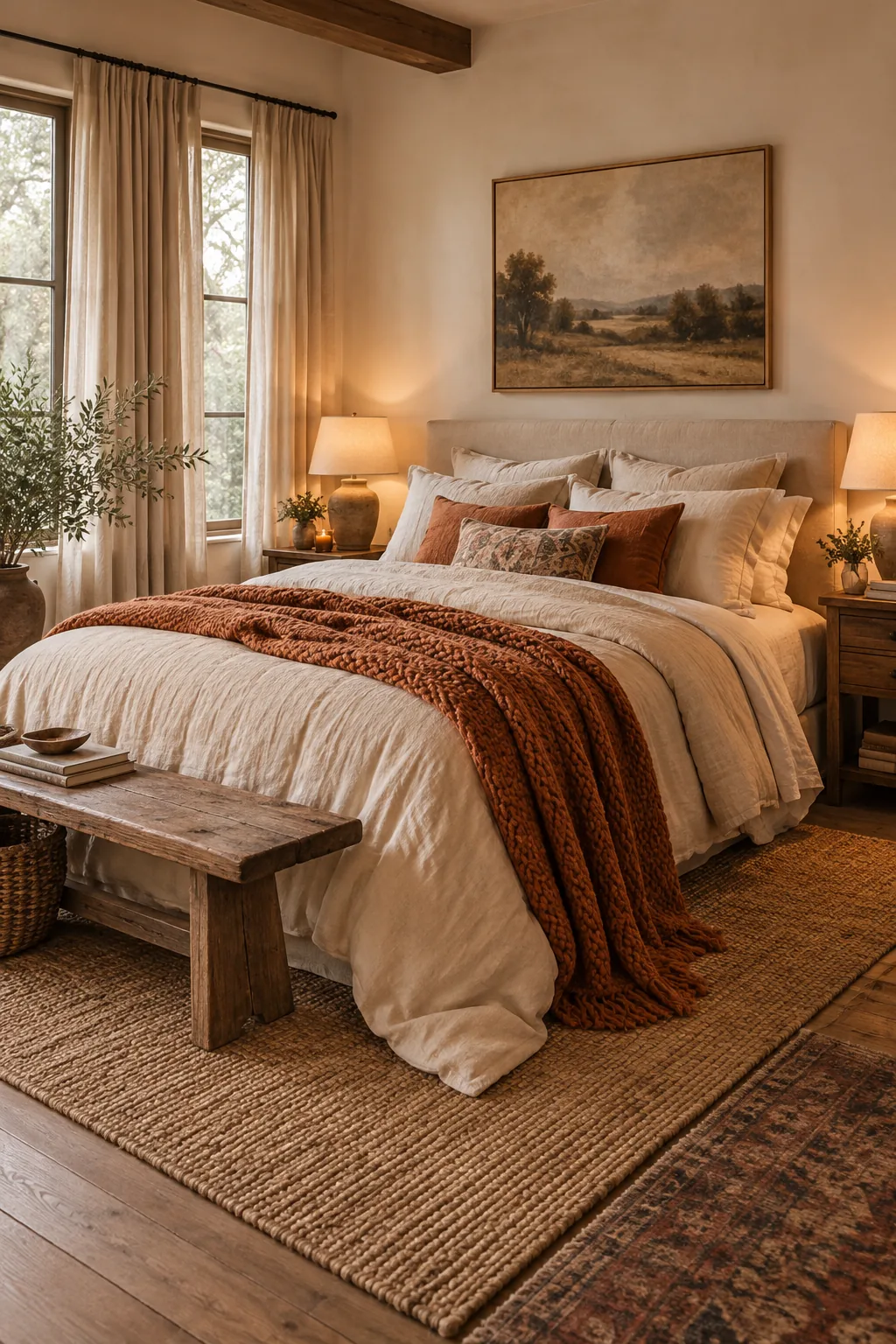
Before you consider the bedroom complete, run through these final tactile and visual checks.
More Romantic Bedroom Palettes
Explore how these exact layering principles translate into different distinctive styles.
Moody Charcoal & Rust: Darker tones and heavy velvets create an intimate, cocoon-like atmosphere perfect for evening relaxation.
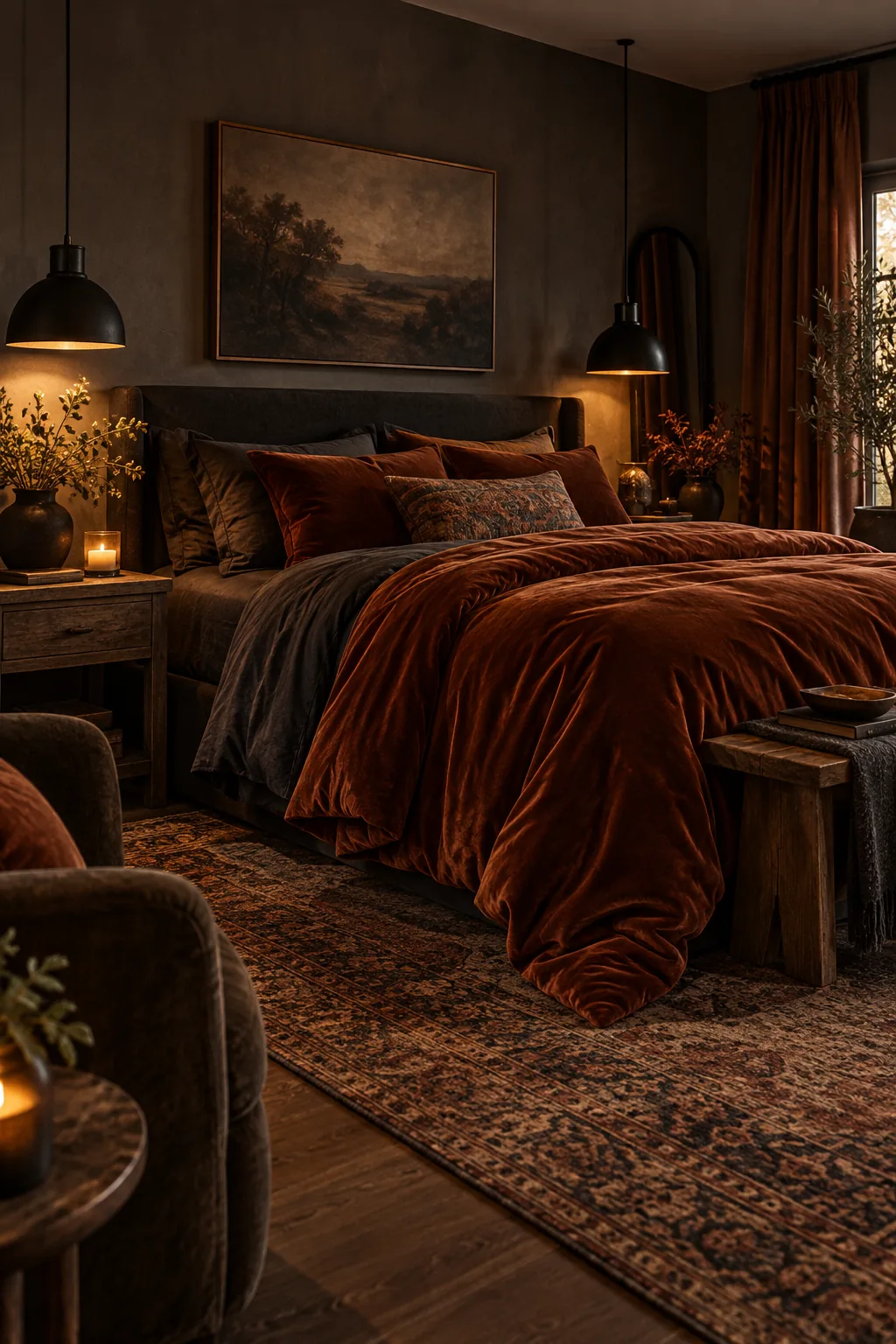
Minimalist Warm Beige: Stripping back the color palette allows the rich, subtle textures of the natural fabrics to shine.
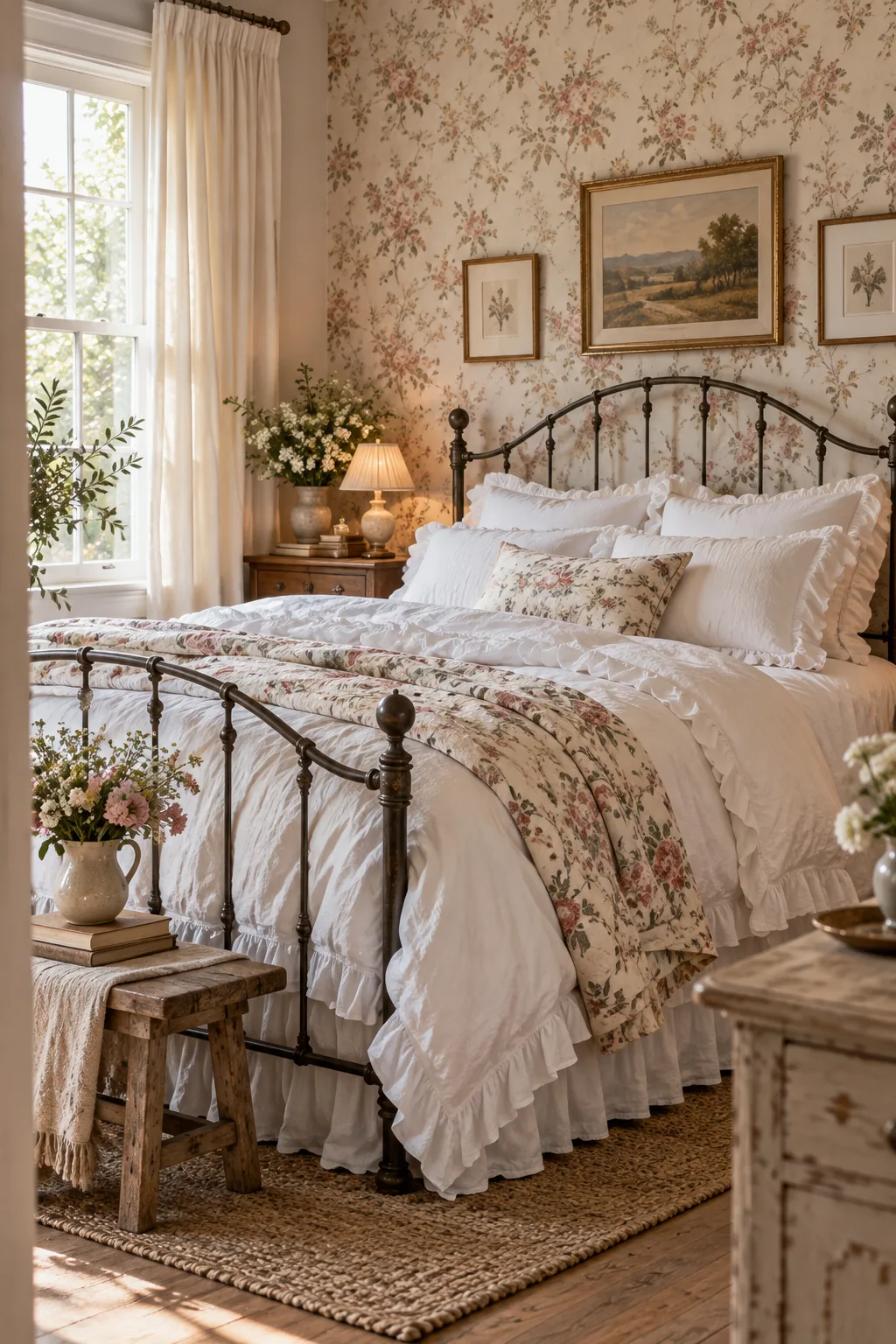
French Country Floral: Classic vintage patterns and dark metal frames add structured elegance to soft, romantic bedding.