
15+ Clever Patio Extension Ideas for Your Home
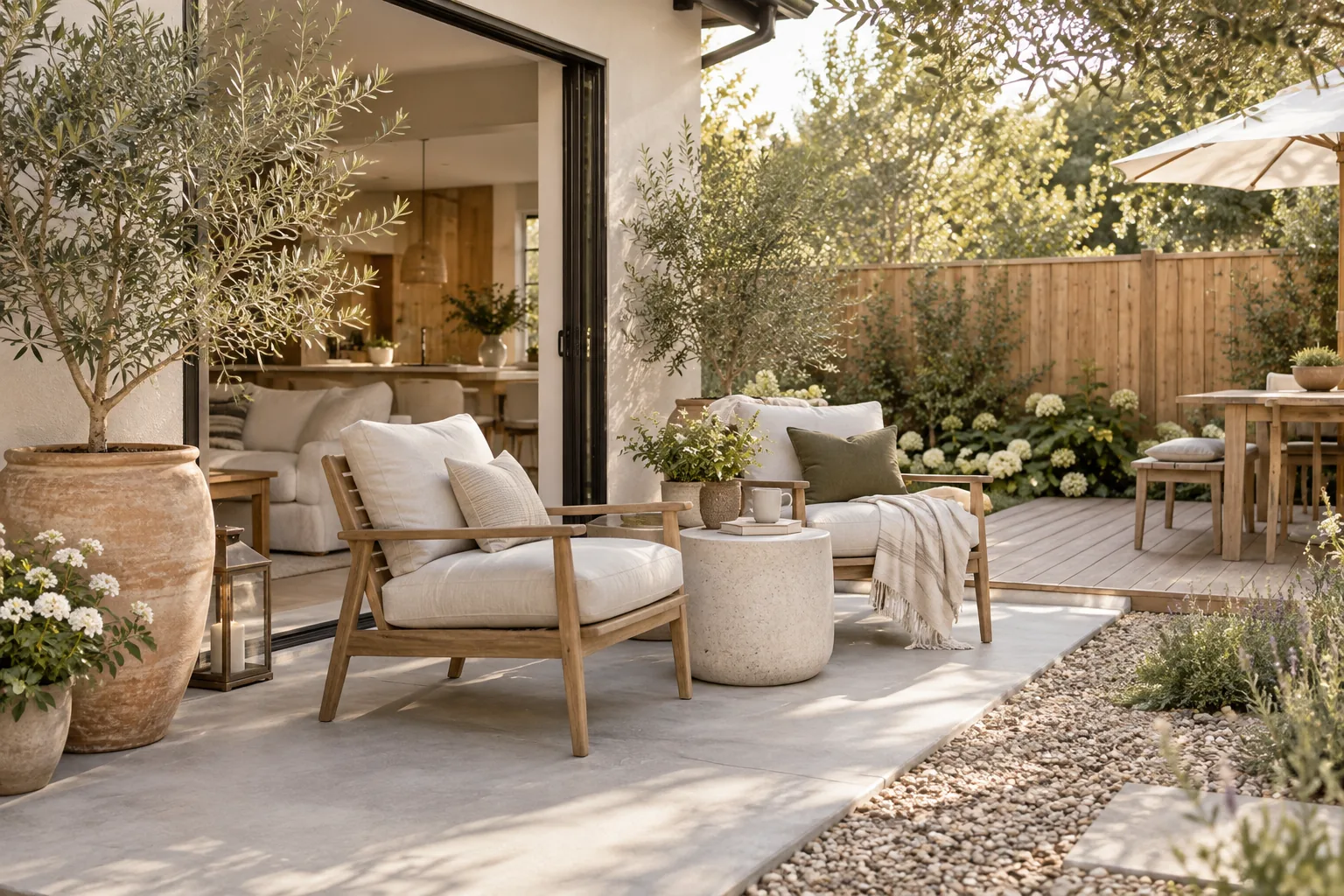
Expanding your outdoor footprint doesn't have to mean pouring a massive new concrete slab. You can easily stretch your usable space with simple materials and a little weekend sweat equity.
1. Blend Flagstone Into the Grass
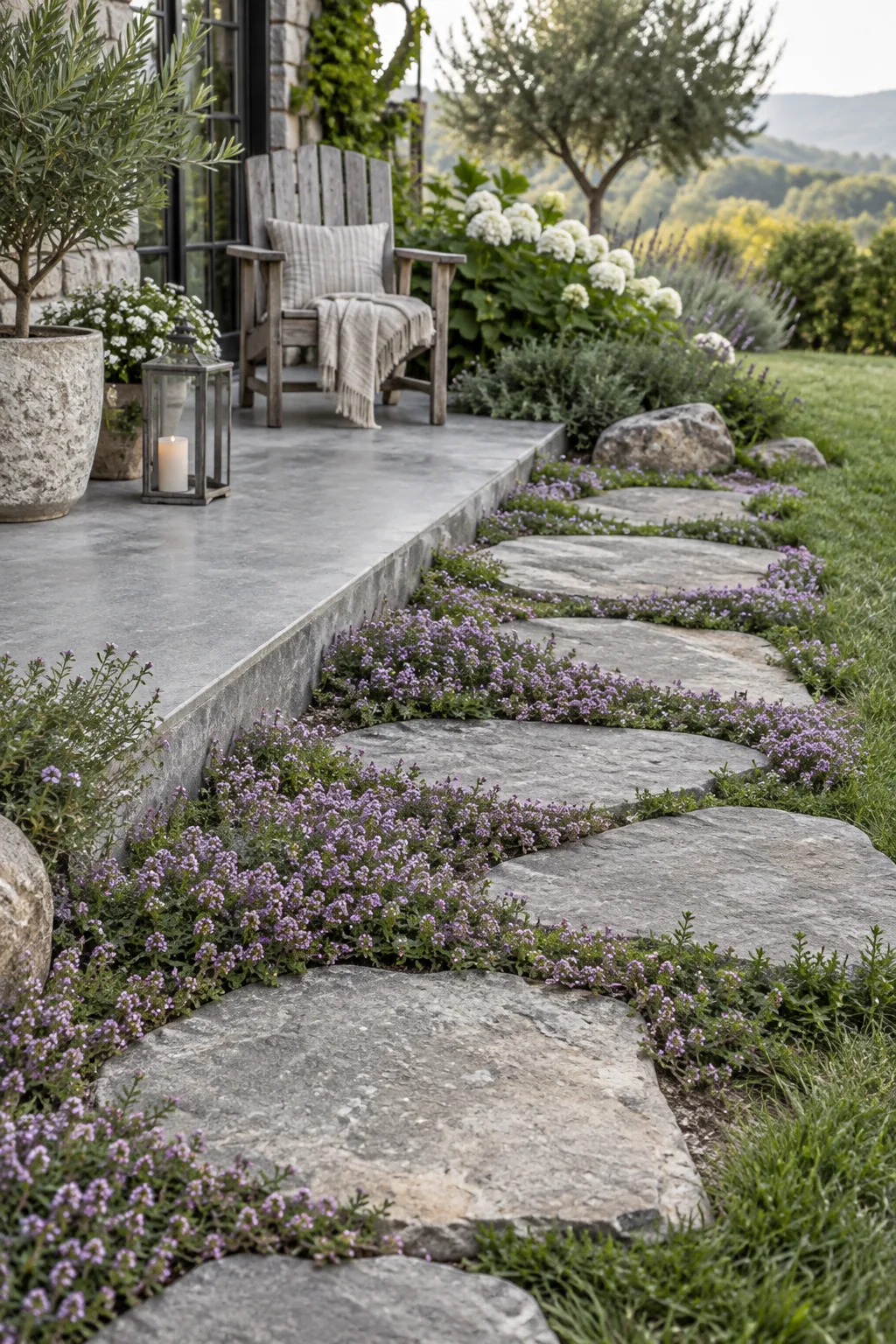
A seamless transition from concrete to natural stone gives your yard an organic, high-end feel. Flagstone pavers laid directly into the grass blur the hard edge of your existing patio.
You just dig out the sod to match the stone's depth. It takes some leveling with sand, but the result is completely custom.
Plant creeping thyme between the stones. It smells amazing when stepped on and keeps the weeds down.
2. Build a Flush Wood Deck
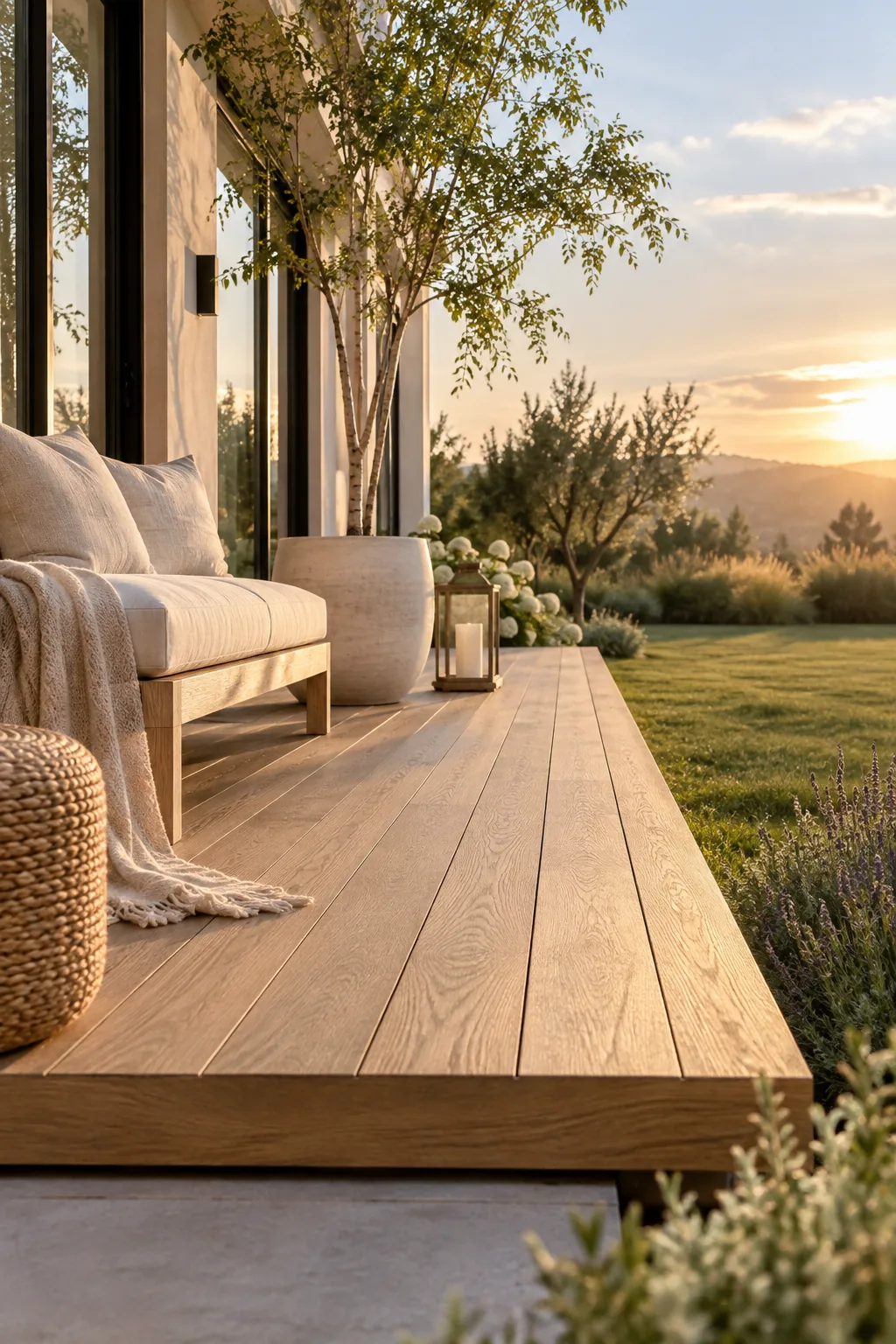
Matching the height of your current slab makes a floating wood deck the perfect seamless extension. You build the frame on concrete deck blocks right over the lawn, running the deck boards parallel to your house to draw the eye outward.
Why it works: Why it works: Keeping the new surface flush prevents tripping hazards and makes the two zones feel like one large room.
3. Frame It With Pea Gravel
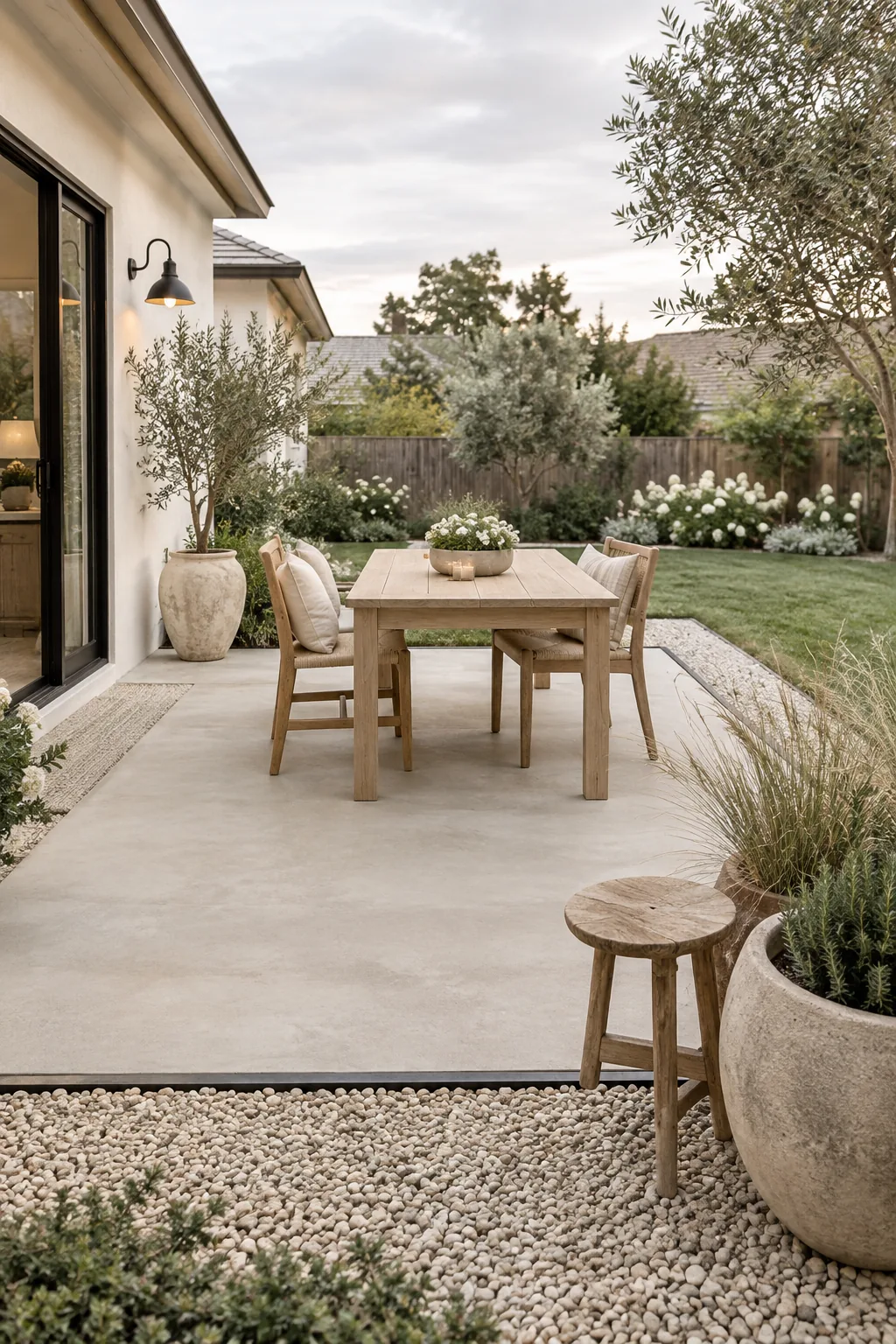
Frame your existing patio with a deep border of pea gravel to instantly add three feet of usable space on all sides. You need to dig a shallow trench, lay down heavy-duty landscape fabric, and add an edging material to keep the stones contained. This new gravel zone is perfect for items that don't need a perfectly flat surface.
- Fire pits
- Grill stations
- Potted plant clusters
4. Step Down Into a Gravel Pit
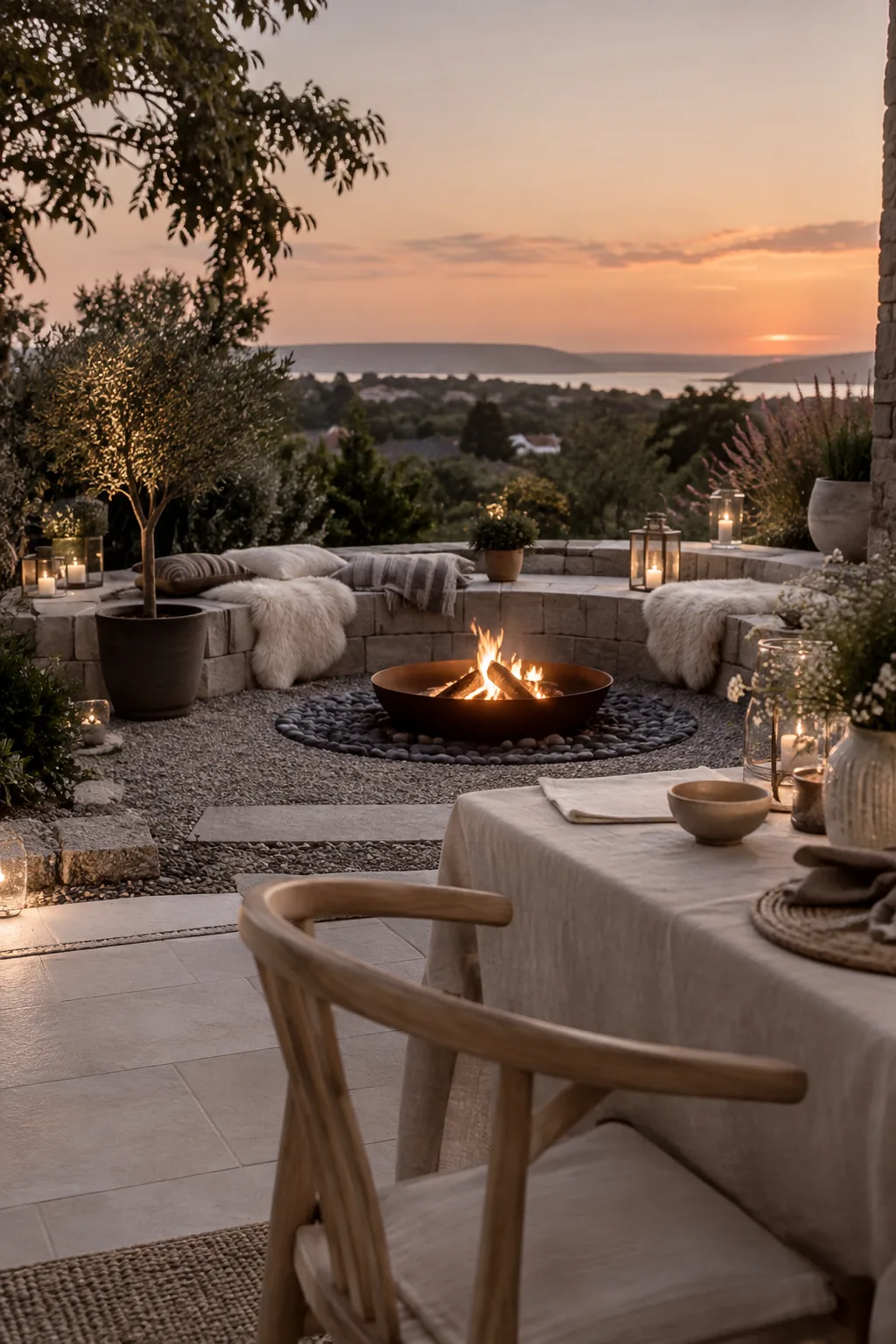
A cozy, sunken fire pit area creates a distinct destination just steps off your main patio. Stepping down into a lower gravel pit naturally separates the lounging zone from the dining space.
You can use thick retaining wall blocks as a low border. They double as extra seating when you have a big crowd over.
Fill the center with deep gray river rock. It drains beautifully and handles stray sparks without a problem.
5. Anchor the Space With a Pergola
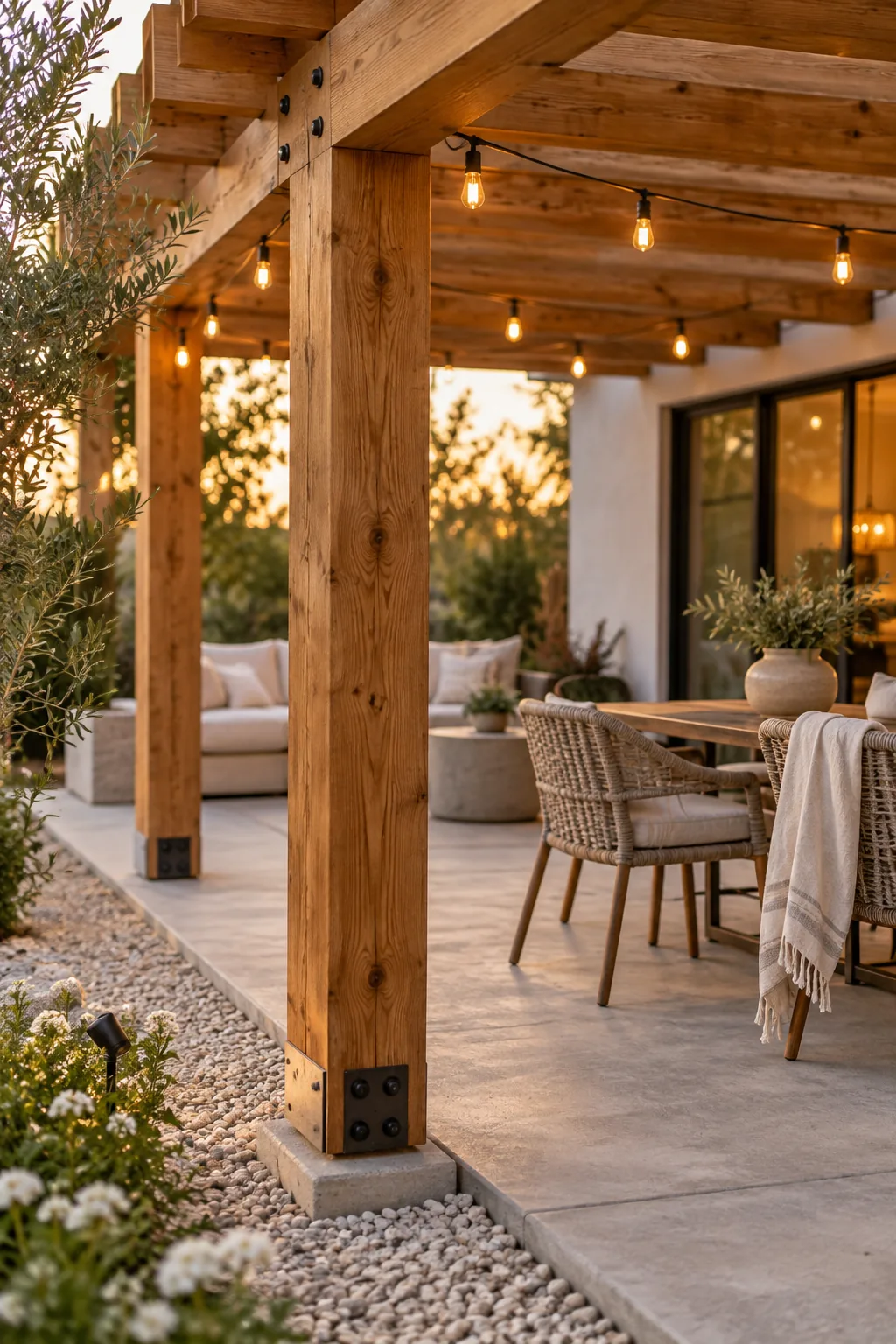
A standard 10-foot wooden pergola instantly defines your new expanded footprint.
You can sink the support posts just outside your new gravel border to maximize the usable square footage underneath. Running string lights across the rafters ties the old concrete and the new extension together. It gives the whole setup a finished, intentional look.
6. Lay a Modern Paver Grid
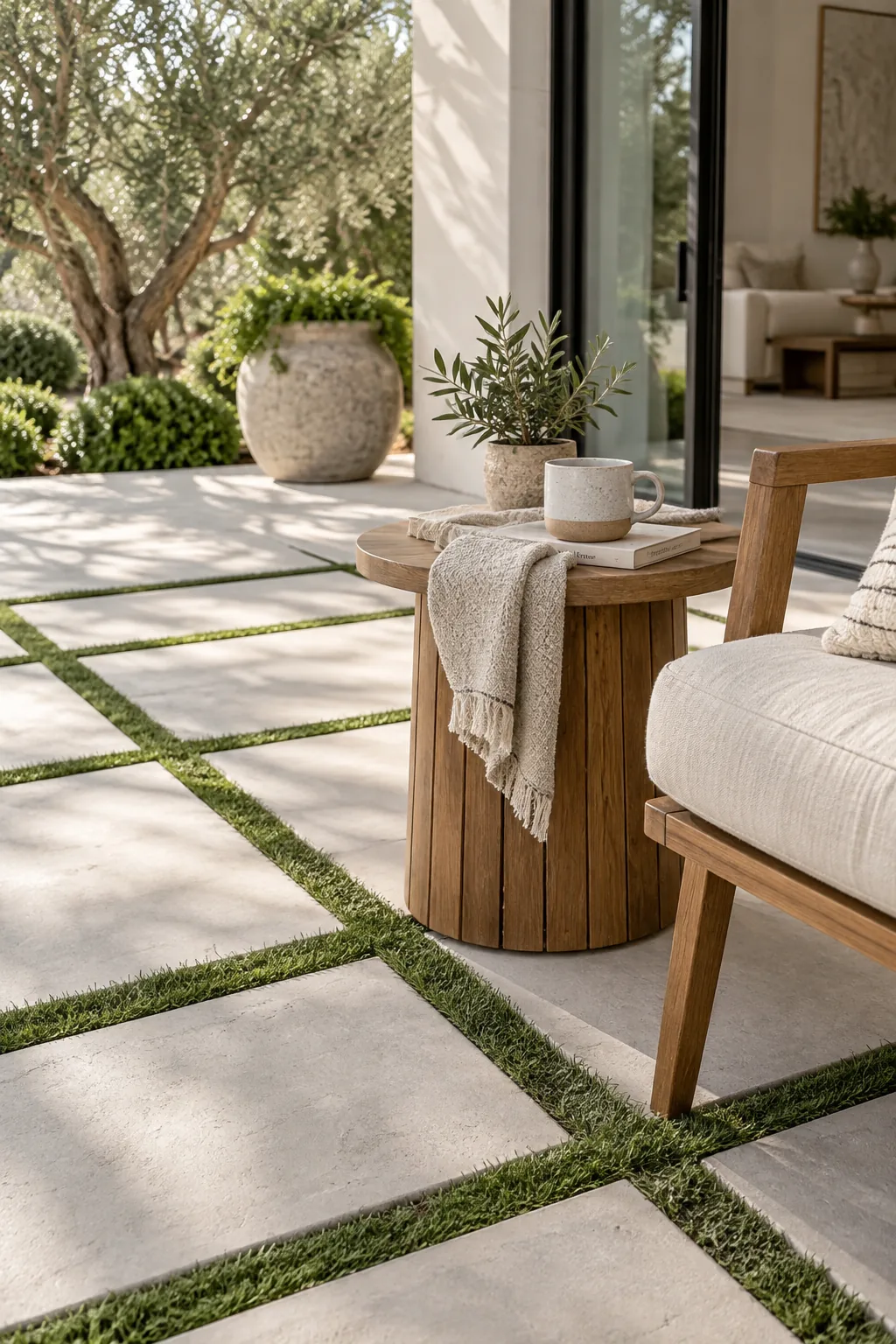
A modern grid of large format pavers separated by turf brings a lush, architectural vibe to a boring backyard. The geometric pattern tricks the eye into thinking the patio is much wider than it actually is.
Space the concrete pads exactly four inches apart. This gap is wide enough for grass to thrive but narrow enough for a chair leg to sit securely.
Use artificial turf strips between the stones if you hate trimming. It stays perfectly green year-round and requires zero maintenance.
7. Stretch Out With Brick
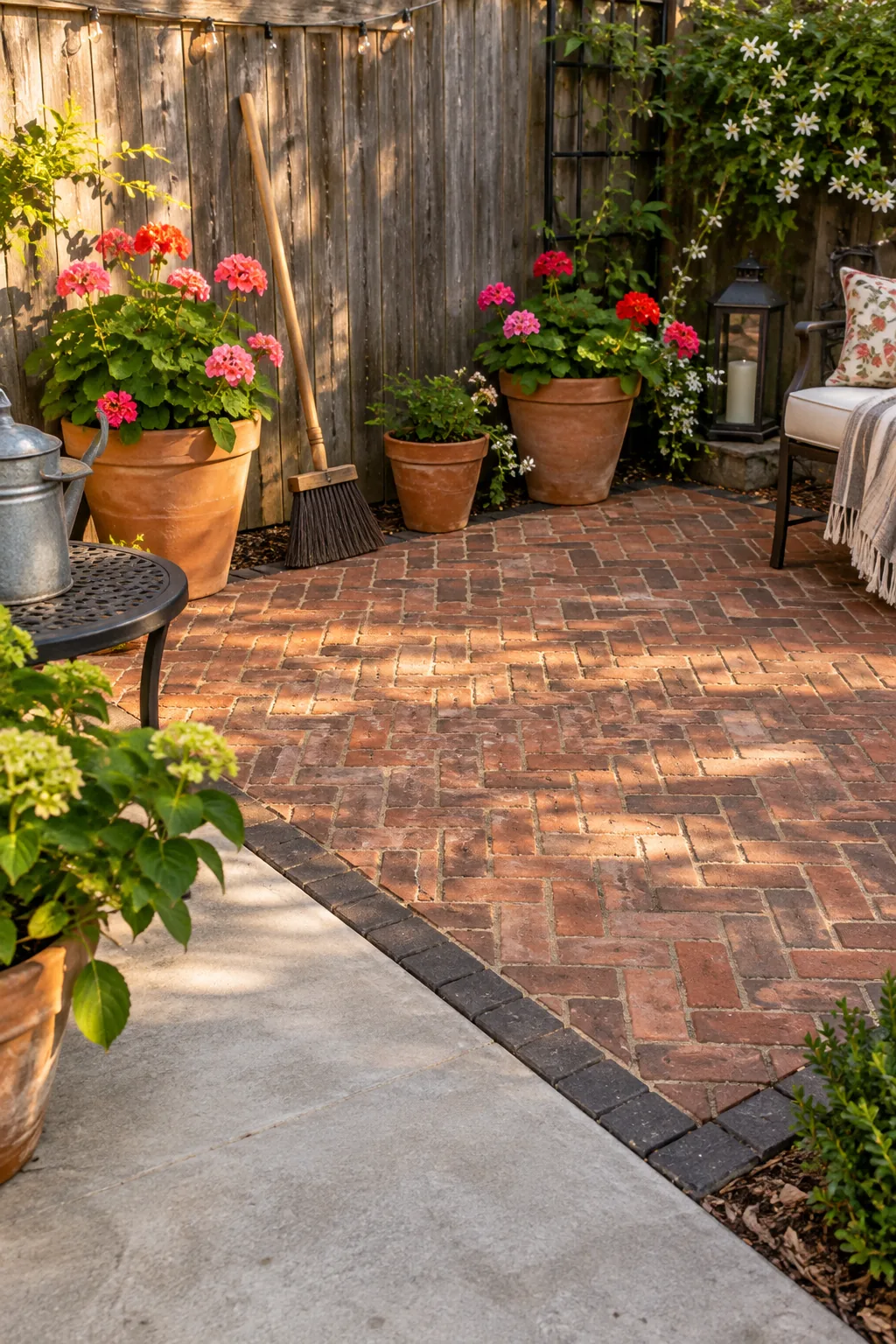
At just two inches thick, standard brick pavers can be laid right over a compacted sand base to stretch your patio out to the fence line. Running the bricks in a classic herringbone pattern adds major visual interest next to a plain concrete slab. You just need to install a rigid plastic paver edging along the outside perimeter to keep the bricks tightly locked together. Sweep polymeric sand into the joints and mist it with a hose to lock everything permanently in place.
8. Create a Woodland Path
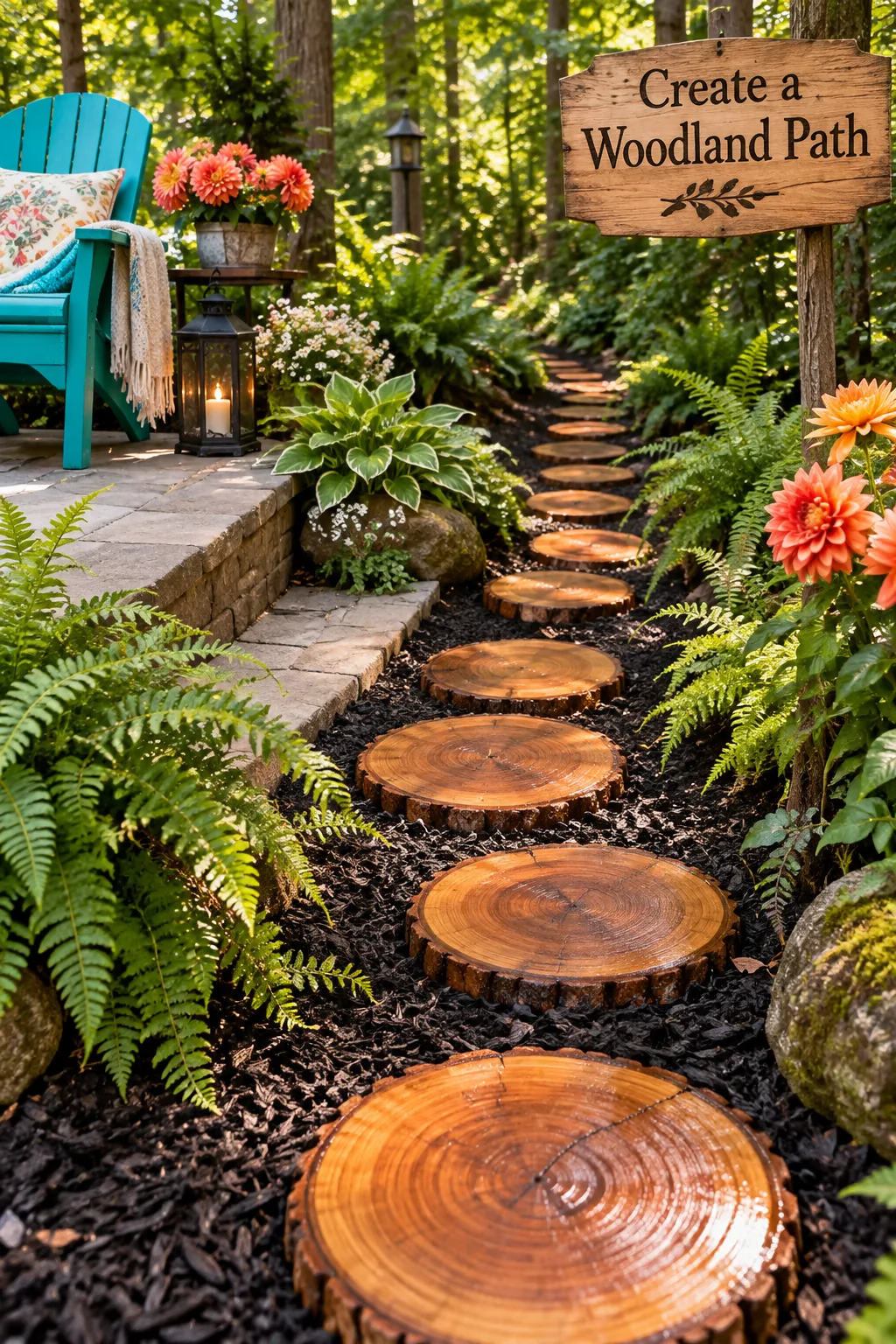
A rustic, woodland aesthetic takes shape when you use thick cedar slices as stepping stones. Extending these wood rounds out from your patio edge invites guests to wander into the garden.
Settle the rounds into a bed of dark mulch. The contrast between the bright wood grain and the dark ground cover pops beautifully.
Treat the wood with a clear waterproofing sealer before burying them. This stops rot and keeps the bark edges intact for years.
9. Match the Material Colors
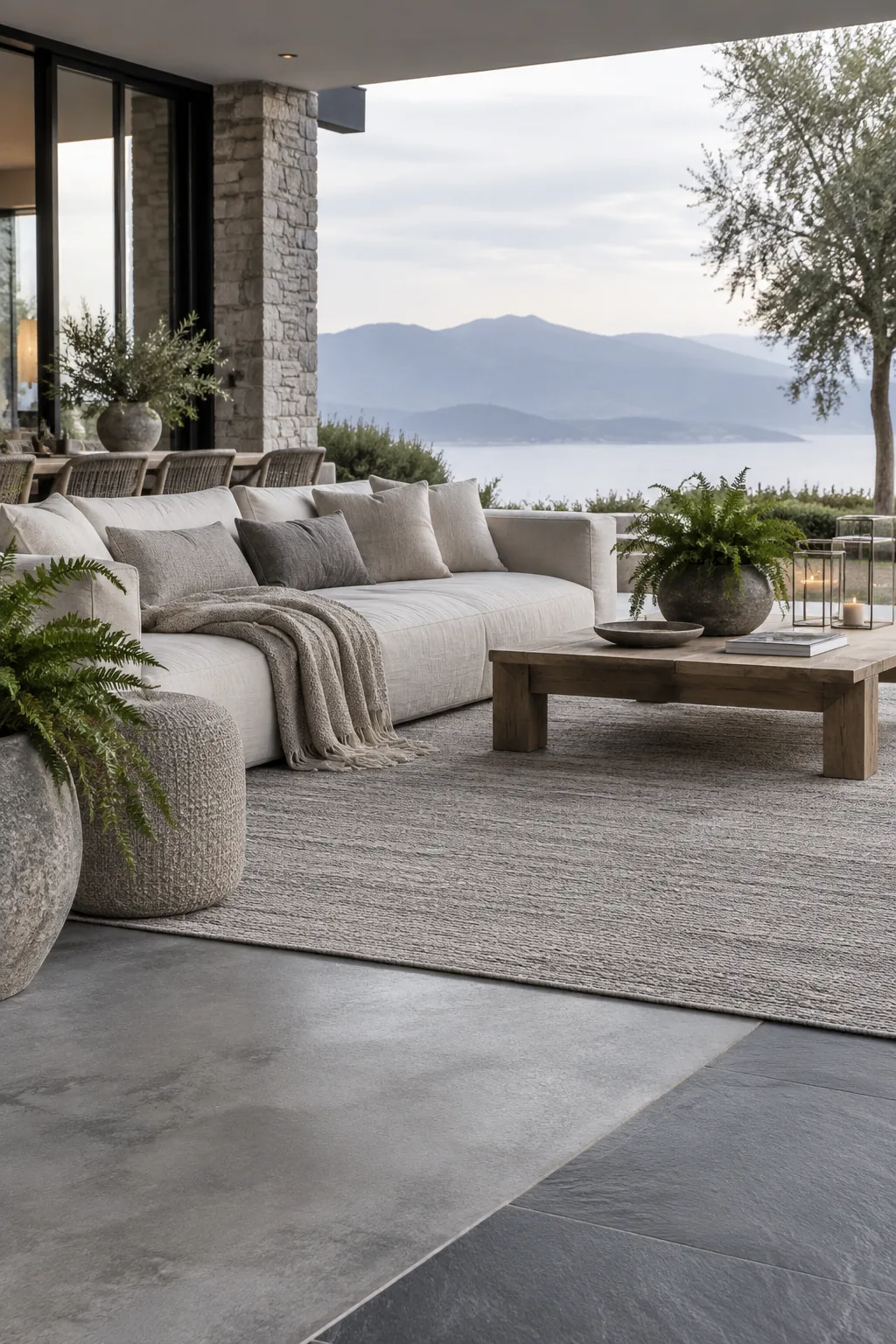
Using the exact same color palette for your extension makes the new outdoor living space look like it was always there. If you have a gray concrete patio, stretching it out with charcoal slate tiles creates a cohesive, monochromatic flow. You can bridge the joint between the two materials with a low-profile metal transition strip. Adding a large outdoor rug right over the seam hides the transition completely.
10. Build a Raised Planter Wall
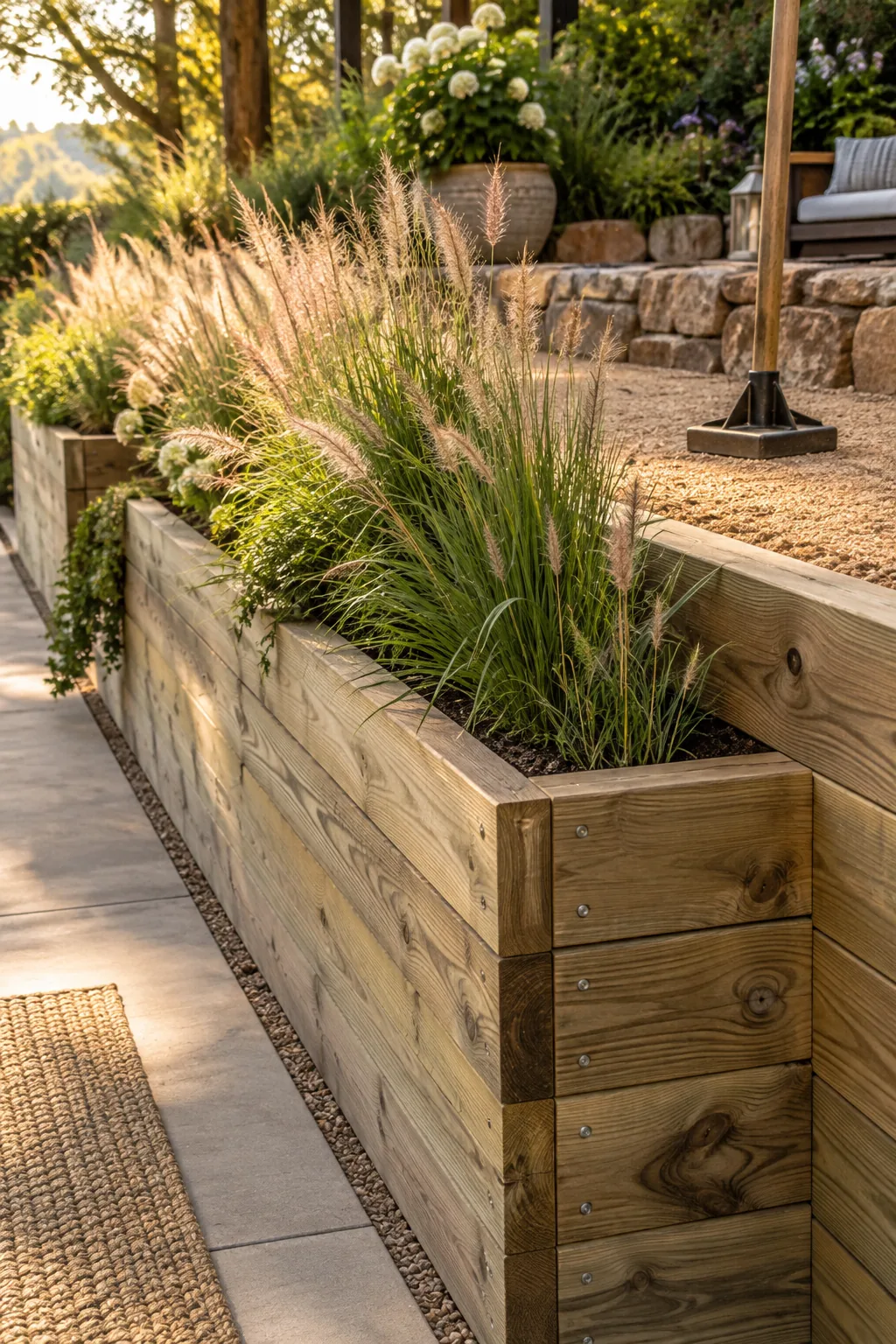
A 12-inch wide planter box built along the edge of your patio can act as a retaining wall for a raised dirt extension. Filling that new raised tier with packed decomposed granite creates a secondary seating level.
You just build the boxes out of pressure-treated lumber and line the insides with heavy plastic. Plant tall ornamental grasses in the boxes to create a living privacy screen.
Pack the granite down with a heavy hand tamper until it feels as hard as concrete.
Why it works: Why it works: The built-in planter acts as a physical barrier that neatly separates the dining patio from the new lounge tier.
11. Draw the Eye With a Boardwalk
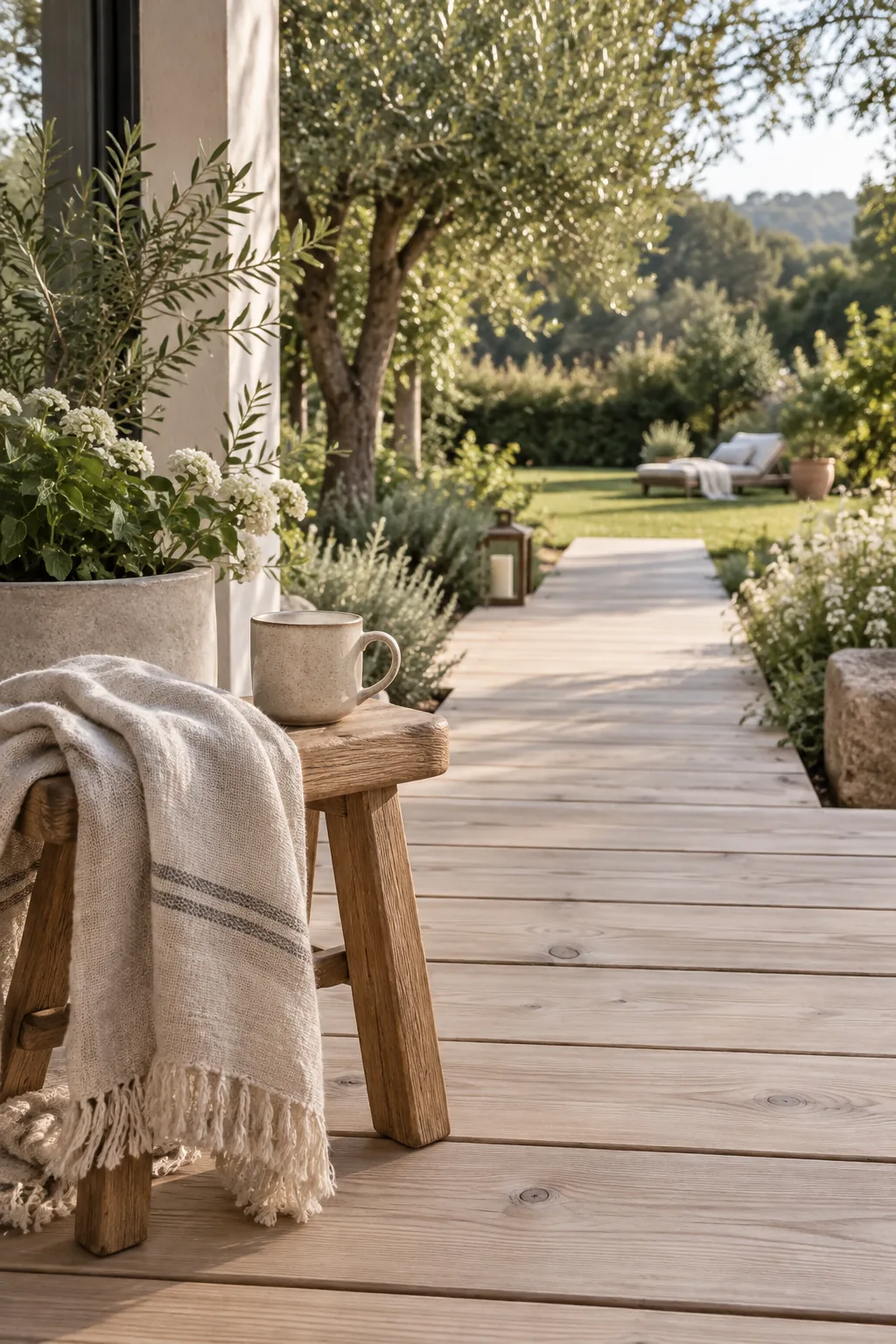
Build a low wooden boardwalk leading away from your patio to draw the eye deep into your backyard. Laying the deck boards horizontally across the path makes the walkway feel incredibly wide and inviting.
12. Connect Two Separate Pads
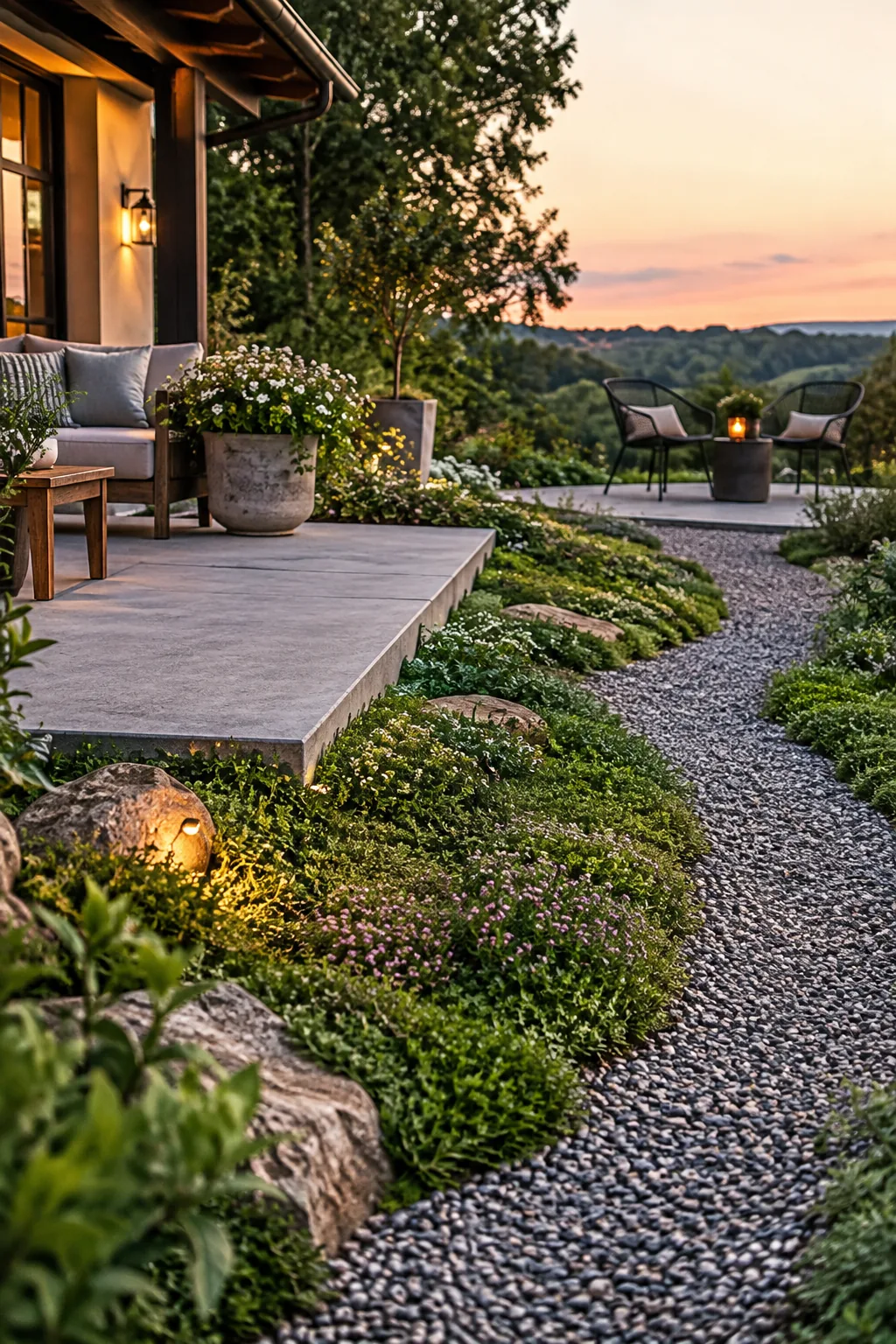
Contrasting textures make a mixed-material extension incredibly forgiving if your yard isn't perfectly level. Pouring a small, secondary concrete pad a few feet away and connecting it to the main patio with a crushed stone path handles slight elevation changes naturally. You can fill the negative space around the path with hardy ground cover plants. This breaks up the hardscaping and brings a lush, green energy right up to your seating areas.
13. Paint a Faux Rug Over the Seam
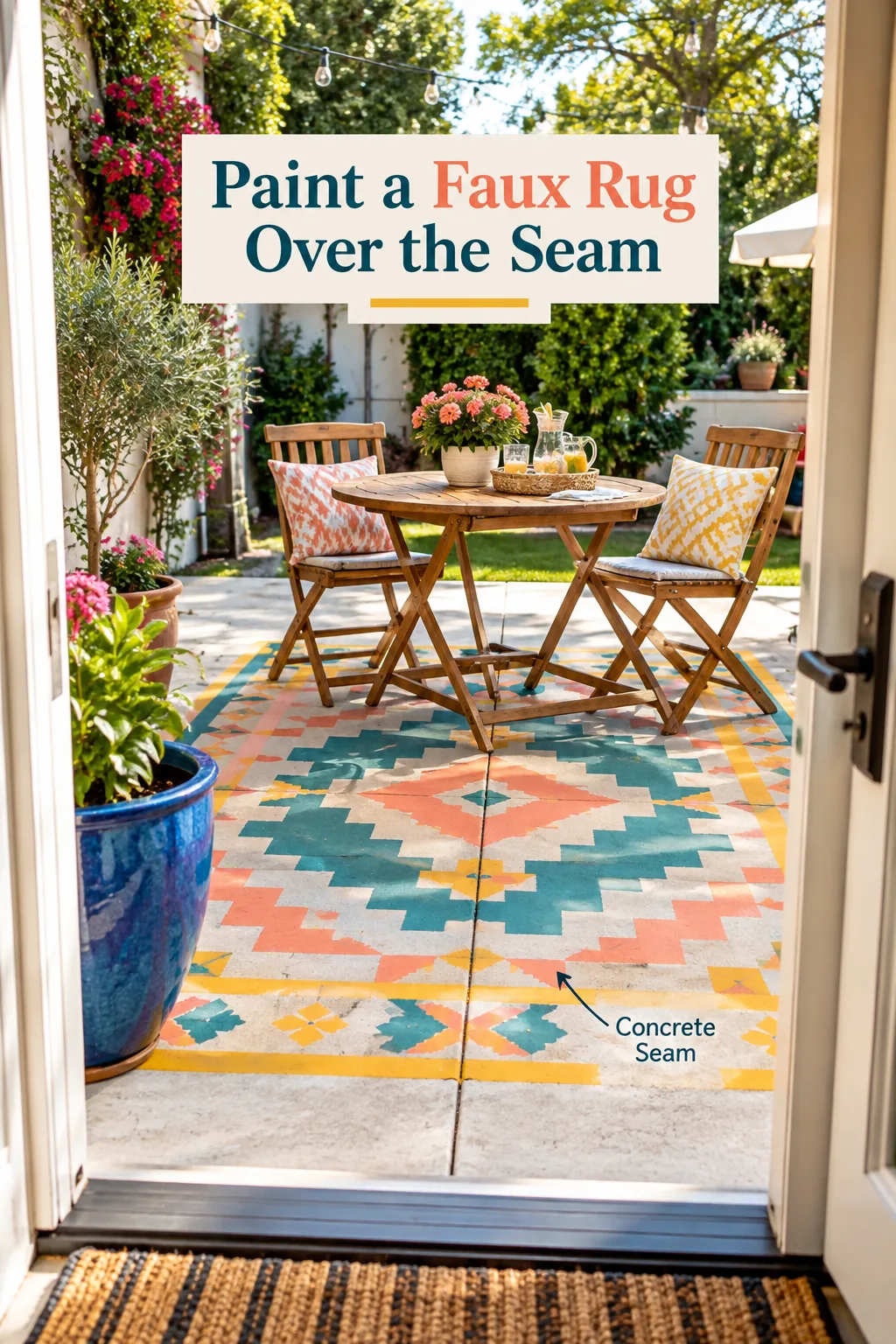
Paint a faux rug design across the seam where your old patio meets a new poured concrete extension. You just need to use a durable masonry porch paint and a large geometric stencil to cover the joint line. Sealing the entire surface afterward ensures the design won't peel or fade in the summer sun. This completely hides the fact that the two slabs were poured years apart.
14. Push Past the Roofline
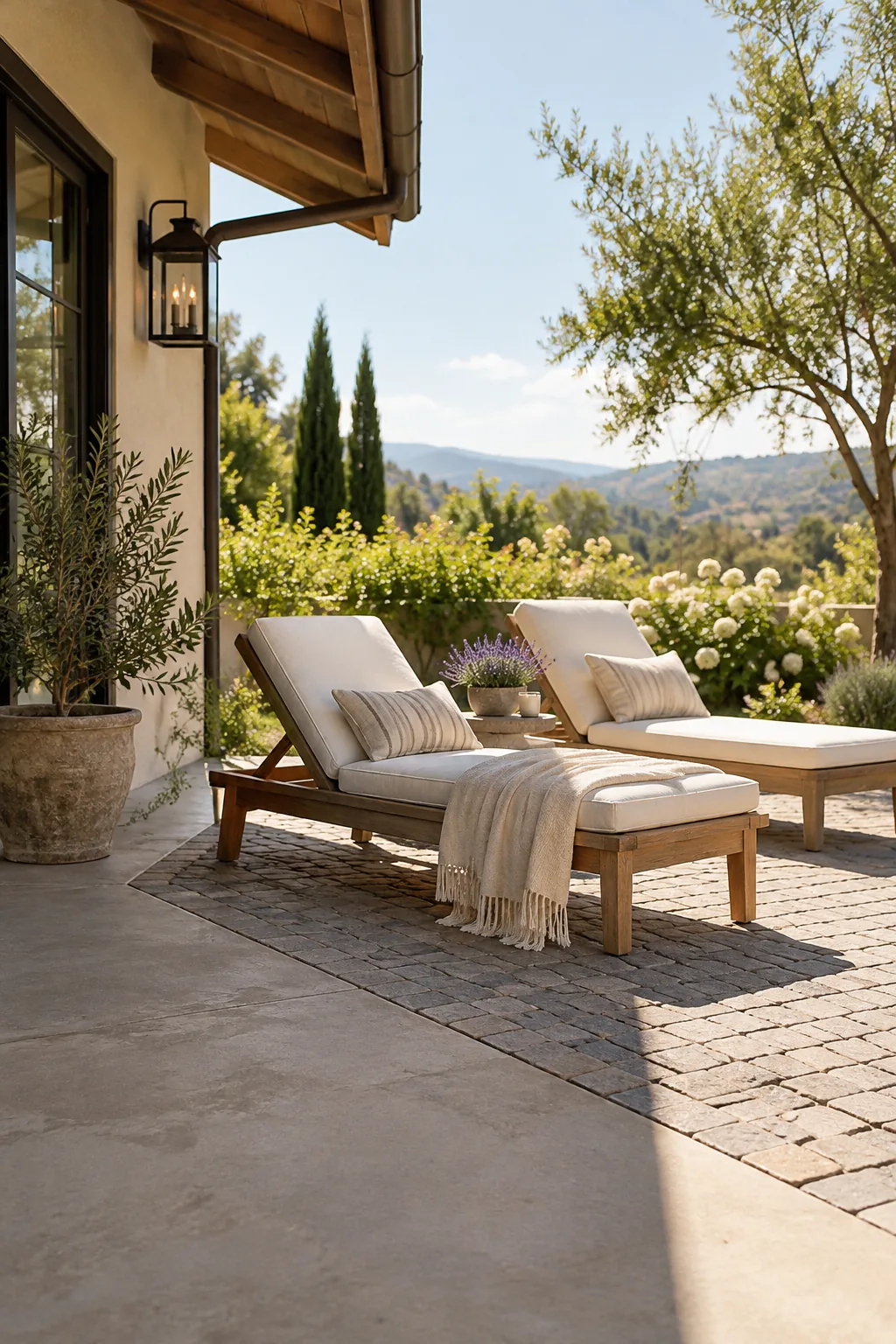
Most builder-grade slabs stop right where the roofline ends.
Pushing a new cobblestone border two feet past the roof's overhang gets your lounge chairs out into direct sunlight. You can lay the stones on a simple sand base and sweep the joints tight for a fast weekend upgrade.
Why it works: Why it works: Breaking past the roofline shadow instantly makes the patio feel expansive rather than cramped.
15. Create a Coastal Vibe With Gravel
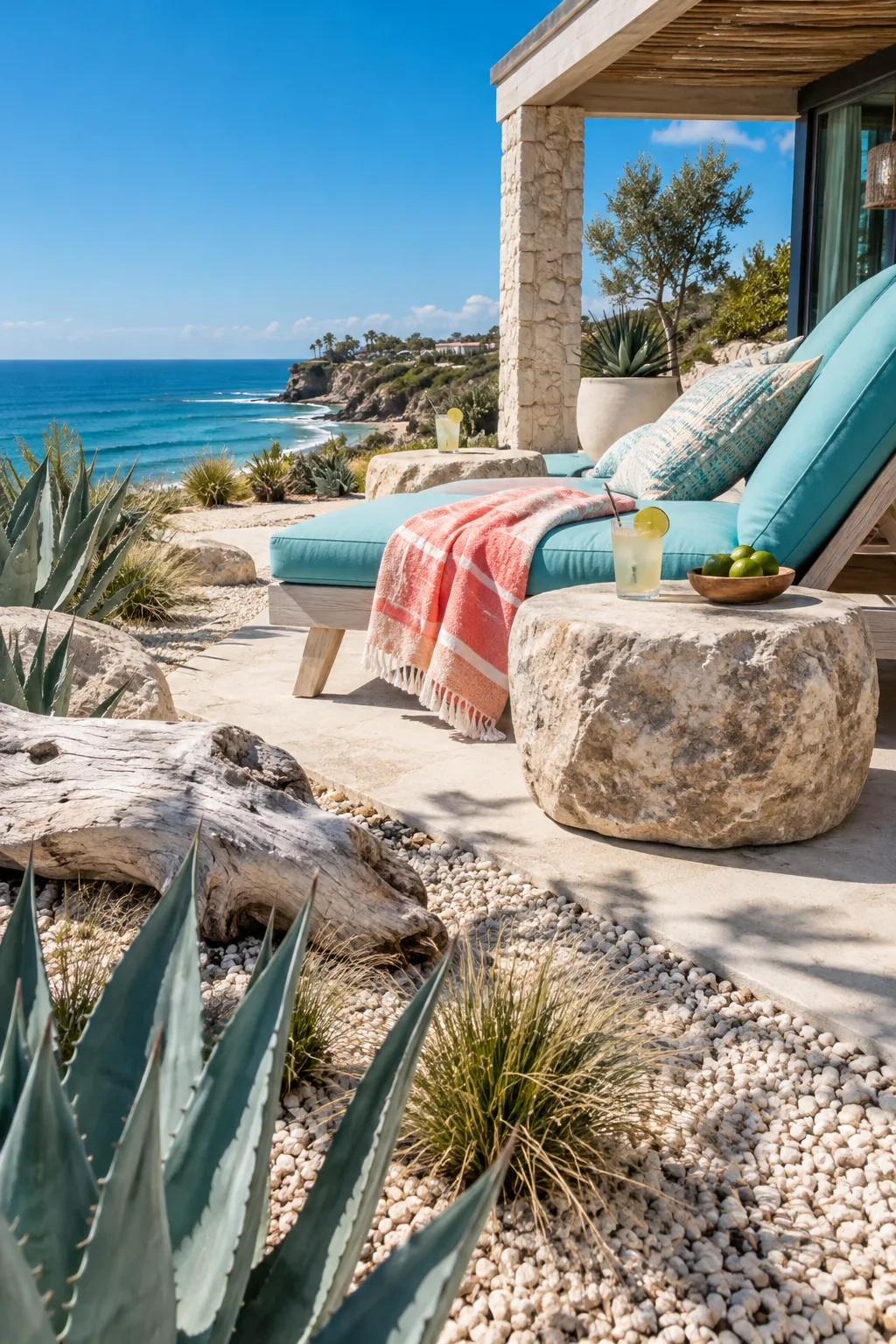
A casual, beachy vibe emerges when you extend your patio using tumbled limestone gravel and large driftwood accents. You can replace the grass bordering your slab with a thick layer of these pale stones to brighten up a shady yard. Adding a few oversized, flat boulders into the gravel mix provides natural side tables for drinks. Plant spiky agave or ornamental fescue around the rocks to complete the coastal landscaping.
Why it works: Why it works: The light color of the limestone reflects the sun, making the entire outdoor space feel brighter and much larger.
16. Lay Reclaimed Street Bricks
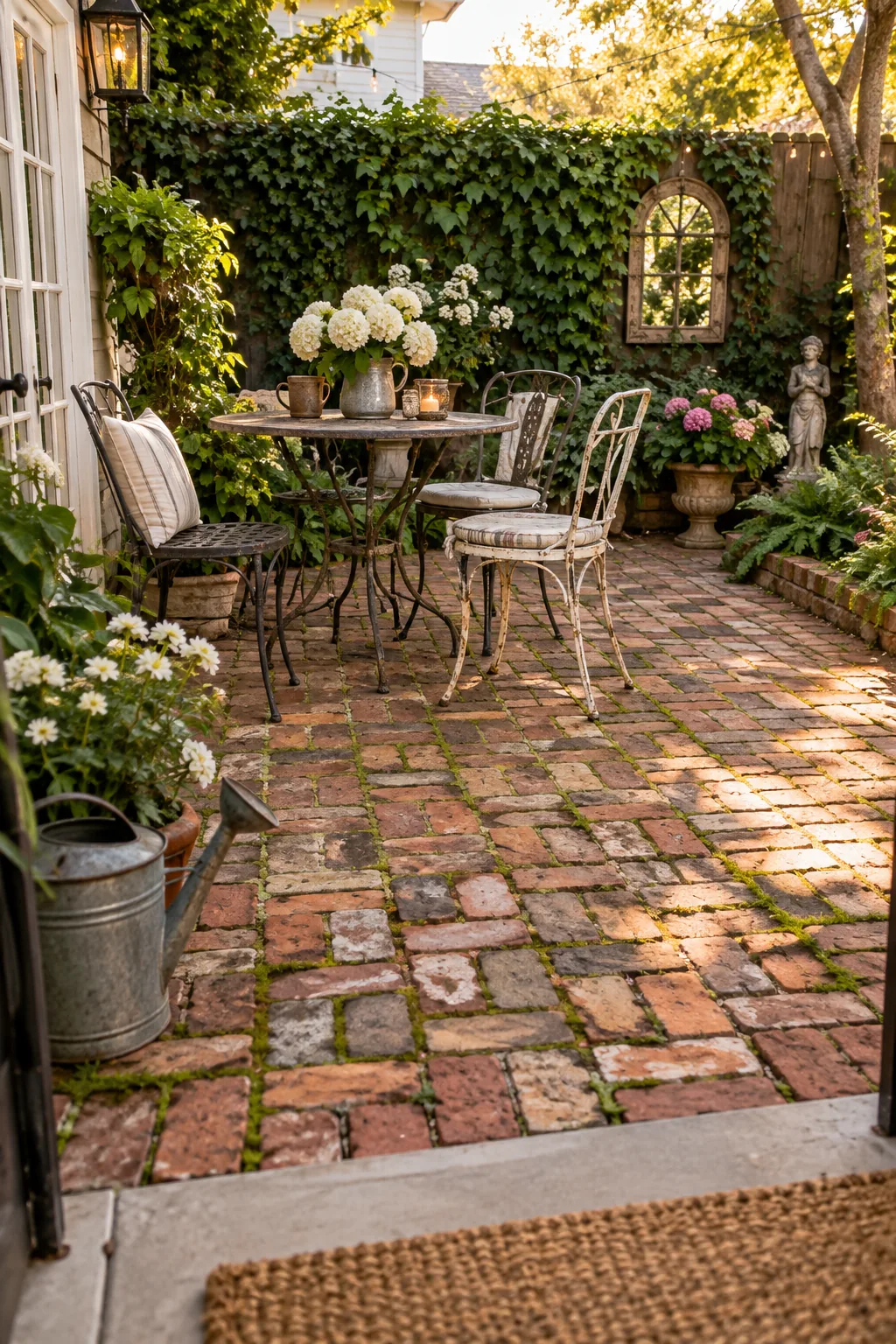
Repurposing salvaged materials makes a brick patio extension both budget-friendly and full of character. You can hunt down reclaimed street bricks and lay them in a casual basketweave pattern directly off the edge of your concrete. Letting moss grow in the uneven joints gives the addition an instant, aged patina.
Why it works: Why it works: The weathered look of reclaimed brick contrasts beautifully with a stark concrete slab, adding instant warmth and texture.