
17+ Cozy Cottage Kitchen Ideas for Your Home
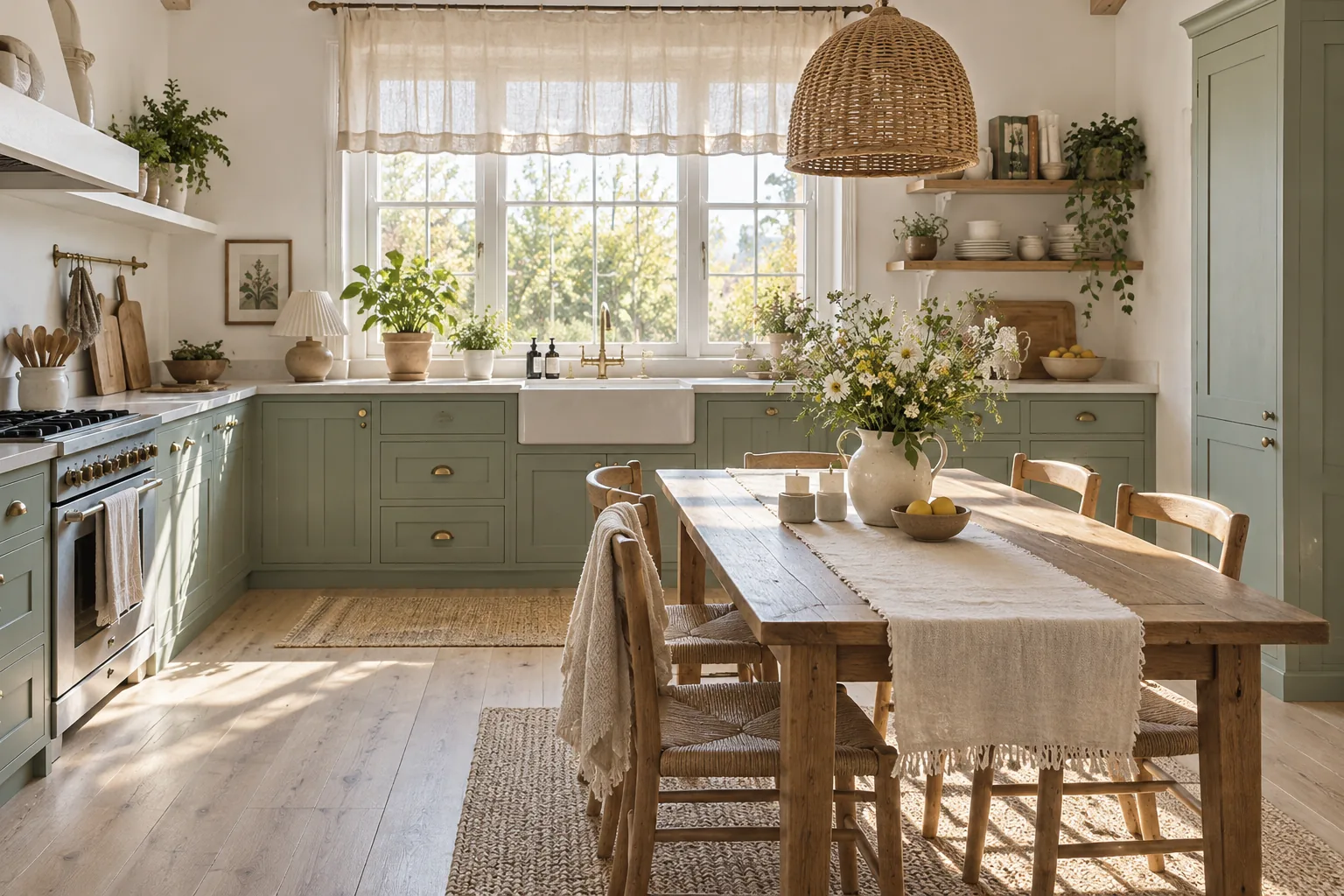
Getting that perfect cottage kitchen look is all about mixing hardworking materials with lived-in character. I am sharing my favorite ways to layer textures and vintage details so your space feels collected over time.
1. Apron Front Sinks
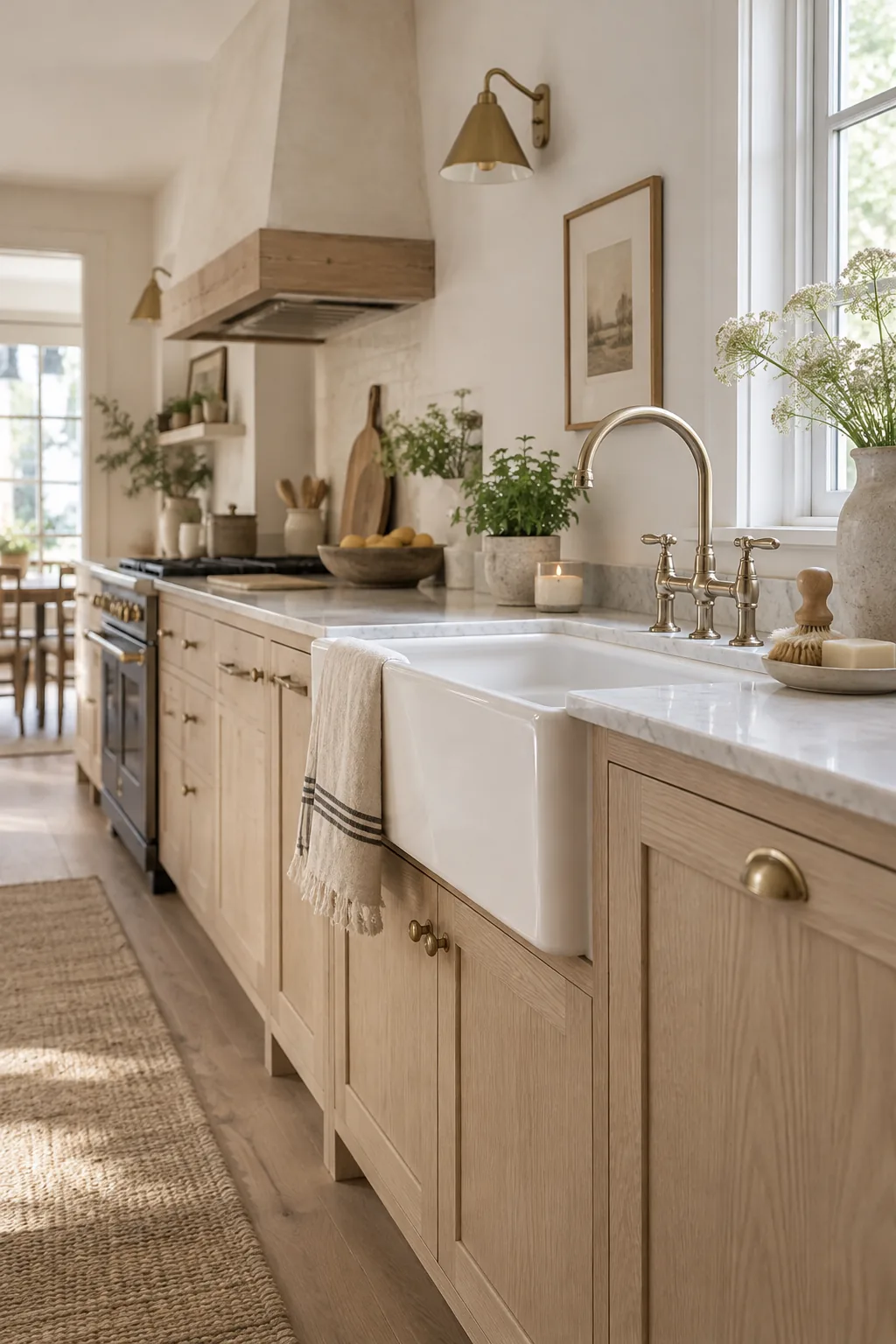
Grounding the room with a massive visual anchor is exactly what makes a fireclay farmhouse sink work so well. It instantly breaks up a long run of standard base cabinets while handling your biggest roasting pans with ease. I always pair these deep basins with a bridge faucet to double down on that traditional English countryside aesthetic. You can soften the hard porcelain edges by adding a few simple accessories right on the counter. Try incorporating:
- A textured linen towel draped over the edge
- A vintage ceramic soap dispenser
- A small potted herb plant near the faucet
Why it works: Grounding the room with a massive visual anchor
2. Beadboard Backsplashes
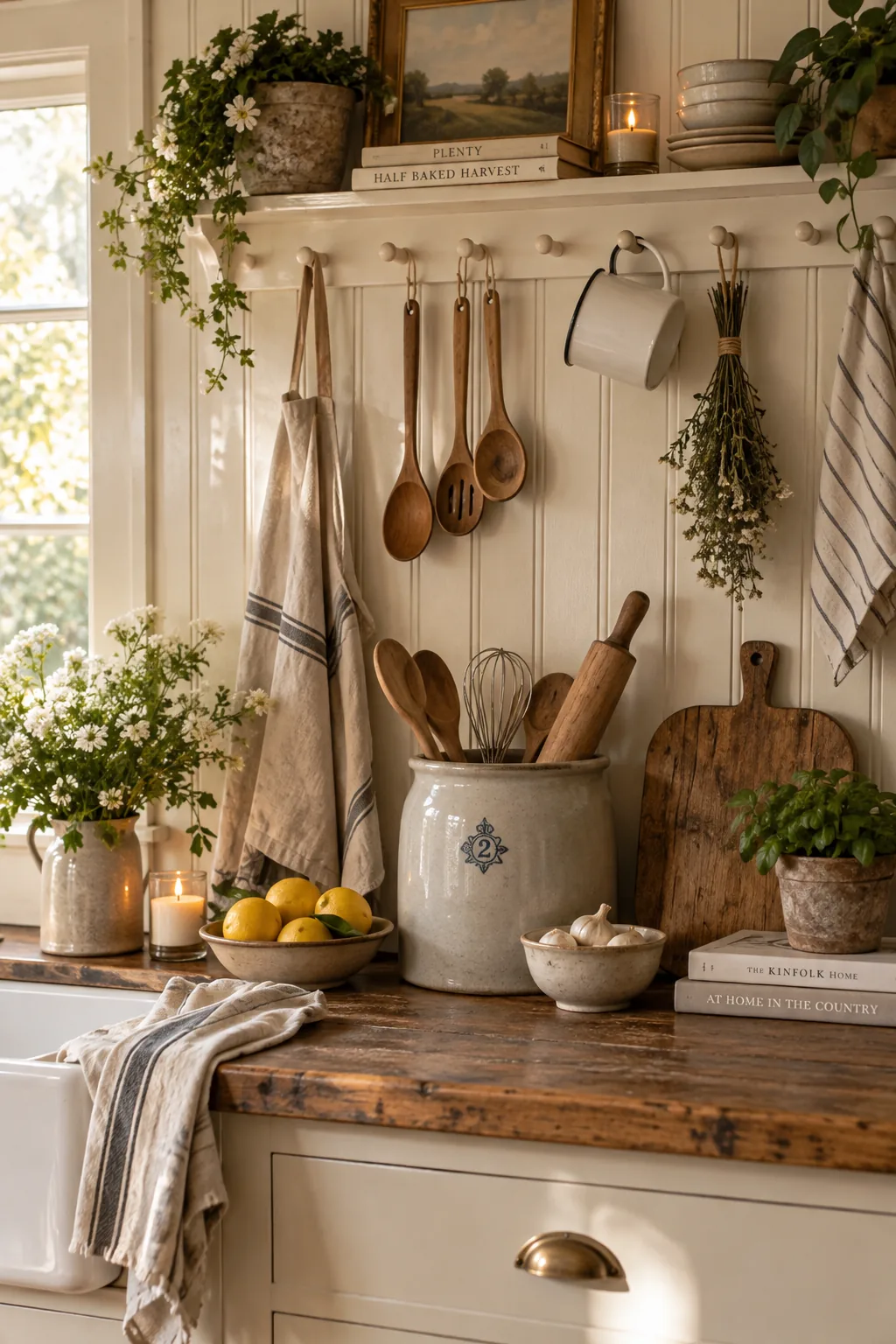
This creates an instantly cozy, historic look without the heavy cost of tile.
Running painted beadboard vertically draws the eye up and makes standard eight-foot ceilings feel much taller. I love finishing the top edge with a narrow peg rail to maximize vertical storage for everyday tools. Make sure you use a high-gloss or semi-gloss enamel paint so splatters wipe right off.
- Wooden scrubbing brushes
- Copper measuring cups
- Small dried flower bundles
3. Open Wood Shelving
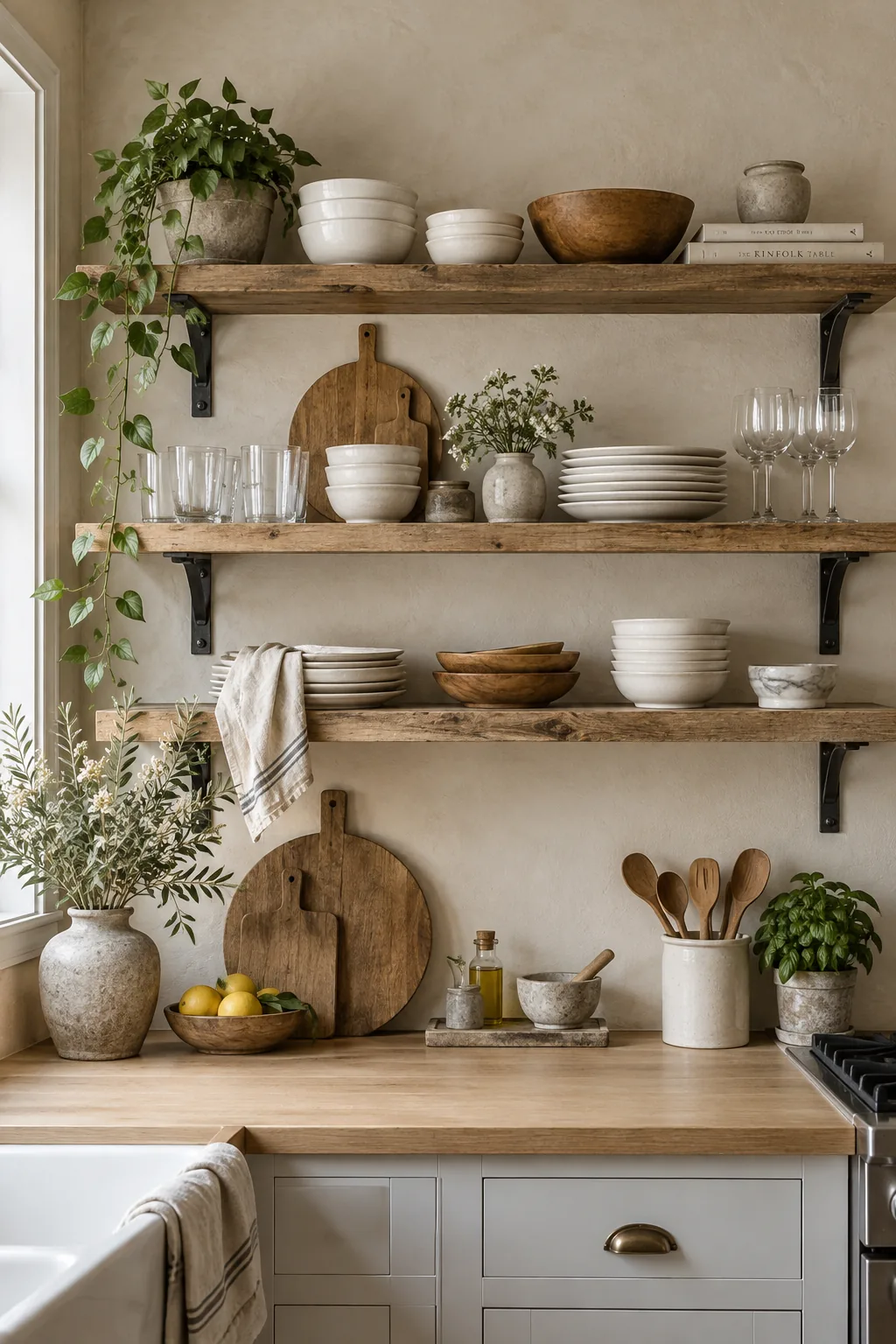
Stacks of everyday white plates look beautiful against bare plaster walls. Swapping your upper cabinets for reclaimed wood shelves forces you to curate your dishware and keep only what you actually use. I always mount the lowest shelf about eighteen inches above the counter to leave plenty of room for tall appliances. Thick, chunky brackets made of wrought iron or aged brass add another layer of architectural interest to the wall. This simple swap completely opens up a cramped layout and lets natural light bounce around the room.
4. Unlacquered Brass Hardware
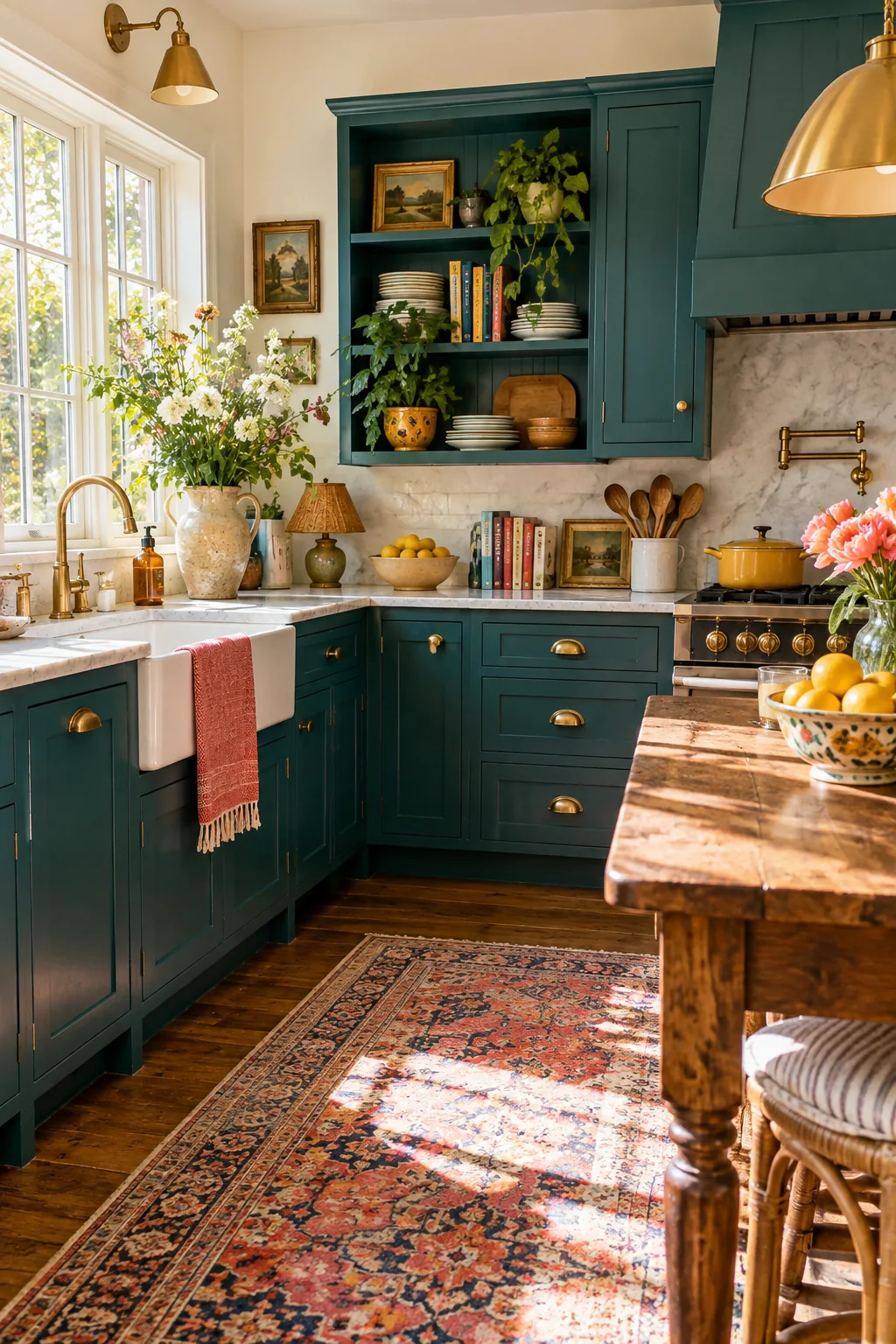
Allowing the metal to age and develop a natural patina is what makes unlacquered brass hardware work so perfectly in these spaces. The living finish gets darker where you do not touch it and stays shiny where you do, giving your brand-new cabinets an instantly historic feel.
Why it works: Allowing the metal to age and develop a natural patina
5. Vintage Runner Rugs
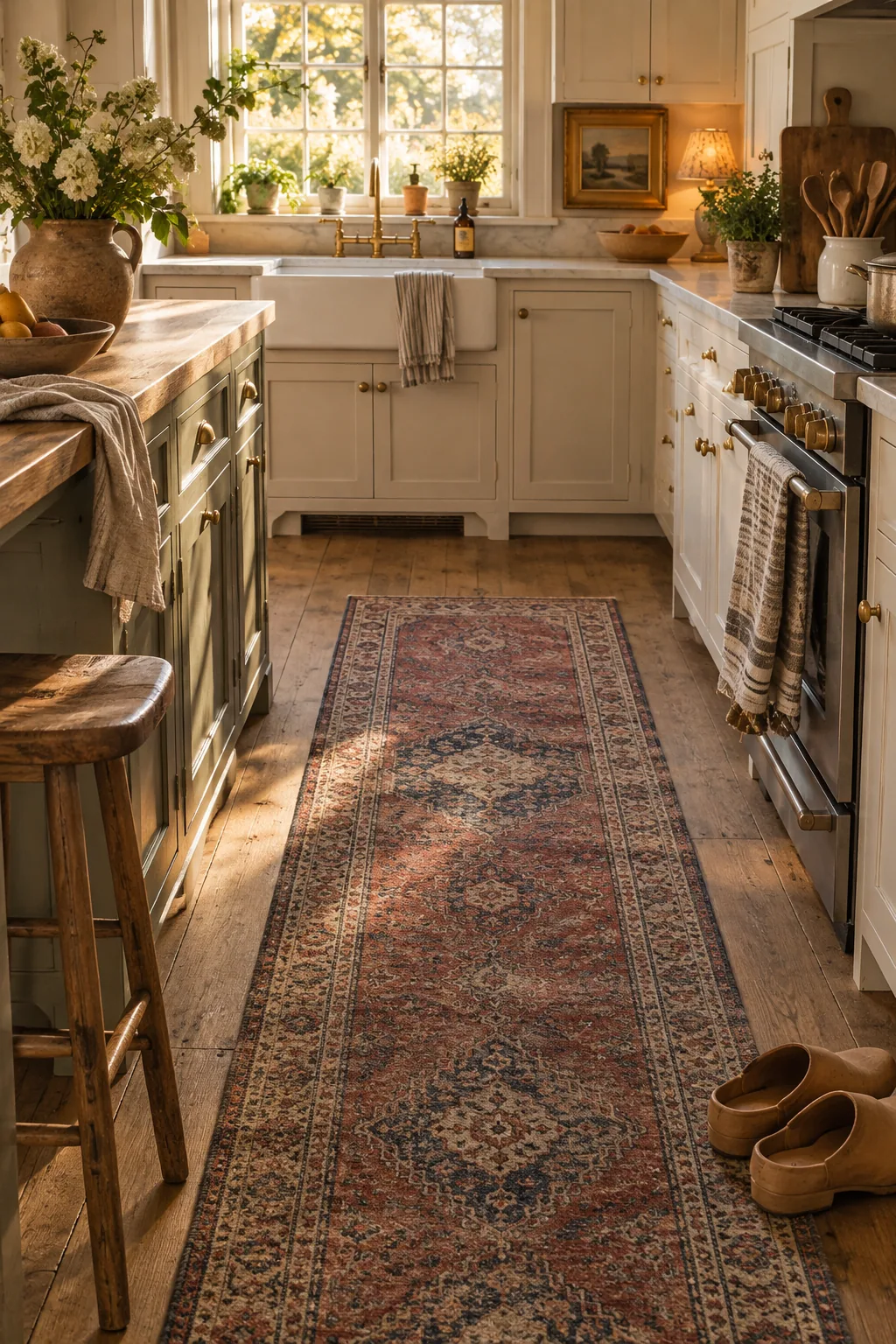
A runner measuring at least six feet long protects the floor in your highest traffic zone.
Laying down a faded Turkish rug between the island and the sink softens the hard lines of your cabinetry. The dense wool pile absorbs sound beautifully while hiding inevitable spills within its intricate pattern. I always recommend using a thick felt pad underneath to keep the rug from shifting while you cook.
6. Skirted Base Cabinets
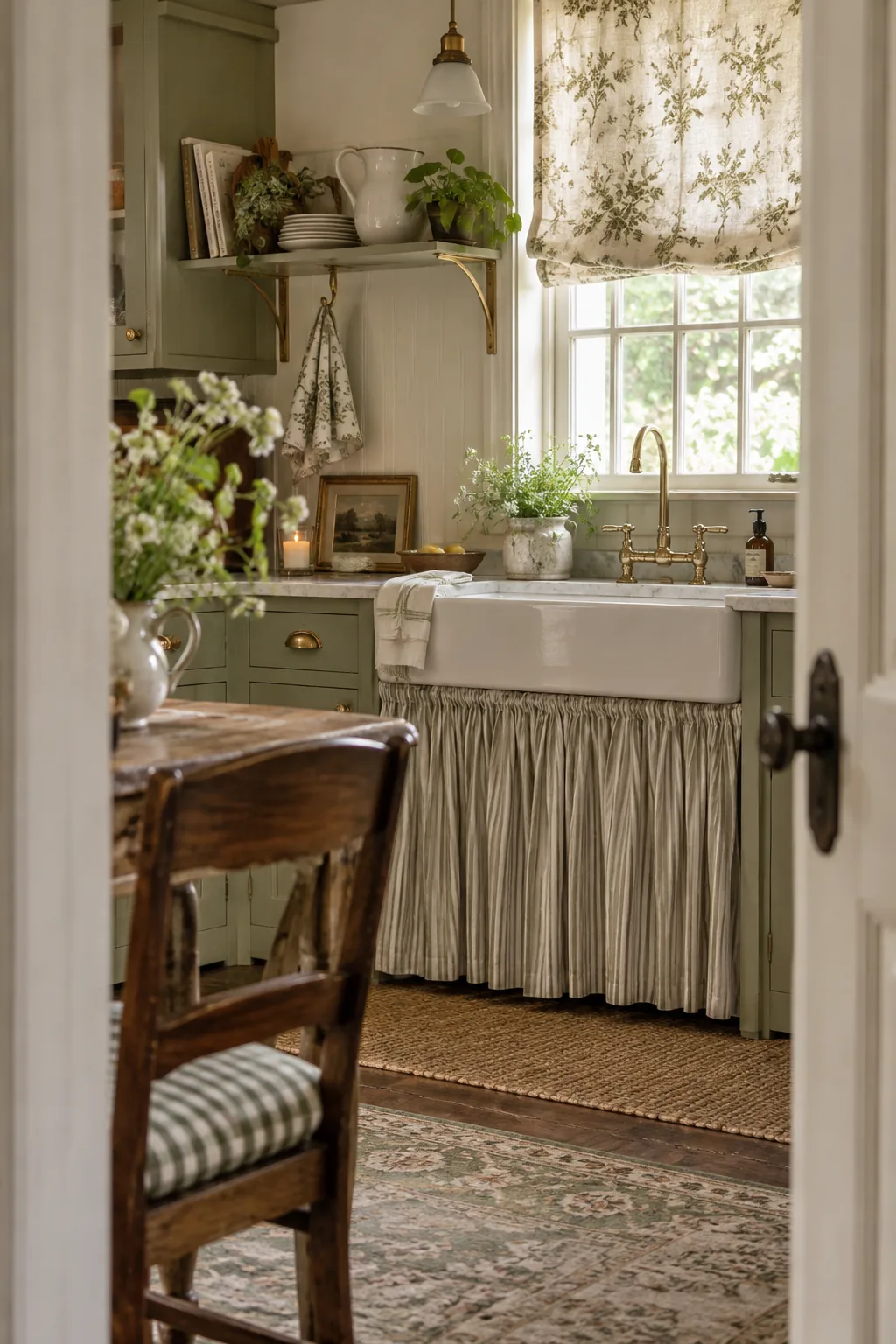
I always remember my grandmother hiding her bulky stock pots behind a simple fabric curtain. Replacing a standard wooden door with a pleated sink skirt introduces a much-needed dose of softness to a room full of rigid boxes. You can hang the fabric using a basic tension rod to make it incredibly easy to remove and wash. I love using a subtle ticking stripe or a block-printed floral linen to tie in with the window treatments. This is also a brilliant trick for concealing an older dishwasher or an awkward corner cabinet.
7. Countertop Lamps
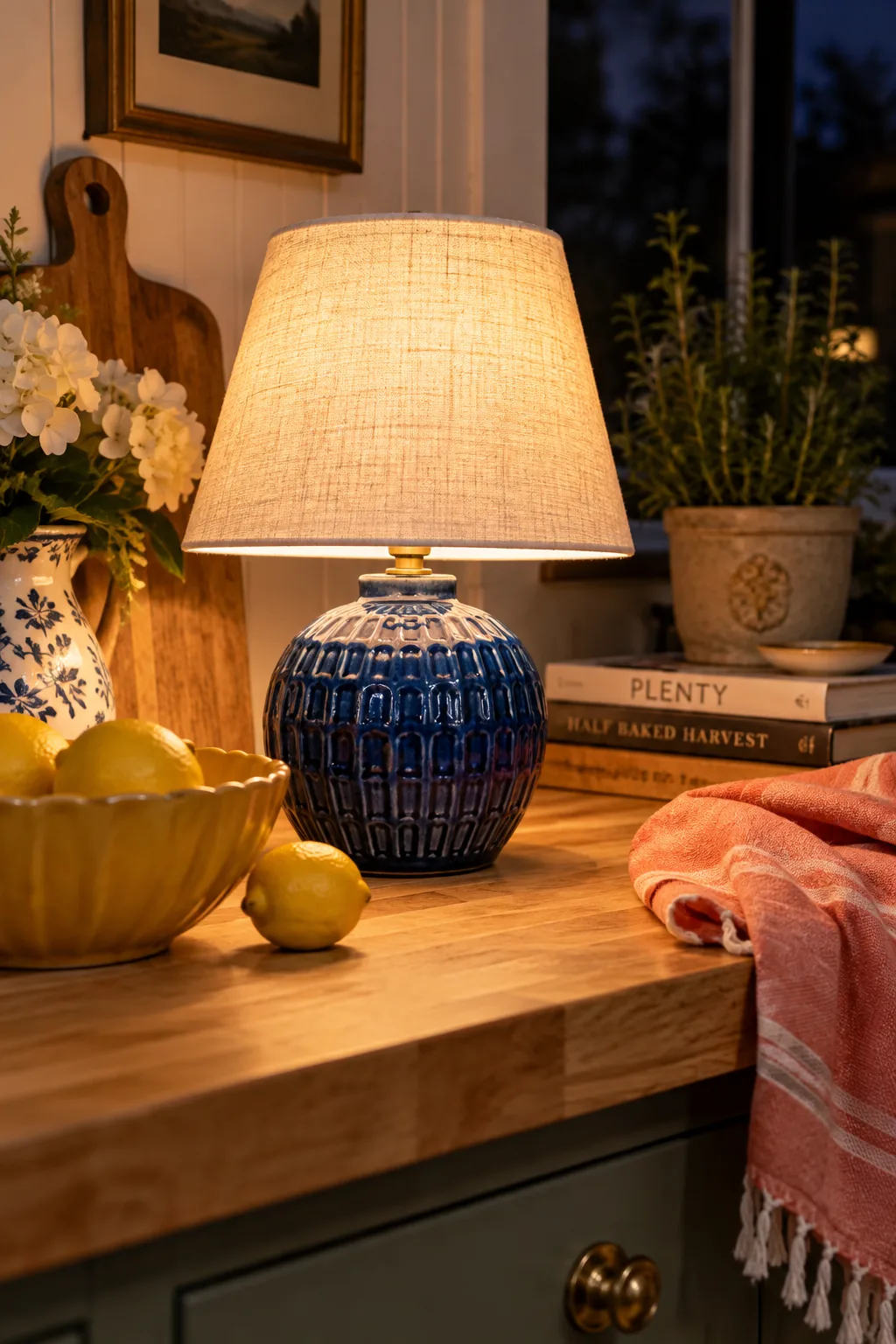
Overhead recessed lights often cast harsh shadows directly onto your prep surfaces.
Tucking a small table lamp into a dark corner completely changes the mood of the room after dinner. The soft, diffused glow makes the kitchen feel like an extension of your living space rather than just a utility zone. Look for bases made of tactile materials to add extra character to the counter.
- A heavily textured ceramic base
- A pleated fabric shade
- A solid brass candlestick base
8. Freestanding Islands
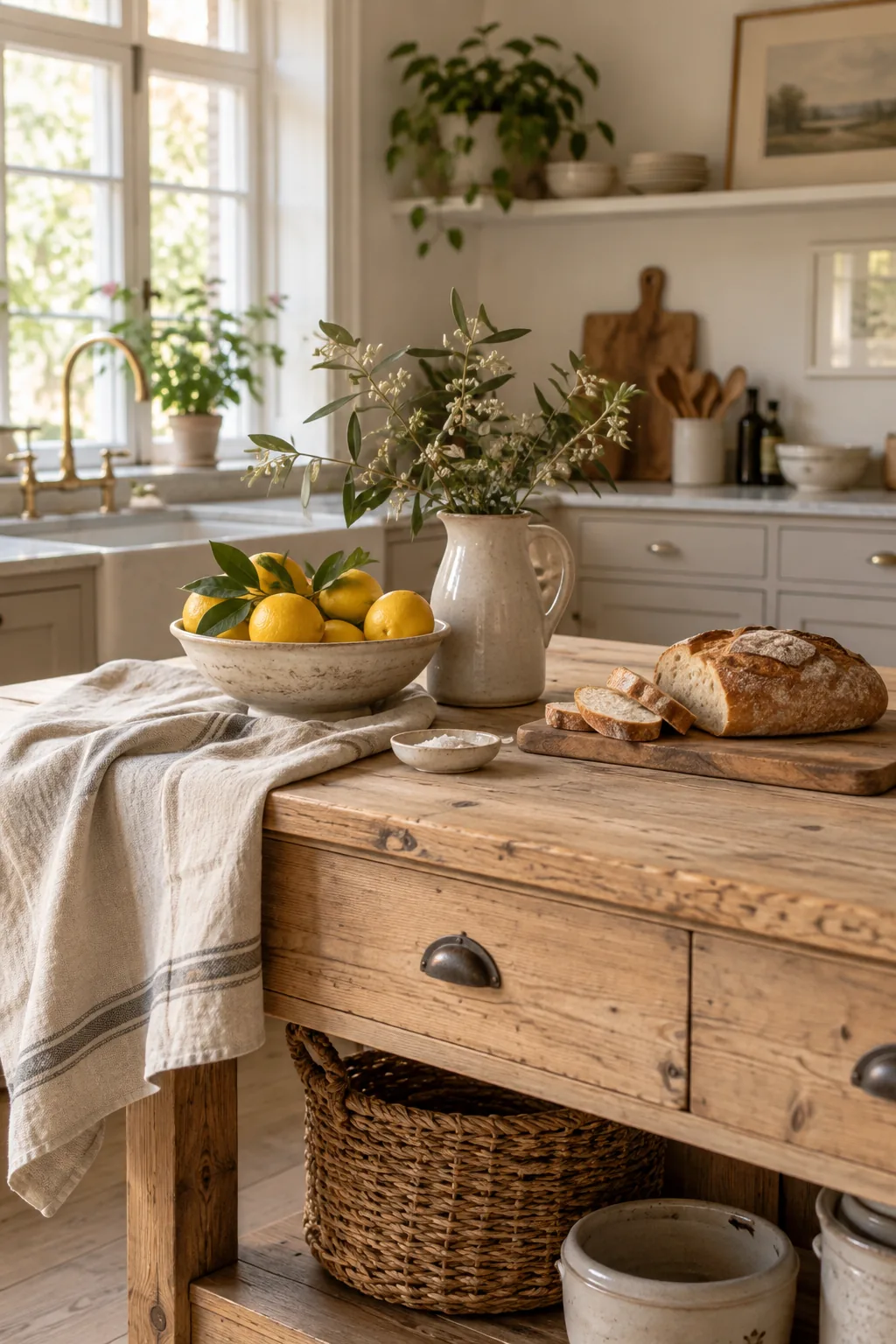
I recently swapped a massive built-in island for an antique draper's table and never looked back. Using a freestanding furniture piece instead of matched cabinetry makes the whole room feel lighter and much more authentic to a true cottage layout.
9. Displaying Copper Cookware
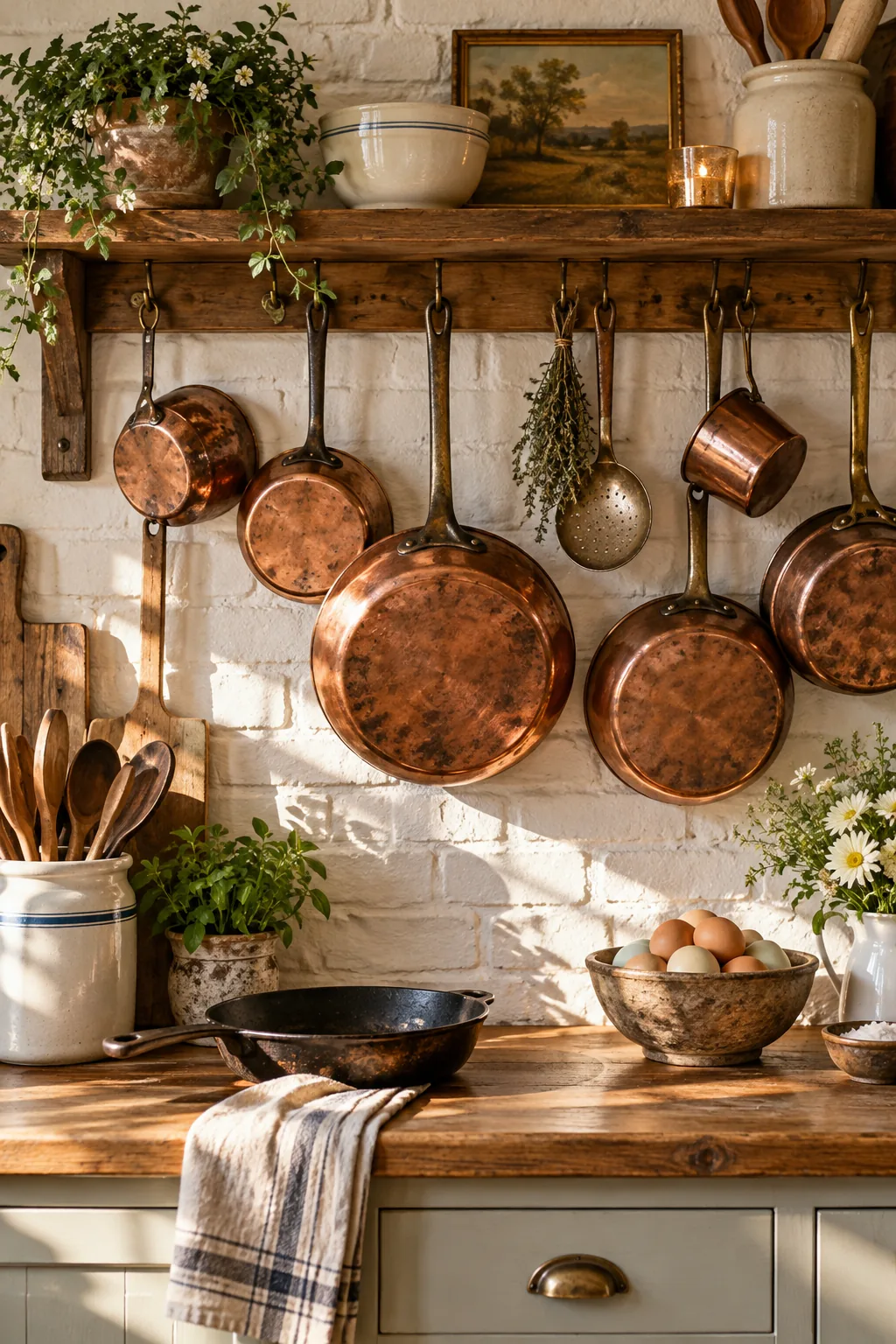
Solid copper pots weigh significantly more than standard stainless steel cookware. Hanging a collection of vintage copper pans from a ceiling rack or a sturdy wall rail puts that beautiful metallic warmth right at eye level. The reflective surface catches the sunlight during the day and glows under the kitchen lights at night. You do not even need to polish them perfectly, because a little bit of tarnish just adds to the rustic appeal. Keep your most frequently used skillets at the front of the rack so they are always easy to grab.
10. Glass Cabinet Doors
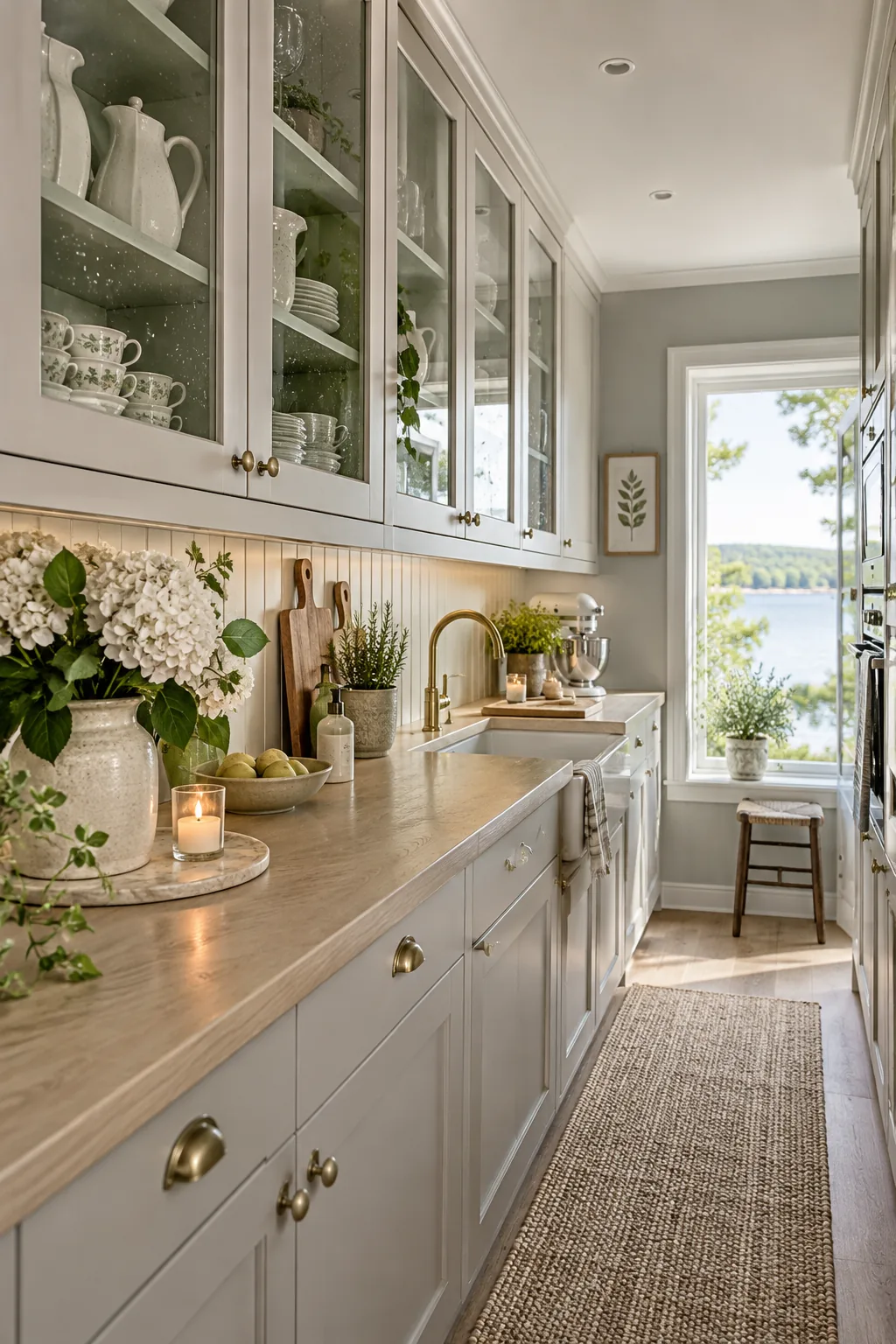
Solid upper cabinets can make a narrow galley kitchen feel like a tunnel.
Swapping out the wooden center panels for seeded glass doors breaks up the heavy block of cabinetry. It provides a dusty-free zone to display your prettiest ironstone pitchers and stacked teacups.
Painting the inside of the cabinet a contrasting color really makes those dishes pop.
11. Butcher Block Counters
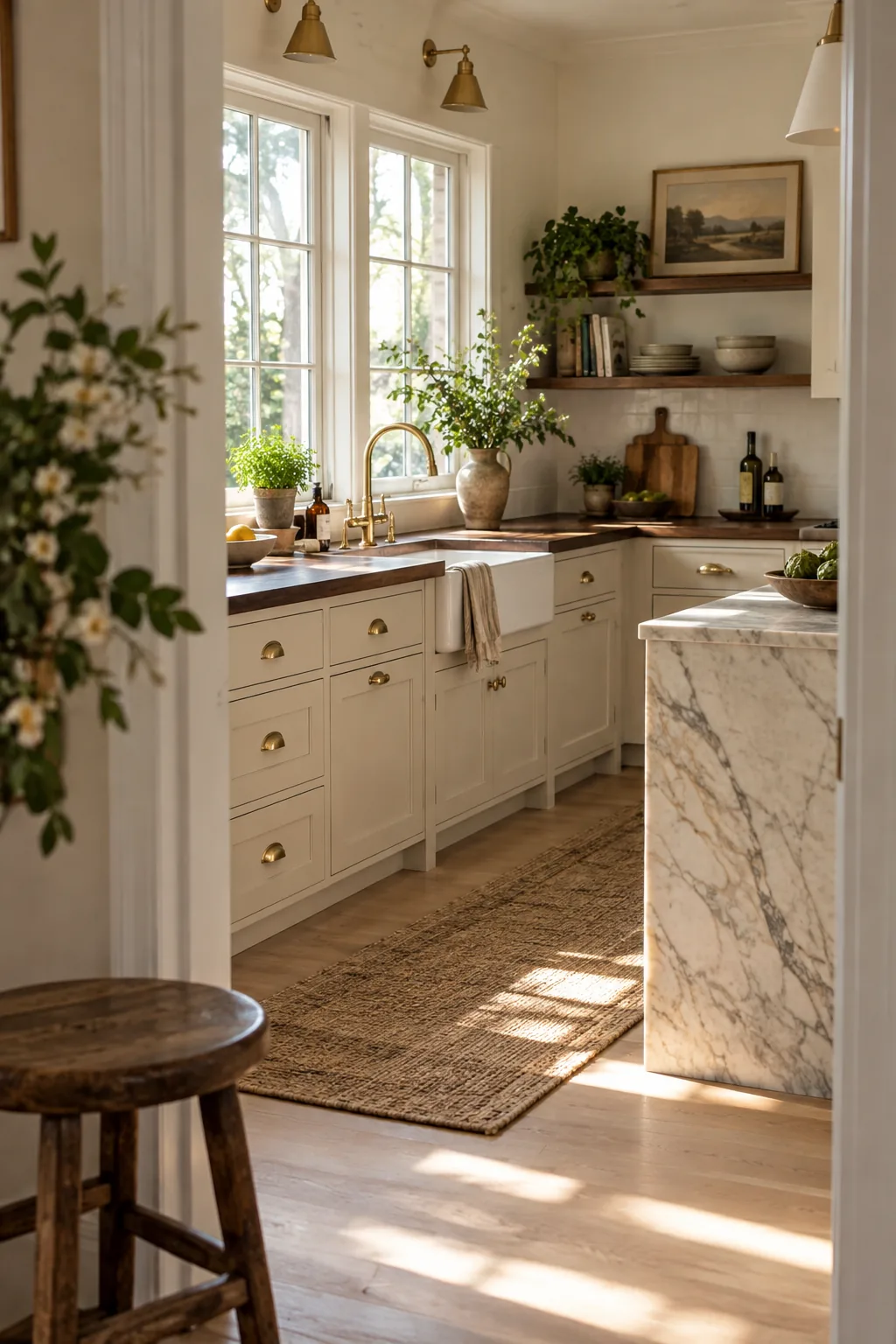
Wood surfaces naturally possess antibacterial properties that make them completely safe for food prep. Installing butcher block countertops brings an incredible amount of organic warmth to a room dominated by cold tile and metal appliances. I love using a rich walnut or teak around the perimeter cabinets while keeping a lighter marble on the island for contrast. Just remember to oil the wood every few months to keep it from drying out around the sink area.
12. V-Groove Paneling on Ceilings
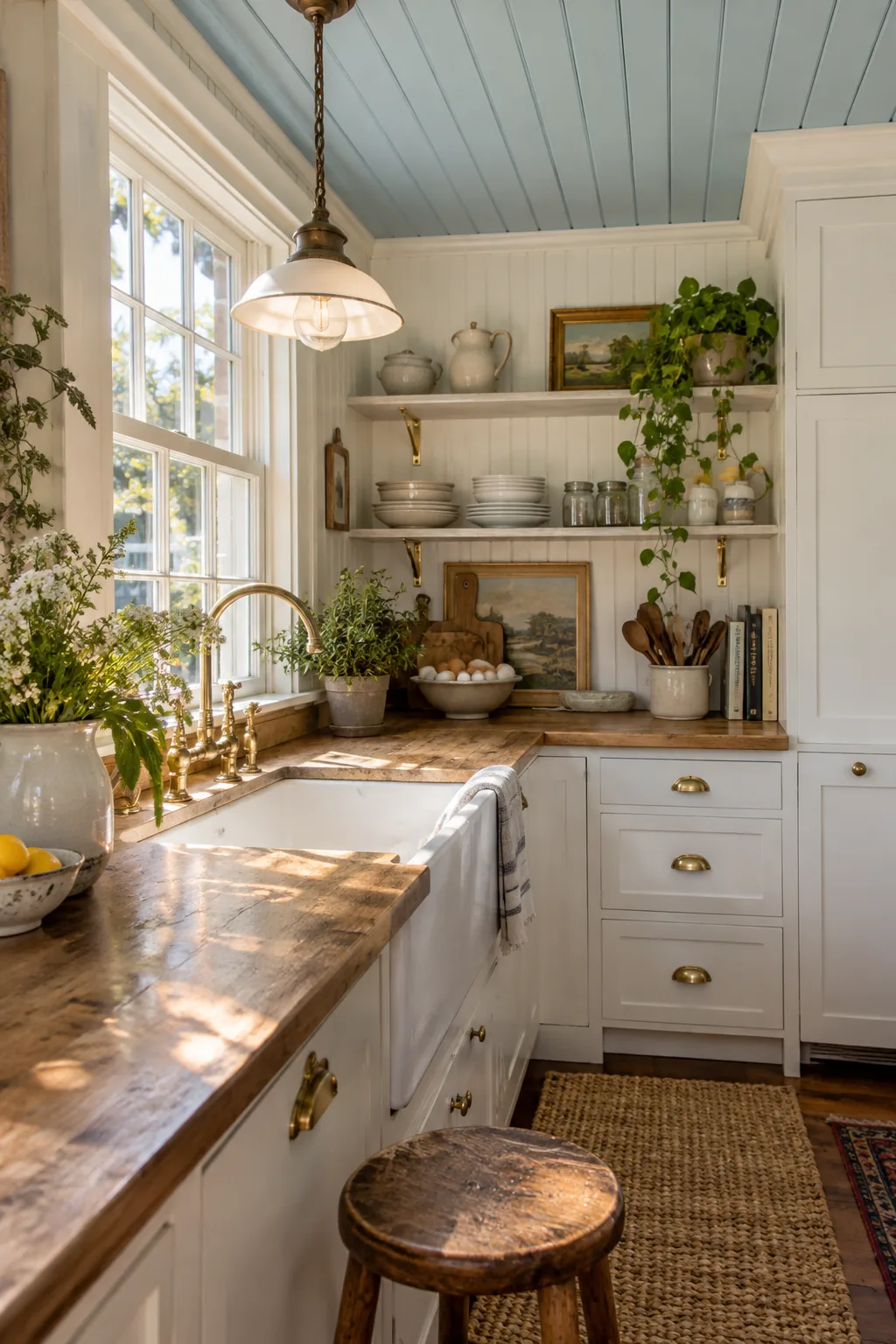
A flat expanse of white drywall draws absolutely zero attention upward.
Installing v-groove wood paneling across the ceiling adds instant architectural texture to a plain boxy room. You can paint it a soft haint blue or a creamy white to reflect light back down onto your work surfaces.
Running the planks parallel to the longest wall visually stretches the entire footprint of the kitchen.
13. Woven Window Shades
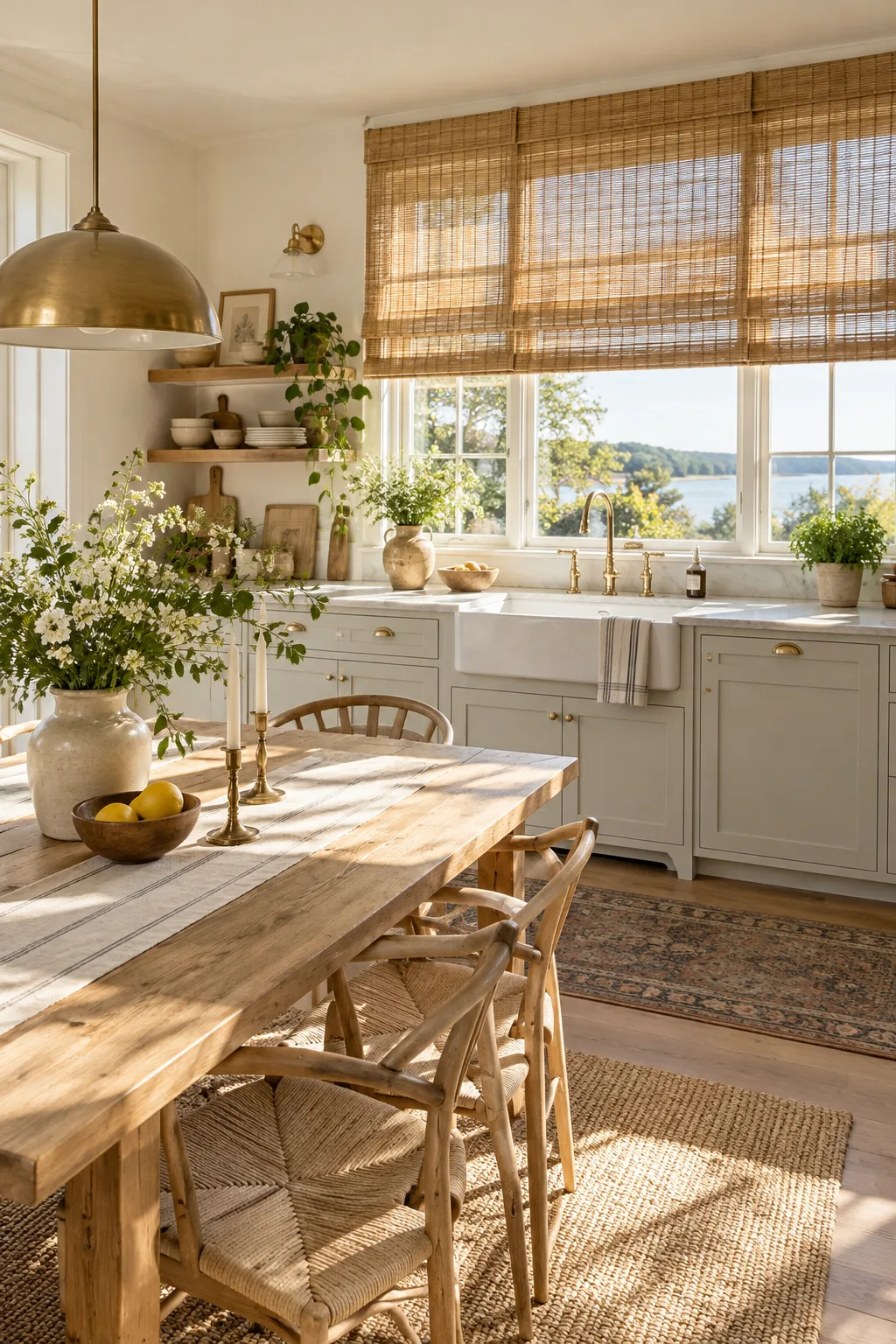
I always struggle with making kitchen windows look finished without blocking the morning sun.
Hanging woven bamboo shades right at the ceiling line adds a beautiful layer of natural texture. They filter the harsh afternoon glare while keeping the room feeling incredibly airy and bright.
The earthy tones of the natural fibers perfectly complement painted cabinets and shiny hardware.
14. Two-Tone Cabinetry
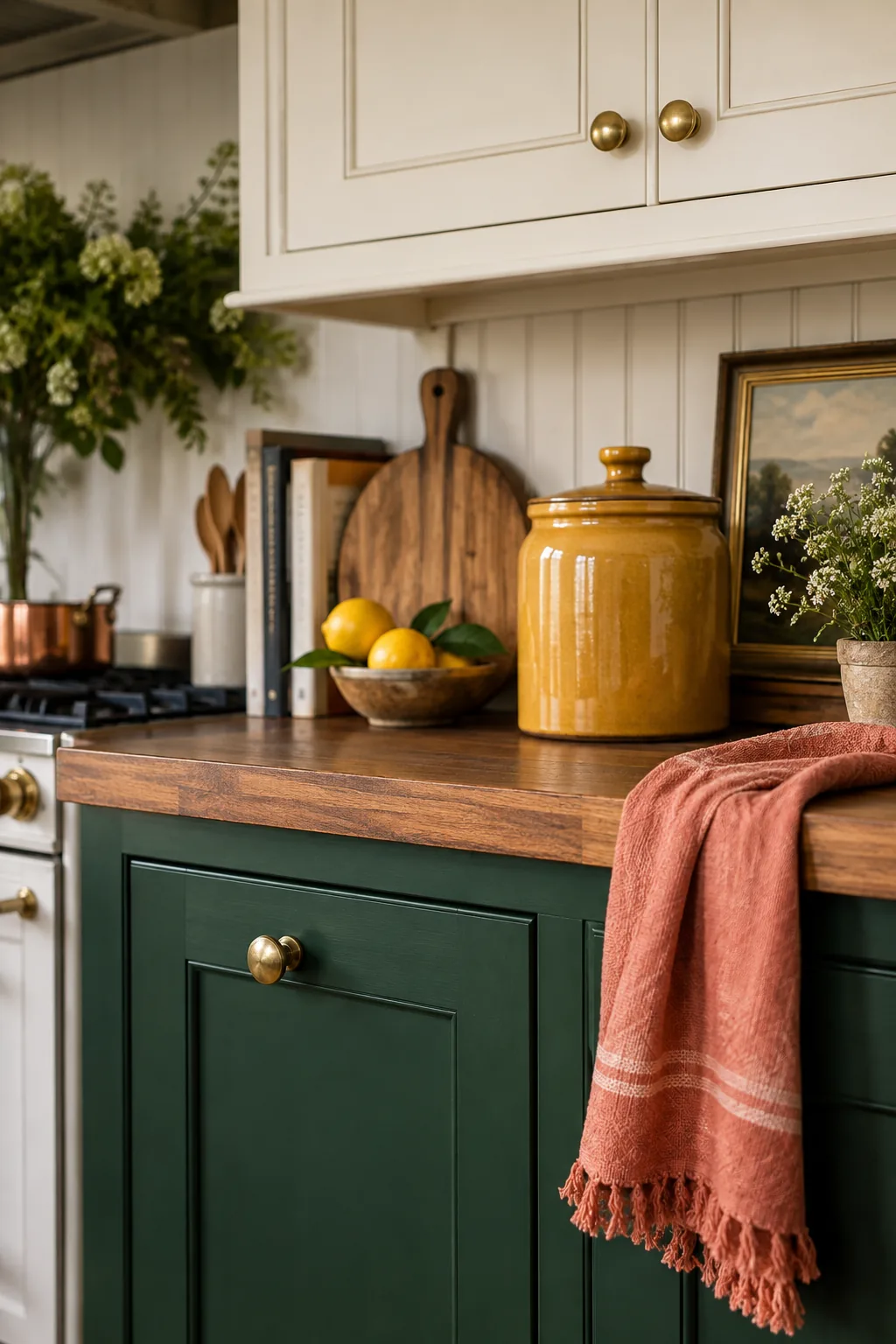
Darker colors on the bottom cabinets ground the room and hide everyday scuff marks.
Painting your upper cabinets a soft, creamy white while using a moody heritage color on the base is a classic cottage move. This two-tone approach keeps the overall space feeling bright while injecting plenty of personality. A muted mustard yellow or a deep forest green works beautifully for those lower units.
15. Plate Racks
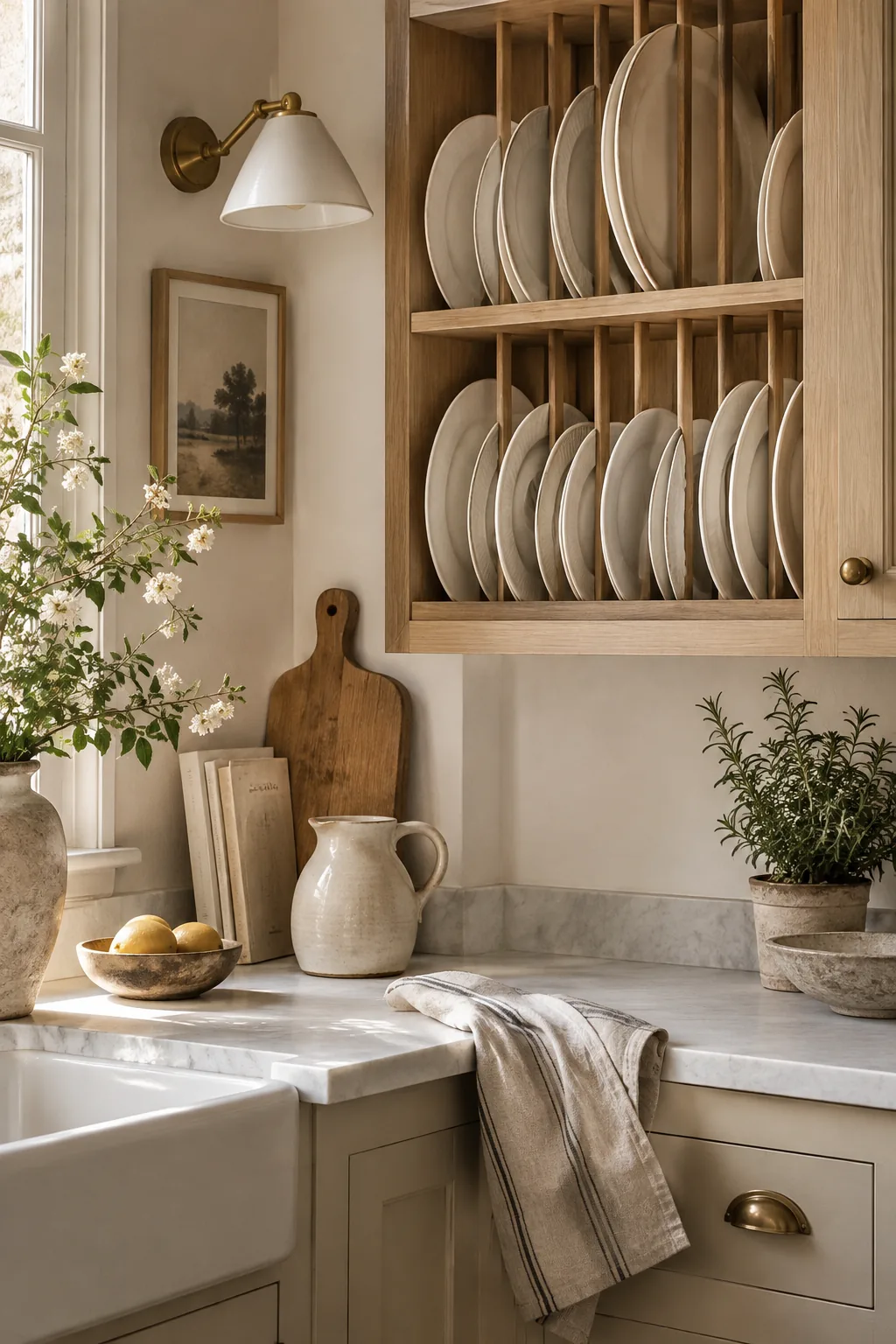
Turning functional dishware into a striking visual display is what makes a built-in plate rack work so brilliantly. Storing your platters vertically frees up precious shelf space and adds a highly traditional element to your wall cabinetry.
Why it works: Turning functional dishware into a striking visual display
16. Larder Cupboards
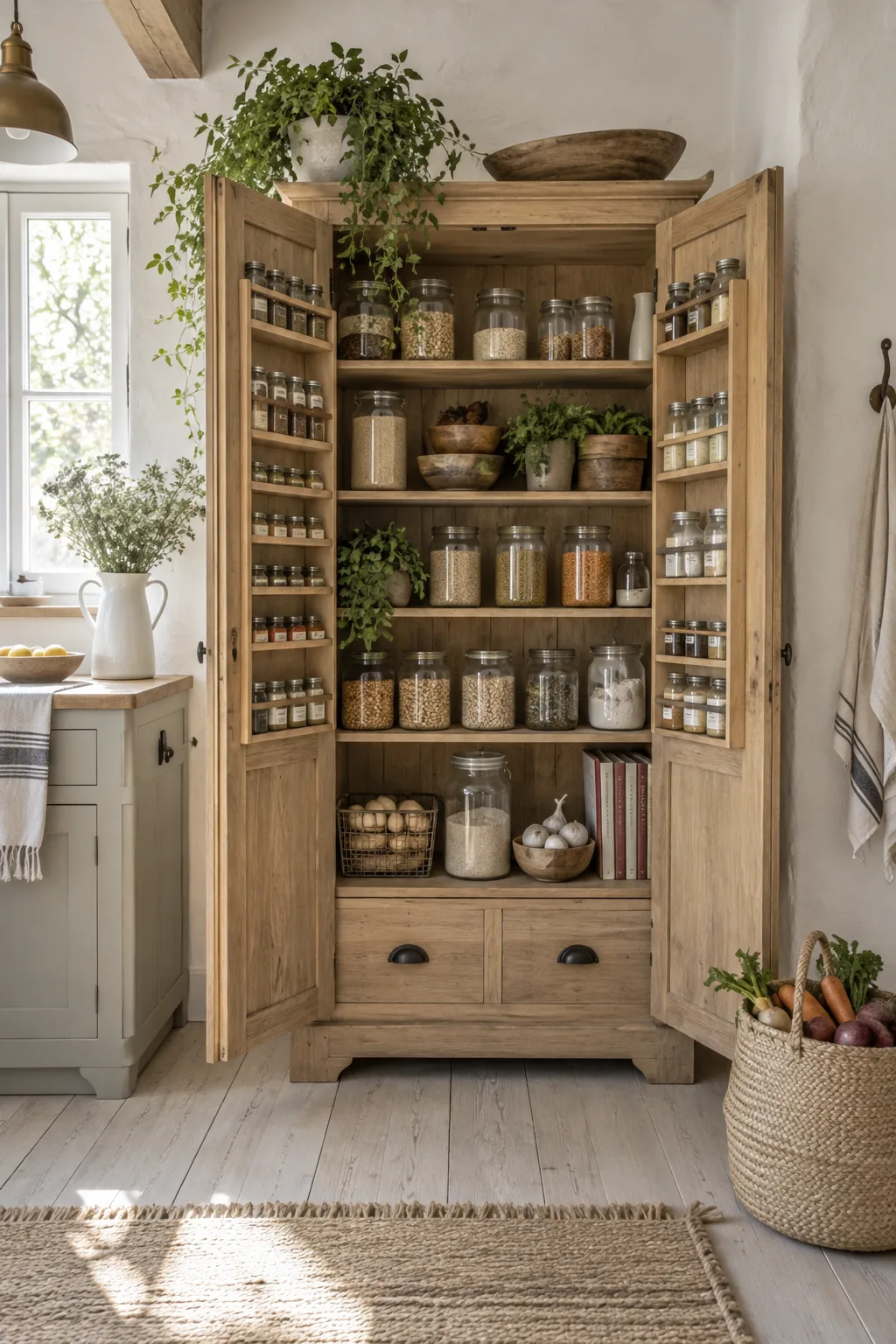
A single tall cabinet can hold more dry goods than four standard base units combined.
Bringing in a freestanding larder cupboard creates a dedicated pantry zone without needing to frame out a new closet. You can customize the interior with spice racks on the doors and pull-out drawers for heavy root vegetables. Leaving the exterior in a natural wood finish adds a wonderful sense of history to the room.
17. Potted Herbs on the Sill
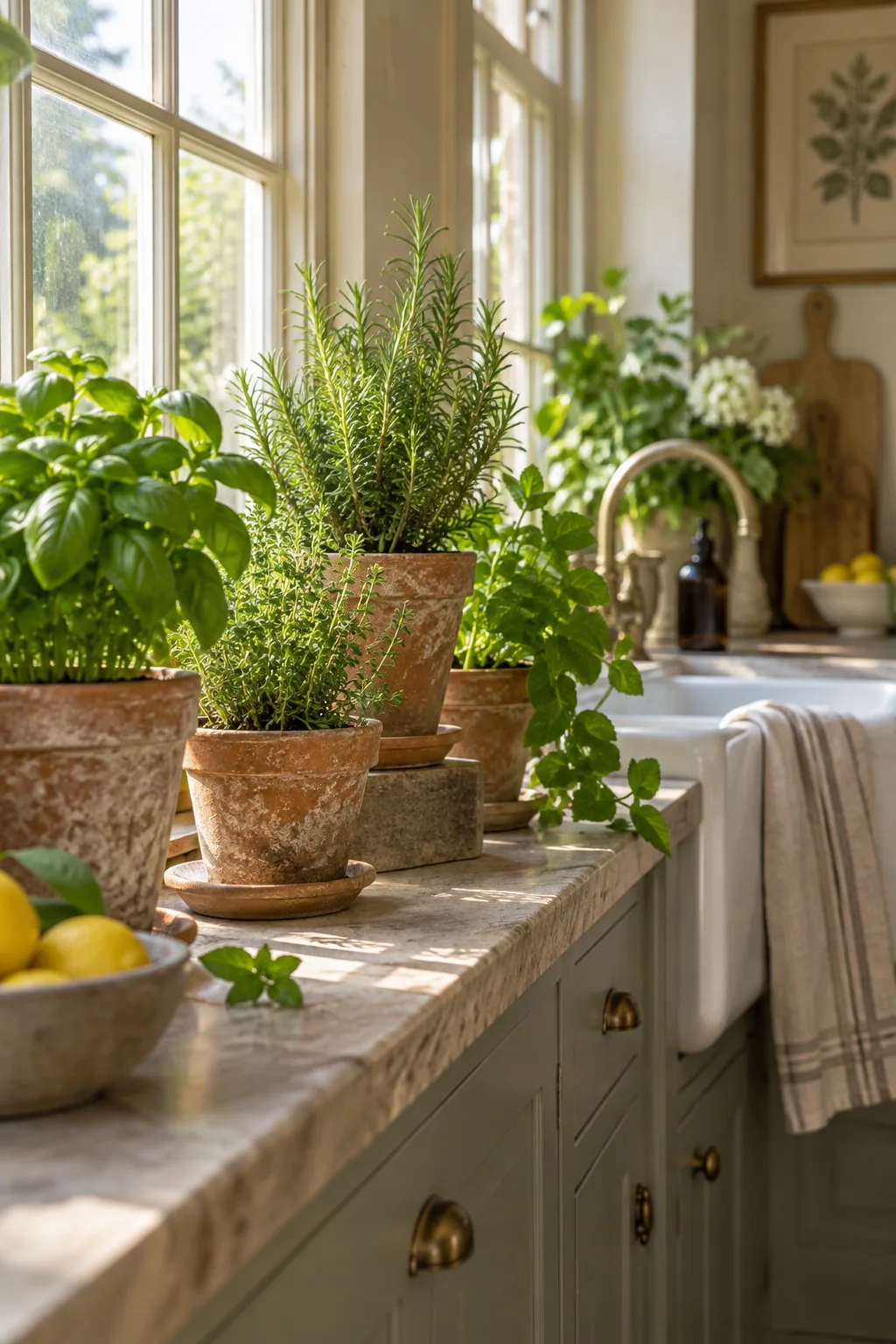
Bringing literal life into a room filled with hard surfaces is exactly what makes indoor herb gardens work so effortlessly. Lining up a few weathered terracotta pots along the window sill gives you fresh flavors for cooking while adding a vibrant pop of green. I prefer to mix different leaf textures and heights to make the arrangement look collected rather than perfectly uniform. You can easily elevate the look by planting them in:
- Vintage copper tea tins
- Chipped ironstone bowls
- Aged galvanized metal buckets
Why it works: Bringing literal life into a room filled with hard surfaces
18. Dutch Doors
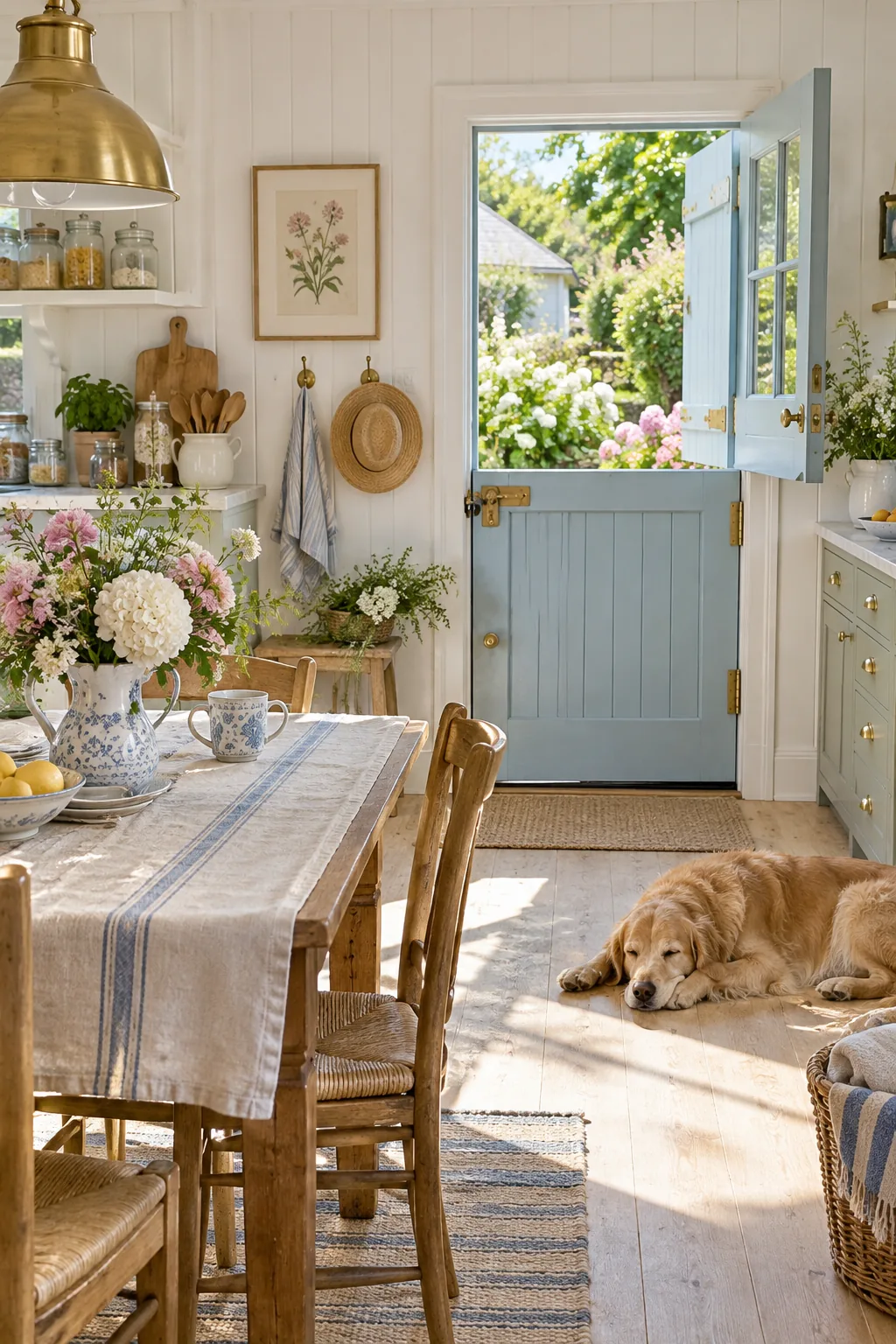
I grew up in a house where the back door was always swung wide open to the garden. Installing a split Dutch door in the kitchen lets you welcome in the spring breeze while keeping pets safely inside. The heavy brass latch and sturdy hinges add beautiful mechanical details to your entryway. Painting the door a cheerful color like robin's egg blue makes it a stunning focal point from anywhere in the room.