
15+ Stunning Cement Walkway Ideas for Your Yard
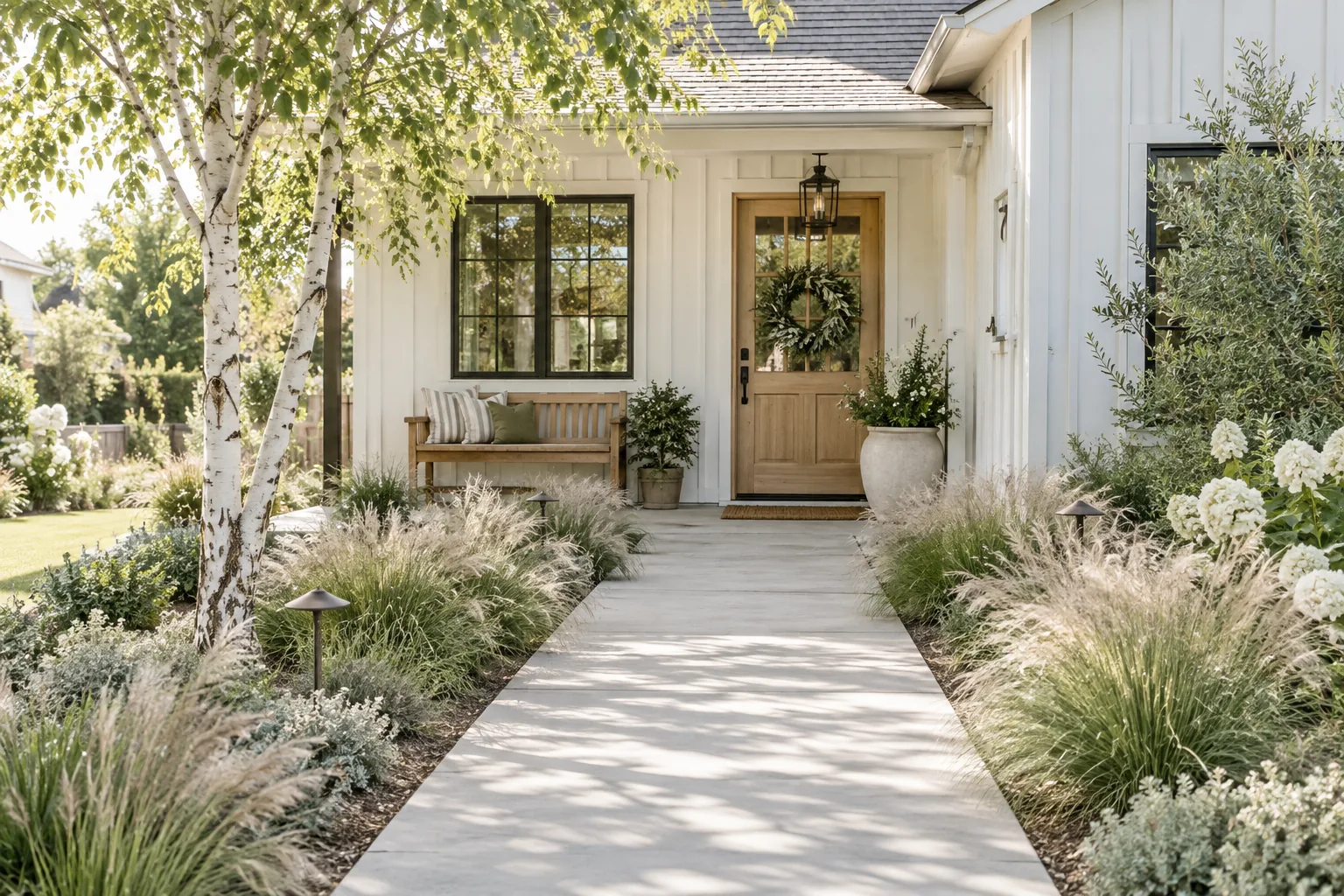
A boring dirt path doesn't do your landscaping any favors, but poured concrete gives you an affordable blank canvas. I've gathered my favorite ways to shape, stamp, and style a simple cement walkway to completely transform your yard.
1. Geometric Slab Path
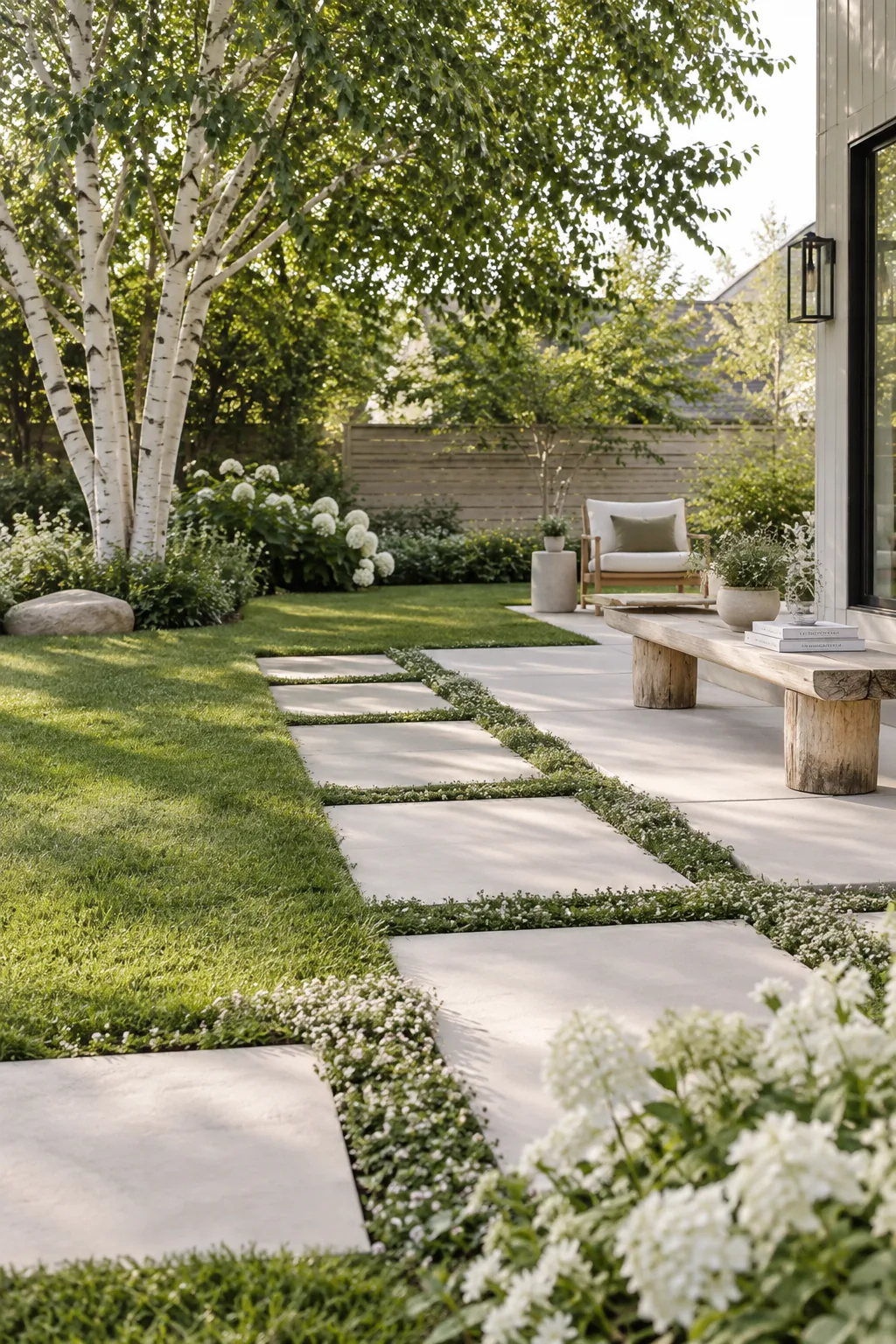
The contrast of sharp edges against soft grass is what makes a geometric concrete path work so well. You can pour large rectangular slabs leaving a four-inch gap between each one. Fill those gaps with creeping thyme or dark river rock to highlight the clean lines. This modern approach keeps the yard feeling open and structured.
2. Faux Cobblestone Maker
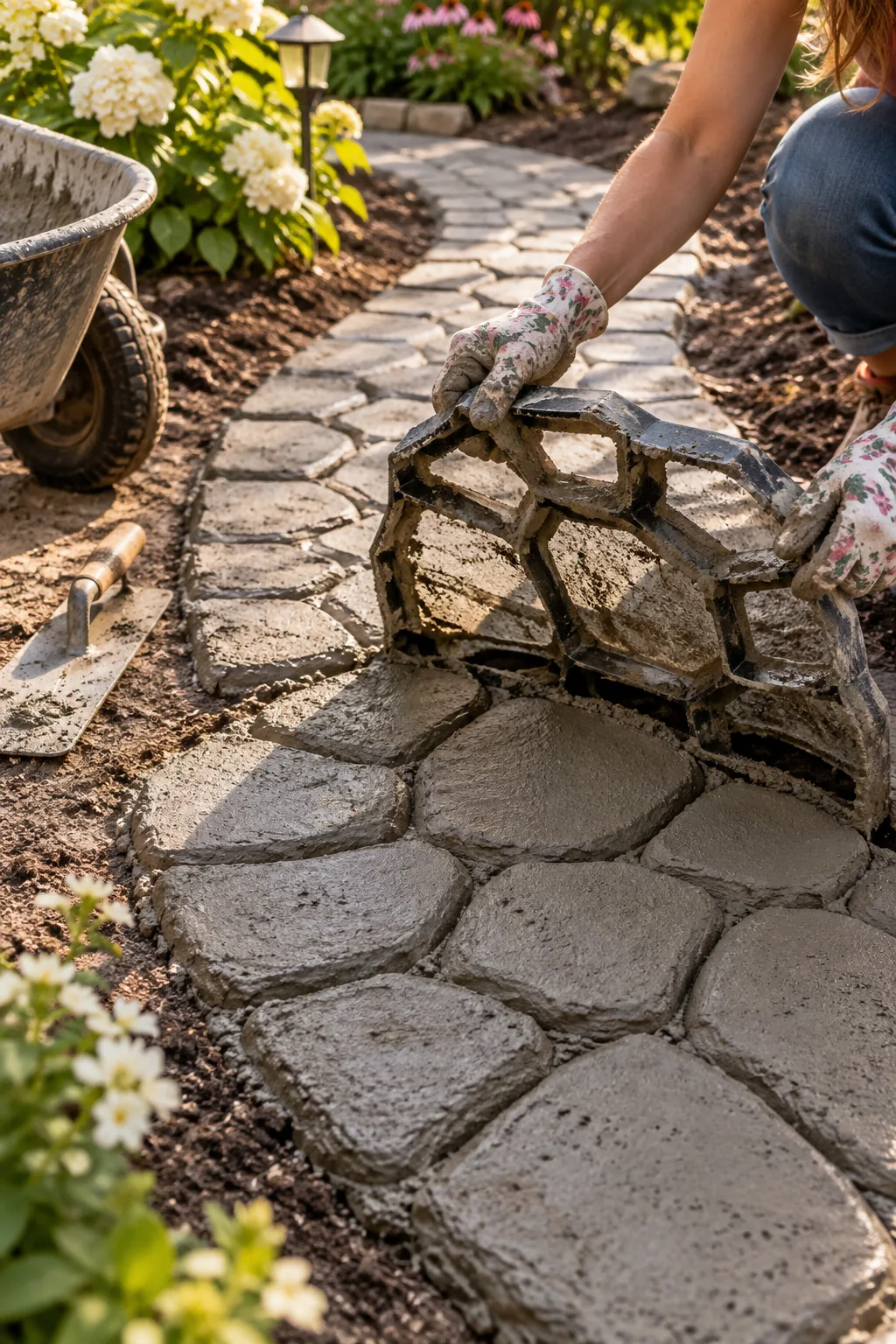
A standard bag of concrete mix covers about two square feet at a four-inch depth. Using a plastic walk maker mold lets you stretch that material into a beautiful cobblestone pattern without any masonry skills. You just mix the cement in a wheelbarrow, press it into the mold, and lift it right off. It creates a winding, organic path that looks like expensive natural stone.
3. Dark Tinted Finish
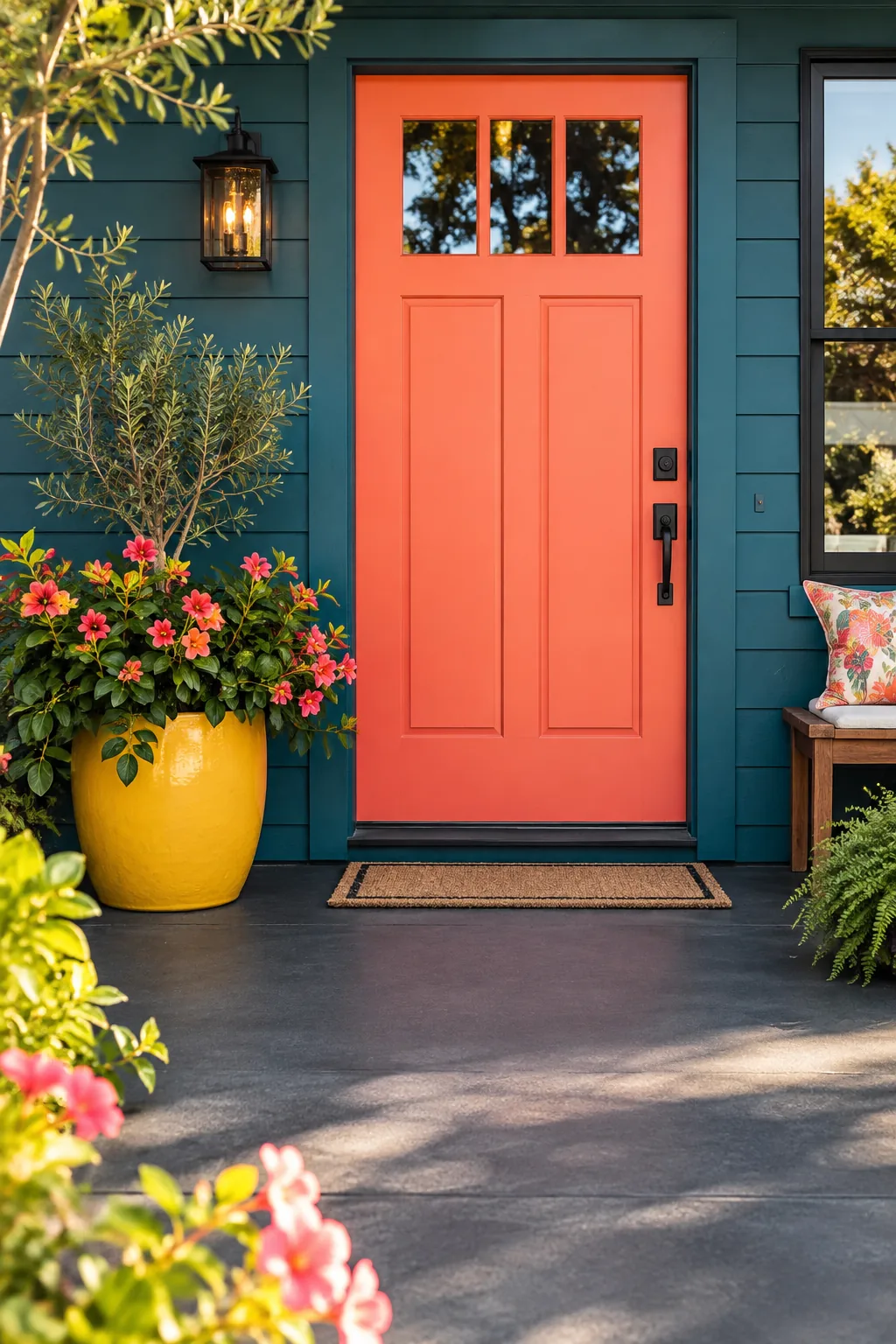
Dark charcoal tint mixed directly into wet cement completely hides dirt and tire marks. This tinted concrete finish gives your walkway a sleek, industrial vibe that pairs perfectly with modern exterior siding.
4. Textured Inlay Path
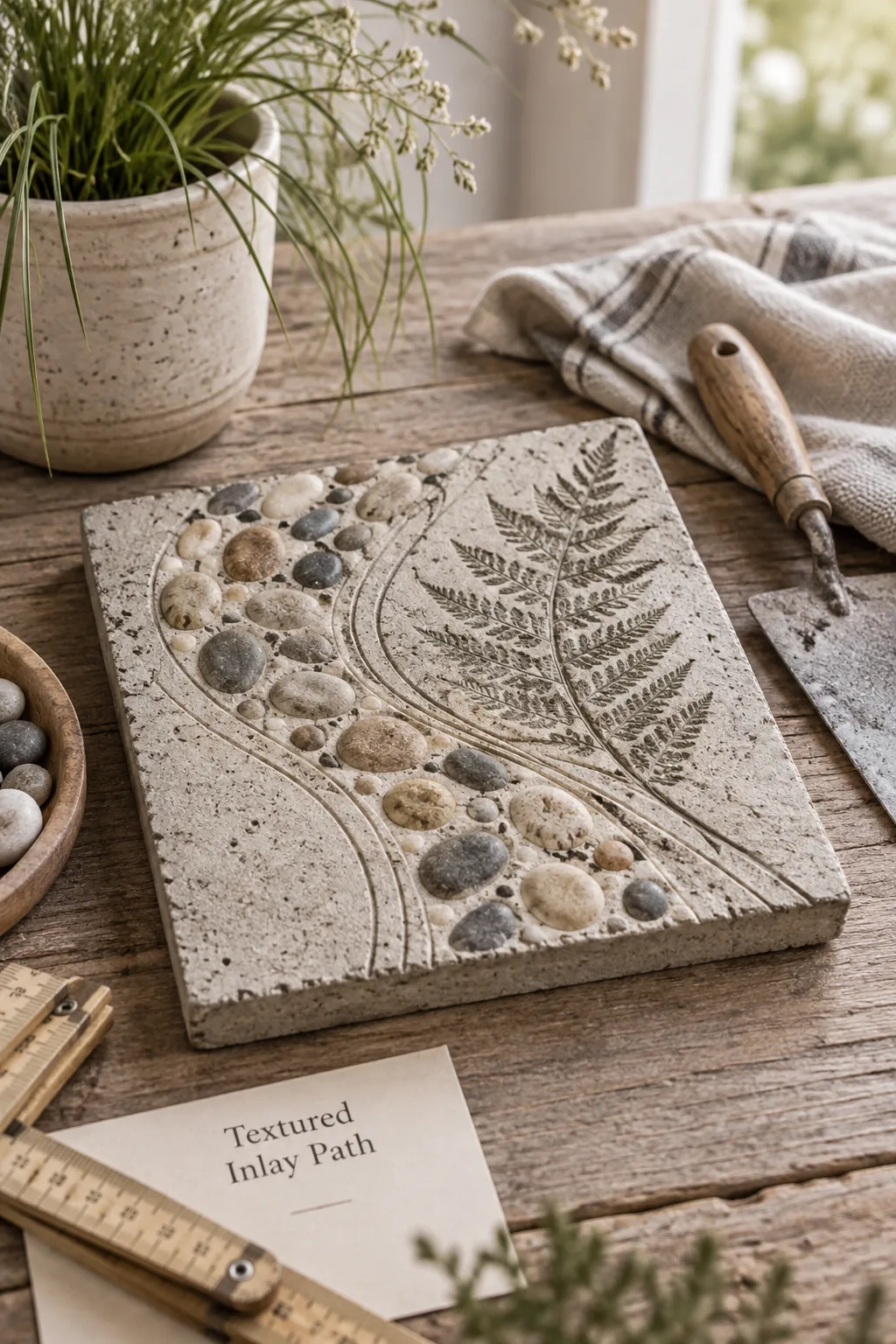
A 36-inch wide path provides just enough room for two people to walk side-by-side comfortably. To give a basic poured walkway more texture, you can easily press a few decorative elements right into the wet surface:
- Smooth river stones
- Colorful sea glass pieces
- Broken ceramic tile fragments
5. Sweeping Curved Walkway
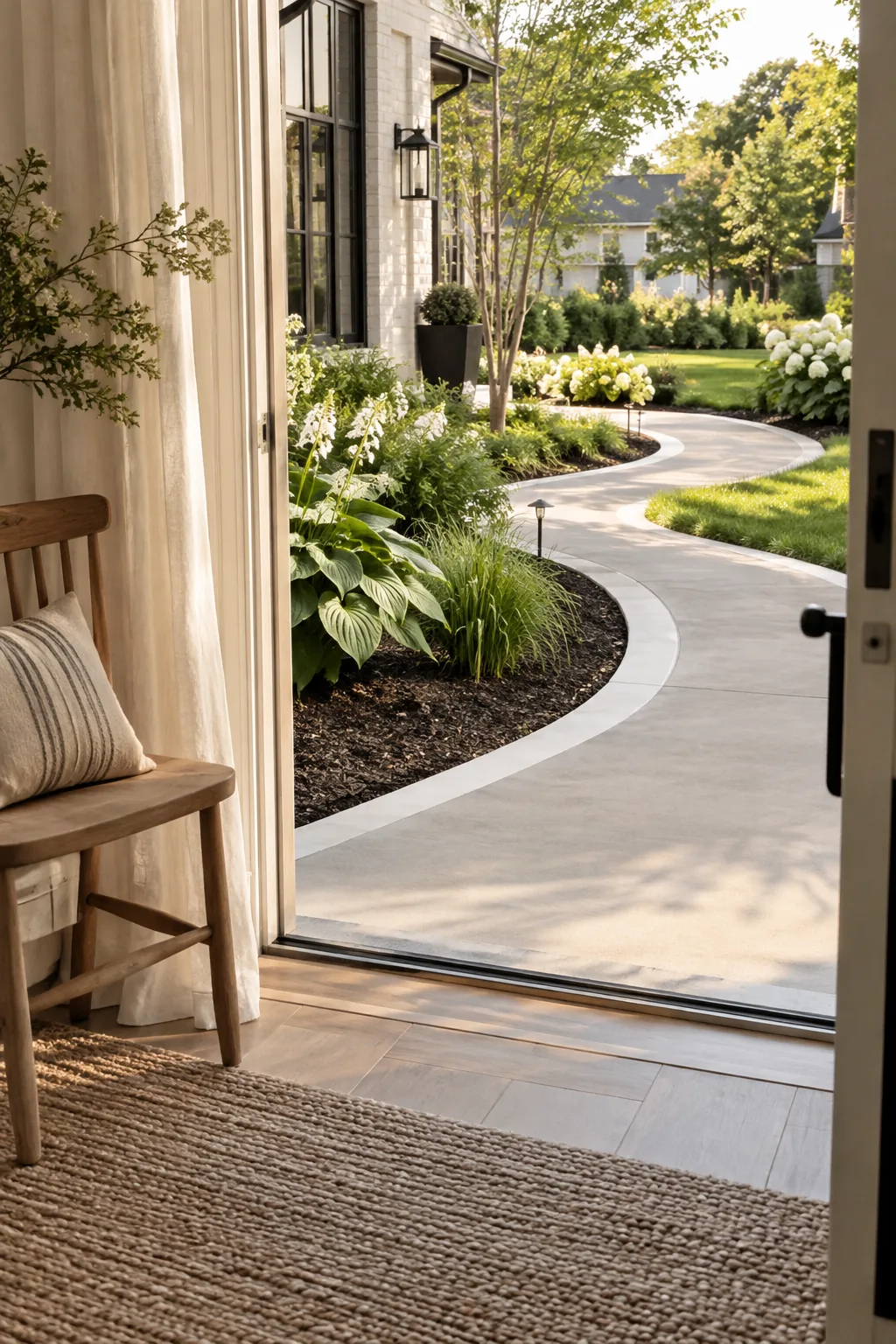
Curved pathways naturally slow people down and encourage them to look at your garden beds. Pouring a sweeping cement walkway requires flexible bender board forms to get those smooth, continuous arcs. You stake the plastic boards firmly into the dirt to hold the heavy wet mix in place. Once it cures and you pull the forms away, the bright white edge pops against dark mulch. This layout softens a rigid, boxy front yard instantly.
6. Broom Swept Texture
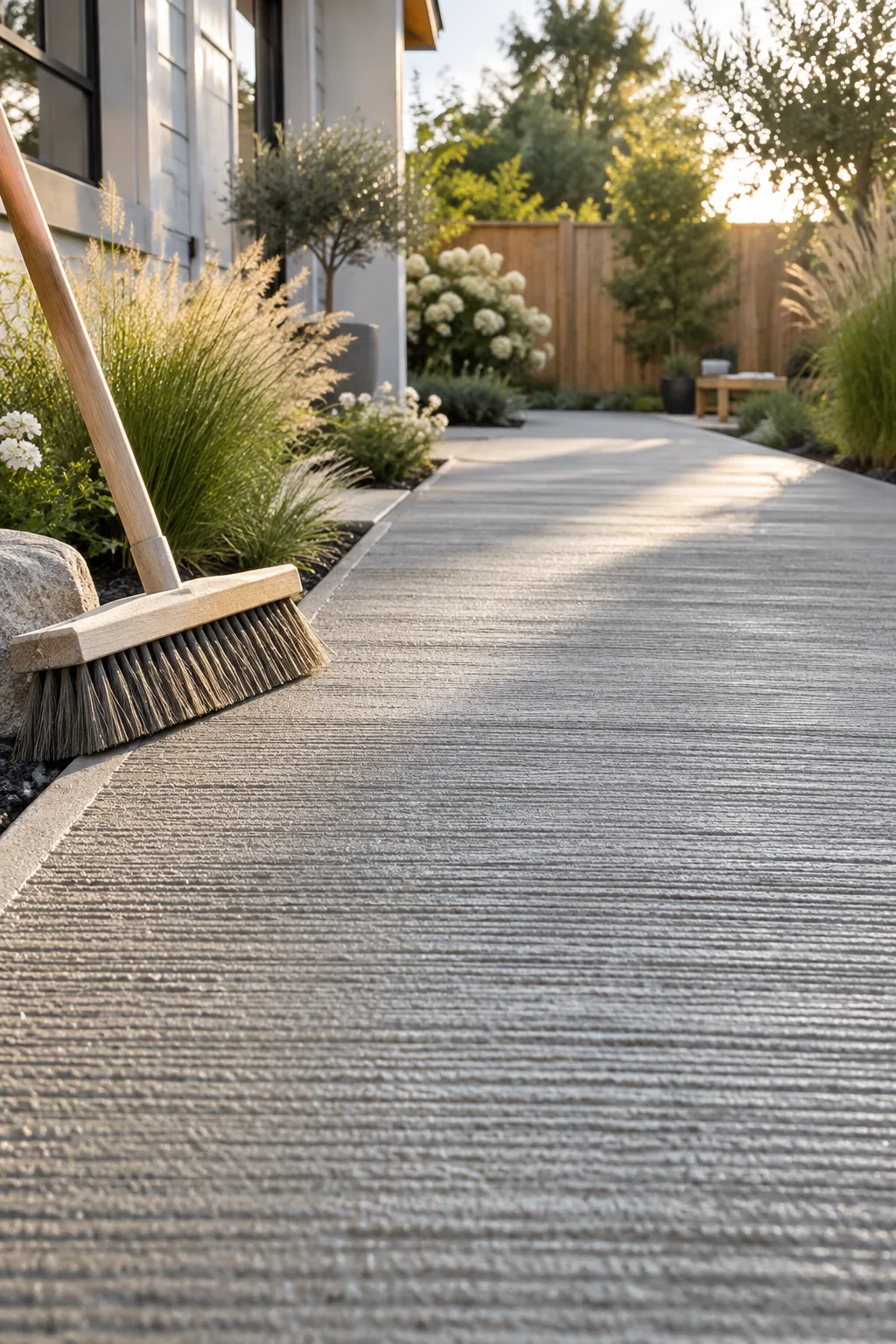
I always keep a stiff bristled push broom handy whenever I'm pouring a new path. Pulling the broom lightly across the damp surface creates a brushed concrete finish that adds crucial slip resistance. This tiny extra step takes five seconds but prevents the walkway from turning into an ice rink when it rains. It also hides small trowel marks if your smoothing technique isn't perfect yet.
7. Faux Wood Plank Stamp
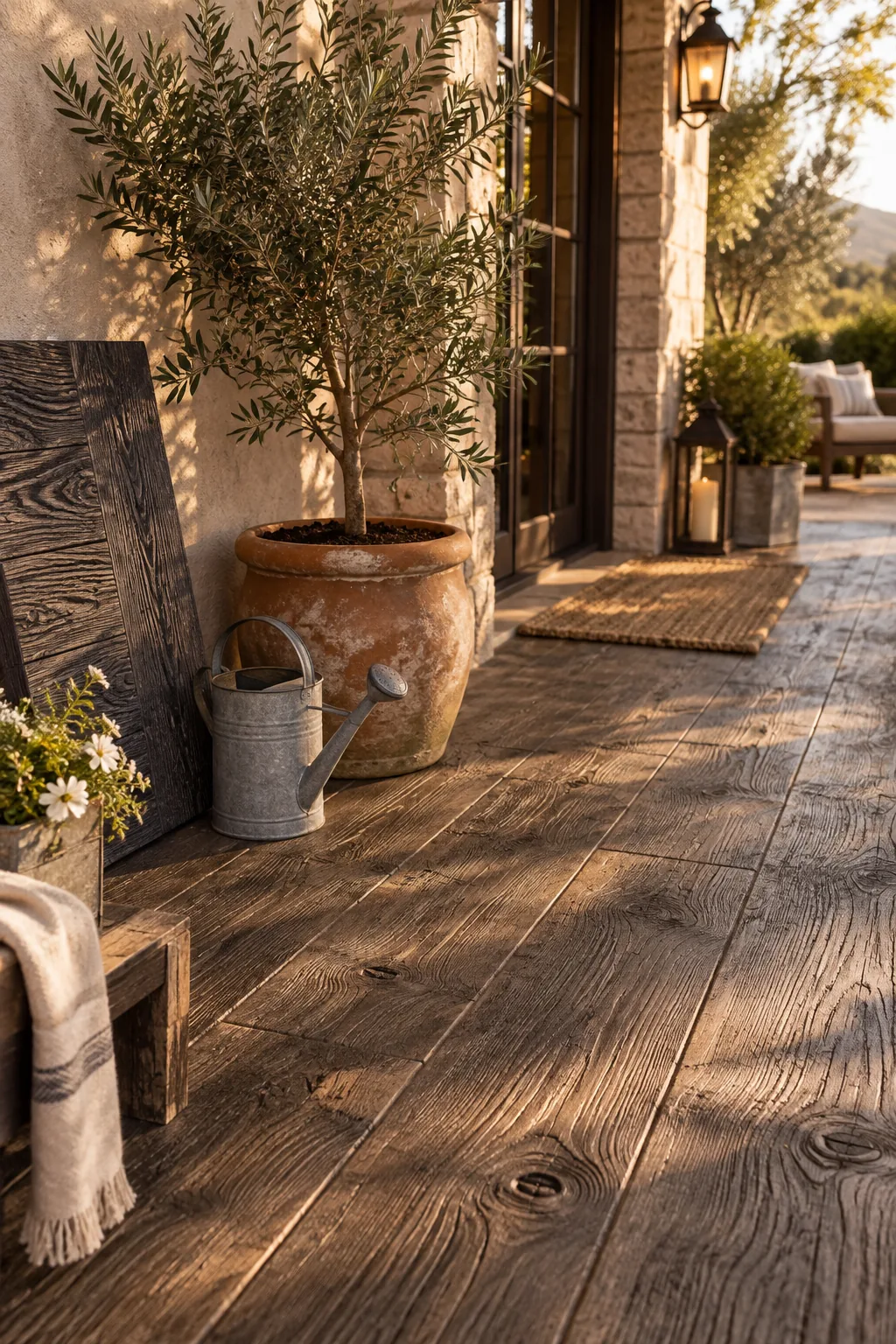
Stamping a wood grain texture into your path costs about a third of the price of real timber decking. You use a heavy rubber mat to press the faux grain deep into the wet cement surface before it sets. Applying a brown antiquing release powder highlights the knots and grooves beautifully.
Why it works: It delivers the rustic warmth of boardwalk planks without the risk of rotting or splintering over time.
8. Giant Round Stepping Stones
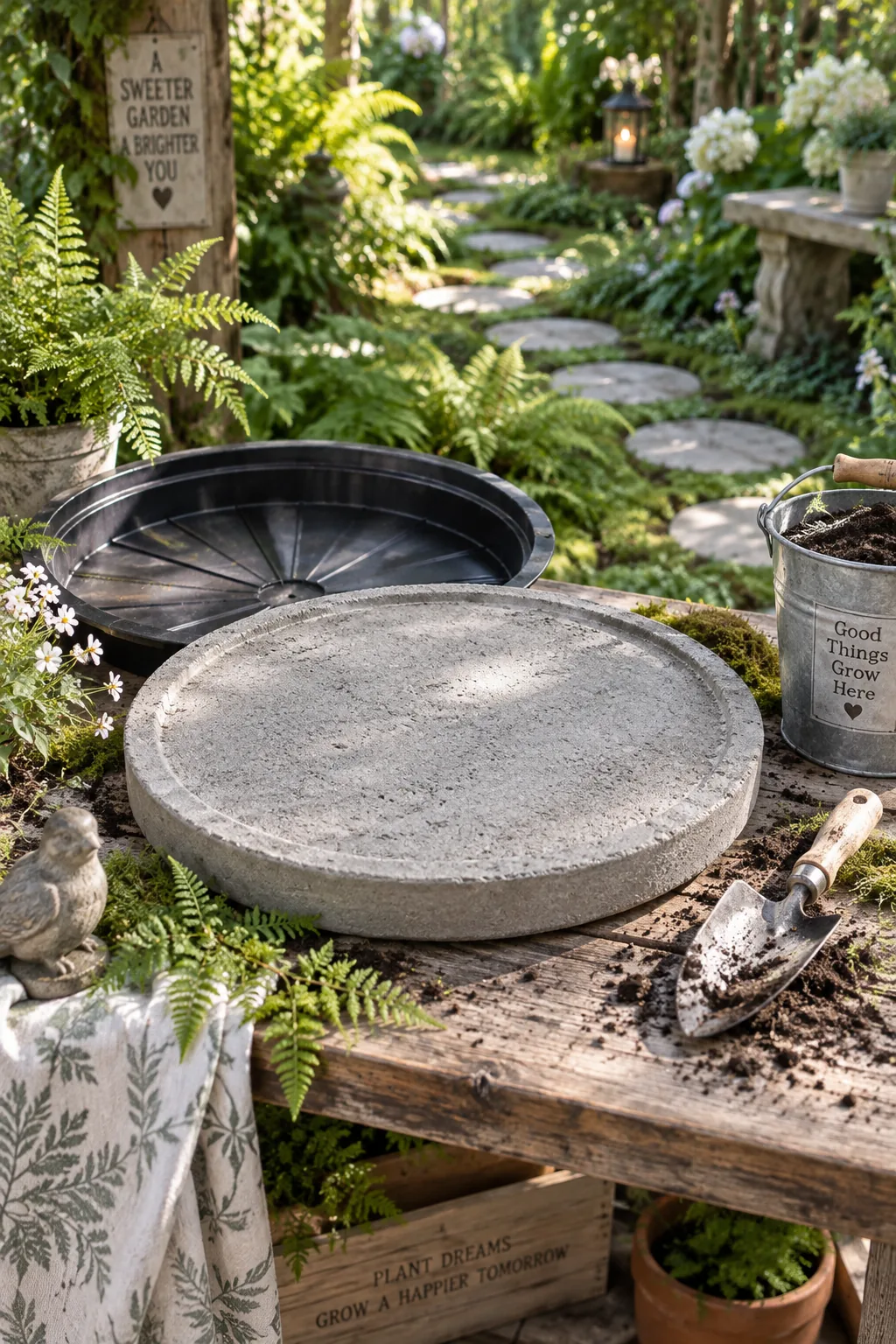
Giant circular stepping stones create a playful, whimsical vibe in a shady backyard garden. You can use cheap plastic plant saucers as molds to cast these round concrete pavers right on your lawn.
9. Floating Step Pathway
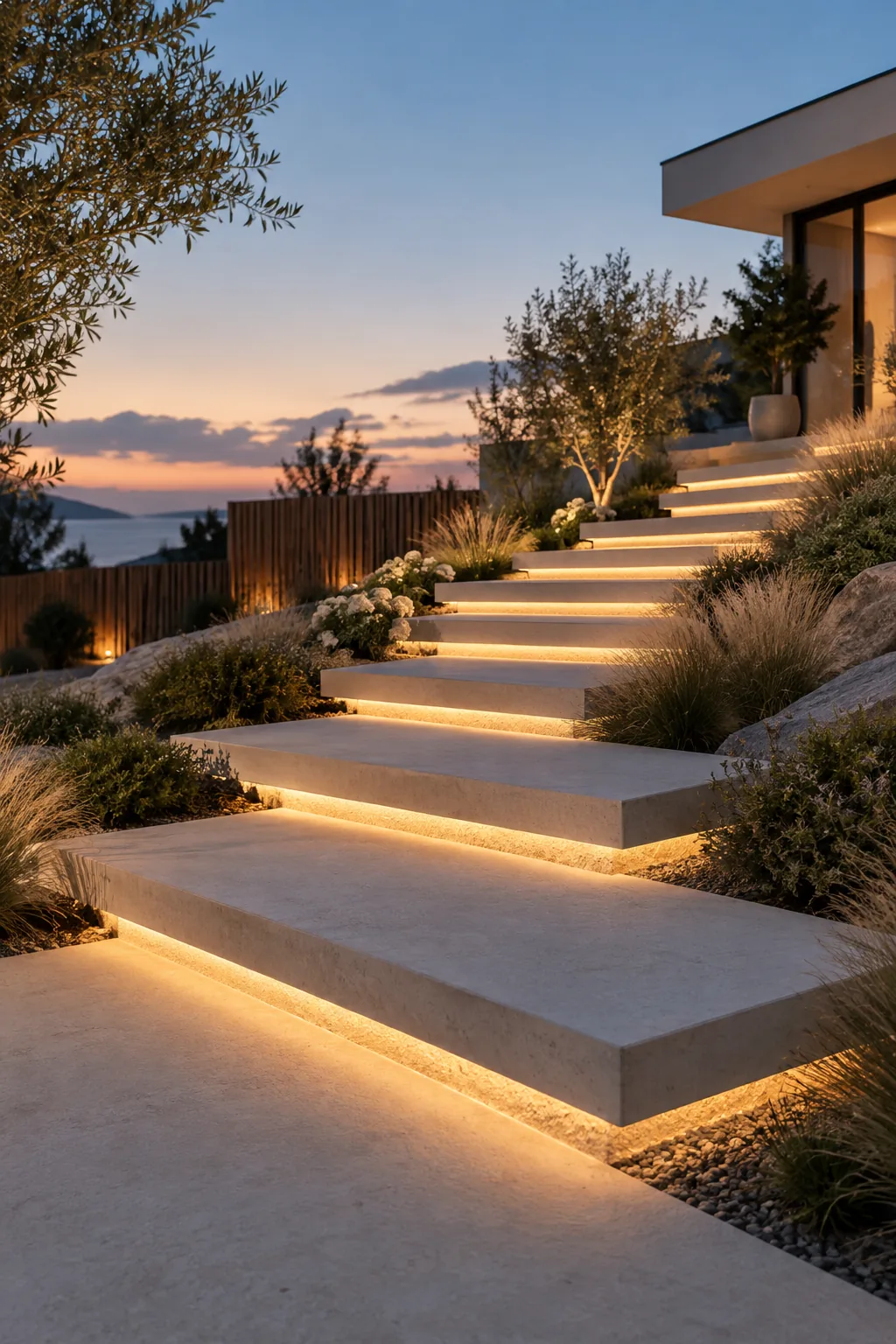
The illusion of floating slabs is what makes a stepped concrete walkway so visually striking.
You build wooden forms that overlap slightly and pour the lowest step first. Tucking hidden LED strip lights under the lip of each tier illuminates the path at night. It transforms a steep, annoying slope into a glowing architectural feature.
10. Exposed Aggregate Finish
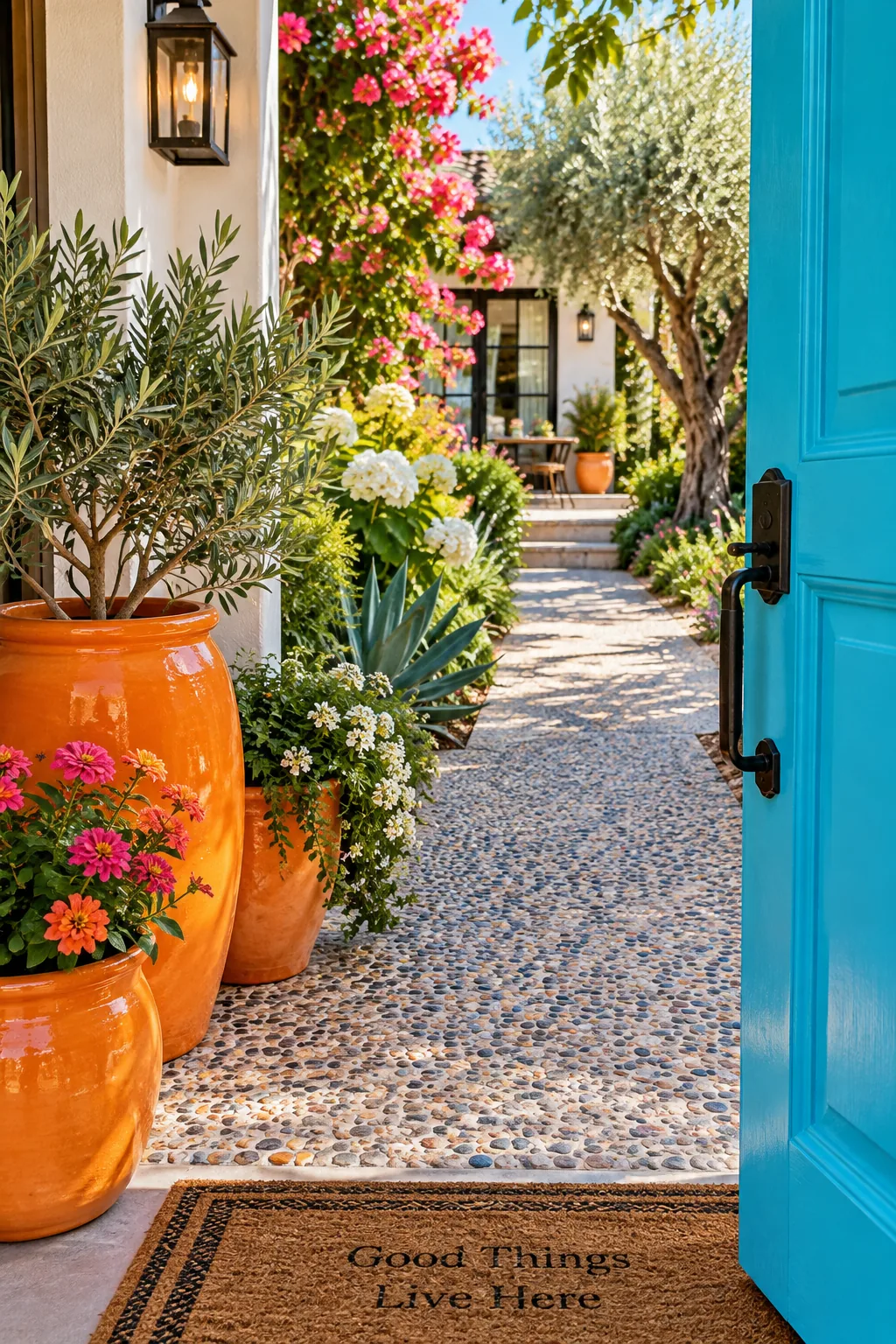
Pouring an exposed aggregate path requires washing away the top 1/8 inch of cement paste right as it begins to harden. This reveals all the beautiful, colorful pea gravel suspended inside the mix.
Just make sure you seal it every couple of years to keep the stones from popping loose.
Why it works: The bumpy pebble texture offers aggressive traction while hiding muddy footprints effortlessly.
11. Crisp Brick Borders
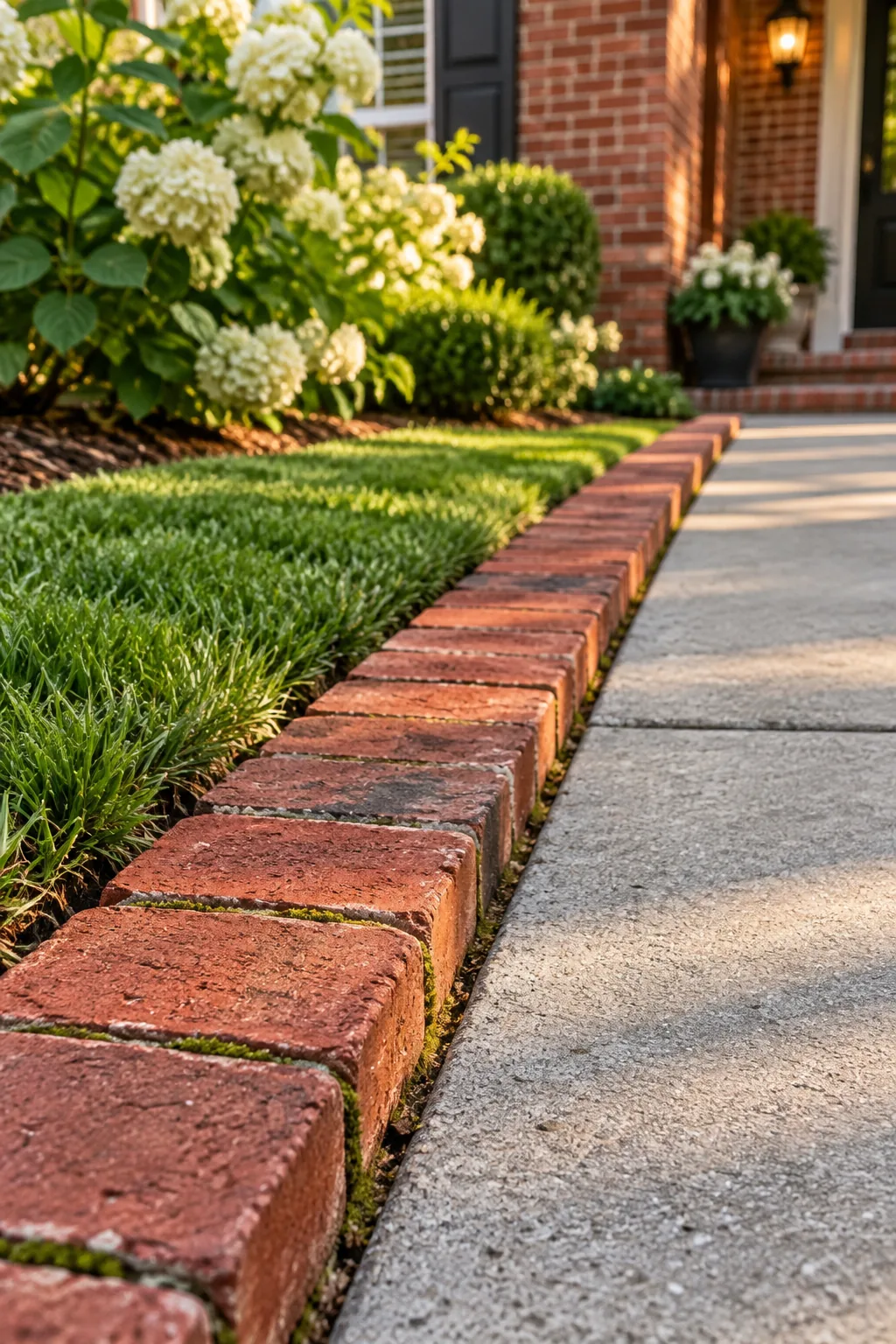
A crisp brick border frames out a plain gray walkway and gives it a finished, tailored look. Laying red clay bricks along the edges before pouring your main path acts as a permanent, decorative form. The vibrant red tones warm up the cold, industrial feel of the gray slab. It ties the landscaping right back into the brick accents on your house.
12. Acid Stained Concrete
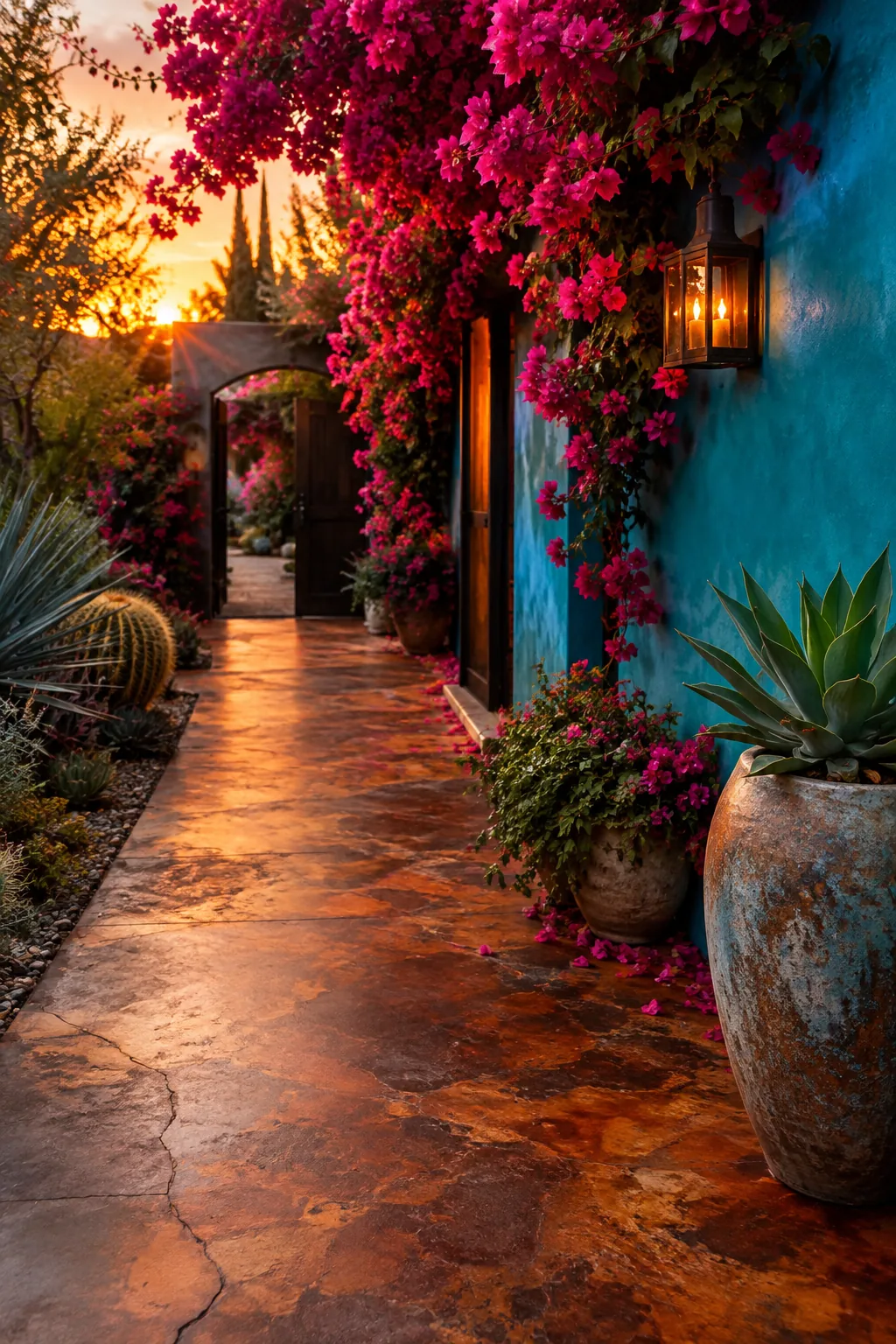
A moody, gothic aesthetic emerges when you stain a basic walkway with an acid-based chemical treatment. The acid reacts directly with the minerals in the cured concrete, creating rich, mottled shades of copper and black that never peel off.
13. Botanical Leaf Impressions
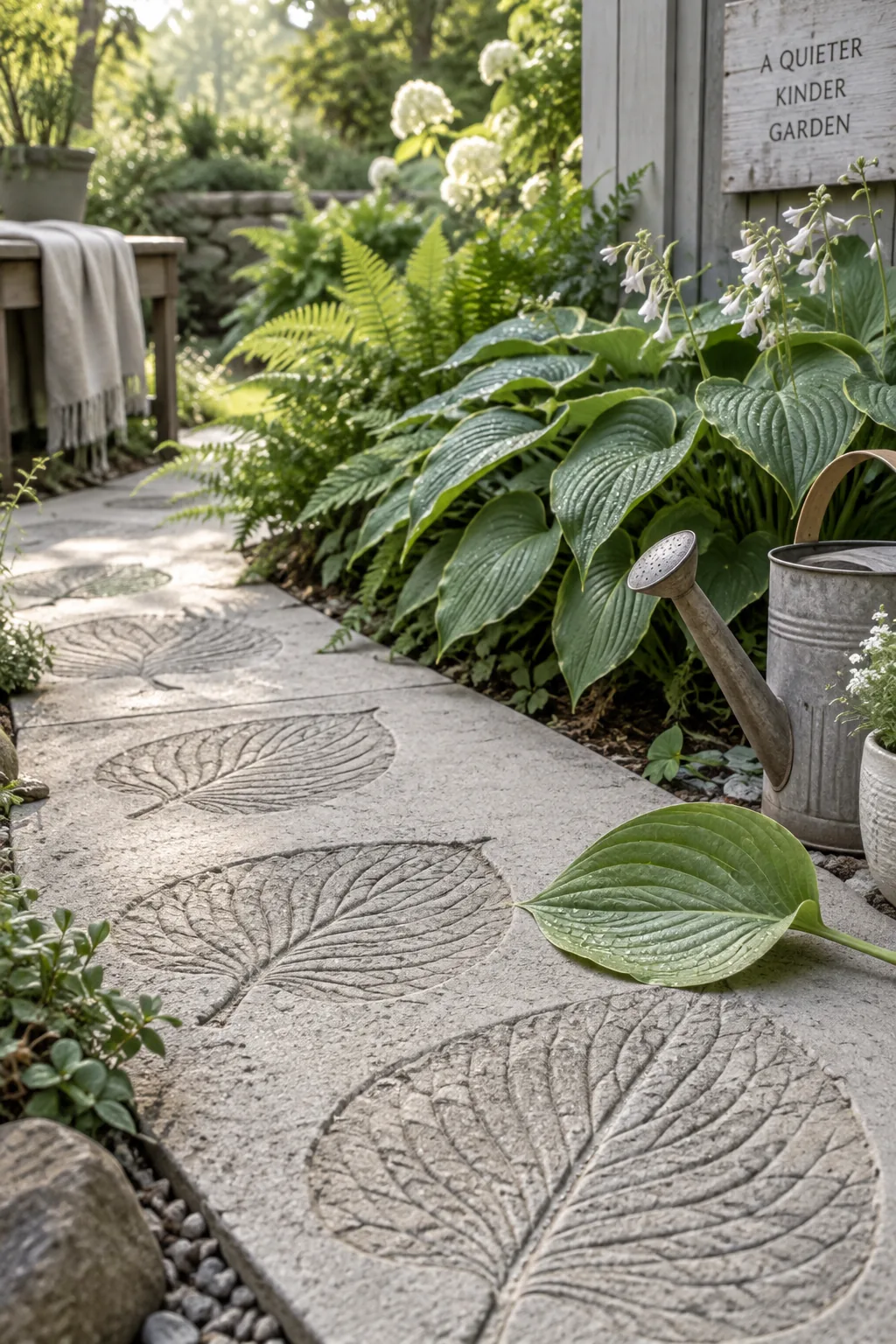
I love pressing large hosta leaves into my wet garden paths to leave intricate fossil-like impressions. You just lay the heavy, veined leaves face down on the smoothed cement and gently run a trowel over the top. Peel them up the next morning to reveal a stunning botanical pattern.
It costs absolutely nothing and makes a generic path feel incredibly custom.
14. Bright White Minimalist Path
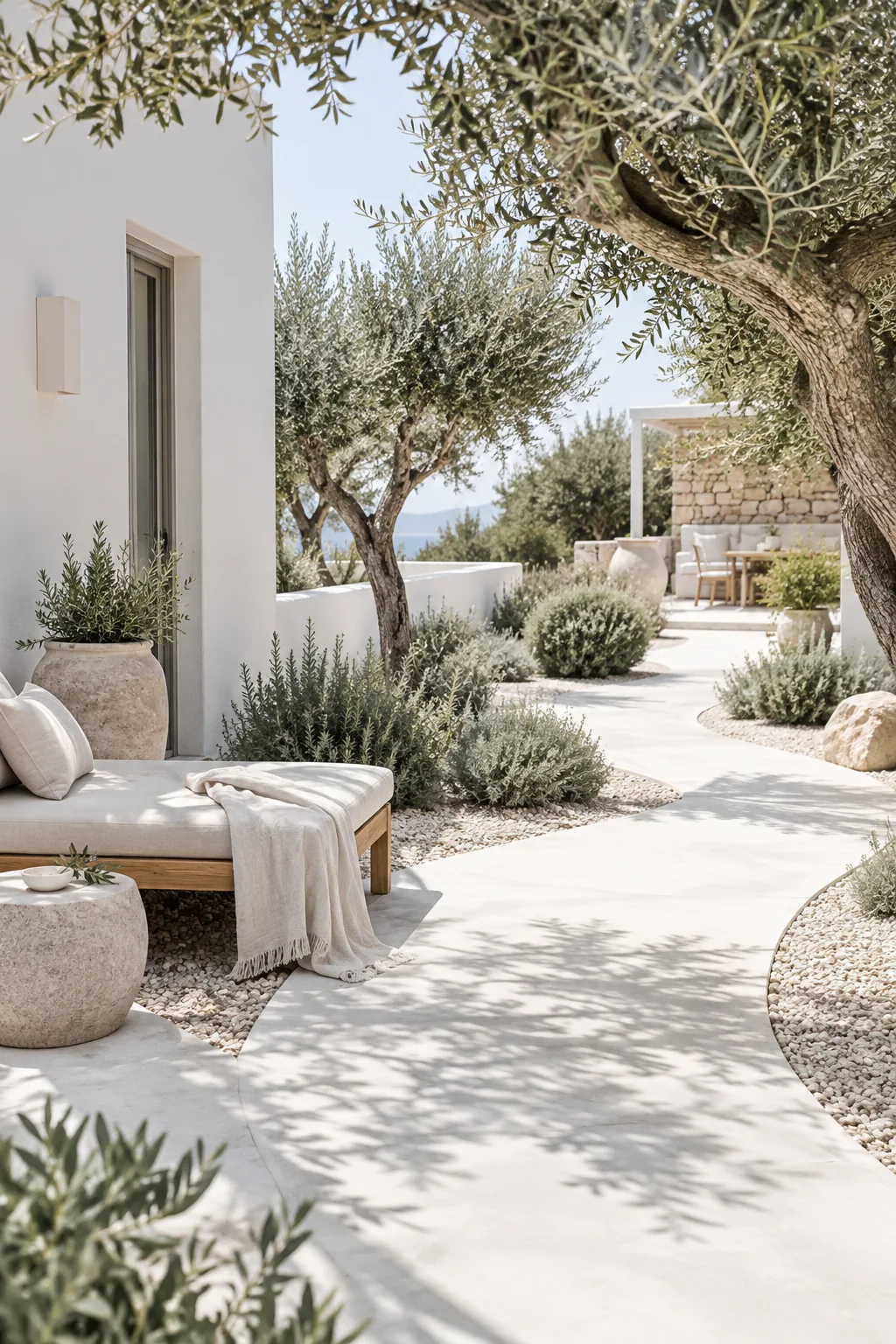
Mixing a heavy dose of white portland cement instead of standard gray is what makes a bright minimalist walkway work. The stark white surface reflects sunlight, keeping the pathway significantly cooler on bare feet during summer.
You will definitely need to pressure wash it more often to keep it looking pristine.
Why it works: The ultra-pale tone acts like a massive reflector, brightening up dark, shaded side yards instantly.
15. European Slate Stamp
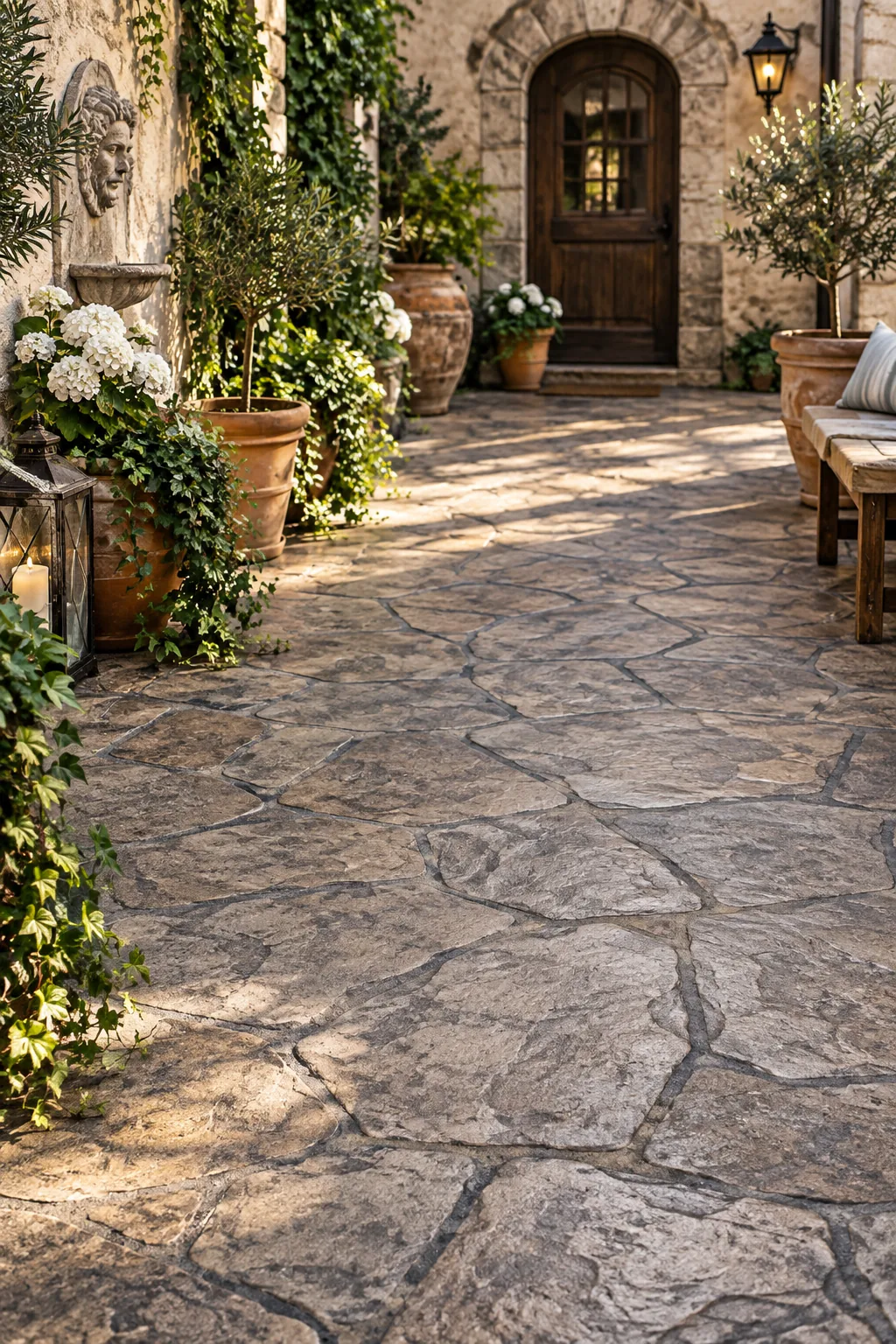
An old-world European courtyard aesthetic is easy to achieve with a simple slate stamp pattern. You press the rigid polyurethane stamps into the colored slab in an alternating layout to avoid obvious repetition. Adding a charcoal release agent settles dark pigment into all the faux grout lines.
Why it works: The seamless stamped surface prevents pesky weeds from growing up through the joints like they do with real pavers.
16. Hand-Scored Faux Tiles
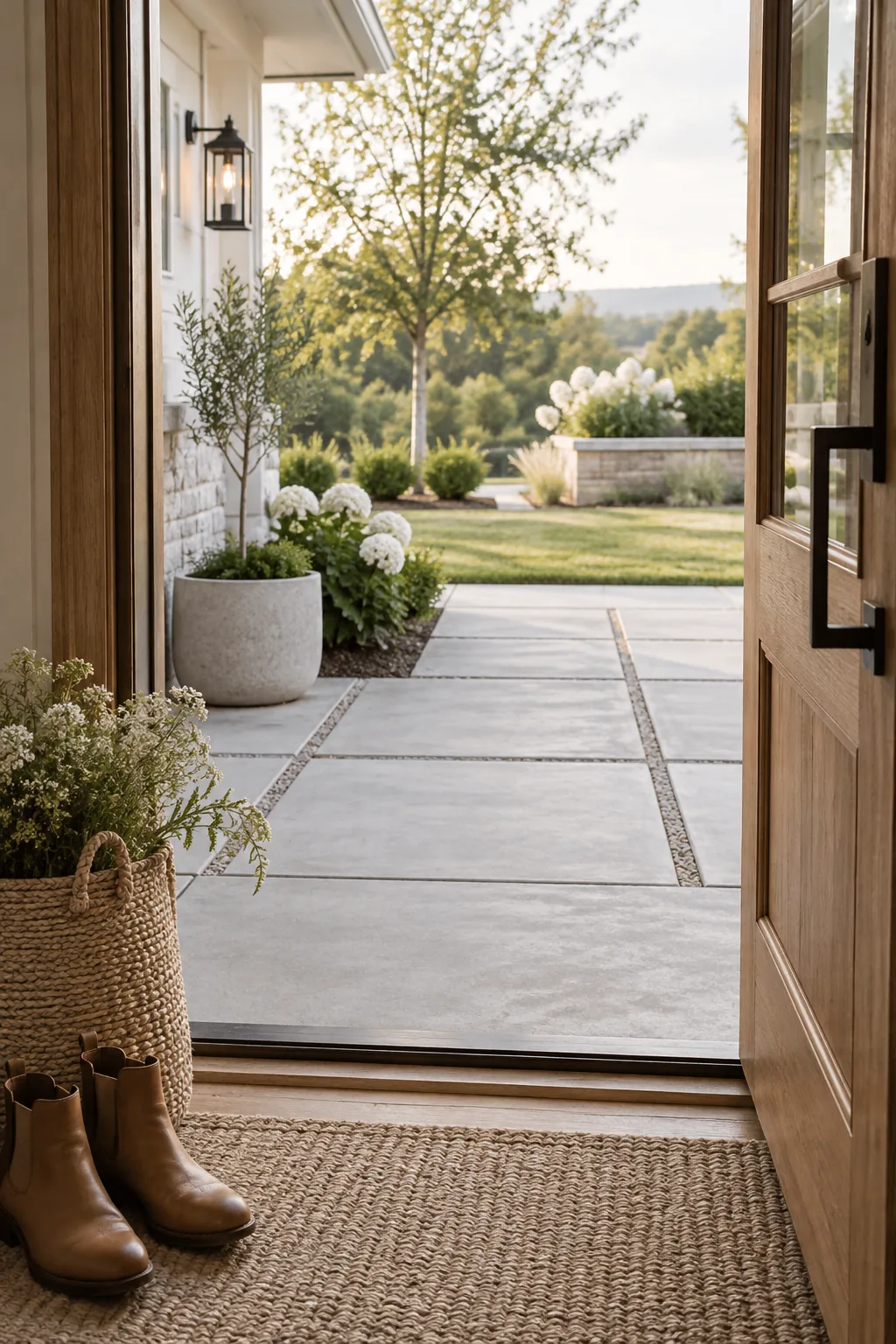
My favorite trick for a budget-friendly walkway is scoring a plain slab to look like giant square tiles. I use a simple concrete groover tool along a straight edge while the poured path is still soft. You get the high-end look of massive custom pavers without the backbreaking work of actually lifting them.
You can even paint the scored lines black later to make the tiles really stand out.