
17+ Brilliant Along Fence Simple Backyard Landscaping Ideas
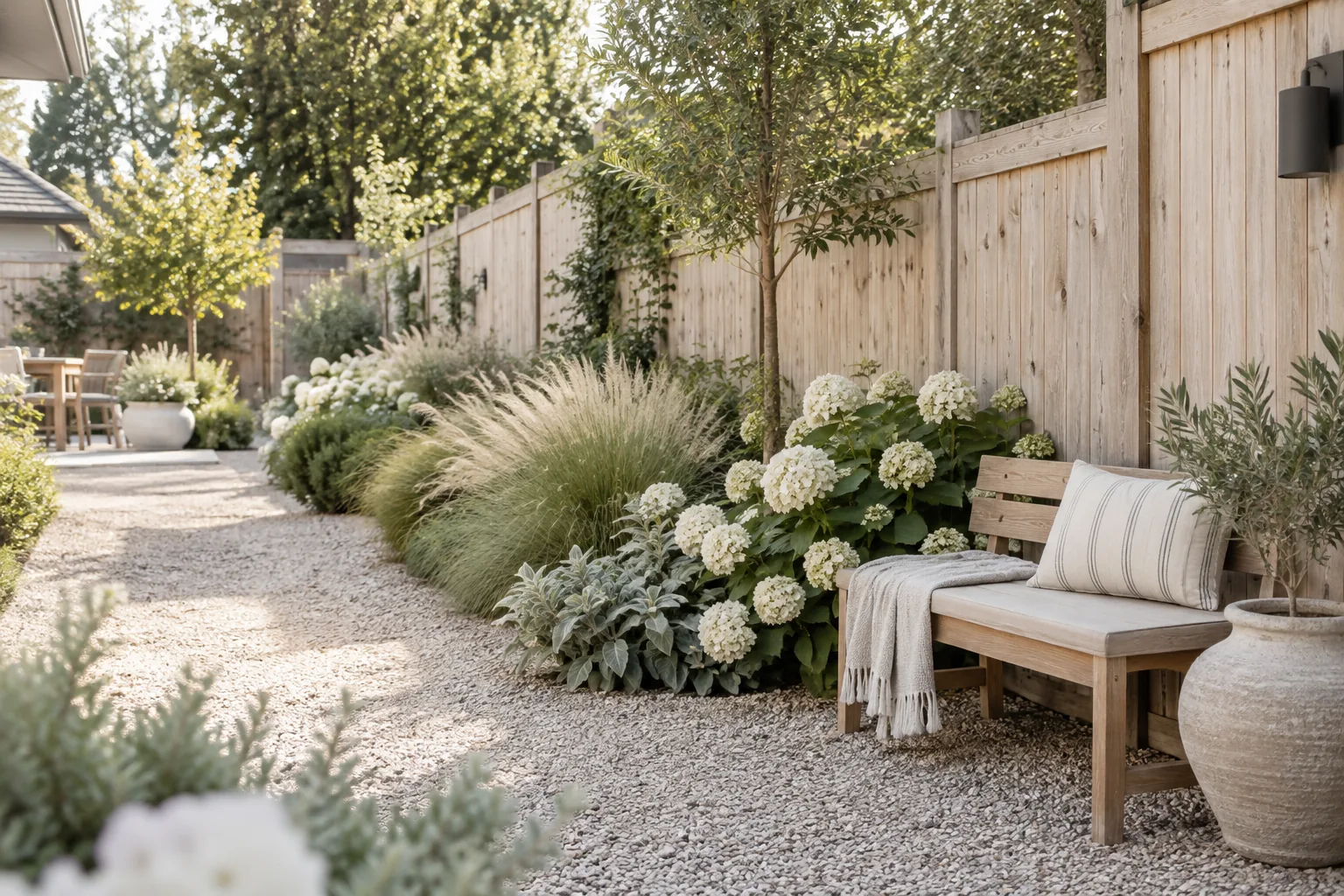
That blank stretch of dirt along your fence is just waiting for a weekend makeover. I pulled together my favorite low-maintenance ways to fill those awkward border gaps without spending a fortune.
1. Plant Ornamental Grasses
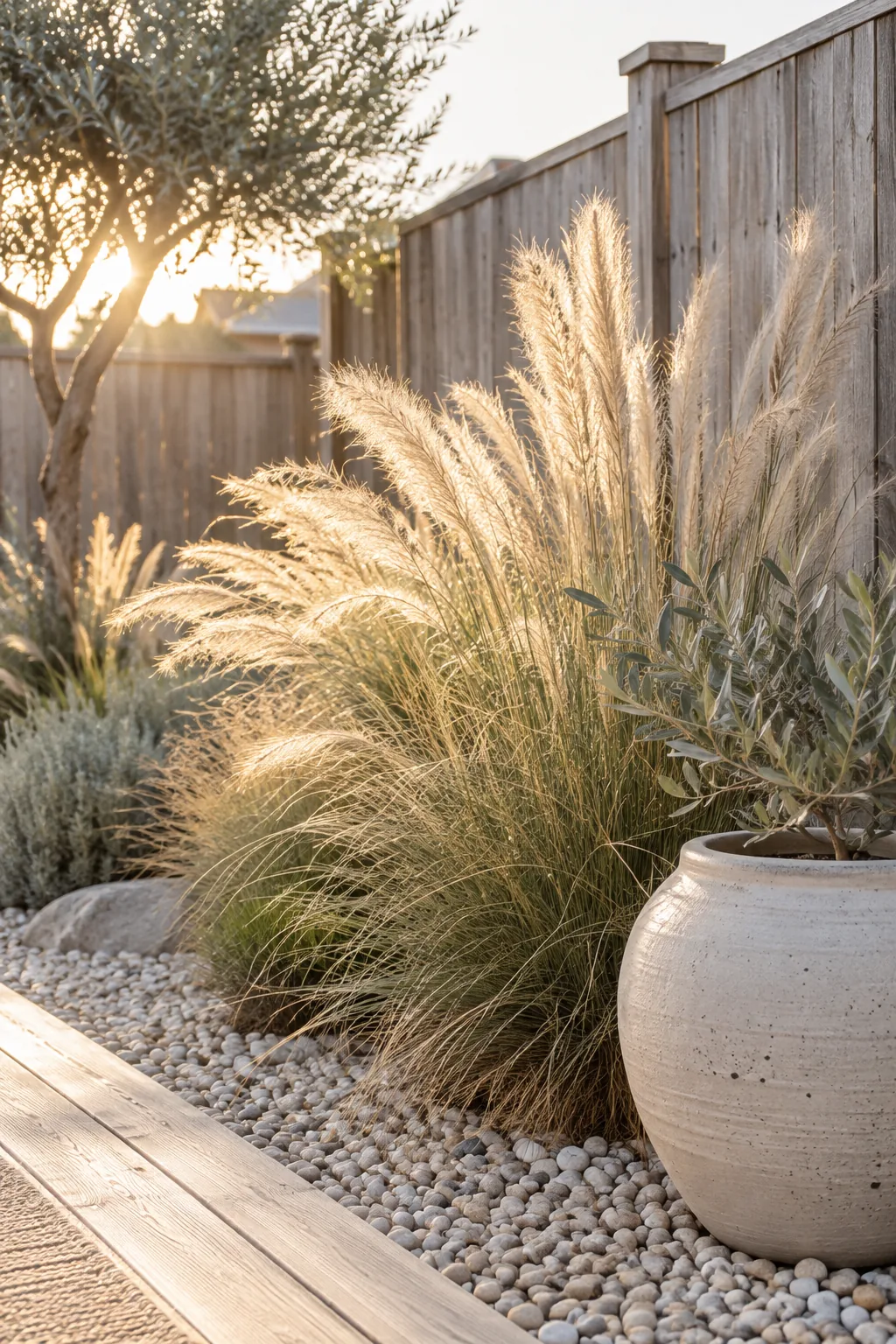
The soil right next to a wooden fence stays surprisingly dry since the panels block most of the rain. Planting drought-tolerant grasses like fountain grass solves that problem instantly. They grow fast and fill in the gaps with beautiful texture. You just plant them once and watch them thrive on total neglect.
2. Create a River Rock Buffer
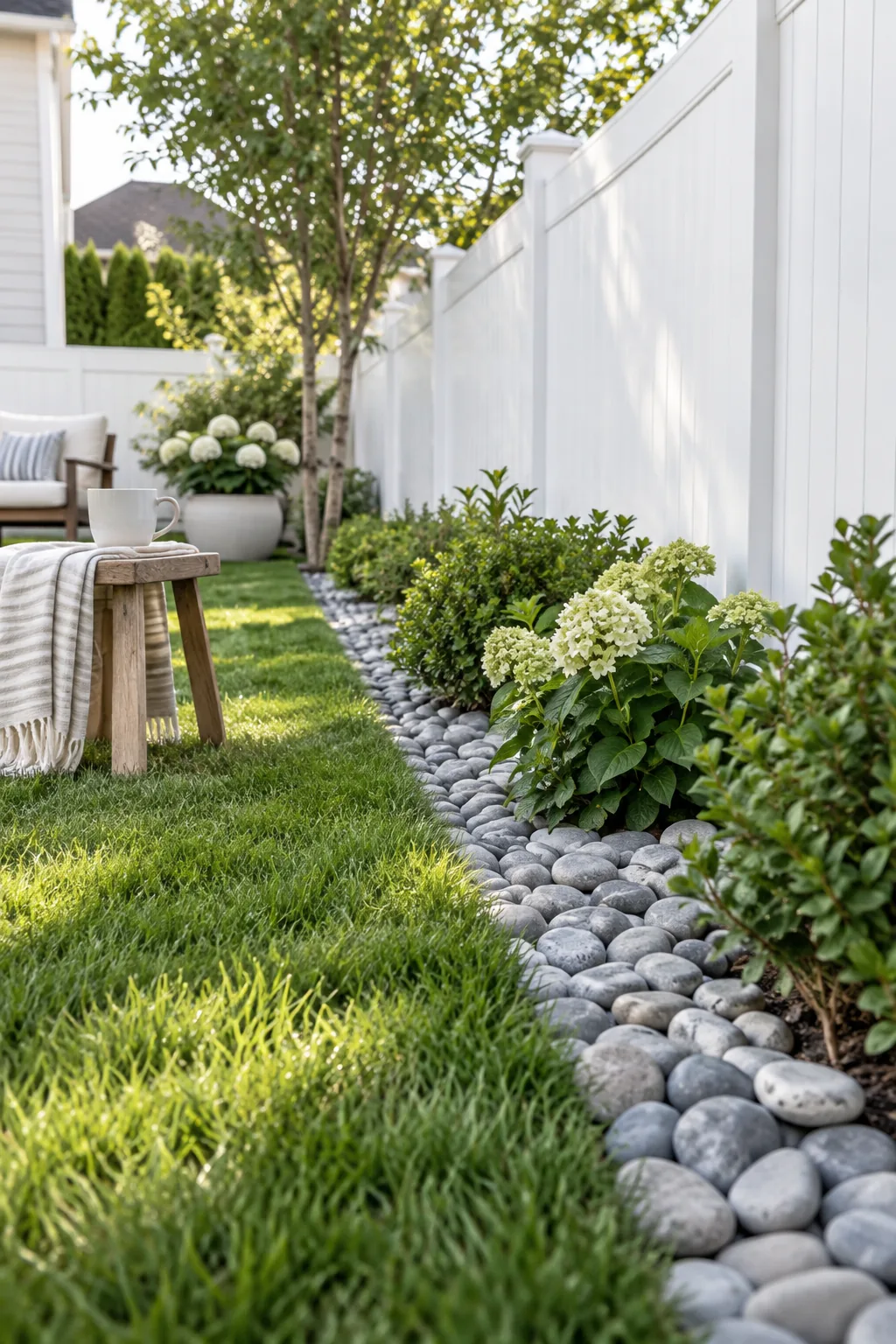
I always struggled with mowing right up against my vinyl fence until I installed a simple rock border. Digging a shallow trench and filling it with river rock creates a clean buffer zone. It keeps the string trimmer away from your fence panels.
Plus, it drains water away from the fence posts perfectly.
- Medium river rocks
- Landscape fabric
- Metal edging
3. Stick to Shade Perennials
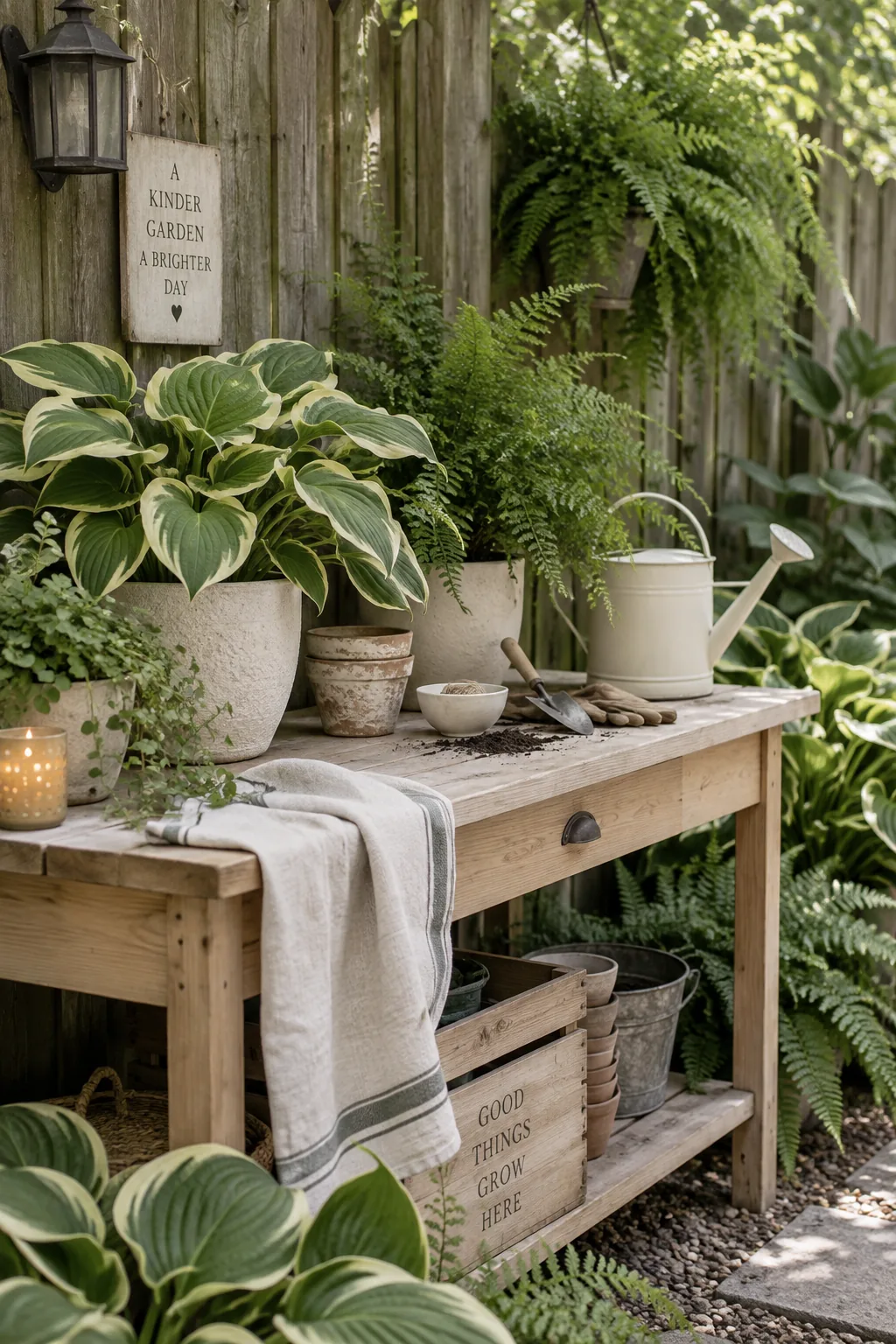
Tall privacy fences cast heavy shadows that make growing traditional sun-loving flowers nearly impossible. Shade-loving perennials like hostas and ferns will actually thrive in that dark microclimate along the baseboards.
- Variegated hostas
- Japanese painted ferns
4. Install Wire Trellises
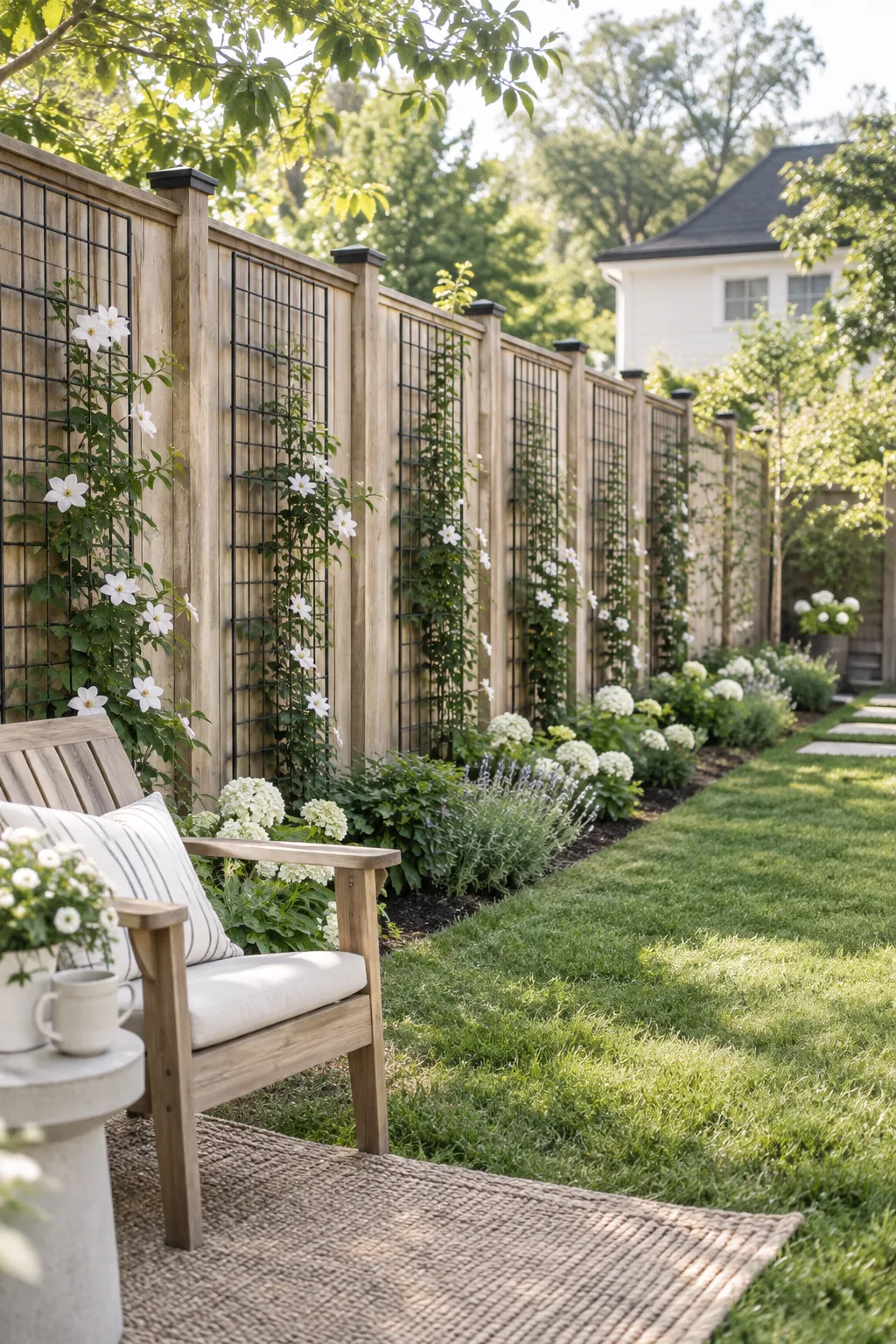
A standard backyard fence runs about 60 feet long, which means a lot of empty vertical space to cover. Adding a row of climbing trellises breaks up that massive wooden wall. You can secure simple wire grids directly to the posts. Plant a fast-growing vine at the base of each one to soften the hard lines. It turns a boring boundary into a living green wall in just one season.
5. Build a Raised Corner Bed
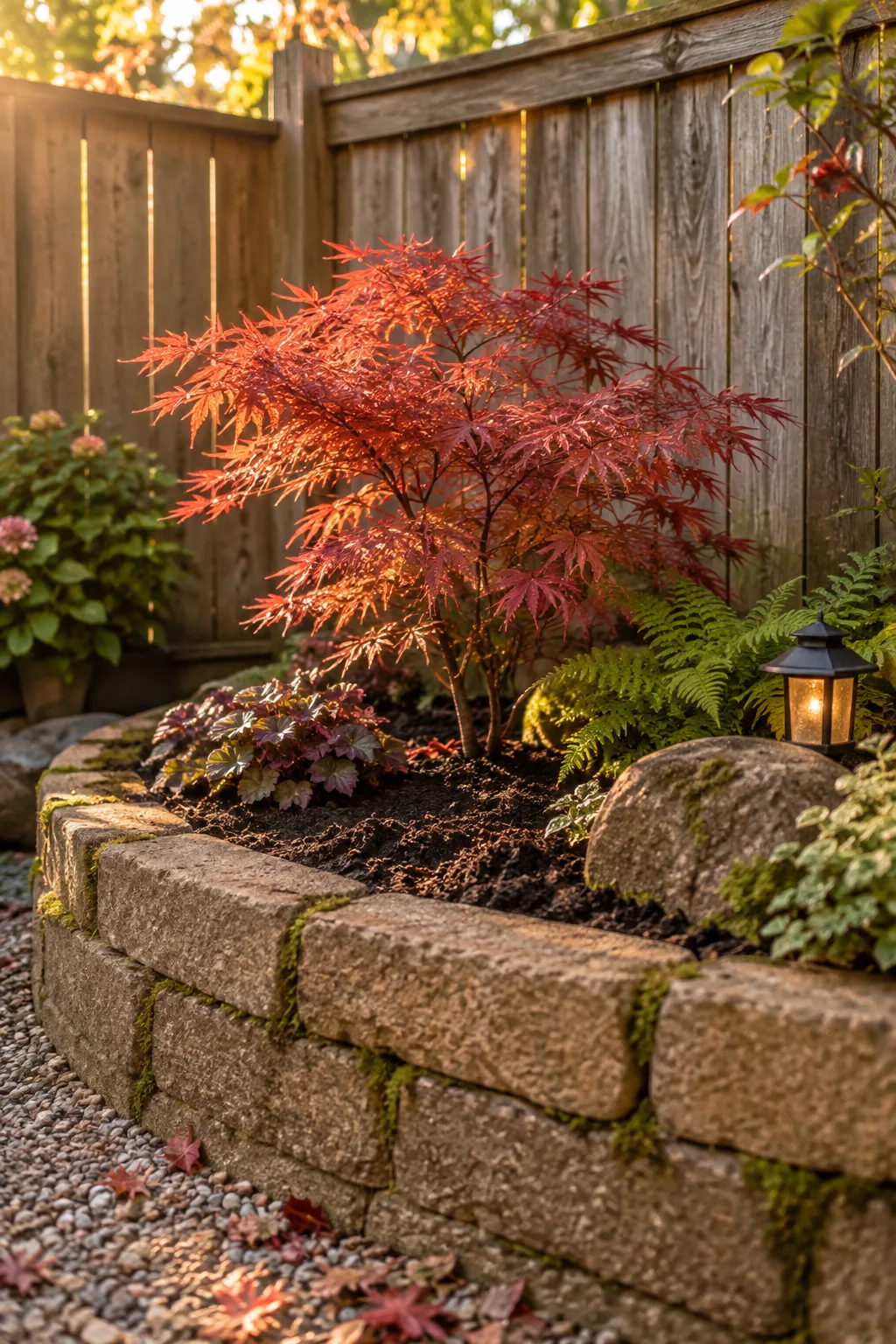
My favorite trick for awkward fence corners is building a raised corner bed.
Stacking retaining wall blocks in a gentle curve adds instant depth to a flat yard. Fill it with good soil and plant a dwarf tree as a focal point. The elevated height makes your landscaping look totally custom.
6. Plant Structured Boxwoods
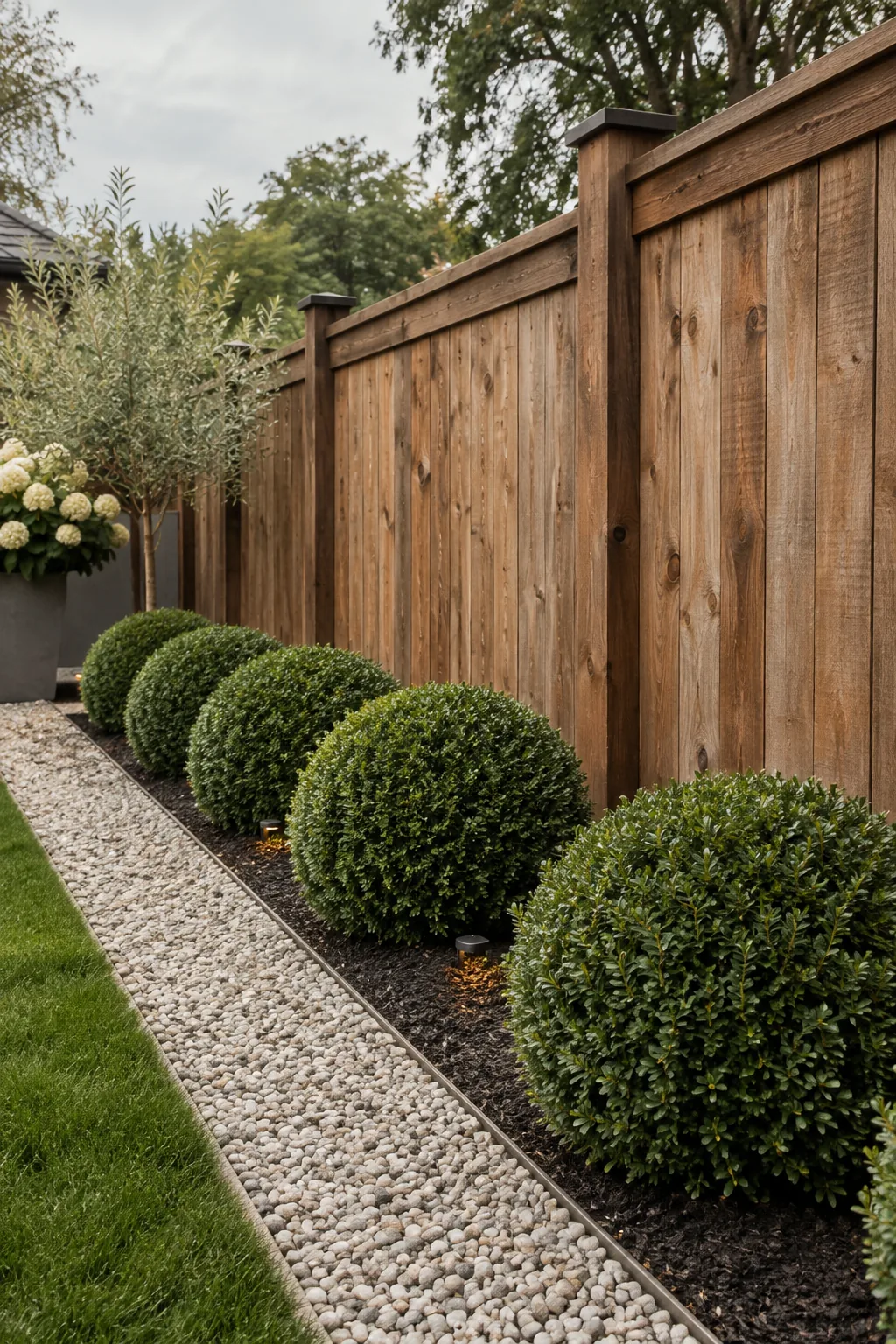
Most foundation shrubs need at least three feet of clearance from a fence to allow for air circulation. Planting boxwood hedges at this exact distance creates a structured, formal look while protecting your wood panels from rot. They stay green all year and require clipping just twice a season. The clean lines contrast beautifully with rough cedar fencing.
7. Use Repetitive Planting
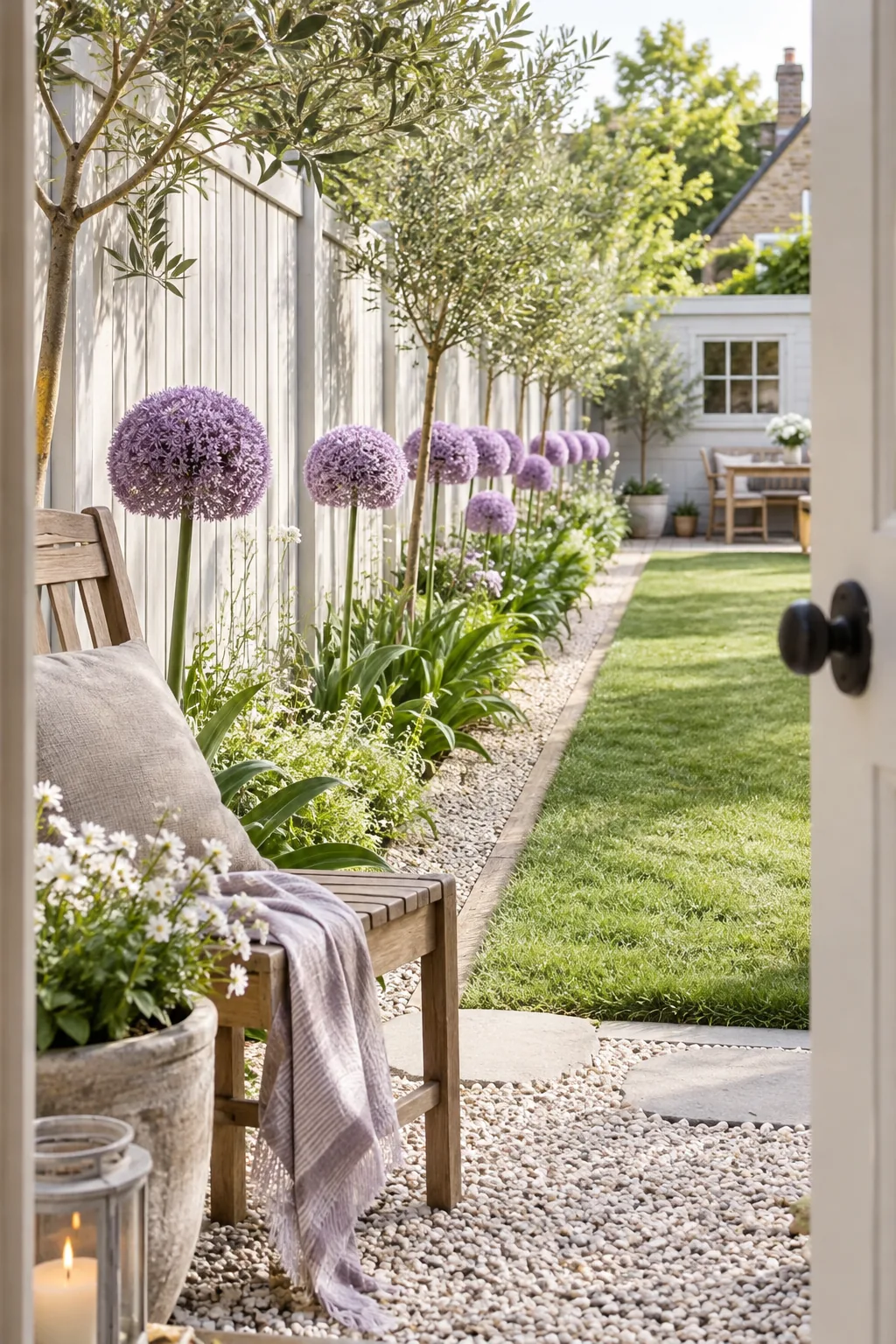
Repeating the same plant down the entire fence line creates a striking modern look through sheer simplicity. Spacing giant alliums or lavender every two feet draws the eye along the perimeter. This massive repetition makes a small yard feel significantly longer.
It is also incredibly easy to maintain since everything needs the same exact watering schedule.
Why it works: Repeating the same plant down the entire fence line creates a striking modern look through sheer simplicity.
8. Lay a Mulch Border
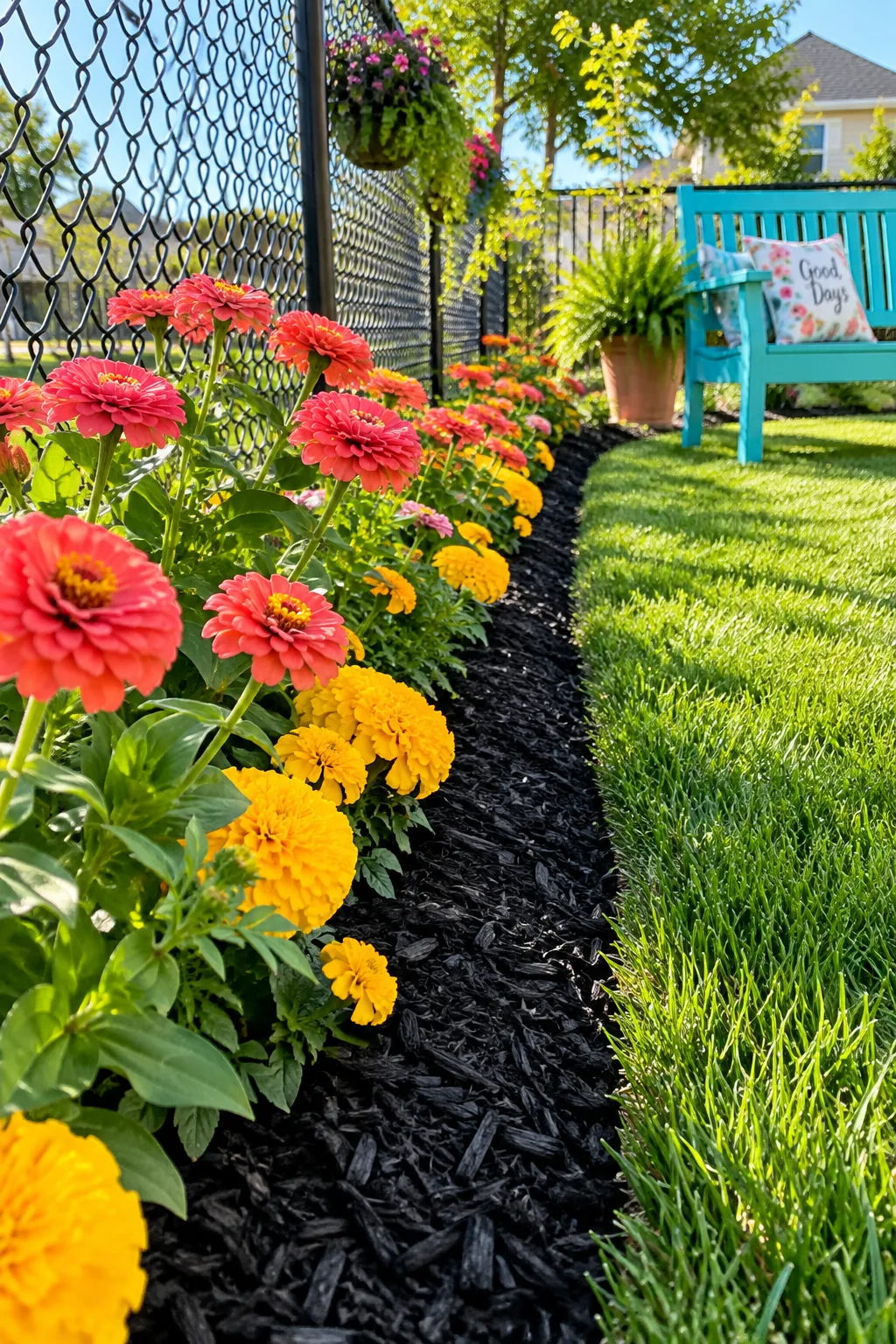
The strip of grass right under a chain-link fence is notorious for trapping wind-blown trash and weeds. Laying down a thick layer of black mulch over cardboard smothers those weeds and gives the fence a tidy, finished edge.
9. Utilize the Southern Exposure
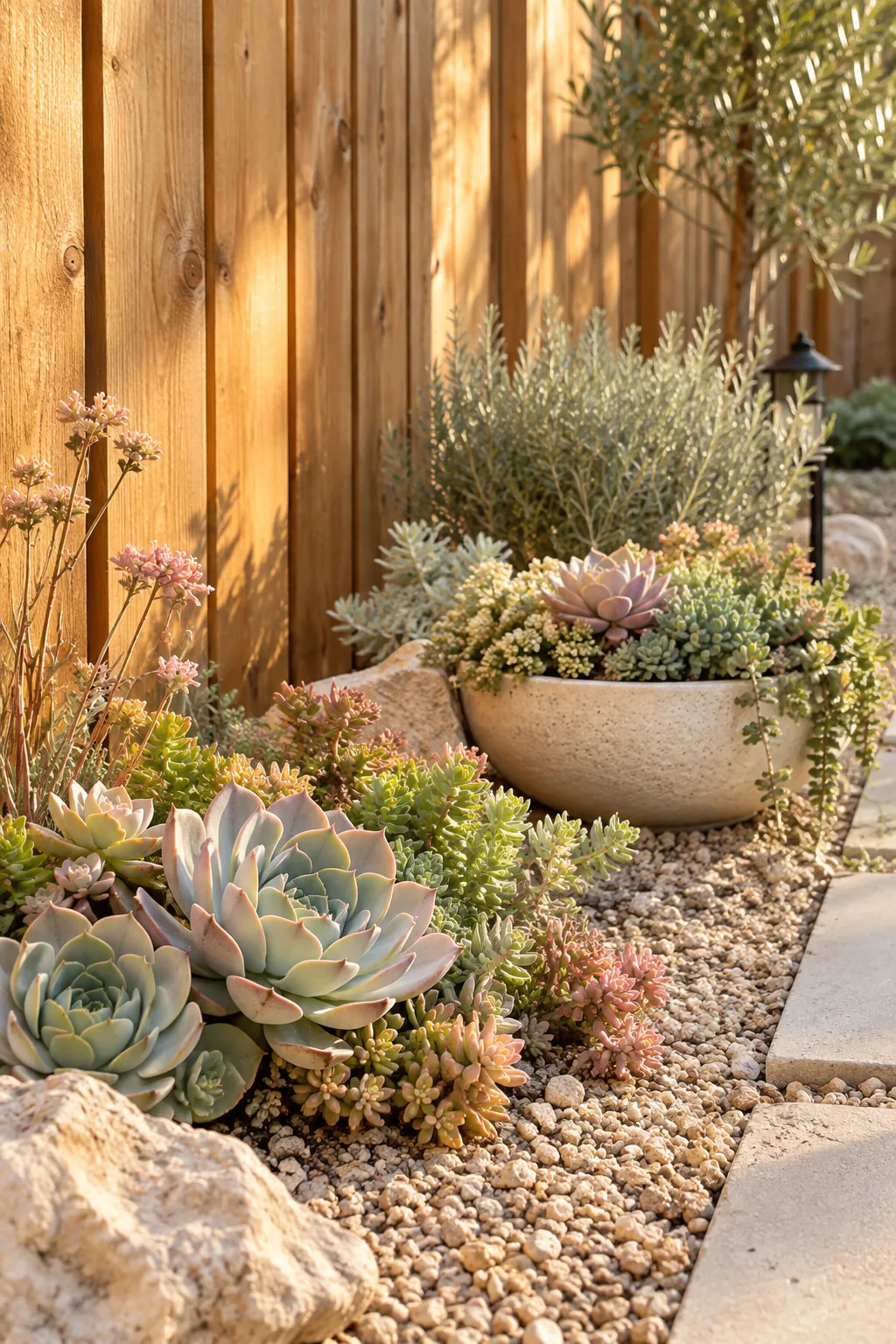
A six-foot privacy fence blocks enough wind to create a warm microclimate on its south-facing side. You can use this trapped heat to grow sun-loving succulents or heat-tolerant blooms that might struggle elsewhere in your yard. The wood radiates warmth back onto the plants overnight. It is the absolute best spot for your most delicate greenery.
10. Add a Brick Mowing Strip
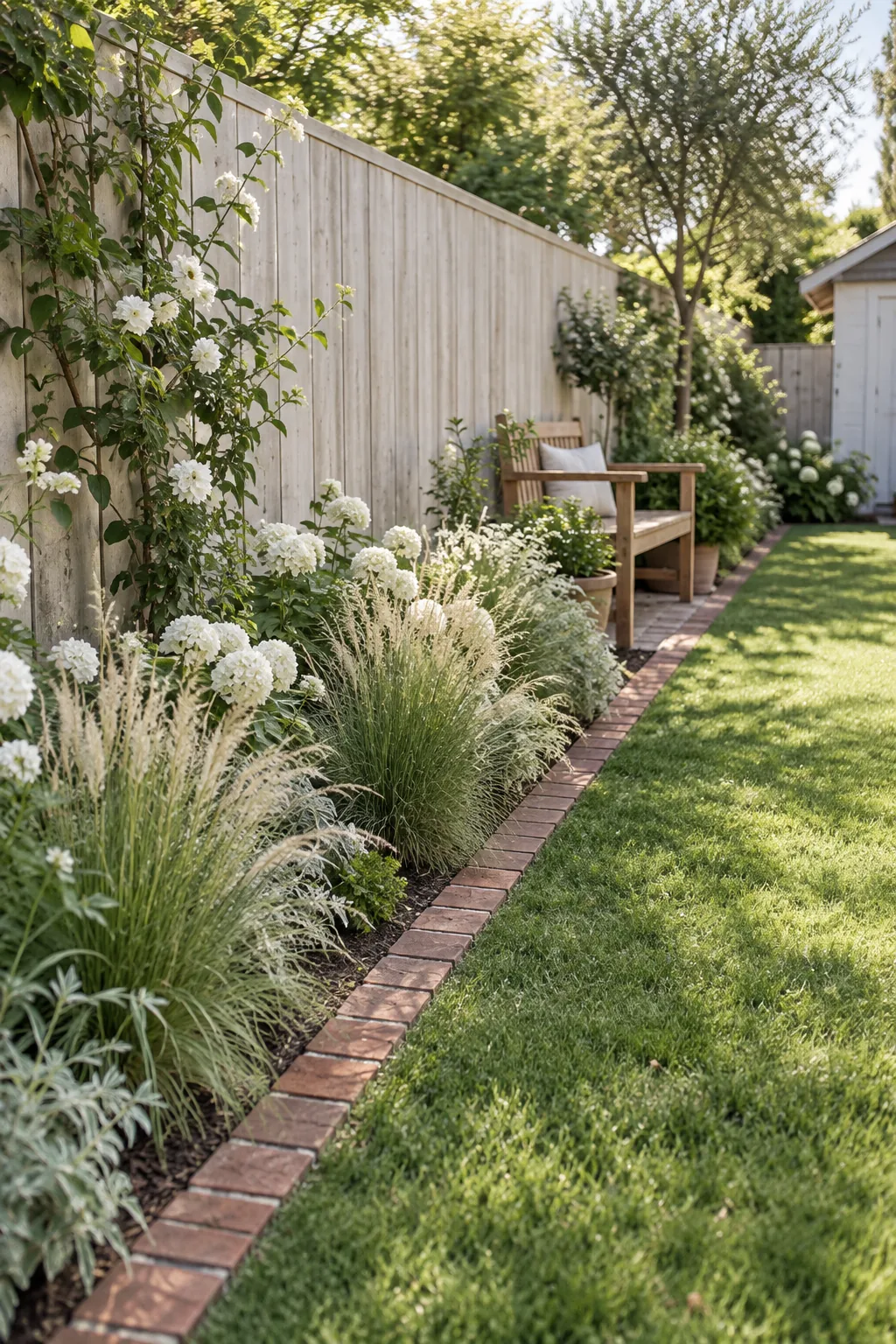
Keep your planting beds at least two feet wide so your lawnmower wheel can easily ride along the edge. Installing a flush brick mowing strip separates the grass from your fence border perfectly. It stops grass runners from invading your flower beds.
You will never have to use a string trimmer against your fence posts again.
11. Layer Plants by Height
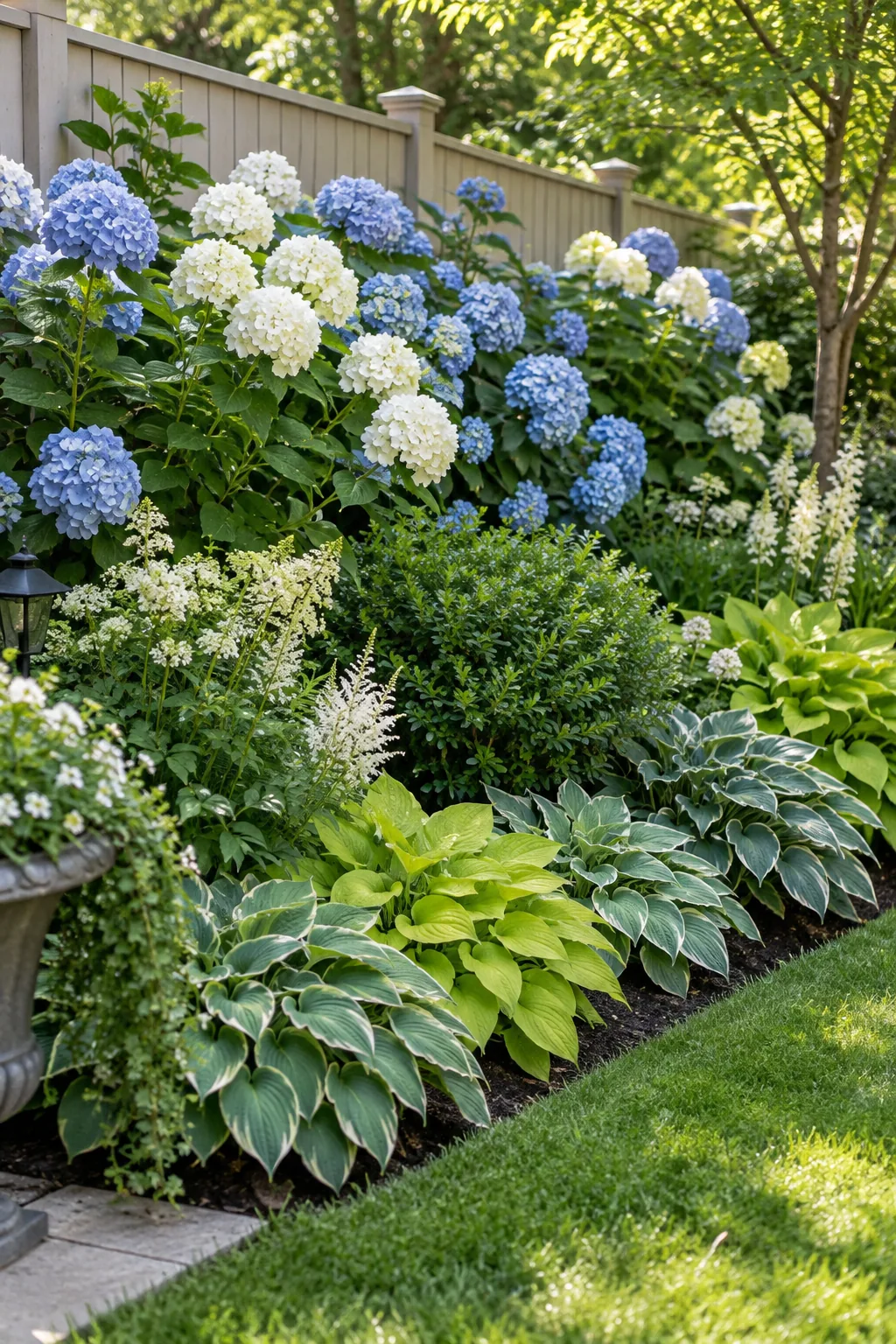
Plant your tallest shrubs in the back and step down the heights toward the lawn.
Layering hydrangeas against the fence with low hostas in front creates incredible depth. This tiered approach hides the bare bottom stems of larger bushes. It makes the entire border look lush and professionally designed.
12. Line Up Oversized Planters
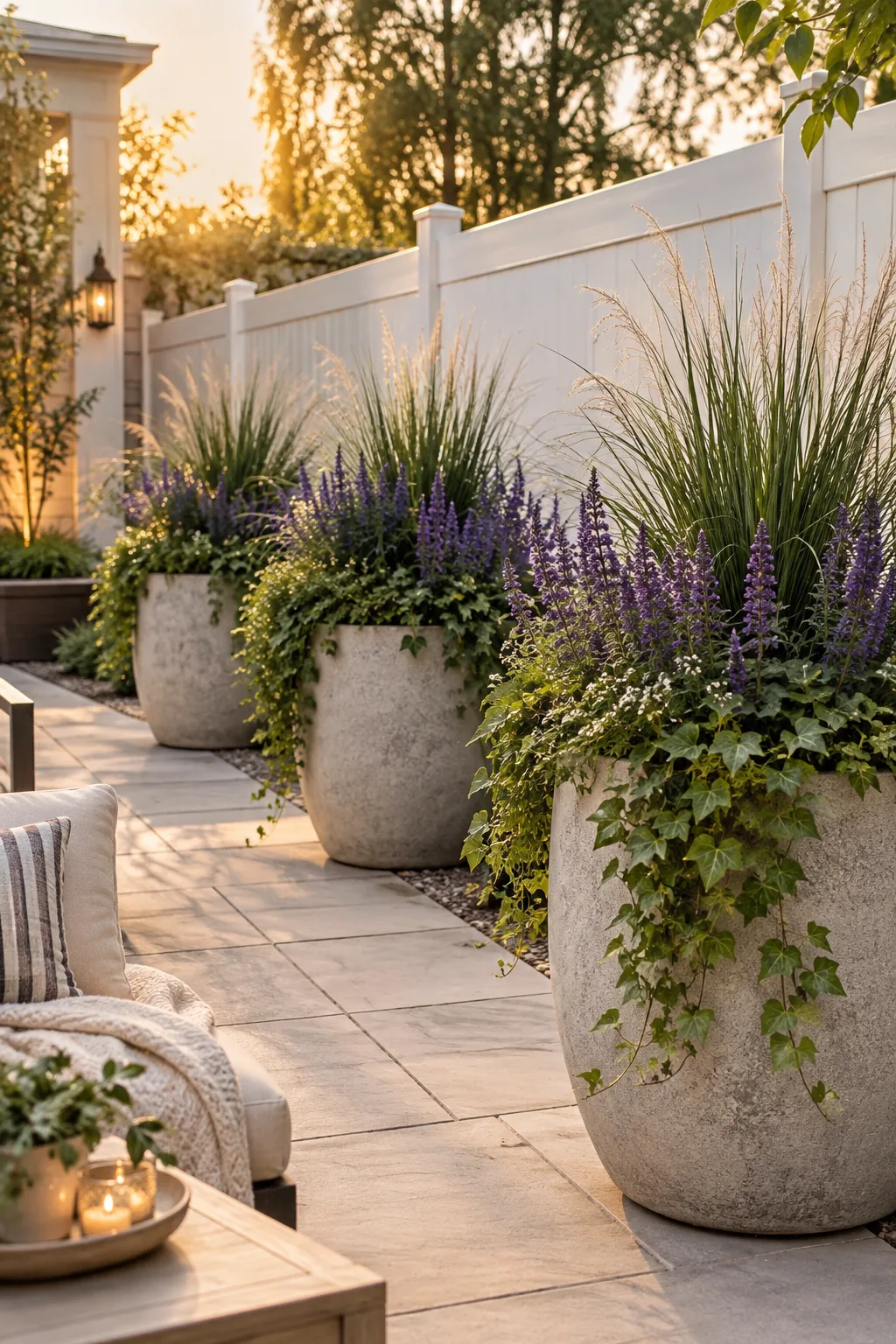
I love using oversized planters to break up a long, boring stretch of vinyl fencing. Lining up three identical large concrete pots adds instant architecture without requiring any digging. You can fill them with trailing vines and tall spikes for a dramatic effect. Moving them around is easy whenever you want to change up the yard's layout.
13. Create a Mini Rain Garden
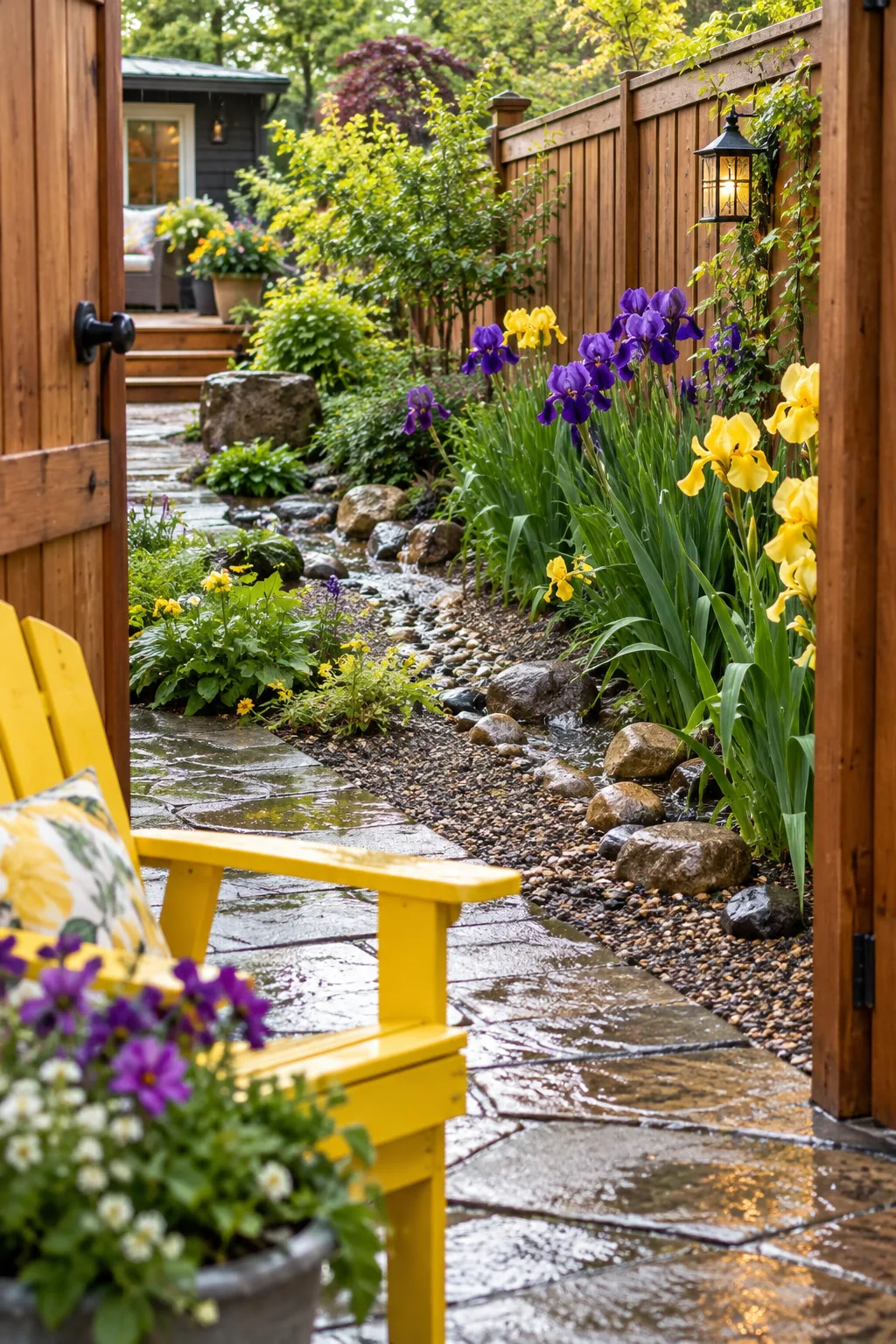
The ground slopes naturally toward the fence line in most suburban backyards, leading to soggy soil after heavy rains. Digging a shallow swale and filling it with gravel and moisture-loving irises turns a drainage nightmare into a beautiful feature. The rocks slow down the water runoff while the plant roots soak up the excess moisture. This creates a miniature rain garden right where you need it most. It solves your puddle problem while looking completely intentional.
14. Mix in Edible Shrubs
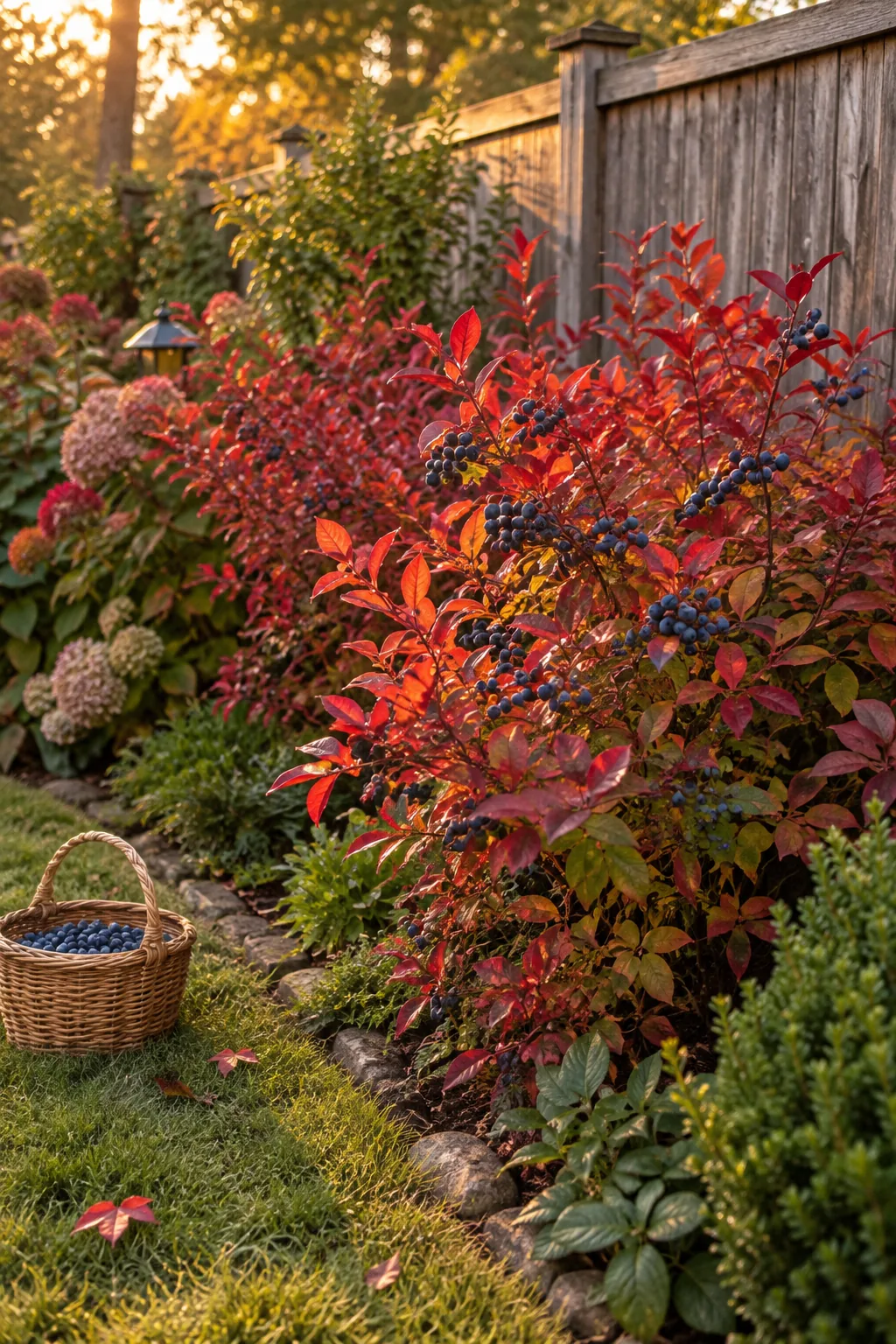
Mixing edible plants into your ornamental border maximizes every square inch of your backyard real estate. Tucking blueberry bushes along the fence gives you gorgeous red foliage in the fall and fresh fruit in the summer. They blend right in with traditional landscaping shrubs. Your neighbors will just think you planted a really pretty hedge.
Why it works: Mixing edible plants into your ornamental border maximizes every square inch of your backyard real estate.
15. Install Solar Uplighting
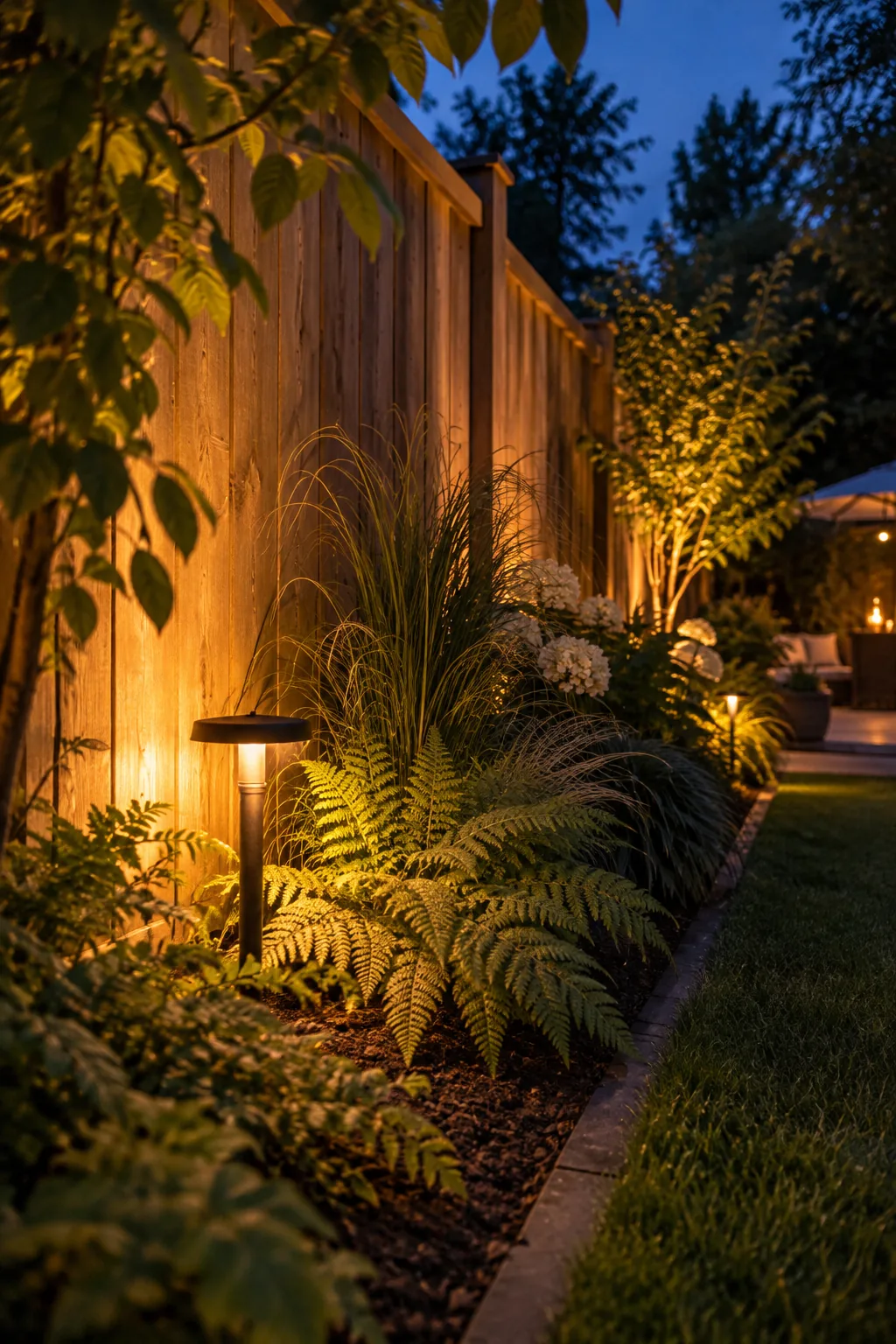
Adding outdoor lighting extends your yard's usability by at least four hours every evening. Pushing solar path lights into the soil along your fence border casts a gorgeous glow against the wood panels. You want to space them about six feet apart to avoid a runway effect. The upward illumination highlights the texture of your plants and the fence itself. It is the cheapest way to make your backyard look like a high-end resort.
16. Use Galvanized Stock Tanks
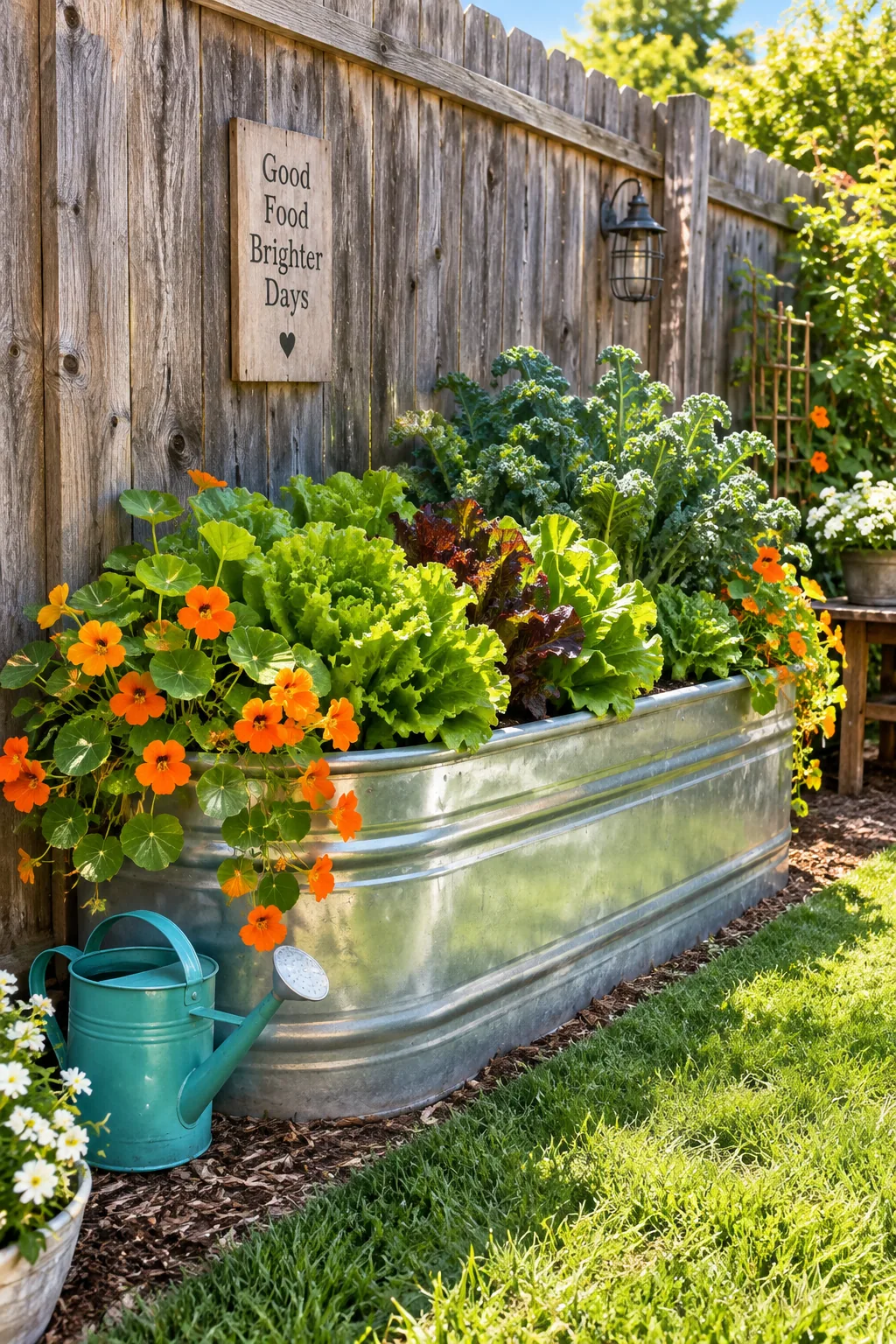
I always keep a few galvanized troughs on hand for instant raised beds.
Pushing a long metal stock tank against a sunny fence creates the perfect contained vegetable garden. It keeps the messy dirt off your fence panels and stops rabbits from eating your lettuce. The industrial metal looks amazing against weathered wood.
17. Plant Creeping Groundcovers
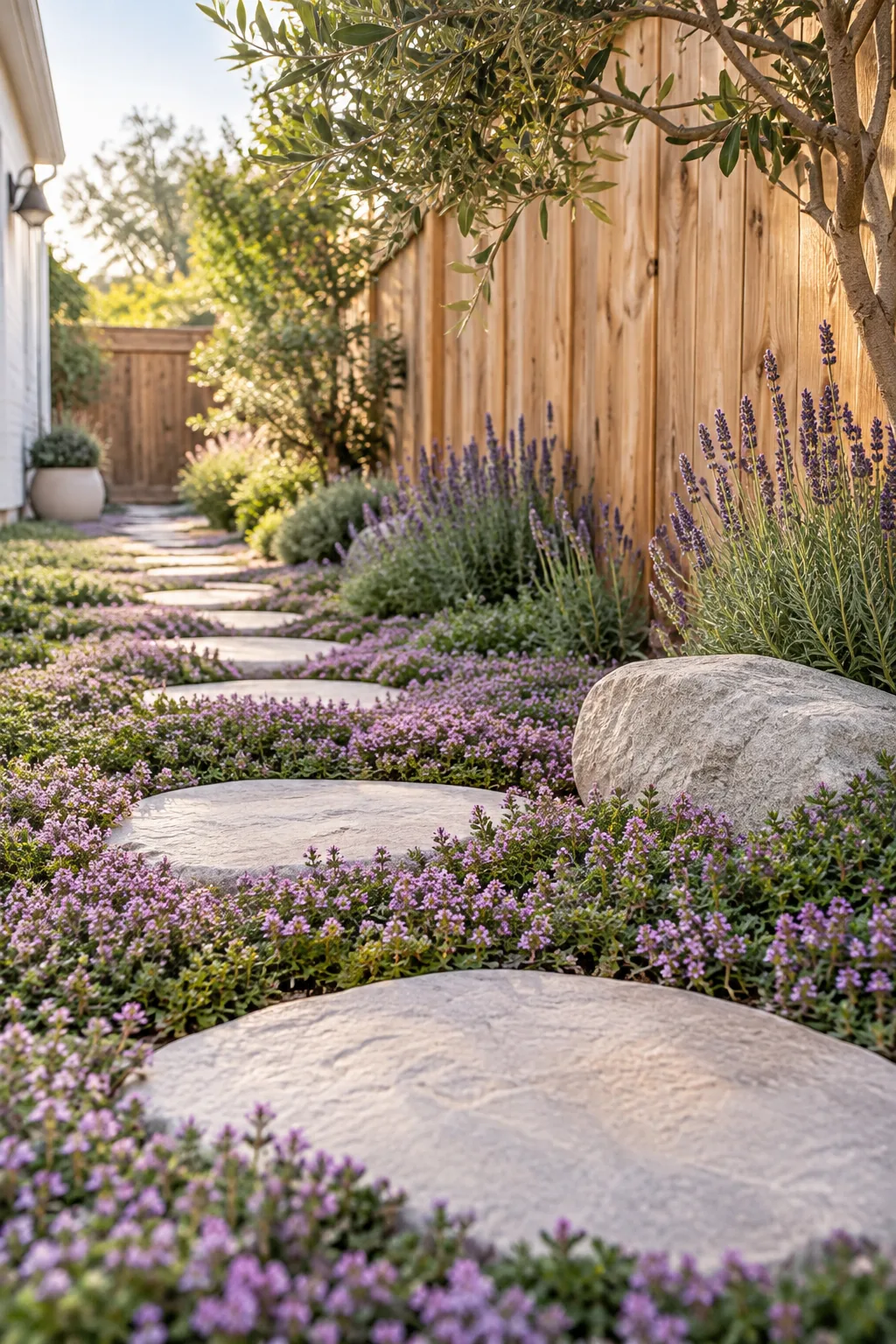
Utilizing creeping groundcovers prevents weed seeds from ever hitting the soil along your fence line. Planting creeping thyme between stepping stones forms a dense, fragrant mat that chokes out unwanted growth. It handles foot traffic beautifully and requires zero mowing. The tiny purple flowers add a delicate pop of color against the heavy wood planks.
Why it works: Utilizing creeping groundcovers prevents weed seeds from ever hitting the soil along your fence line.
18. Stack Natural Fieldstones
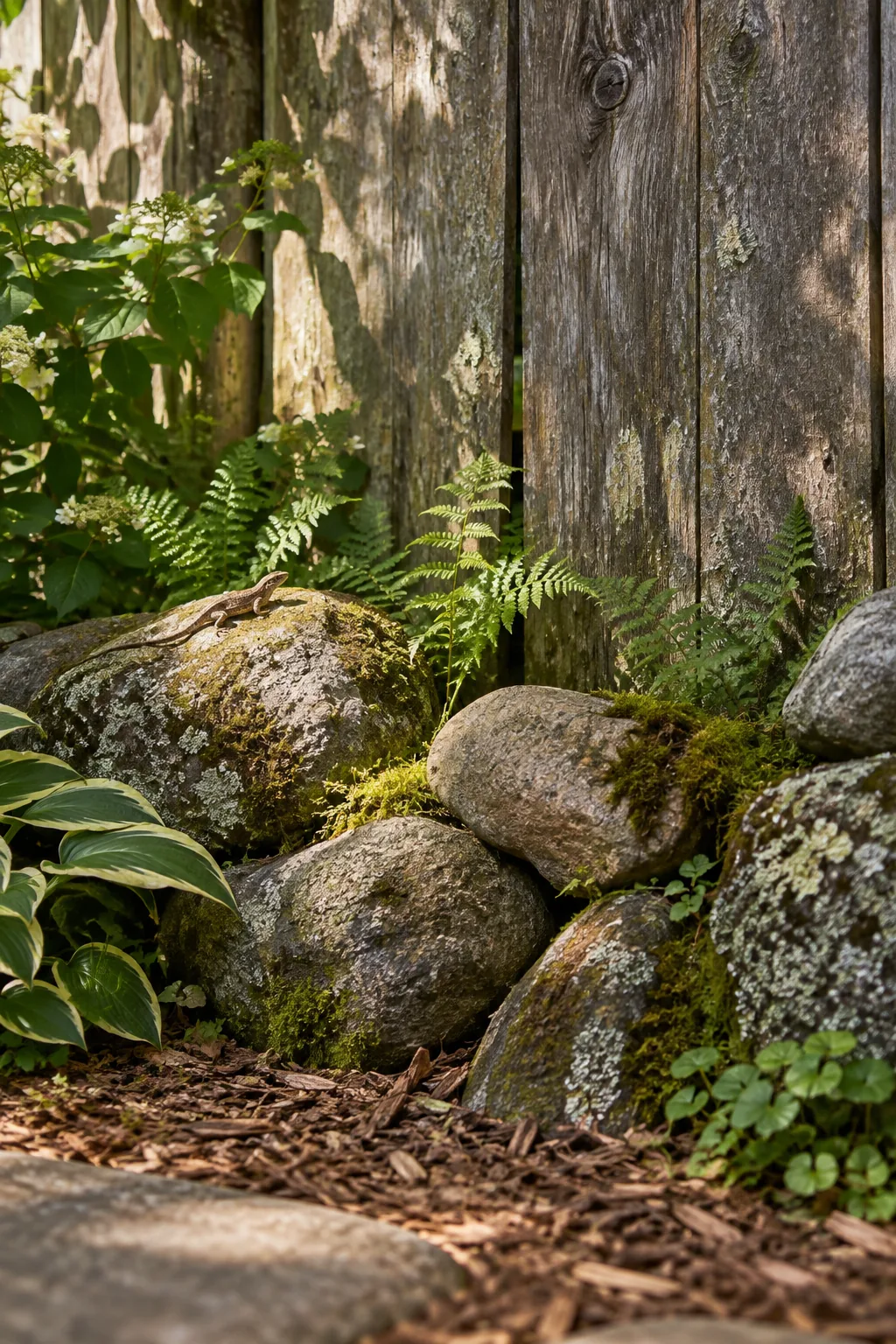
Old wooden fences often have uneven gaps at the bottom where the soil has washed away. Piling up large fieldstones along the base hides these ugly gaps completely. The rugged stones add a natural, woodland feel to an otherwise standard yard. Small lizards and beneficial insects love to hide in the crevices.