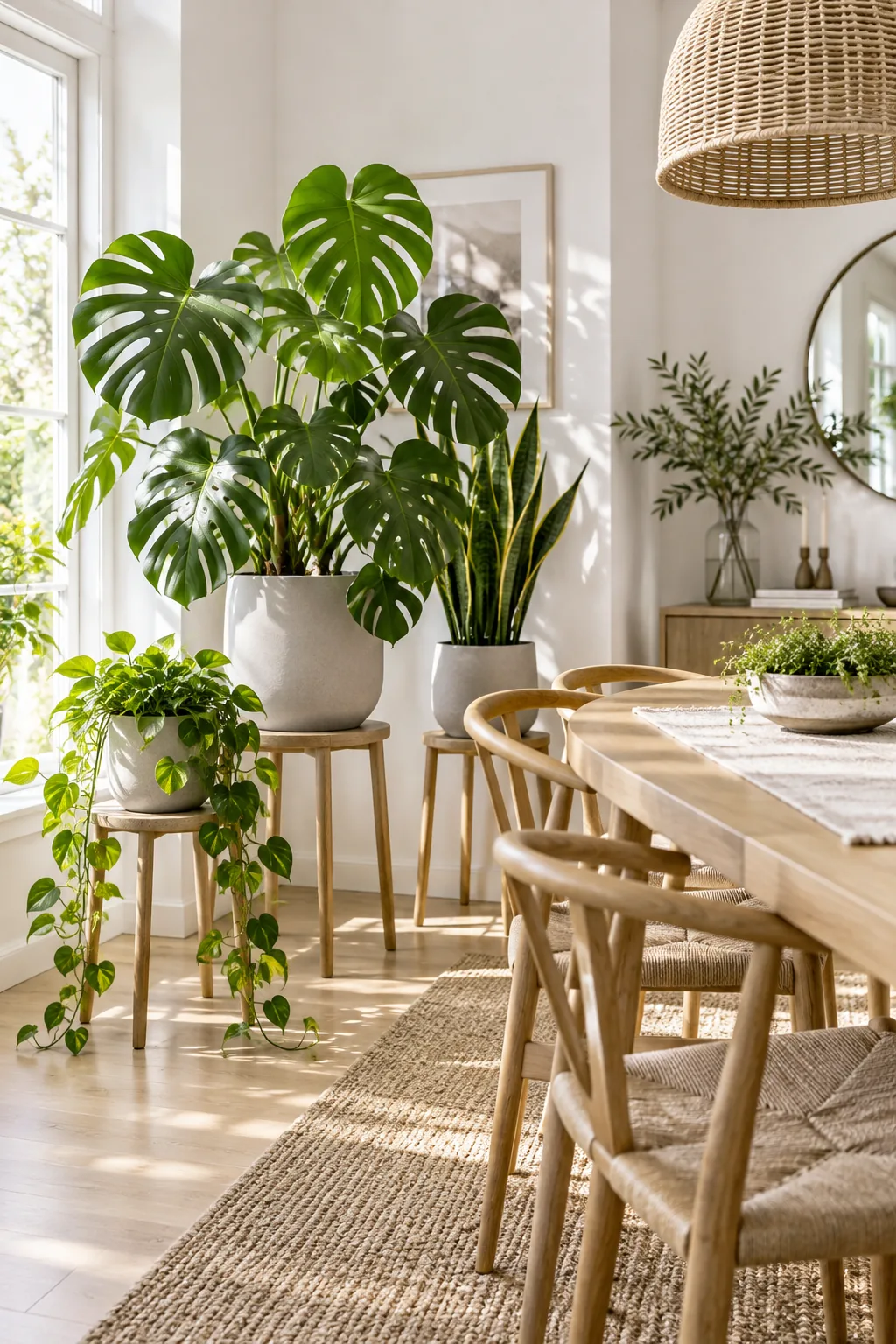
The 20-Plant Light & Watering Chart for Thriving Houseplants
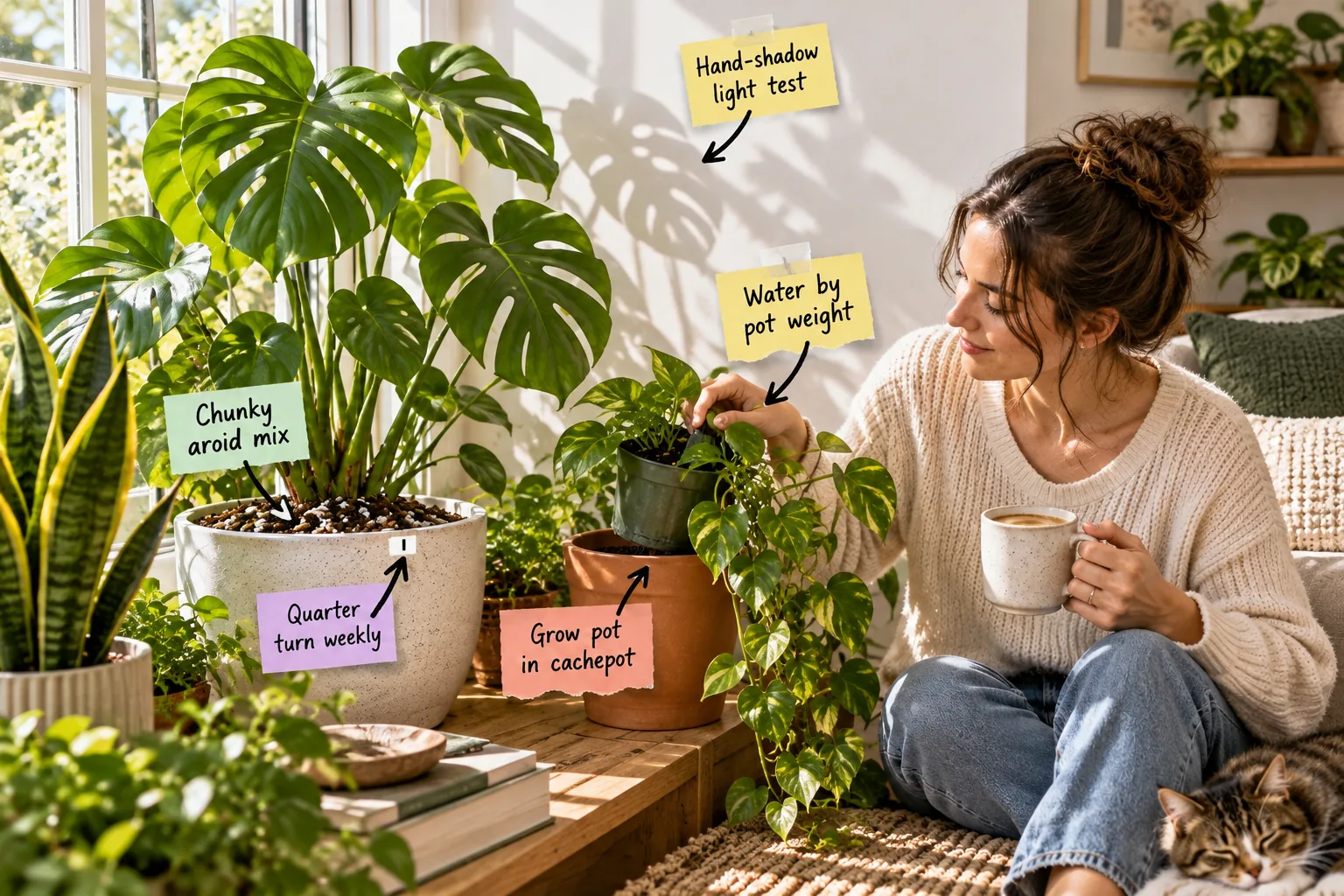
Take the guesswork out of your morning routine and confidently place, pot, and water your indoor jungle using this printable 20-plant light and watering chart. You will master simple sensory checks, from evaluating window shadows to feeling soil weight, to ensure your favorite tropicals thrive all year long.
The Hand-Shadow Light Test
To determine your window’s true light level, hold your hand exactly 12 inches from the wall at midday to evaluate the crispness of the resulting shape. I always guessed my living room lighting until I learned how to interpret this simple physical baseline.
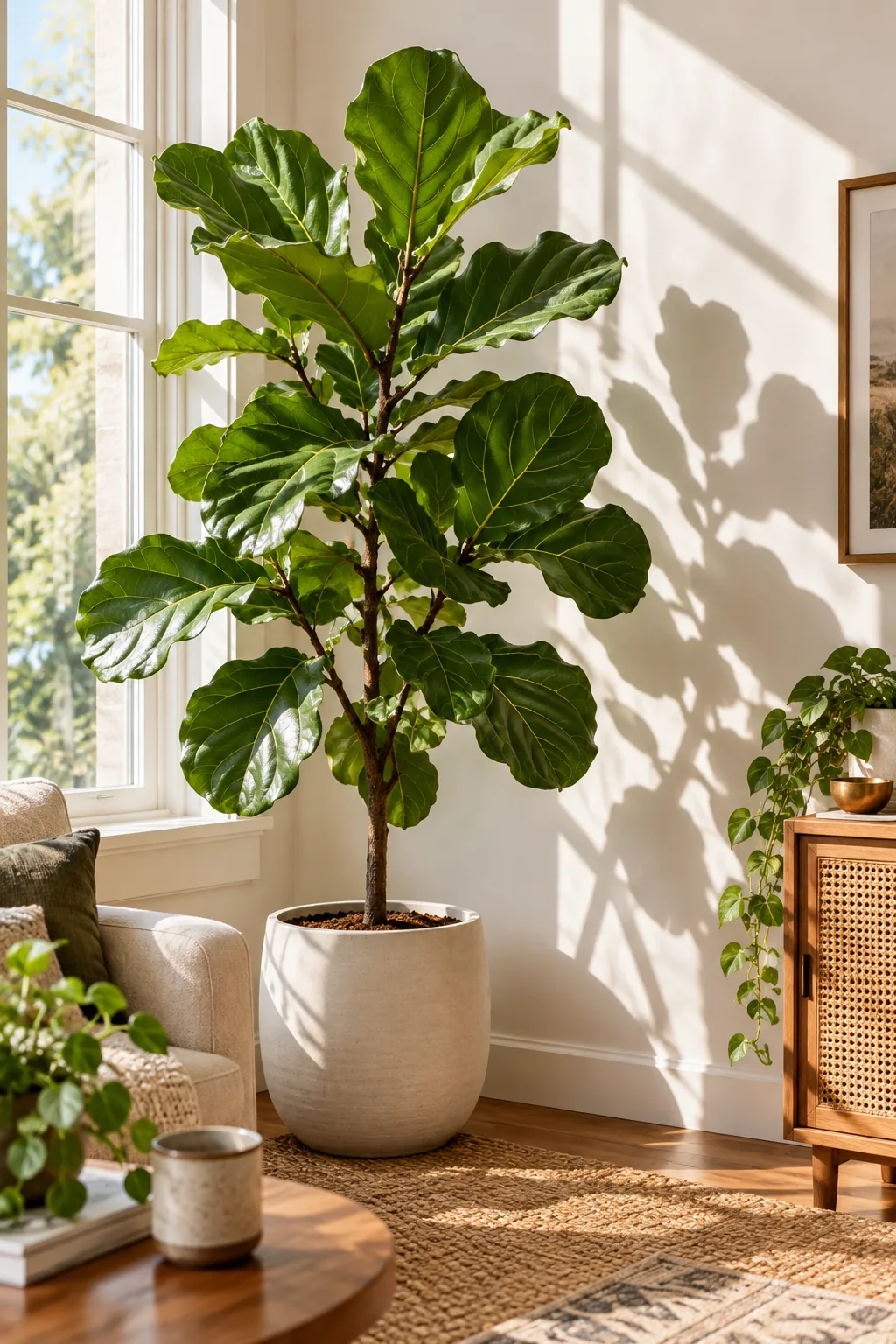
A sharp, high-contrast silhouette indicates bright indirect light, while a fuzzy, soft-edged shadow means medium light suitable for ferns. Since the sun’s angle changes drastically throughout the day, timing your shadow test correctly ensures you capture the room’s true potential.
Choosing the Right Window Direction
Once you understand your shadow results, matching those light levels to the correct compass direction prevents scorched leaves or stunted growth. South-facing windows deliver the intense, prolonged brightness that thick-leaved tropicals crave, while east-facing glass provides gentle, cool morning rays.
Mixing a Chunky Aroid Soil
Standard potting soil suffocates tropical roots by holding excess moisture, so you must create a well-draining chunky aroid mix to ensure healthy aeration. Blending your own substrate guarantees that water flows straight through the container without pooling at the bottom.
- Use 40 percent standard indoor potting soil to provide a rich, moisture-retaining nutrient base.
- Add 30 percent medium-grade orchid bark to create essential air pockets for root respiration.
- Mix in 30 percent coarse perlite to force rapid water drainage during heavy flushes.
This specific ratio mimics a natural forest floor, leaving the visible orchid bark and perlite on the soil surface as constant proof of excellent drainage. Your plants will develop thicker, more robust root systems when they can finally breathe properly.
Sizing Up the Nursery Container
Selecting the correct container size directly impacts how efficiently your new chunky soil mixture dries out between waterings. Upgrading to a pot that is too large traps excess wet soil against the delicate roots, drastically increasing the risk of fungal rot.
| Current Pot Size | Next Upgrade Size | Drying Time | Watering Frequency |
|---|---|---|---|
| 4-inch nursery pot | 5-inch maximum | 3 to 5 days | Twice weekly check |
| 6-inch nursery pot | 8-inch maximum | 7 to 10 days | Weekly check |
| 8-inch nursery pot | 10-inch maximum | 10 to 14 days | Bi-weekly check |
| 10-inch nursery pot | 12-inch maximum | 14 to 21 days | Monthly deep flush |
| 12-inch floor pot | 14-inch maximum | 21+ days | Monthly deep flush |
Always restrict your upgrades to just two inches wider than the current root mass to maintain this predictable drying schedule. Tight containers force the plant to push out lush new foliage rather than wasting vital energy expanding its subterranean network.
The Grow Pot and Cachepot System
The safest way to maintain healthy roots is to keep your plant in its original plastic nursery pot so excess water can escape freely. This grow pot in cachepot method gives you perfect drainage while completely hiding the utilitarian plastic container.
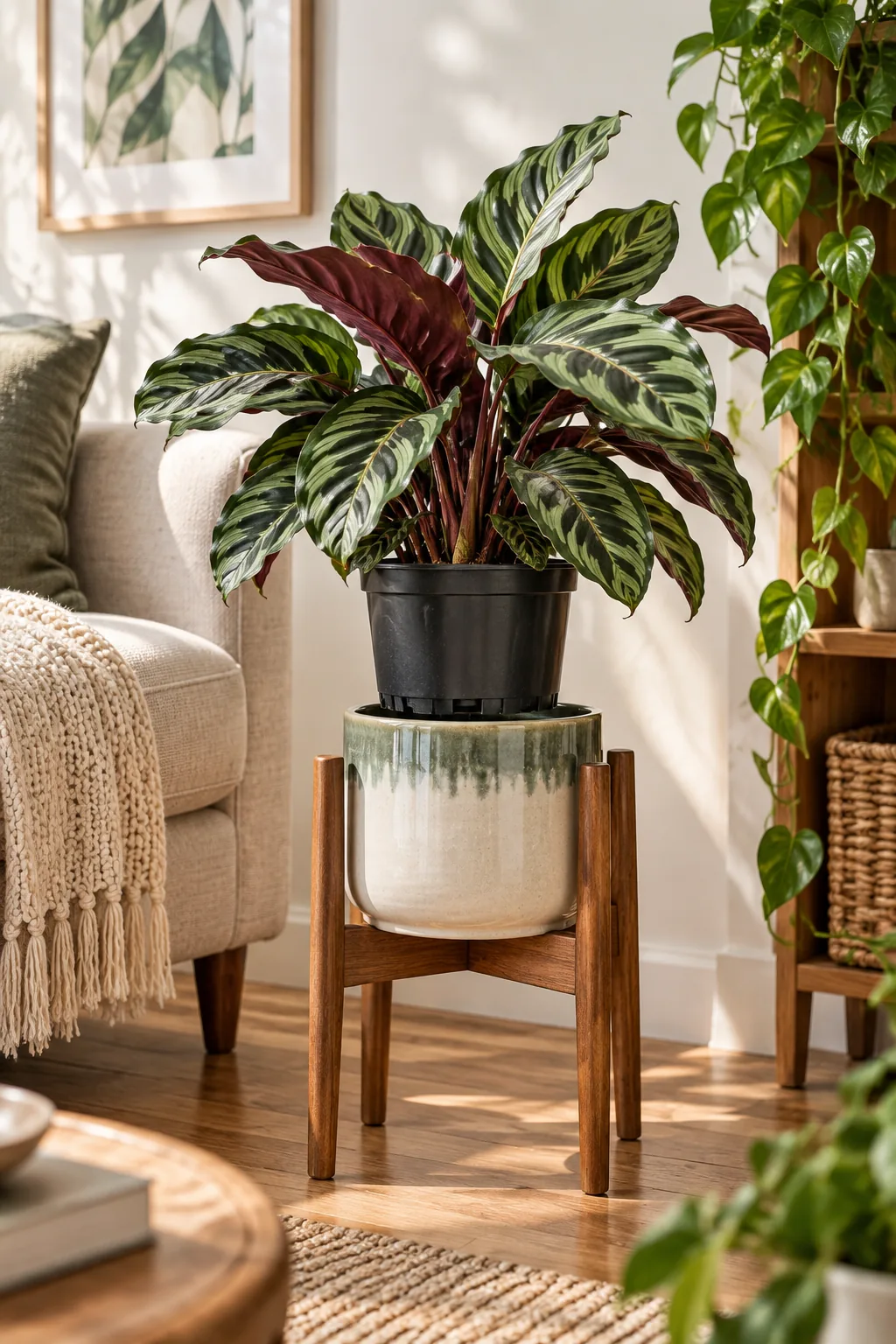
Never plant directly into a decorative ceramic pot without drainage holes, as you need to easily remove the inner shell for maintenance. Decorative outer pots also prevent accidental water damage on your wooden furniture by catching any lingering bottom drips.
Choosing the Right Cachepot Material
While terracotta breathes beautifully and naturally wicks away excess moisture from the roots, glazed ceramic or sealed fiberglass cachepots retain ambient humidity much longer. Select unglazed clay for drought-tolerant succulents that need dry feet, but rely on heavy, waterproof ceramics to anchor top-heavy tropicals safely in high-traffic hallways where stability is crucial.
Watering by Pot Weight
Skip the unreliable moisture meters and learn the physical weight difference between completely saturated and dangerously dry soil. The first time I lifted my thirsty pothos, I was shocked by how feather-light it felt, making it incredibly easy to water by pot weight.
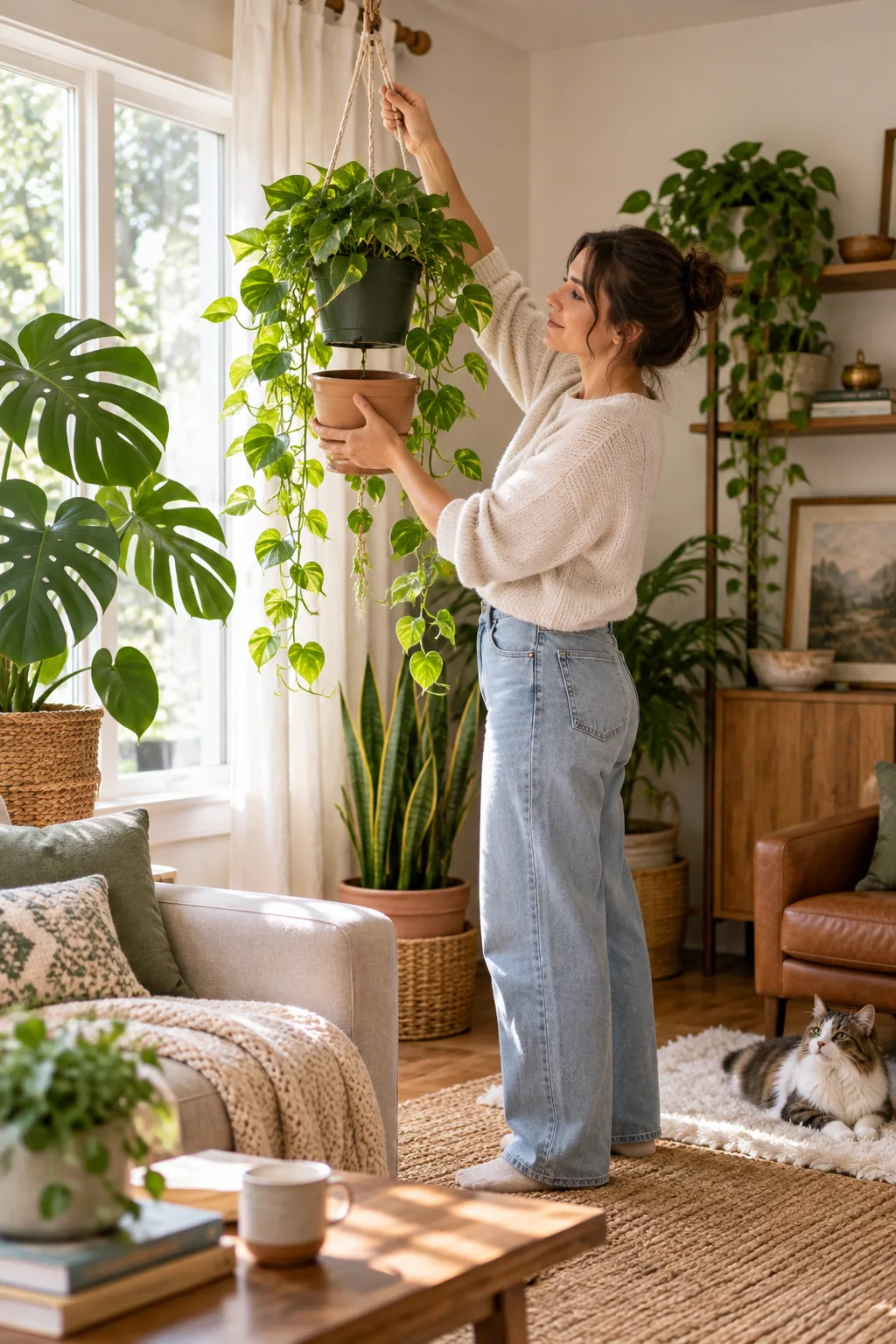
Lift the container immediately after a deep sink watering to memorize its saturated weight, then wait to water again until it feels roughly 50 percent lighter. Dry soil naturally pulls away slightly from the inner pot edges, confirming it needs hydration.
The Weekly Quarter Turn
Plants naturally lean toward their primary light source over time, so you must rotate the pot 90 degrees every week to encourage even, upright growth. I always draw a small pencil tick mark on the back rim of my ceramic pots so I can easily track the rotation without losing my place during a busy weekend watering session.
Wiping Leaves for Maximum Light
A thick layer of household dust blocks vital sunlight from reaching the chloroplasts, drastically reducing your plant’s ability to photosynthesize and produce energy. Gently wiping the broad foliage with a damp microfiber cloth every two weeks ensures your tropicals absorb every available photon, keeping their colors vibrant and their growth rates steady throughout the active spring season.
Flushing Mineral Buildup
Municipal tap water and synthetic fertilizers leave behind harsh chemical salts that accumulate over time and burn sensitive root tips. To properly flush the soil, take the grow pot to the sink and run lukewarm water freely through the root zone.
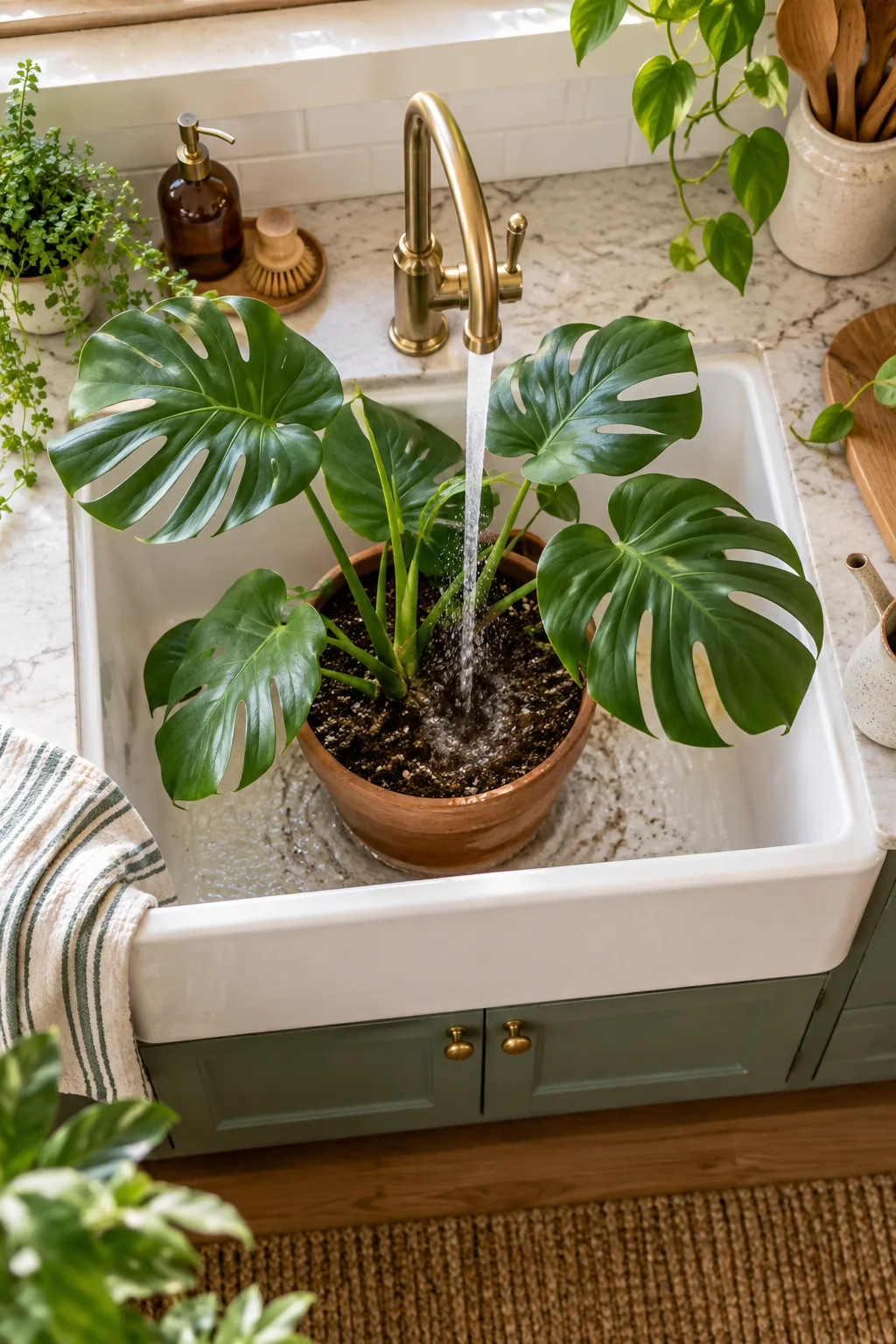
Using room-temperature water prevents devastating root shock during these deep, two-minute flushes. Repeating this cleansing process every 4 to 6 weeks washes away those accumulated minerals and completely resets the soil chemistry for vigorous spring growth.
Recognizing Signs of Overwatering
Yellowing lower leaves and a pot that remains heavy for more than 10 days clearly indicate poor drainage and suffocating roots. Catching these subtle physical weight clues early prevents devastating root rot before the plant begins dropping its healthy upper foliage.
- Remove the plastic grow pot from the decorative cachepot immediately to expose the drain holes.
- Set the wet plant on a thick, dry towel to rapidly draw out excess bottom moisture.
- Leave the inner pot exposed on a wire rack for three days to let the sides breathe.
If the soil still smells swampy after this emergency drying period, you must unpot the plant and trim away any brown, mushy roots. Repotting into a fresh, dry batch of chunky aroid mix is the only way to save a severely compromised specimen.
Grouping Plants for Humidity
Tropical indoor plants thrive in significantly higher humidity than most climate-controlled homes naturally provide, but you can arrange them closely together to adapt. As moisture evaporates from the clustered foliage, it creates a localized microclimate that raises ambient humidity by 10 to 15 percent.
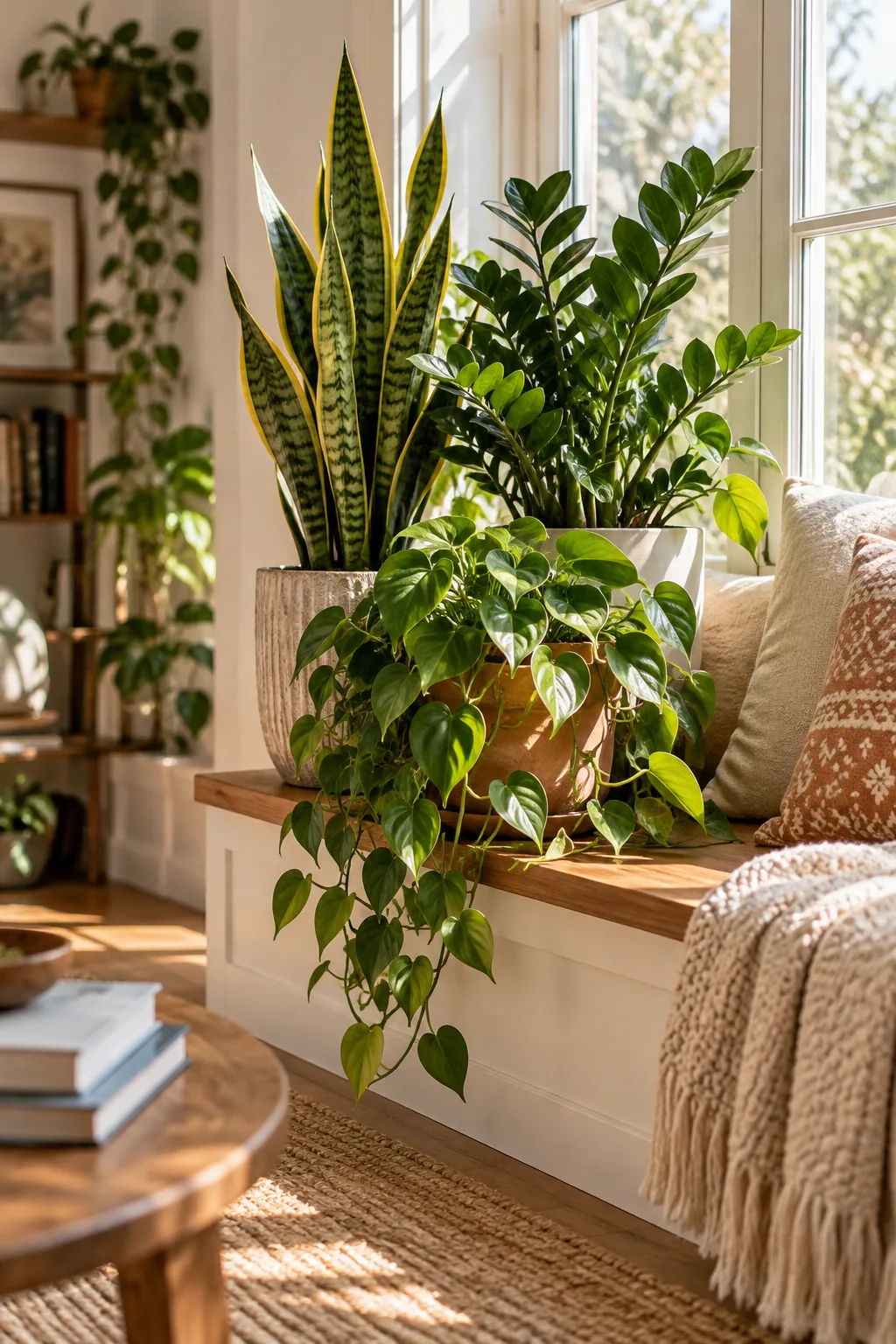
Cluster your pots just 3 to 6 inches apart on a shared wooden bench to maximize this collective transpiration. This close proximity naturally traps moisture transpired by the leaves without restricting the vital airflow needed to prevent fungal infections.
The 20-Plant Light & Watering Chart
You can download and print our comprehensive one-page reference guide to meticulously track the specific needs of your entire indoor collection. It clearly details the exact hand-shadow results, window distances, weight checks, and soil preferences for 20 popular houseplants.
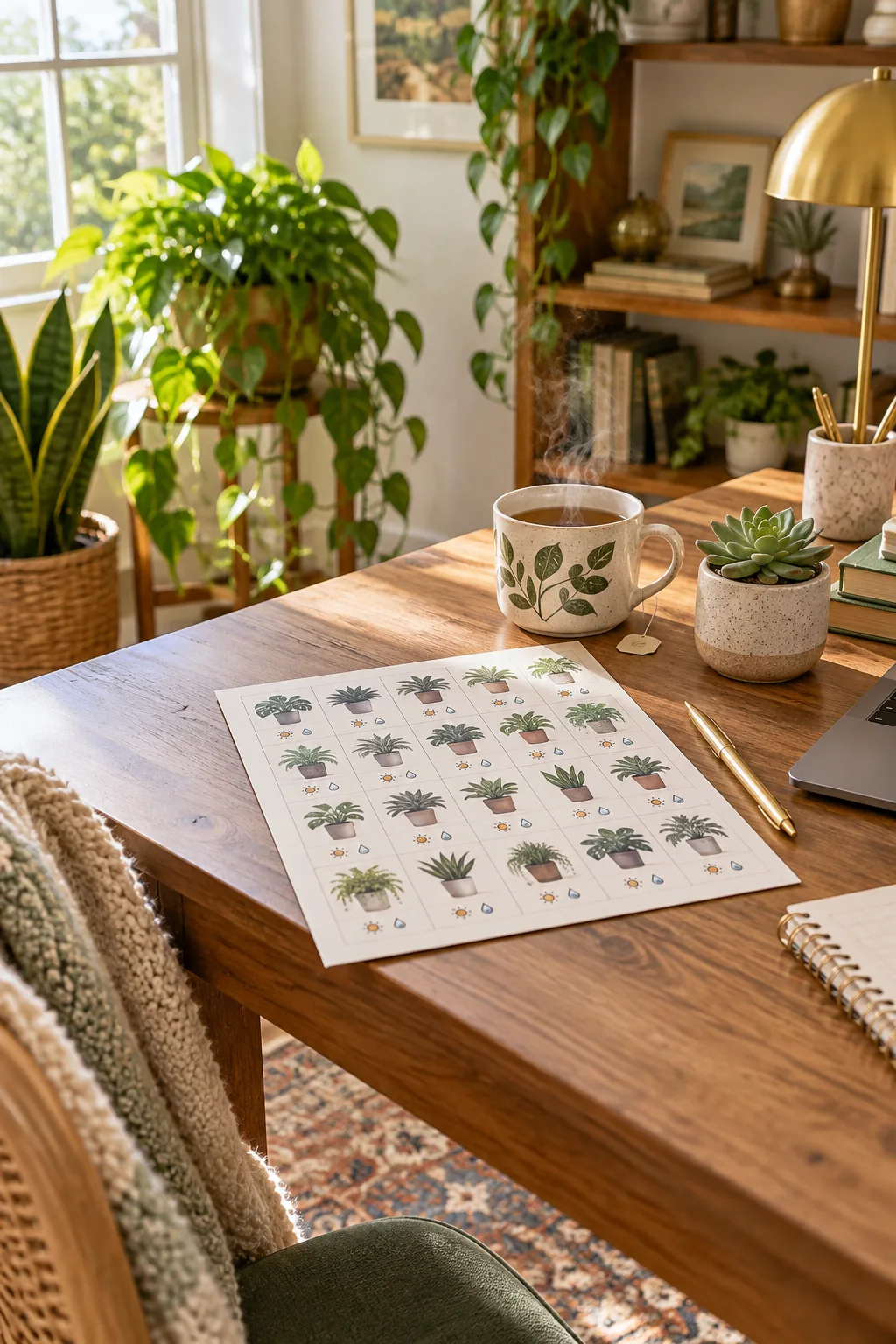
Keep this printed cheat sheet tucked right next to your watering can so you can quickly verify each plant’s unique requirements. Establishing a consistent, informed maintenance rhythm prevents small daily oversights from turning into major botanical emergencies.
5 Ways to Style Your Indoor Jungle
Discover how to seamlessly integrate thriving houseplants into any room's decor style.
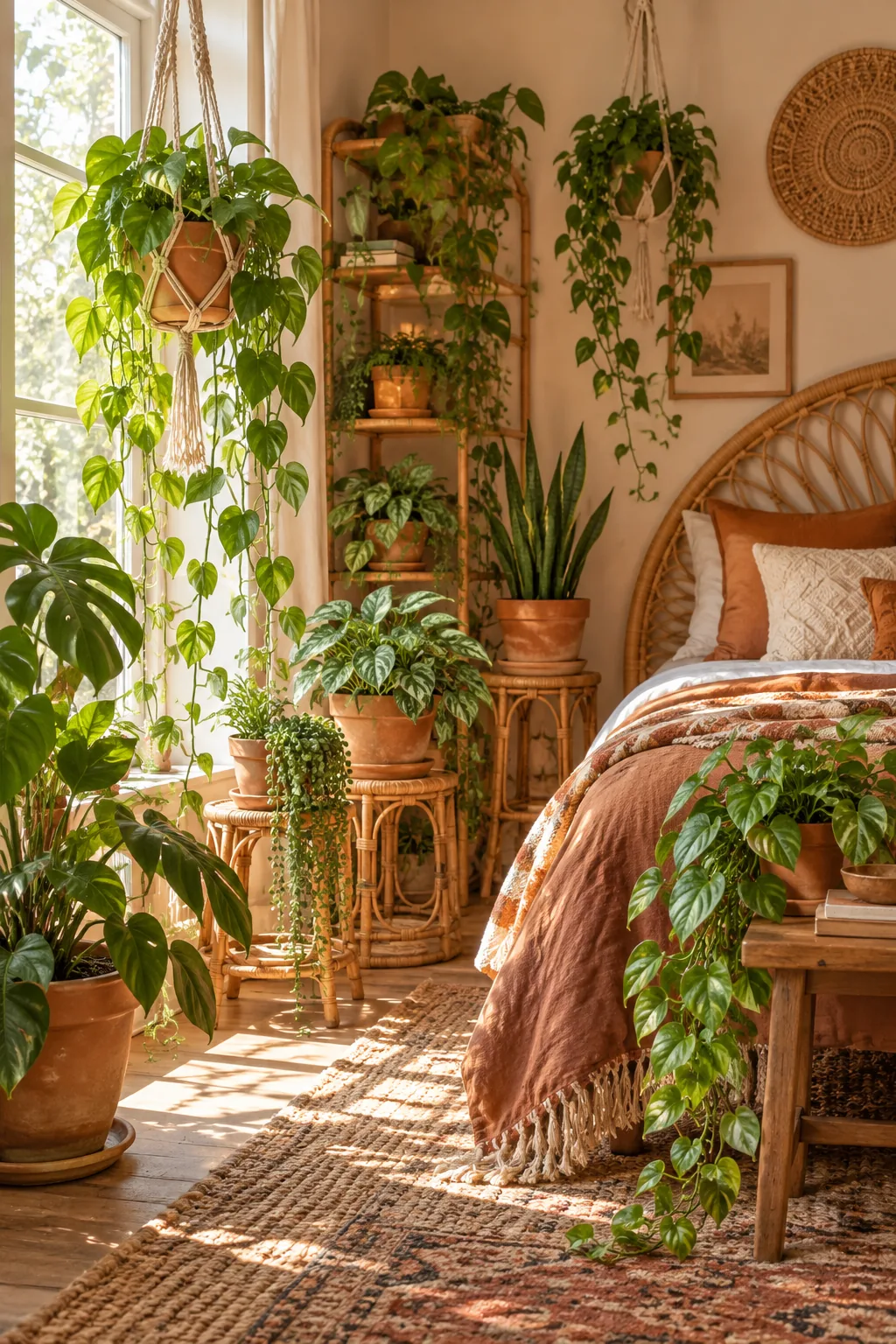
Bohemian terracotta jungle: Layering hanging macrame planters with rattan floor stands maximizes vertical space for trailing varieties.
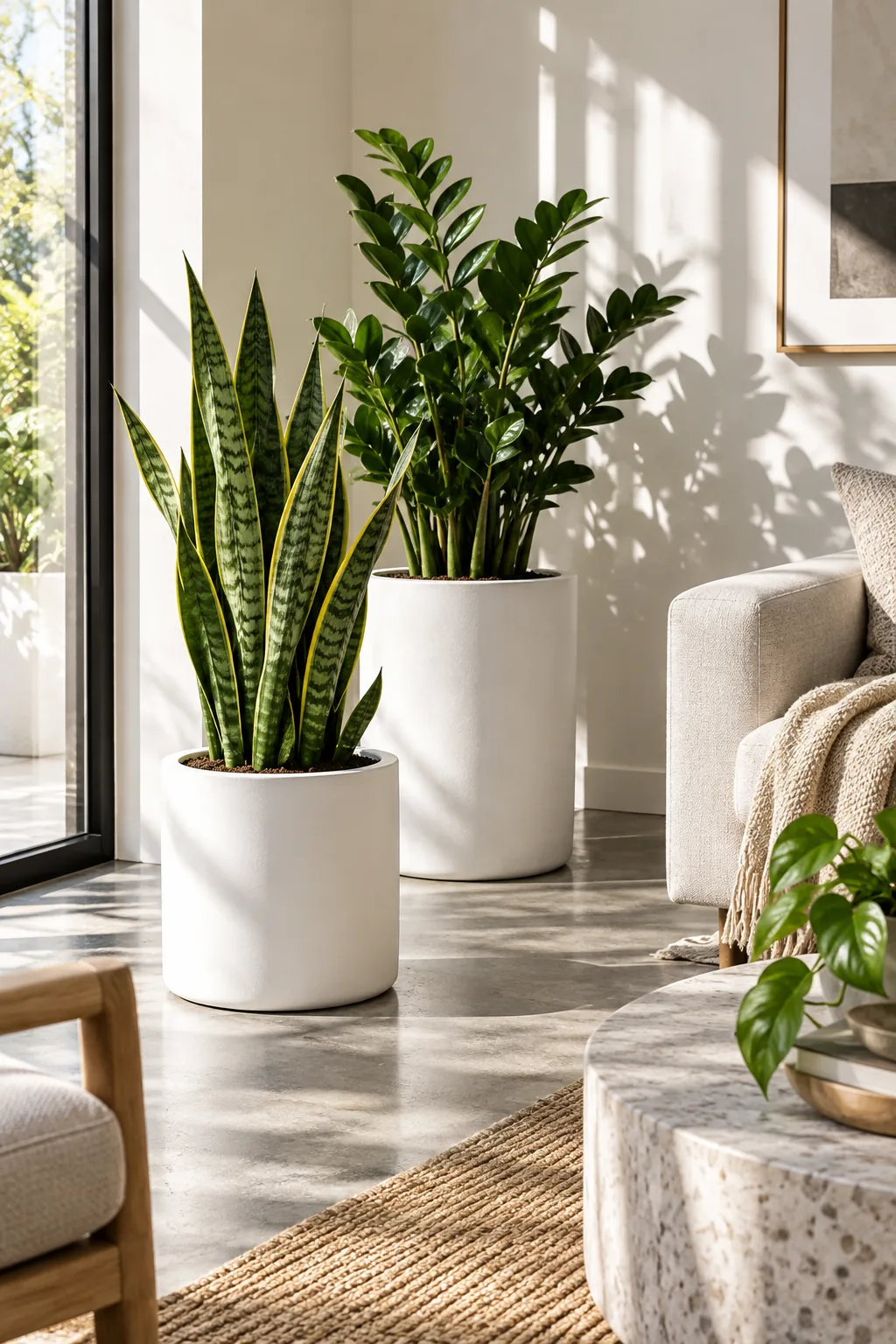
Minimalist modern architecture: Choose structured, upright plants in matching matte white cylinders to maintain a clean, sculptural aesthetic.
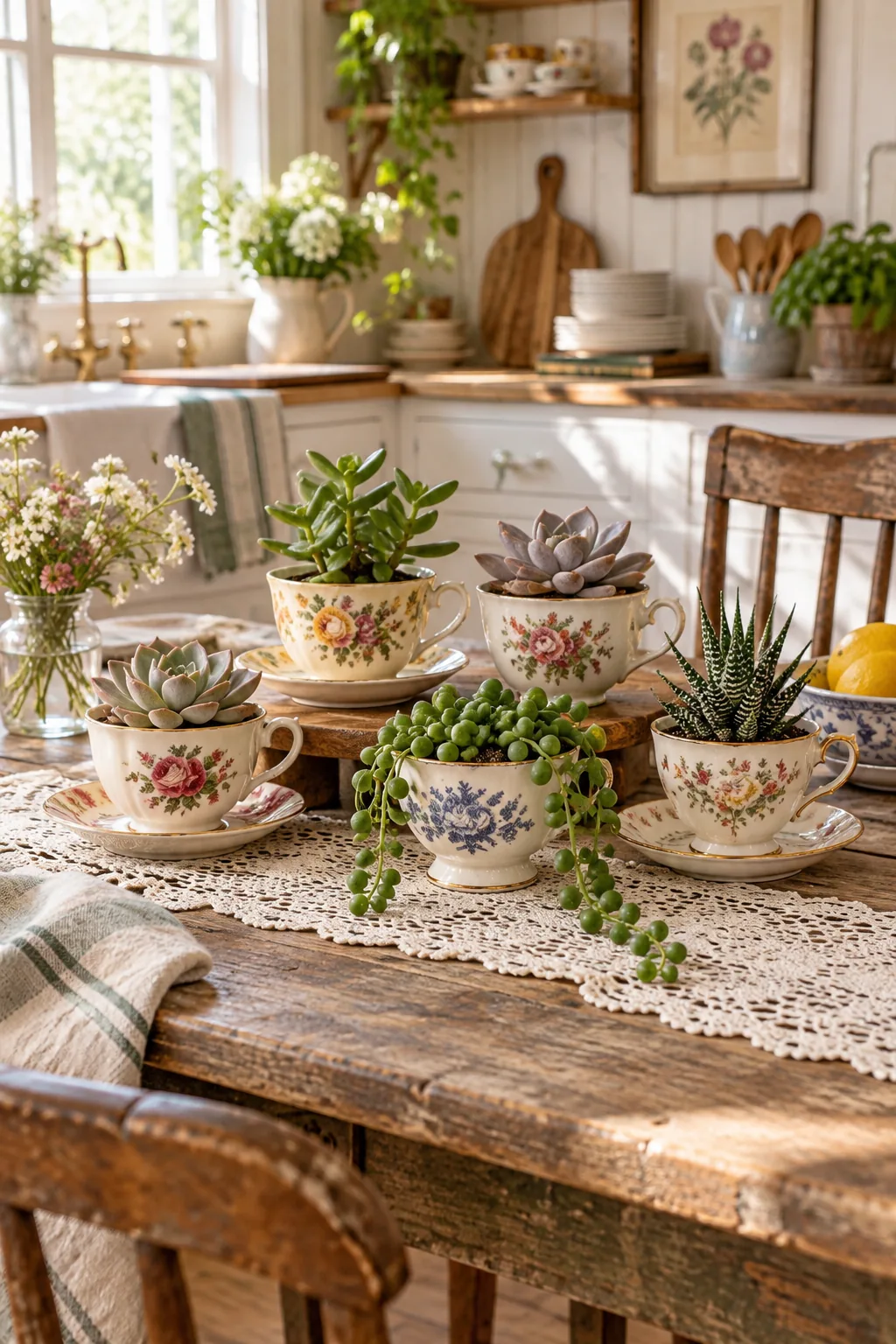
Cozy cottagecore kitchen: Repurpose vintage ceramics and teacups as charming cachepots for smaller moisture-loving kitchen plants.
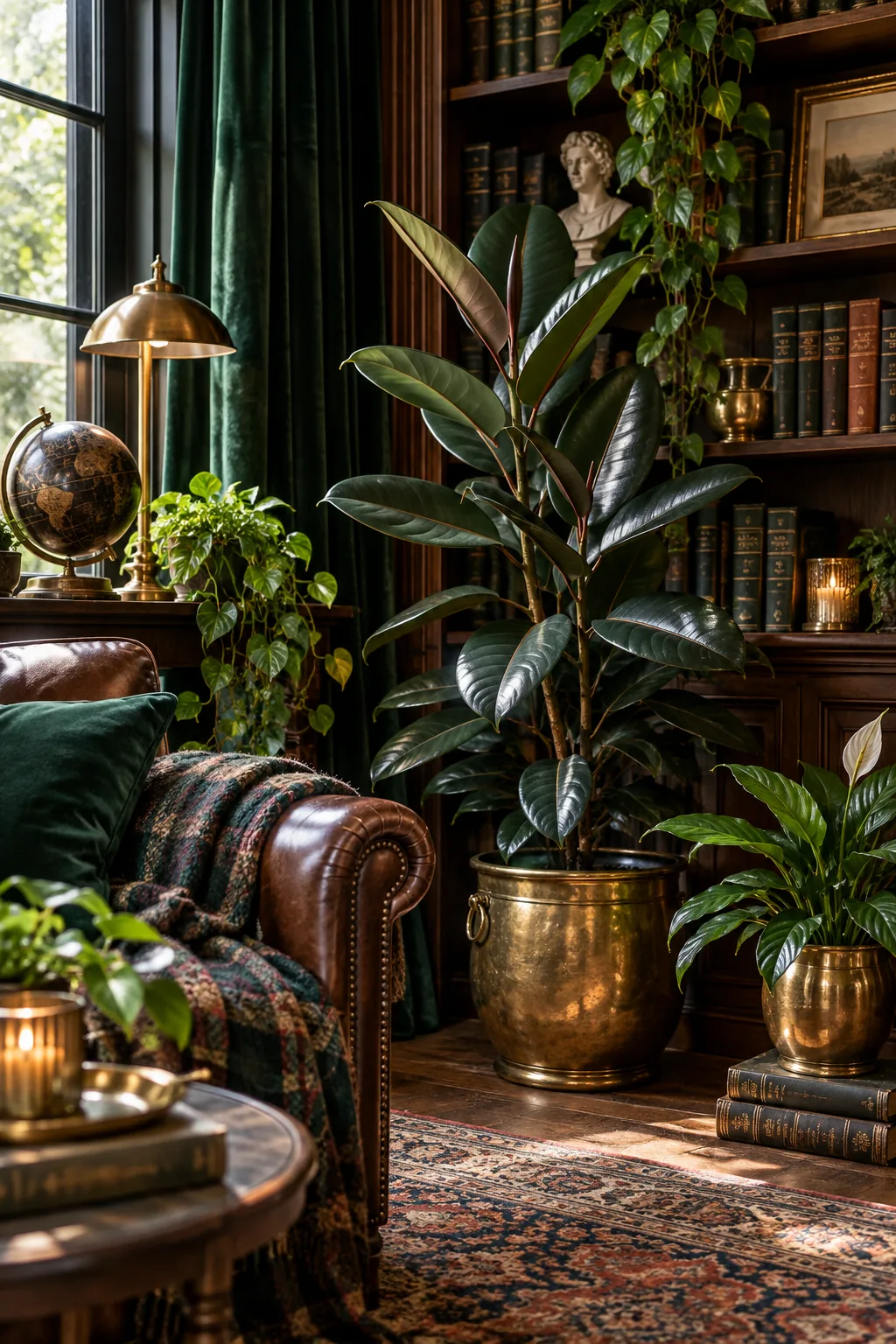
Moody dark academia library: Contrast deep green foliage against dark wood shelves and polished brass planters for dramatic elegance.
Scandinavian bright dining: Elevate large statement plants on light oak stools to keep the floor visually open and airy.