
How to Build a Visual Chore Chart & Age-by-Age Task List
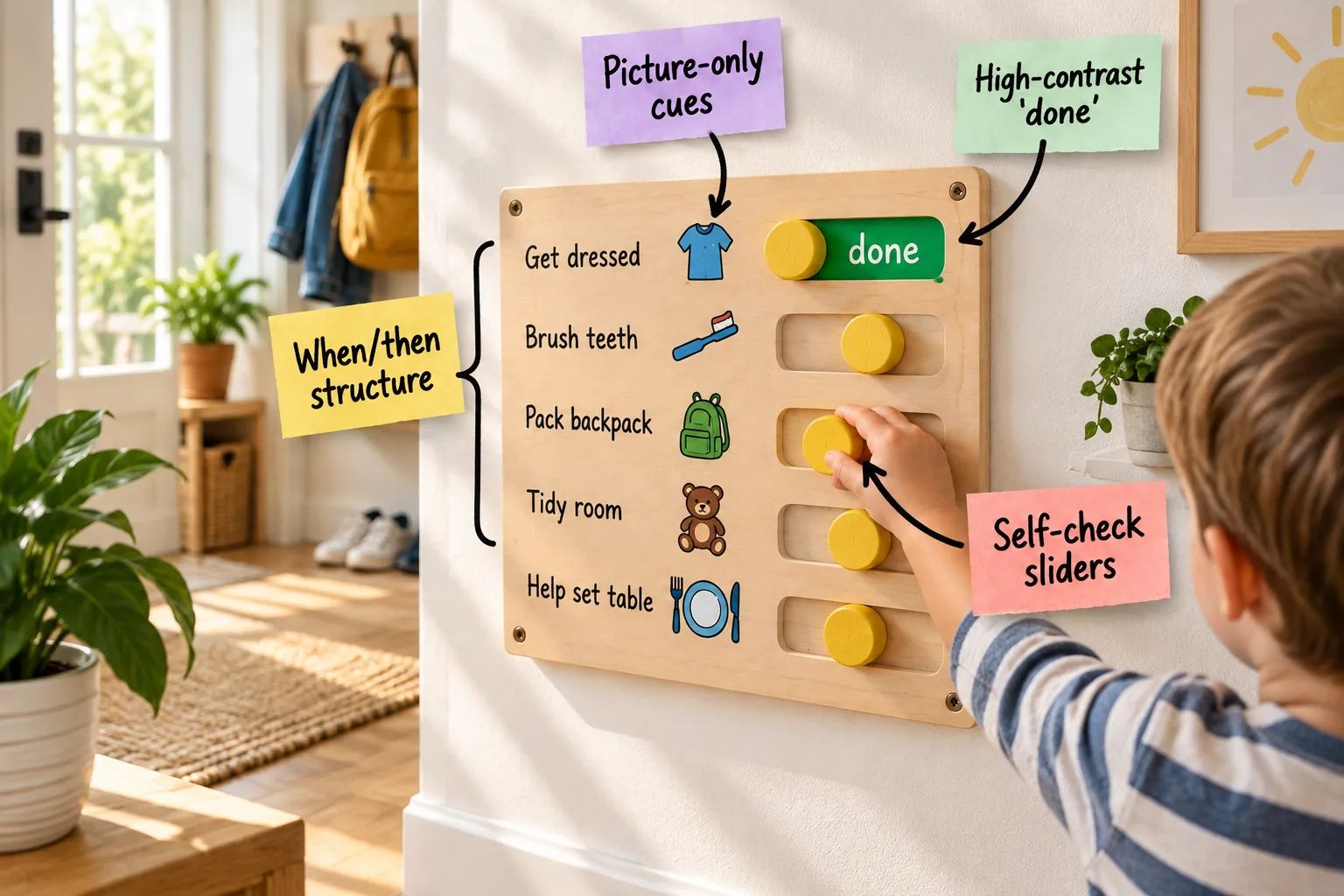
You will be able to construct a beautiful, slider-based routine board and assign developmentally appropriate tasks to your kids using our comprehensive age-by-age chore assignment list.
Establishing a When/Then Structure
Grouping daily tasks into manageable morning and evening blocks prevents household overwhelm, creating a reliable when/then structure that anchors four to five essential chores to an existing daily habit like waking up, getting dressed, or sitting down for family dinner.
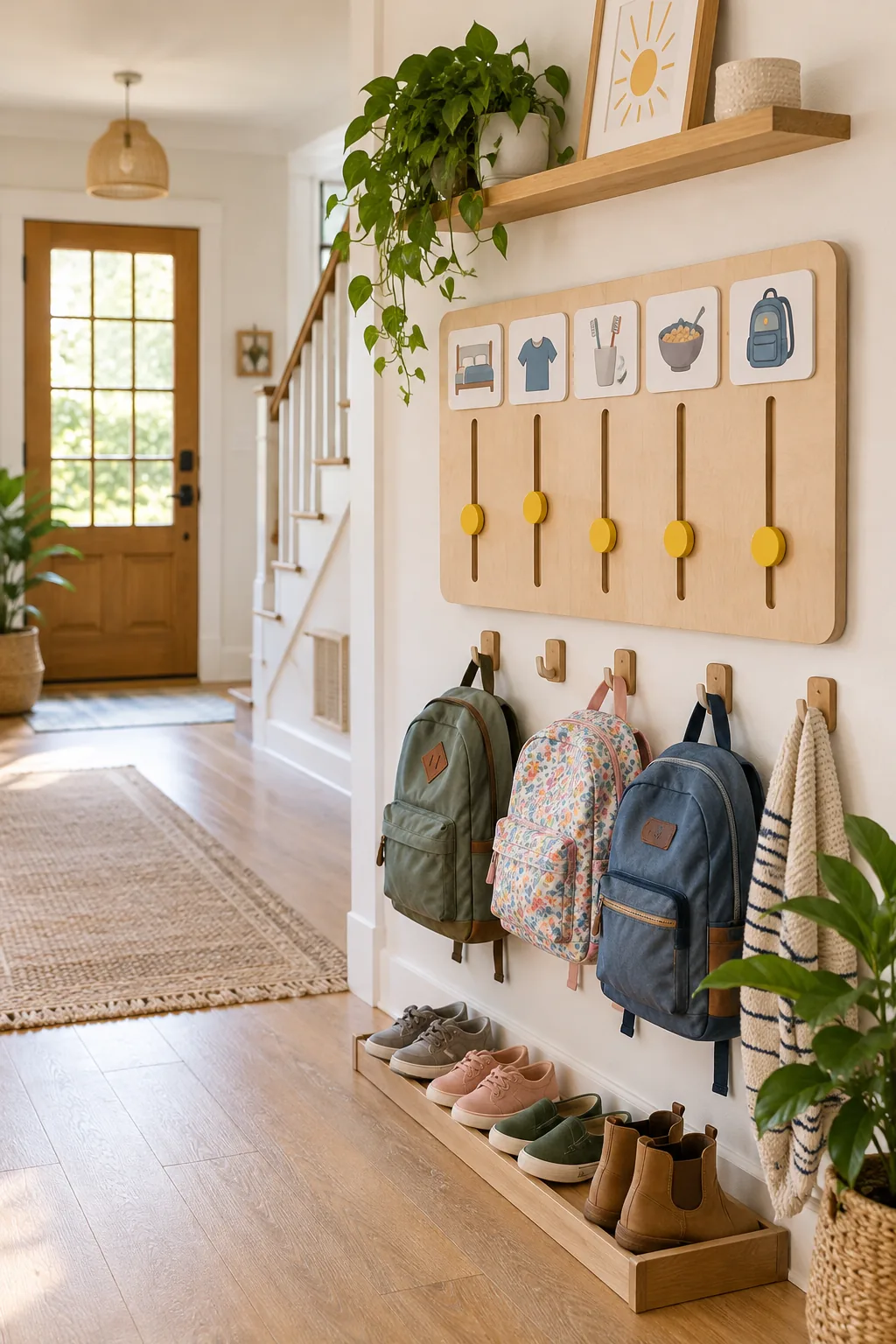
A visual board only works if the underlying routine is realistic and achievable; avoid these common pitfalls when planning your daily sequence to ensure your kids actually succeed without frustration.
Anchoring to Existing Morning Habits
Tying a new responsibility to something your child already does automatically, like brushing their teeth or putting on shoes, builds an unbreakable chain of productive morning habits without requiring constant parental nagging or stressful last-minute reminders before heading out the door.
Designing Picture-Only Cues
Designing picture-only cues guarantees your child can identify the required action from across the hallway without reading a single word, fostering true independence for toddlers and early pre-readers who rely entirely on visual context to navigate their daily expectations.
Sizing Icons for Hallway Visibility
Paint or print simple, universally recognized symbols that measure at least 1.5 inches wide, ensuring the visual graphics remain bold, clear, and perfectly legible from a distance during busy mornings when everyone is rushing to get ready for school.
Building Tactile Self-Check Sliders
Clear visual icons allow pre-readers to understand tasks instantly, bridging the critical gap between seeing a chore and physically interacting with the wooden board to mark it complete before moving on to their next assigned responsibility.
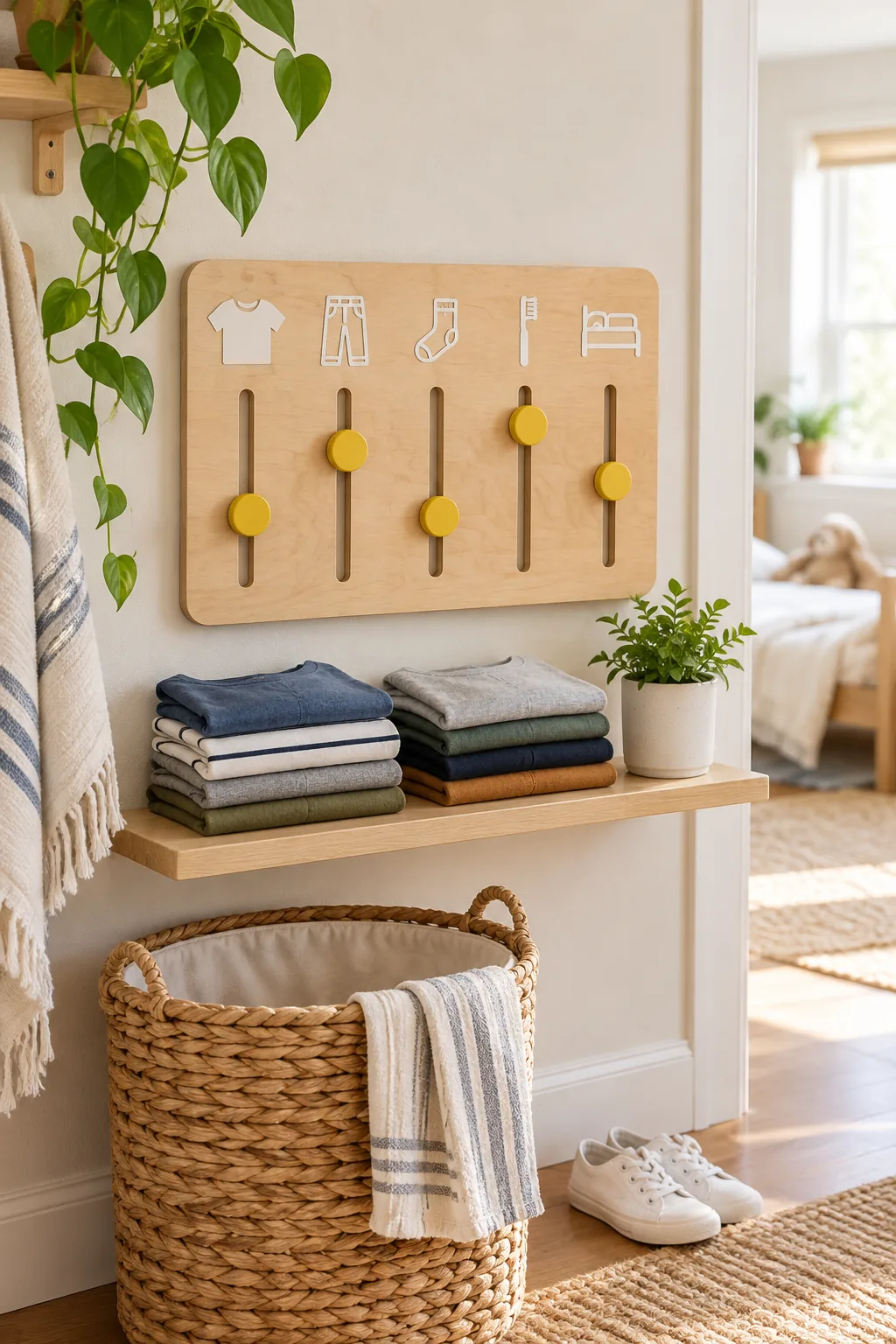
When I built our first board, I used 1-inch wooden pegs set into a routed horizontal track to create satisfying self-check sliders that my kids genuinely loved moving back and forth every single morning.
Routing the Wooden Slider Tracks
Use a standard router to carve smooth, straight channels into your base wood, leaving just enough physical friction against the peg so the sliding action feels deliberate and rewarding rather than loose, sloppy, and accidental.
Sanding the Wood for Safety
Since little hands will interact with this surface daily, spend extra time smoothing the routed edges with fine-grit sandpaper to eliminate any hidden splinters that could turn a positive routine into a painful experience.
Sealing the Board Against Stains
Apply a durable, non-toxic clear coat over the finished wood to protect the surface from sticky morning fingers, ensuring you can easily wipe away toothpaste smudges or spilled milk without damaging the painted icons.
Selecting the Right Peg Materials
Thick wooden drawer pulls or chunky craft pegs provide the ideal ergonomic grip for tiny hands, offering a highly durable tactile experience that easily withstands years of enthusiastic daily sliding from multiple siblings sharing the same routine board.
Revealing the High-Contrast ‘Done’
Painting the hidden track area a vibrant color creates a high-contrast ‘done’ signal, offering an immediate psychological reward when the slider pulls back to reveal a bright, undeniable pop of color that proves the job is finished.
Choosing the Perfect Indicator Paint
Select a saturated, energetic shade like a grassy green or vivid teal that contrasts sharply against pale birch wood, ensuring a fully completed board instantly reads as finished from across the room without requiring a closer inspection.
Spacing the Chores Evenly
Leave at least two inches of negative space between each horizontal track to prevent visual clutter, giving your child’s eyes a clear, uncluttered path to follow as they work their way down the daily list.
The Complete Age-by-Age Chore List
Tactile sliders provide satisfying physical resistance that makes completing tasks rewarding, which serves as the perfect structural foundation for introducing developmentally appropriate chores to your growing family without triggering instant resistance.
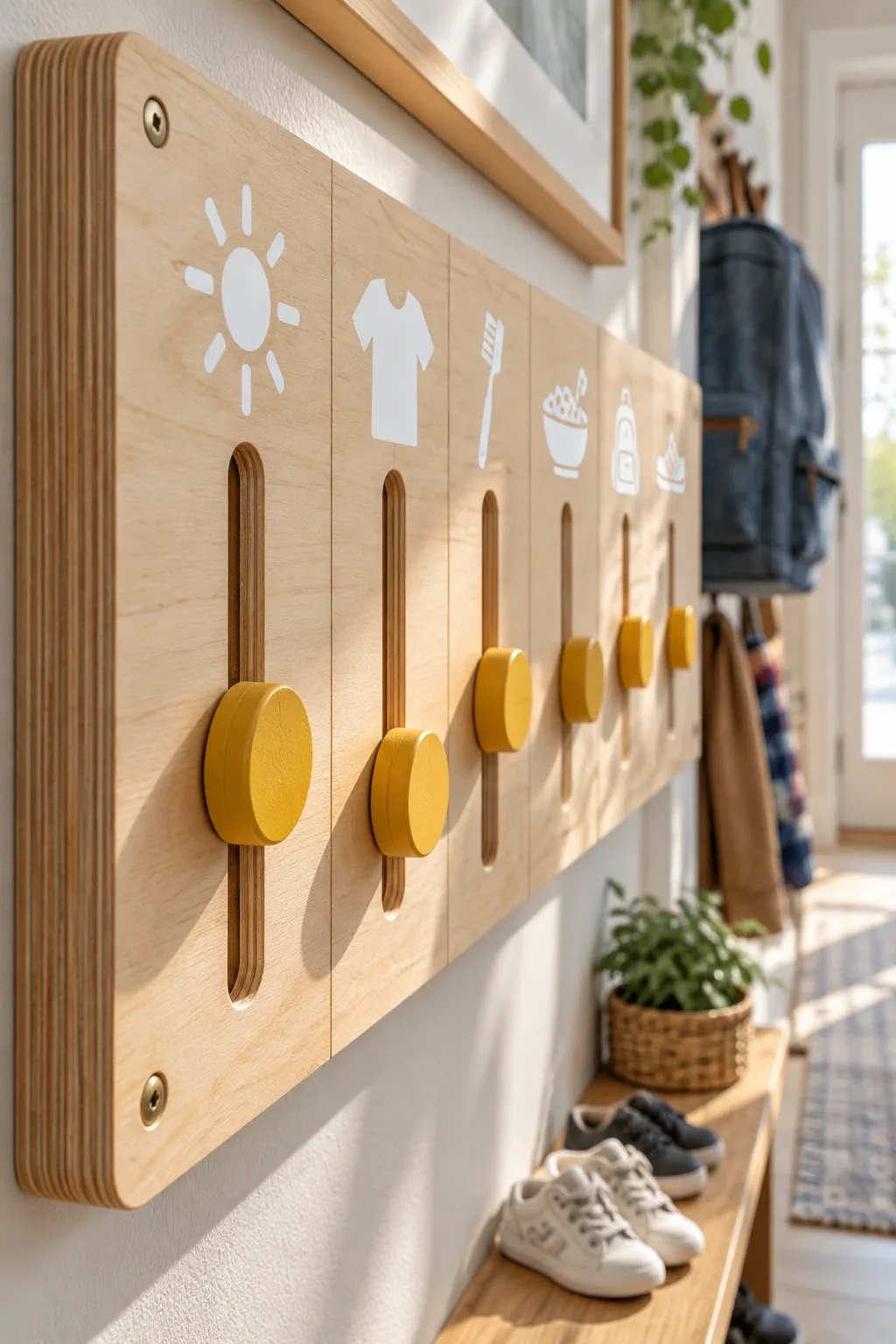
Break your household expectations down into concrete assignments so your kids are consistently challenged but never overwhelmed by their daily responsibilities as they mature through different developmental stages.
| Age Range | Morning Routine | Evening Routine |
|---|---|---|
| Ages 2-3 | Putting toys in bins | Placing pajamas in hamper |
| Ages 4-5 | Sorting clean laundry | Setting the dinner table |
| Ages 6-8 | Folding simple clothes | Sweeping the kitchen floor |
| Ages 9+ | Packing school lunches | Loading the dishwasher |
Assigning Toddler and Preschool Tasks
Keep early chores focused on basic sorting and gathering, utilizing their natural desire to categorize objects by having them match clean socks or toss wooden blocks into designated woven baskets before bedtime.
Introducing Early Elementary Chores
As fine motor skills develop around age six, transition them to multi-step tasks like folding rectangular towels and sweeping specific kitchen zones, which naturally builds sustained focus and better spatial awareness.
Delegating Advanced Tween Responsibilities
Older children thrive on genuine contribution, so hand over critical household operations like packing balanced school lunches or independently loading the dishwasher to foster a deep, lasting sense of practical autonomy.
Choosing the Right Mounting Height
Assigning specific, age-appropriate chores ensures kids are challenged but not frustrated, provided they can actually reach the top row of their daily task board without balancing on a dangerous step stool.
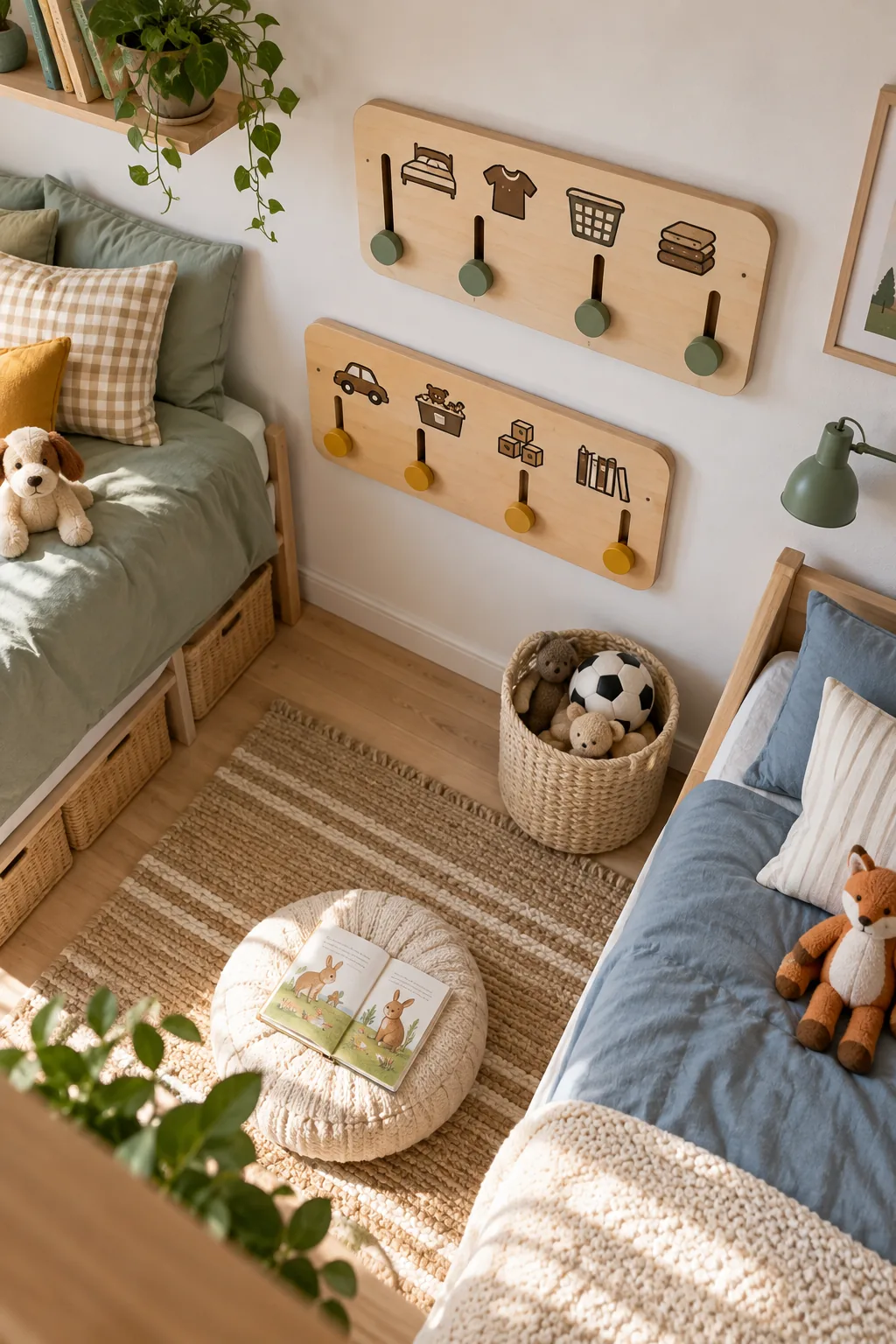
Before drilling into your freshly painted hallway walls, carefully run through this quick placement check to ensure the wooden board is fully accessible and ergonomically comfortable for your shortest child.
Locating Wall Studs for Durability
A tactile board endures significant pushing, pulling, and leaning every single day, making it absolutely essential to anchor your heavy mounting screws directly into a solid wooden stud rather than relying on flimsy drywall anchors.
Introducing the Board to Your Child
I spent 3 to 5 days doing the tasks together with my oldest son, physically guiding his hand to move the slider after each completed chore until the association finally stuck and became automatic.
Guiding Their Hand Through the Motions
Physical repetition builds muscle memory significantly faster than verbal instructions, so placing your hand gently over theirs to slide the peg solidifies the routine in their brain without requiring extra words or frustrating explanations.
Phasing Out Parental Reminders
Once the tactile novelty inevitably wears off, you must intentionally step back and let the visual board do the managing, shifting your daily role from active director to a quiet, supportive observer.
- Stop offering verbal prompts before breakfast.
- Point silently to the board if they ask what to do next.
- Allow natural delays to occur without rushing their process.
Handling Typical Chore Resistance
When kids inevitably push back against the routine, calmly direct their attention back to the picture-only cues rather than engaging in an emotional, exhausting debate about whether the assigned task is fair or necessary.
Celebrating Weekly Successes
Acknowledge their consistency at the end of a long week by highlighting how their independent effort helped the entire family, reinforcing the intrinsic value of their contributions rather than relying on temporary sticker charts.
Visual Routine Boards for Every Home
Find a chore chart aesthetic that blends seamlessly with your home's existing decor.
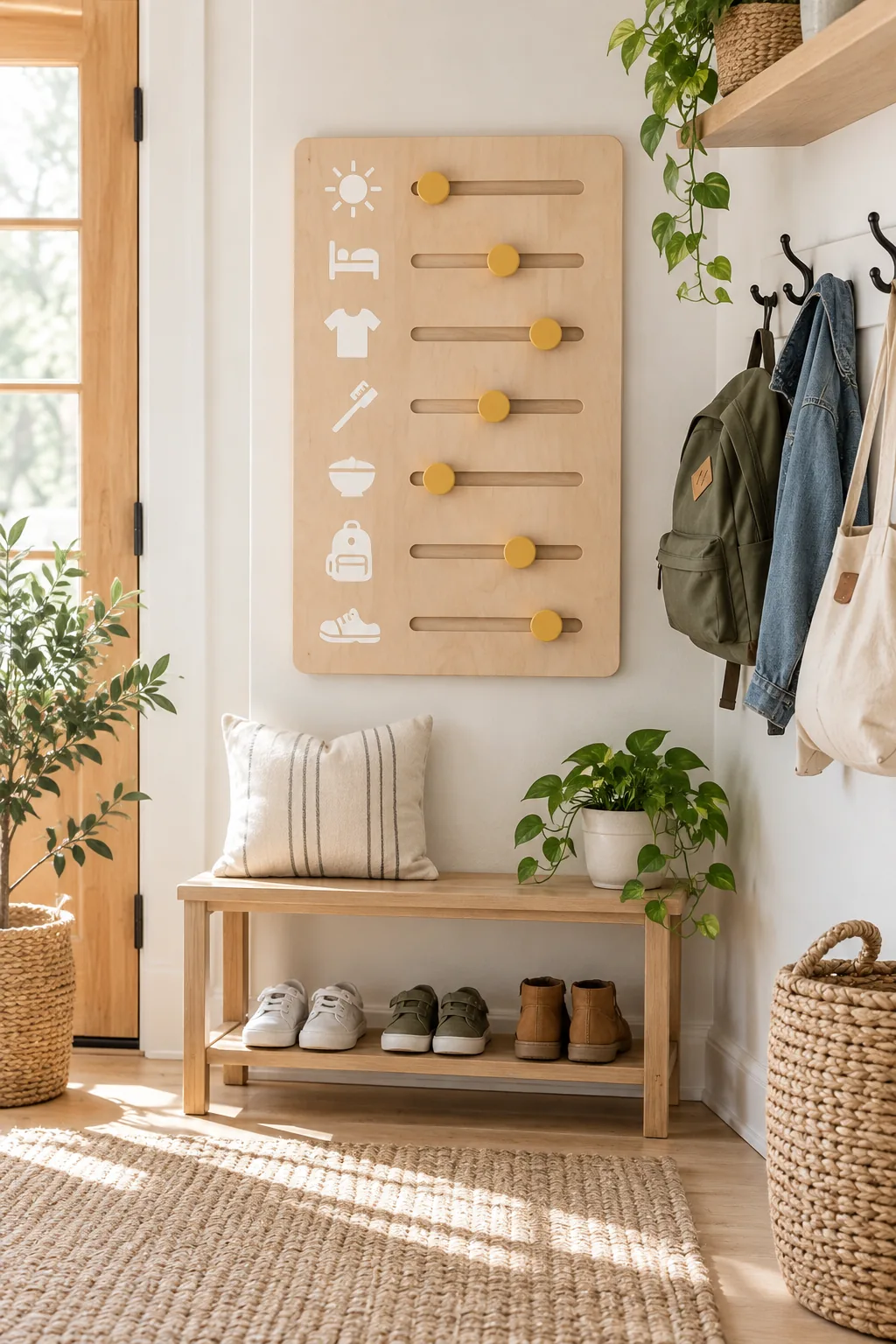
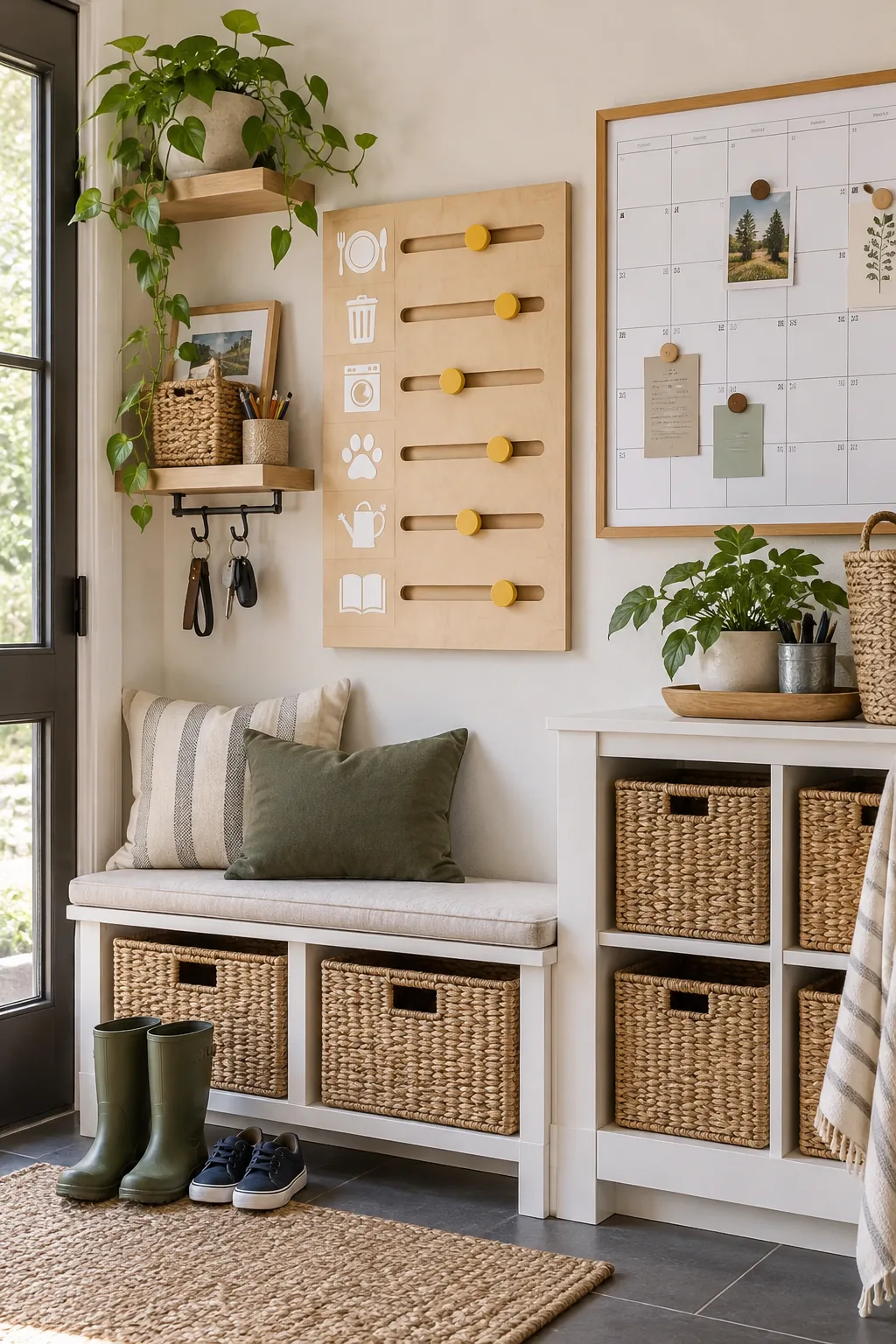
Minimalist Scandi: Pale birch wood and crisp white sliders blend seamlessly into a bright, neutral mudroom.
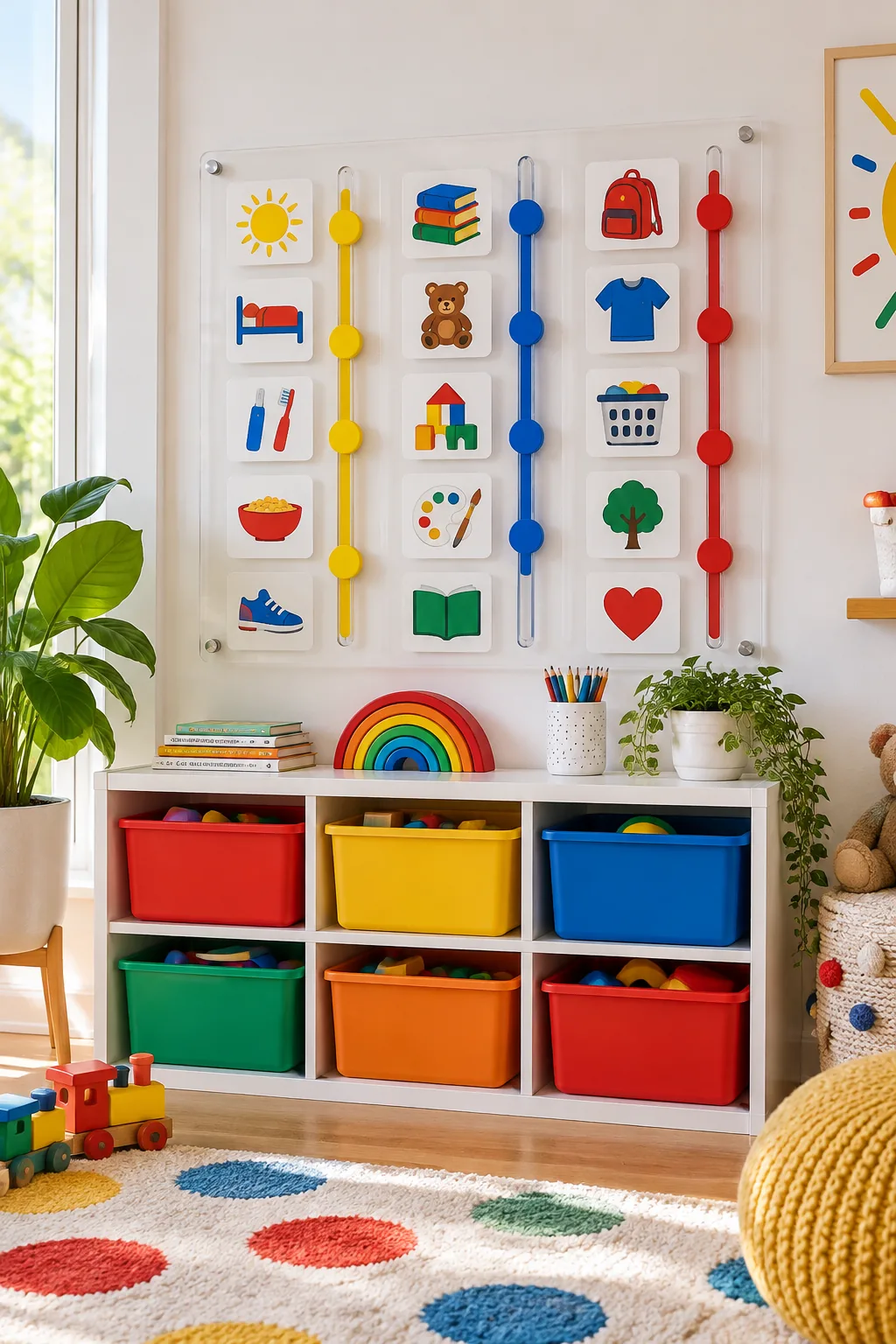
Colorful Playroom: Clear acrylic and primary-colored sliders create a playful, energetic chart that matches vibrant toy bins.
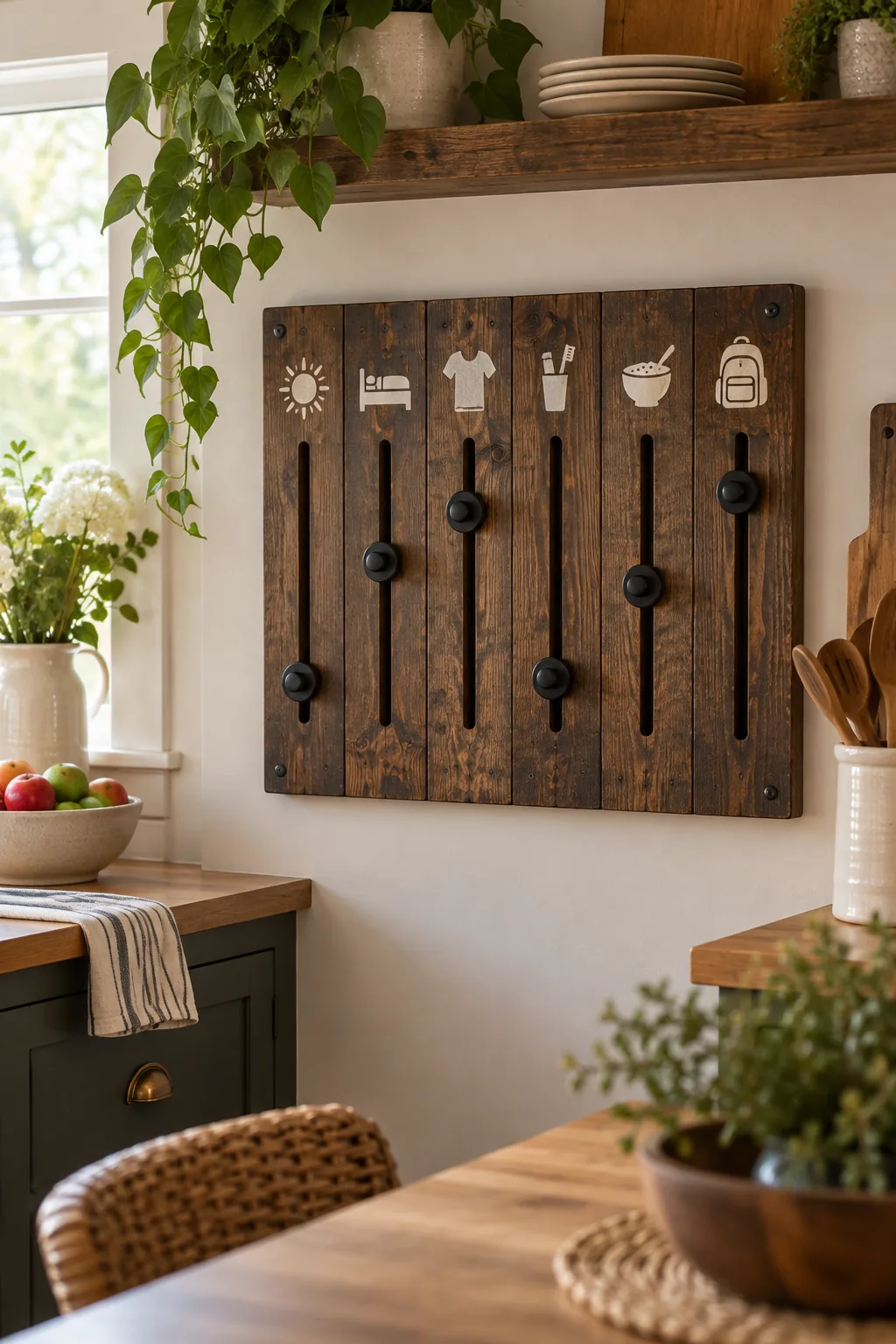
Rustic Farmhouse: Reclaimed wood and matte black hardware give this chart a sturdy, lived-in feel for the kitchen.
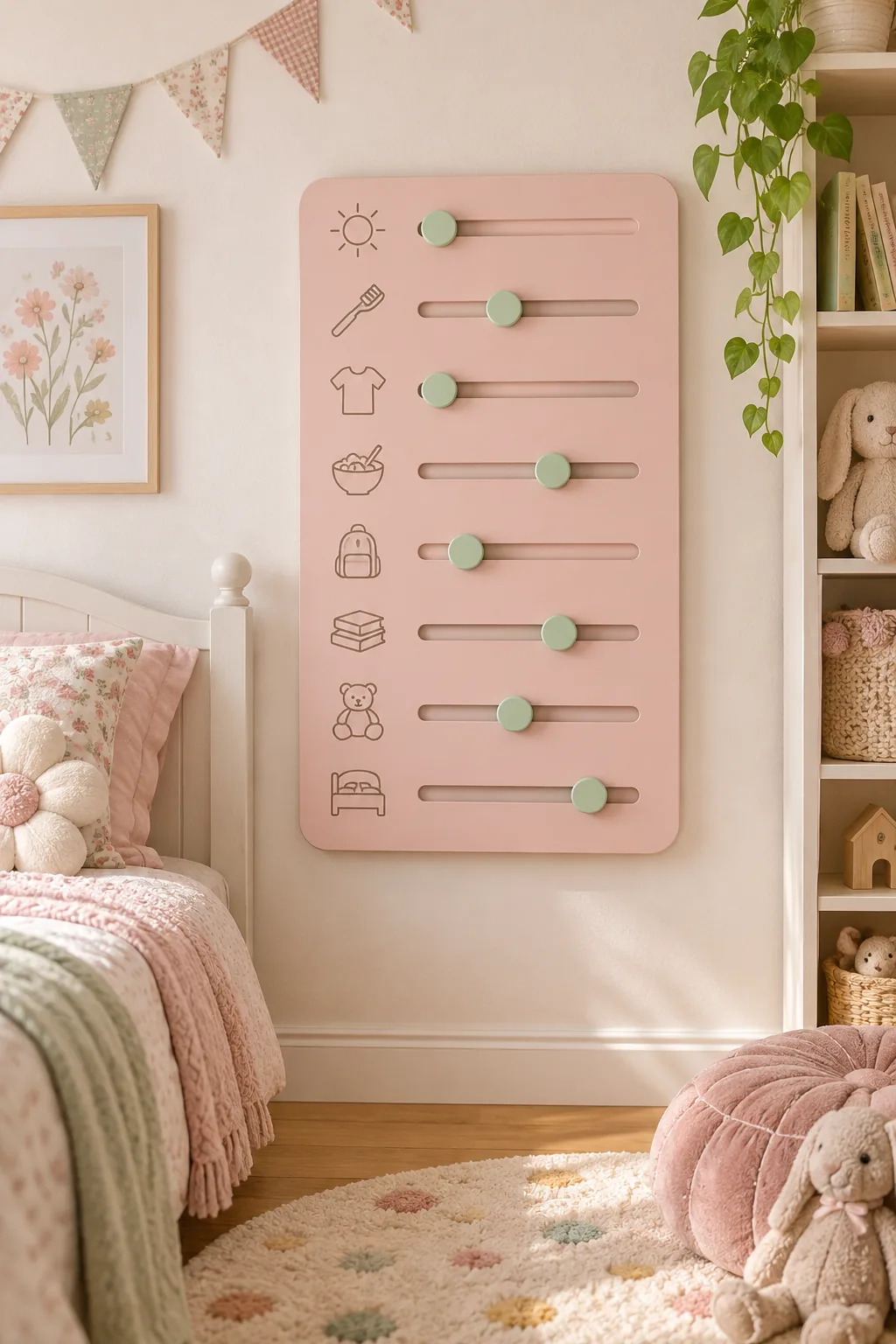
Modern Pastel: Matte painted finishes in soft blush and mint turn a functional board into beautiful bedroom wall art.
Adjusting the Routine Over Time
Swapping out picture cues keeps the routine entirely relevant as children grow, ensuring they never become bored or complacent by performing the same simple tasks they already mastered three years ago.
We do a simple bi-annual review at our house before each school semester to replace outgrown icons with more advanced chores, keeping the whole system fresh, challenging, and perfectly aligned with their current capabilities.