
9+ Brilliant Pergola with Roof Ideas for Your Yard
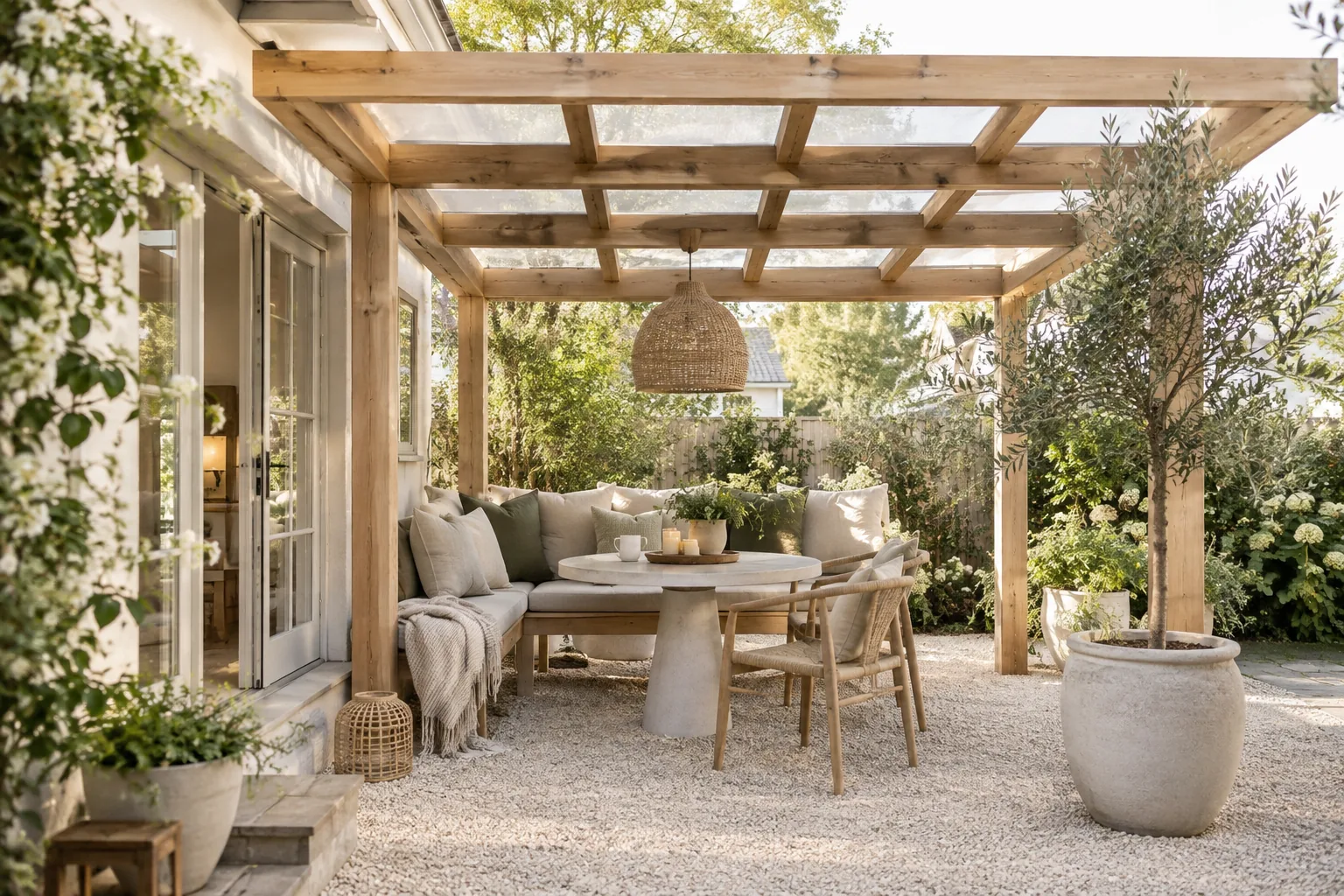
Adding a solid cover to your outdoor structure instantly turns a sunny patio into a true living space you can use in any weather. I gathered my favorite ways to build and style a pergola with roof so you can start planning your own backyard upgrade.
1. Corrugated Metal Roofing
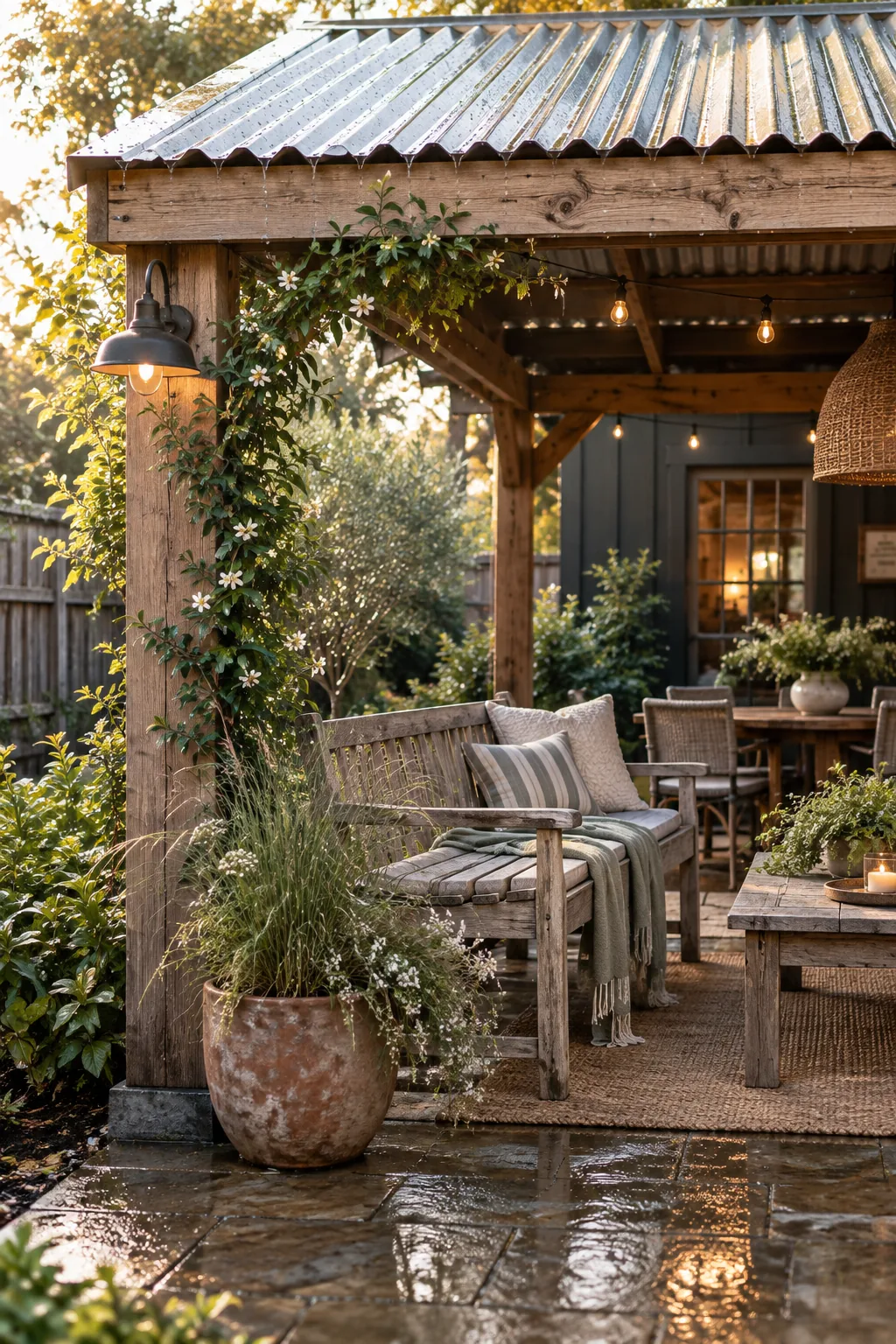
Match your roof material to your house for a seamless, built-in look. A corrugated metal roof lasts forever and gives you that satisfying pitter-patter sound during summer rainstorms. You can easily trim out the edges with rough-sawn cedar boards to soften the industrial vibe. Consider these top roofing materials for your build:
- Standing seam metal for durability
- Tinted polycarbonate for UV protection
- Classic asphalt shingles to match your home
2. Tinted Polycarbonate Panels
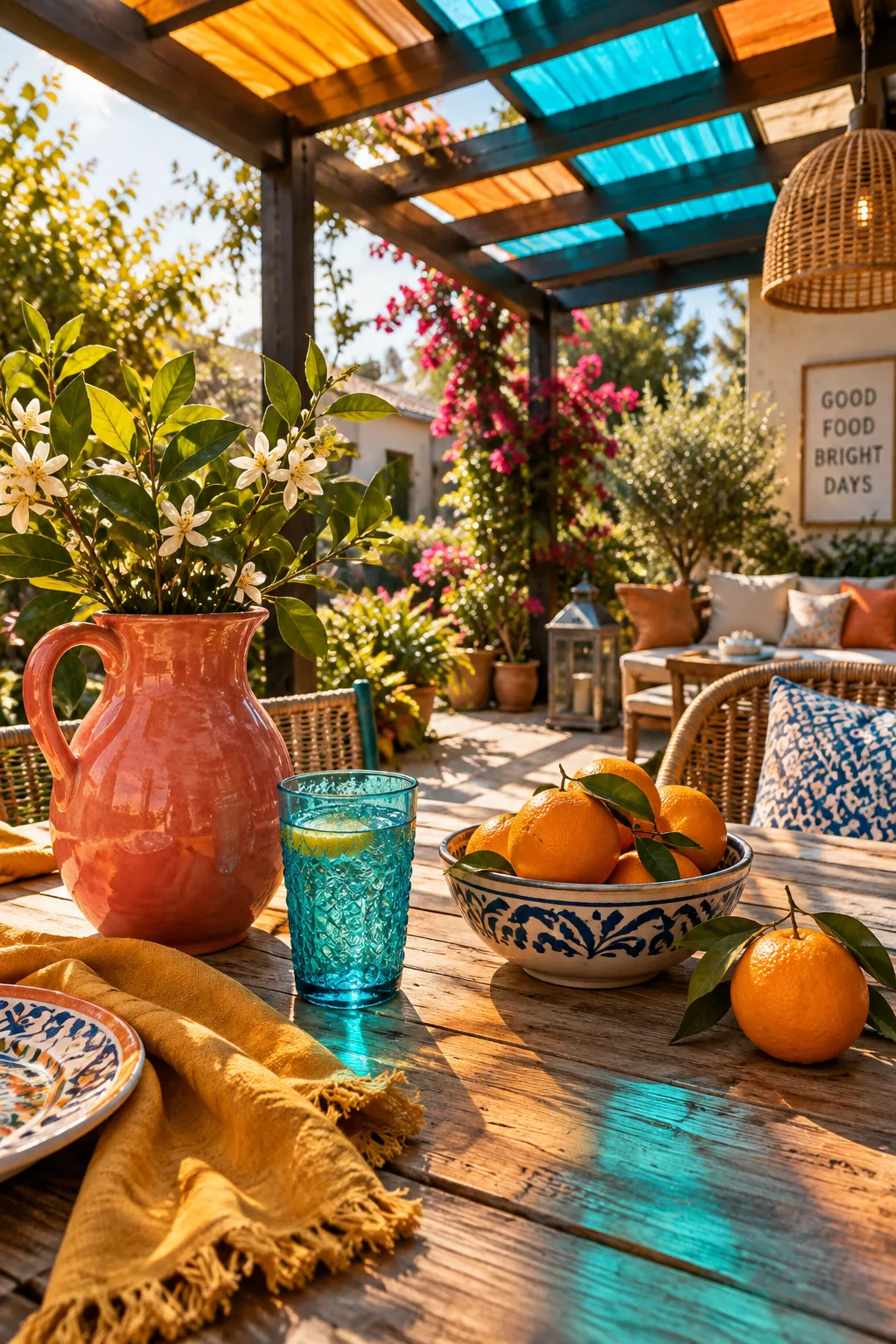
Angle your polycarbonate roof panels slightly to guarantee proper water runoff away from your seating area. This clear material blocks the harsh UV rays but still lets all that gorgeous natural light flood your patio. You will want to use special roofing screws with rubber washers to prevent leaks.
Don't forget to clean the panels with a soft mop every spring to keep the light shining through.
- Clear panels for maximum sunlight
- Bronze tinted sheets for deep shade
- Opal white panels for a soft glow
3. Slatted Wood Over Clear Panels
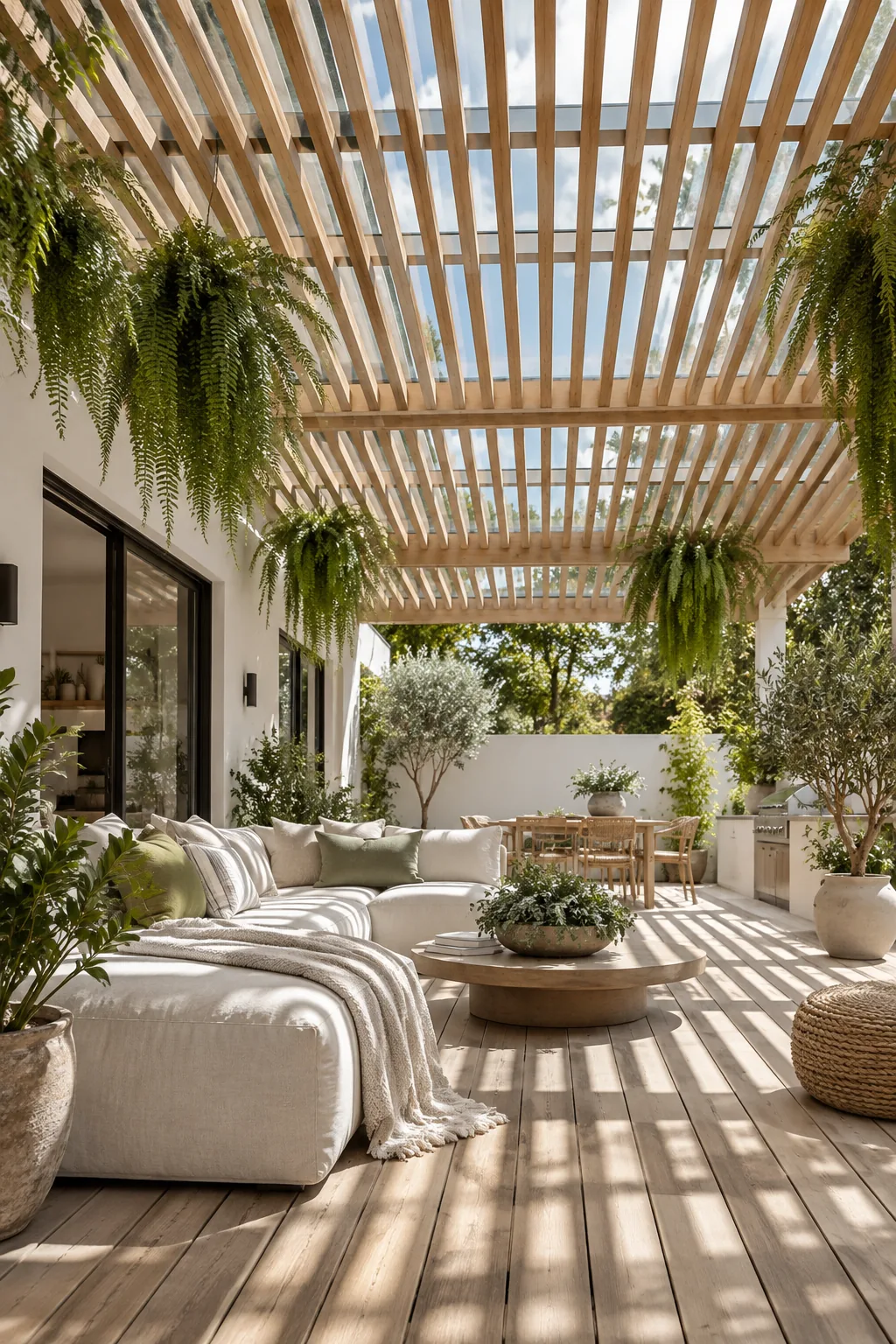
A slatted wood roof over clear panels creates a modern, architectural shadow play on your deck. It looks incredibly high-end but is actually quite simple to build.
The wooden slats hide the plastic roofing material from below. This gives you the aesthetic of an open pergola with the weather protection of a solid ceiling.
I love hanging trailing ferns from the rafters to soften all those straight lines. It makes the whole space feel like a lush greenhouse.
4. Chunky Support Posts
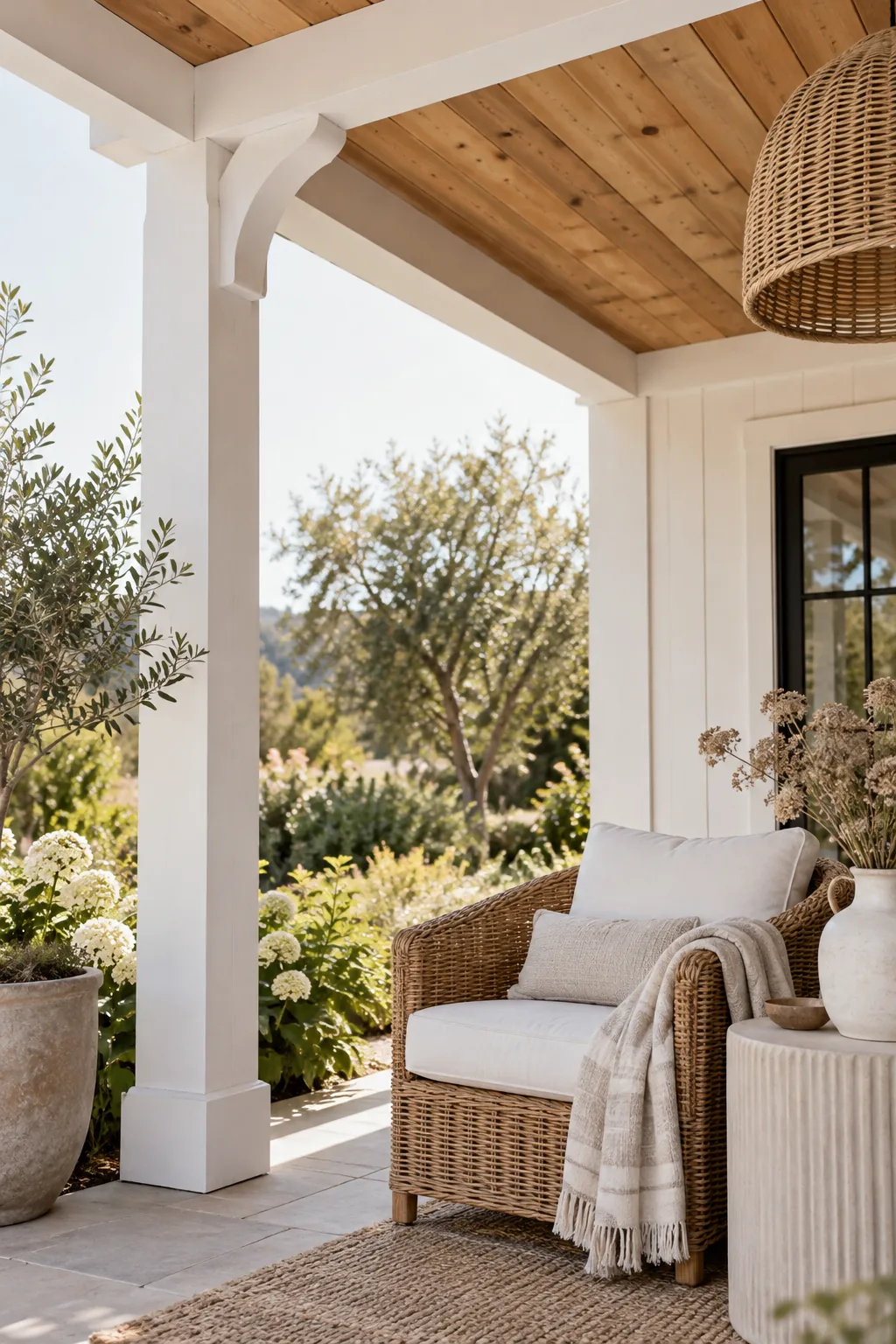
A standard 6×6 wooden post can support significantly more roof weight than a traditional 4×4.
Upgrading your posts is non-negotiable if you plan to install heavy asphalt shingles or a thick tongue-and-groove ceiling. The chunkier posts also make the entire structure look more proportional and grounded in your yard. Paint them a crisp white to contrast beautifully with a natural wood ceiling.
5. Budget-Friendly Painted Tin
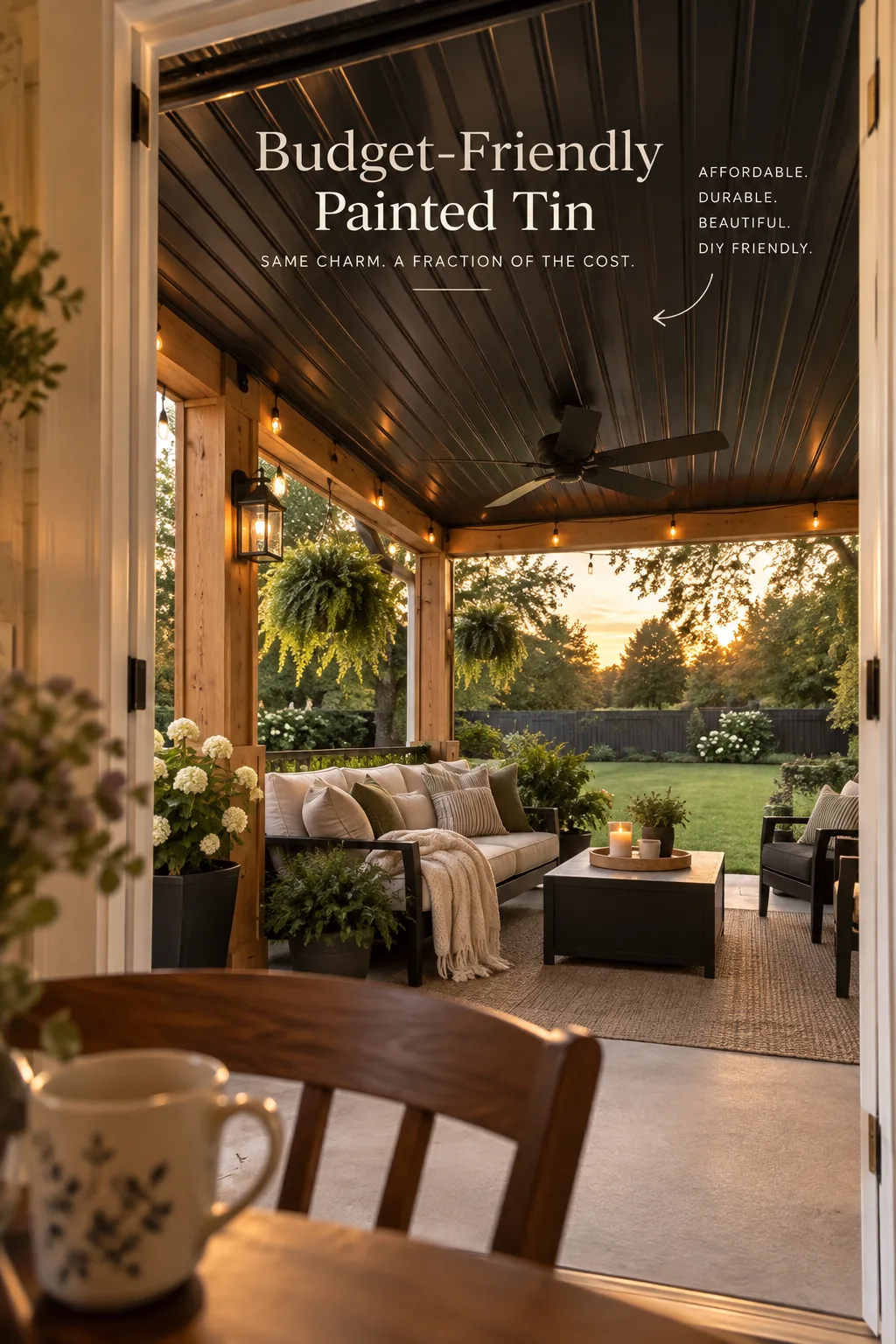
I built my first covered pergola entirely out of pressure-treated pine to keep the budget under control. It completely changed how my family uses the backyard.
We added a simple tin roof that we painted matte black to match our patio furniture. The dark color makes the ceiling recede and feel much taller than it actually is.
Wrapping the base of each post with cedar trim gives those cheap pine boards a custom, finished look. You can do this in an afternoon with just a miter saw and a brad nailer.
6. Pitched Roof Design
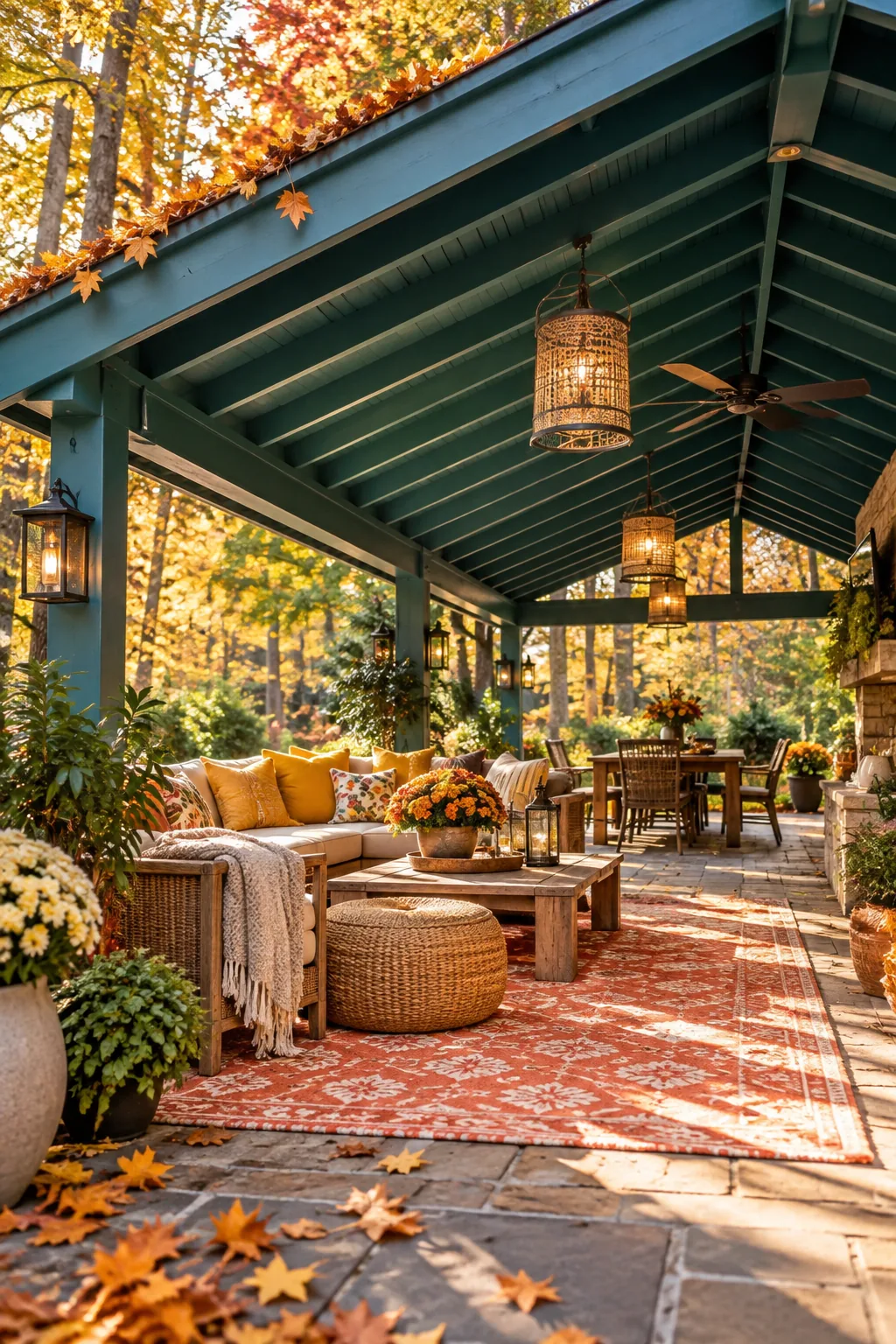
Flat roofs tend to collect debris much faster than pitched designs. You have to factor in the surrounding trees when deciding on your roof angle and material.
A pitched pergola roof naturally sheds pine needles and autumn leaves. It also creates a beautiful vaulted ceiling effect from the inside.
Keep these maintenance factors in mind before you build:
- Proximity to messy shedding trees
- Local snow load requirements
- Gutter installation for water control
7. Cozy Cedar Ceiling
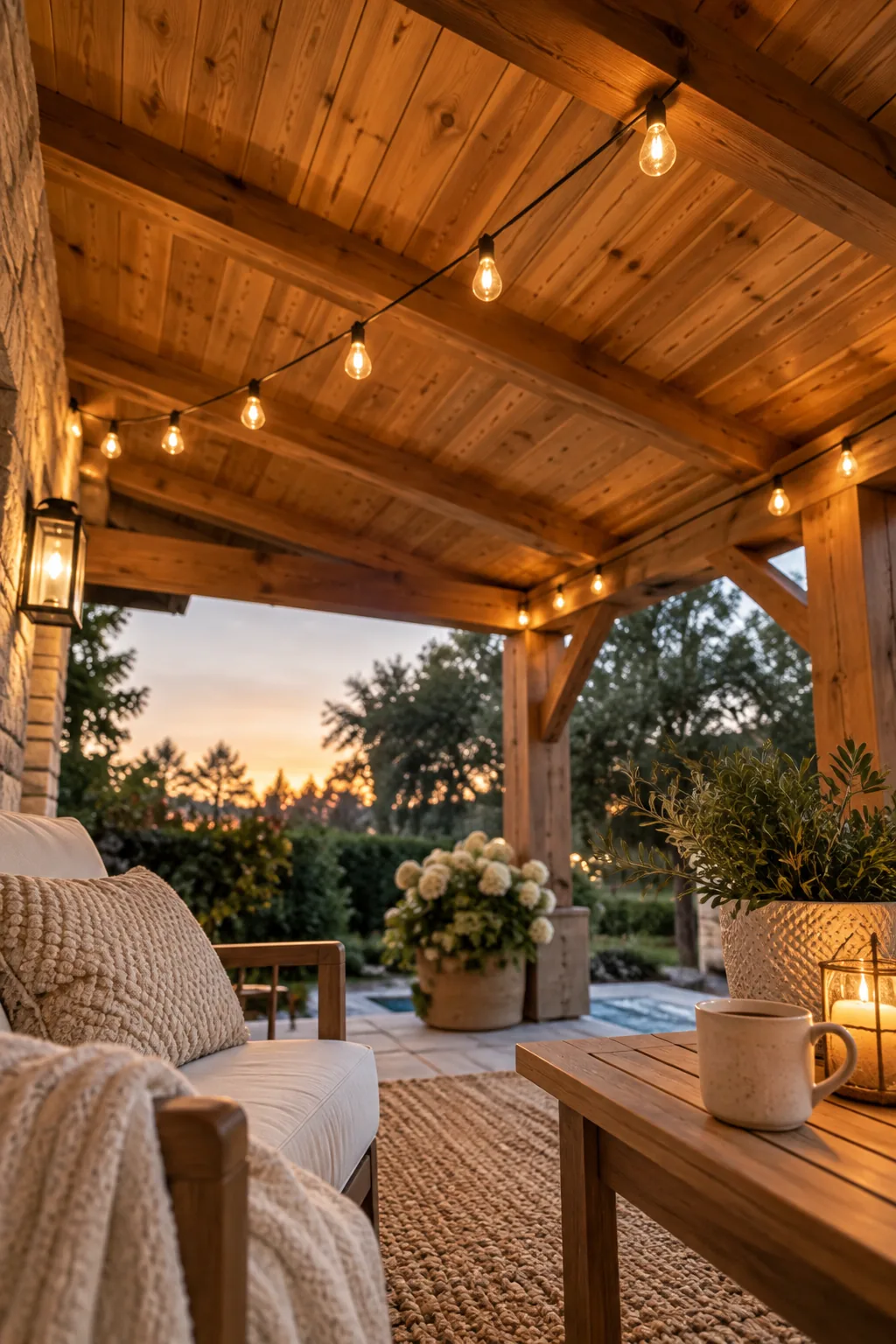
Layering textures is exactly what keeps a solid roof pergola from feeling like a dark cave. Installing a warm cedar tongue-and-groove ceiling draws the eye up and adds instant coziness to an outdoor dining room. You can string outdoor bistro lights back and forth across the beams to brighten the space at night.
Adding an outdoor rug anchors the furniture and mirrors the cozy ceiling above.
8. Tropical Thatch Roofing
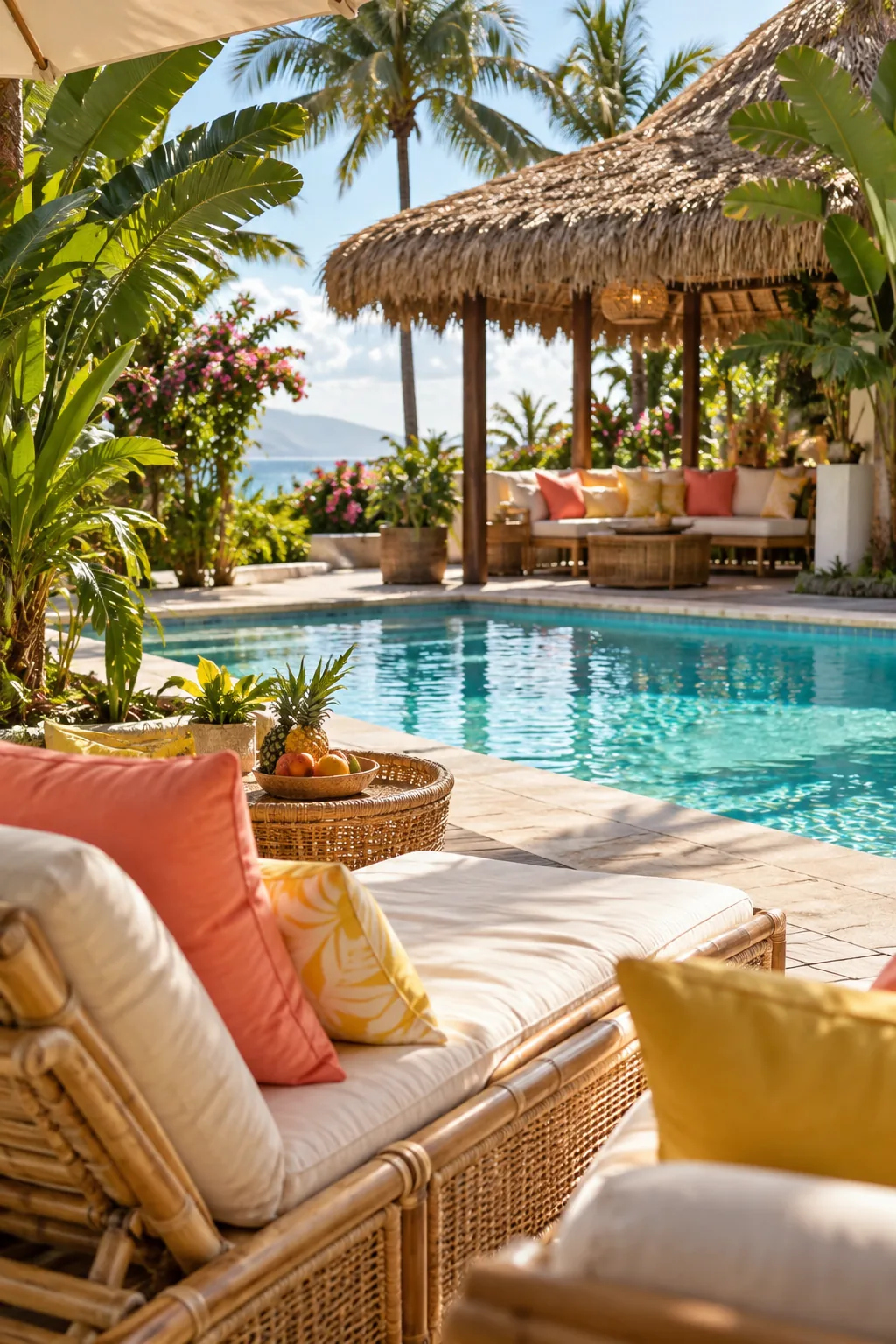
A thatch roof pergola gives your pool area an instant tropical resort vibe.
You can buy synthetic thatch panels that staple directly onto a standard plywood sub-roof. These modern alternatives last for decades without shedding or attracting unwanted pests. Pair it with oversized bamboo furniture and bright outdoor pillows to complete the vacation aesthetic.
9. Adjustable Louvered Slats
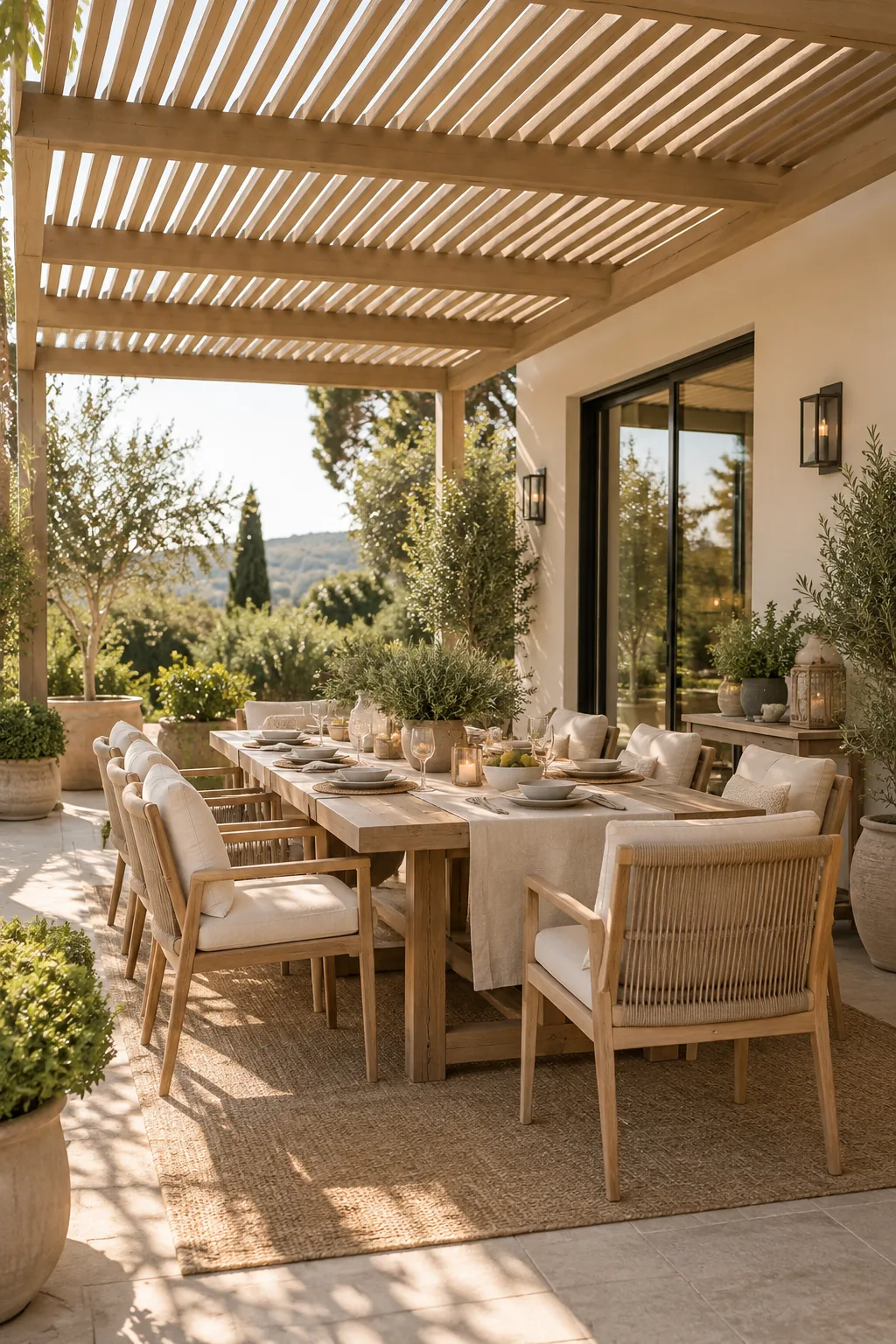
Outdoor fabrics fade quickly when exposed to direct afternoon sun. Building a louvred pergola roof allows you to adjust the shade level throughout the day to protect your expensive patio cushions. You can manually crank the slats closed when a sudden rainstorm hits, keeping your outdoor dinner party completely dry. The adjustable design offers the perfect middle ground between an open trellis and a permanent solid ceiling. Try these popular louvred systems for your yard:
- Manual crank aluminum kits
- Motorized smart-controlled louvers
- DIY wooden pivoting slats
10. Attached Wall Ledger
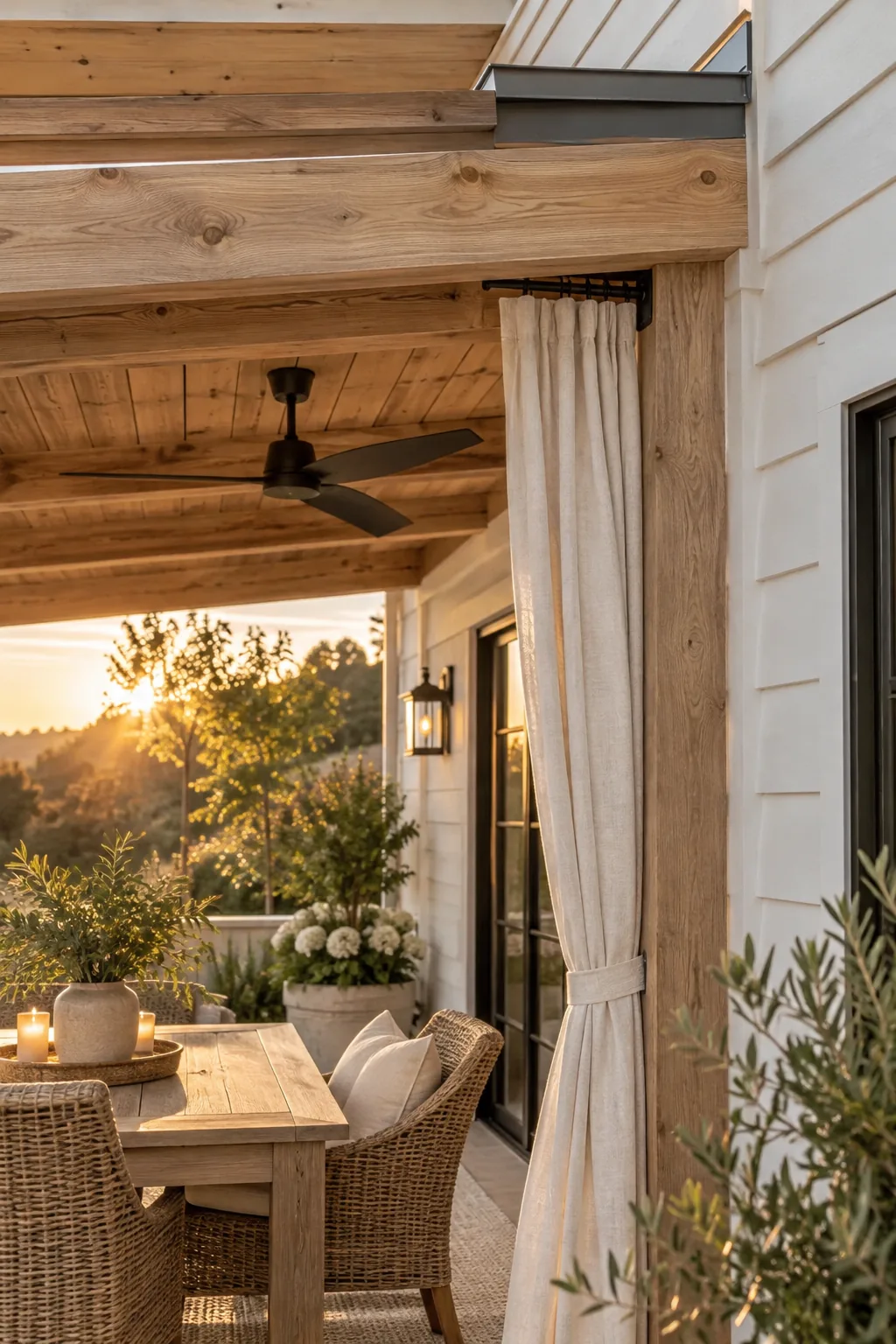
Creating a seamless transition between your house and the garden is what makes an attached pergola so successful. Tying the new roofline directly into your existing exterior wall extends your indoor living space right out into the fresh air. You must use proper metal flashing where the ledger board meets the siding to prevent water damage over time. Adding a heavy-duty outdoor ceiling fan to the main beam will keep the air moving on stagnant August afternoons. I always recommend installing outdoor curtains on the sides to block the low evening sun and add a layer of privacy.