
15+ Brilliant Trim Ideas for Your Home
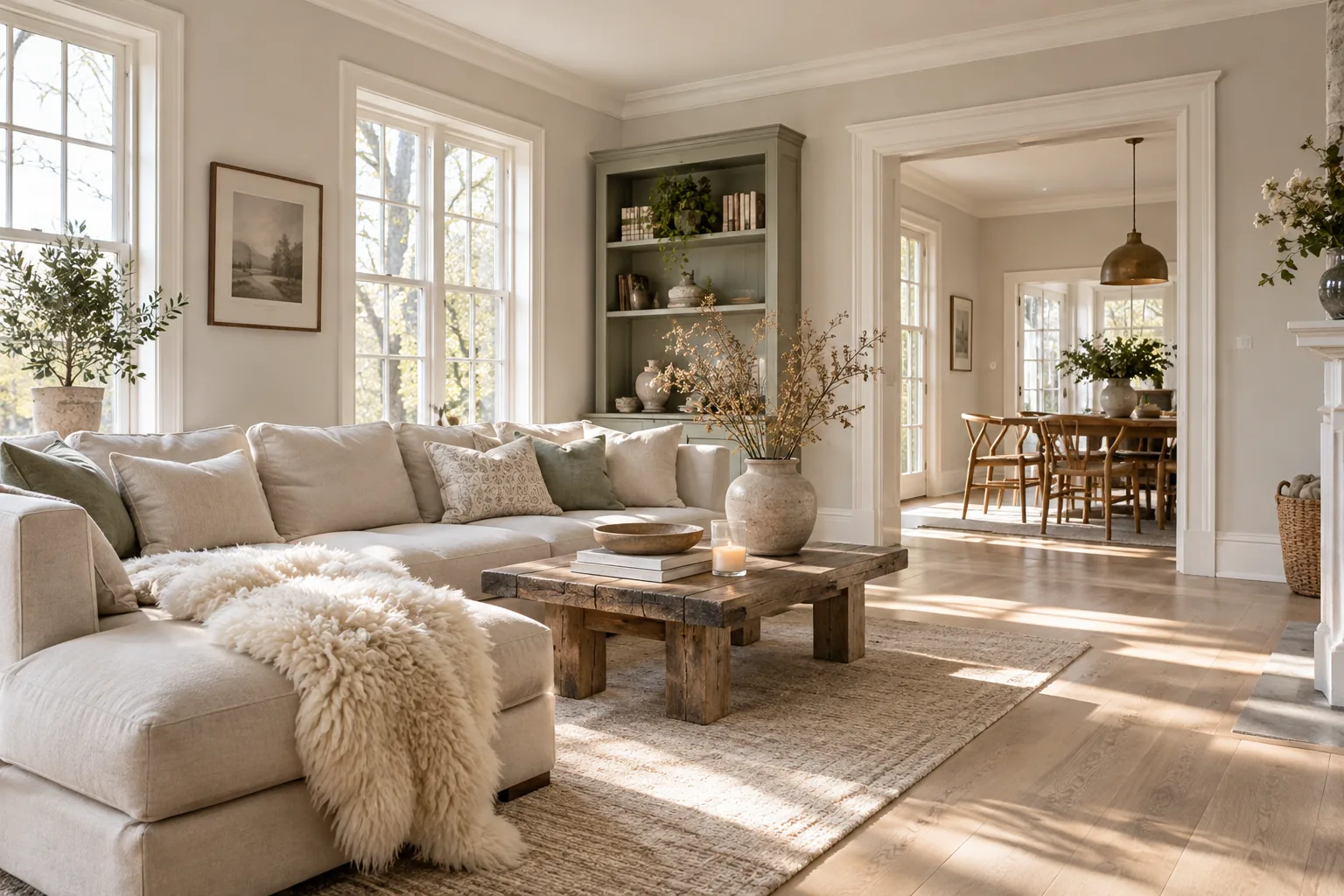
Upgrading your trim is the single best way to make a basic room look completely custom. I rely on these exact woodwork details to give plain walls structure and character.
1. Color Drenching
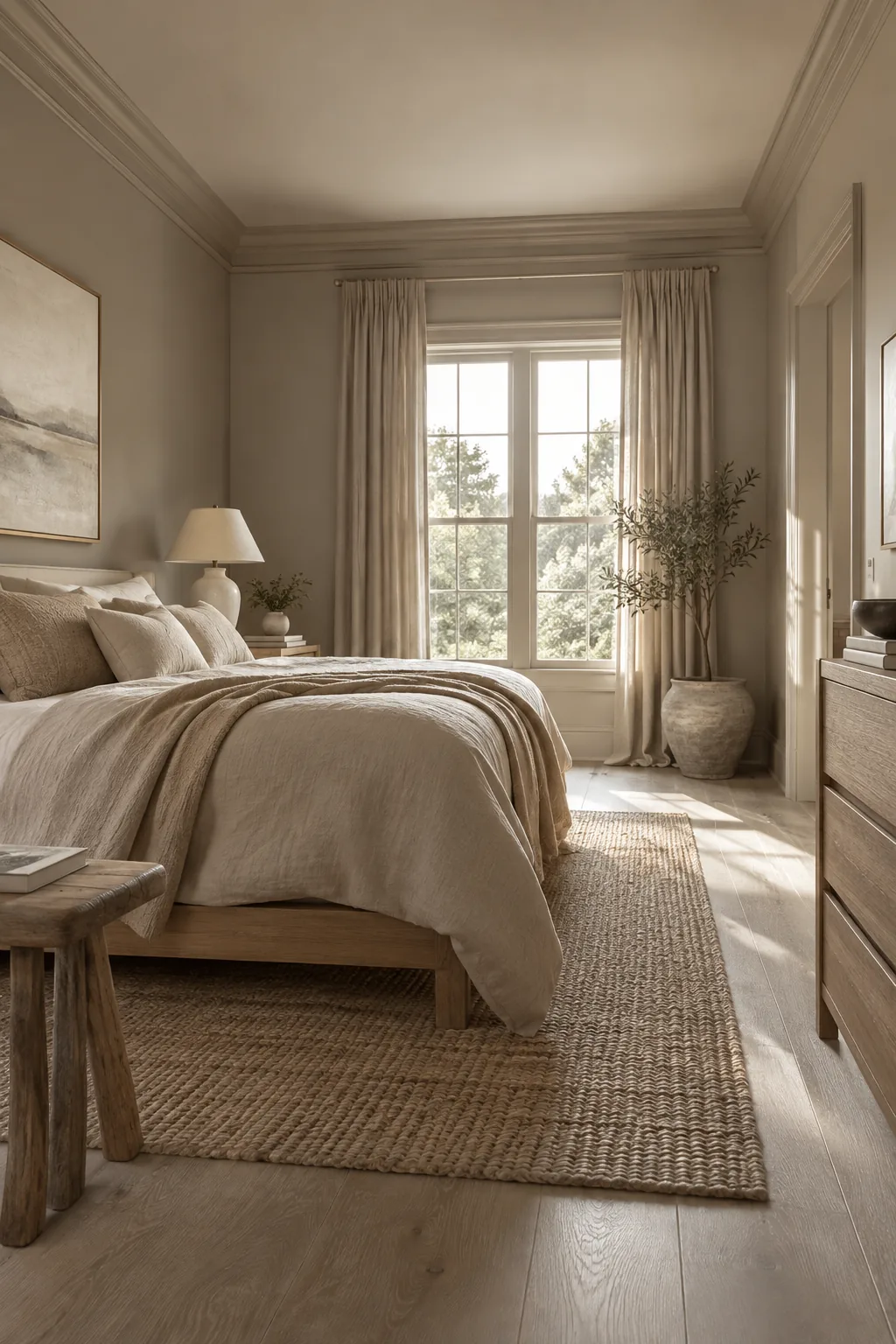
I painted my own bedroom trim the exact same shade as the walls last year, and I still love the result. This technique is called color drenching, and it immediately makes a standard room feel larger and more cohesive. You just take your wall color and apply it directly to the baseboards, window casings, and crown molding. It erases visual boundaries that normally chop up a space. Use a satin or semi-gloss finish on the woodwork so it subtly catches the light against your flat walls.
2. Picture Frame Molding
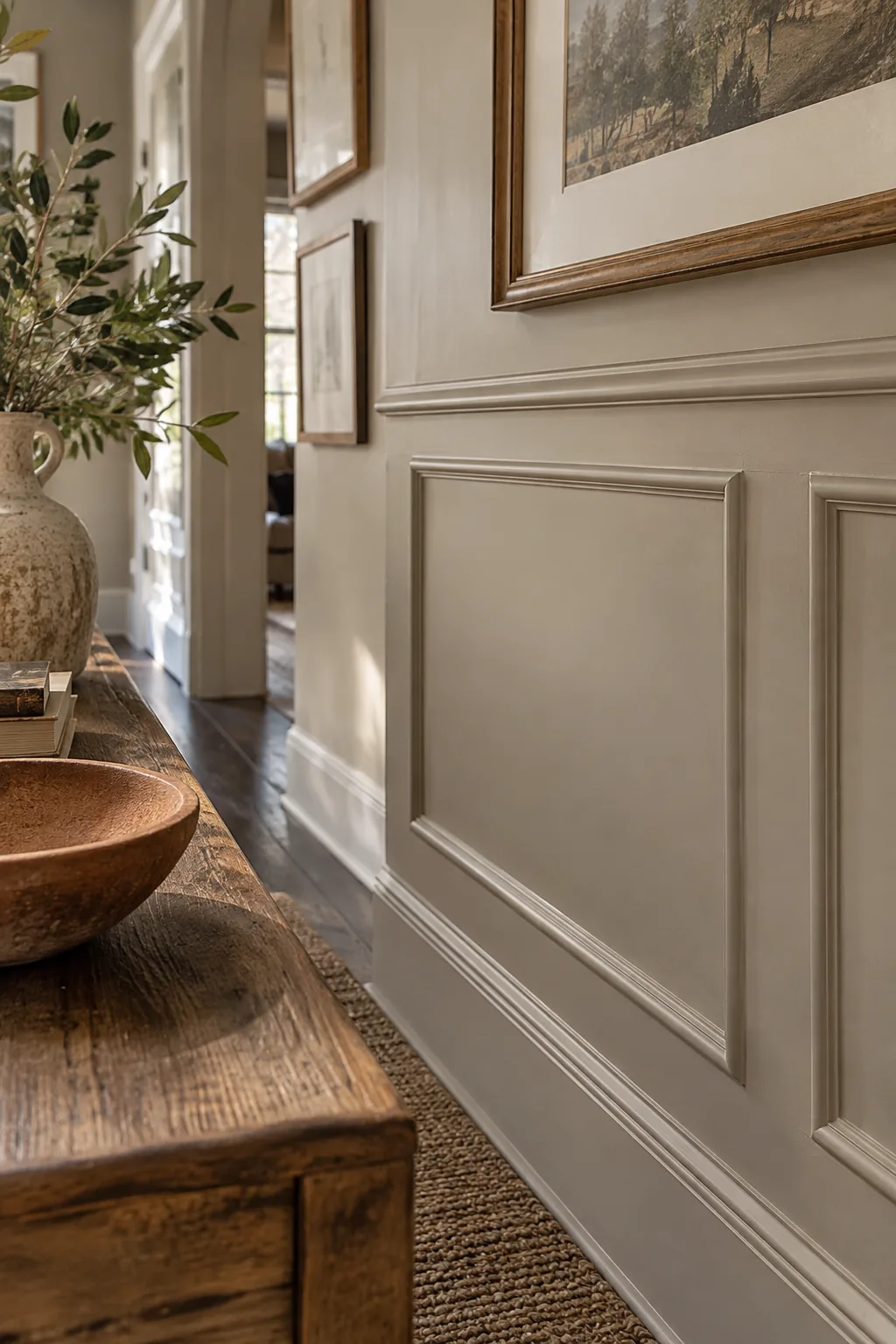
Empty hallway walls always look unfinished until you add some architectural structure. Picture frame molding solves this by creating elegant, raised boxes right on the drywall. You can plan your layout to highlight specific elements in the room.
It completely eliminates the need for a gallery wall.
- Wall sconces
- Large artwork
- Framed mirrors
3. Tall Baseboards
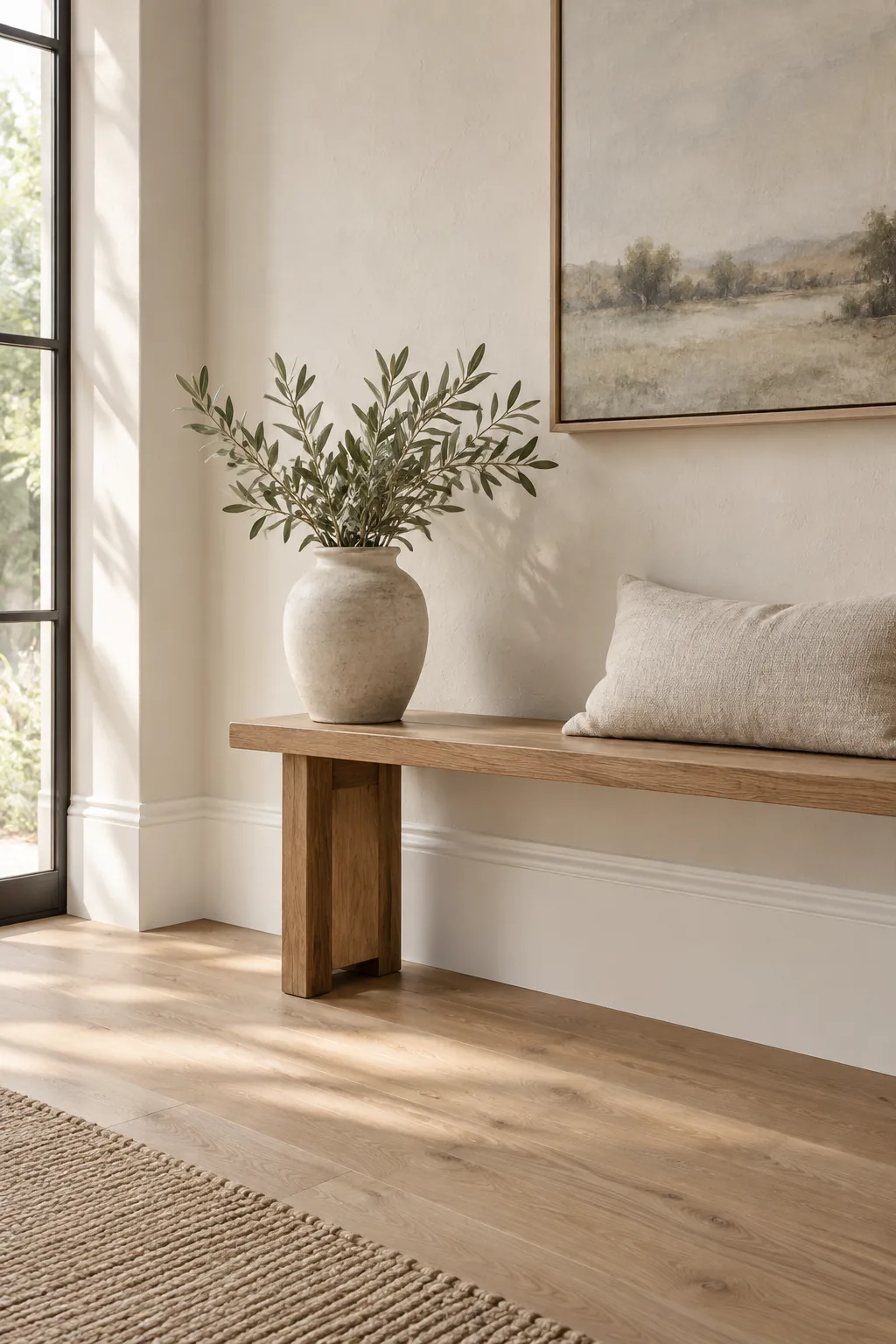
Standard builder-grade baseboards are usually just three inches tall. Swapping them out for a six-inch flat baseboard instantly updates a room and gives it a high-end, modern foundation. Taller trim grounds the space and protects your walls from daily wear and tear. Keep the profile simple with just a few basic elements.
- A flat main board
- A simple squared-off top cap
- A sleek shoe molding
4. Contrasting Window Casing
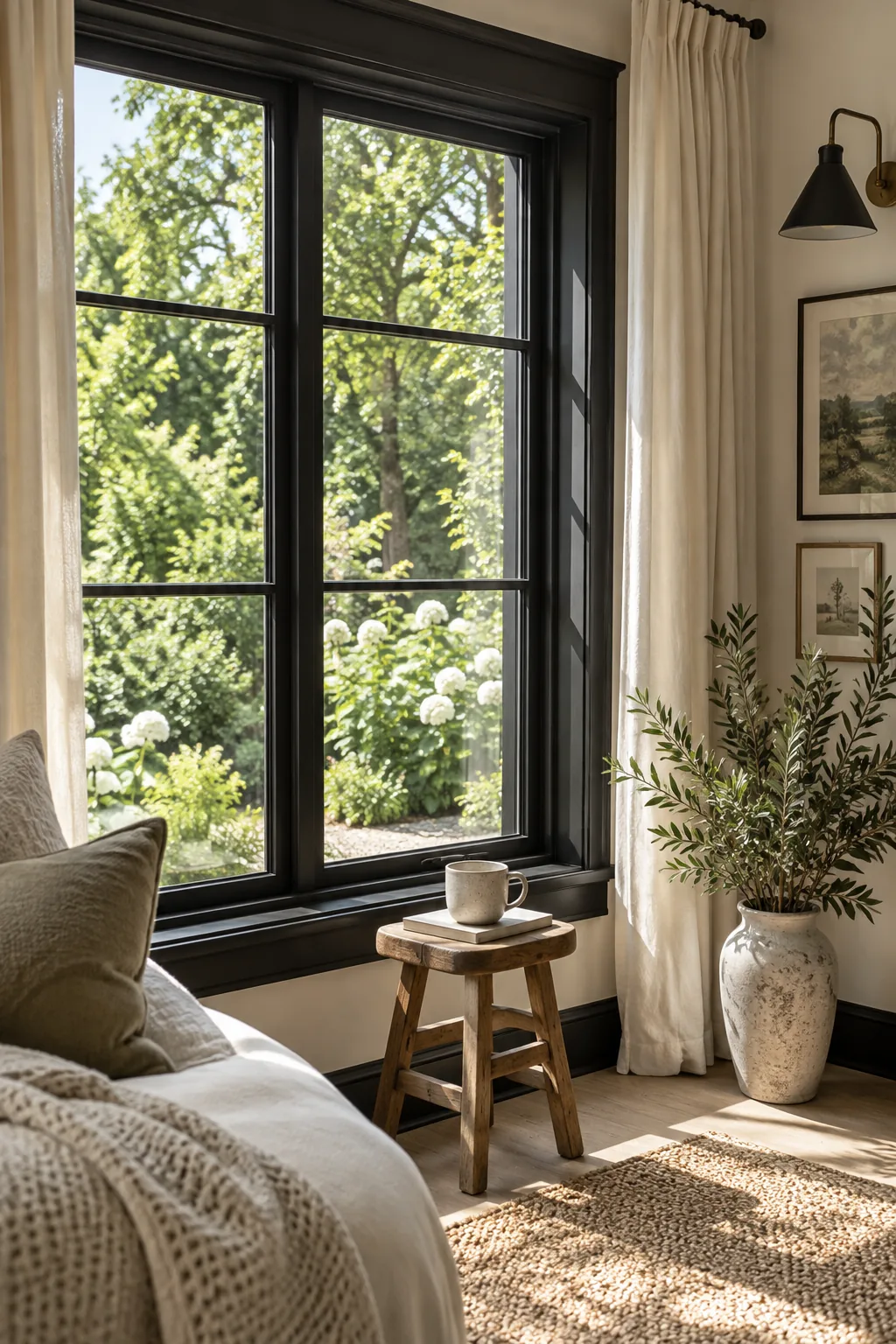
Dark trim against light walls draws the eye straight to your home's natural light sources. Painting your window casings a deep charcoal or soft black frames the view outside like a piece of art.
5. Board and Batten
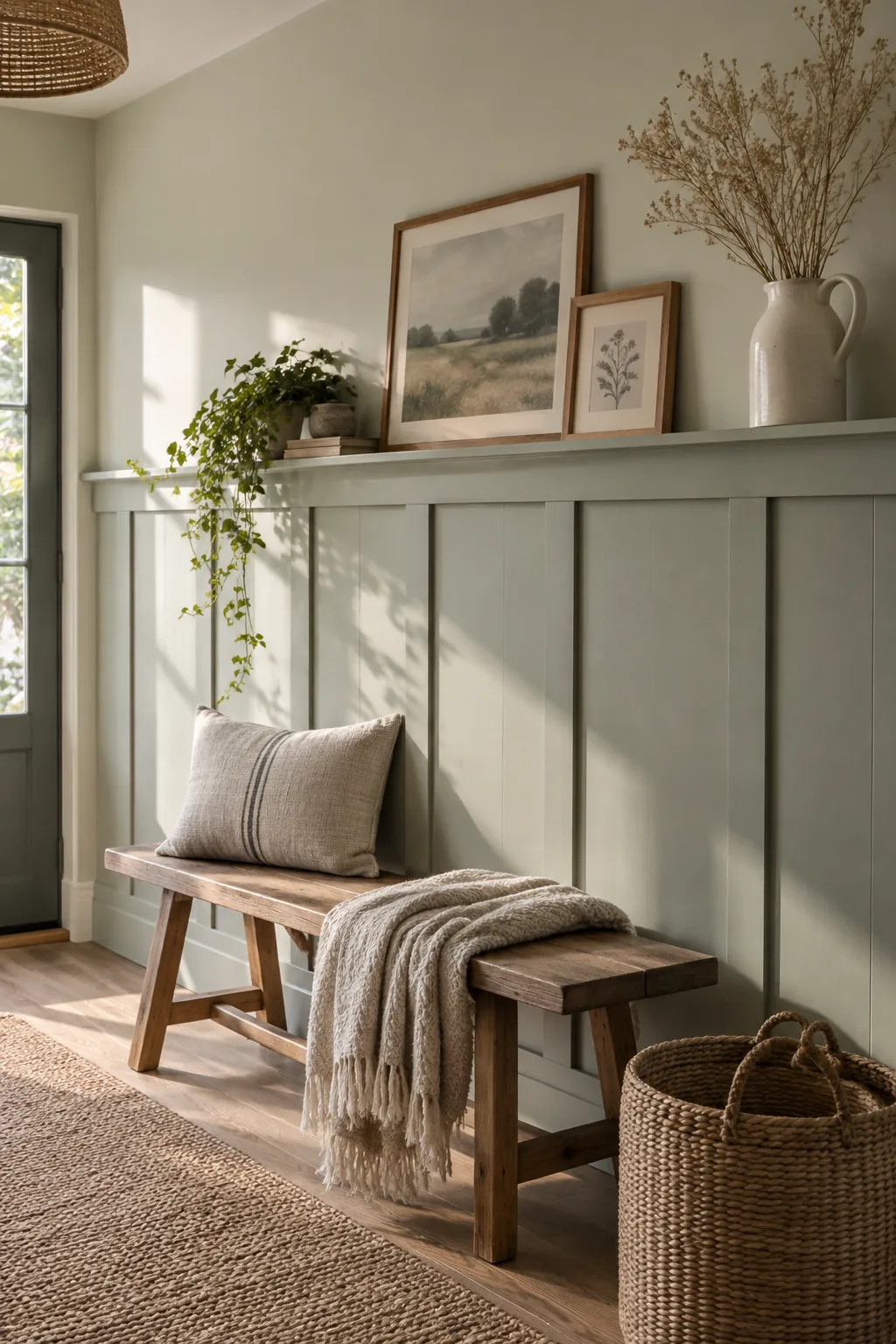
Going up two-thirds of the wall with your trim creates the perfect visual balance.
A traditional board and batten treatment adds rigid vertical lines that draw the ceiling up. You just nail vertical strips over a smooth backer board.
Finish it off with a deep ledge on top to display small frames.
6. Ceiling Medallions
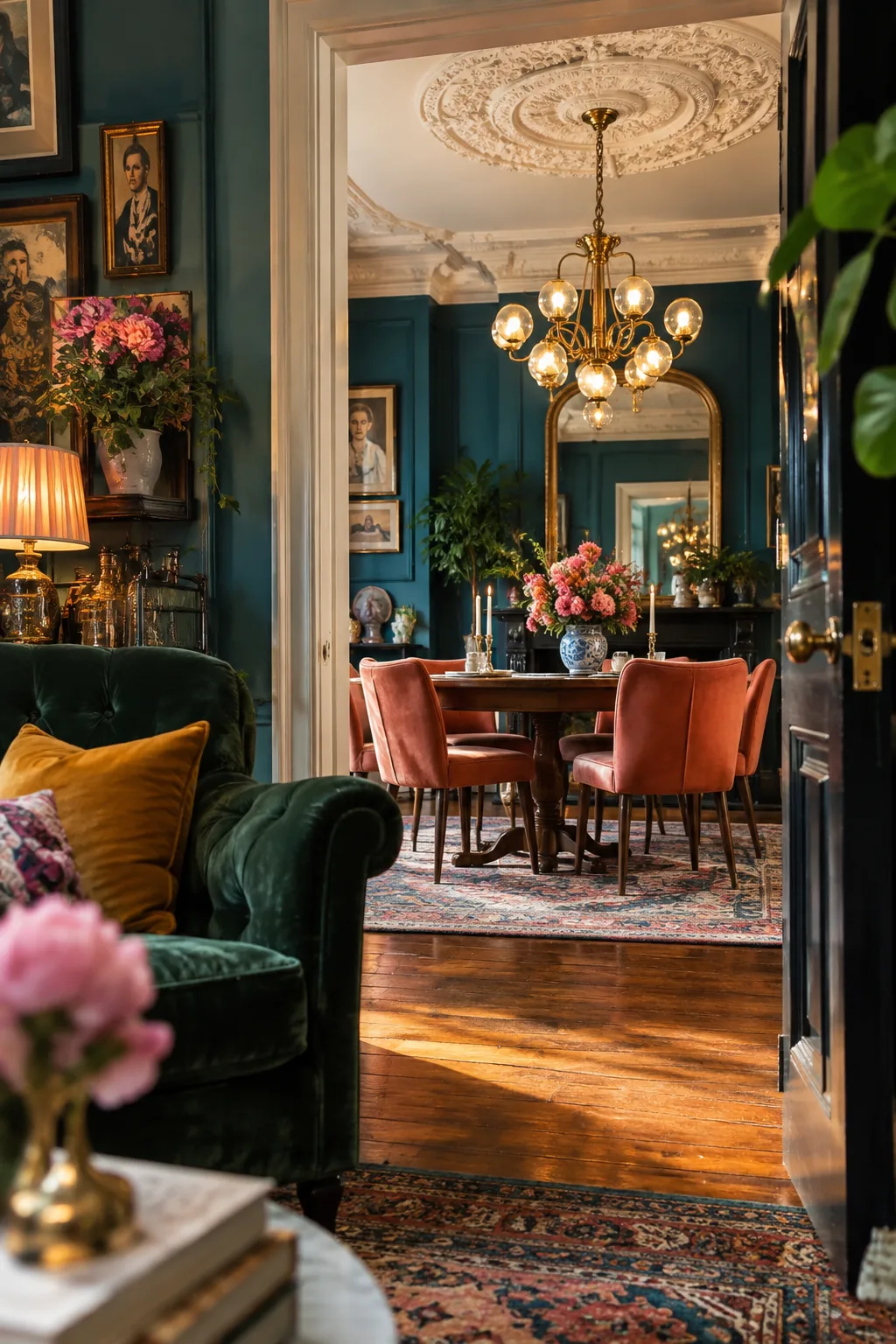
Always anchor a statement chandelier with a decorative ceiling medallion. This piece of overhead trim bridges the gap between a modern light fixture and a classic, historic ceiling.
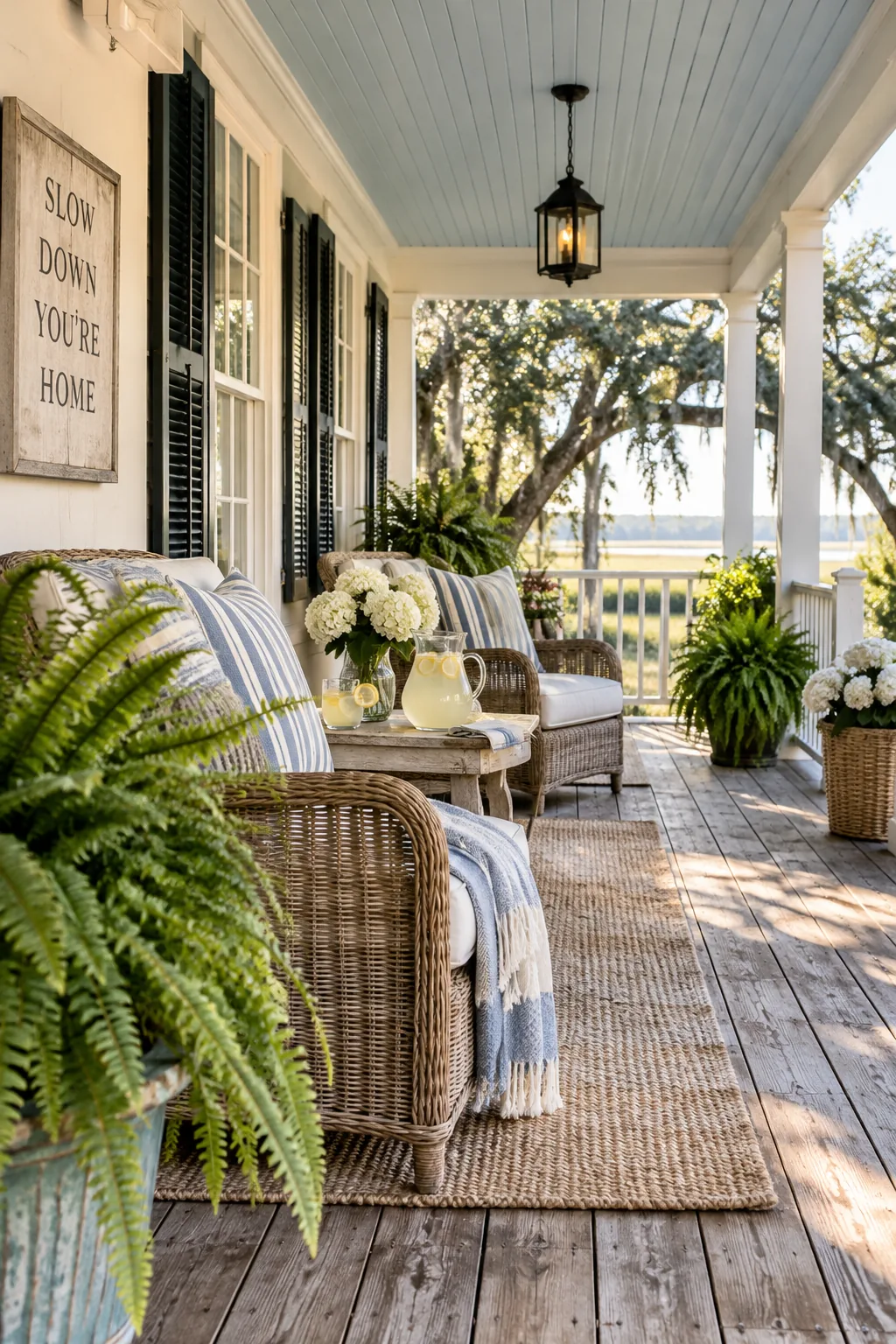
7. Beadboard Ceilings
I grew up in a house with textured ceilings, and covering them up was my first major project.
Installing beadboard panels directly over ugly drywall is a massive upgrade. It adds a cozy, cottage feel to otherwise ignored spaces.
Paint it a soft haint blue for a classic Southern touch.
- Covered porches
- Bathroom ceilings
- Mudroom entryways
8. Fluted Door Trim
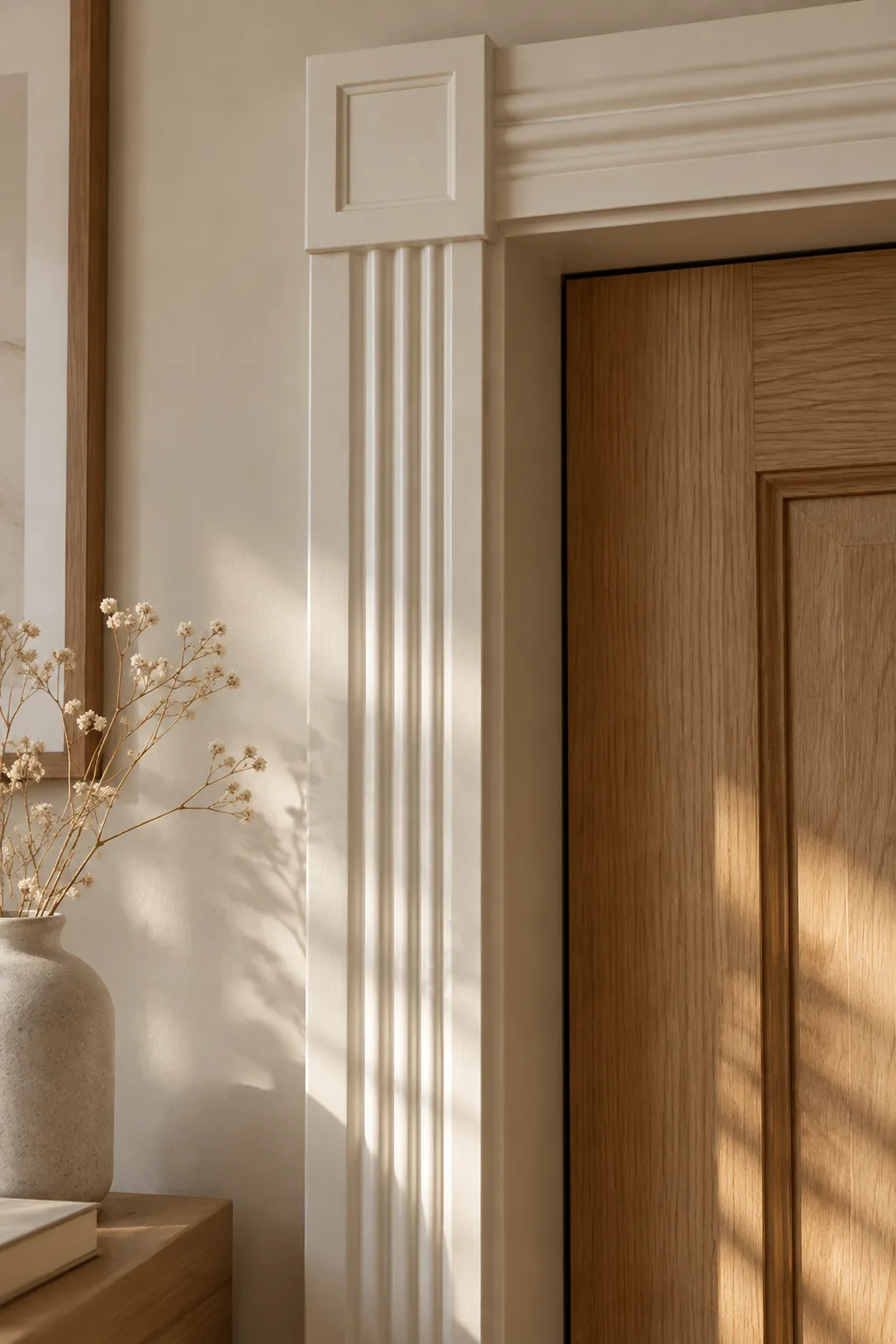
The tight, repeating vertical lines are what give this woodwork its charm.
Replacing basic flat casing with fluted door trim adds incredible texture to your interior doorways. It catches shadows beautifully throughout the day. Pair it with decorative corner blocks at the top so you don't even have to cut mitered angles.
9. Shiplap Wainscoting
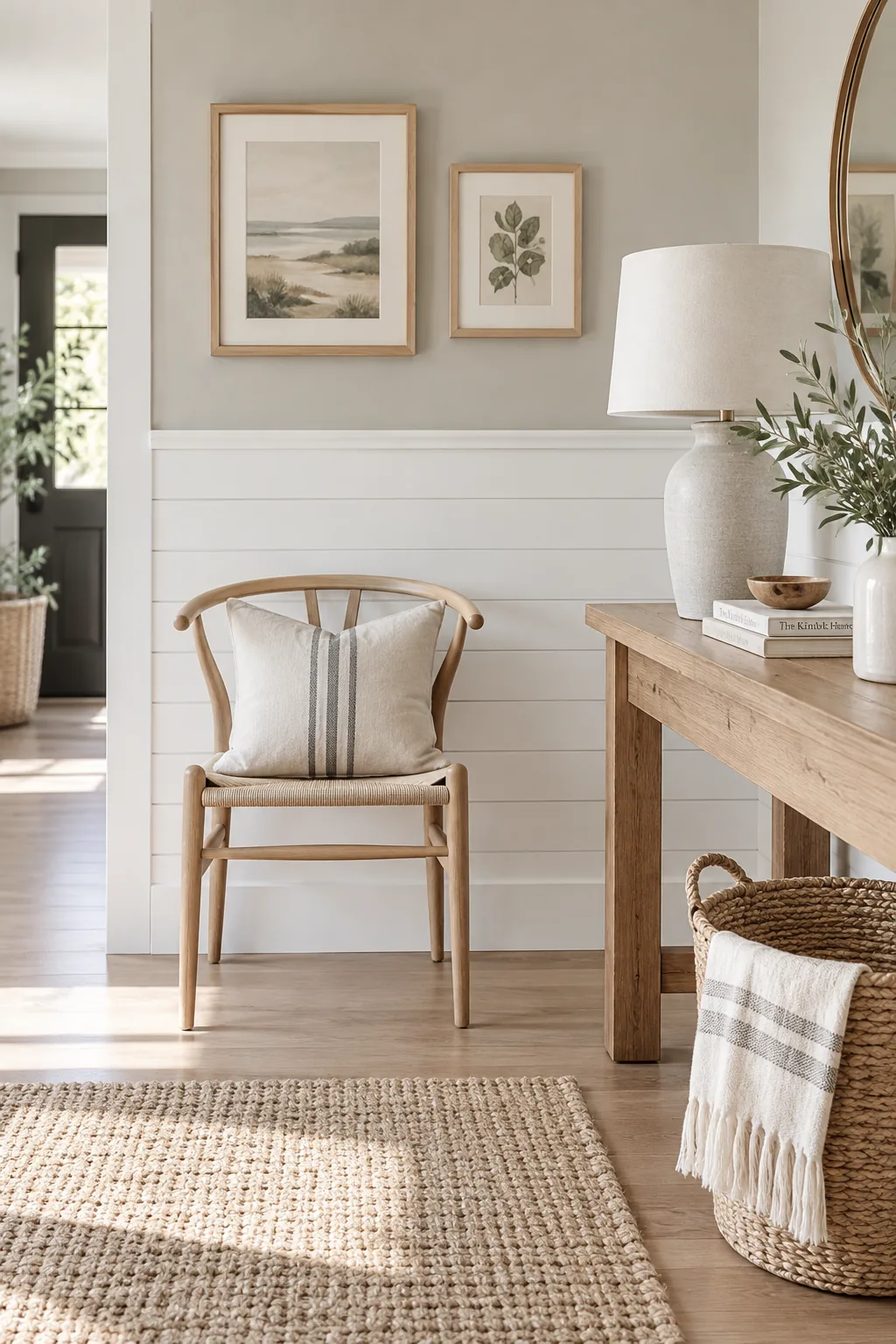
Install your horizontal planks tightly together for a modern, streamlined look.
A low shiplap wainscoting wraps a room in subtle texture without overwhelming the space. It looks incredibly crisp when painted bright white.
Cap the top with a simple piece of bullnose trim to hide the raw edges.
10. Crown Molding with Picture Rail
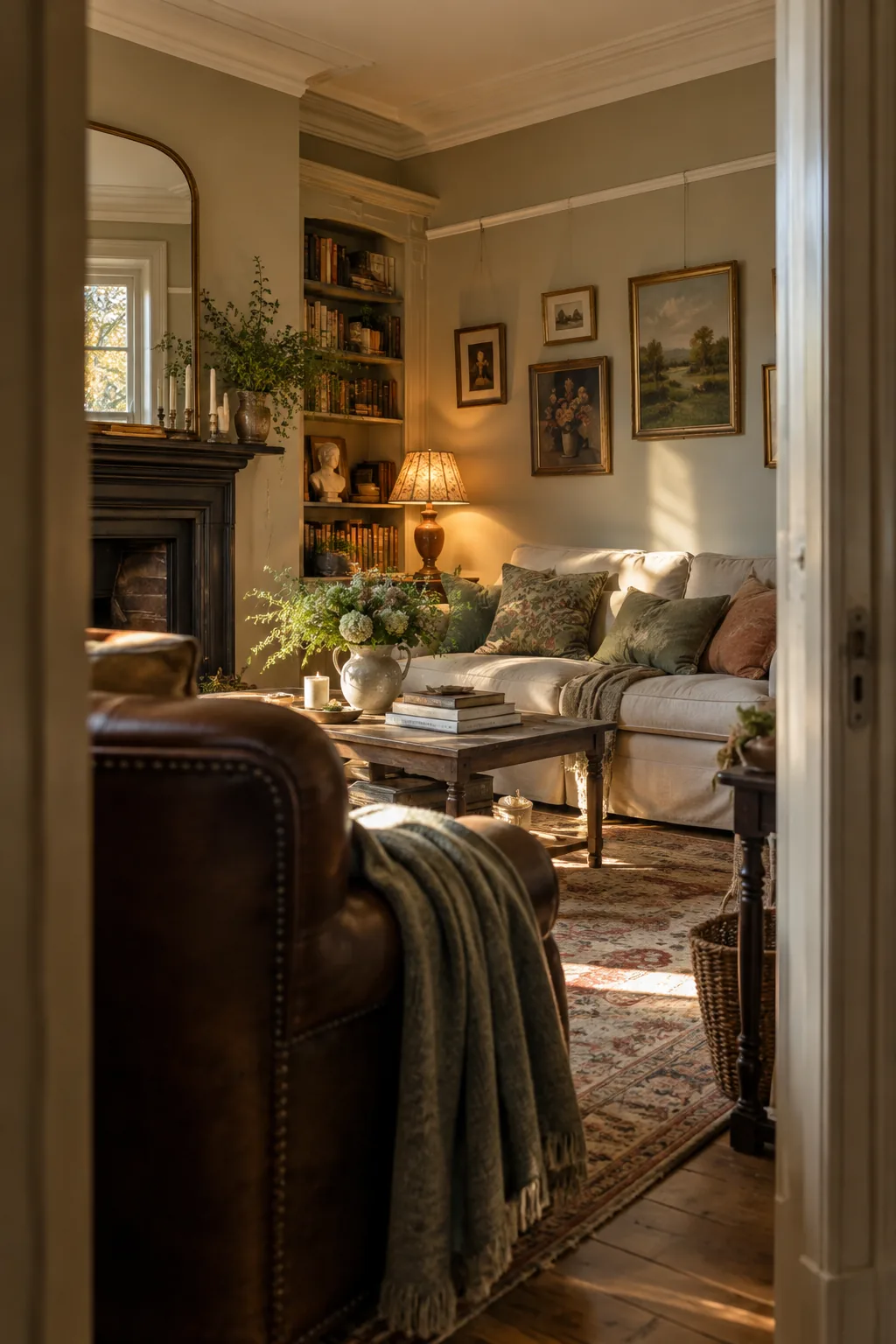
This combination gives any room an instant vintage, historic character. Dropping a picture rail an inch or two below your main crown molding creates a beautiful layered effect. You paint the gap between them the same color as the trim to fake the look of massive, expensive woodwork.
It also gives you a functional place to hang art without putting holes in plaster.
11. Arched Architraves
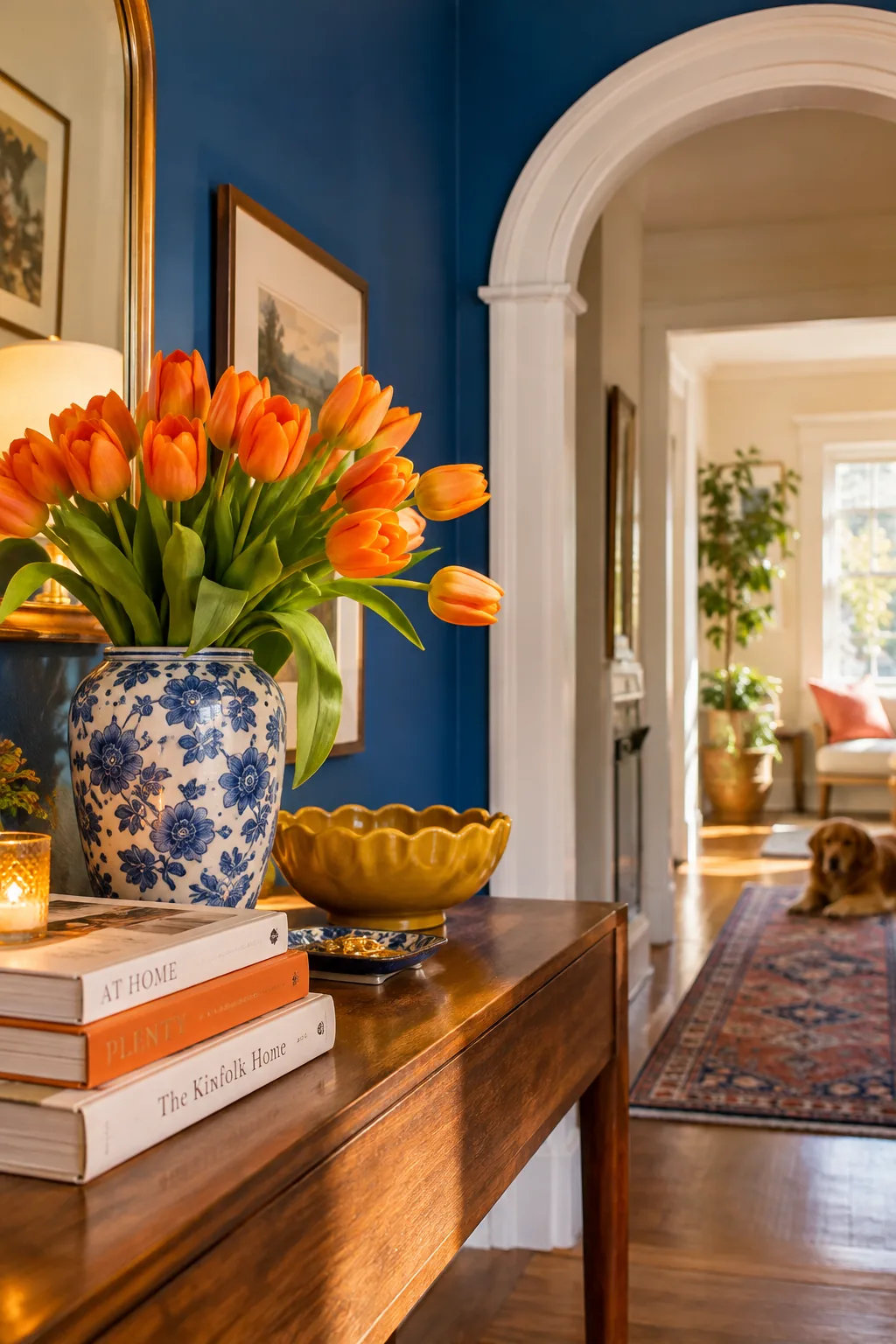
A standard interior doorway is exactly eighty inches tall. Adding a curved architrave above the door frame softens those harsh right angles and makes the ceiling feel much higher. You can buy these curved pieces pre-milled to fit standard door widths.
The soft curve completely changes the flow of a narrow hallway.
12. Stained Wood Trim
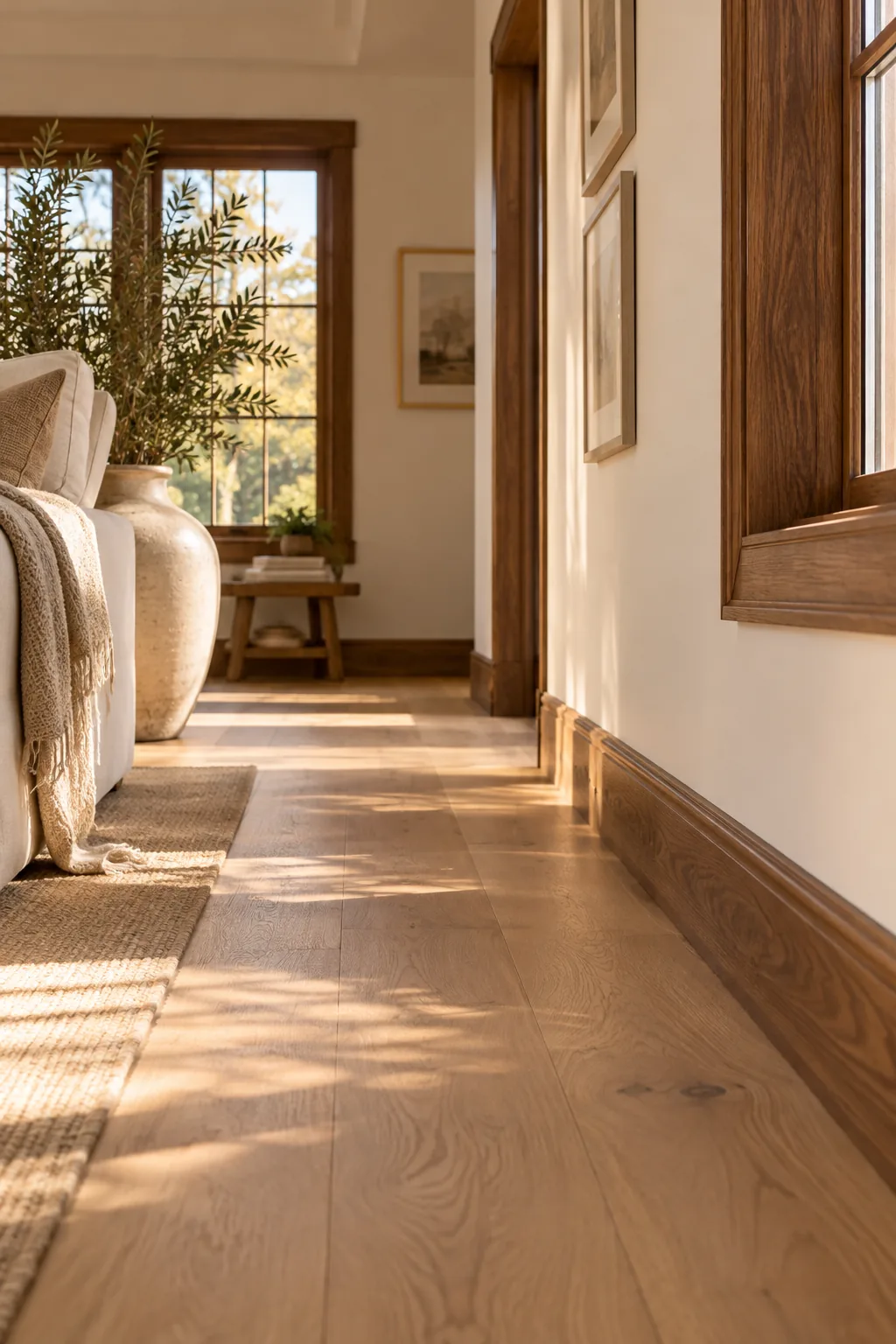
Most modern homes default to white paint for every piece of woodwork. Leaving your baseboards and casings as natural, stained wood brings incredible warmth and earthiness indoors. A medium walnut or clear white oak stain pairs perfectly with creamy white walls.
It is the easiest way to achieve that cozy, organic modern aesthetic.
13. Plinth Blocks
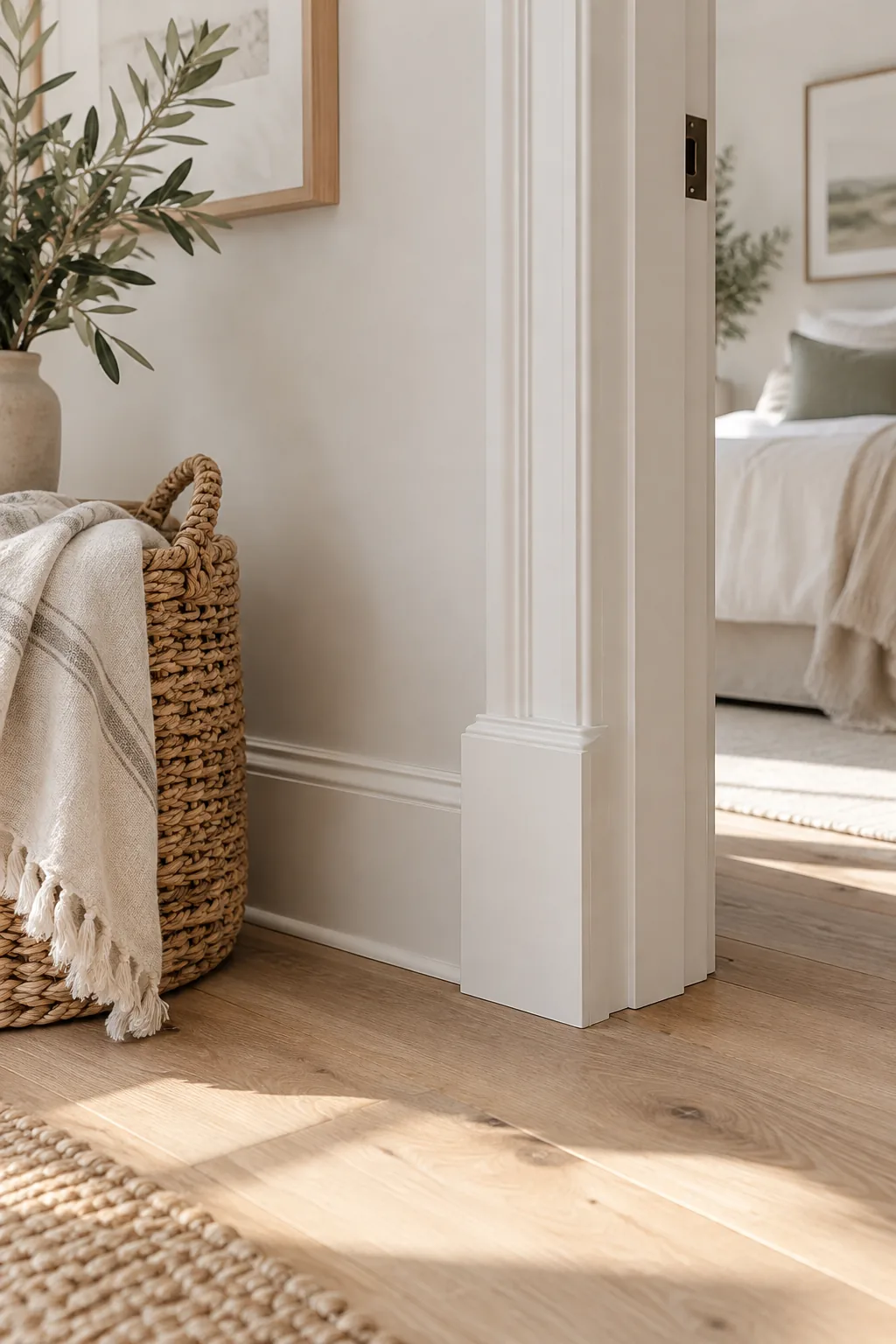
This small detail creates a seamless, professional transition at the bottom of a door.
Adding a thick plinth block where the baseboard meets the door casing stops the two different profiles from clashing. The block sits slightly taller and thicker than the surrounding trim. It grounds the doorway and adds a sturdy, architectural finish.
14. Dark Crown Molding
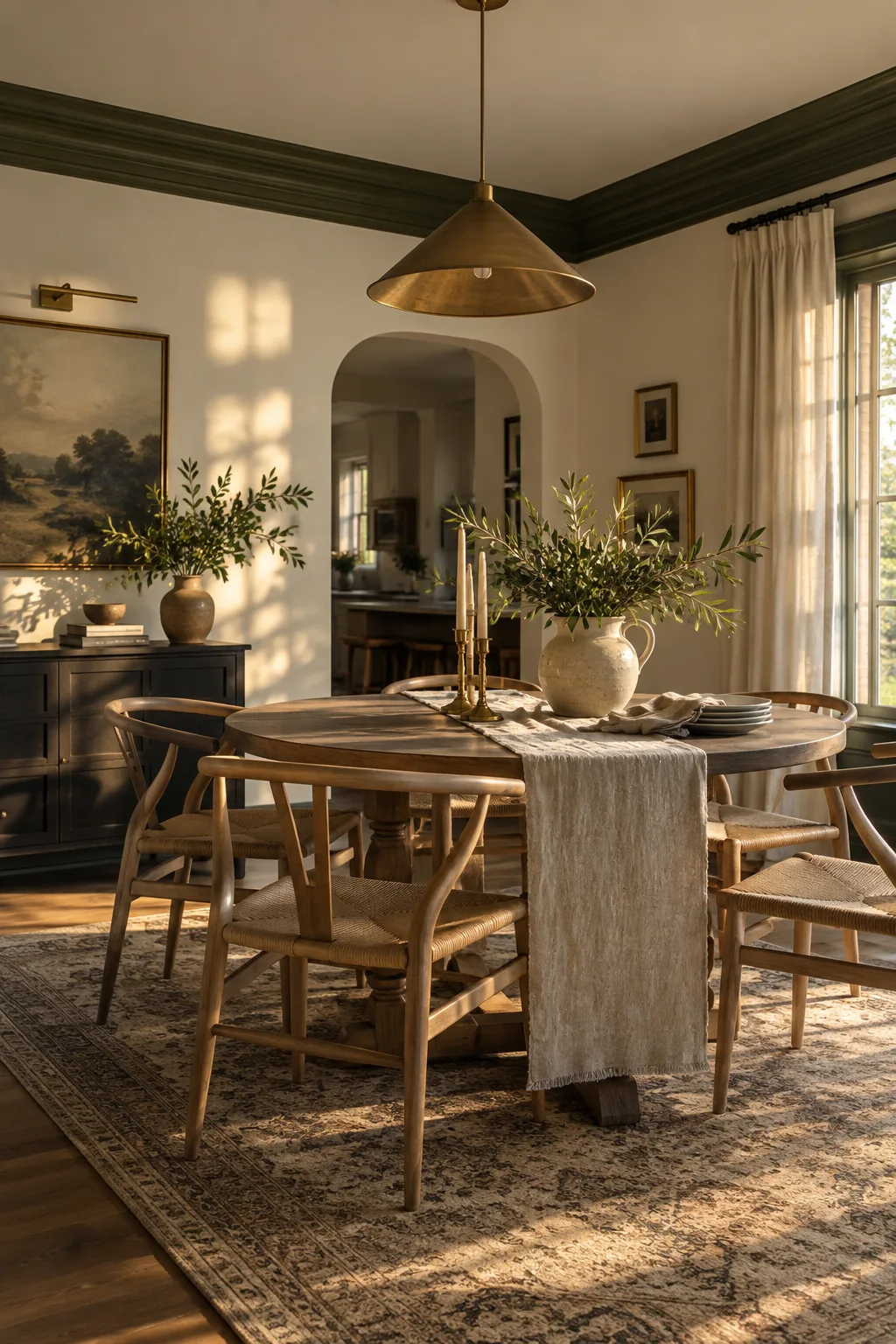
I recently painted the ceiling trim in a client's dining room a rich, moody olive green. A dark crown molding draws the eye upward and defines the perimeter of the room without making it feel cave-like.
Why it works: The high contrast creates a crisp border that makes the ceiling actually appear taller.
15. V-Groove Paneling
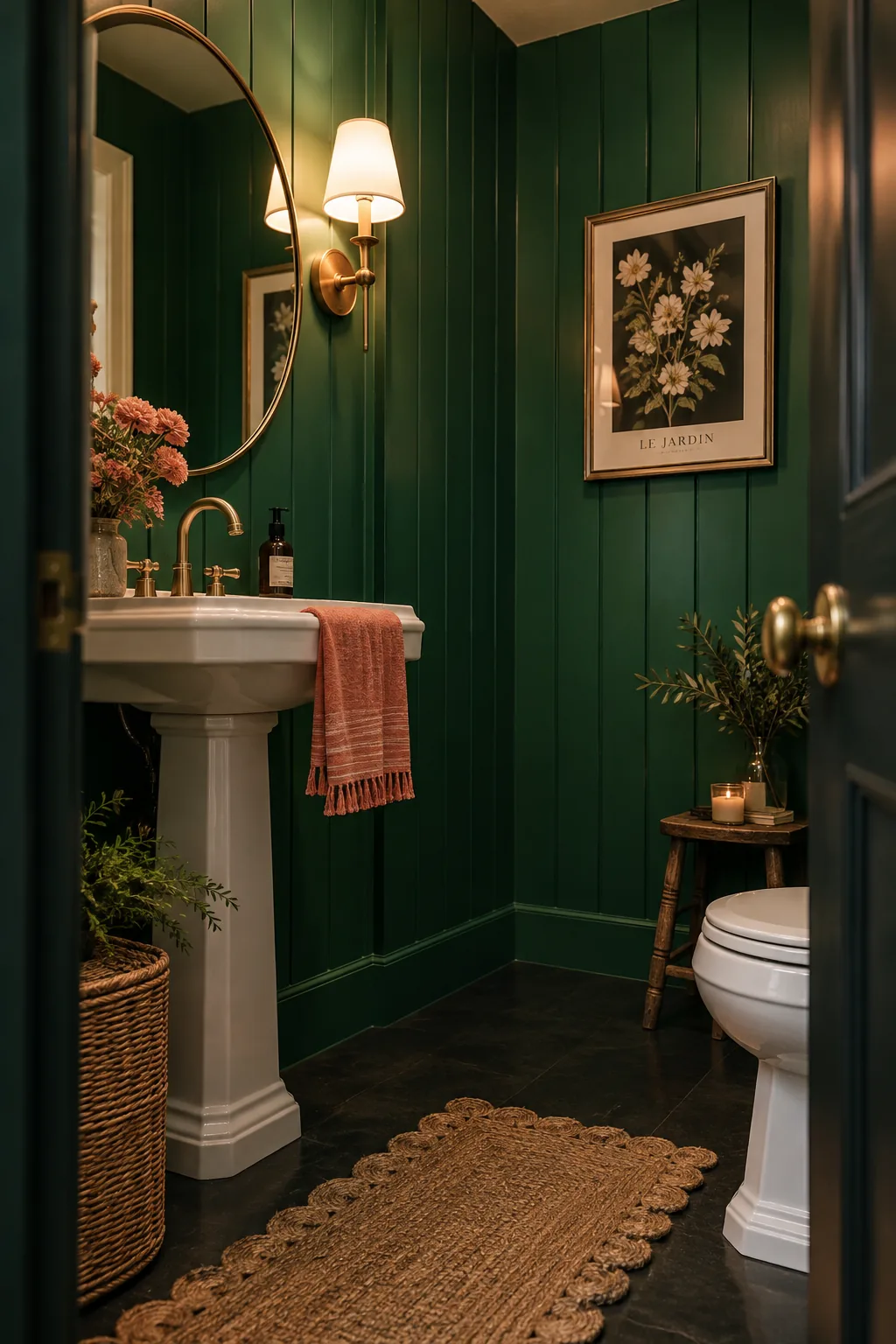
The sharp, angled cuts between these boards create deep, distinct shadow lines.
Wrapping a powder room in vertical v-groove paneling is much more sophisticated than standard beadboard. The wider planks feel modern and clean, especially when painted a dark, saturated color. It easily handles the splashes and scuffs of a high-traffic bathroom.
16. Two-Tone Wainscoting
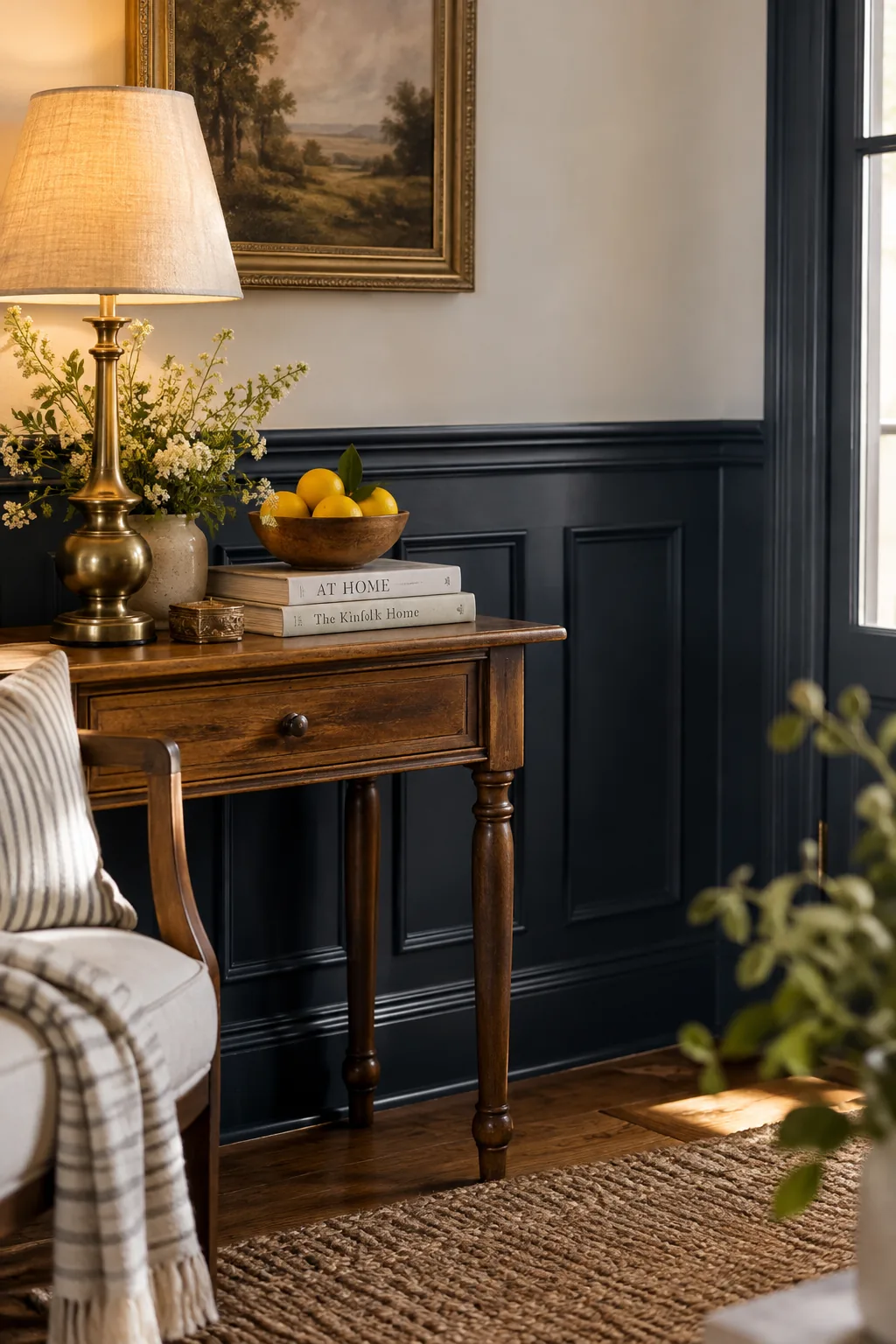
A classic chair rail sits exactly thirty-six inches off the floor.
Painting your lower wainscoting a dark color while leaving the upper drywall light is a foolproof design trick. It grounds the room and hides scuff marks from shoes and furniture. You get the drama of a dark color without sacrificing the brightness of the space.
Why it works: Keeping the heavier, darker color on the bottom half anchors the room and prevents the dark shade from feeling oppressive.