
15+ Brilliant Sliding Glass Patio Door Curtain Ideas
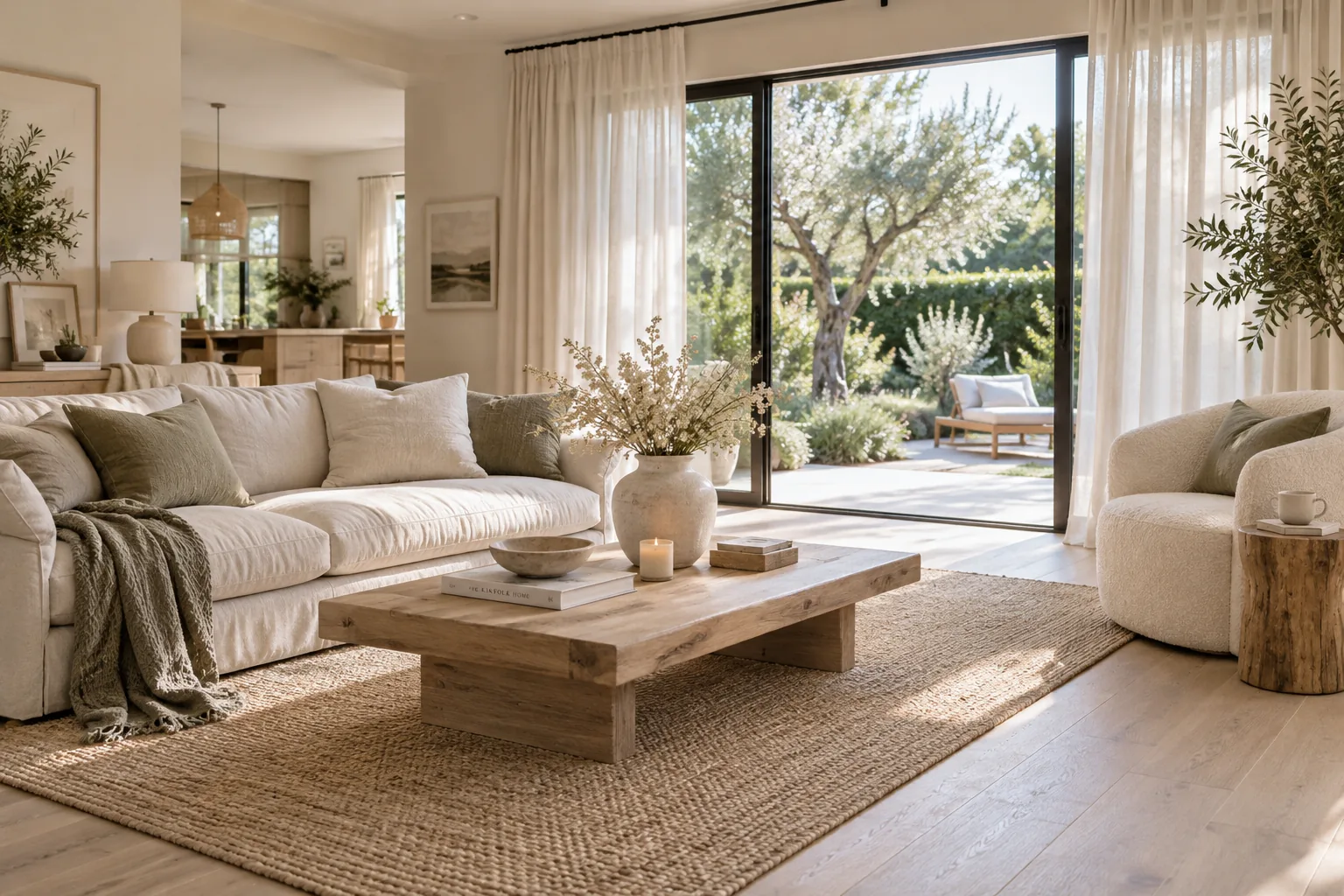
Sliding glass doors are massive light sources, but they need the right window treatments to feel finished and functional. I am sharing my favorite ways to dress these wide spans of glass so you can get the exact look you want without sacrificing everyday usability.
1. Continuous Traverse Rods
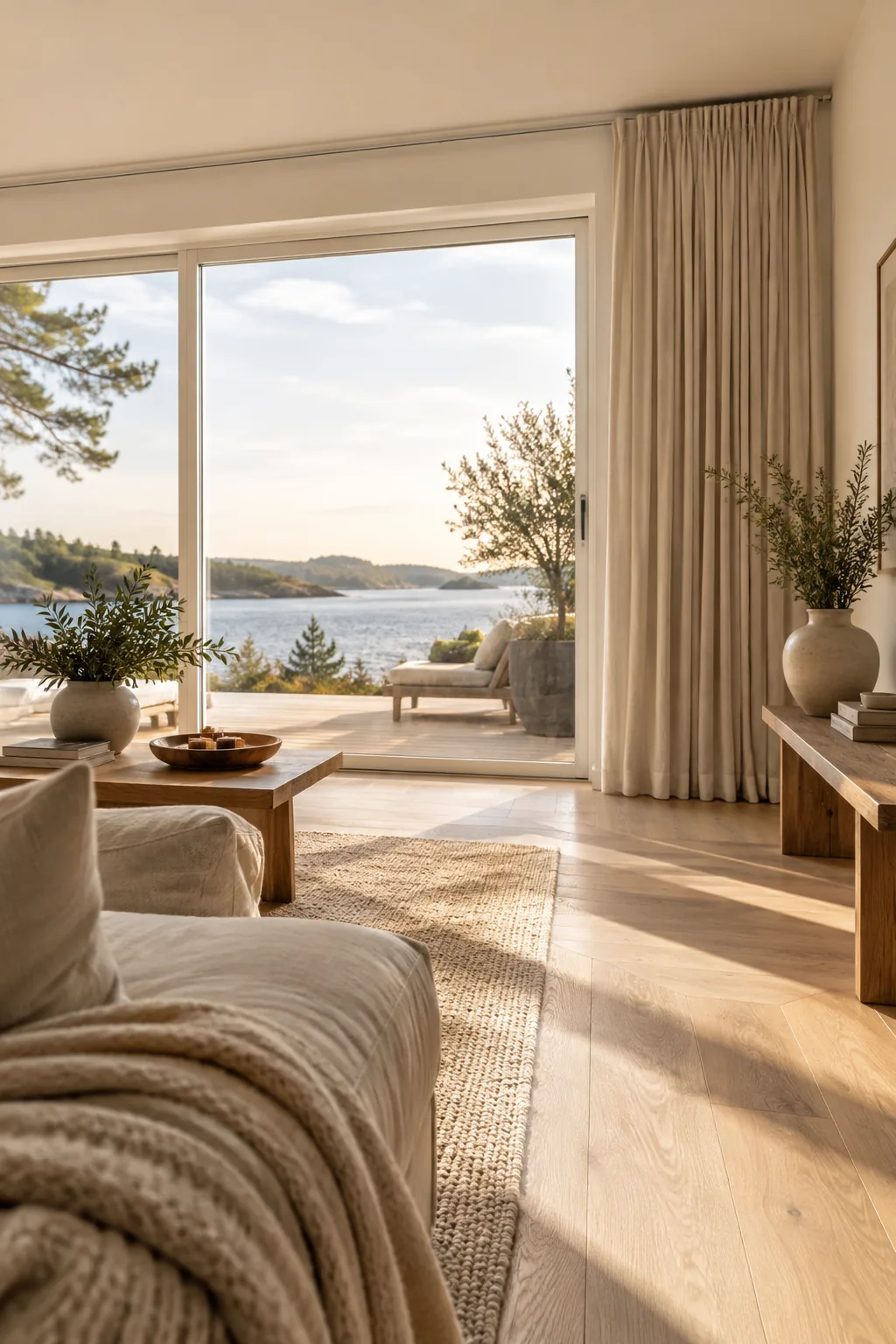
A standard sliding door is typically 72 inches wide, requiring at least four standard curtain panels to look full when closed. Hanging a continuous traverse rod across this wide span allows you to pull all the fabric to one side seamlessly. This setup prevents the annoying center gap and makes operating heavy drapes effortless.
Just make sure your stack back clears the glass so you do not block the natural light.
2. Double Layered Fabrics
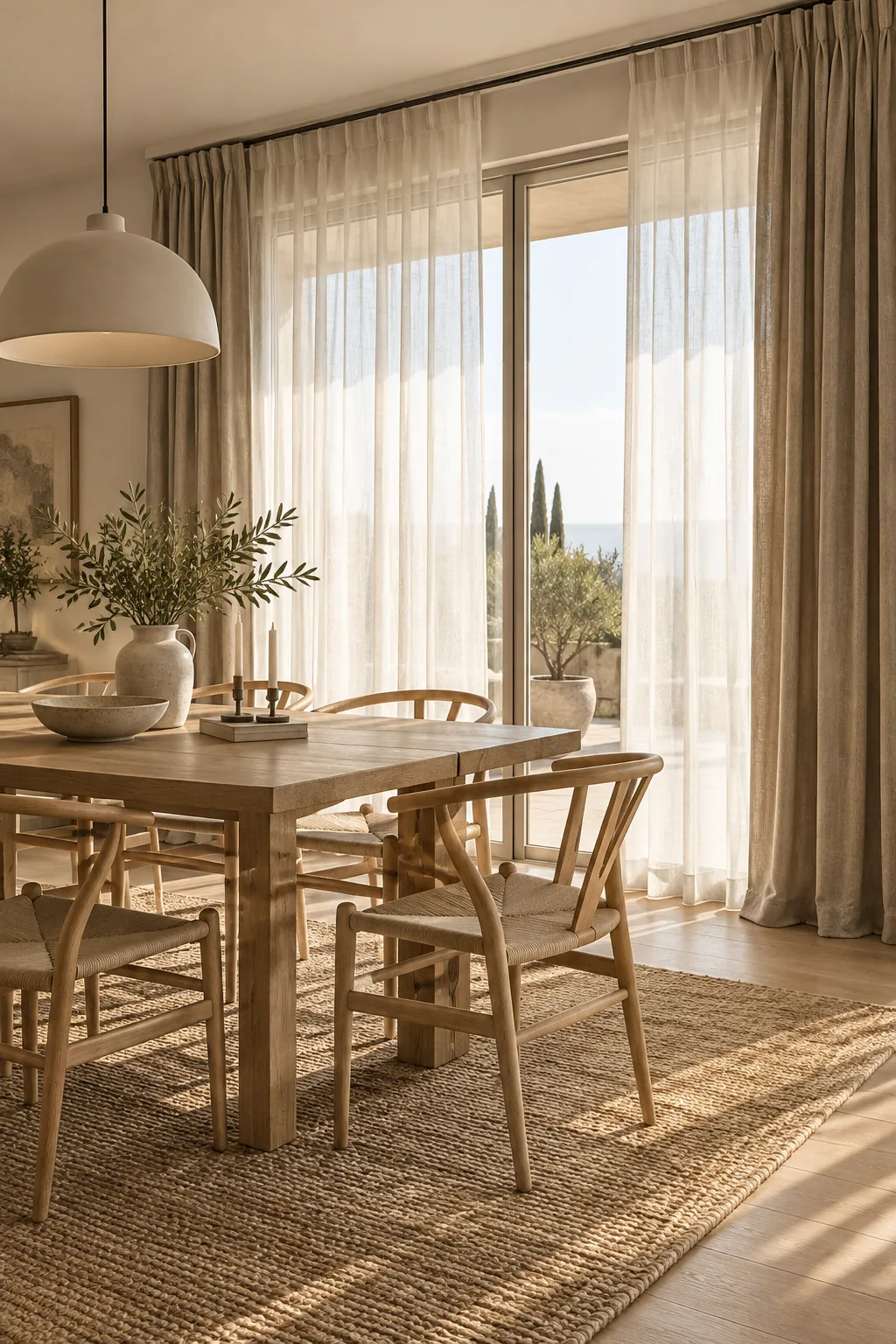
Layering sheer linen curtains under heavier blackout drapes gives you total control over light and privacy throughout the day. You keep the soft, diffused sunlight during the afternoon while maintaining the option to shut out the neighborhood at night.
Why it works: The double-rod system hides the functional hardware while adding serious visual depth to a flat wall.
3. Ceiling-Mounted Tracks
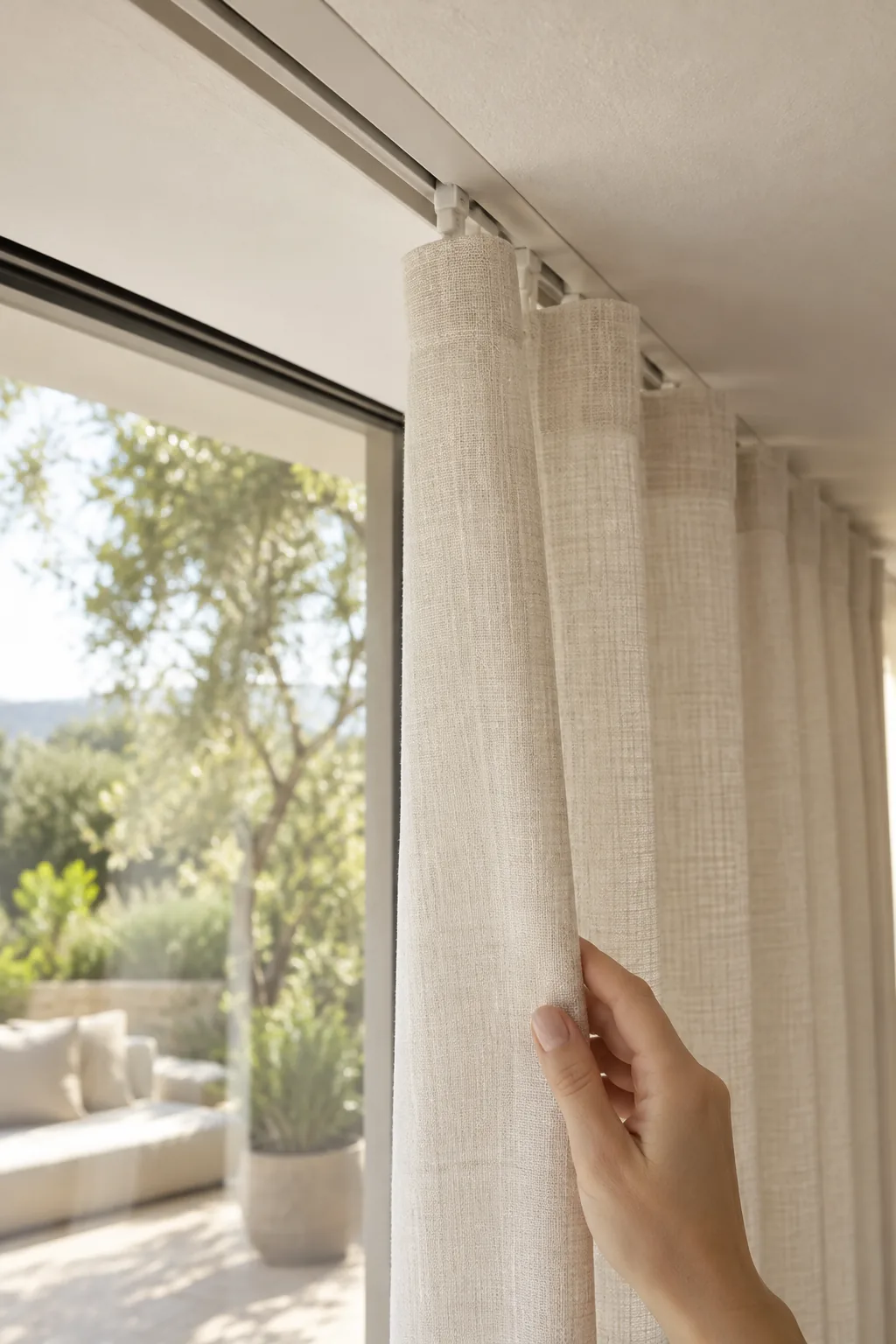
I always struggle with the awkward transition between indoor living rooms and outdoor patios. Installing ceiling-mounted curtain tracks completely erases that harsh visual line. The fabric cascades directly from the ceiling, making your walls look ten feet tall. It is a brilliant trick for modern spaces where chunky hardware would just ruin the minimalist vibe. Plus, the gliders move so smoothly that you can open the whole wall with one finger.
4. High-Mounted Hardware
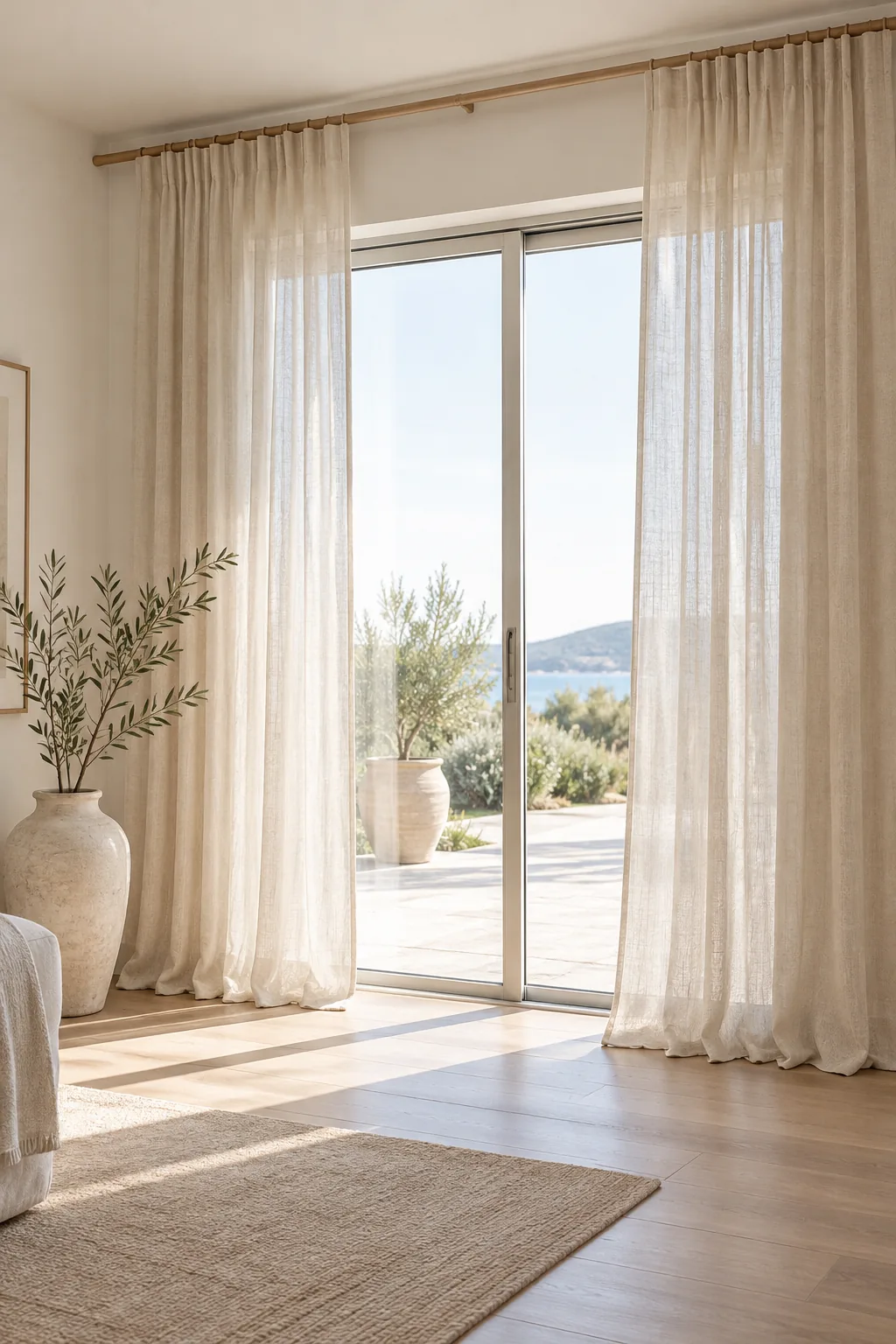
Hanging your rod exactly 4 to 6 inches above the door frame is the oldest design mistake in the book. You need to mount that heavy-duty curtain rod almost at the ceiling line to draw the eye up. This simple shift completely changes the scale of the room and makes standard doors look custom-built.
Use extra-long 96-inch or 108-inch panels so they still kiss the floor.
5. Grommet Top Panels
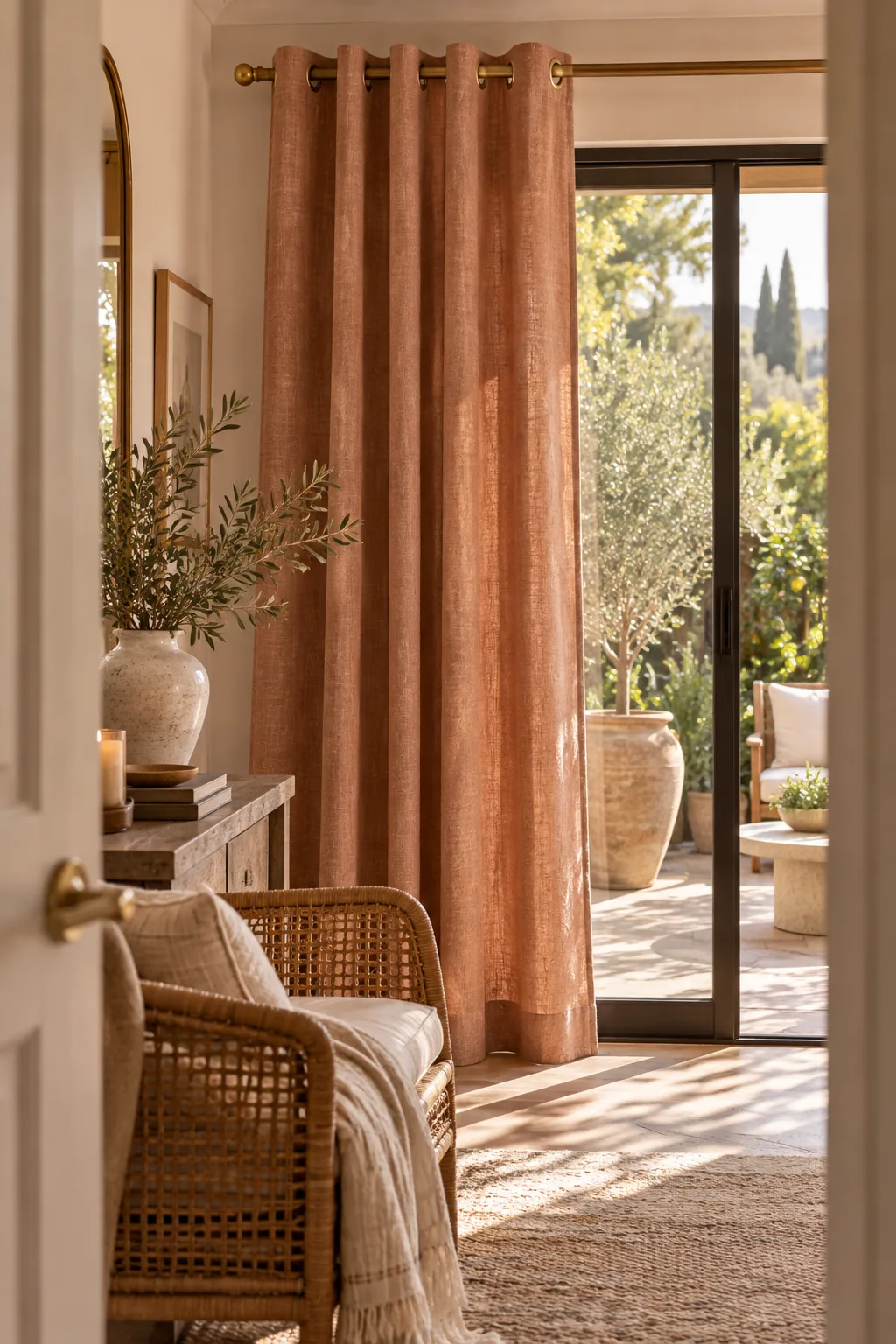
Choosing grommet top curtains keeps the fabric folds perfectly uniform even when you constantly slide them open and closed. The metal rings glide over the rod without catching or snagging.
This style naturally creates deep, architectural pleats. It looks incredibly tailored without requiring any actual steaming or training of the fabric.
Match the grommet finish to your door handle for a cohesive, intentional look.
6. Performance Fabrics

Most people forget that patio doors are high-traffic zones that attract dirty hands and muddy paw prints. Opting for performance fabric drapes means you can actually wash your window treatments instead of just vacuuming them. These durable materials resist fading from the intense UV rays that bake through large glass panes. You get the elegant drape of natural linen but with incredible durability.
- Stain-resistant indoor outdoor fabrics
- Machine-washable cotton blends
- Fade-proof acrylic weaves
7. Asymmetrical Stacking
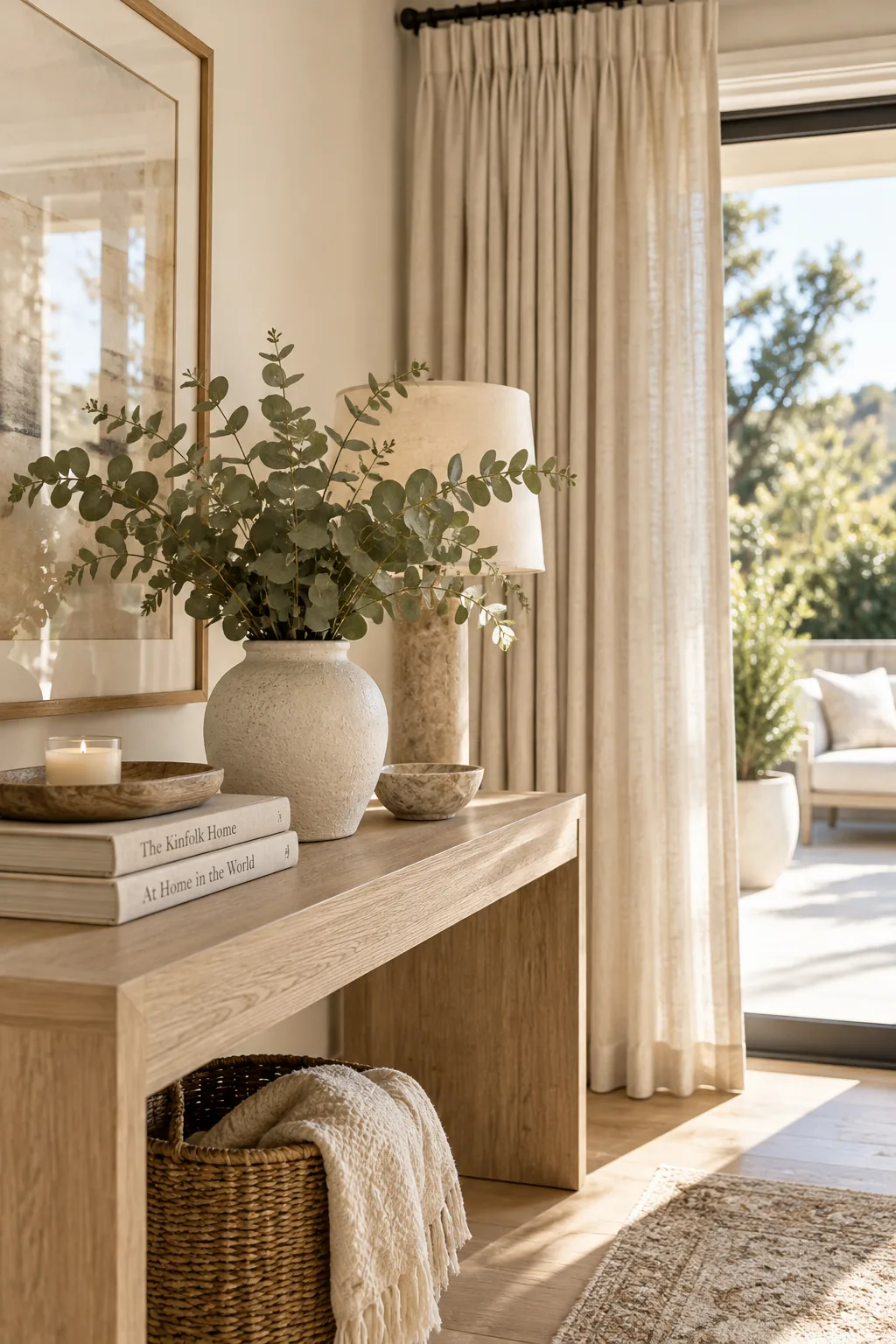
Asymmetrical curtain placement works beautifully when your sliding door is shoved awkwardly into a corner. Instead of trying to force a panel into a tight two-inch gap, you stack all the pleated curtain panels on the wider side of the wall. This trick balances the room's proportions and actually makes the off-center door look like a deliberate architectural choice. You still get full coverage when they are pulled shut at night. Just use a single, extra-wide panel or sew multiple panels together for a seamless pull.
8. Breezy Cotton Gauze
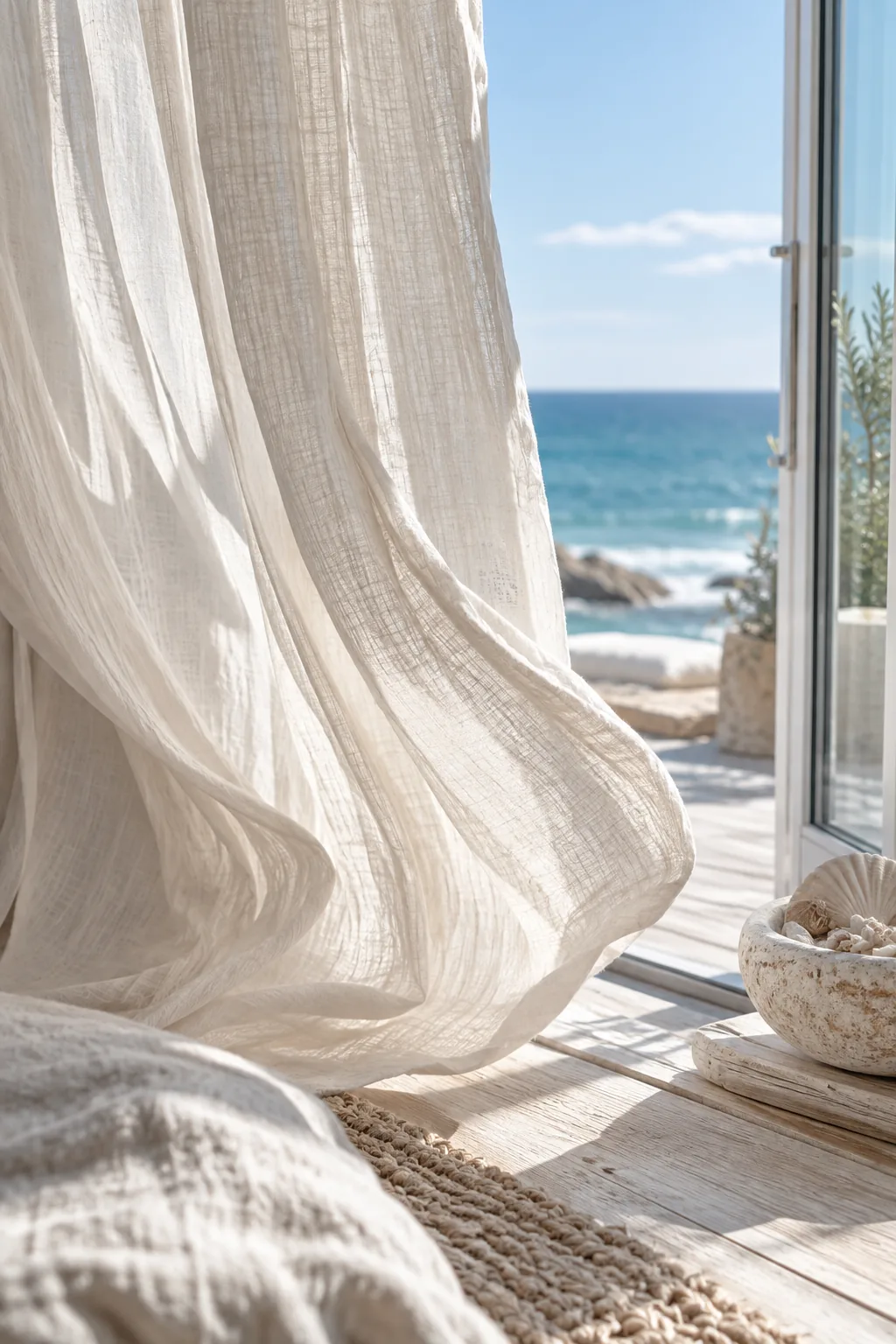
A relaxed, coastal aesthetic comes together instantly with the right textures.
Skipping heavy fabrics in favor of lightweight cotton gauze lets the ocean breeze actually enter the room. The slightly rumpled texture hides wrinkles perfectly, making it the ultimate low-maintenance choice for a busy family room. You just wash them, hang them slightly damp, and let gravity do the styling.
- Unbleached organic cotton
- Loose-weave linen blends
9. Thermal Insulated Backing
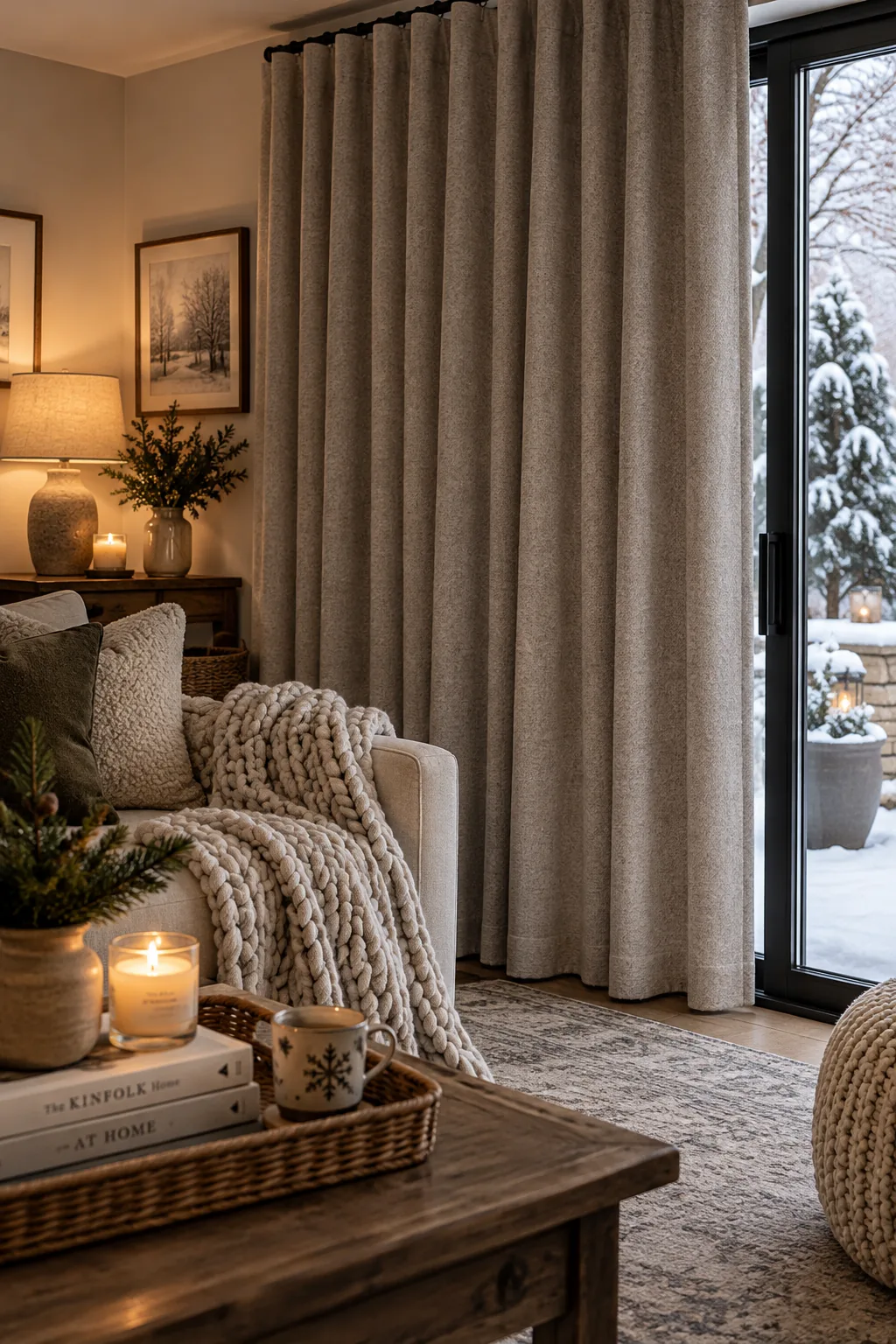
Drafty older sliding doors can make a living room freezing during the winter months. Hanging thermal insulated curtains creates a literal barrier against that massive pane of cold glass. The thick backing traps the heat inside your house while adding a beautiful, heavy drape to the fabric. They look completely normal from the front but work overtime behind the scenes to lower your heating bill. It is the easiest way to fix a chilly room without replacing the actual door.
10. French Return Rods
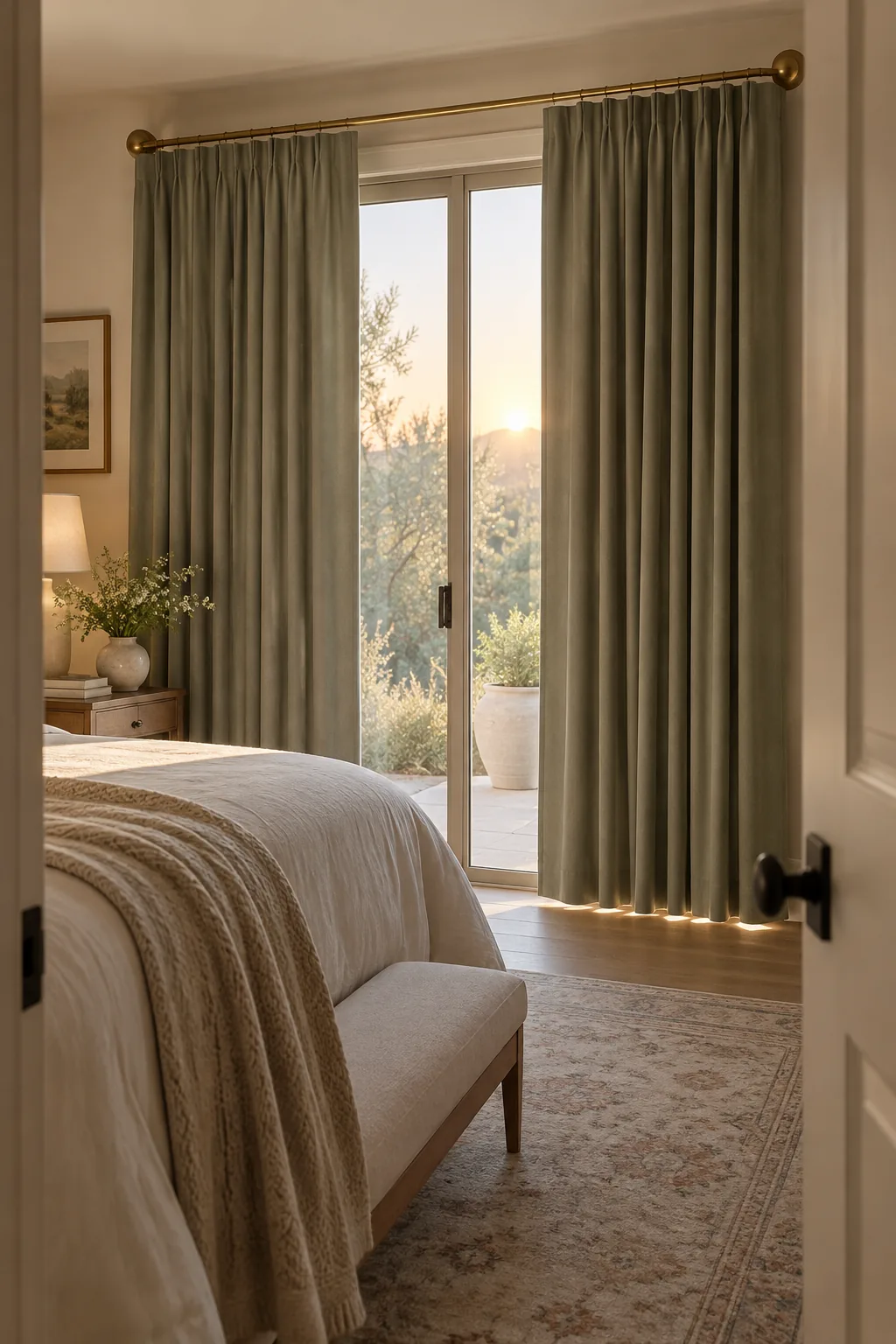
Using a French return rod eliminates the dreaded light gap at the edges of your door.
The hardware curves smoothly right into the wall, allowing the blackout curtain panels to wrap completely around the sides. This setup is absolute magic for bedrooms with patio access where early morning sun ruins your sleep. It also gives the window treatment a very polished, custom-made appearance.
- Matte black curved hardware
- Wraparound blackout panels
- Hidden wall brackets
11. Structured Fabric Valance
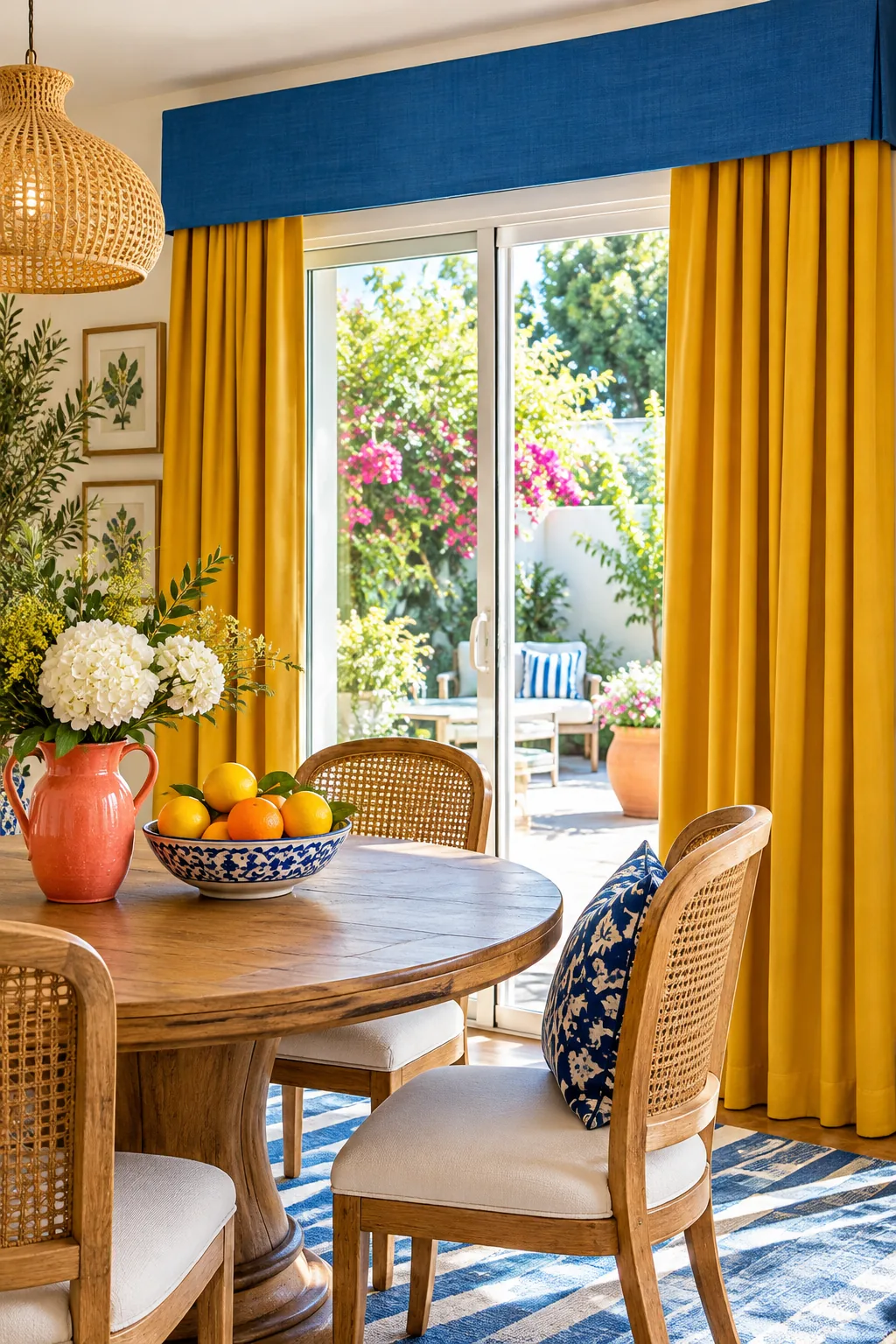
Adding a 12-inch fabric valance above the sliding door cleverly conceals the ugly track hardware and upper door frame. This structured top layer brings a tailored, traditional feel to an otherwise plain expanse of glass while framing the view outside.
12. Protective Draw Wands
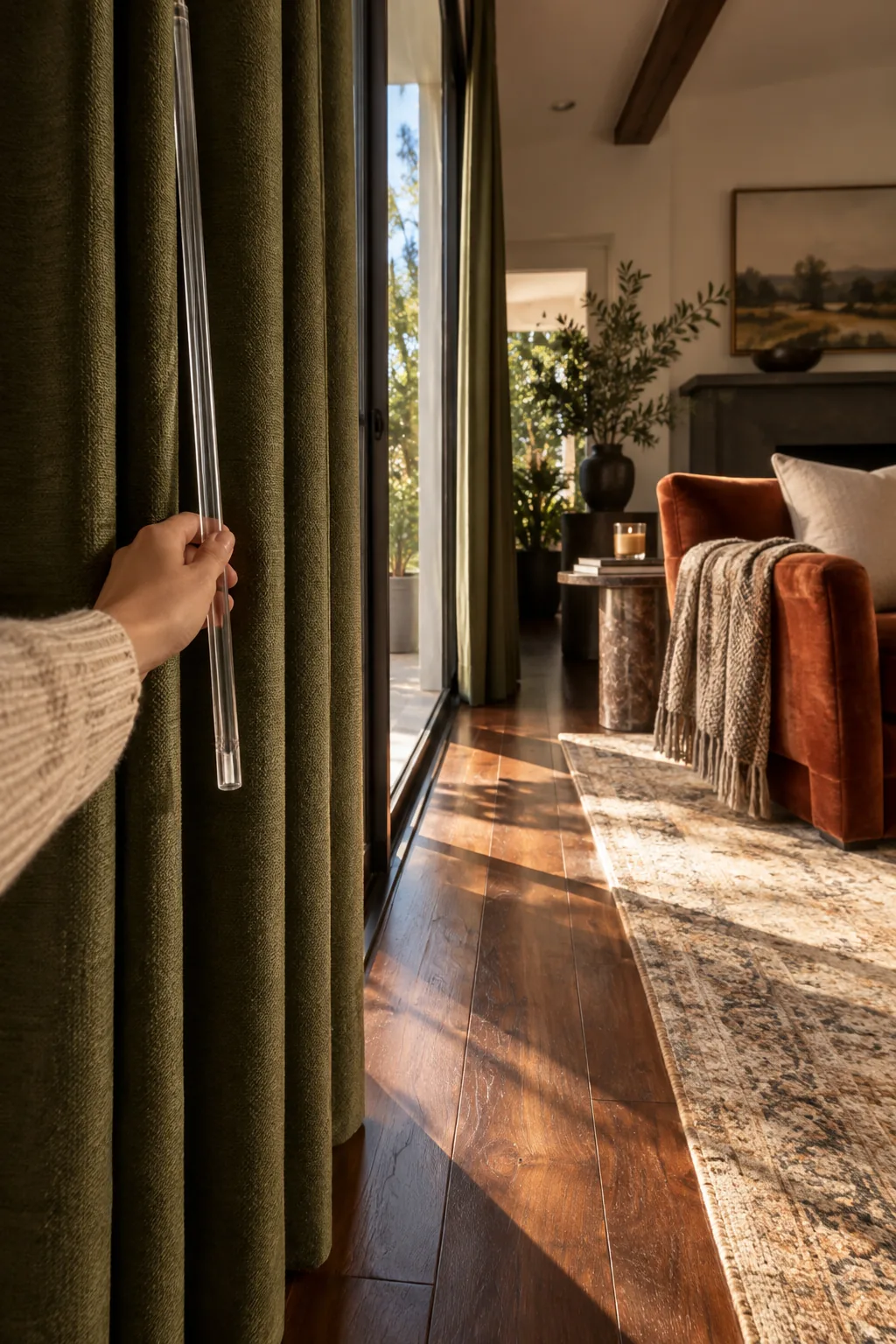
Always install a baton draw wand on the leading edge of your sliding door curtains. Pulling directly on the fabric every single day will eventually stretch the header and leave dirty finger marks on the edge. A sleek metal or clear acrylic wand lets you snap the drapes shut quickly while protecting your investment.
Hide the wand behind the first fold of fabric so it stays completely out of sight.
13. Extended Rod Width
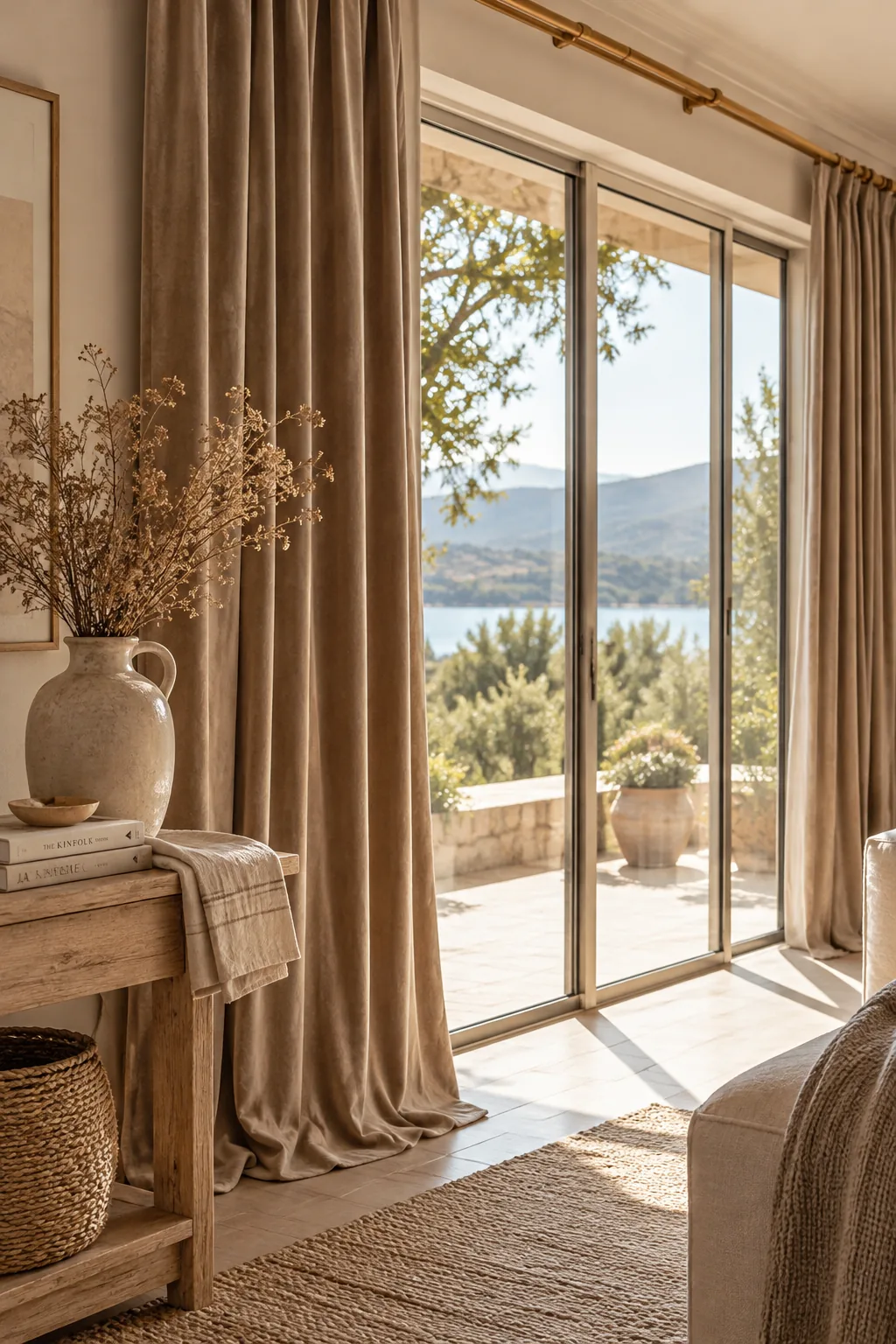
Extending your curtain rod 15 to 20 inches past the door frame on both sides is crucial for maximum light. This extra width creates a stack back zone where your heavy velvet drapes can rest against the drywall instead of blocking the glass. When the curtains are open, the door suddenly looks twice as wide as it actually is. It completely tricks the eye and floods the room with afternoon sunshine. You get the dramatic framing of thick fabric without sacrificing your view of the backyard.
14. Custom Pinch Pleats
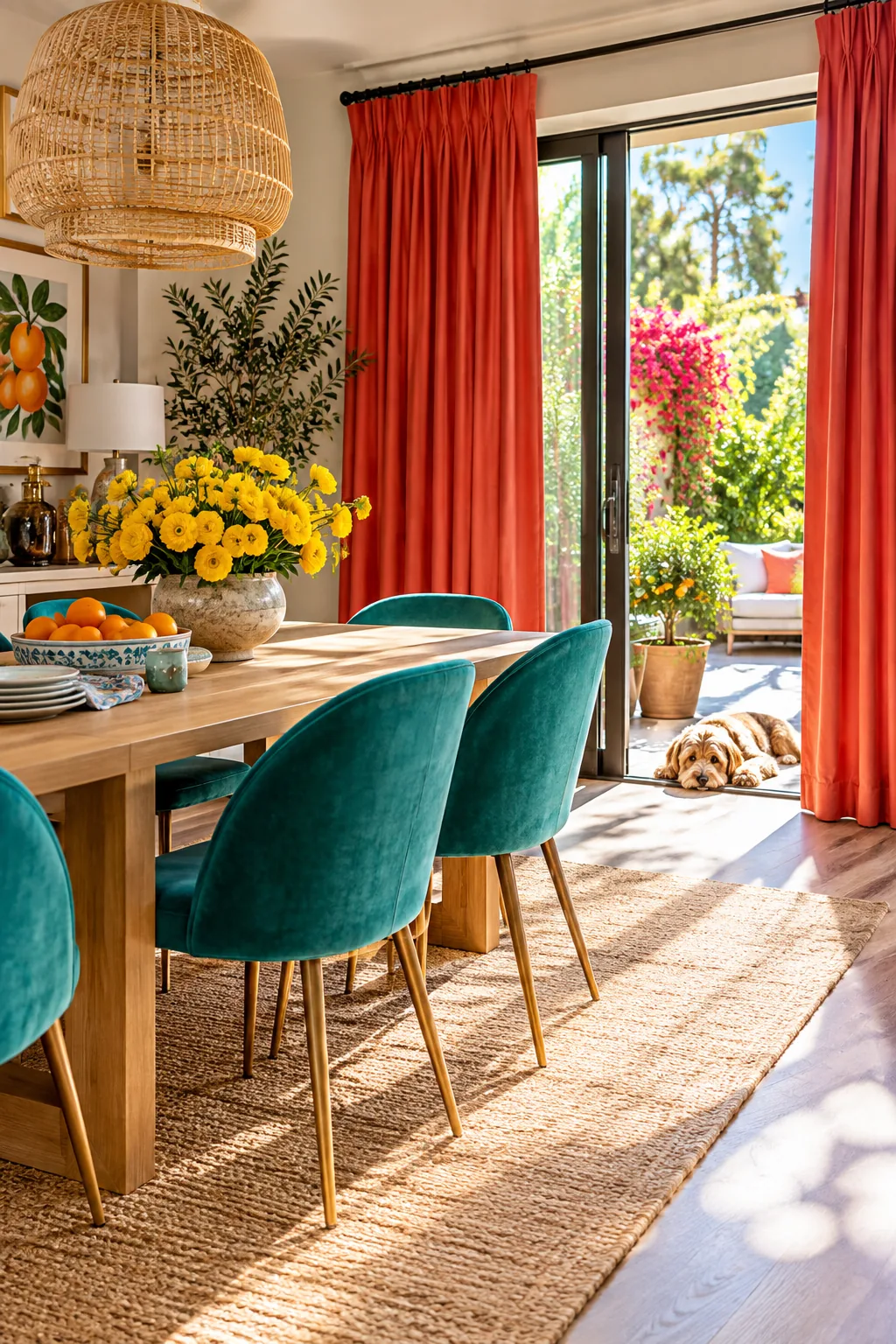
I recently updated my own dining room and realized how much I love the look of pinch pleats. Using custom pinch pleat drapes on a sliding door elevates the entire space from builder-grade to designer-level. The structured header keeps the folds looking crisp and intentional, even when the door is left half-open for the dog. Hooking them onto a traverse rod with small drapery pins ensures they glide effortlessly.
15. Woven Shade Pairing
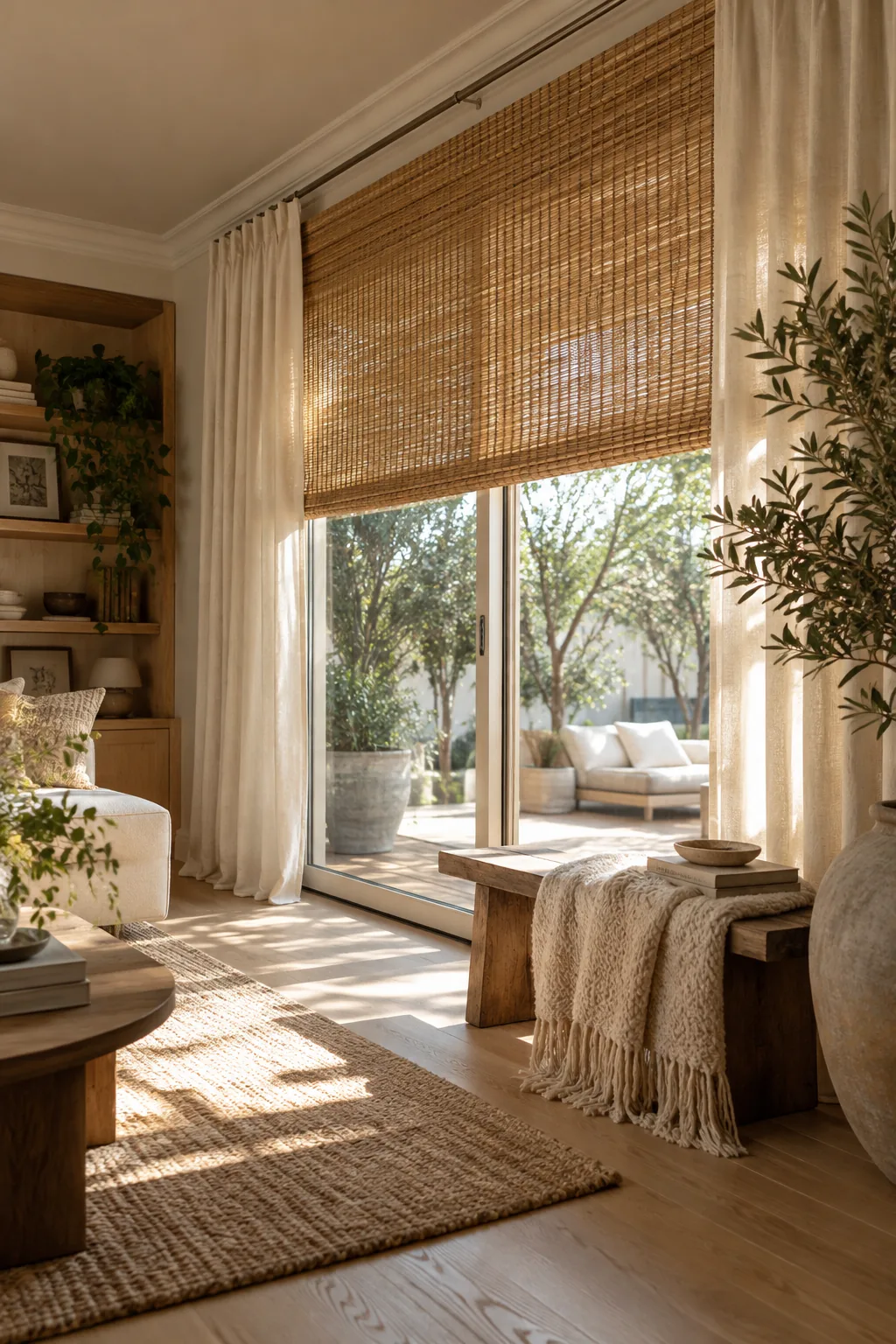
Pairing natural woven shades with soft side panels creates incredible texture and depth around a plain glass door. The bamboo or grasscloth brings in an earthy, organic element, while the fabric panels soften the hard edges of the door frame. You can leave the shades down to filter the harsh midday sun while keeping the curtains stationary as decorative framing.
Mount the woven shades right under the crown molding to fake a taller ceiling.
16. Monochromatic Matching
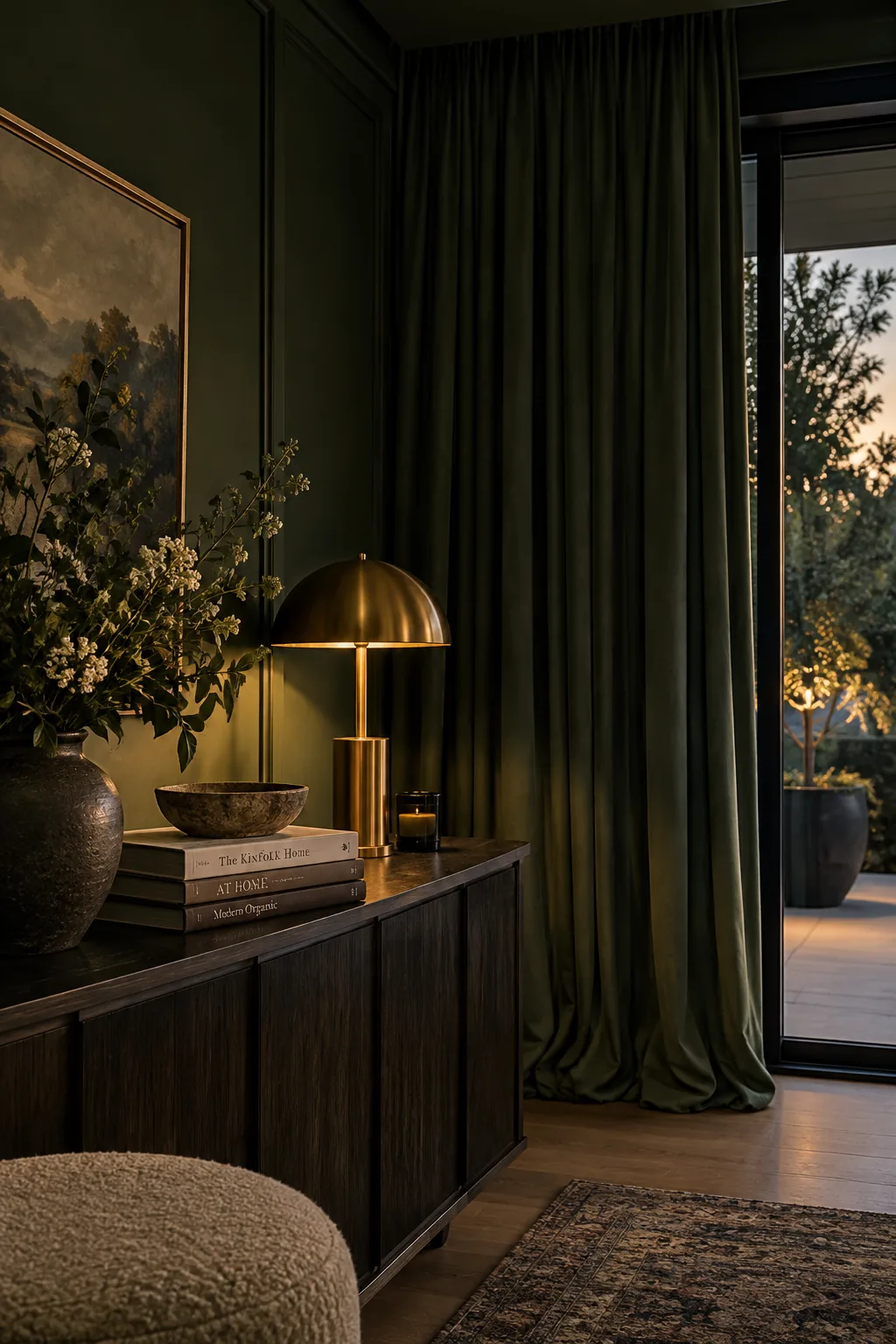
A moody, dramatic vibe is easily achieved by matching your curtain fabric exactly to your wall color. This monochromatic approach makes the floor-to-ceiling drapes blend seamlessly into the architecture, wrapping the room in rich, uninterrupted color.
- Color-drenched velvet panels
- Matching painted curtain rods