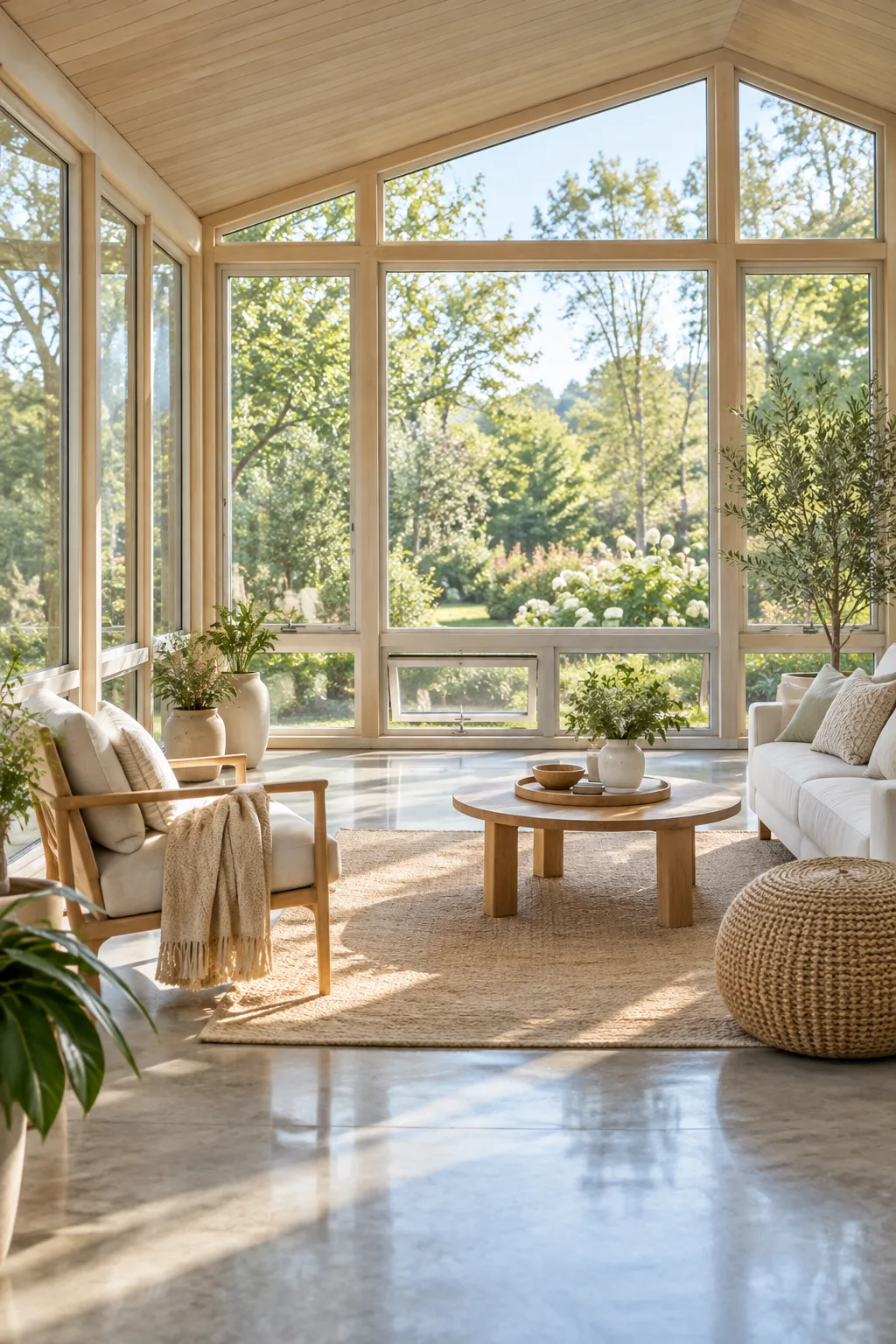
Sunroom Windows on a Budget: The 70/30 Mix & Worksheet
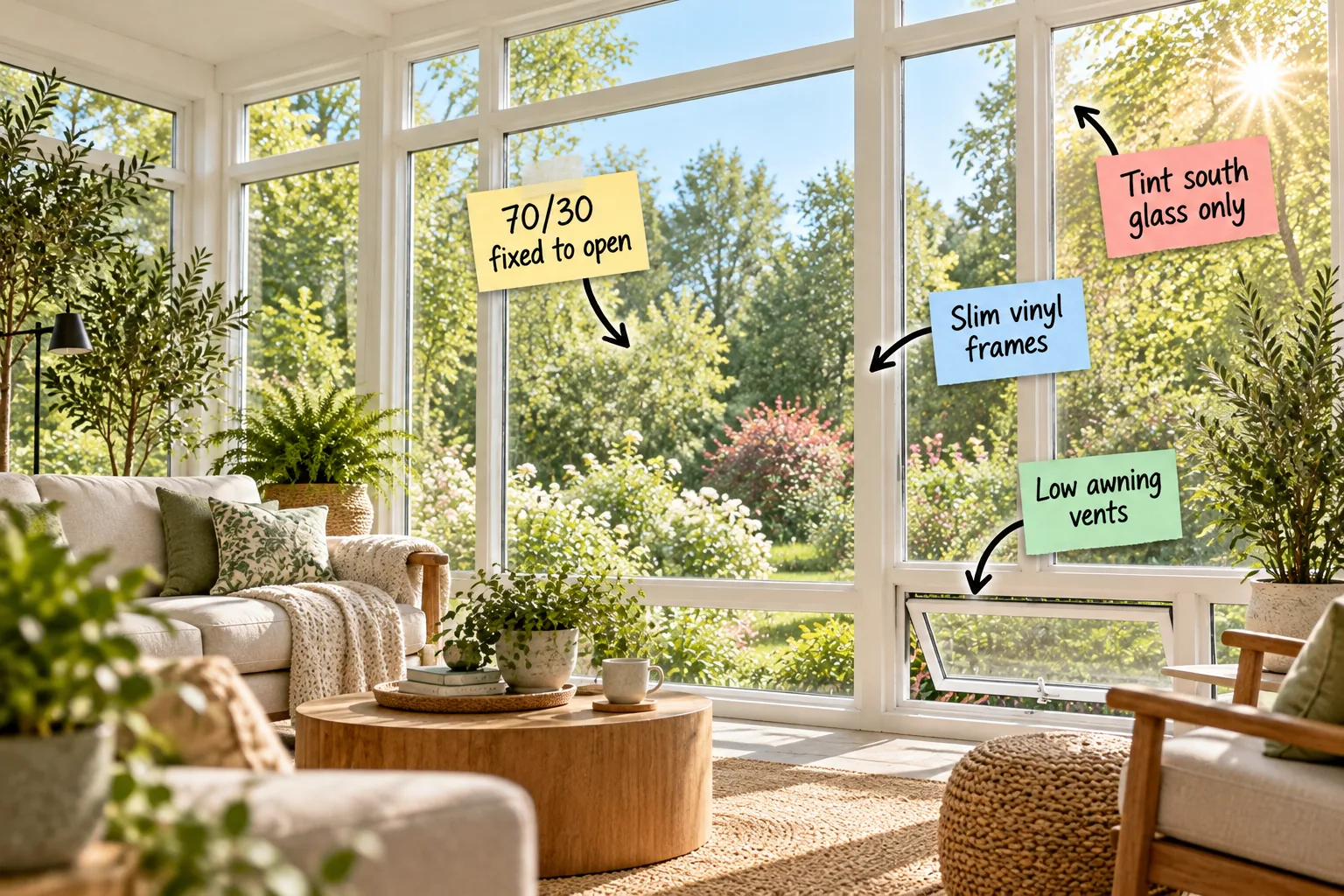
Planning your dream garden room doesn’t have to drain your savings if you know exactly how to balance your glass choices. You will be able to calculate your exact window mix and estimate costs using our downloadable window mix and budget worksheet.
Slim Vinyl Frames for Cost and Views
Modern manufacturing has completely changed the game for budget-friendly sunrooms, allowing slim vinyl frames to offer the sleek look of expensive custom aluminum at a fraction of the cost. Choosing frames with narrower mullions maximizes the visible glass area, ensuring unobstructed garden views while keeping material costs incredibly low.
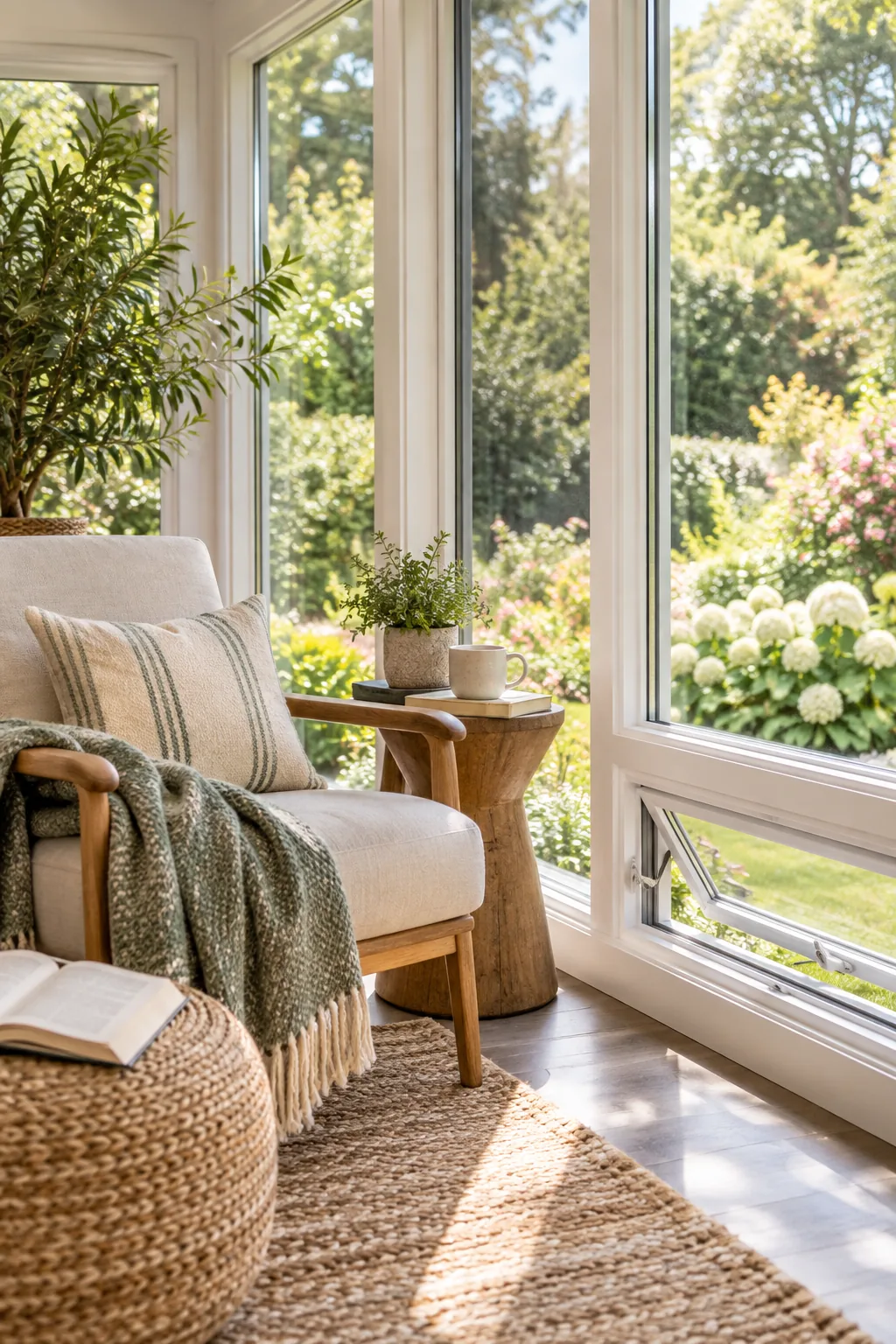
Because the structural profile is so thin, these lightweight units reduce the load on your framing while allowing maximum sunlight to flood the space. You get that highly sought-after architectural aesthetic without paying premium metal fabrication prices.
Comparing Frame Material Costs
When you are pricing out a large expanse of glass, the framing material dictates the baseline budget before you even consider the glazing. Custom aluminum looks fantastic but often pushes a project completely out of reach for a standard residential build.
| Frame Material | Estimated Cost | Sightline Profile | Maintenance |
|---|---|---|---|
| Slim Vinyl | $15 – $25 / sq ft | Narrow | Very Low |
| Custom Aluminum | $45 – $70 / sq ft | Ultra-Narrow | Low |
| Wood Clad | $50 – $85 / sq ft | Thick | High |
| Fiberglass | $35 – $55 / sq ft | Narrow | Low |
By opting for vinyl, you can reallocate those massive savings toward higher-quality glass coatings or interior finishings that actually improve your daily comfort.
Sizing Mullions for Clear Sightlines
The vertical dividers between your glass panels can either frame your garden beautifully or chop it into distracting little squares. Specifying a mullion width under two inches ensures your eye looks right past the structure and focuses entirely on the outdoors.
Maximizing Your Visible Glass Area
Every inch of bulky framing steals natural light from your indoor plants and makes the room feel enclosed. Pushing the glass to the absolute edges of the rough opening creates that seamless, indoor-outdoor connection we all want in a sunroom.
The 70/30 Fixed-to-Operable Ratio
The most effective way to control costs is adhering strictly to the 70/30 fixed-to-operable ratio, dedicating 70% of your wall space to large, non-moving picture windows. Because fixed glass requires no complex hardware or moving sashes, it is significantly cheaper to manufacture and install.
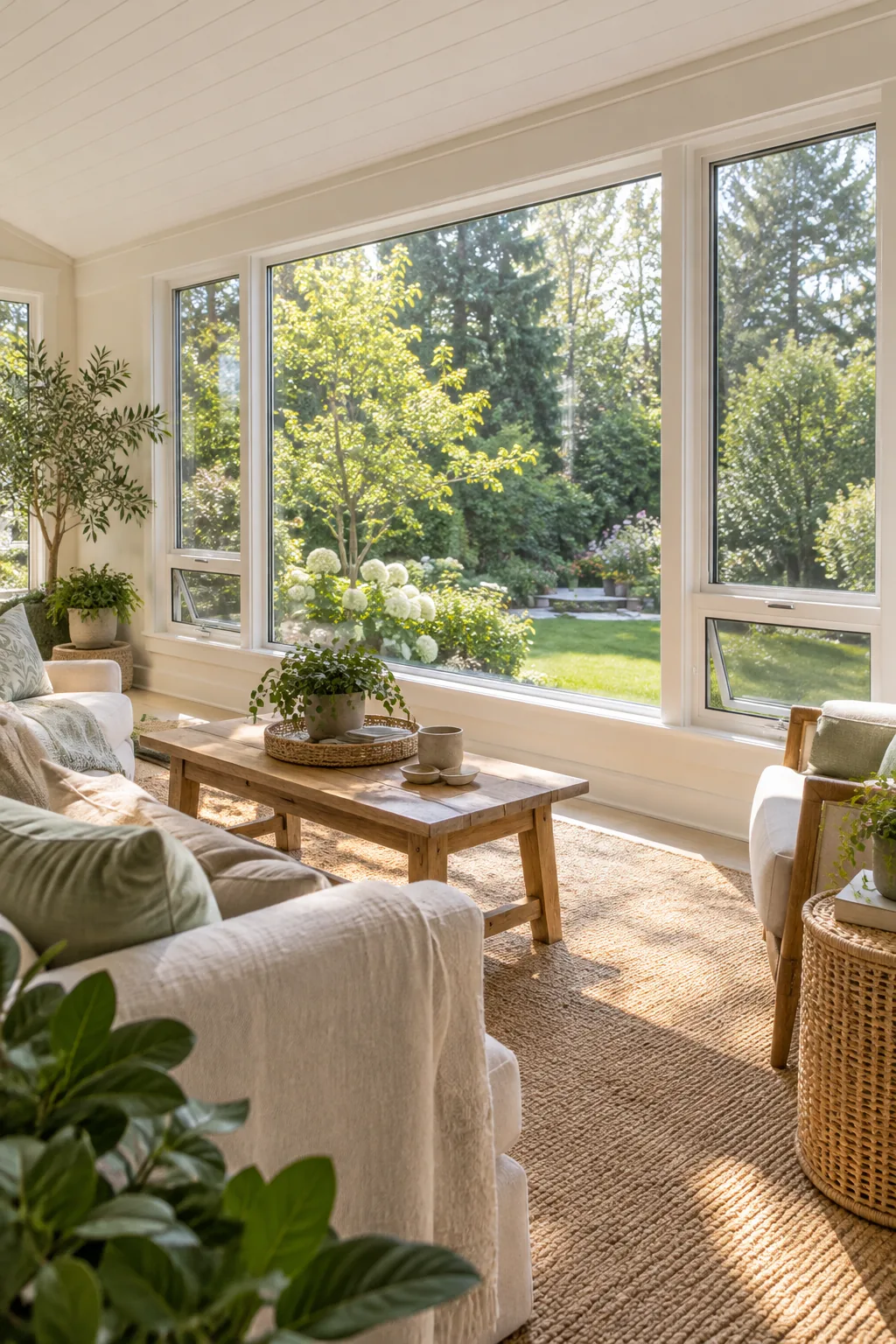
While it is tempting to want a fully open breeze, over-specifying operable windows is the fastest way to blow a sunroom budget. Watch out for these common layout errors when planning your glass walls.
Placing Operable Units Strategically
Instead of scattering opening windows randomly, position your 30% operable allowance exactly where natural wind currents hit your house. Placing them on opposing walls creates a reliable cross-breeze that cools the room instantly without needing electricity.
Designing Around Structural Headers
Large expanses of fixed glass require substantial overhead support to prevent the roof weight from crushing the frames. Always consult a contractor to size your load-bearing headers correctly before ordering oversized picture windows for your central layout.
Targeted Tinting for South-Facing Glass
In my own Austin backyard, the brutal afternoon sun used to bake our patio furniture until I applied a ceramic film strictly to the south-facing panes. This selective approach saves serious money compared to upgrading every single pane in the room, while still preventing fabric fade.
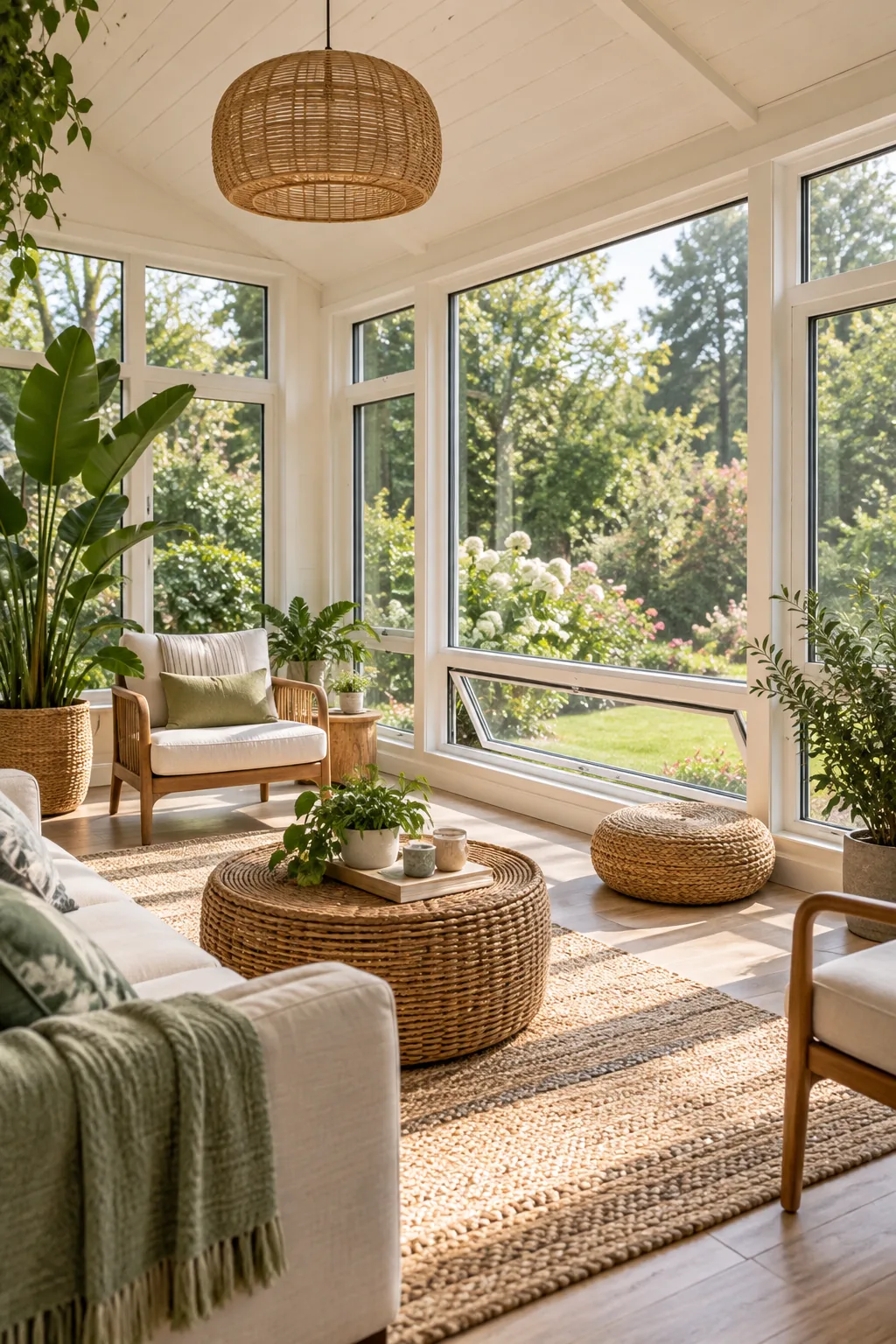
By leaving the shaded north and east windows completely clear, you maintain bright, unfiltered morning light for your plants. You only pay for the expensive UV-blocking tint exactly where the harsh solar rays actually penetrate the room.
Identifying Your Harshest Light Zones
Before ordering any film, you need to map exactly where the sun hits your floor. Follow these quick steps to track your exposure accurately.
- Mark the morning light: Place a piece of tape where the sun lands at 10 AM.
- Track the afternoon peak: Add another marker at exactly 2 PM when heat gain is highest.
- Measure the spread: The distance between these points dictates which windows need the heaviest tint.
Those specific hot spots dictate exactly which glass units require the highest level of solar heat rejection.
Tracking Solar Heat Gain
Excessive heat gain turns a beautiful glass room into an unusable sauna during the peak summer months. Blocking that thermal energy at the glass surface is far more effective than trying to cool the room with heavy air conditioning later.
Applying UV Window Film Yourself
Professional tinting runs high, but applying static-cling solar film is a surprisingly forgiving weekend project. Just thoroughly clean the glass, spray a generous amount of soapy water, and use a rigid squeegee to push all the tiny air bubbles to the edges.
Maintaining Tinted Glass Surfaces
Once your protective film cures, you have to ditch the harsh ammonia-based glass cleaners completely. Sticking to mild dish soap and a soft microfiber cloth ensures the scratch-resistant coating stays perfectly intact for years of clear views.
Low Awning Vents for Airflow
Placing small awning vents right at the bottom of your window array draws in the coolest air from the shaded garden outside. As that heavy, cool air enters low to the ground, it naturally pushes the stale, hot air up and out.
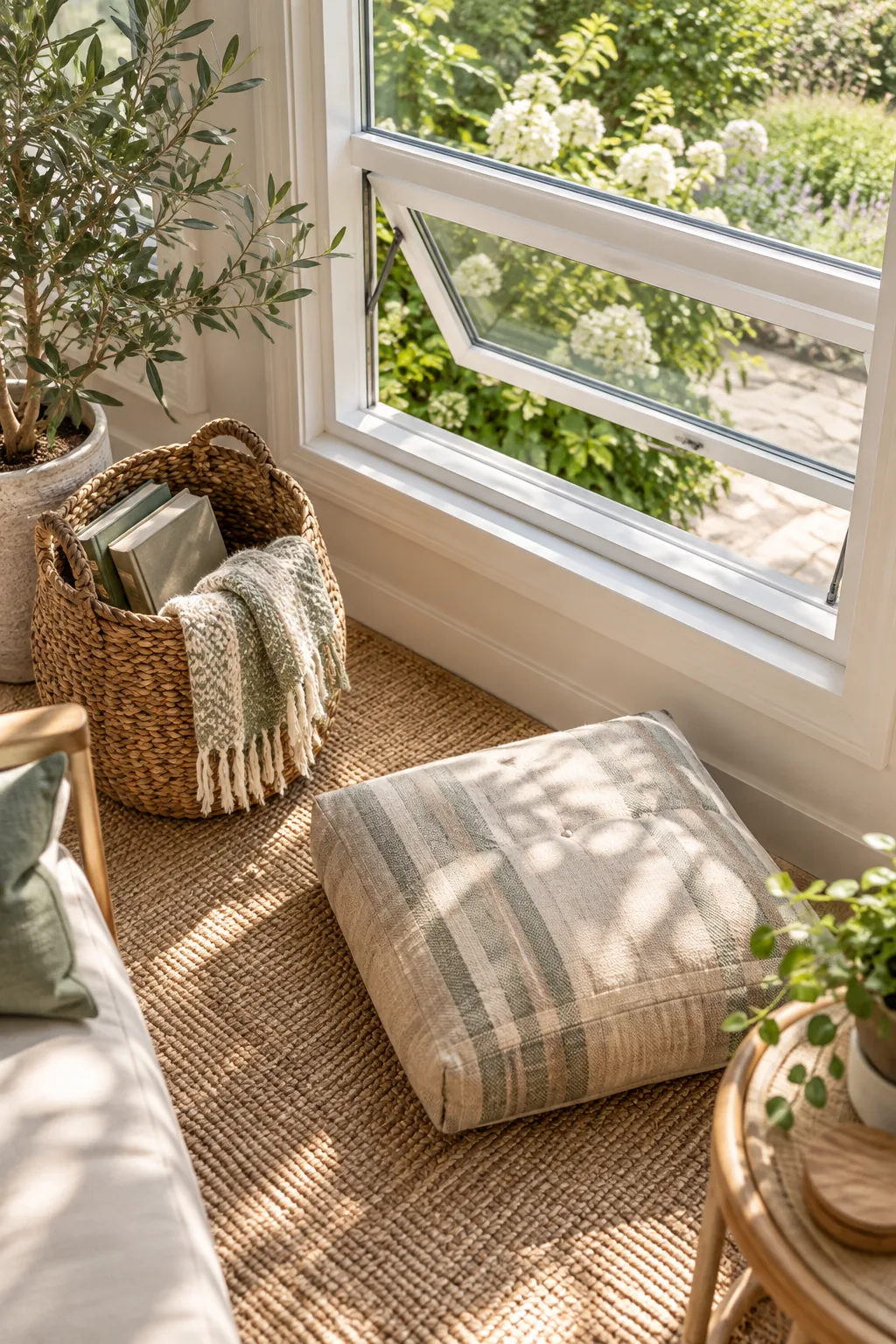
This strategic placement provides excellent upward circulation without the massive expense of buying full-height casement windows. You get the exact same refreshing breeze while keeping the vast majority of your glass fixed and budget-friendly.
Drawing Cool Air From Shaded Gardens
If you plant lush, leafy ferns or hostas right outside those bottom vents, the incoming air cools down even further as it passes over the damp soil. This creates a natural microclimate that acts like free, passive air conditioning for your sunroom.
Sizing Vents for Cross Breezes
You only need a few strategically placed 18-inch tall awning units to generate a powerful draft through the space. Keeping them small ensures they do not interfere with furniture placement or disrupt the clean vertical lines of your main picture windows.
Why We Skip Full-Height Casements
Giant swinging windows act like massive sails when the wind catches them, requiring heavy-duty, expensive crank hardware that frequently wears out. Low awnings hinge at the top, naturally shedding rain away from the opening so you can leave them cracked during a summer shower.
Balancing Security with Ventilation
Because ground-level vents are so narrow, they offer incredible security even when left open overnight. A standard human cannot fit through a tight awning opening, giving you total peace of mind while flushing out the day’s heat.
Weatherstripping for Winter Warmth
Even the best budget windows will leak cold air if the factory seals are compromised during installation. Upgrading to a high-compression foam weatherstripping around your operable vents guarantees a tight seal that keeps your winter heating bills manageable.
Choosing the Right Glass Glazing
Standard single-pane glass is basically useless for temperature control, making a double-pane insulated unit an absolute necessity for year-round sunrooms. The small upfront cost difference pays for itself immediately by trapping your conditioned air inside where it belongs.
The Window Mix and Budget Worksheet
When I built my first greenhouse space, mapping out the exact dimensions on a simple grid saved me from accidentally over-ordering expensive custom glass. Our downloadable worksheet helps you calculate that vital 70/30 split and estimate your overall material costs accurately.

Before you head to the supplier or call a contractor, you need a firm grasp of your required dimensions. Use this quick checklist to gather your numbers before filling out the worksheet.
Sunroom Window Styling Ideas
Explore how different frame colors and room styling can completely transform your sunroom.
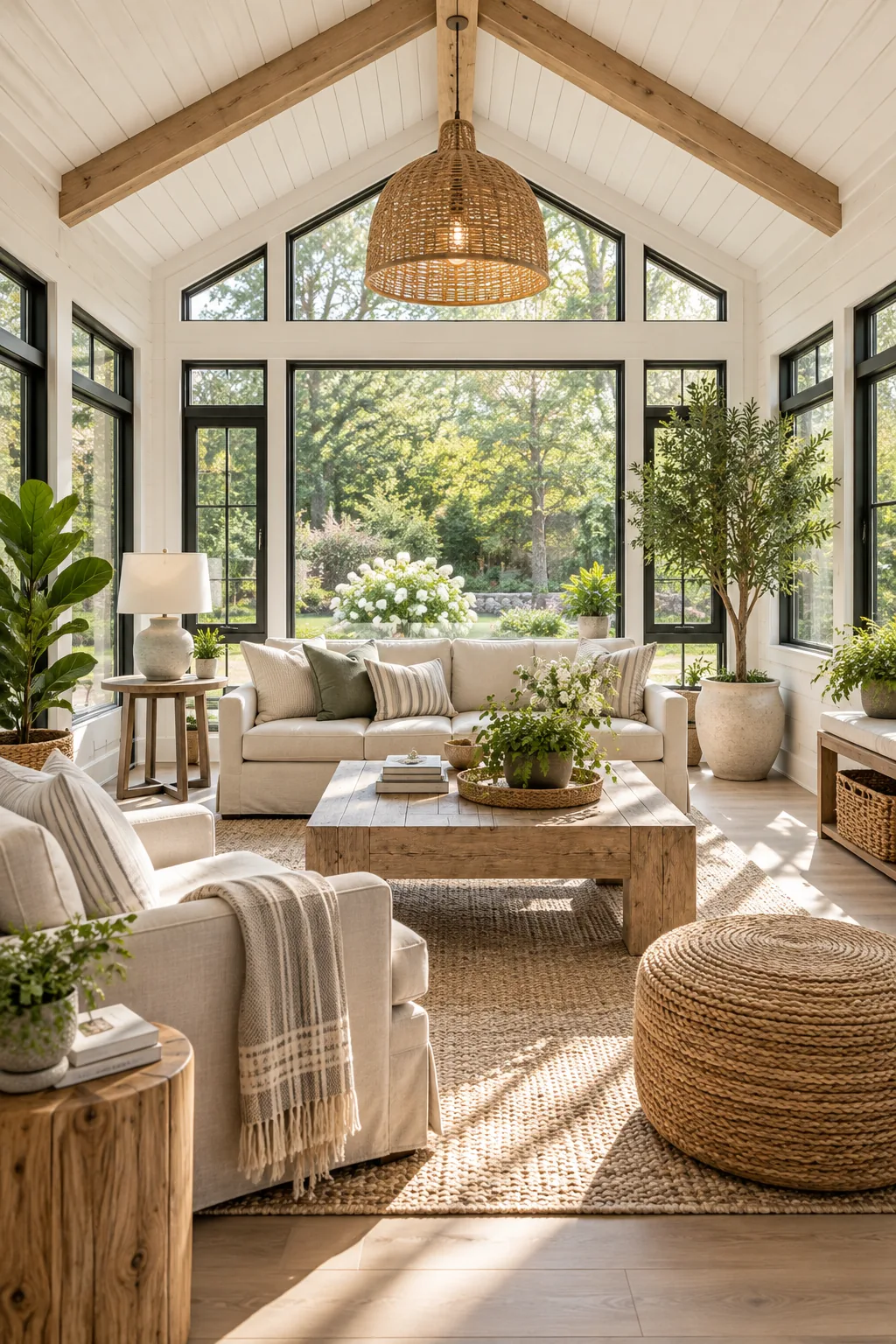
Modern Farmhouse Contrast: Black vinyl frames pop against crisp white shiplap, giving this sunroom a striking architectural edge.
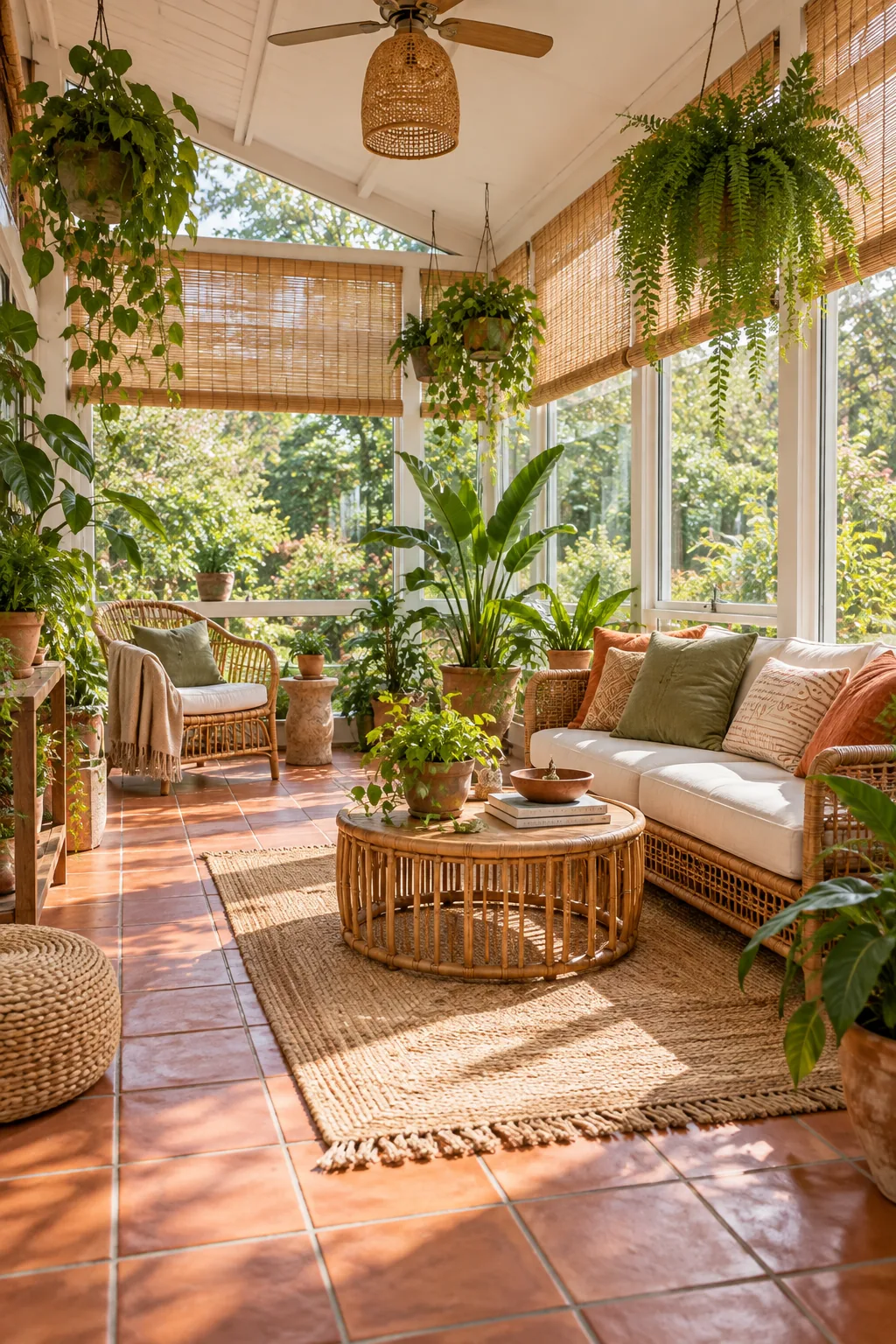
Bohemian Greenhouse Vibes: Warm terracotta floors and woven bamboo blinds create an earthy backdrop for a massive plant collection.
Breezy Coastal Retreat: Bright white frames and a relaxed slipcovered sofa bring a calming, beach-inspired atmosphere to the space.
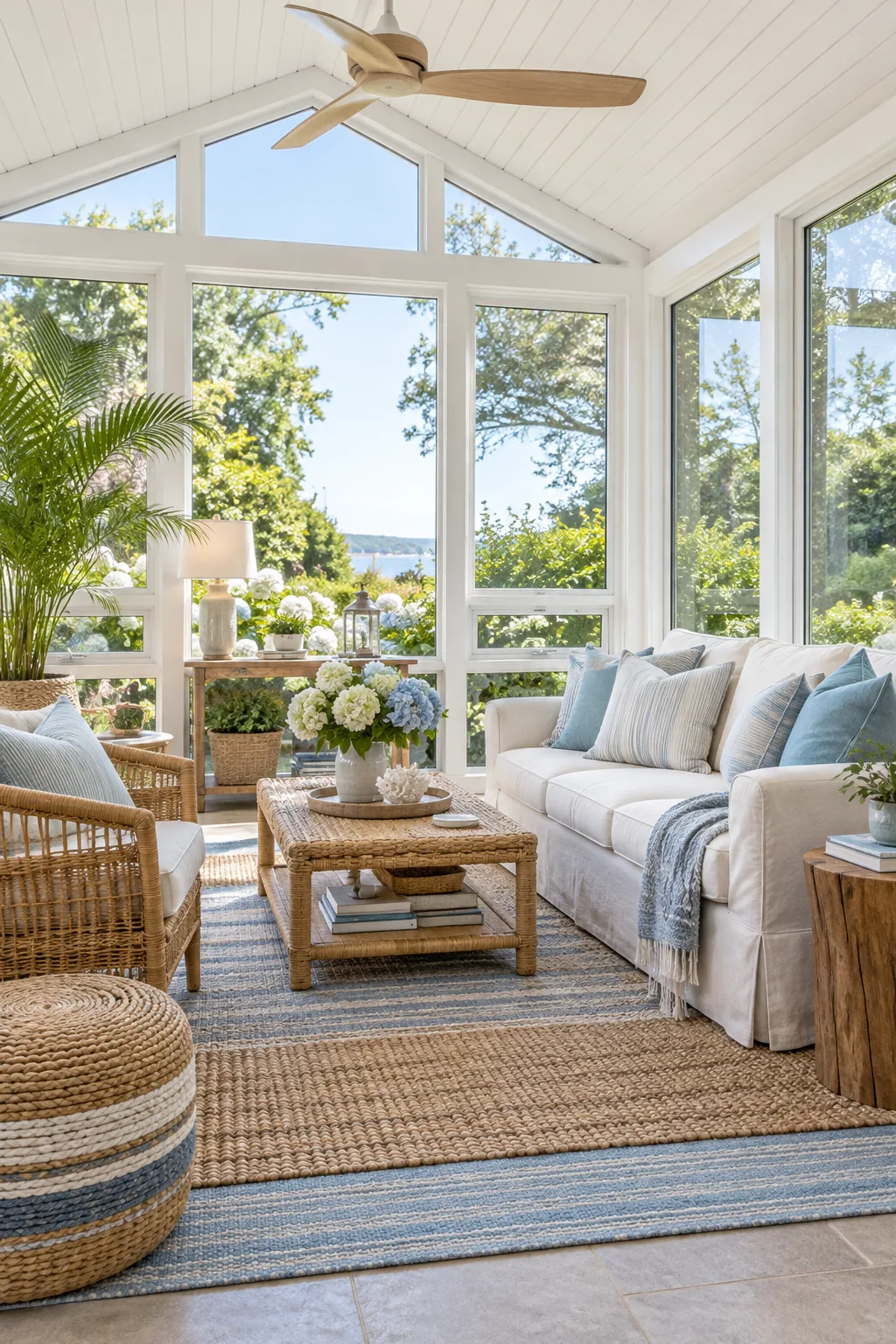
Minimalist Scandinavian Simplicity: Pale wood tones and a polished concrete floor keep the focus entirely on the view outside.