
11+ Stunning Basement Steps Ideas for Your Home
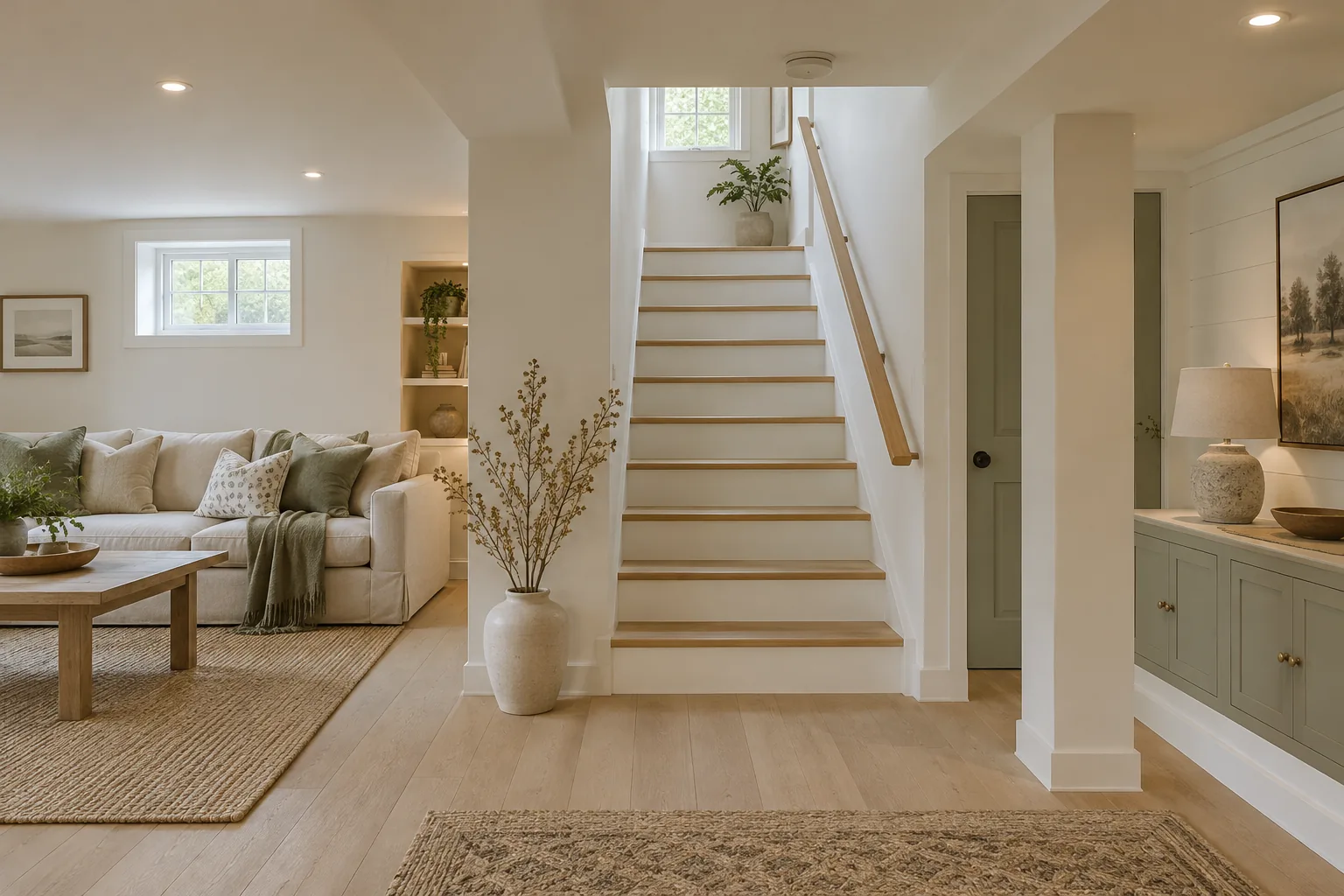
Basement stairs are usually the most neglected transition space in a house, but they hold massive design potential. I have gathered a few of my favorite ways to turn that dark, boring staircase into a beautiful feature you will actually enjoy walking down.
1. Classic Painted Risers
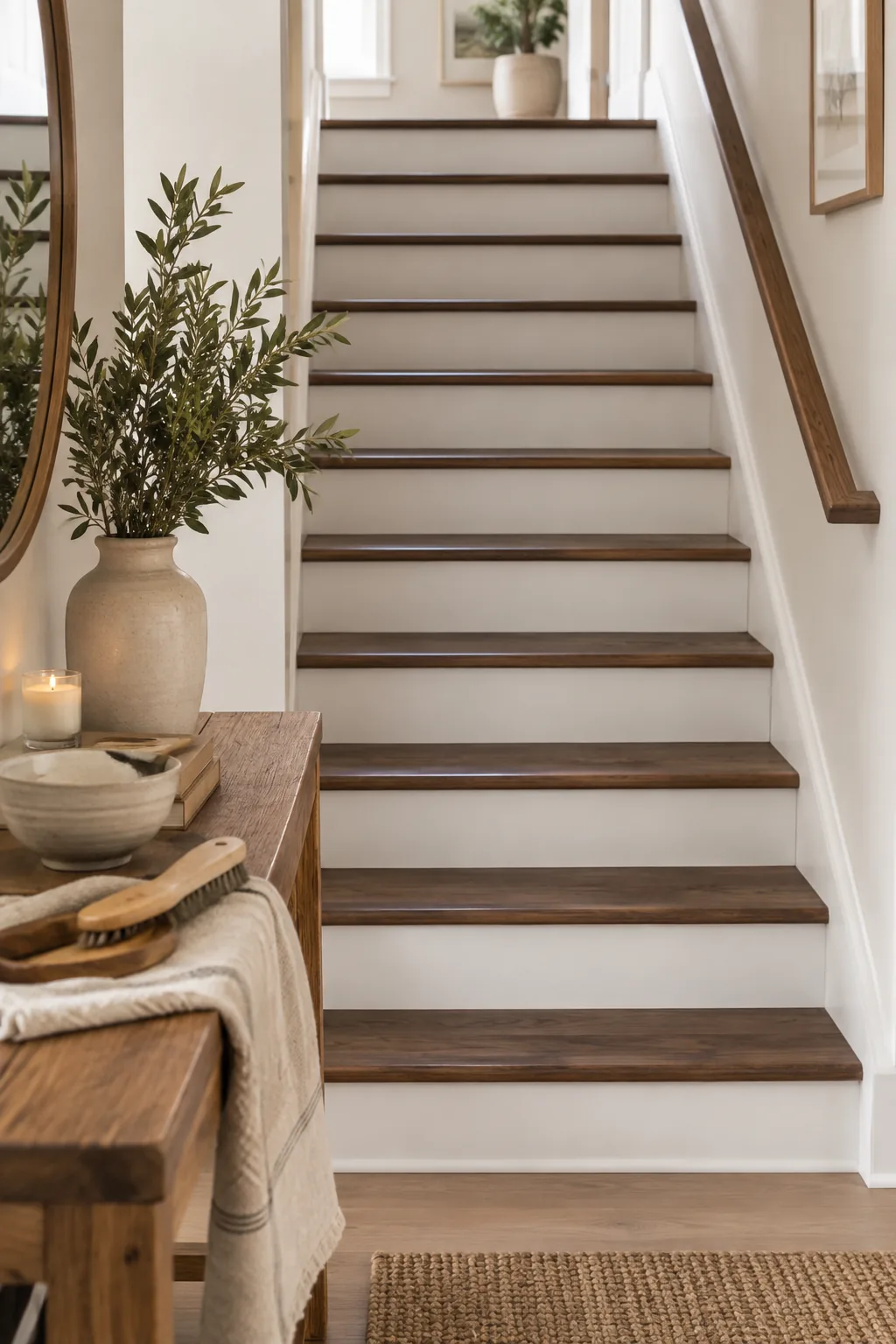
Paint the risers a crisp white and stain the treads a rich, dark walnut.
This classic combination instantly elevates a basic pine staircase without requiring a massive budget. You just need a good quality floor paint and a weekend to pull it off.
Add a clear polyurethane topcoat to protect the wood from heavy foot traffic.
2. Cozy Woven Runner
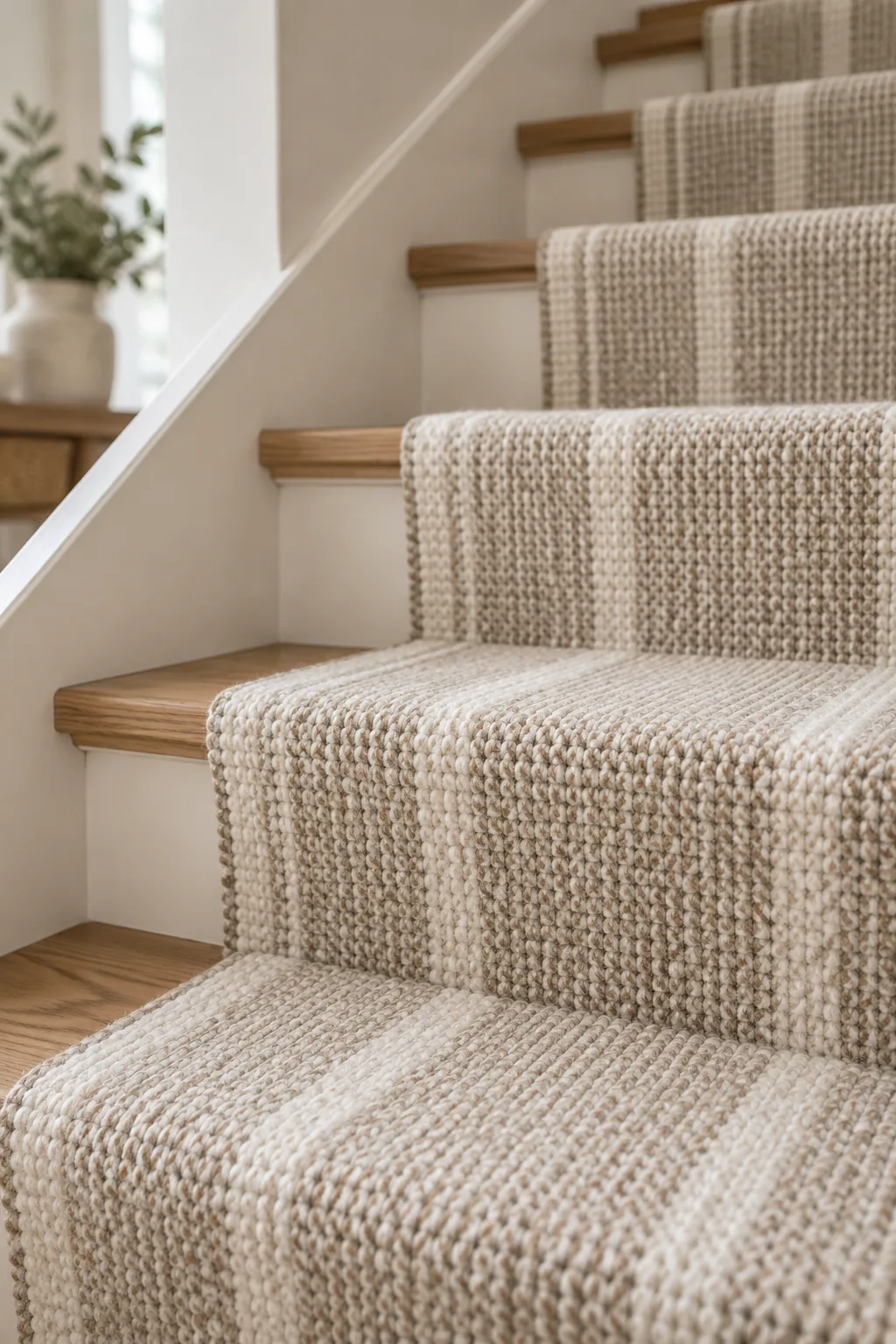
Install an indoor runner rug straight down the center of your wooden steps.
A tightly woven wool runner absorbs the echoing sounds that usually bounce around an enclosed stairwell. It also gives your pets and kids much better traction on their way down to the basement.
Use a pneumatic staple gun to keep the fabric perfectly tight against the nosing of each tread.
3. Under-Tread Lighting
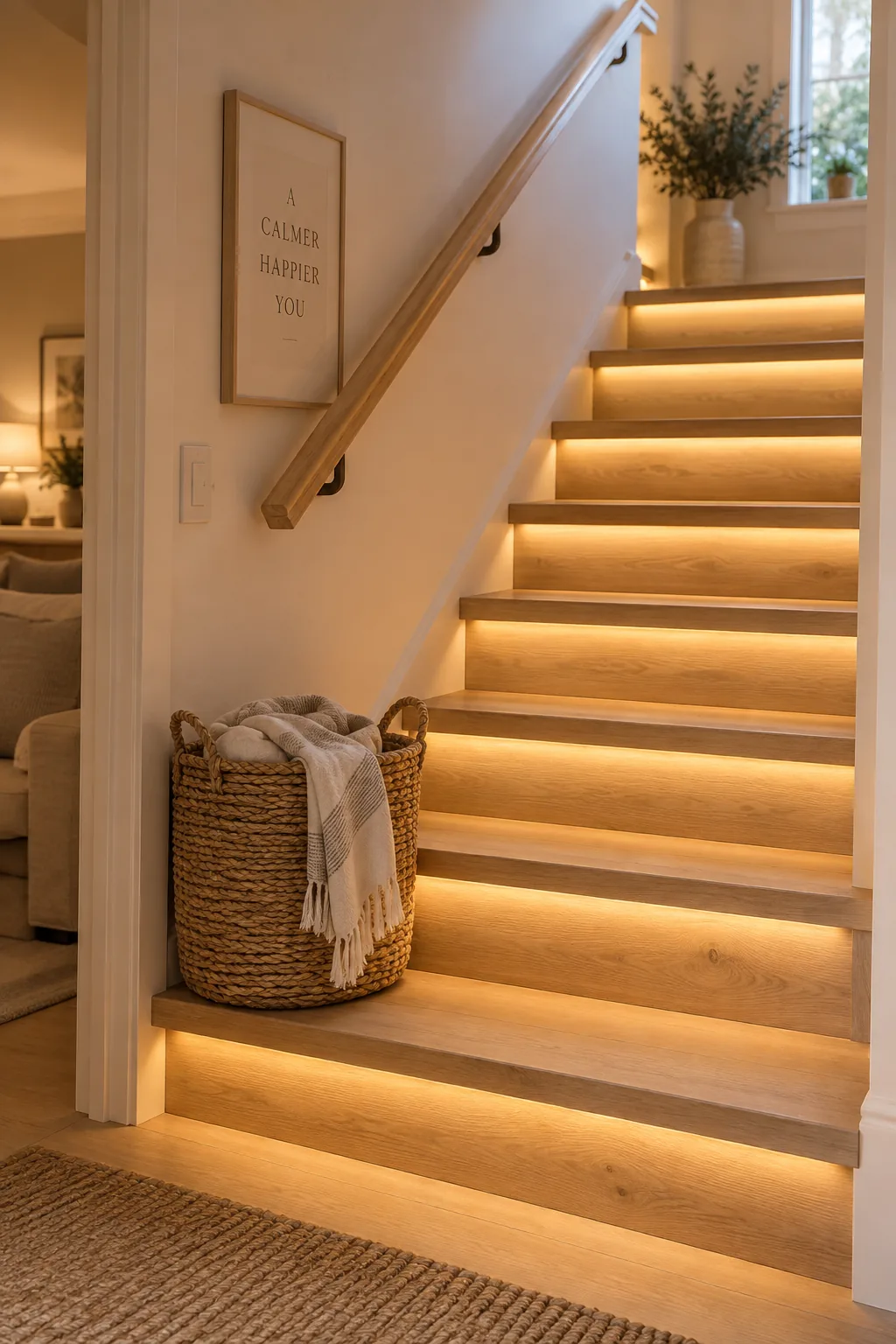
I always recommend adding motion-sensor LED strips under the lip of every stair.
Walking down into a dark basement with a laundry basket is notoriously dangerous, so automatic lighting is a lifesaver. The gentle glow looks incredibly high-end and guides your footing without having to fumble for a harsh overhead switch.
4. Color-Drenched Stairwell
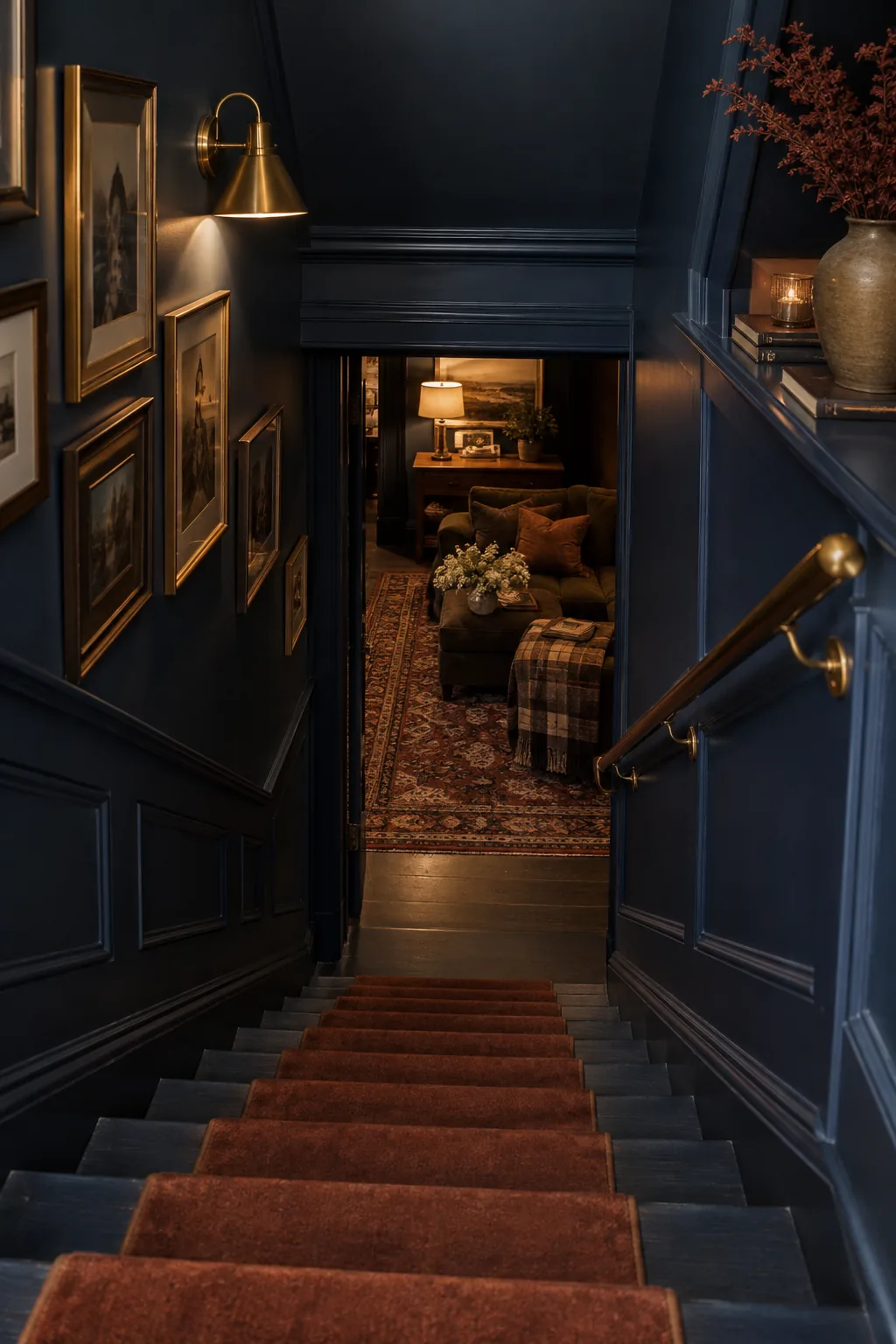
A bold, moody aesthetic happens the second you paint the entire staircase and surrounding walls in a single dark color. Drenching the space in a deep charcoal or navy blue paint blurs the harsh angles of the stairwell and makes the descent feel like a cozy, deliberate transition.
Matte finishes work best here to hide the inevitable scuff marks.
5. Tight Gallery Wall
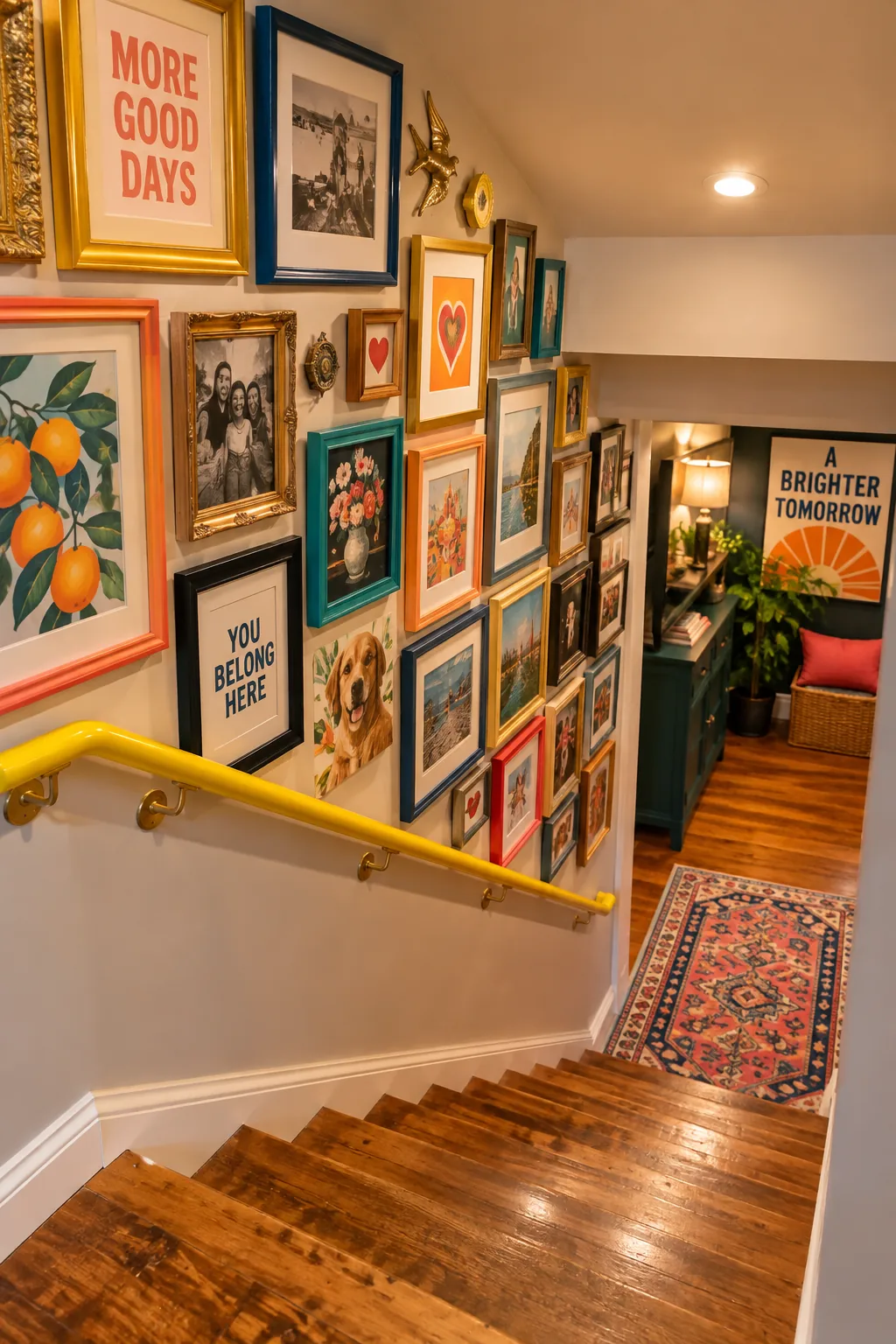
Standard basement stairs are exactly 36 inches wide, leaving just enough room for a slim gallery wall.
Hanging a collection of family photos or vintage prints breaks up the vast, empty drywall that usually flanks the steps. Keep the frames tightly spaced to create a continuous visual line that leads the eye downward.
Use acrylic frame glazing instead of glass so nothing shatters if a shoulder bumps it.
6. Bright Vertical Millwork
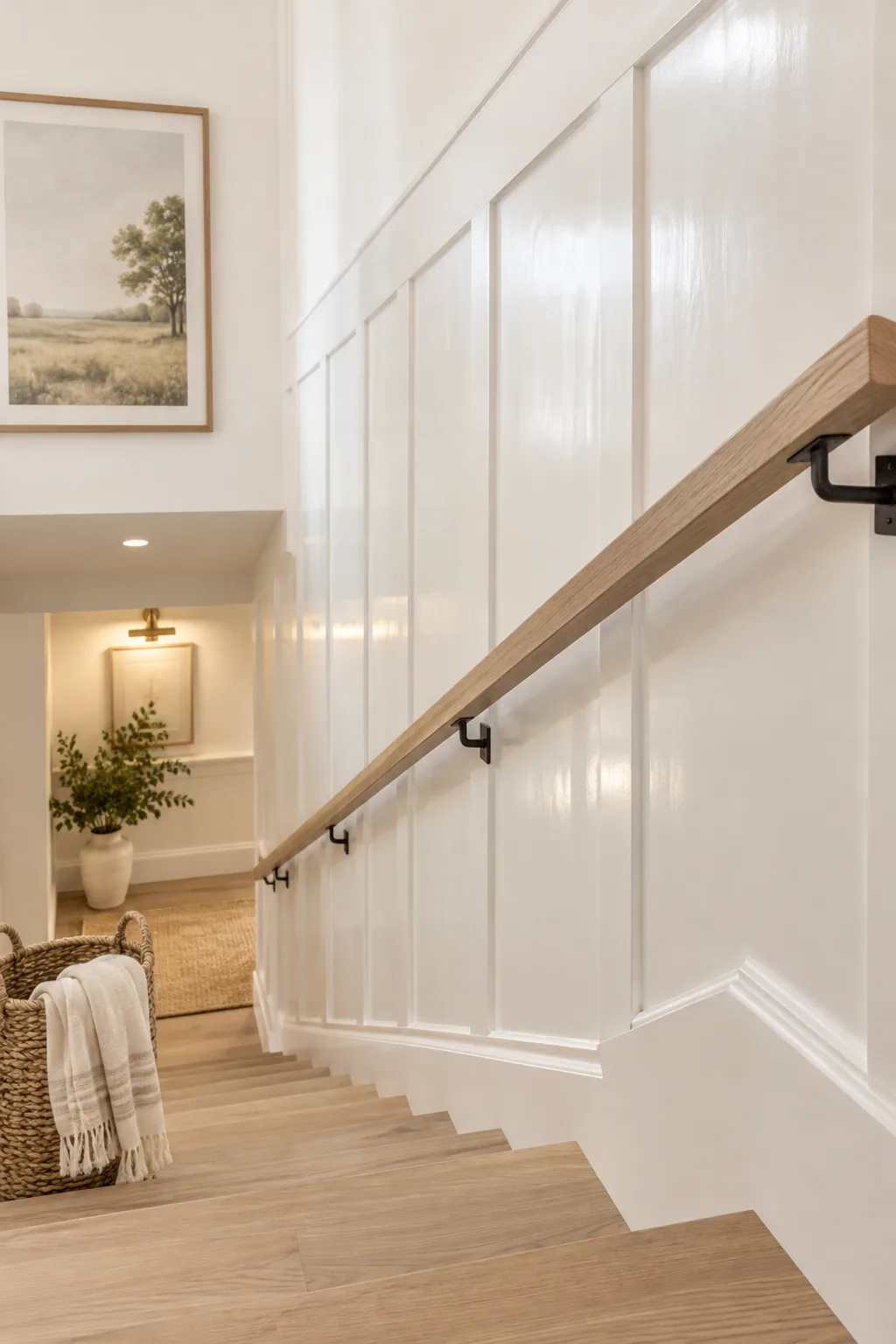
Most builder-grade basement steps lack any sort of architectural interest, making them feel like a purely utilitarian afterthought. Applying wainscoting or board and batten along the staircase wall instantly injects character and texture into the tight space. Finishing the millwork in a bright, glossy white reflects the limited light and makes the narrow stairwell feel significantly wider.
Why it works: Vertical trim lines draw the eye upward, faking a higher ceiling in an otherwise cramped stairwell.
7. Patterned Wallpaper Risers
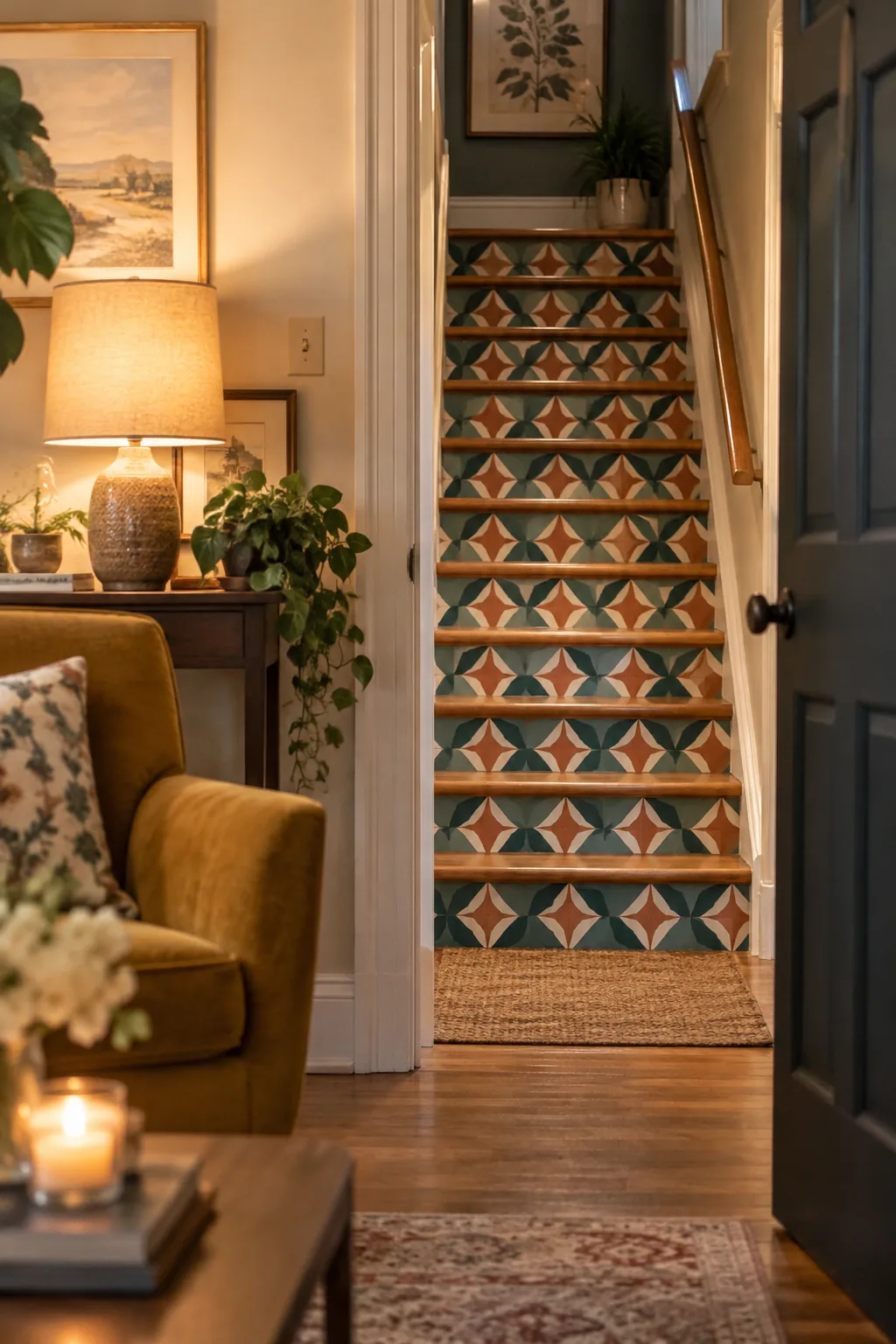
A single roll of high-quality peel-and-stick wallpaper is usually enough to cover the risers of a standard 12-step staircase. Applying a bold geometric or floral pattern to the vertical face of the stairs gives you a massive pop of personality that is visible from the main floor. You can easily swap the pattern out in a few years when your style changes.
Just make sure to thoroughly degrease the wood before applying the adhesive backing.
8. Modern Cable Railing
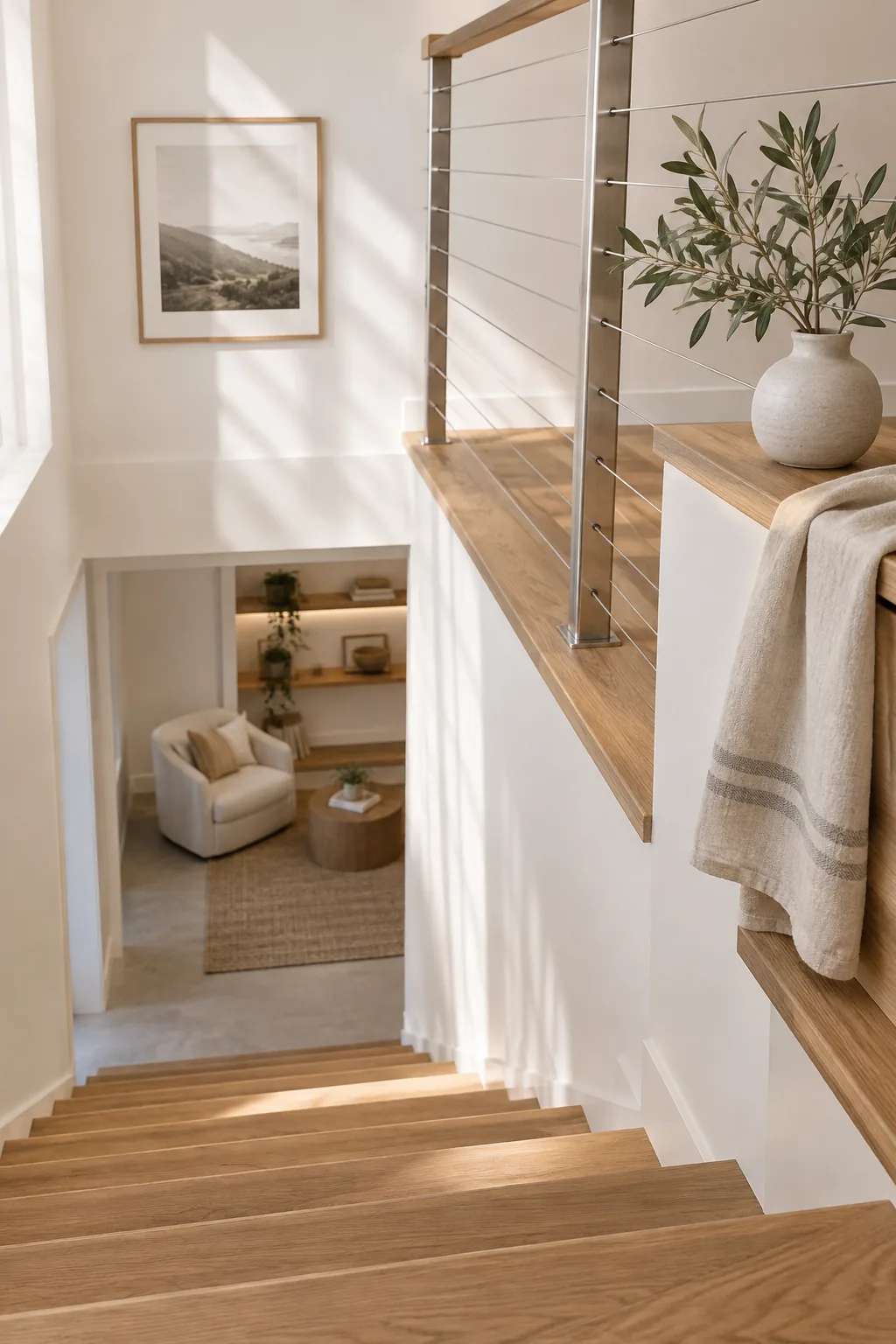
The contrast of raw industrial materials against clean drywall is what makes a cable railing system look so striking. Swapping out a chunky wooden handrail for sleek metal tension cables opens up the visual space and lets natural light filter down from the main floor. It completely modernizes the entire basement entrance.
Pair the steel cables with a warm oak handrail to keep the space from feeling too cold.
9. Durable Epoxy Coating
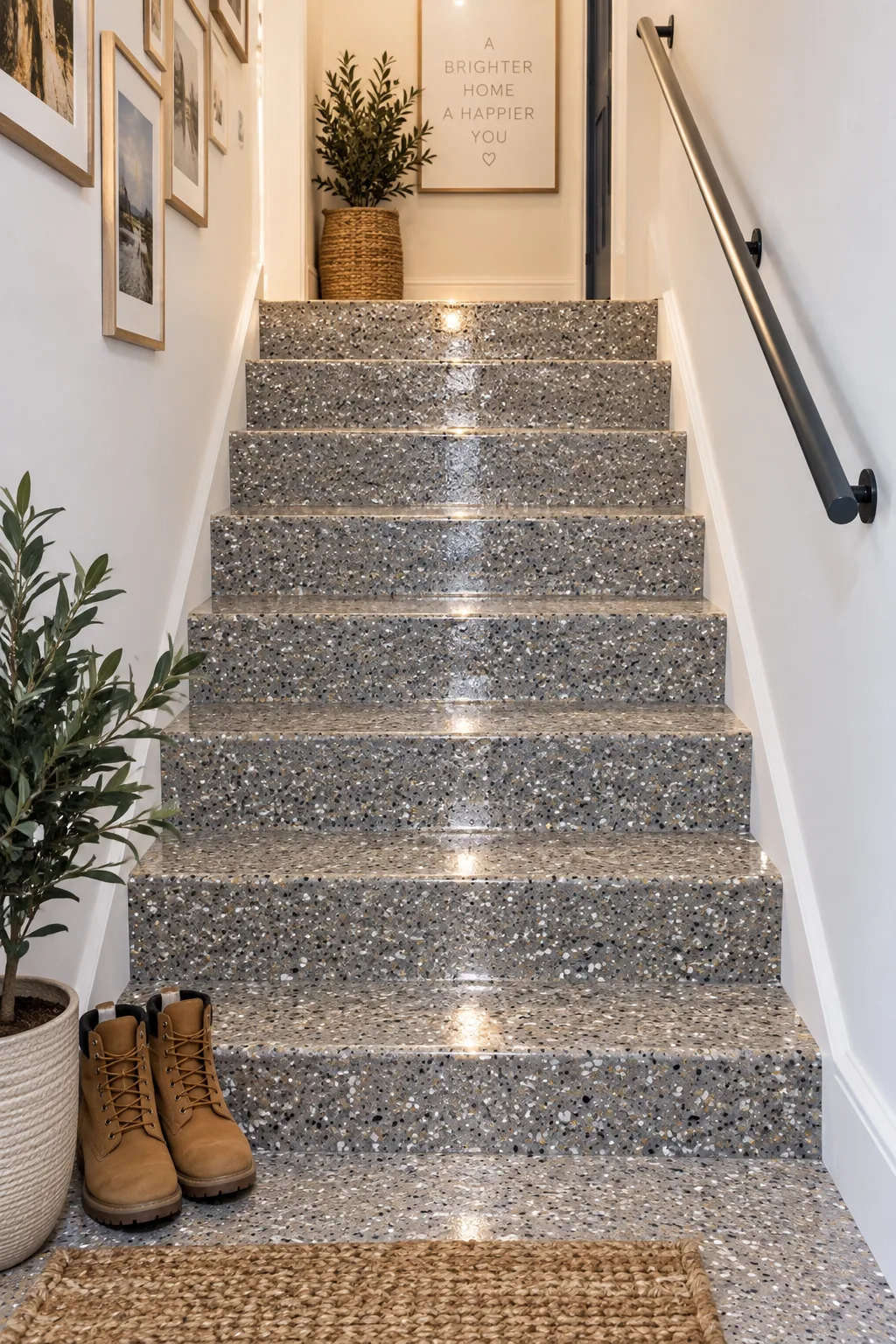
Bare concrete steps in an unfinished basement generate a lot of dust and look incredibly bleak. Applying a heavy-duty epoxy floor coating with decorative color flakes seals the porous surface and provides a durable, showroom-quality finish. The subtle texture from the flakes also adds much-needed slip resistance to the concrete.
You will need to patch any cracks with a concrete filler before pouring the epoxy.
10. Reclaimed Wood Treads
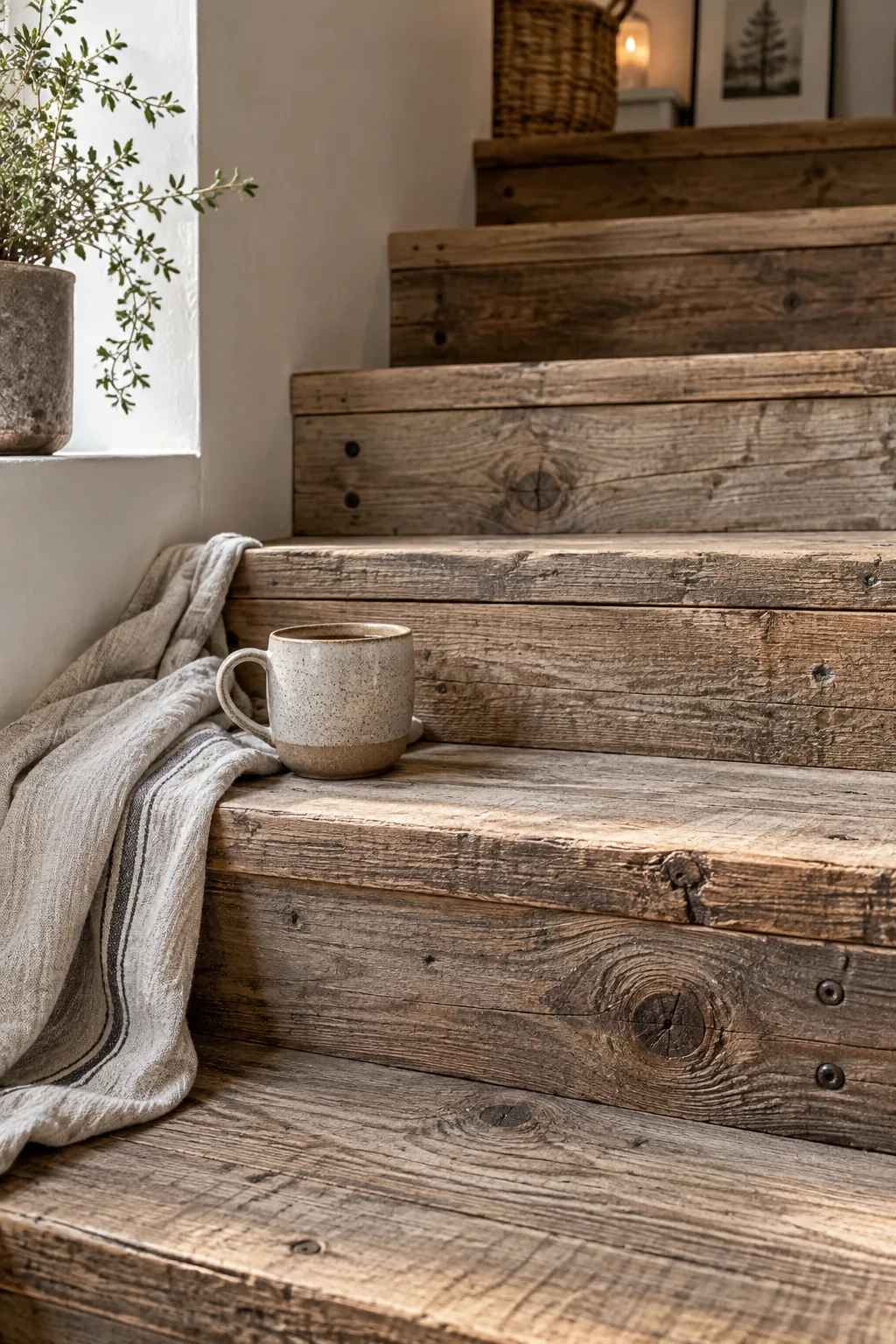
A warm, rustic vibe instantly takes over when you install reclaimed wood planks directly over your existing stair treads.
The natural imperfections and saw marks in the old wood hide everyday dirt and wear beautifully. It is a fantastic way to tie a finished basement into a farmhouse or industrial design scheme.
Secure the planks with heavy construction adhesive and trim head screws for a rock-solid step.
11. Built-In Landing Zone
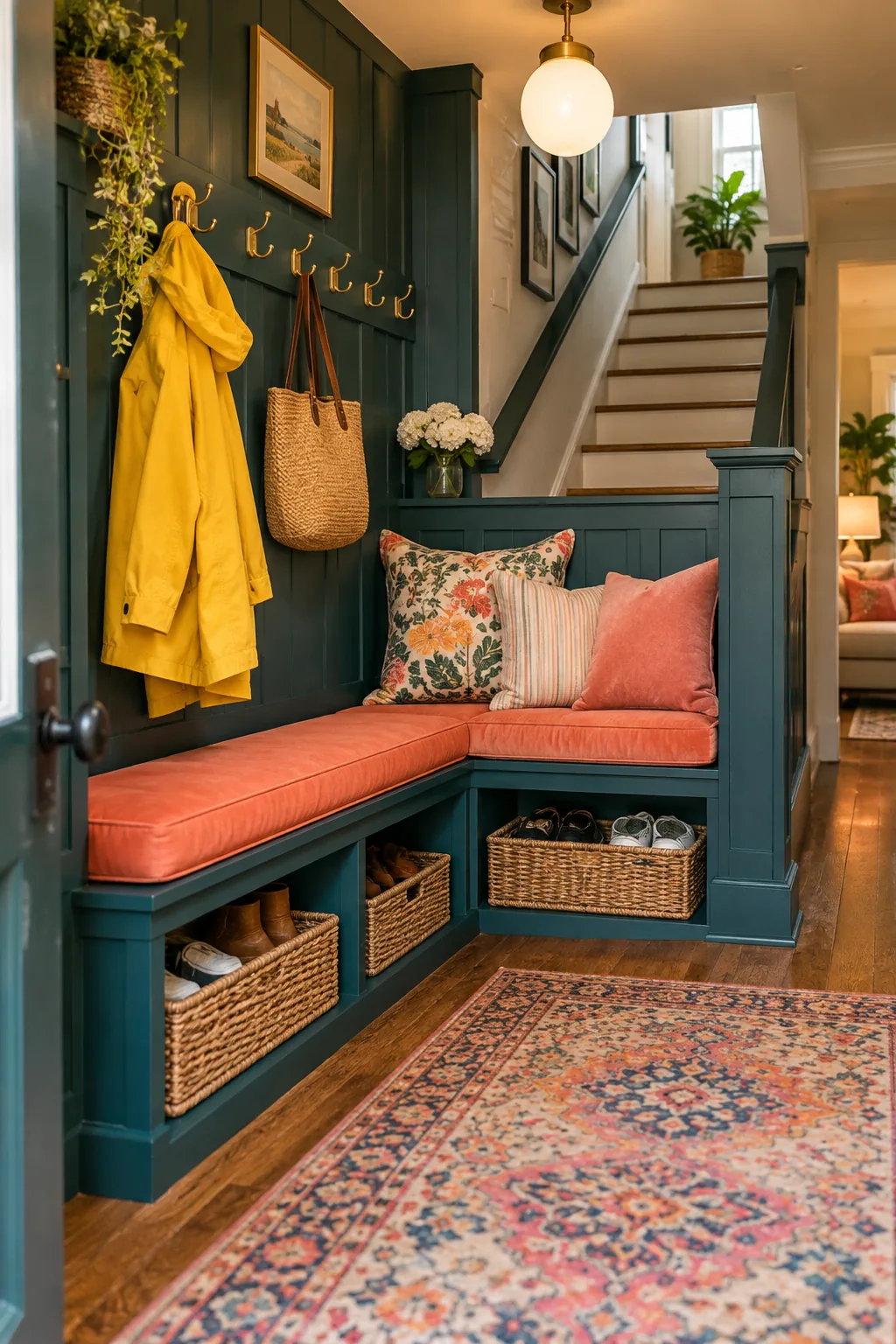
The space right at the bottom of the basement stairs often becomes a dumping ground for random household clutter. Building a custom landing zone with a built-in bench and a few coat hooks gives that awkward area a clear purpose. Adding a small, stylish pendant light right above the bench highlights the new feature and makes the bottom of the stairs feel like a welcoming destination rather than a dead end.
12. Painted Faux Runner
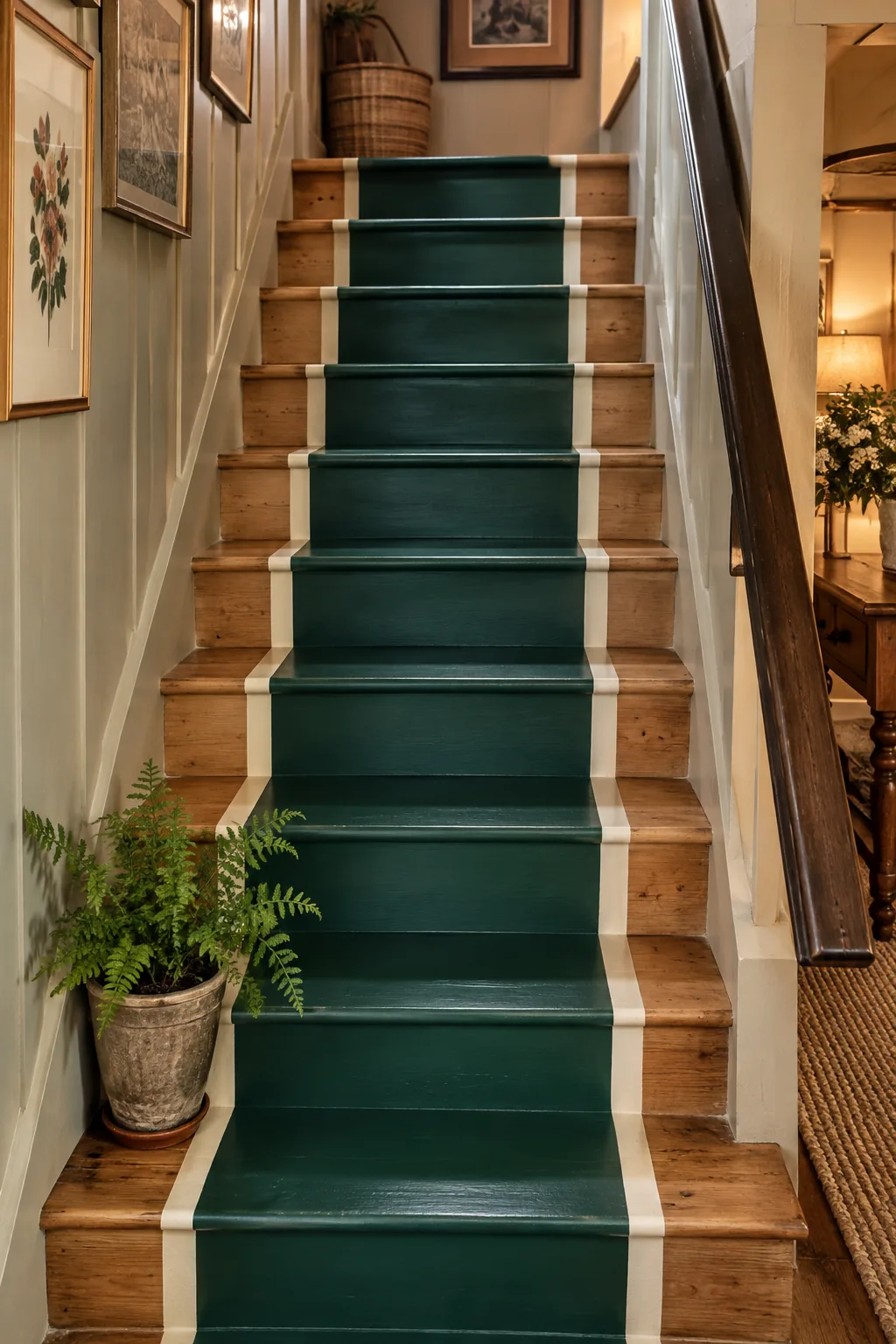
I absolutely love the unexpected charm of painting a faux runner directly onto the wooden stairs.
Taping off a wide stripe down the center and filling it with a contrasting porch and floor enamel gives you the look of a rug without the tripping hazard. You can even paint thin border stripes on the edges to mimic binding.
This is an incredibly budget-friendly weekend project that completely transforms the stairwell.