
8 Dinner Party Themes Hiding in Your Fruit Bowl (Printable)
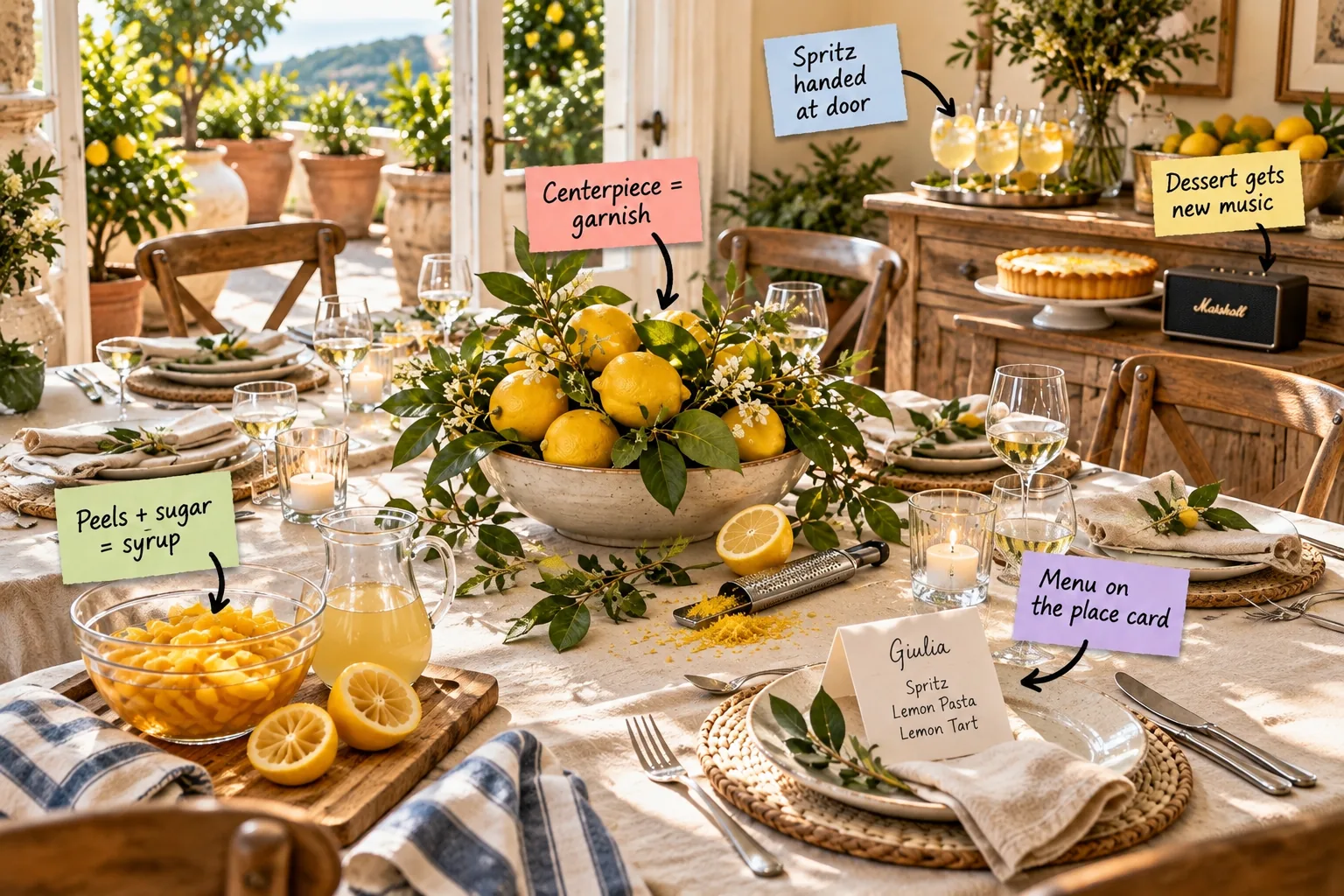
Planning a cohesive dinner party is effortless when you download our two-page printable chart to map eight one-ingredient themes from the welcome drink to the dessert course. Letting a single grocery-store staple dictate your entire menu and aesthetic keeps prep simple while impressing your guests.
The One-Ingredient Party Rule
The secret to an elegant, stress-free evening is letting one humble ingredient drive your entire aesthetic and menu from start to finish. Keeping your guest list to a manageable six people allows for intimate, cohesive styling without overwhelming the host during the final preparations.
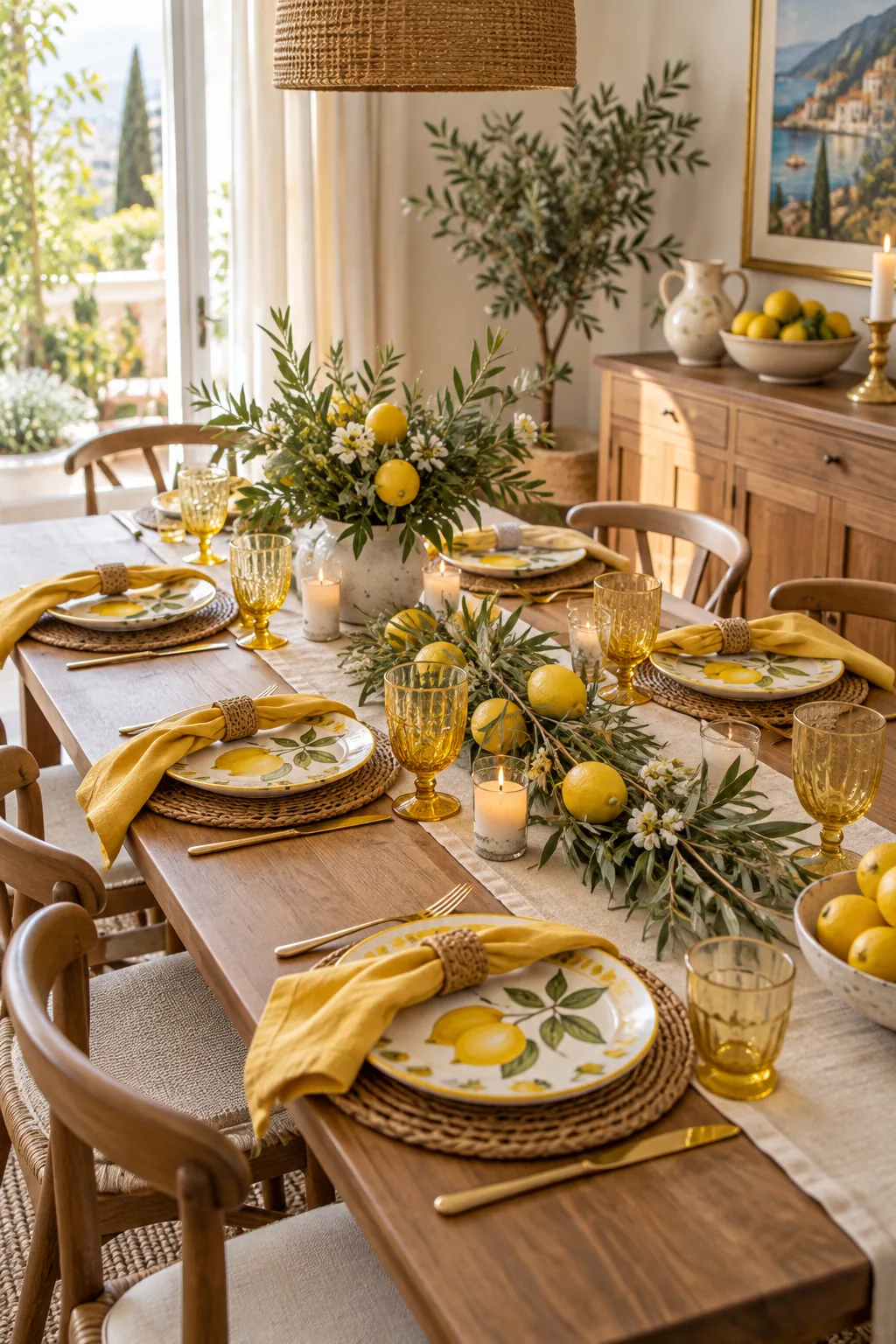
Using a single anchor like lemons or pomegranates ties the room together beautifully while simplifying your grocery run and reducing overall waste. I always start by choosing my fruit, then build the evening’s visual palette directly from the natural tones found in that bowl.
Selecting Your Anchor Fruit
Not every fruit works perfectly as a structural centerpiece, so you need to select varieties that hold their shape at room temperature. Citrus fruits, firm apples, and whole pomegranates provide the ideal balance of vibrant color, sturdy texture, and reliable longevity for evening events.
| Fruit Type | Ideal Season | Color Palette | Table Lifespan |
|---|---|---|---|
| Whole Lemons | Spring/Summer | Yellow, Green, White | Up to 48 hours |
| Pomegranates | Autumn/Winter | Deep Red, Gold, Cream | Up to 72 hours |
| Green Apples | Late Summer/Fall | Chartreuse, Wood, Linen | Up to 24 hours |
| Blood Oranges | Winter | Crimson, Orange, Slate | Up to 48 hours |
Matching your chosen fruit to the current season ensures the produce looks its absolute best while remaining incredibly cost-effective at the market. This natural alignment also makes it much easier to coordinate your complementary floral arrangements and seasonal menu choices.
Extracting the Syrup
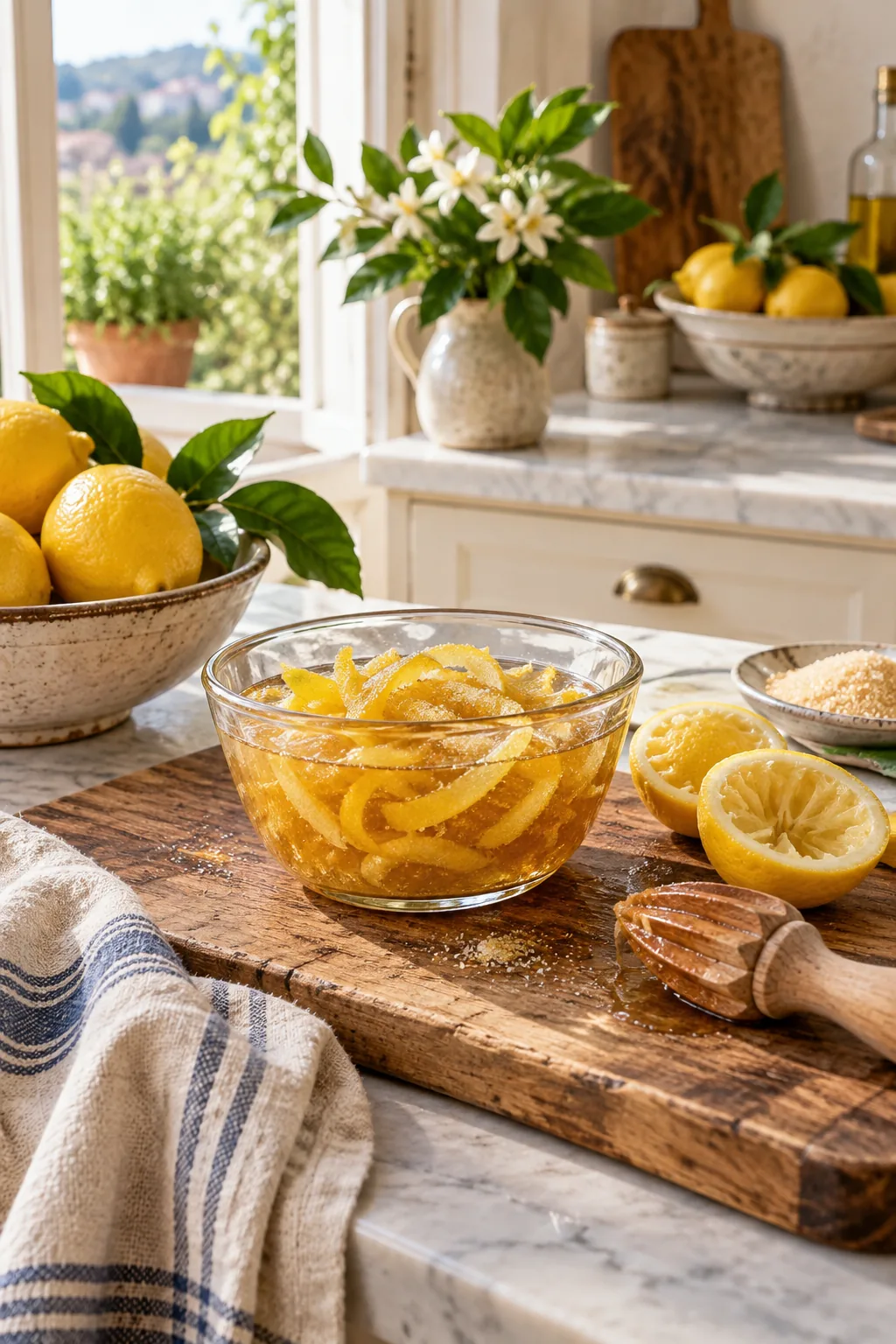
Macerate spent lemon peels in equal parts sugar by weight for three to four hours to create a rich oleo saccharum, and while time does most of the work, you can speed up the extraction with a quick manual step.
Batching the Cocktail Base
Preparing your welcome drink base ahead of time prevents you from playing bartender while trying to greet your arriving friends. Mix your strained citrus syrup with your chosen bitter liqueur in a large glass pitcher, keeping it chilled in the refrigerator until the first doorbell rings.
The Doorway Spritz
Handing guests a welcome drink the exact moment they cross the threshold instantly sets a celebratory tone for the entire evening. A reliable ratio of three parts prosecco, two parts bitter liqueur, and one part fresh lemon syrup creates a perfectly balanced, refreshing spritz.
Keep a small tray of these pale-yellow cocktails on your entryway console so you are completely ready the second your friends arrive. It immediately transitions your guests from the busy street into your curated dining experience, giving them something beautiful to hold right away.
Setting the Ambient Lighting
Overhead lighting instantly kills the intimate mood you want for a dinner party, so switch exclusively to lamps and candlelight before guests arrive. Dimming your secondary room lights to a warm, low glow encourages everyone to relax and lean into the conversation around the table.
Styling a Working Centerpiece
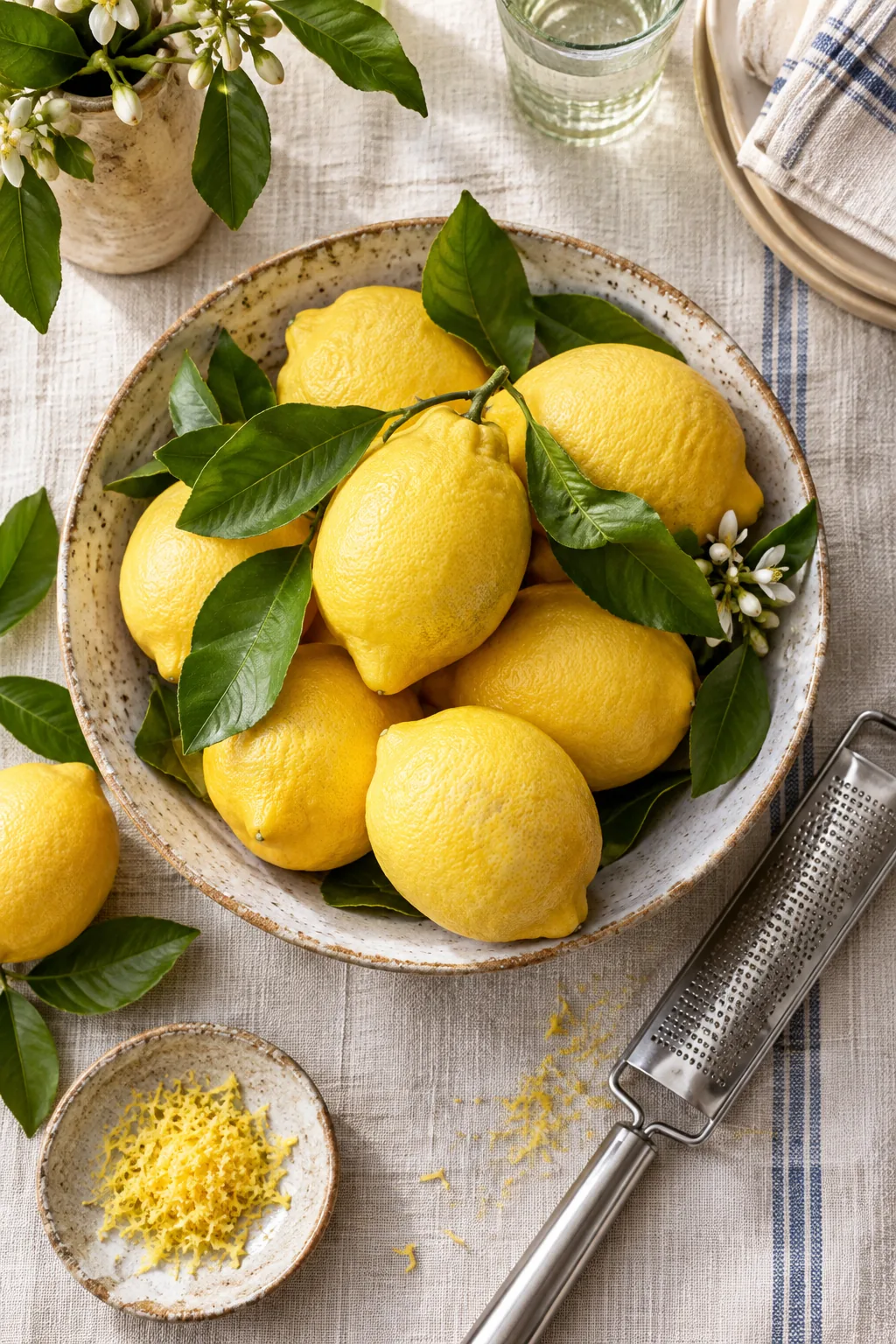
Arrange 12 to 15 fresh lemons with their leaves in a low, shallow ceramic bowl exactly at the middle of your table. Keeping a microplane nearby allows this centerpiece to double as a functional, interactive garnish station for the main pasta course.
Layering the Table Linens
A bare table can feel slightly severe, so anchor your central fruit bowl with a textured linen runner in a neutral sand or oatmeal tone. This soft fabric layer absorbs the inevitable condensation from water glasses and provides a beautiful tactile contrast to the smooth ceramics.
Writing the Place Card Menus
Combine seating assignments and course expectations onto a single piece of heavy cardstock to keep the dining table elegantly uncluttered. Fold a standard 4×6 inch card in half, writing the guest’s name clearly at the top and the three-course lineup directly below it.
I love using a thick, raw-edge cotton paper for these menus because it feels so incredibly luxurious in hand. Whenever I host in my own Boston dining room, guests always end up slipping these personalized cards into their bags as charming keepsakes.
Prepping the Garnish Station
Placing small, functional tools directly on the table encourages your friends to interact with the meal rather than just passively consuming it. A sharp microplane resting beside the central fruit bowl signals that guests should feel completely free to add extra zest to their own plates.
Choosing the Right Dinnerware
When your decorative theme relies heavily on a single bright ingredient, stick to matte white or cream dinner plates to avoid visual competition. The neutral background of simple ceramic stoneware allows the vibrant yellow lemon zest and fresh pasta to truly pop against the table setting.
Timing the Main Course
Aim to serve your primary dish exactly forty-five minutes after your guests arrive, giving them just enough time to finish their welcome spritz. This comfortable window allows everyone to settle in, find their designated seats, and transition naturally from standing conversation to the seated meal.
Pacing the Evening Conversation
As the host, your energy dictates the flow of the room, so resist the urge to rush back into the kitchen immediately after eating. Leave the empty main course plates on the table for an extra ten minutes to let the natural dinner conversation breathe and evolve.
Clearing the Dinner Plates
When it is finally time to clear, remove the savory plates in two quiet trips rather than stacking a precarious tower of dishes. This subtle, unhurried movement maintains the relaxed atmosphere and signals that the evening is gracefully moving toward its final, sweetest chapter.
Scoring the Dessert Course
Changing the playlist and lighting when the final course arrives creates a powerful psychological shift for your relaxed guests. Lower the main room lights by 30 percent and switch to a dedicated, upbeat dessert playlist on a stylish sideboard speaker.
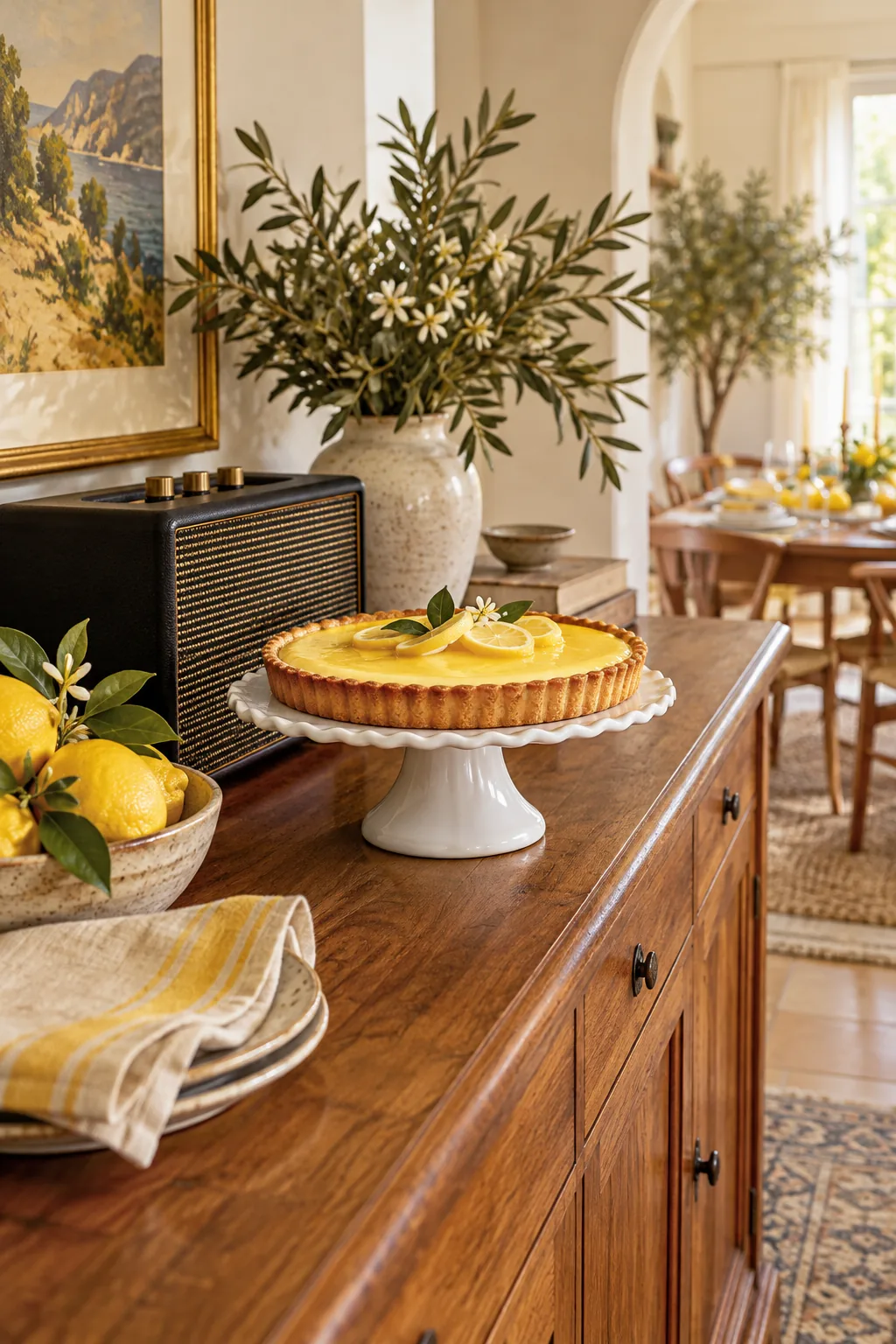
Moving the music source closer to the dessert staging area visually and audibly signals that the evening is transitioning into a fun new phase. It breathes fresh, lively energy into the room just as the rich, homemade lemon tart makes its highly anticipated appearance.
Plating the Sweet Finish
Serving dessert from a single, beautiful cake stand creates a wonderful moment of communal anticipation before you slice into the tart. Leaving the remaining slices visible on the sideboard encourages guests to casually help themselves to a second piece as the night stretches on.
The 8-Theme Master Chart
Our downloadable two-page chart maps out eight distinct themes, and since I keep this exact printable taped inside my pantry door for last-minute gatherings, I recommend using this quick checklist to finalize your plan before you shop.
Transitioning to After-Dinner Drinks
Offering a small, bitter digestif balances the sweetness of the dessert course and helps settle the stomach after a rich meal. Pouring these final drinks into delicate vintage glassware adds a final touch of unexpected elegance before everyone begins saying their goodbyes.
Adjusting the Seating Arrangement
If you plan to host more than six people, you must rethink your table layout to ensure everyone still has enough elbow room. Follow these three priority steps when extending your dining space to accommodate a larger, more lively group of friends.
- Add identical folding chairs to the ends of the table.
- Remove bulky wine glasses to free up physical space.
- Shift the water pitchers to a separate side console.
Keeping the tabletop strictly limited to essential plates and silverware prevents a crowded table from feeling chaotic or overwhelming. This minimalist approach allows the central fruit theme to remain the undisputed focal point of the entire dining room.
4 More One-Ingredient Party Palettes
If lemons aren't in season, let one of these distinct grocery-store stars dictate your next dinner party aesthetic.
Moody Pomegranate and Brass: Deep reds and dark wood create an intimate, dramatic atmosphere perfect for late autumn gatherings.
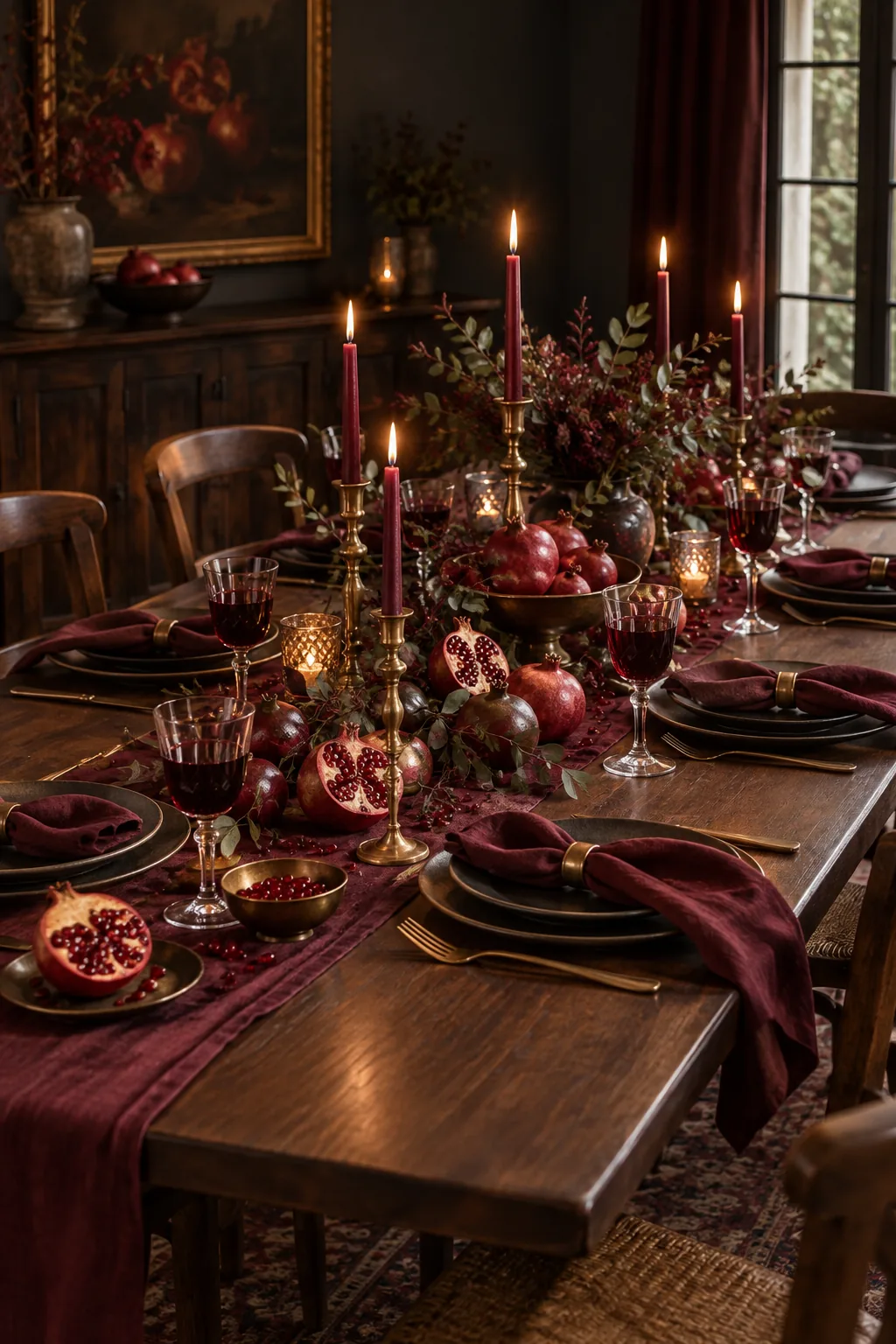
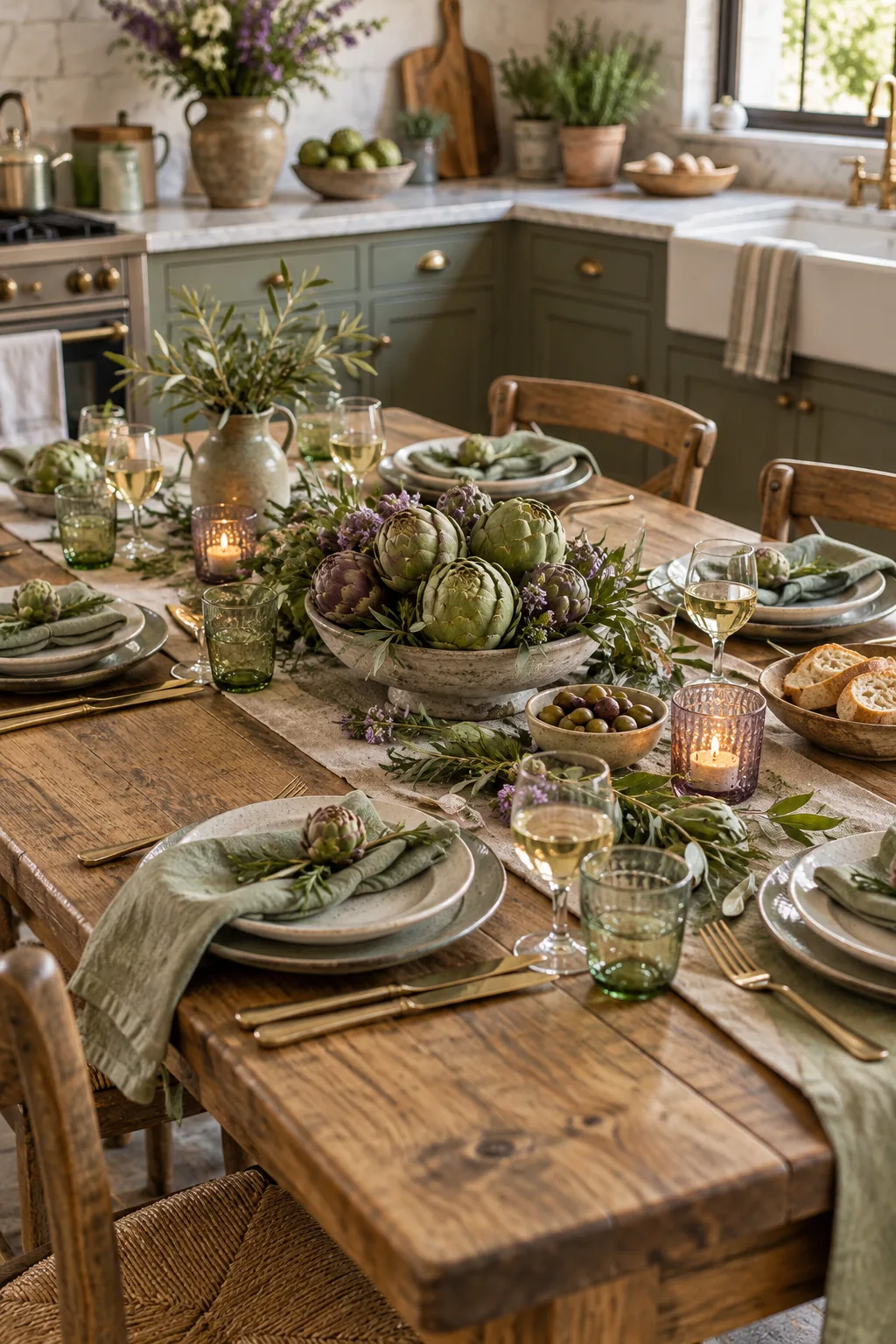
Rustic Artichoke and Stoneware: Muted greens and textural stoneware lend a relaxed, earthy feel to a casual farmhouse dinner.
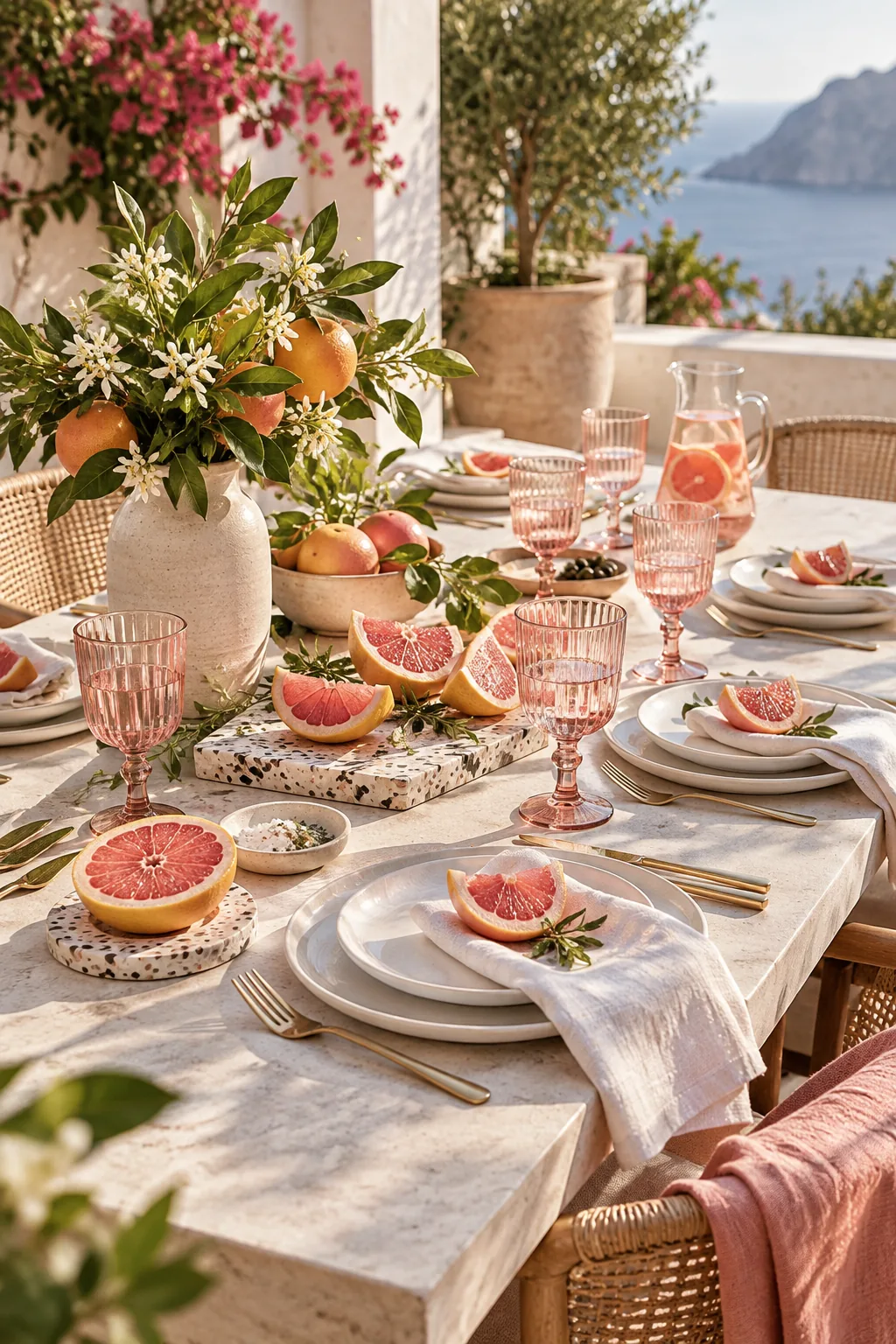
Bright Grapefruit and Terrazzo: Vibrant pink citrus and modern terrazzo surfaces bring a fresh, energetic mood to outdoor summer hosting.
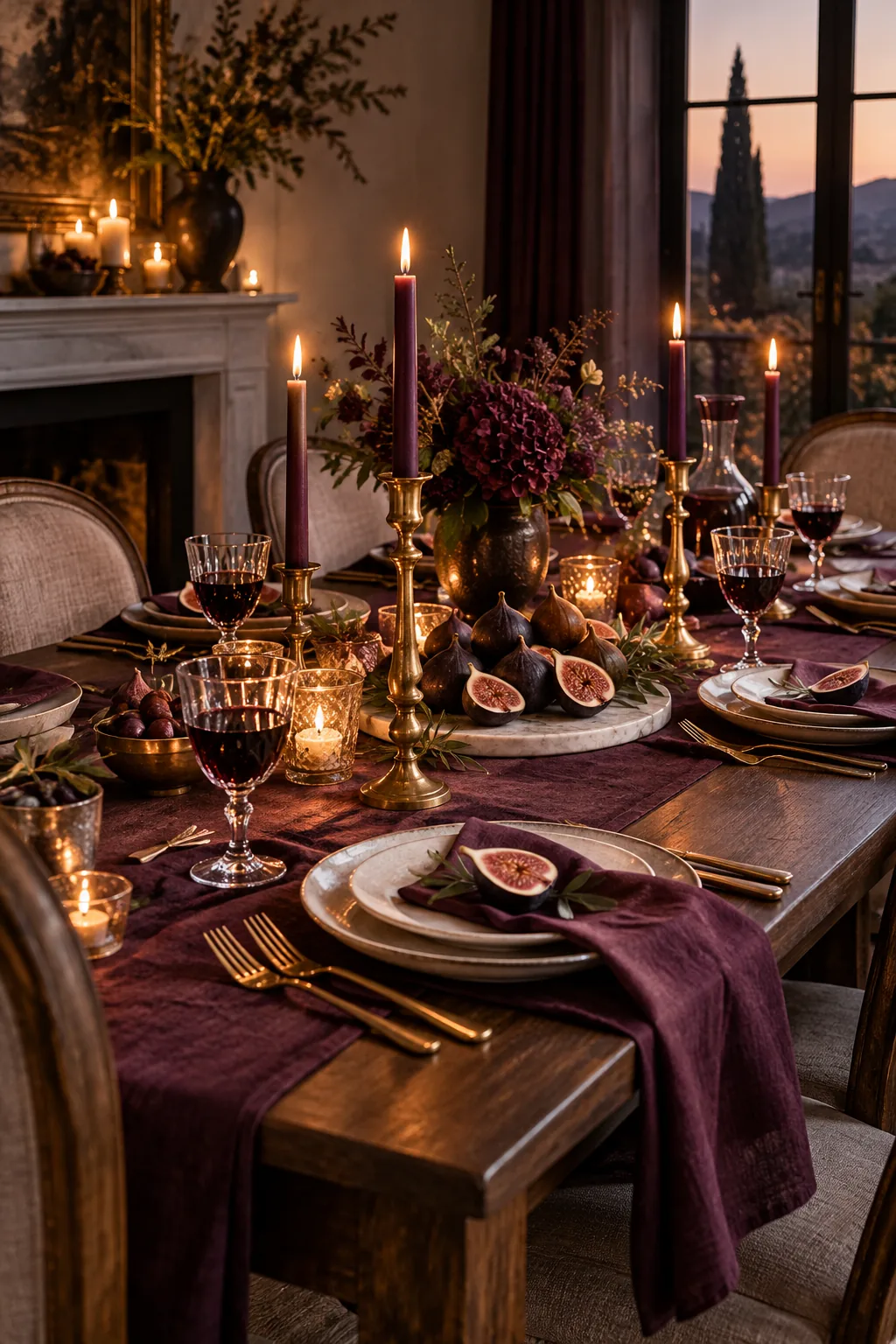
Elegant Fig and Marble: Rich plum tones and gold flatware elevate the humble fig into a sophisticated, romantic table setting.
Scaling the Theme for Larger Groups
When your guest list expands from six to twelve people, adapt your one-ingredient theme by transitioning from a single central bowl to a scattered runner. Arrange your chosen fruit directly down the middle of the table to maintain a strong visual impact from end to end.
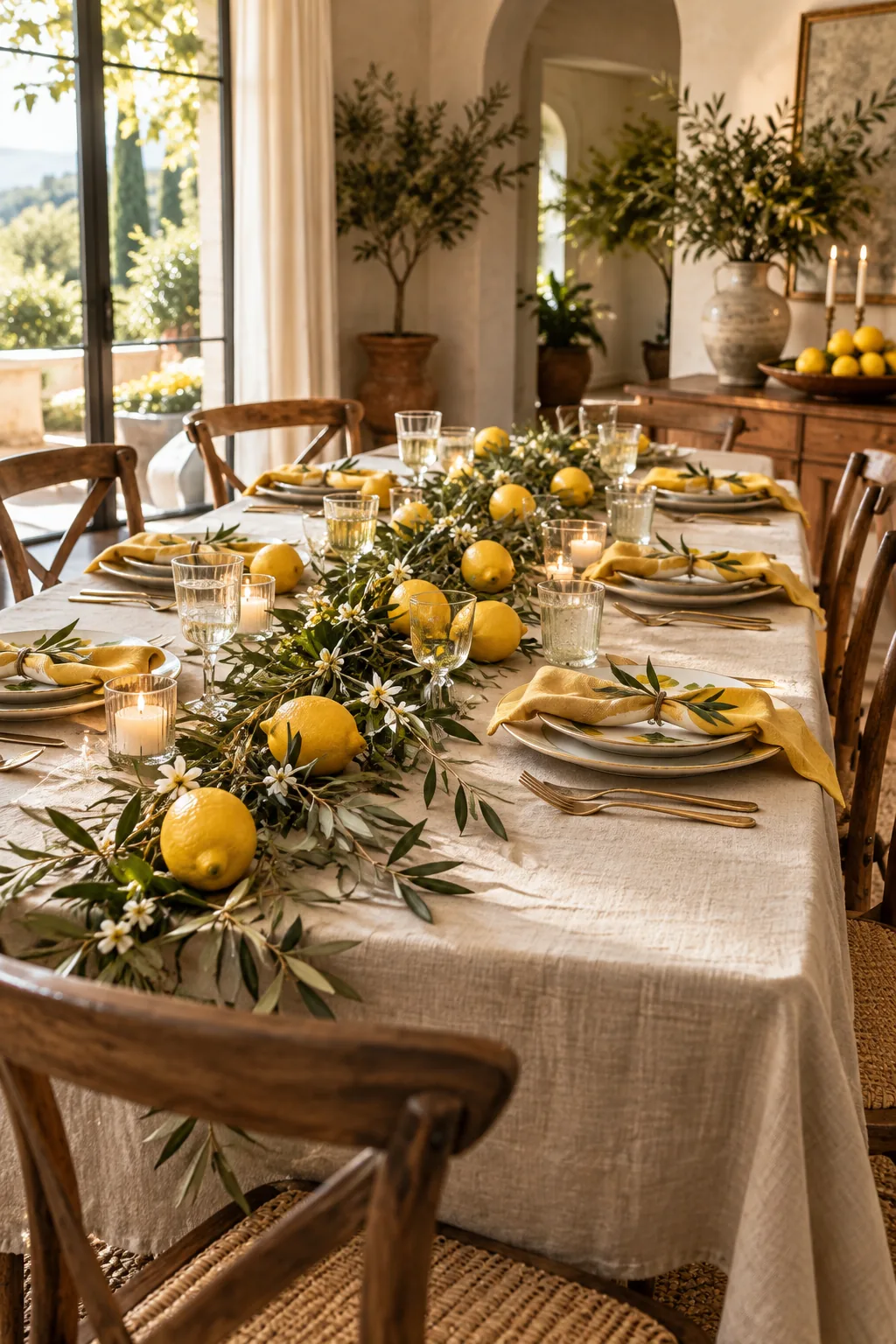
I recently hosted ten friends for a holiday dinner, and weaving fresh olive branches between the scattered lemons perfectly filled the long table. This simple adjustment ensures every guest still feels connected to the central visual theme regardless of where they happen to sit.