
11+ Modern Baseboard Trim Ideas for Your Home
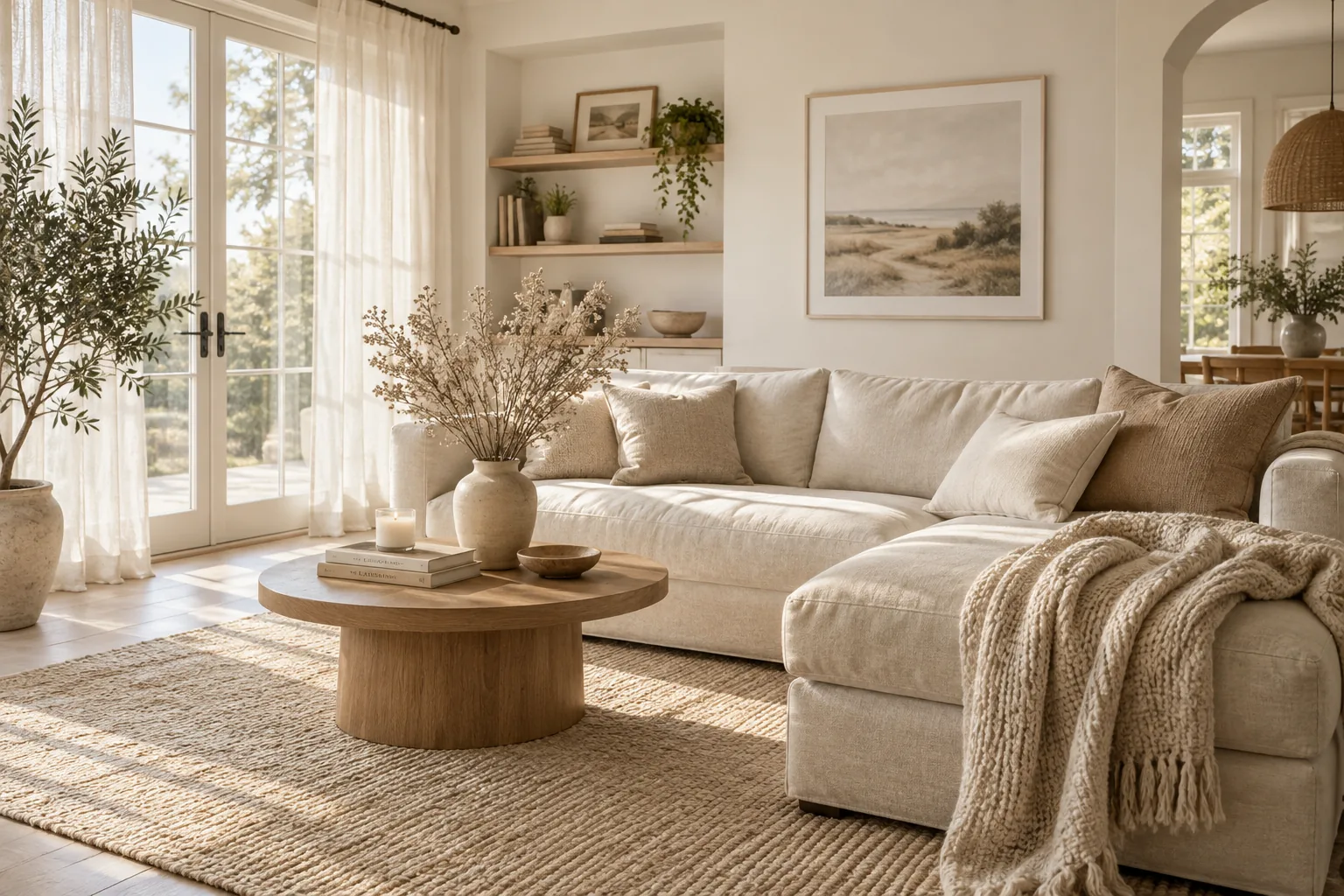
Baseboards are the unsung heroes of a room, quietly anchoring the walls and hiding the messy gap where the drywall meets the floor. I love swapping out standard builder trim for something with a bit more personality to instantly elevate a space.
1. Tall Craftsman Style
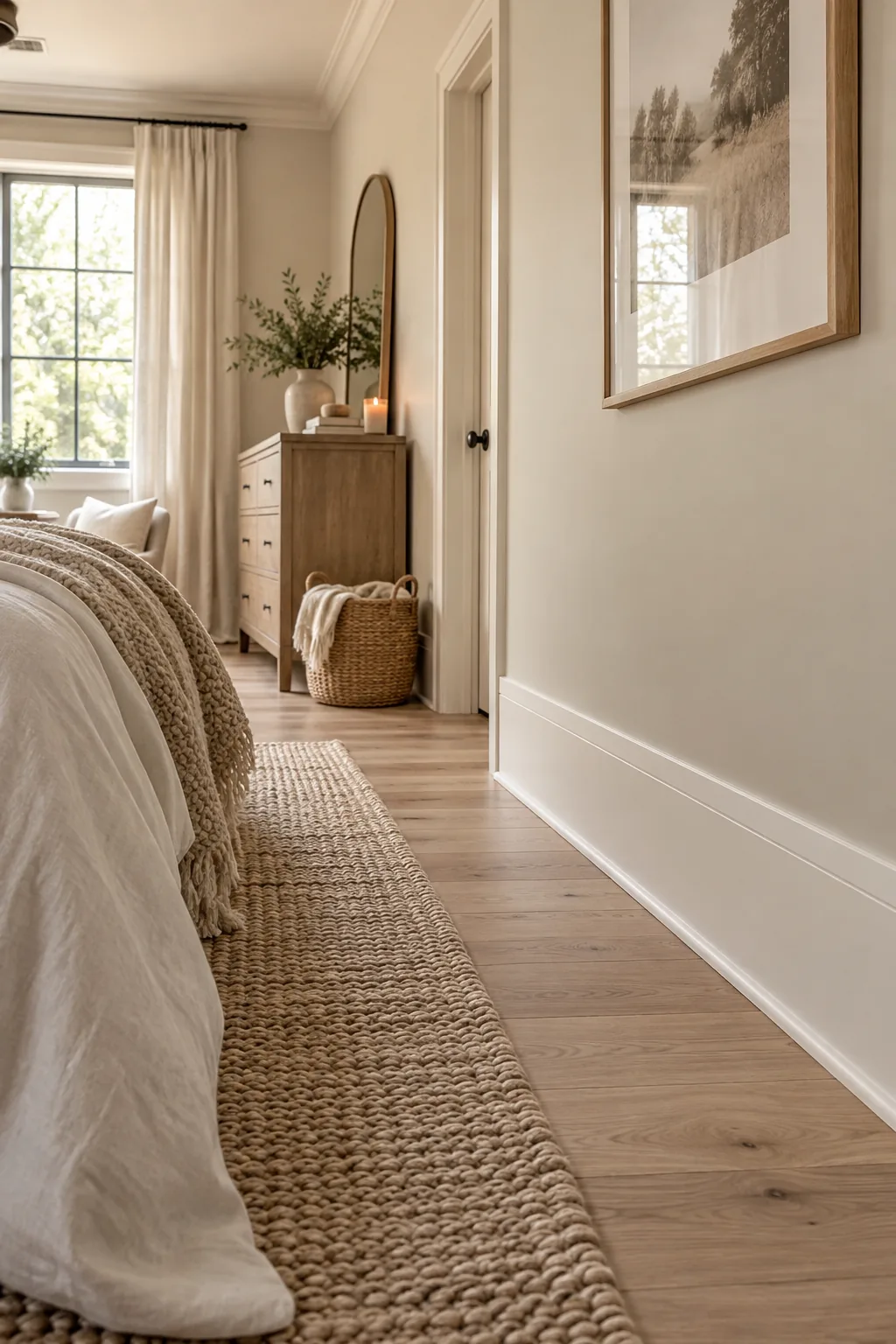
I always rip out standard three-inch trim the second I move into a new place. Swapping it for a tall craftsman baseboard instantly makes standard eight-foot ceilings feel much higher. You just use a flat one-by-six board topped with a simple rectangular cap piece. It gives the room a grounded, historic feel without looking overly fussy.
Why it works: The clean, squared-off edges draw the eye upward while keeping the overall design incredibly simple.
2. Seamless Monochromatic Look
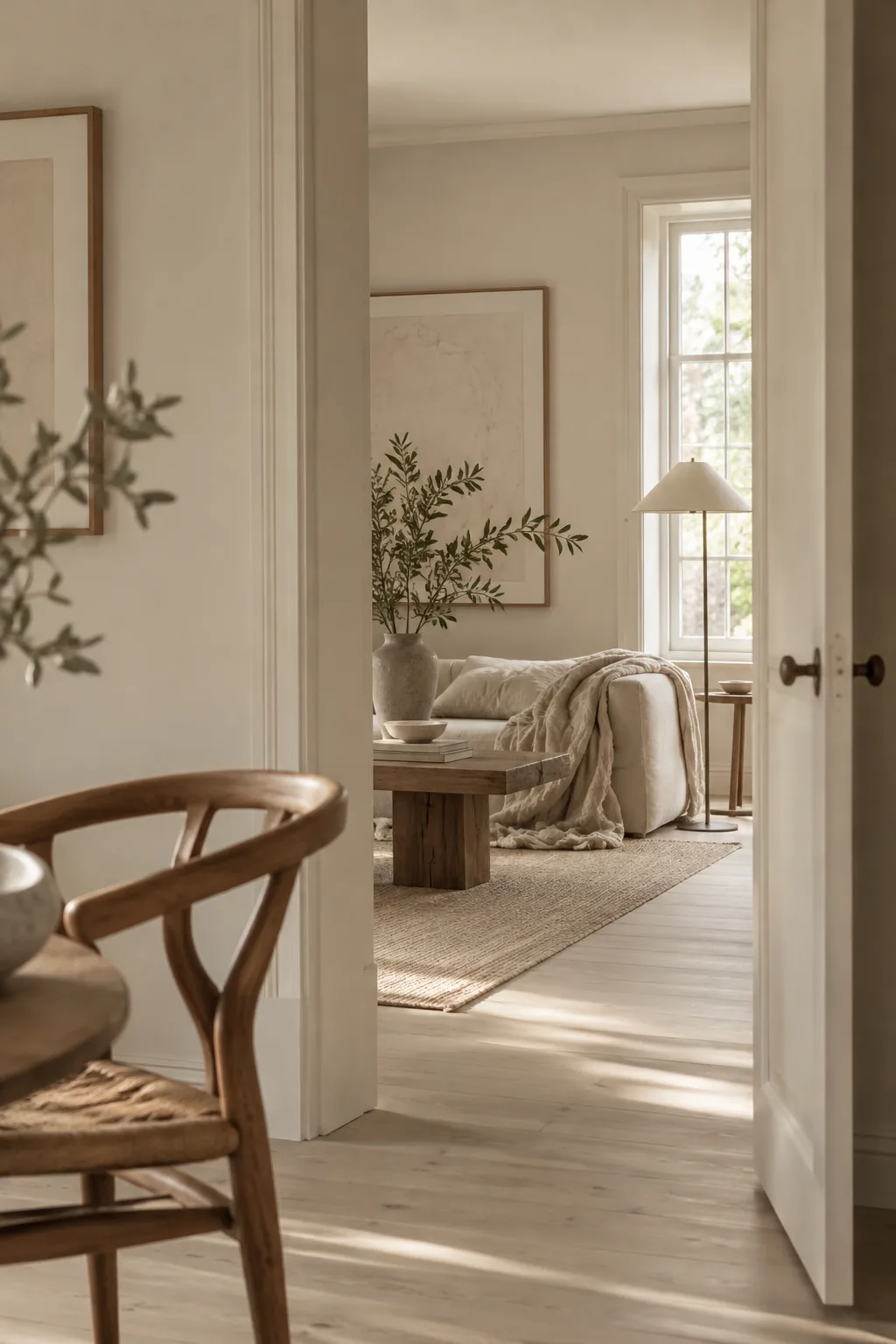
A standard modern baseboard is exactly five and a half inches tall. This height strikes the perfect balance between traditional elegance and sleek contemporary design.
You can skip the decorative routing altogether. A flat profile with a slightly eased edge is all you need.
Painting it the exact same color as your walls creates a seamless, modern aesthetic.
Why it works: Removing the contrast between the wall and the trim makes the space feel larger and less chopped up.
3. High-Gloss Black Trim
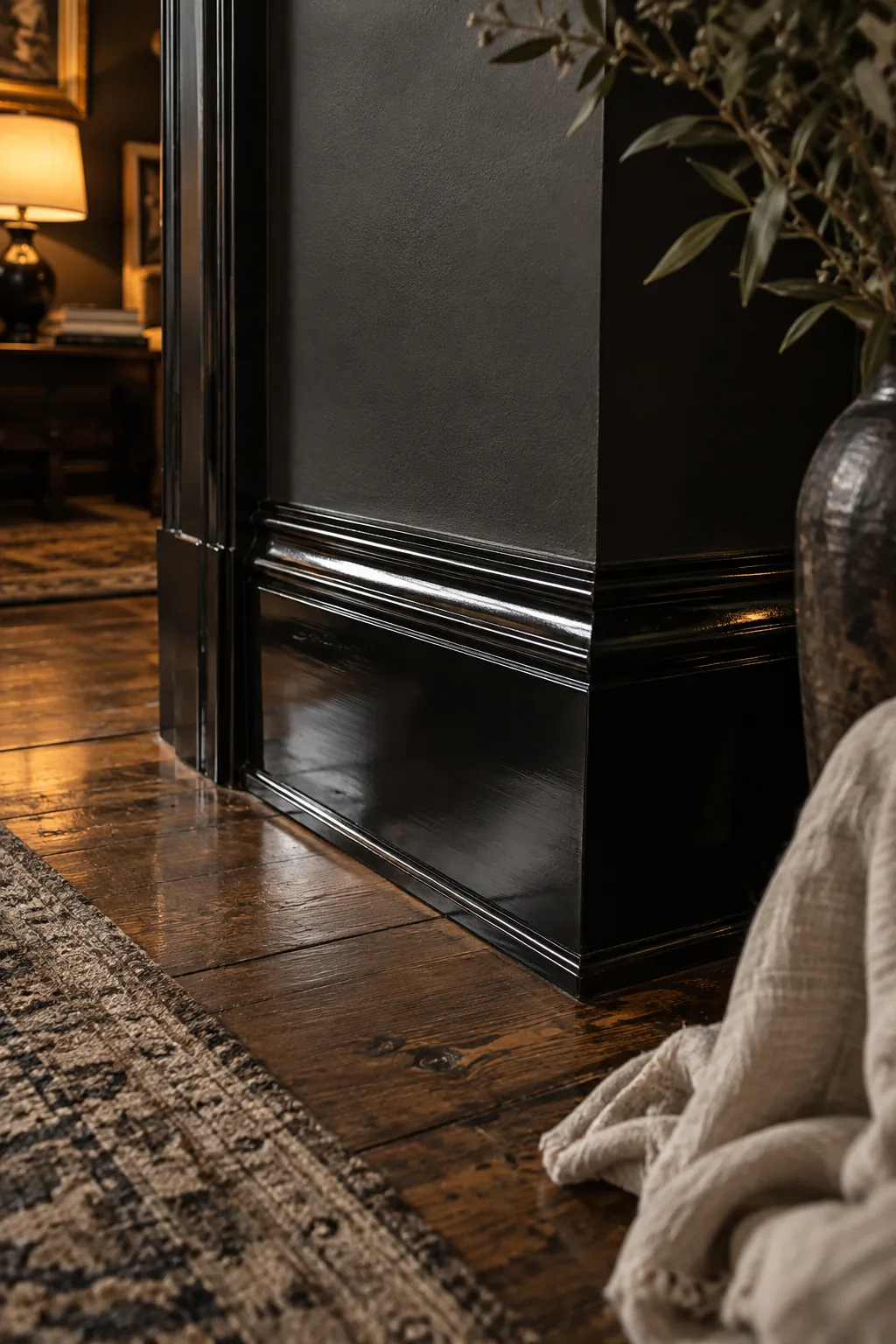
My absolute favorite trick for dark, moody rooms is painting the baseboards black. When you use a high-gloss black trim against matte walls, the architectural details really pop. It adds a sophisticated edge that white trim just cannot achieve.
Just make sure you dust them often, since dark gloss shows everything.
4. Floor-Matching Natural Wood
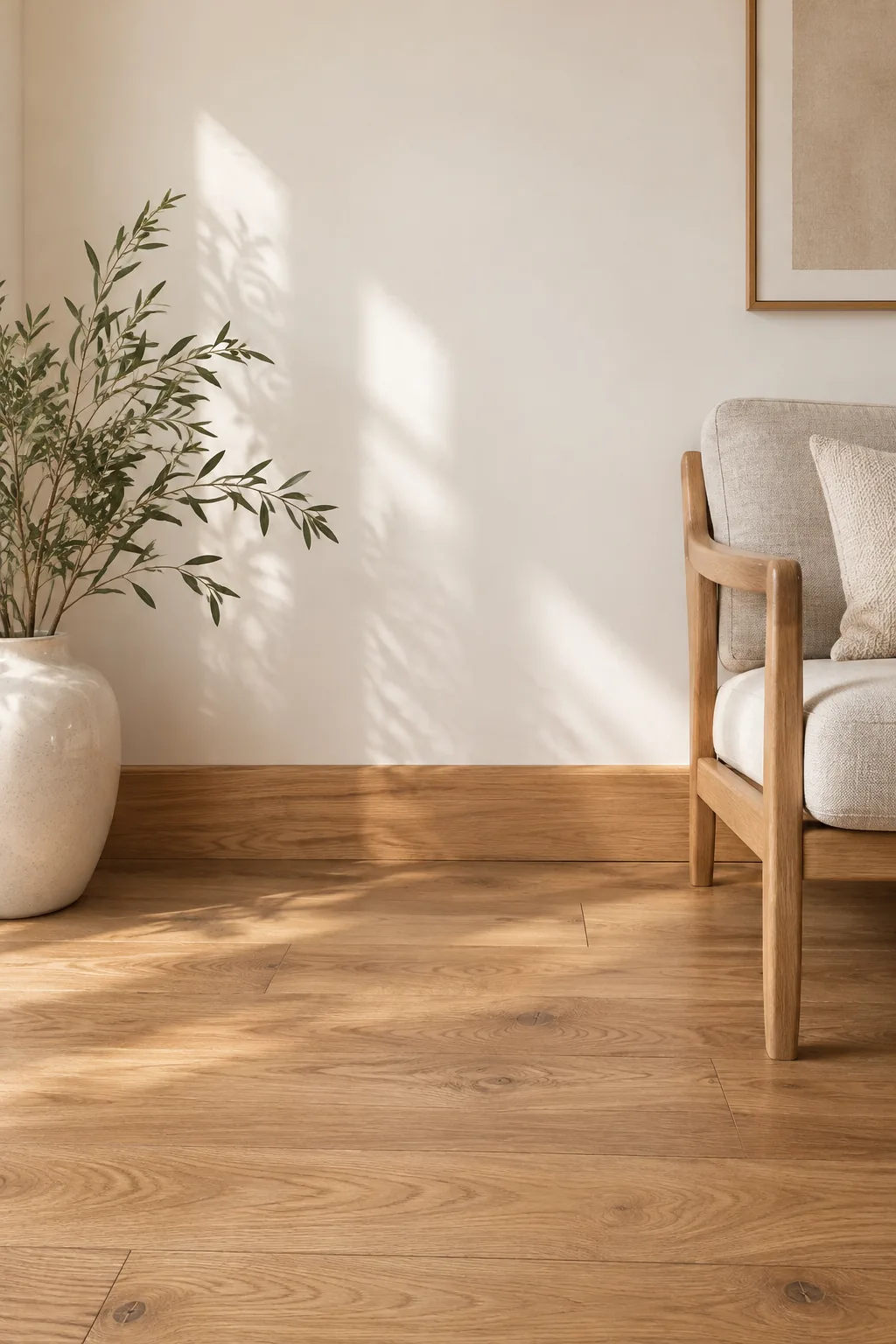
Matching your baseboards to your hardwood floors creates an illusion of a much wider room. Using natural wood trim in a warm oak tone allows the floor to visually extend up the wall by a few inches.
5. Layered Shoe Molding
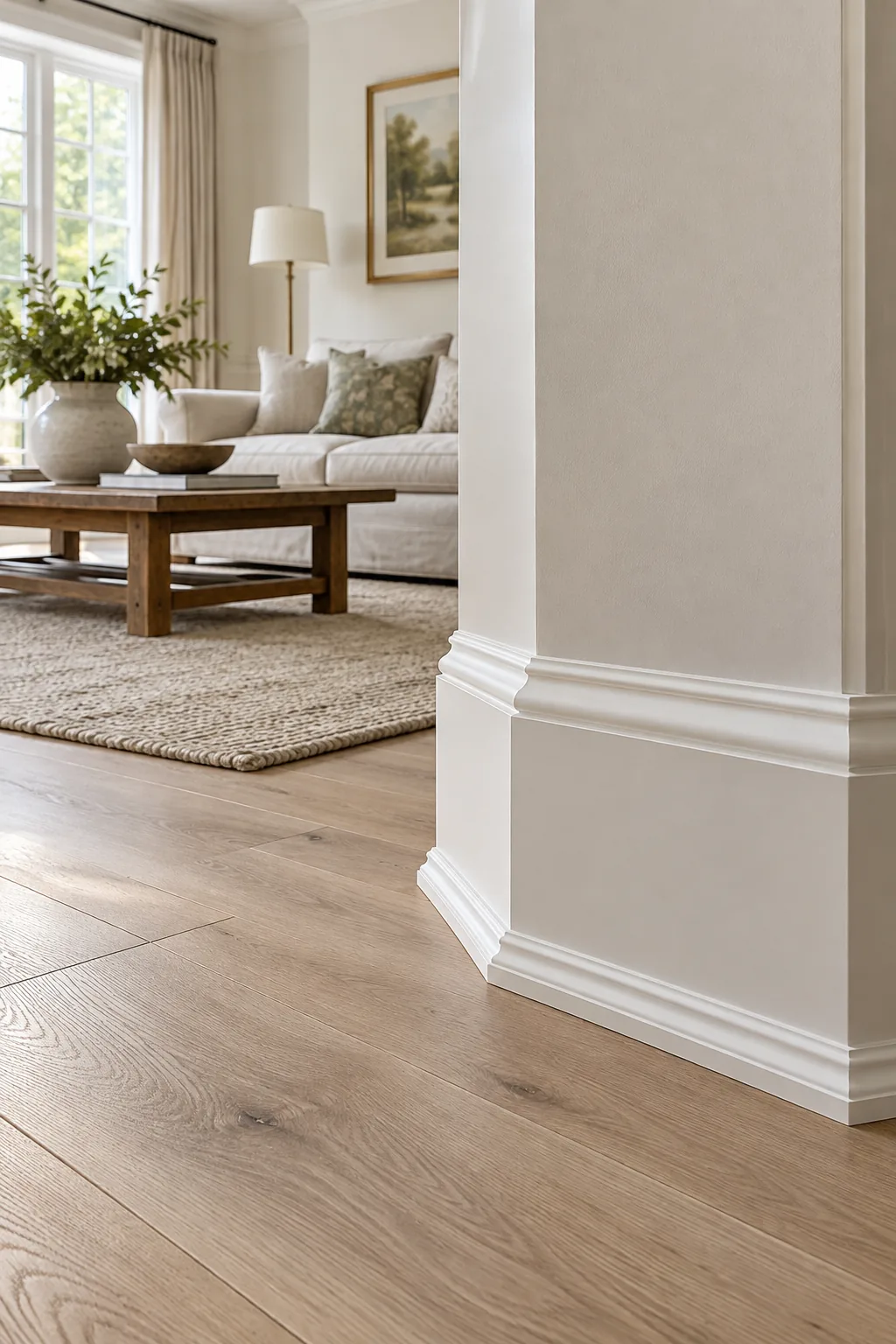
I used this layered look in my own living room last year.
Adding a slender shoe molding to the bottom of a chunky baseboard covers uneven flooring gaps perfectly. It also adds a subtle, traditional detail that makes the whole trim package look incredibly expensive. You can paint it to match the baseboard or stain it to match the floor.
6. Flexible Trim for Curves
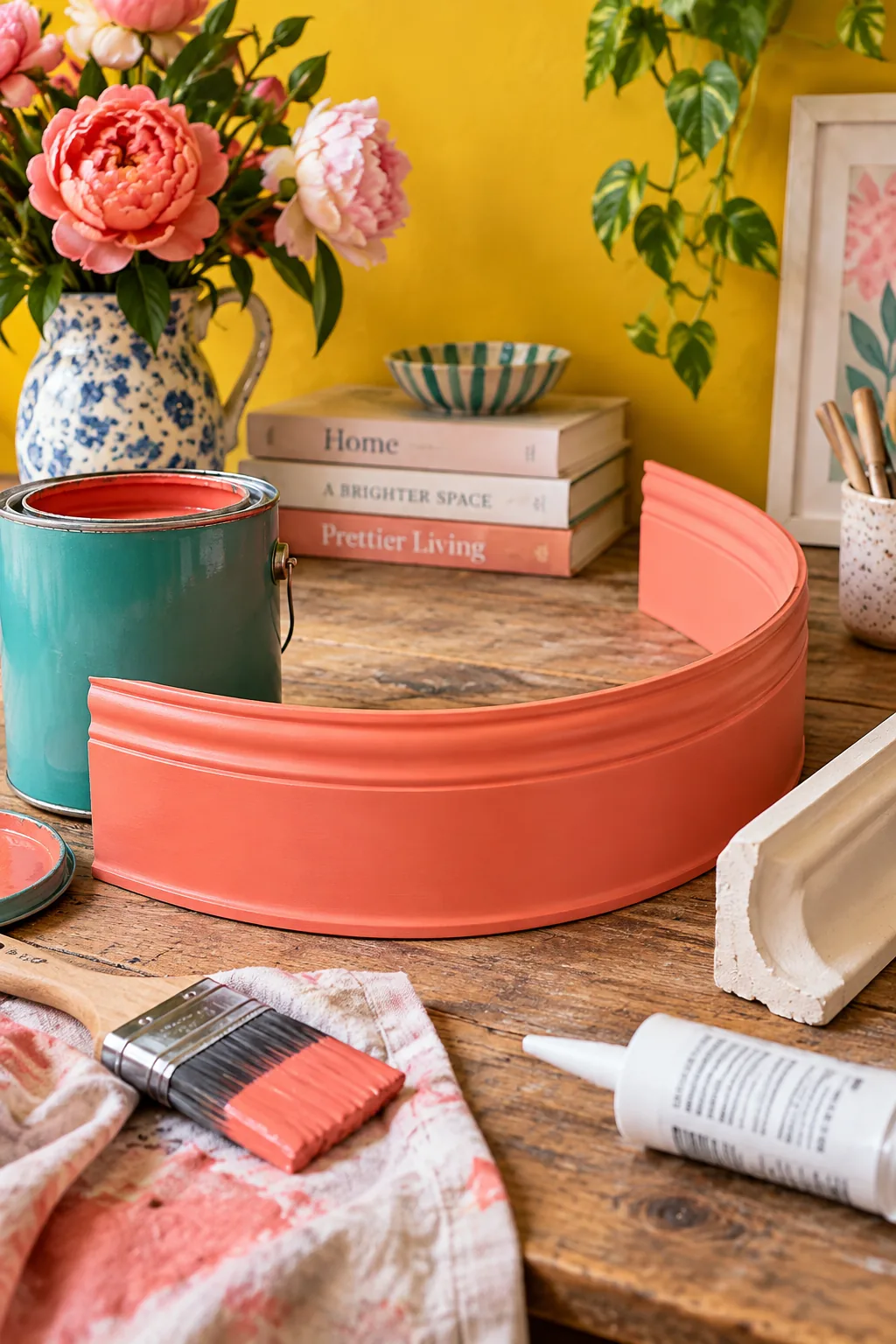
Use a flexible vinyl baseboard if you are dealing with curved walls or historic homes with uneven plaster. It bends easily around tight corners and takes paint just like real wood. You will save yourself hours of frustration trying to kerf-cut rigid MDF.
Just be sure to use a high-quality construction adhesive so it stays put.
7. Modern Flush Baseboards
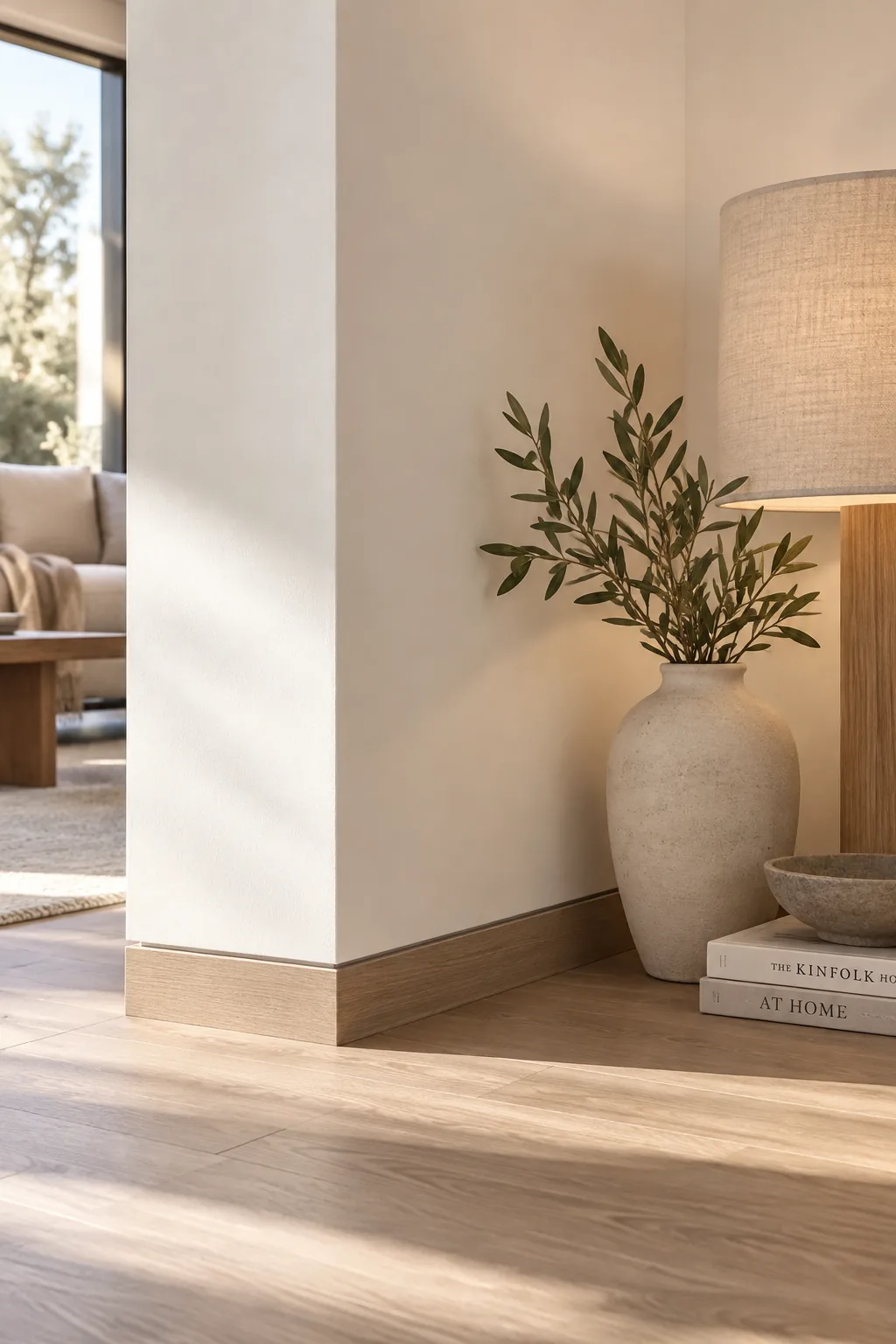
I recently fell in love with the look of completely flush baseboards. Instead of sitting on top of the drywall, the flush trim is installed directly in line with the wall surface. A tiny metal reveal bead separates the wood from the plaster, creating a crisp shadow line. It is a very labor-intensive process that requires precise drywall finishing. The resulting minimalist aesthetic is absolutely worth the extra effort.
8. Bold Contrasting Colors
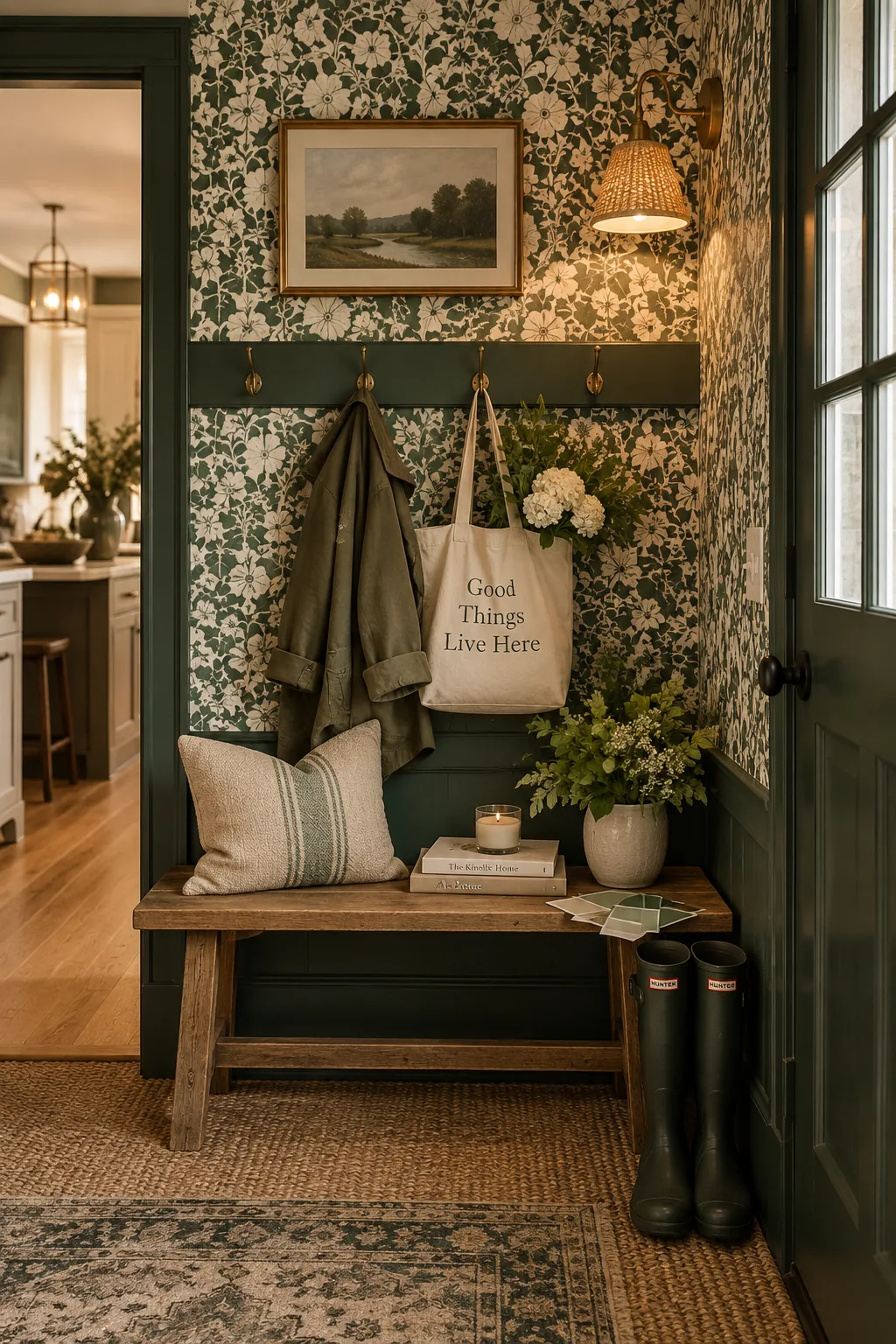
Going with a bold, contrasting color grounds the room and highlights your home's footprint. Contrasting painted trim works exceptionally well in transitional spaces like hallways or mudrooms.
You can pull a dominant hue from your wallpaper to tie the whole look together.
Try pulling these specific shades for a modern twist:
- Deep forest green
- Muted terracotta
- Slate blue
9. Built-Up Historic Profiles
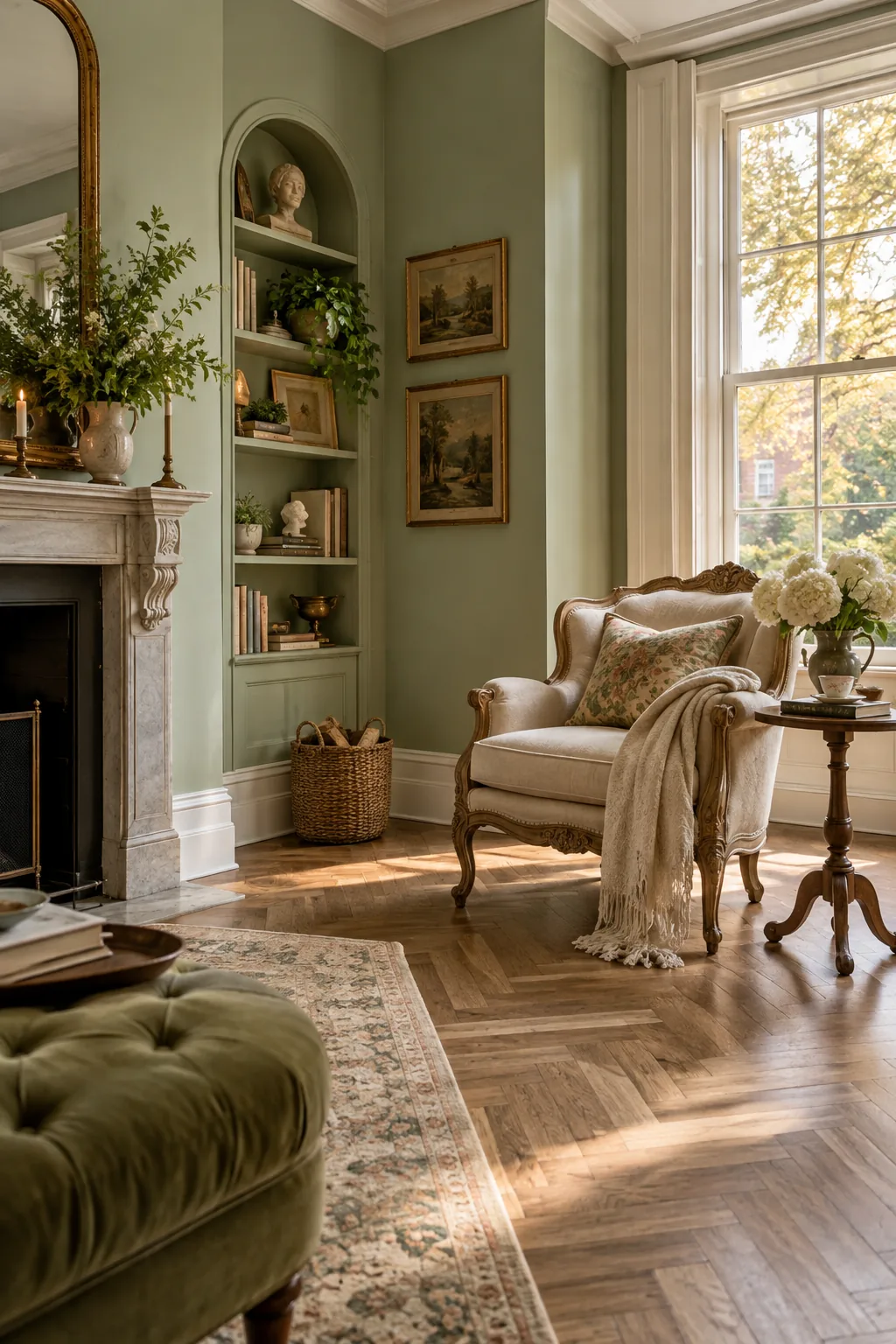
A highly ornate, historic look is easily achieved by stacking multiple pieces of molding. You can combine a standard flat board with a decorative base cap and a small quarter-round at the bottom. This built-up approach mimics the grand trim found in old Victorian homes.
It is a great way to use cheap materials to create a custom, high-end profile.
10. Classic Colonial Curves
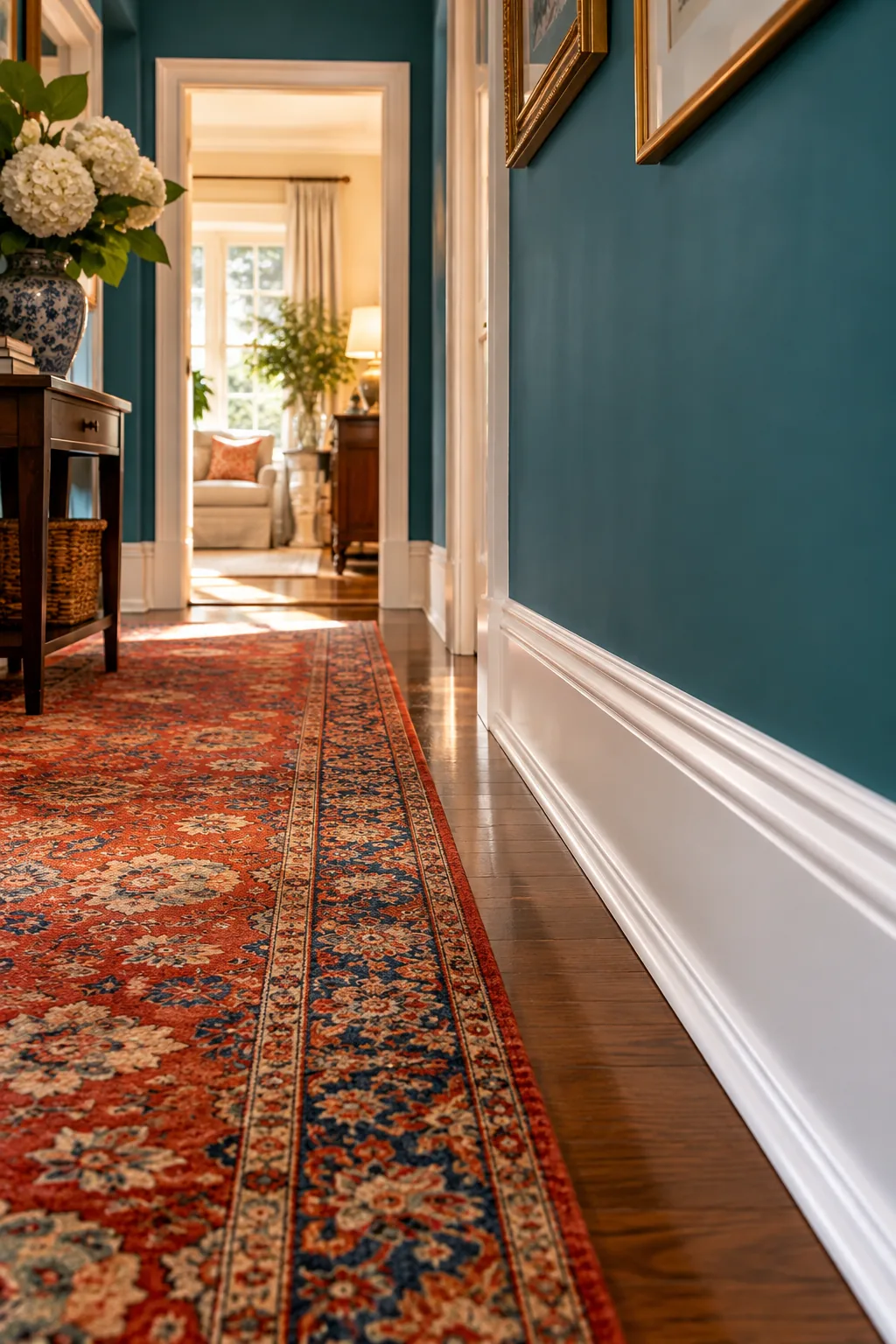
A six-inch colonial baseboard features an elegant, sweeping curve at the top that has been popular for over a century. This classic profile softens the transition between the floor and the wall in traditional homes.
11. Rustic Knotty Pine
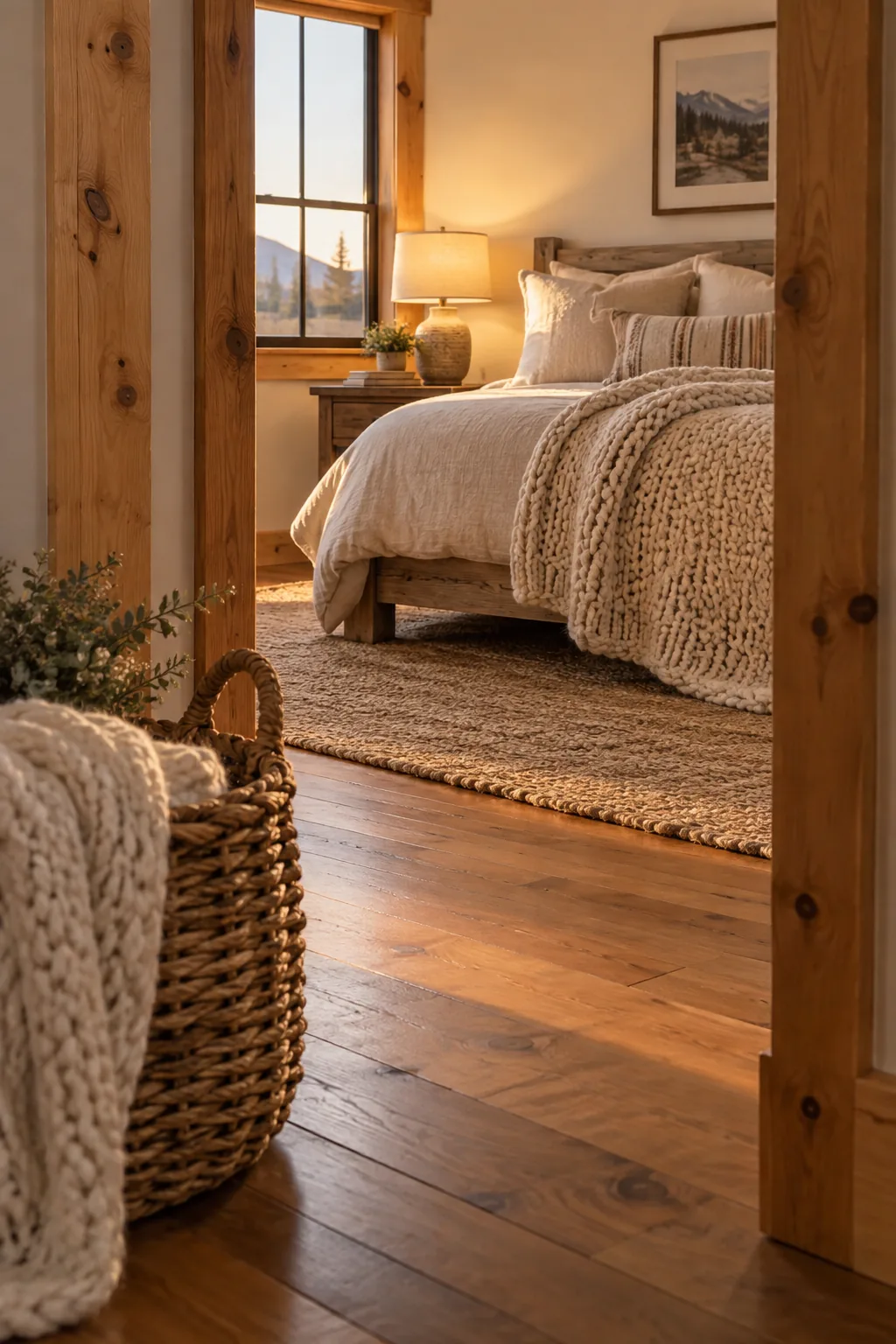
A rustic, cabin-inspired aesthetic relies heavily on raw materials and visible textures. Installing knotty pine baseboards brings a ton of warmth and natural character into a space. You can seal them with a clear matte finish to protect the wood without altering its organic color. This style pairs beautifully with neutral walls and woven textiles.
12. Practical Greige Semi-Gloss
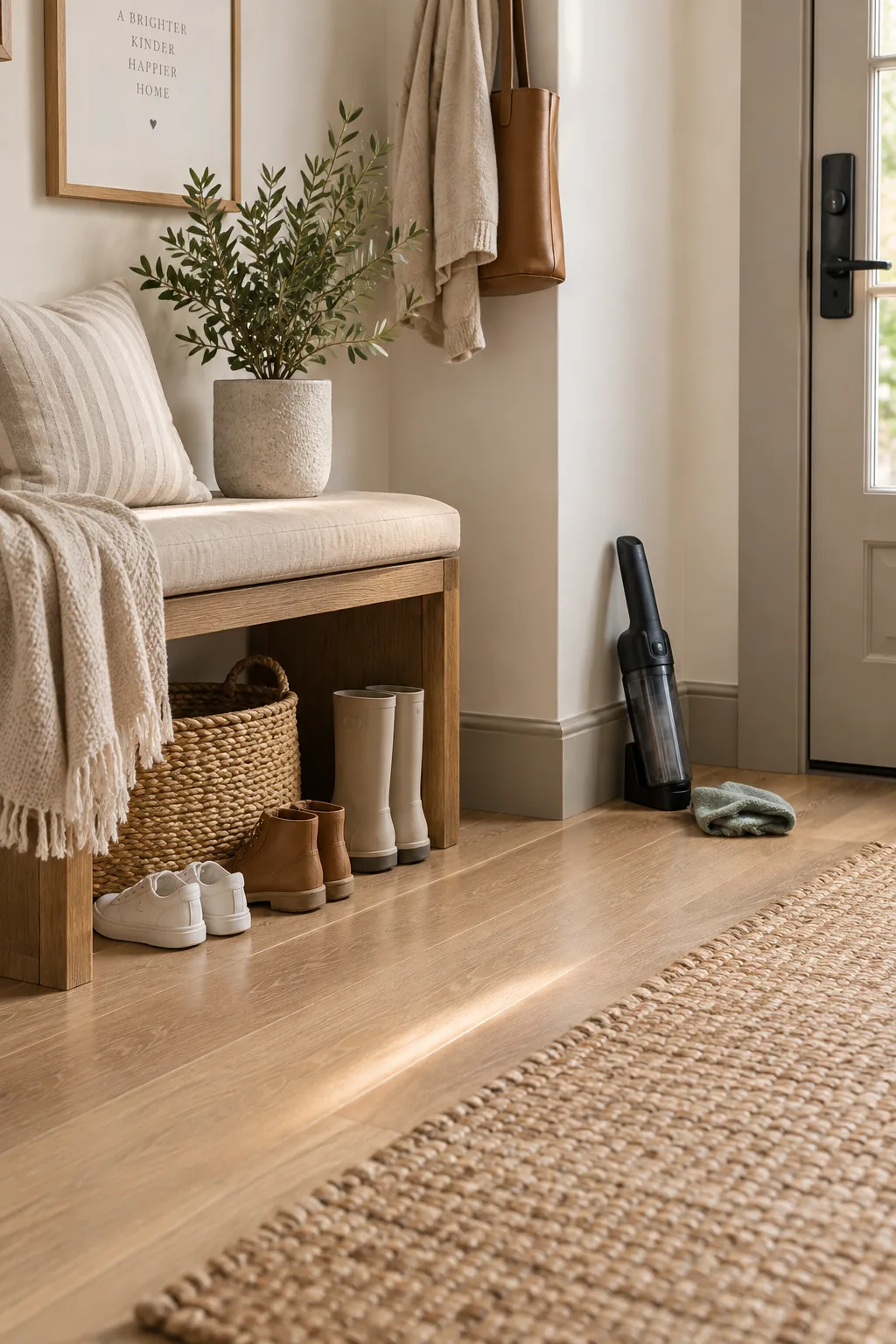
I often recommend this approach for busy family homes.
Installing scrubbable semi-gloss trim in a soft greige hides scuff marks from shoes and vacuum cleaners. The slight sheen makes it incredibly easy to wipe down with a damp cloth. It offers a softer contrast than stark white while remaining completely practical.