
15+ Easy Low Maintenance Small Rock Garden Ideas for Your Yard
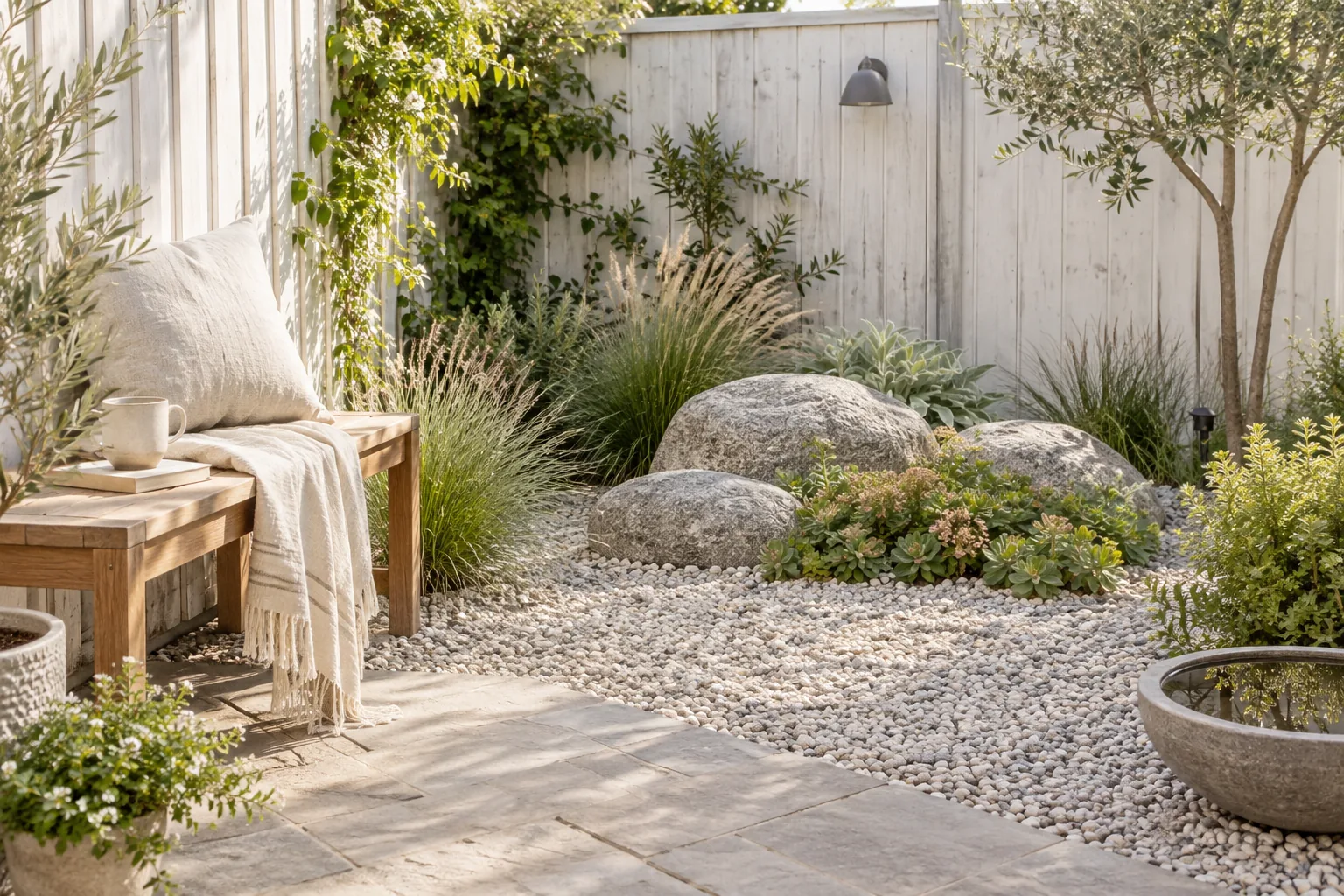
I finally tackled that awkward, dry patch in my side yard and realized a rock garden is the ultimate lazy-gardener hack. You get tons of texture and color without the constant watering and weeding.
1. Anchor with Boulders
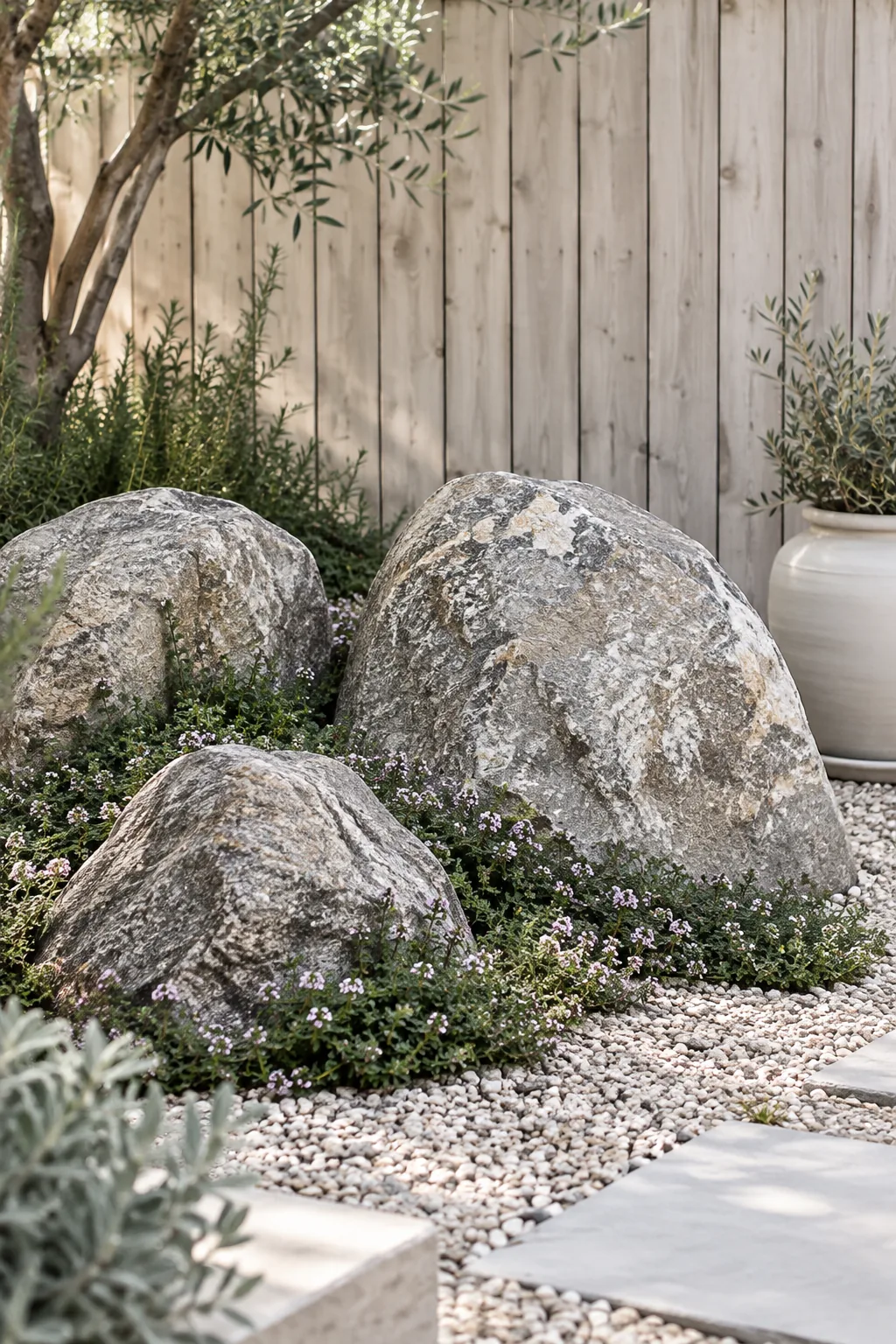
Three large boulders anchor this space better than a dozen small stones ever could. Burying the bottom third of your accent rocks makes them look like they naturally surfaced from the earth. I like to tuck a few creeping thymes right against the base to soften that hard edge. It gives the whole arrangement an instant, established feel.
2. Fill with Pea Gravel
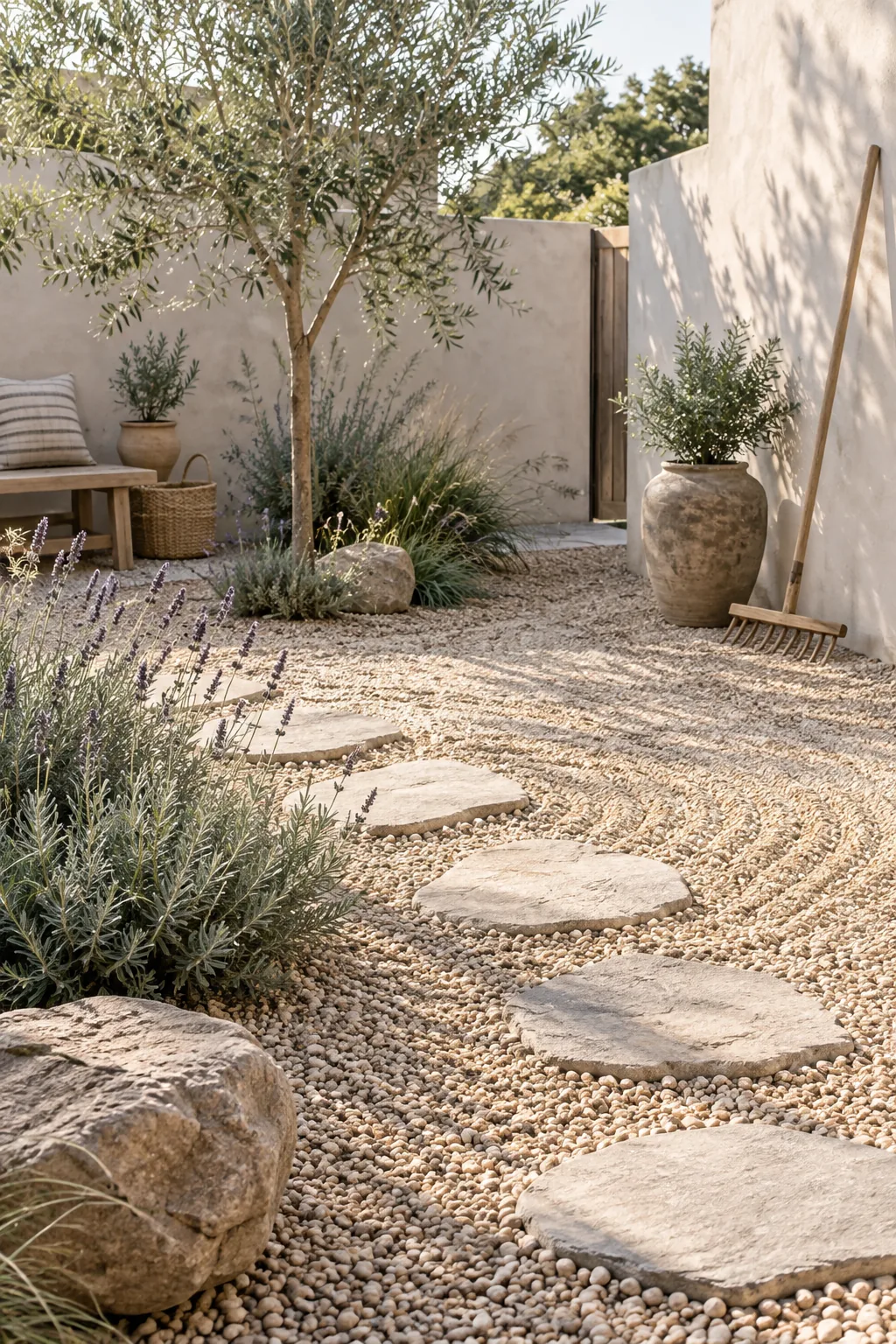
I always grab a bag of pea gravel for filling in the tight spots.
It creates a clean, uniform base that highlights your actual plants instead of competing with them. You can easily rake it smooth when stray leaves fall. Just make sure to lay down a heavy-duty weed barrier first.
- Pea gravel
- Heavy-duty weed barrier
- Metal edging
3. Group by Water Needs
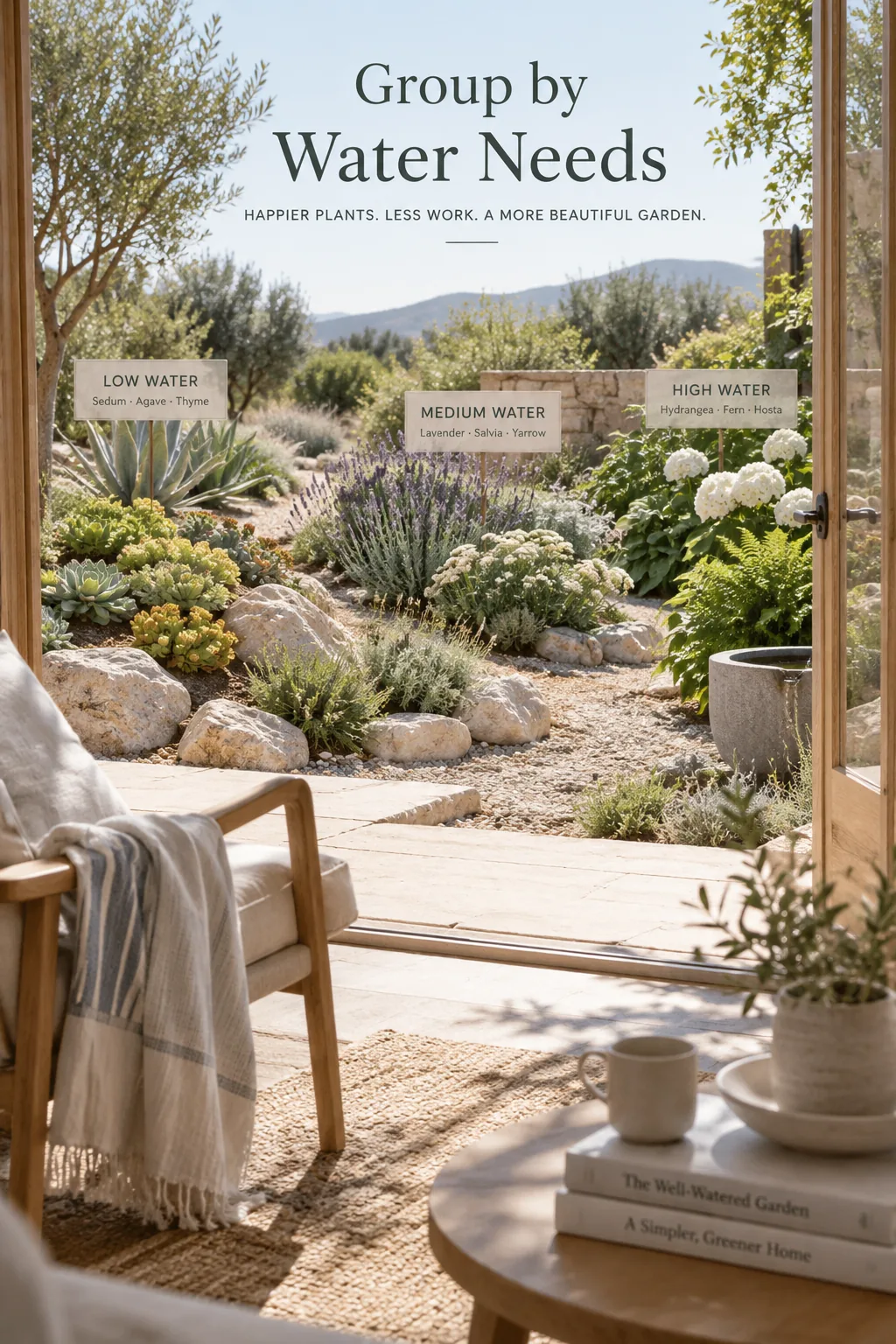
Grouping plants with identical water needs is the secret to keeping this setup truly hands-off. When you mix succulents with thirsty perennials, you end up hand-watering every other day. I stick entirely to drought-tolerant varieties like sedum and blue fescue grass. They thrive in the hot, reflected heat bouncing off the stones. You literally just plant them and let the rain do the rest.
4. Design a Dry Creek Bed
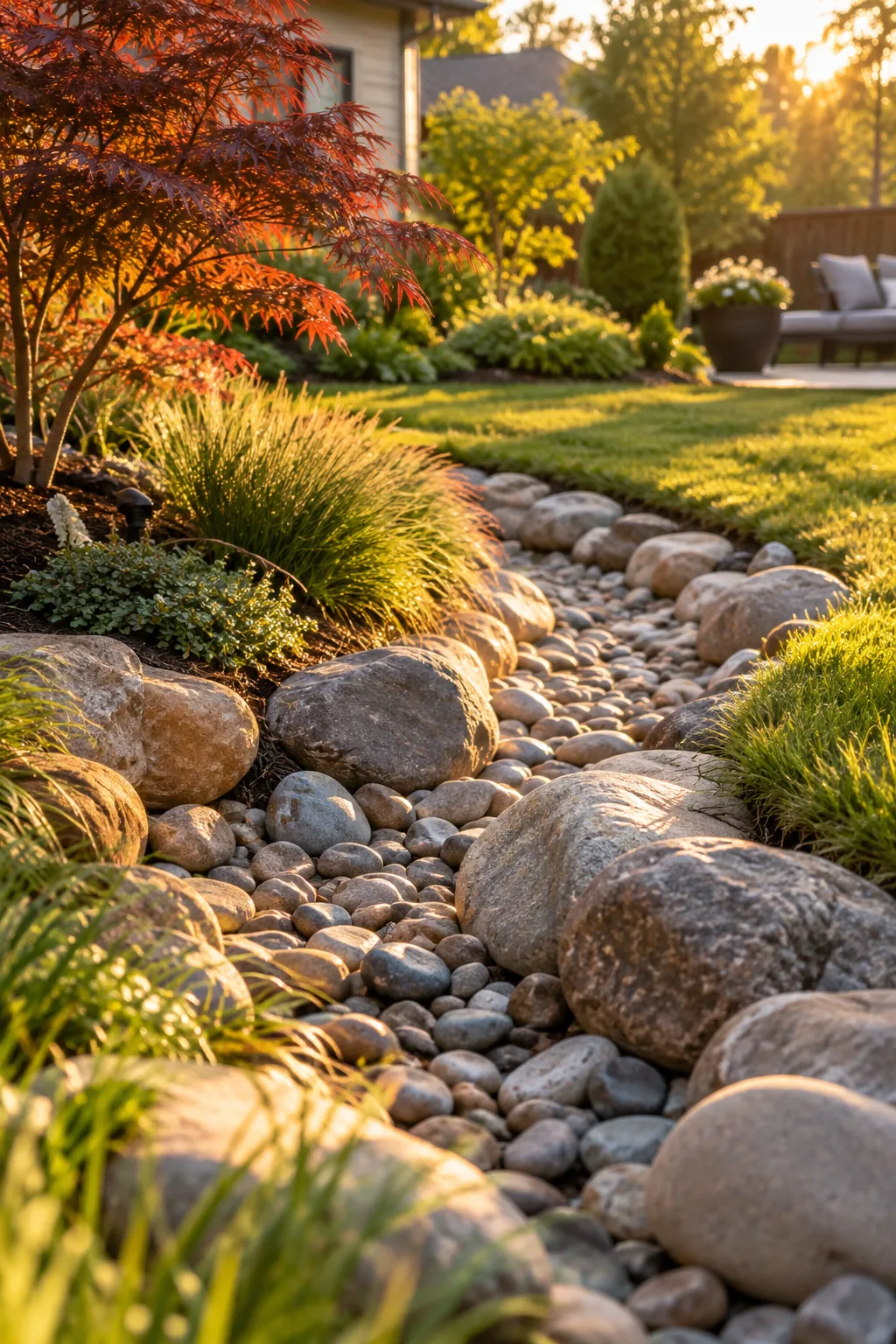
A dry creek bed aesthetic instantly gives a flat yard a sense of movement and purpose. You just dig a shallow trench, line it with river rock, and flank the edges with slightly larger cobblestones to mimic natural water flow.
5. Use Dark Stones for Heat
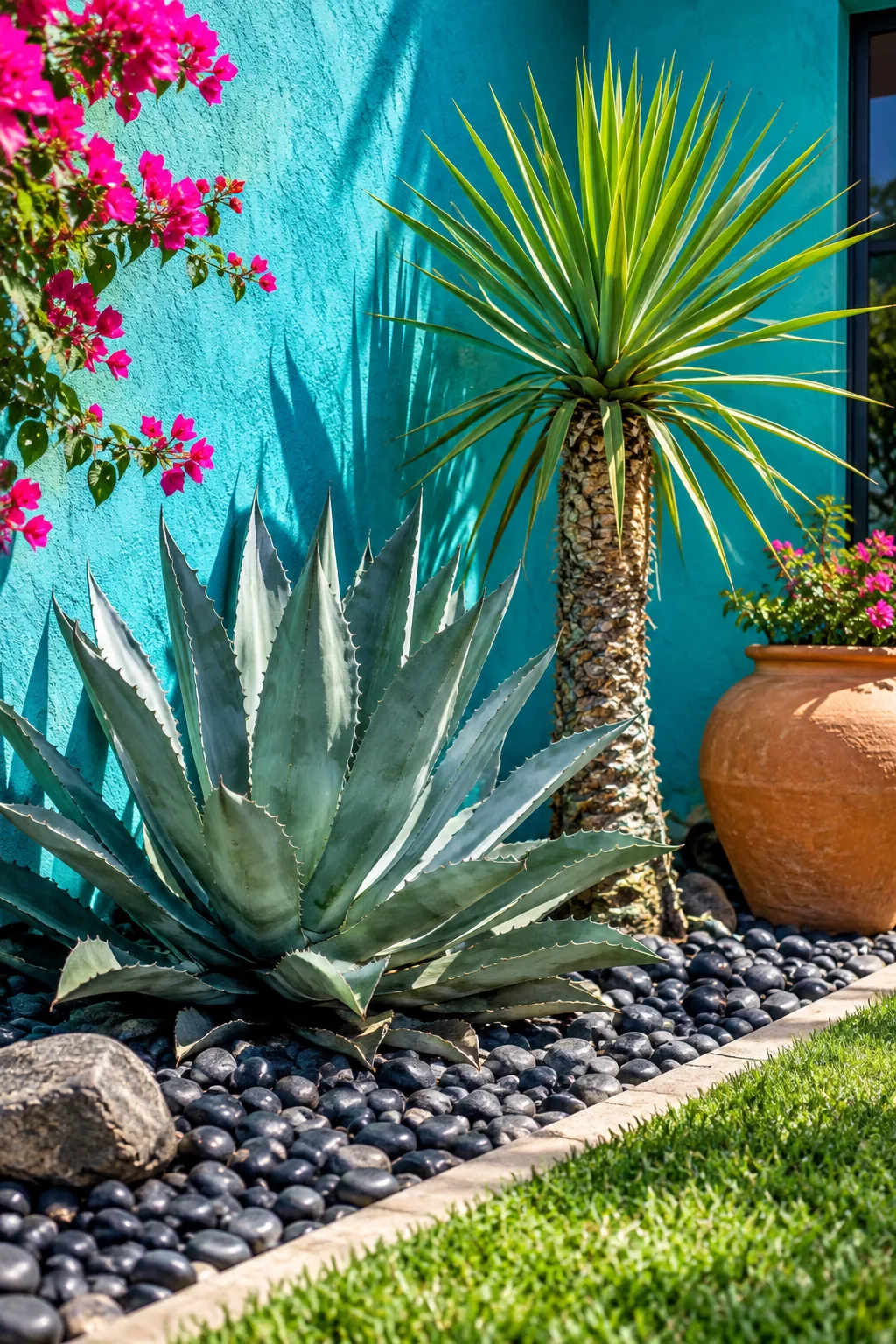
Darker stones absorb and hold heat way longer than light gravel. This makes black Mexican beach pebbles perfect for heat-loving agave and yucca plants. You get a stunning modern contrast between the dark ground and the bright green foliage.
Just avoid putting this mix right next to a delicate lawn.
- Black beach pebbles
- Agave plants
6. Vary Rock Sizes
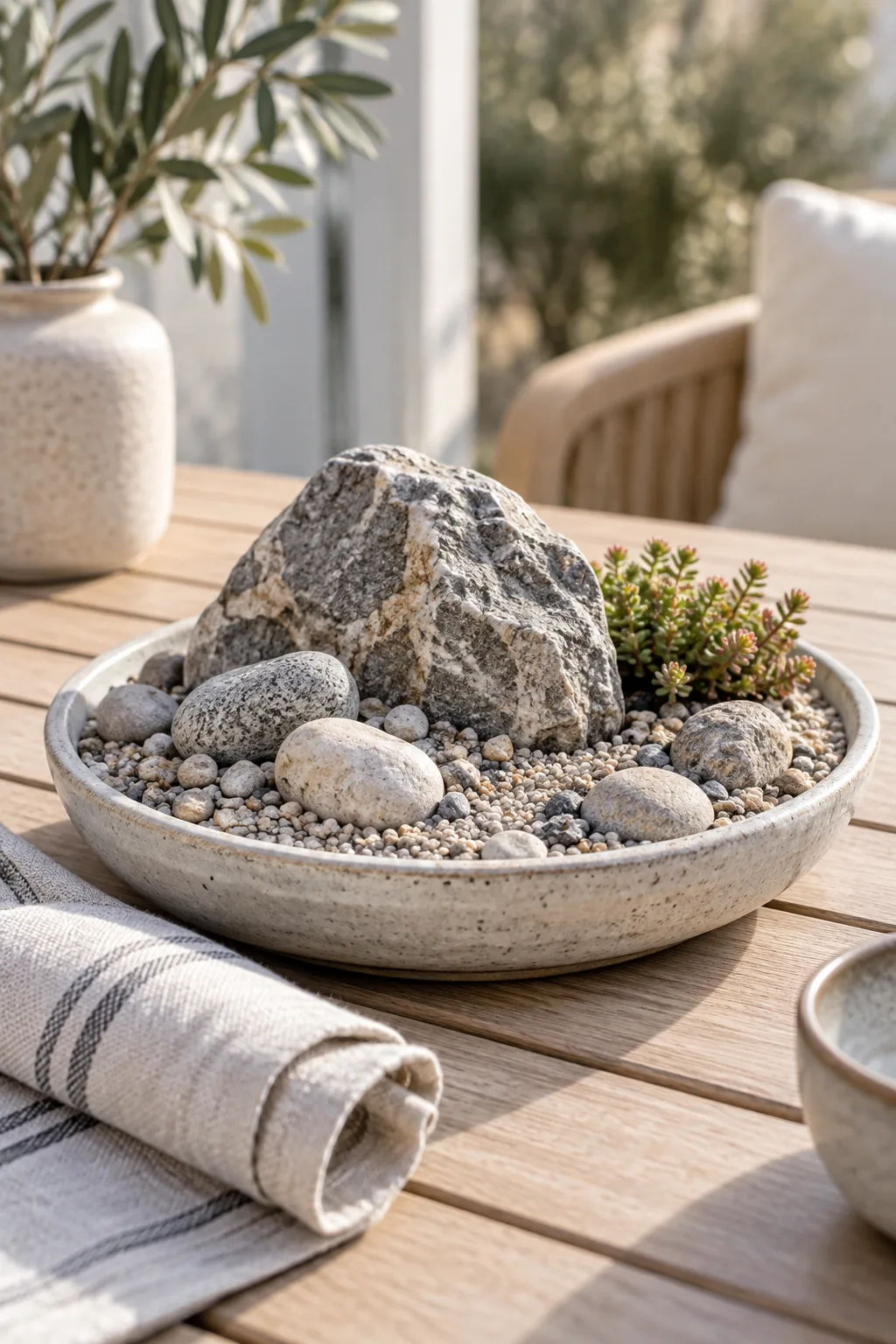
Always vary the sizes of your rocks to avoid a polka-dot effect. Using stones that are all exactly the same size looks artificial and rigid. I start with my largest statement boulders, fill in with medium cobblestones, and finish with a fine gravel mulch. This mimics how nature actually deposits rocks on a hillside. It takes a little more planning at the rock yard, but the result is so much more organic.
7. Create Elevation Changes
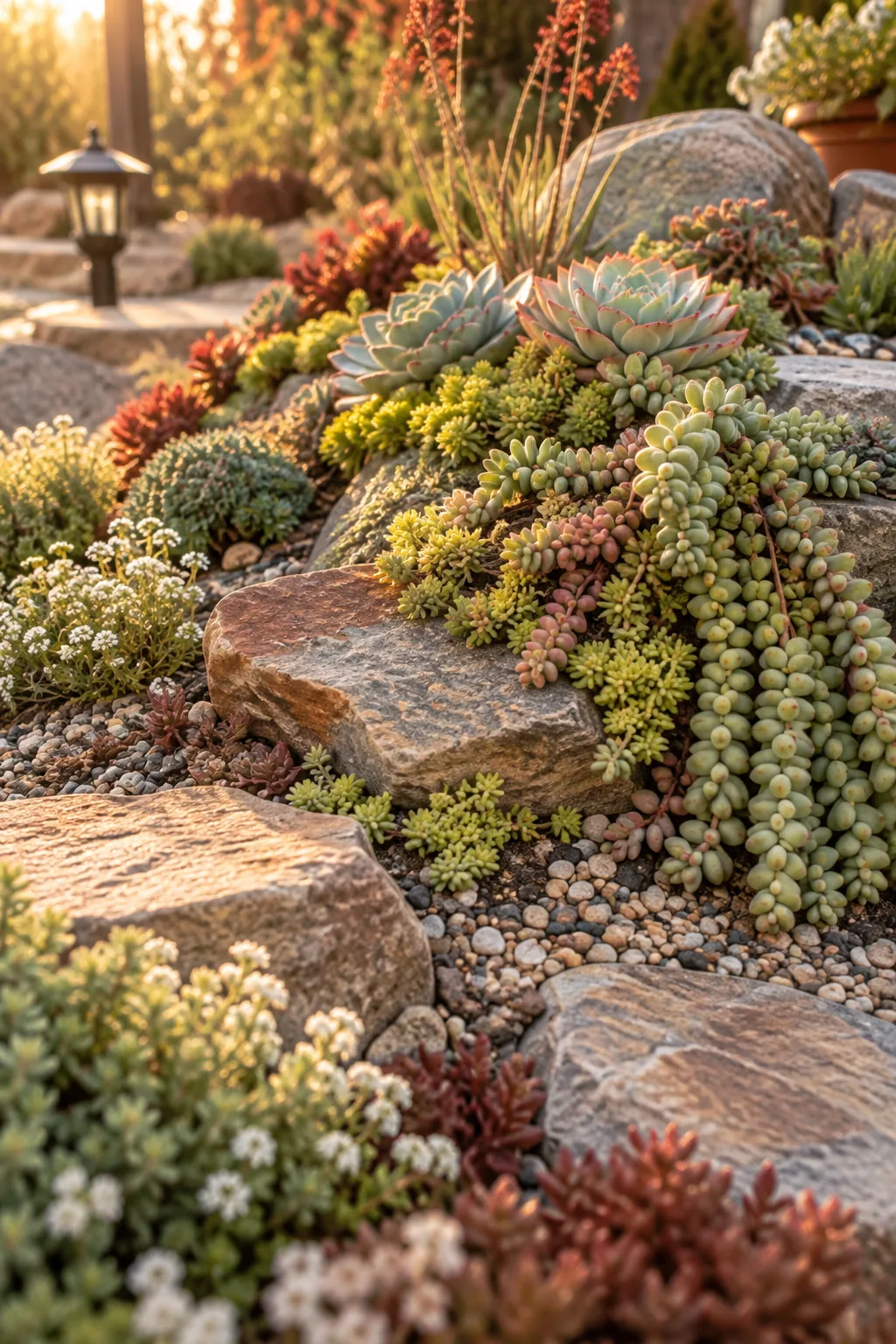
Creating slight elevation changes makes a tiny footprint feel twice as large. A flat patch of gravel can look like a parking strip, but mounding your soil creates visual depth. I build up the center about eight inches higher than the edges before placing my flagstone pieces. This natural slope shows off trailing plants beautifully as they spill downward. It also guarantees perfect drainage so your succulents never rot.
8. Lock Gravel with Crushed Granite
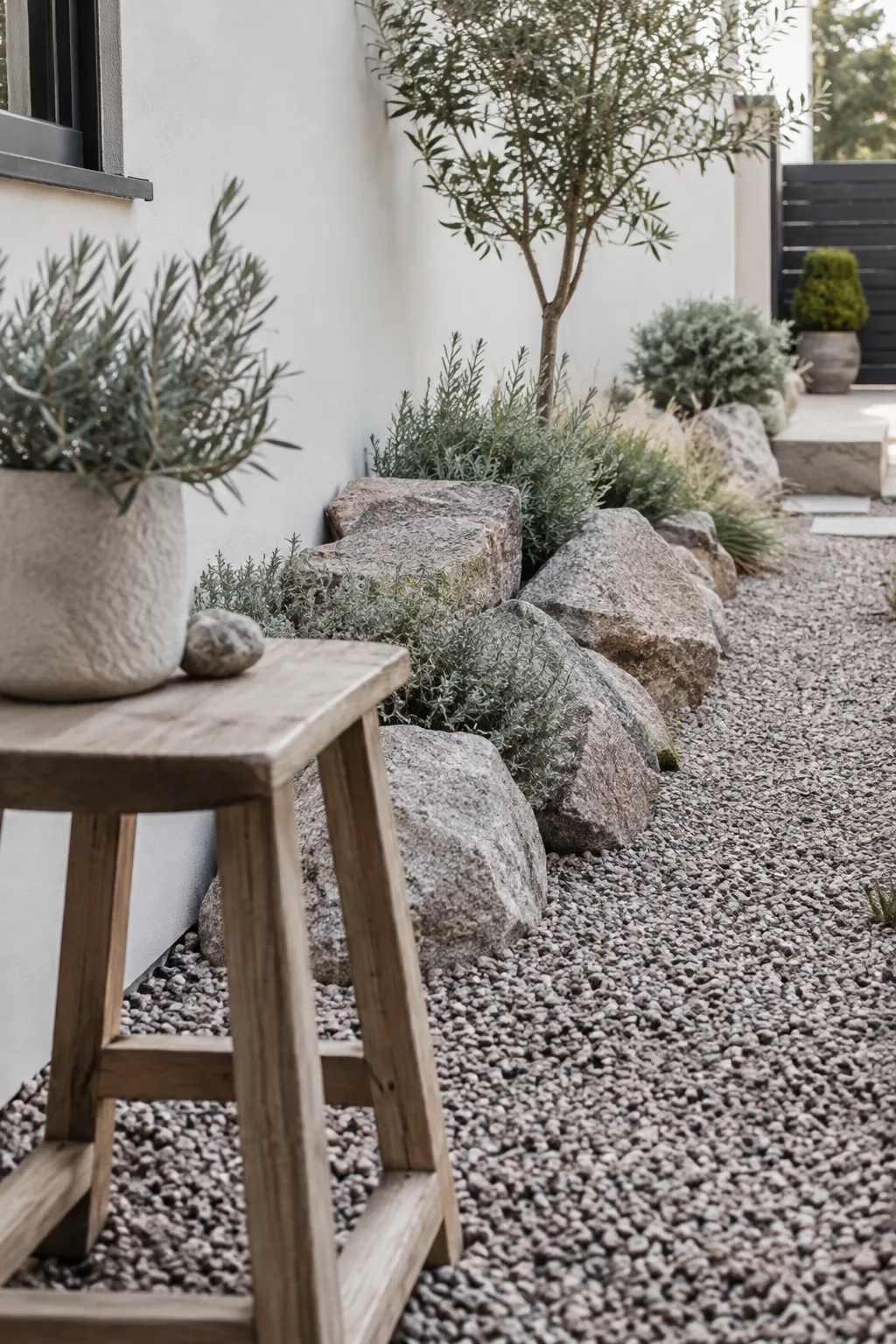
Weeds will still find a way to sprout in the dust that settles on top of your rocks.
A thick layer of crushed granite locks together tightly and leaves less room for seeds to take hold. It is much more stable underfoot than round gravel.
I hit the stray weeds with a quick spray of vinegar on hot days.
9. Stick to Monochrome Colors
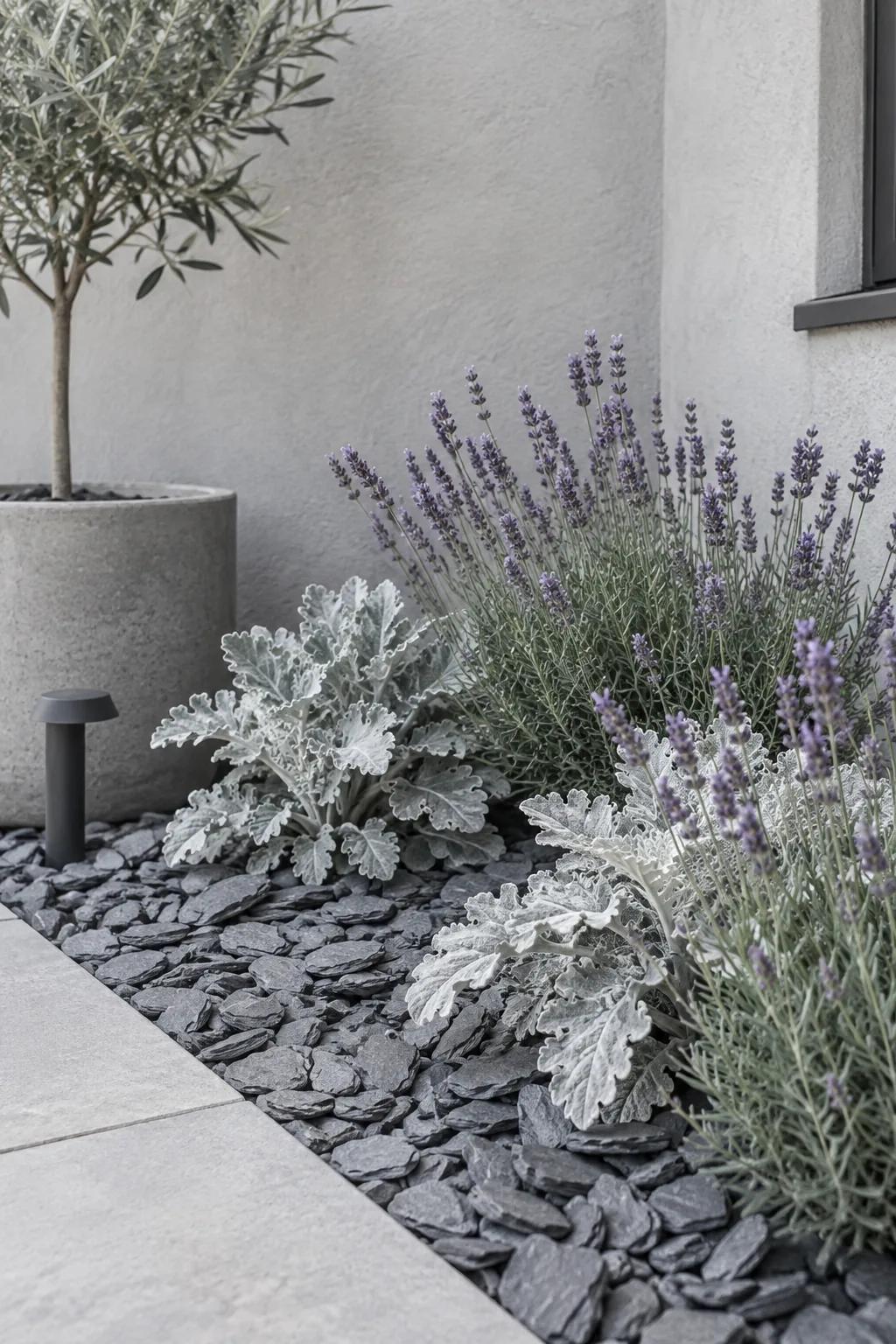
Using a monochromatic color palette for both rocks and plants keeps a small space from feeling chaotic. When you pair gray slate chips with silver-toned dusty miller or lavender, the whole bed looks incredibly chic and intentional. The textures do all the heavy lifting instead of competing colors. It is a brilliant trick for modern or minimalist exterior styles. Plus, it hides fading blooms really well between seasons.
10. Build a Zen Corner
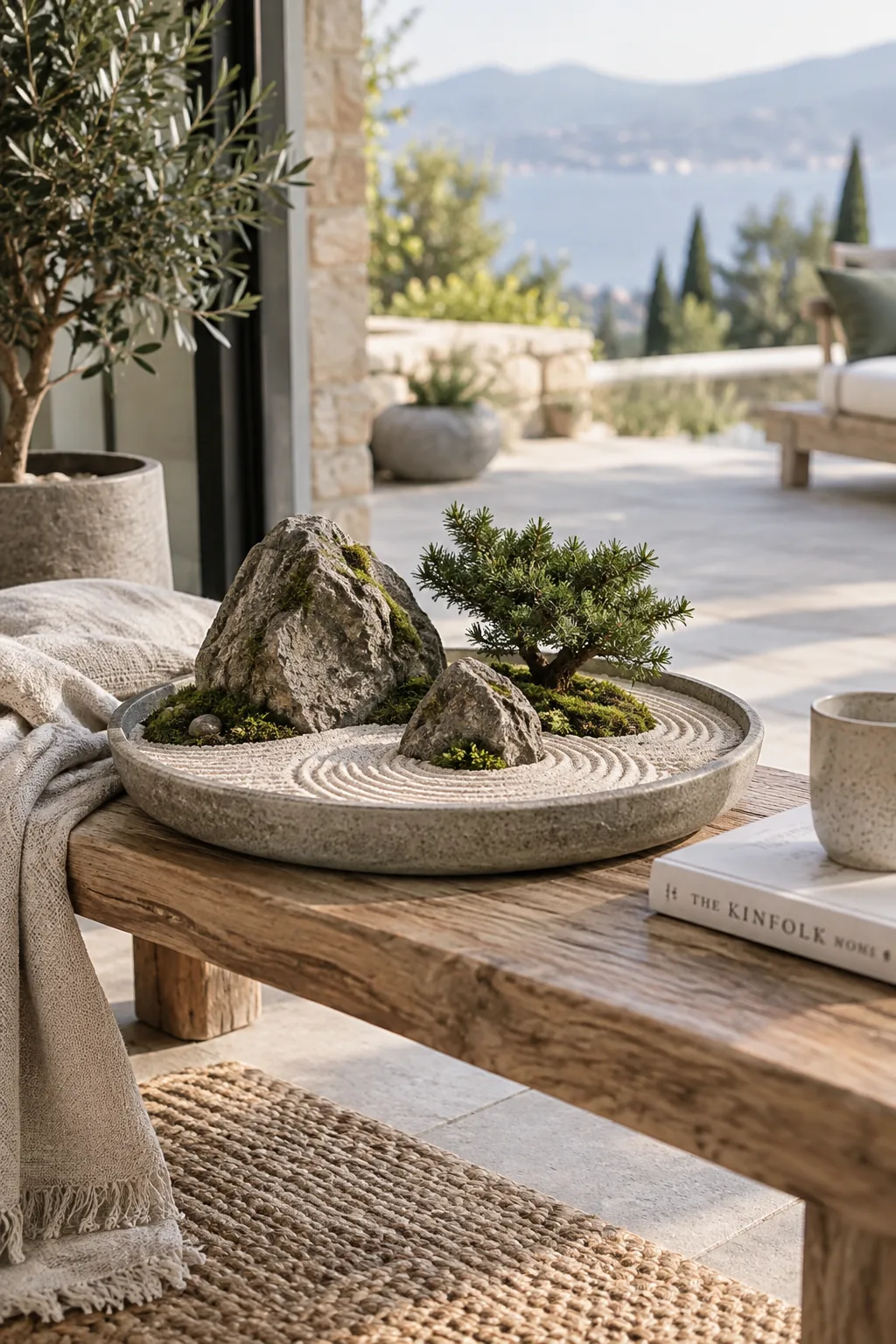
A Zen-inspired corner brings instant calm to an entryway or patio edge. The contrast of smooth, raked sand against a few rough, mossy rocks feels very deliberate. I like to add a single, structural dwarf evergreen to serve as the focal point.
- White sand or fine gravel
- Moss-covered rocks
- Dwarf mugo pine
11. Soften Edges with Groundcover
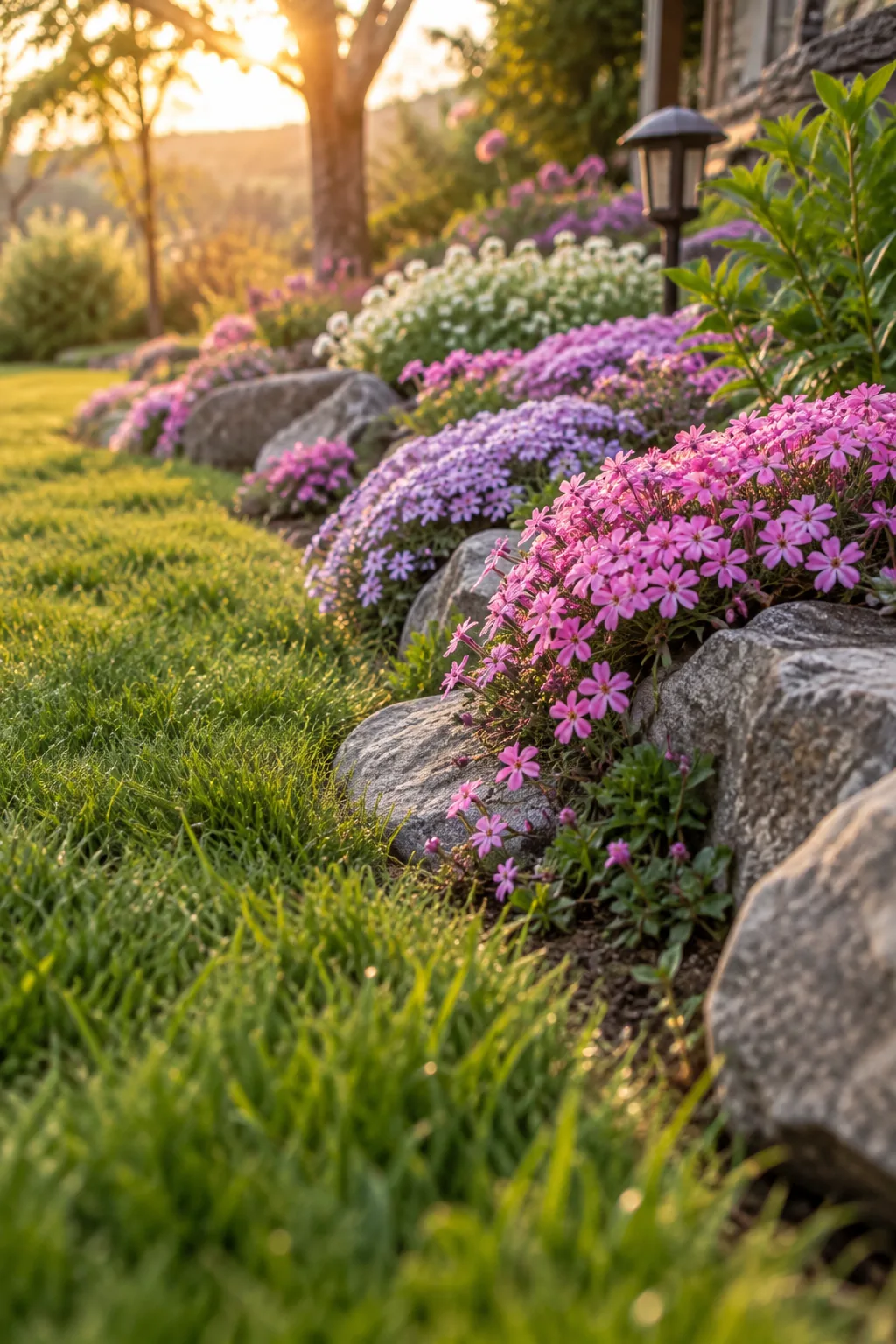
Letting creeping groundcovers spill over the hard edges bridges the gap between your lawn and the rock bed. Plants like creeping phlox root themselves right into the shallow soil pockets between the stones.
- Creeping phlox
- Stonecrop sedum
12. Swap Wood Mulch for Rocks
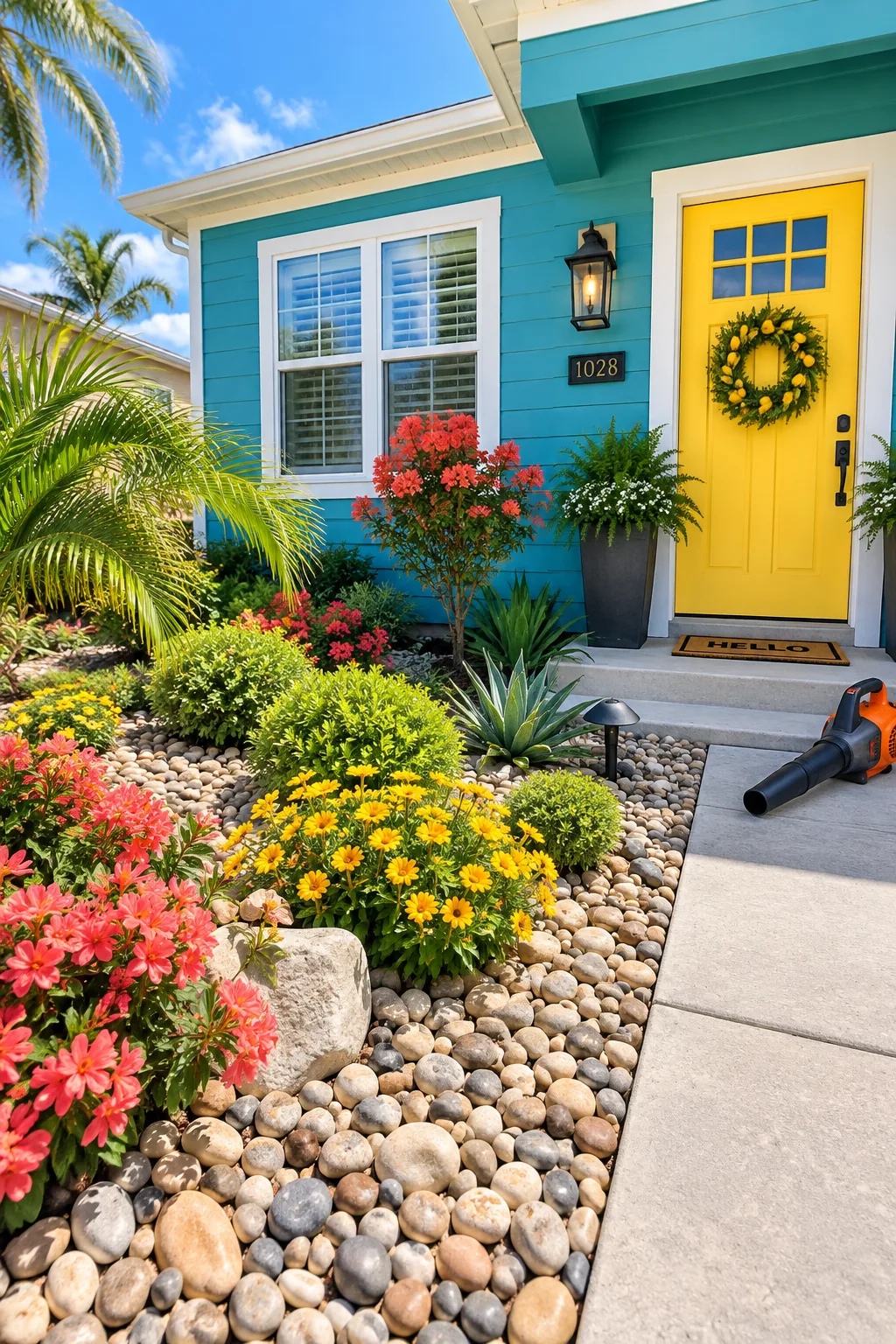
A two-inch layer of rock mulch drastically reduces water evaporation during the summer. I swapped the wood chips in my front foundation bed for river rock and noticed a huge difference in soil moisture. Wood mulch eventually breaks down and needs replacing every spring. Rocks are a one-and-done investment that pays for itself in a single season. You just hit them with a leaf blower in the fall to keep them looking pristine.
13. Add Geometric Pavers
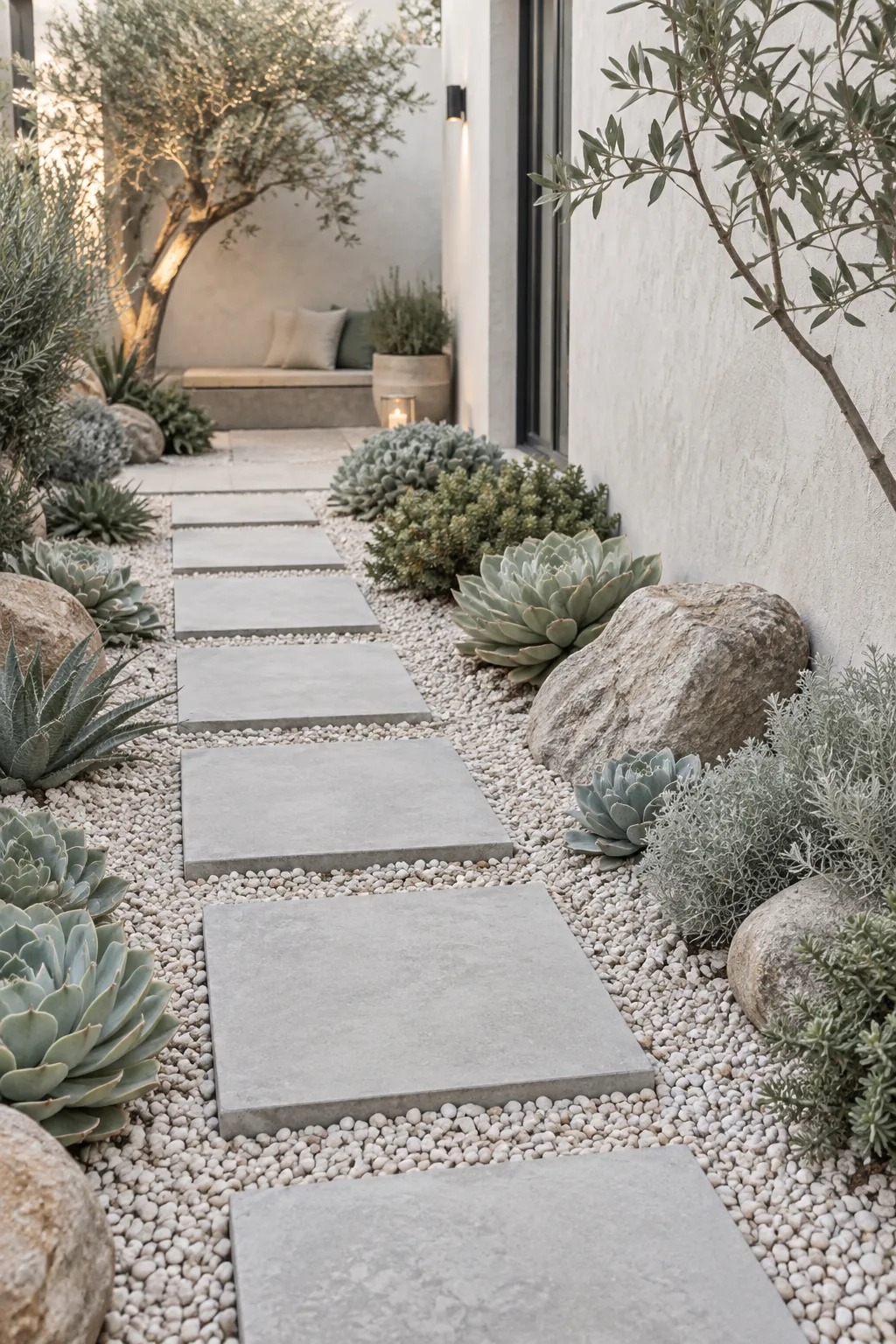
Square pavers set into a bed of contrasting gravel create a clean, geometric pathway through the garden. The sharp angles of the concrete play off the organic shapes of your succulent clusters perfectly.
- Square concrete pavers
- Dark contrasting gravel
- Hens and chicks succulents
14. Stack Rocks for Alpine Plants
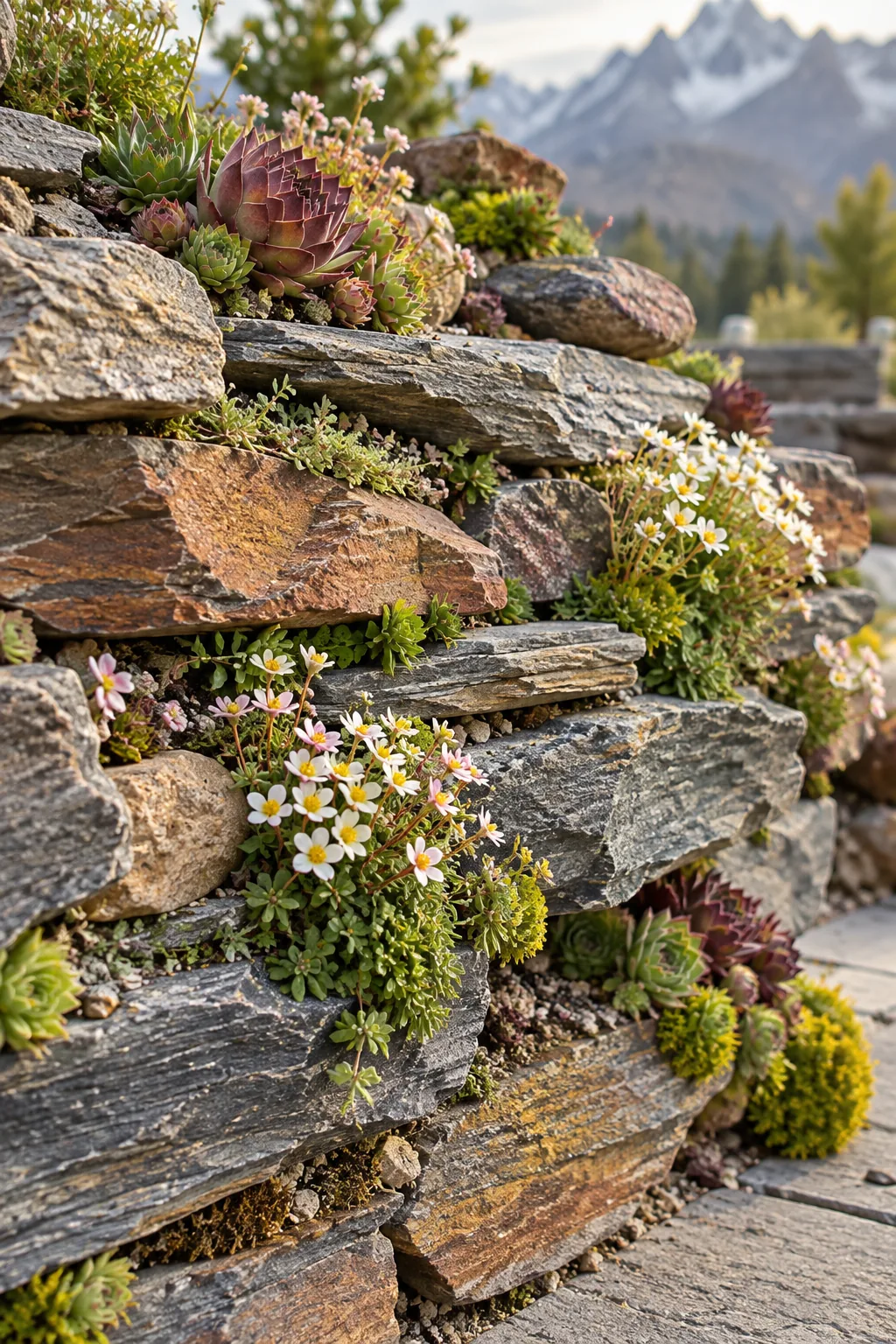
A rustic alpine look brings a touch of the mountains right to your suburban backyard.
Stacking flat pieces of slate or sandstone creates tiny crevices that alpine plants absolutely love. They thrive in those tight, fast-draining spots where nothing else will grow.
Why it works: The stacked stones act as a natural retaining wall while providing deep, cool pockets for delicate root systems.
15. Prep the Soil for Drainage
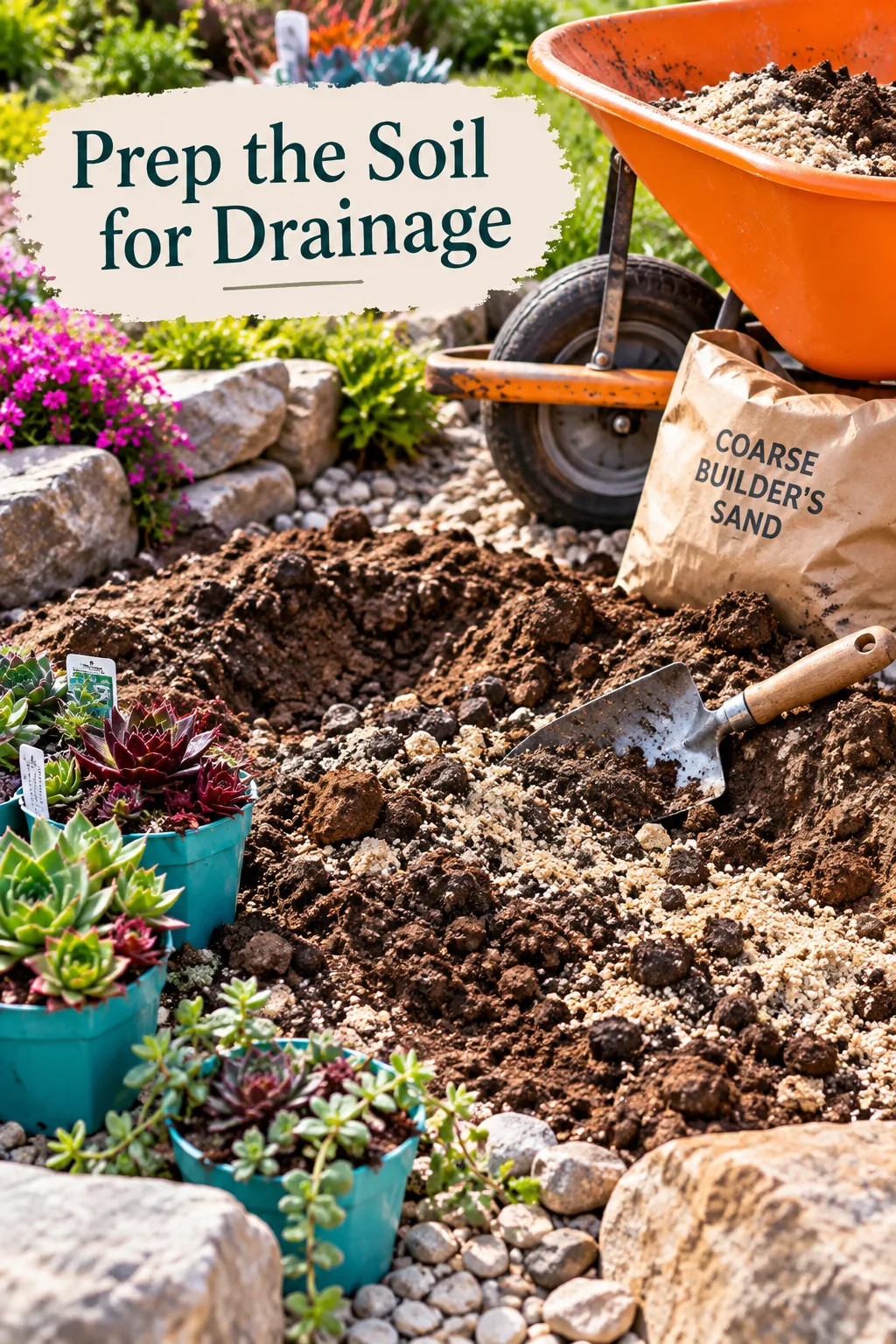
Ninety percent of rock garden failures happen because the soil underneath doesn't drain fast enough. I always dig out a few inches of heavy clay and mix in coarse builder's sand before laying any fabric. This simple prep step stops winter rain from turning your beautiful rock bed into a swamp. Your hardy succulents will actually survive the freeze when their roots aren't sitting in ice water. It is dirty work up front, but it guarantees a zero-maintenance future.
16. Embrace a Desert Vibe
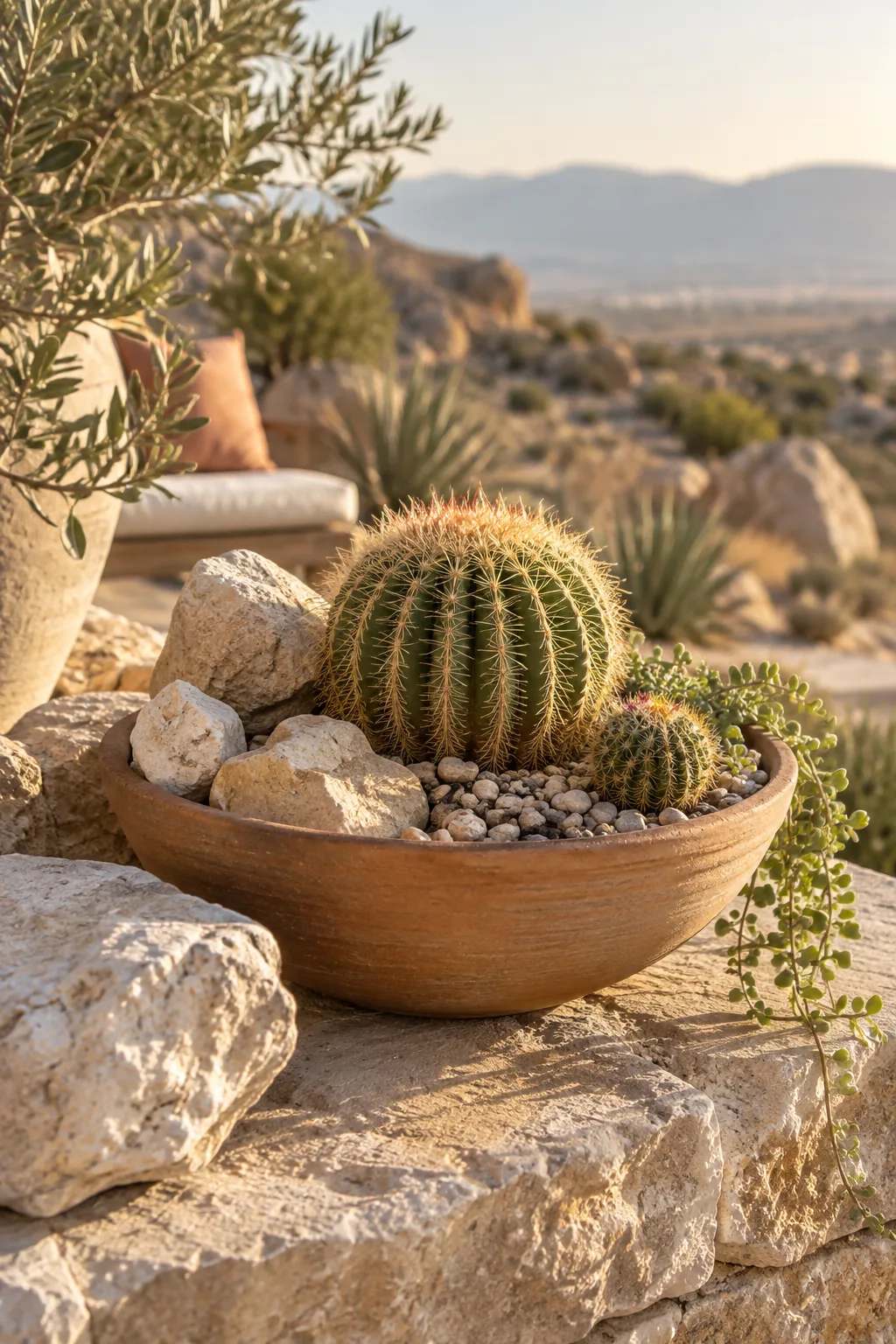
A desert oasis vibe turns a blazing hot corner into a striking landscape feature. Pairing pale limestone chunks with architectural plants like barrel cactus makes the most of a spot that gets baked by the afternoon sun.