
15+ Modern Horizontal Fence Ideas for Your Yard
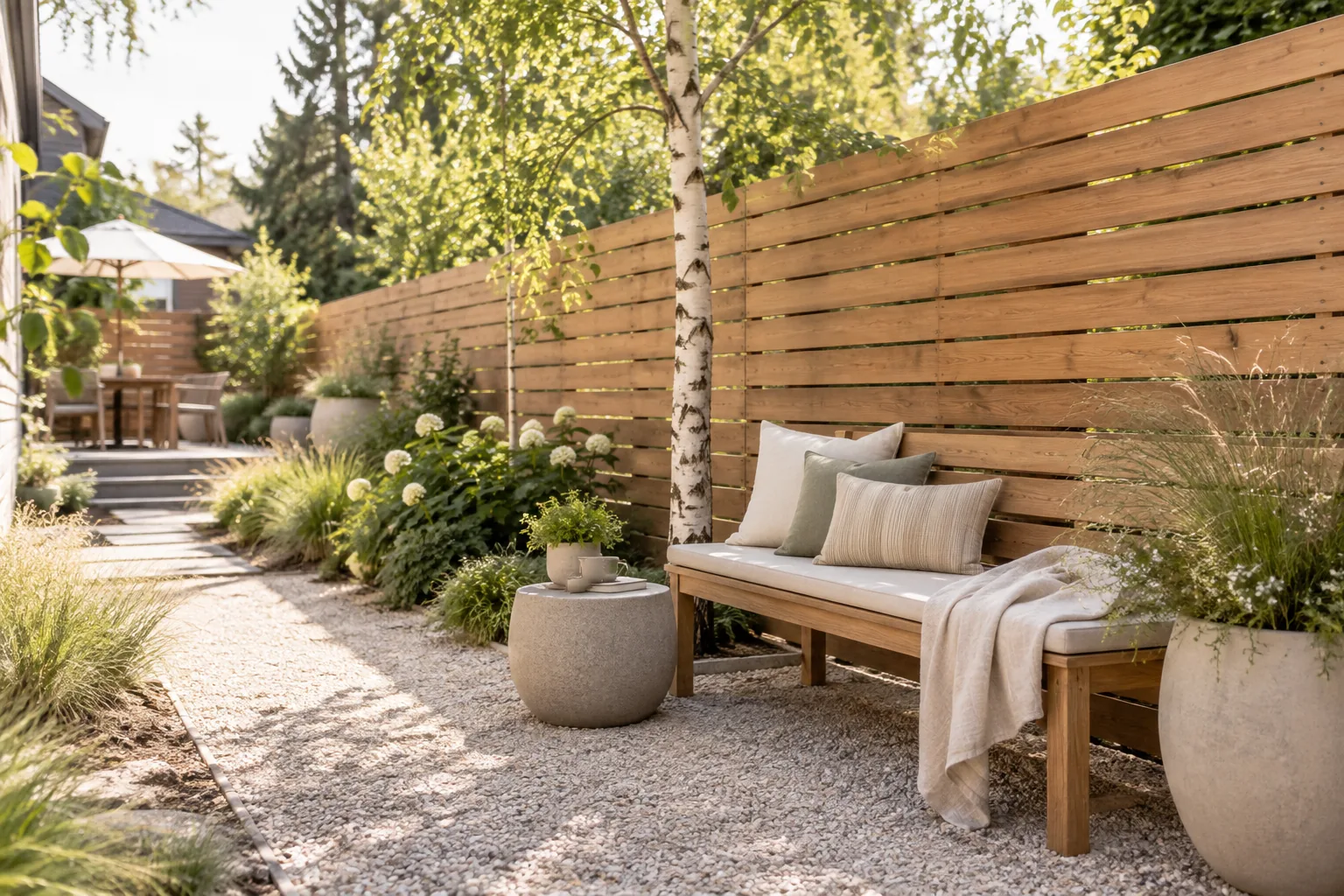
A horizontal fence instantly modernizes your yard and makes the whole space feel wider. I pulled together my favorite builds to show you exactly how different wood tones, slat gaps, and post styles change the entire look.
1. Seamless Continuous Cedar
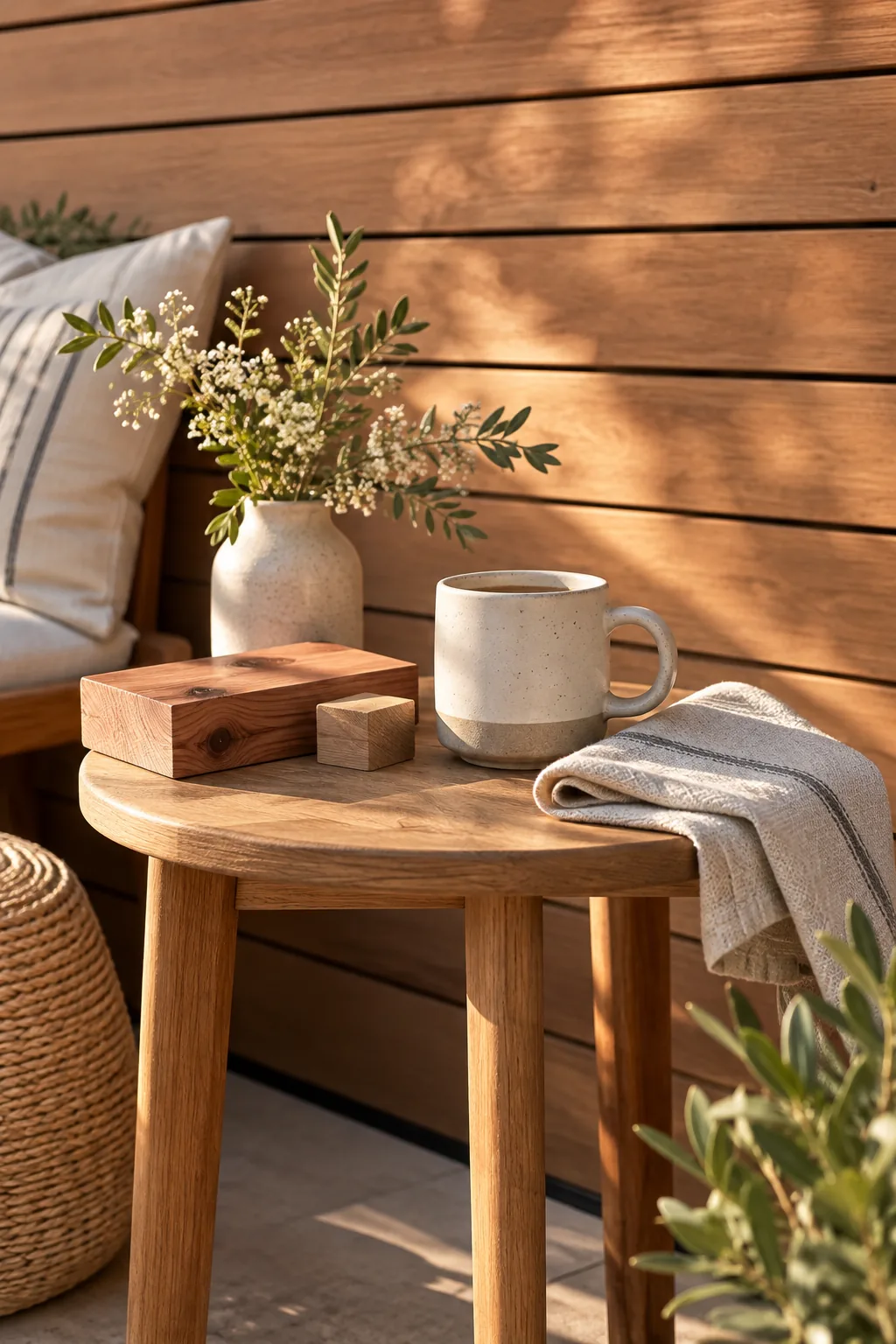
A seamless, continuous line of wood gives your yard a high-end resort feel. You get this look by attaching cedar planks directly over the posts so the vertical supports disappear completely. It requires incredibly straight lumber to keep those horizontal lines perfectly parallel across a long stretch. I recommend using a spacer block during installation to keep the gaps identical from top to bottom. The finished product feels incredibly sleek and makes a small patio area look massive.
2. Wood and Steel Mix
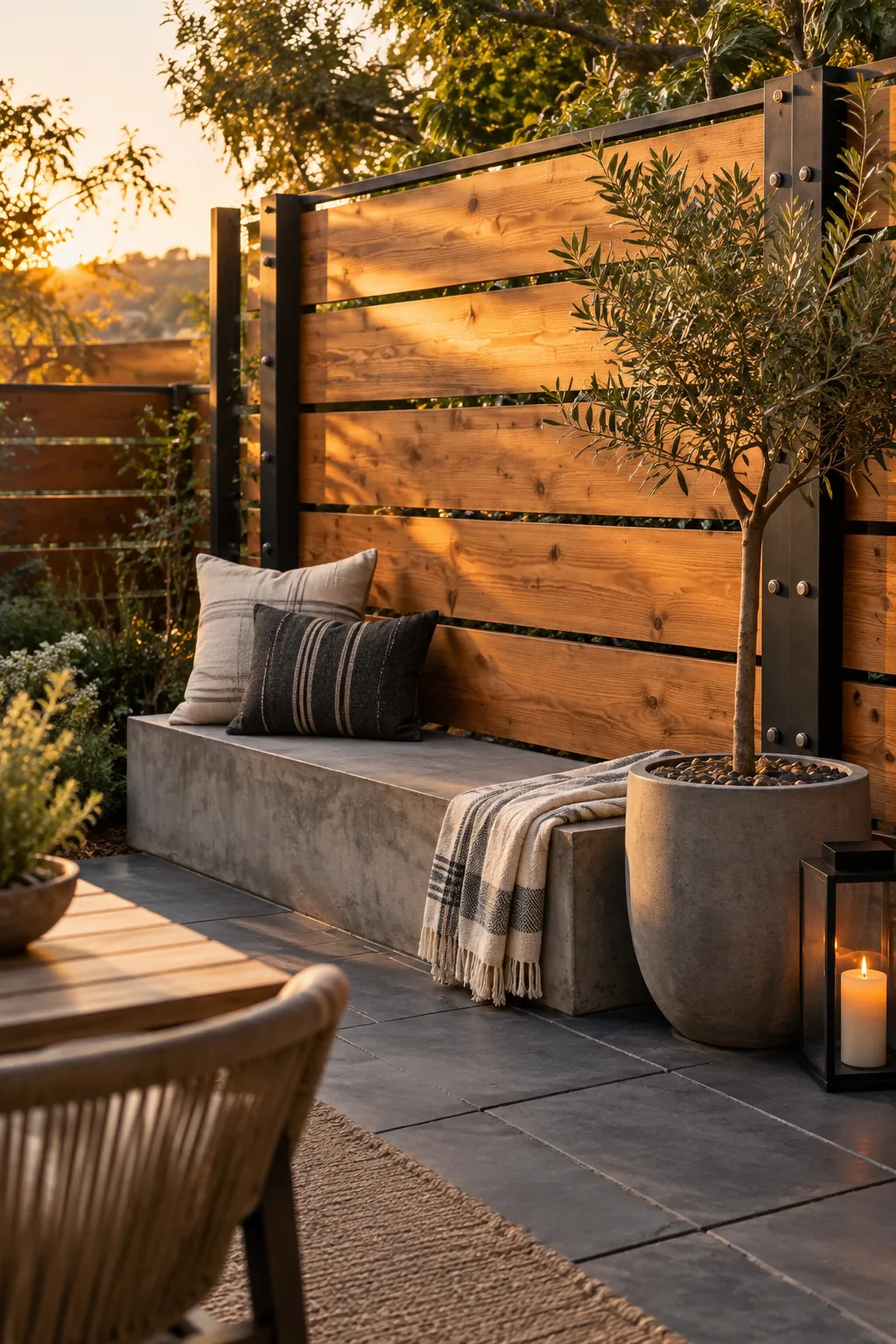
Contrasting materials are what make a wood and metal fence pop. Using flat black steel posts against warm, natural wood creates a stark industrial edge that feels very intentional. You bolt the boards directly to the steel flanges, which actually prevents the wood from warping over time.
It is a brilliant way to get a modern aesthetic that survives harsh weather.
3. Custom Slat Spacing
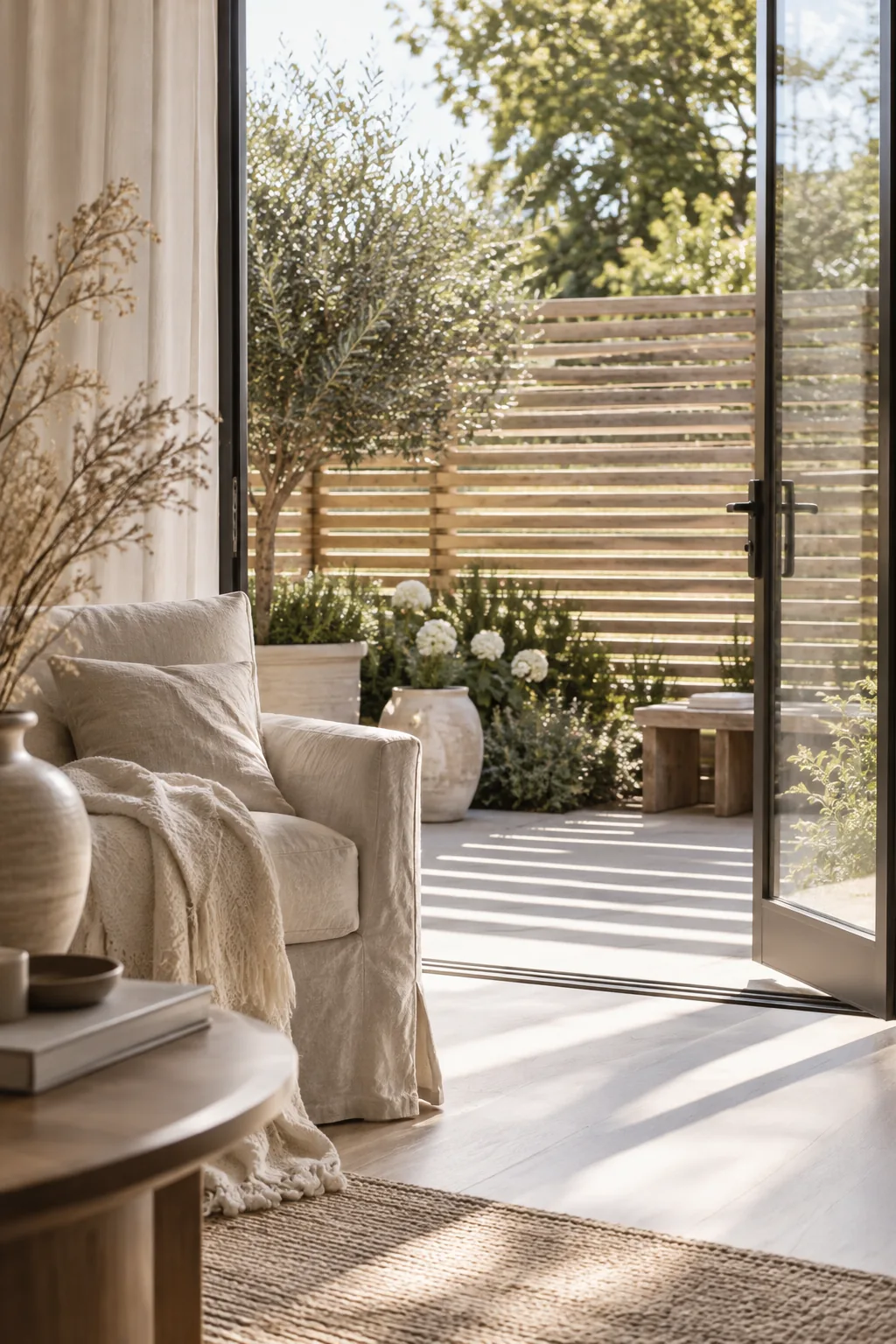
A standard one-inch gap between boards offers the perfect balance of airflow and privacy. You can easily adjust these gap sizes based on exactly what you need to hide.
Try these common gap spacing options for different zones in your yard:
Tighter gaps require more lumber, so calculate your square footage carefully before hitting the hardware store.
- Quarter-inch for total backyard privacy
- Two-inch for front yard boundary lines
- Alternating sizes for a custom pattern
4. Two-Toned Shadowbox
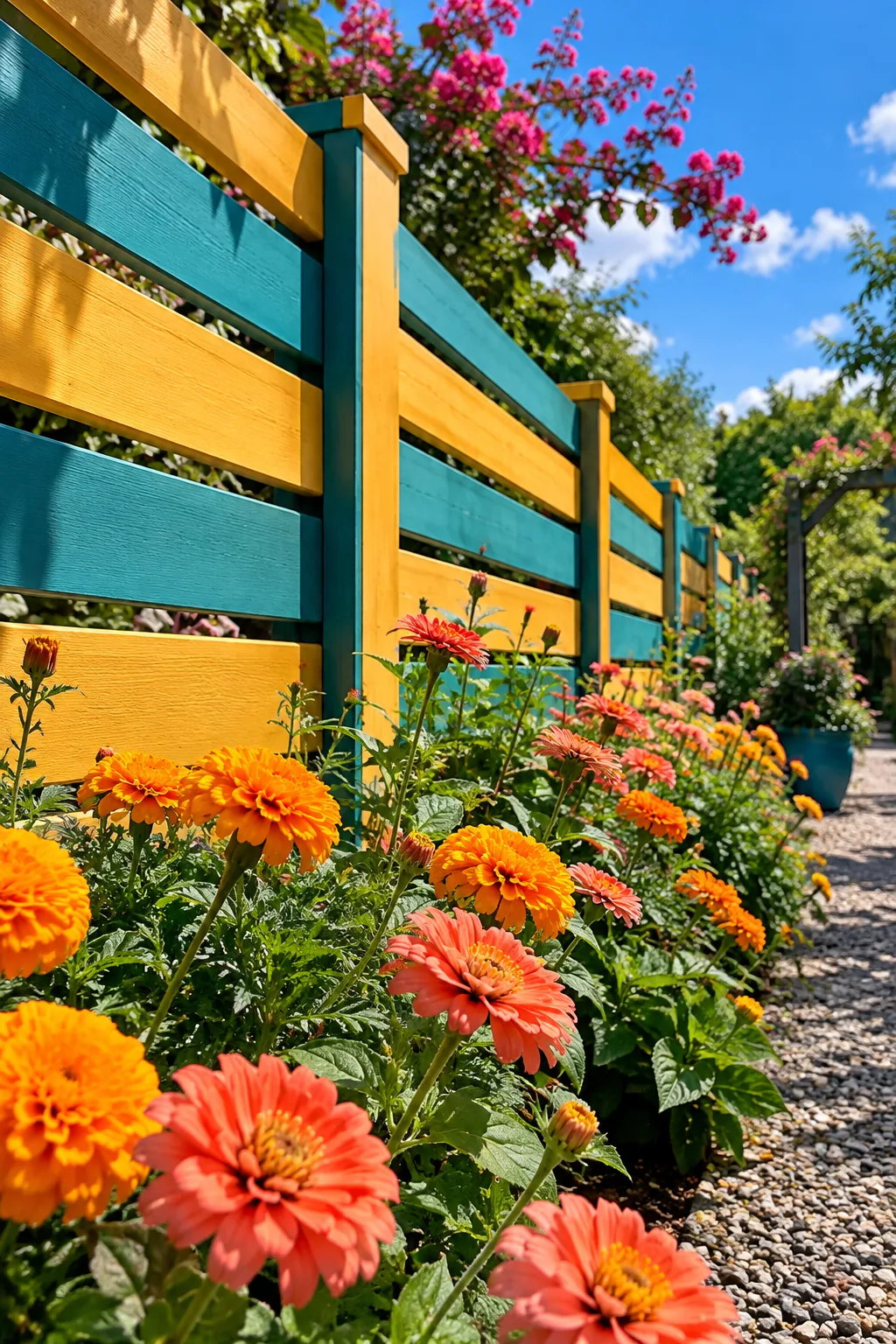
A two-toned shadowbox effect adds incredible depth to a flat property line. By alternating boards on the front and back of the center posts, you get a fence that looks identical from both sides. This neighbor-friendly design lets the breeze flow right through while blocking direct sightlines. It instantly upgrades a basic boundary into a heavy, substantial architectural feature.
5. Wide Plank Profile
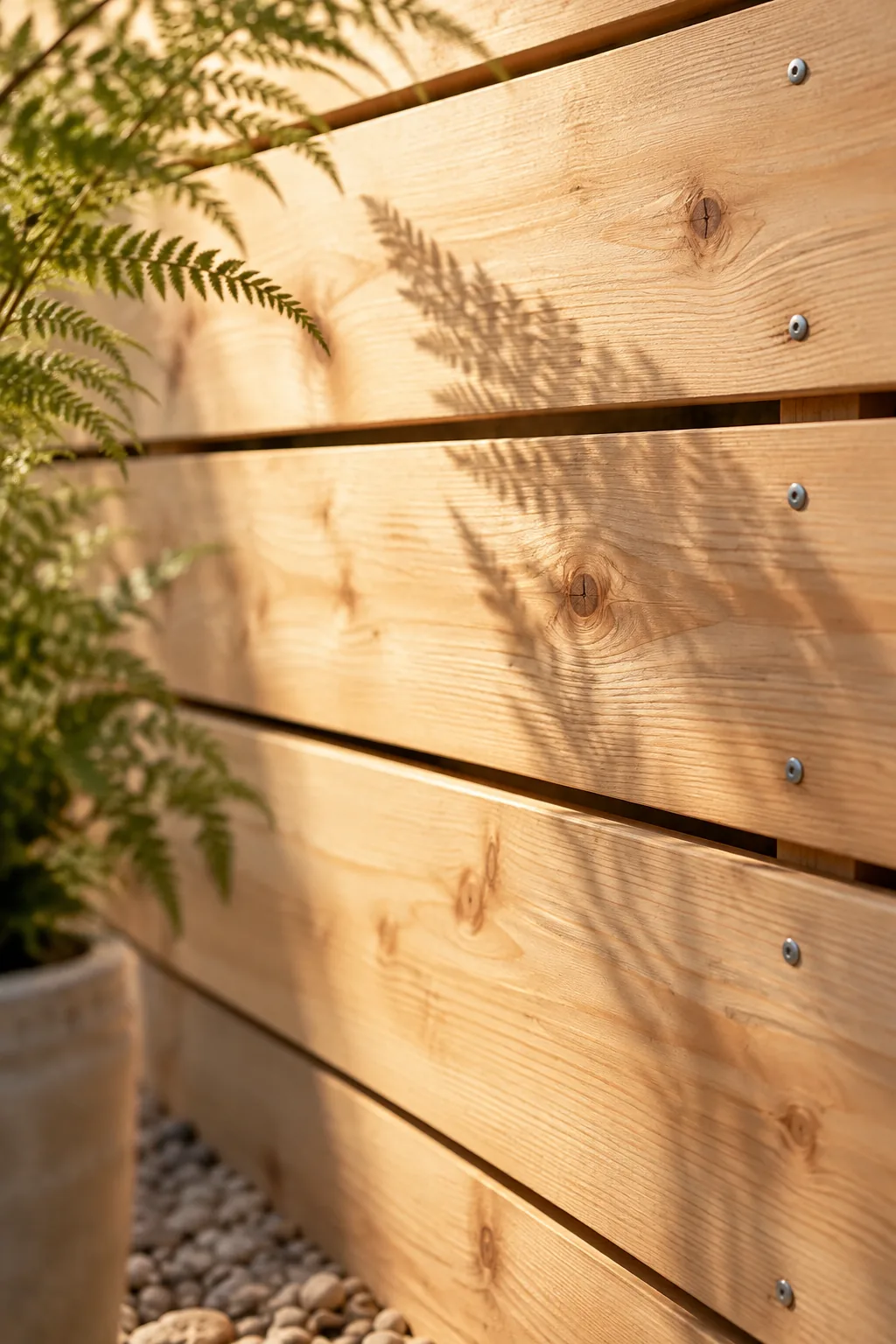
Using five-inch wide boards instead of the standard three-inch strips cuts your installation time in half. The wider planks require fewer screws and give the fence a chunky, substantial profile that anchors a large garden.
6. Pre-Stained Boards
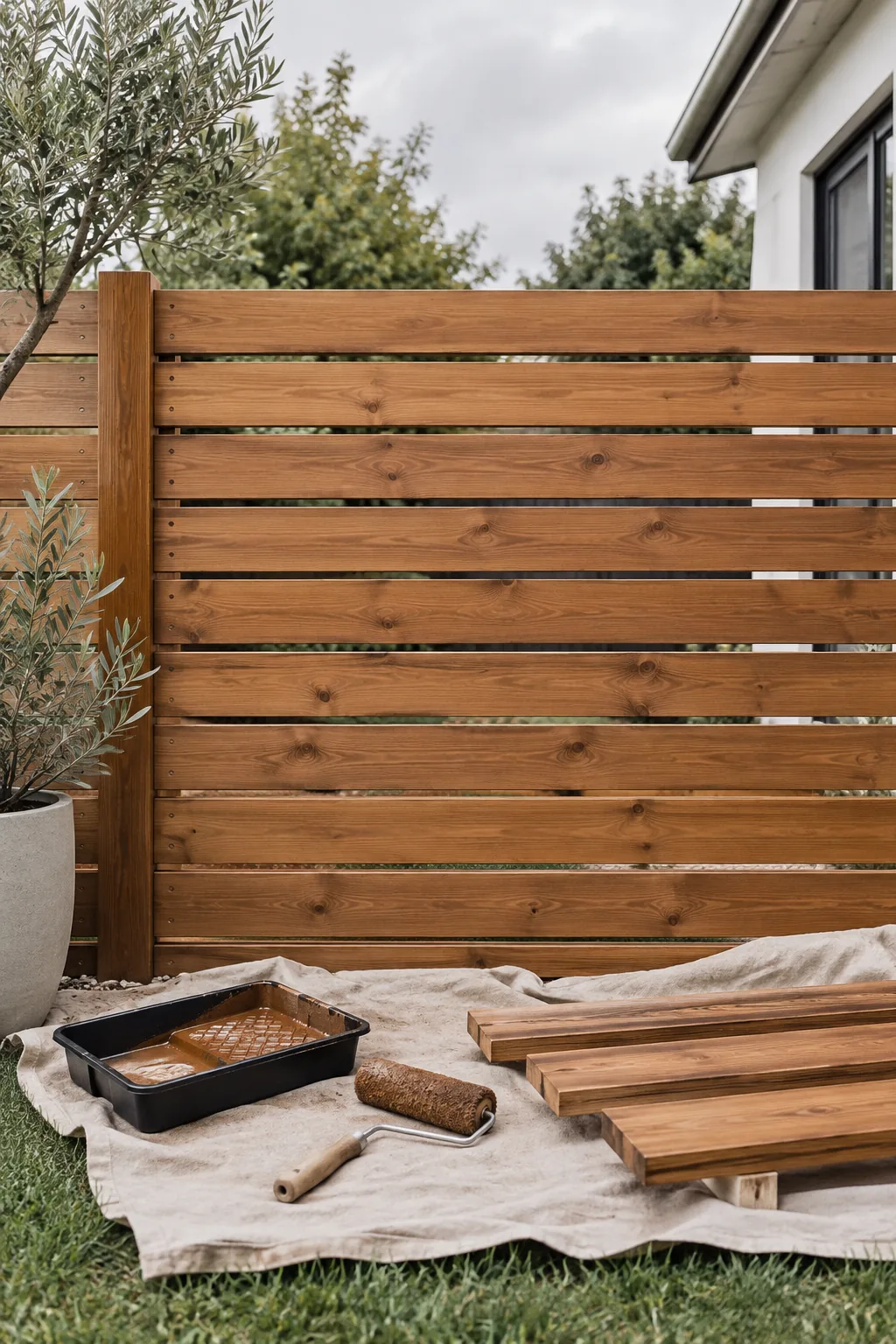
Seal your wood before you assemble the fence to save yourself days of tedious brushwork. Pre-staining ensures the edges inside the gaps are fully protected from moisture. You just lay the boards out on a tarp, roll on your waterproofing stain, and let them dry before screwing them to the posts.
Touching up the screw holes later takes five minutes.
7. Protective Top Rail
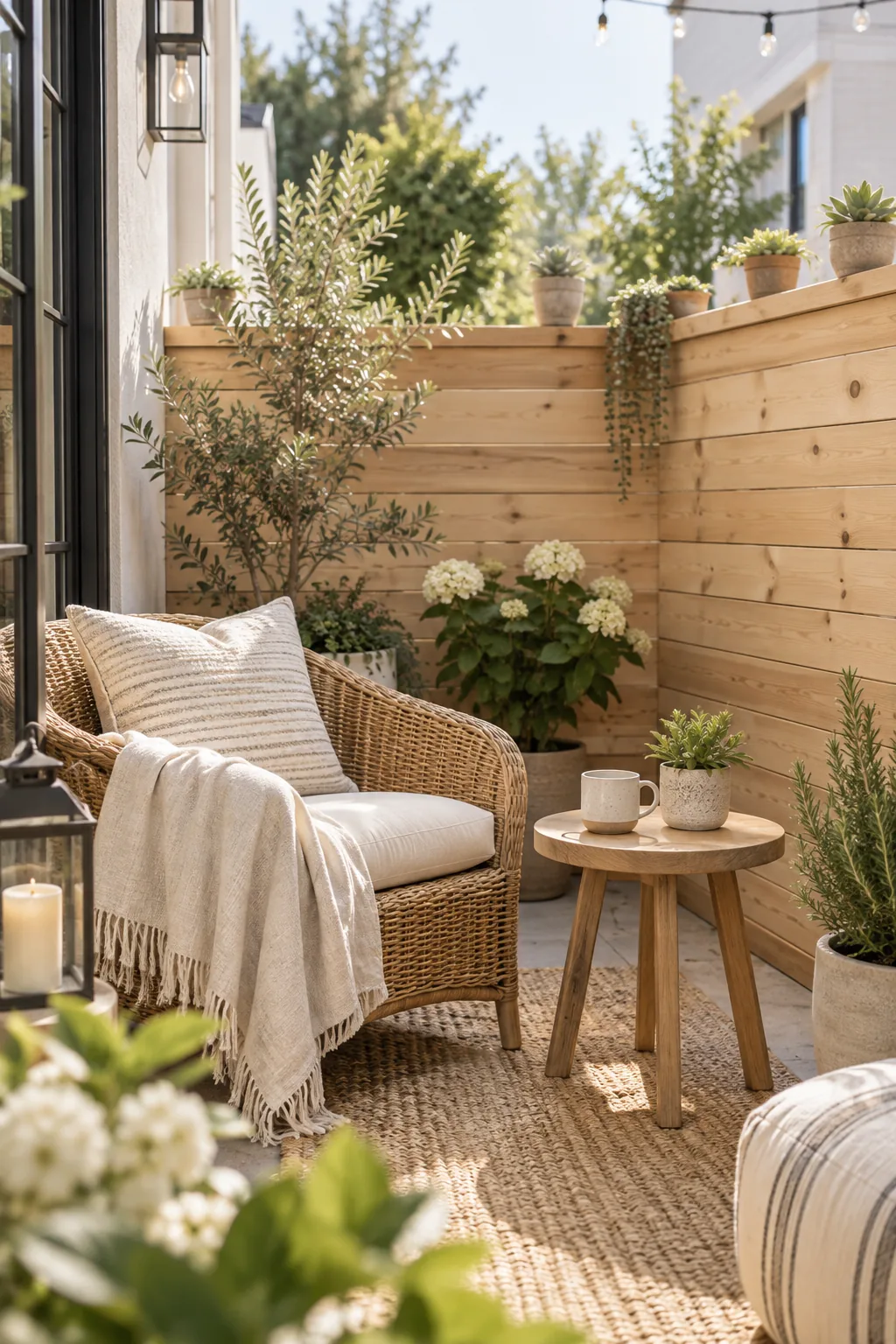
Cap the top of your horizontal fence with a single flat board to protect the end grain from rain. This simple top rail acts like a tiny roof for your fence structure. It also creates a crisp, finished line that looks incredibly sharp from the street. You can even set small potted succulents up there if the fence surrounds a tight patio.
8. Dark Painted Backdrop
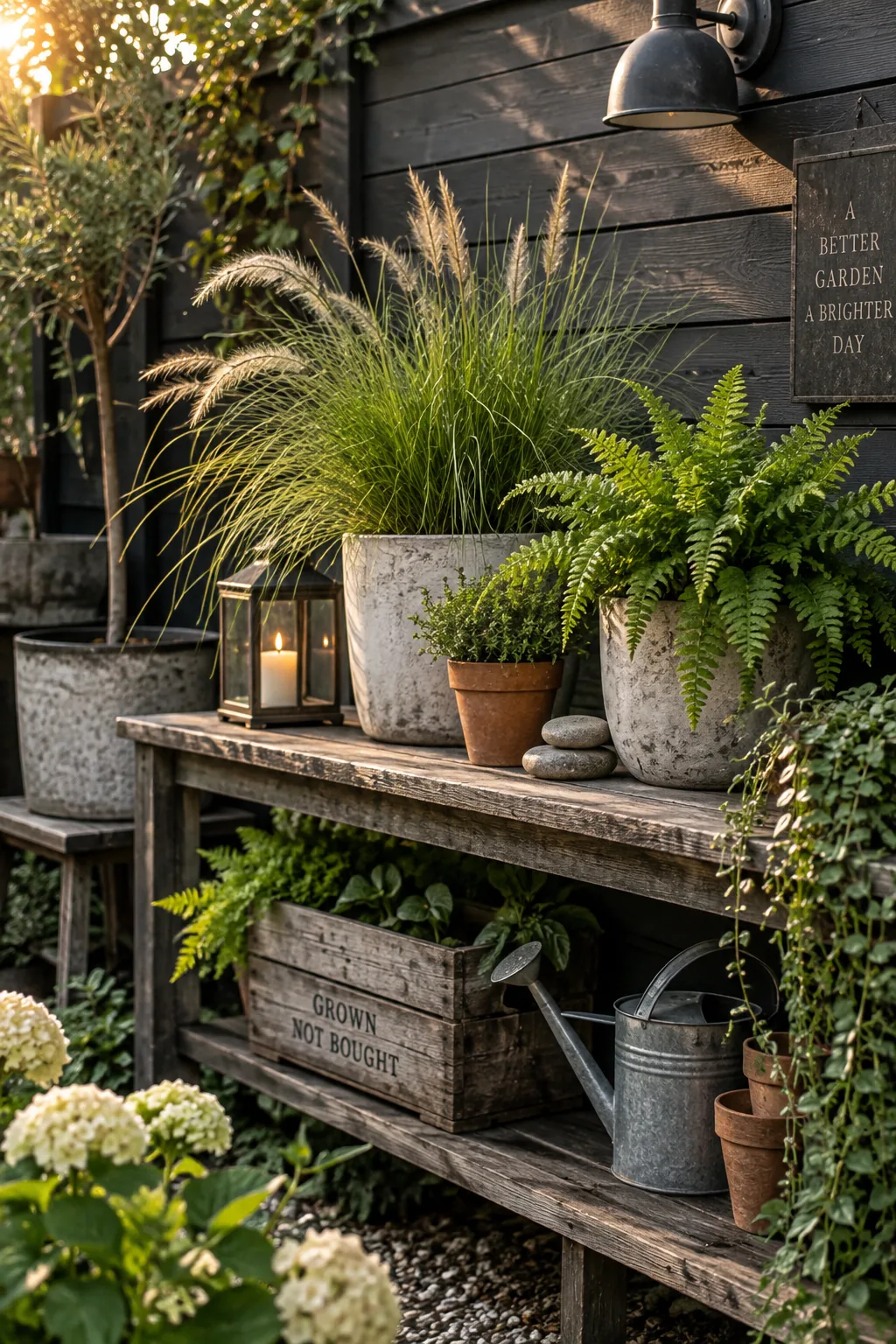
A dark, moody backdrop makes green plants absolutely explode with vibrant color. Painting your horizontal boards charcoal gray or soft black turns the fence into a shadow, pushing your landscaping into the spotlight. It works exceptionally well with bright ornamental grasses and pale concrete planters. The dark paint also hides imperfections in cheaper lumber, saving you money on the build. Just be sure to use an exterior paint formulated to handle UV rays so it does not fade to chalky gray.
9. Mixed Board Widths
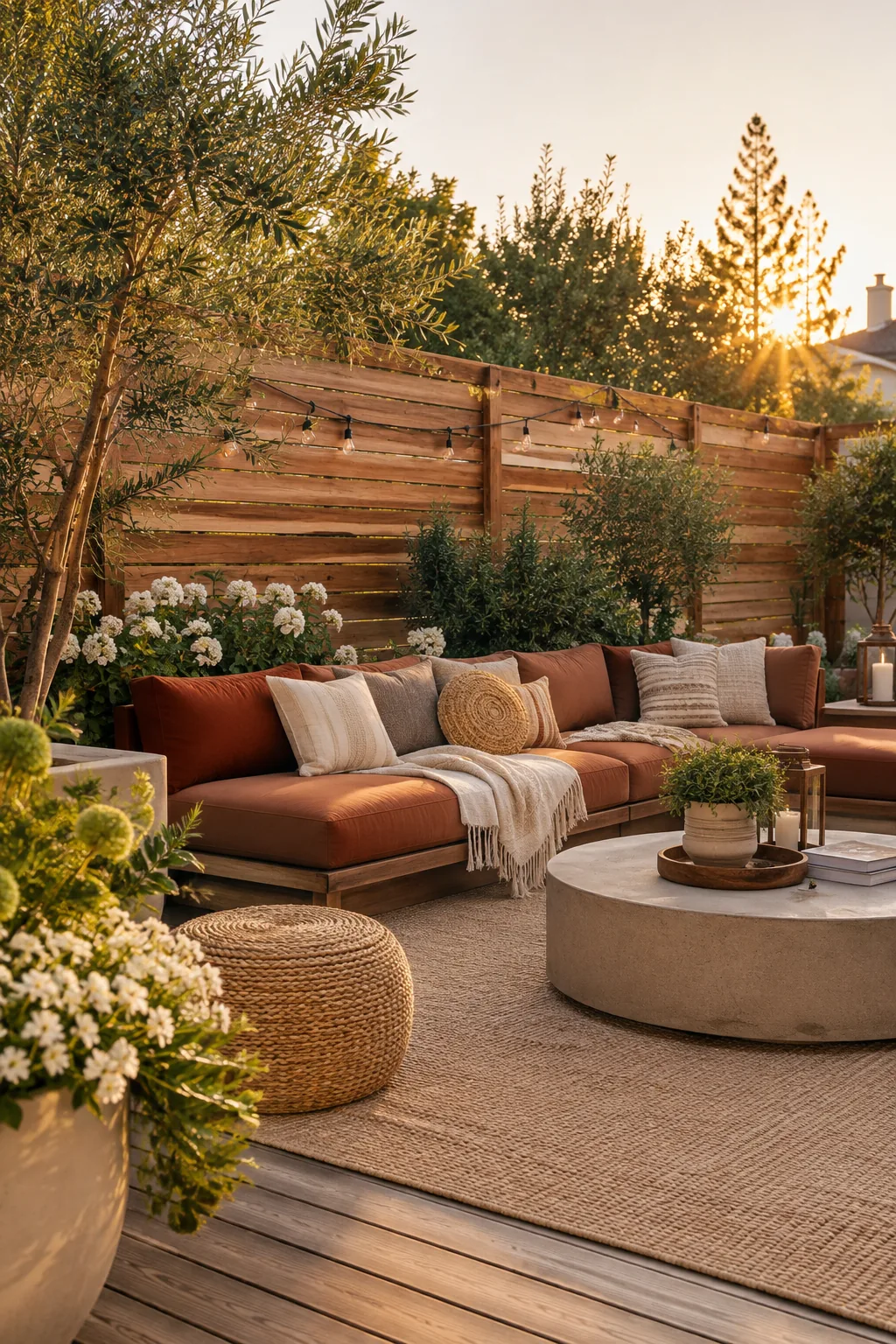
I am obsessed with mixing board widths right now.
Breaking up the standard uniform look gives the fence a custom, rhythmic pattern that feels very high-end. You can repeat a specific sequence or just randomize it based on the scrap wood you have left.
- One wide board followed by two narrow ones
- Alternating thick and thin planks
- Random sizing for a rustic modern vibe
10. Weathered Silver Cedar
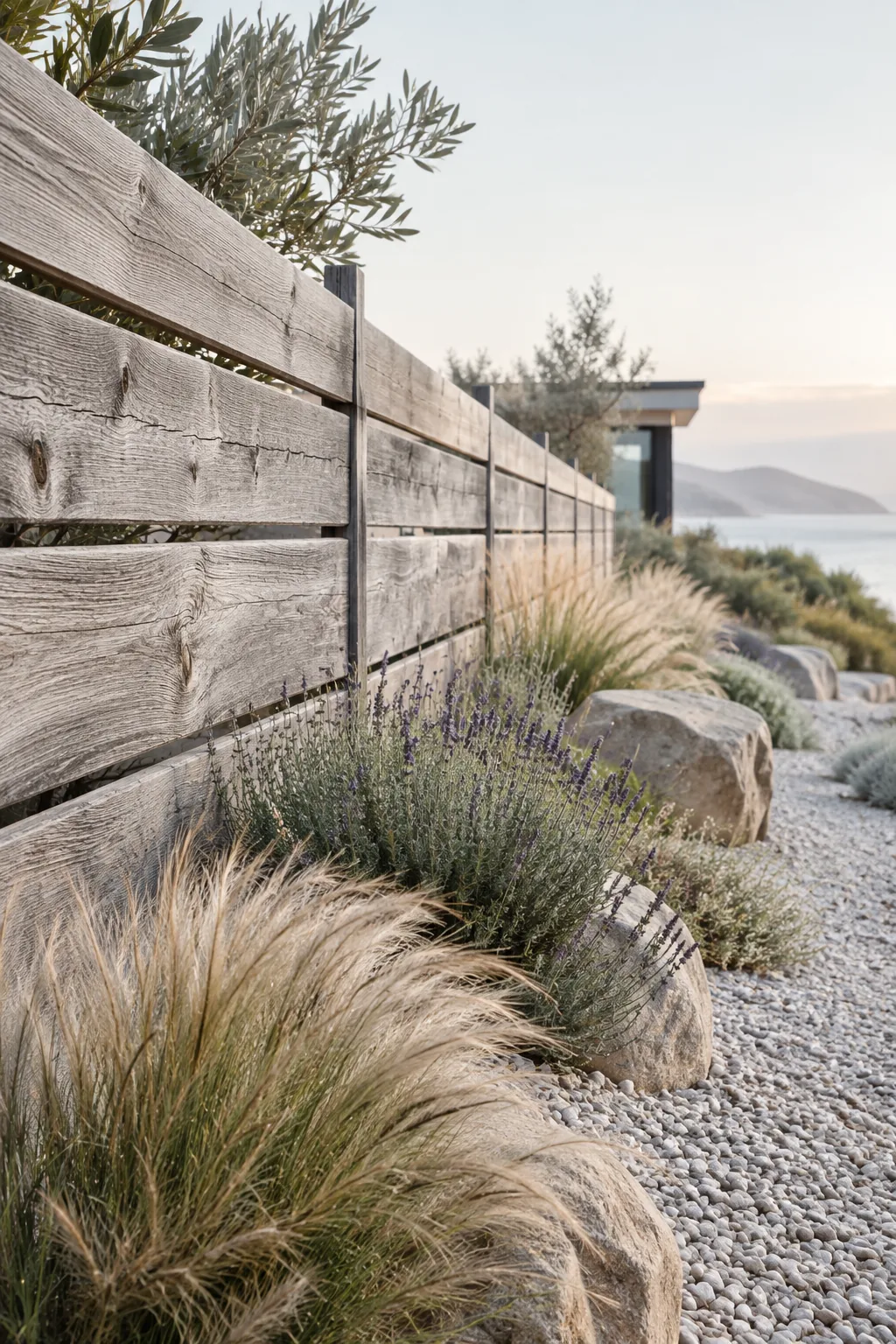
Untreated cedar turns a beautiful silvery gray after a year in the sun. If you embrace this natural weathering process, you never have to worry about restaining your horizontal fence again. The silver tone blends perfectly into natural, wild garden designs and xeriscaped yards. You still need to apply a clear wood preservative to stop rot, but the color maintenance drops to zero. It is the easiest way to get a relaxed, coastal aesthetic without constant upkeep.
11. Airy Lattice Topper
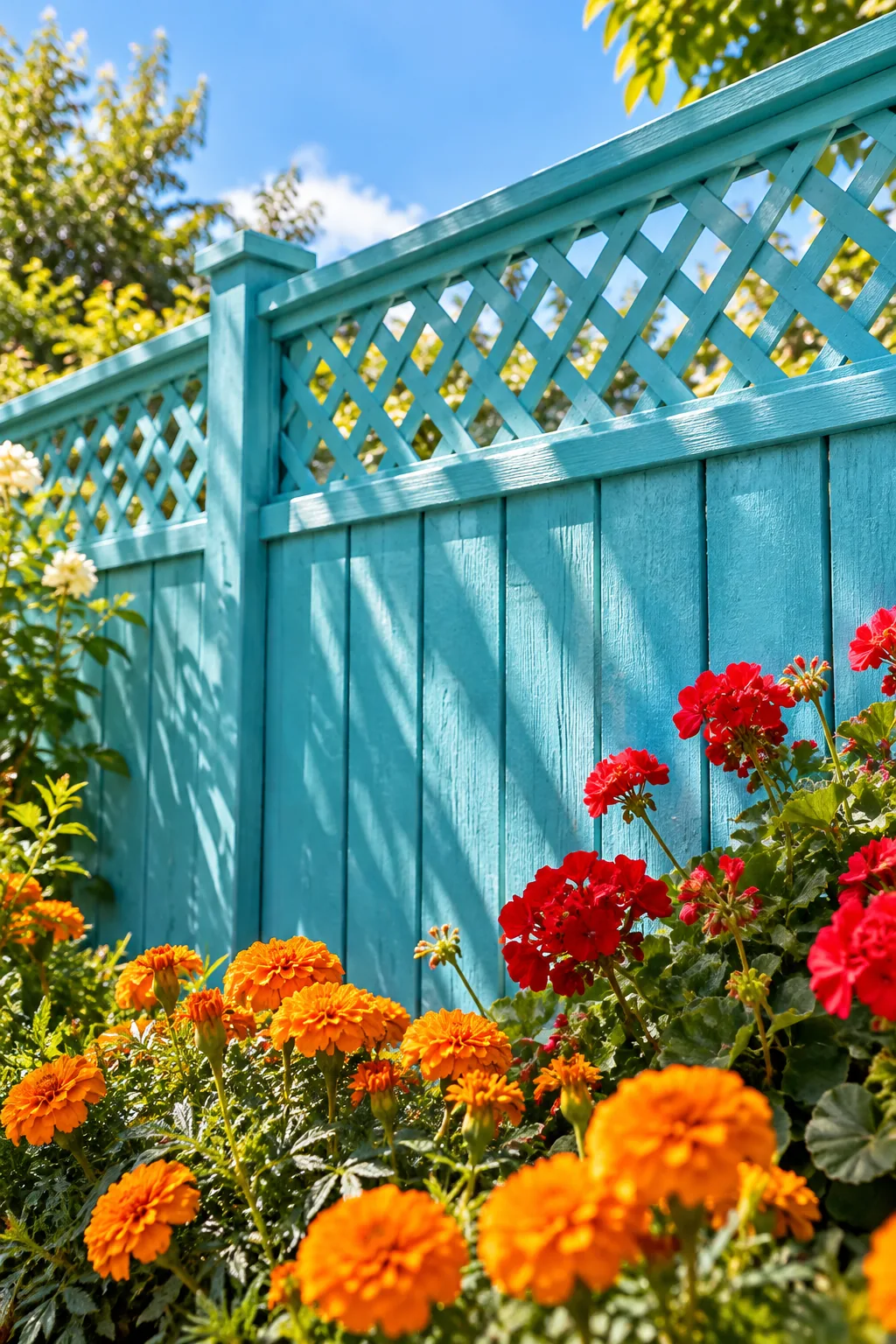
Adding a one-foot section of horizontal lattice at the top pushes a standard six-foot fence to seven feet without breaking most local height codes. This airy topper lets sunlight hit your garden beds while still blocking sightlines from a neighbor's second-story window.
Why it works: The open design at the top creates a visual boundary without feeling like a heavy, solid wall.
12. Corrugated Metal Accents
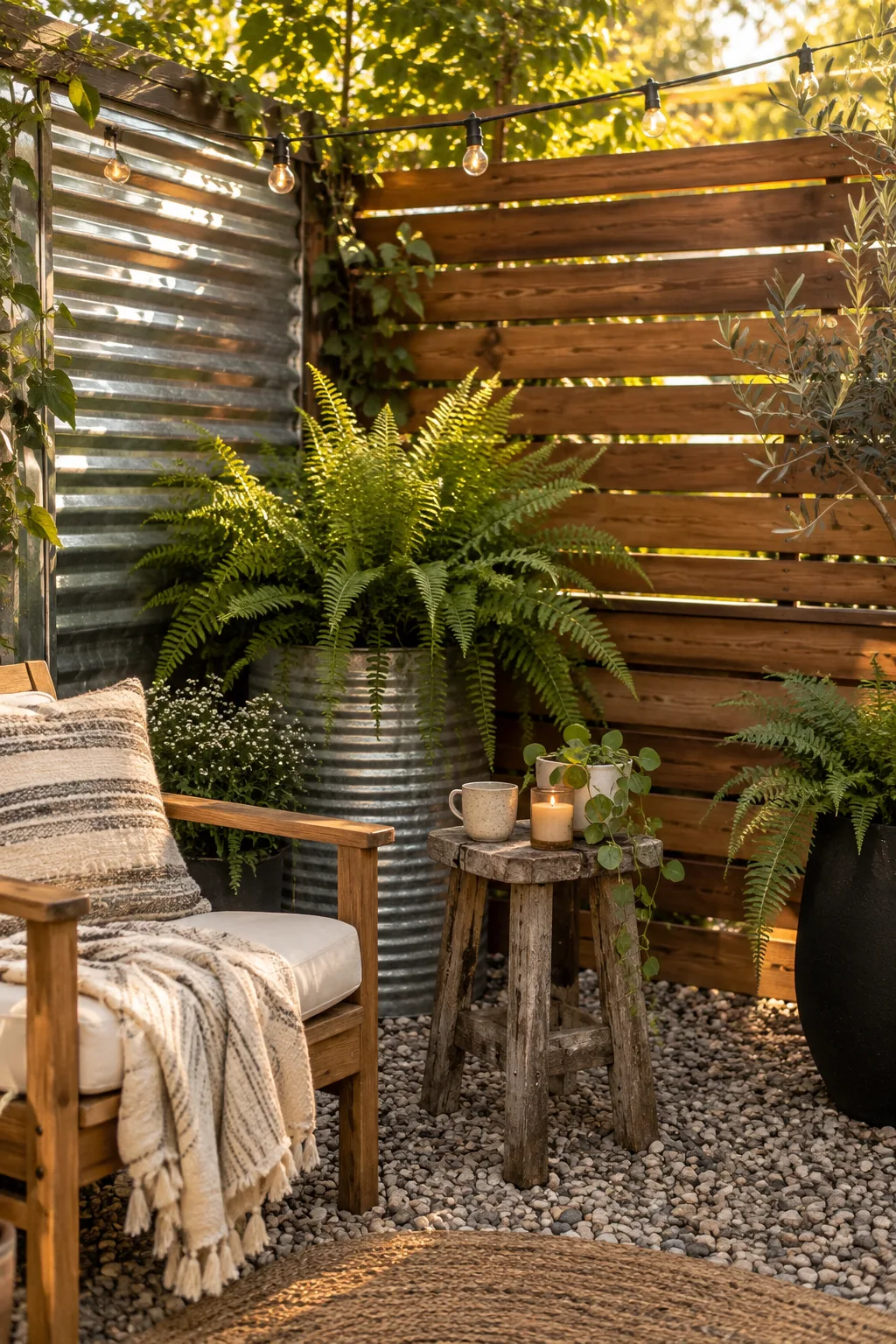
Using corrugated metal sheets alongside your wood slats brings a rugged, industrial texture to the yard. The metal panels reflect light into dark corners and cost significantly less than premium lumber.
13. Hidden Fastener Finish
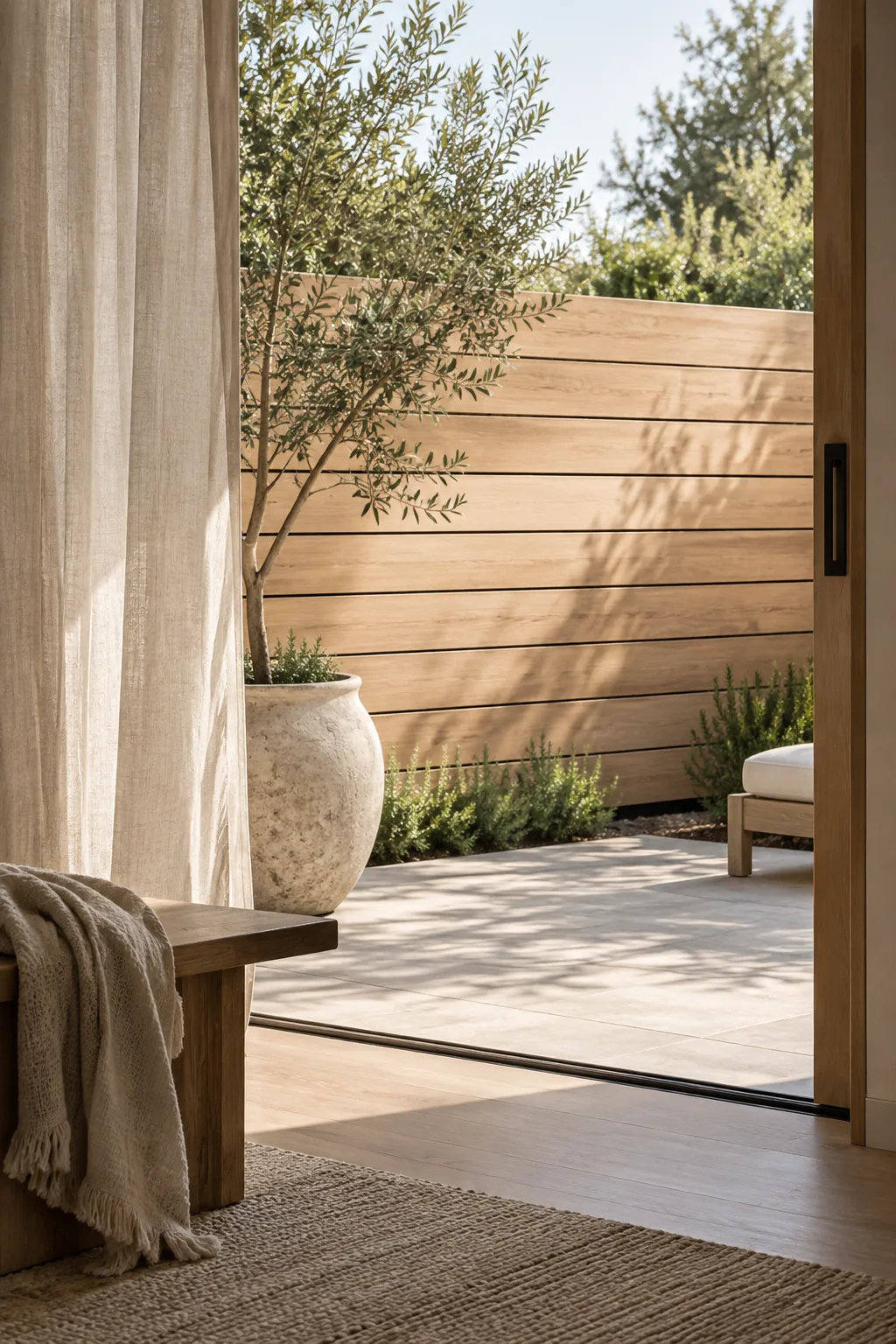
Most horizontal fences use standard deck screws, but hidden fasteners completely elevate the final product. Using a jig to drive screws through the edges of the wood planks leaves the front face entirely smooth. It takes a little more time during installation, but the flawless finish is worth the effort. The wood actually lasts longer this way because water cannot pool in the screw heads. You end up with a fence that looks like a piece of fine indoor furniture.
14. Framed Panel Sections
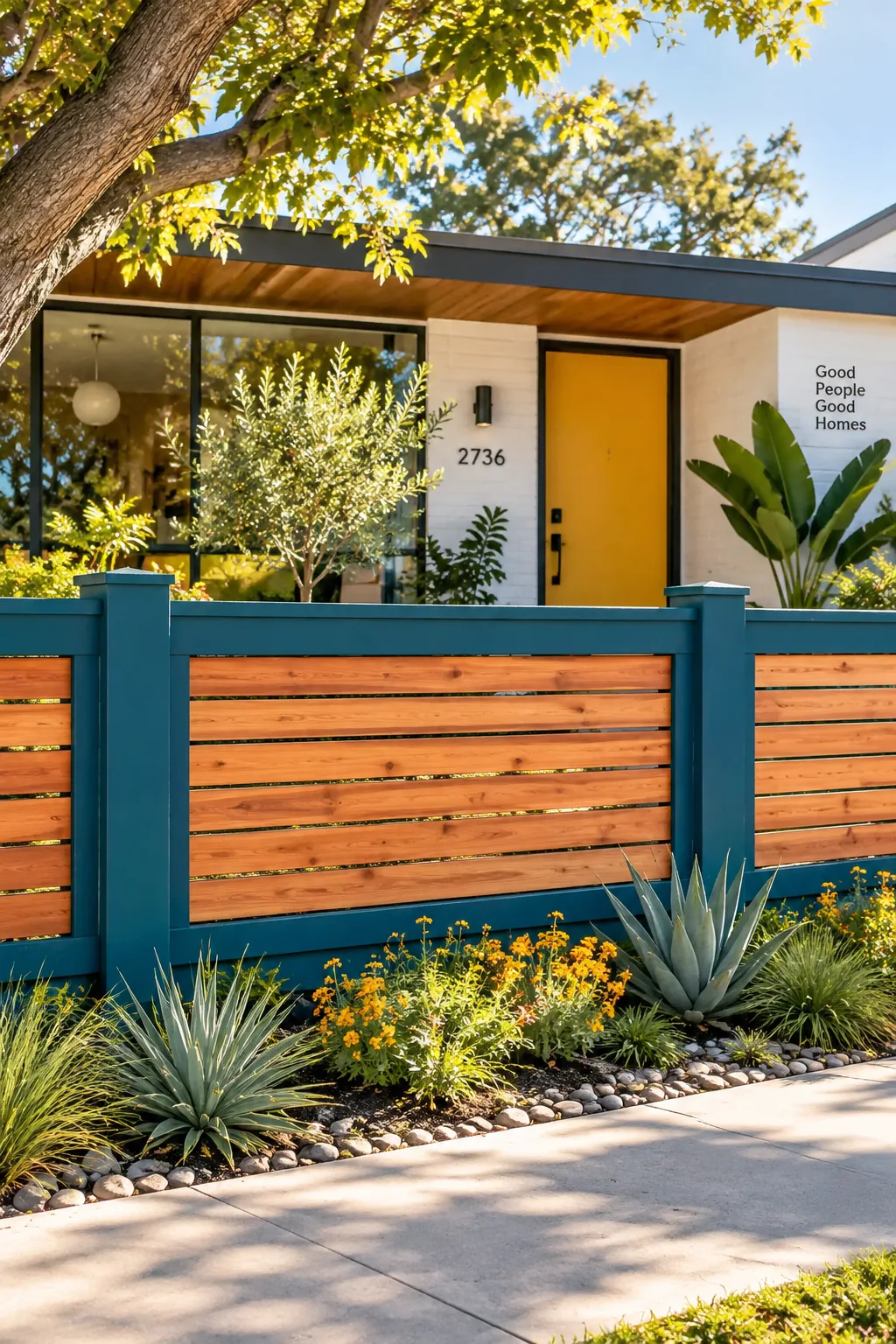
Frame your horizontal sections with thick vertical borders to create distinct panels. This technique breaks up a long, boring stretch of property line into manageable visual chunks. You use heavy 4×4 posts and trim them out with matching wood to create a picture-frame effect around the slats. It adds serious structural integrity to the fence, preventing the horizontal boards from sagging in the middle. This paneled look fits perfectly with craftsman or mid-century modern home exteriors.
15. Staggered Wood Seams
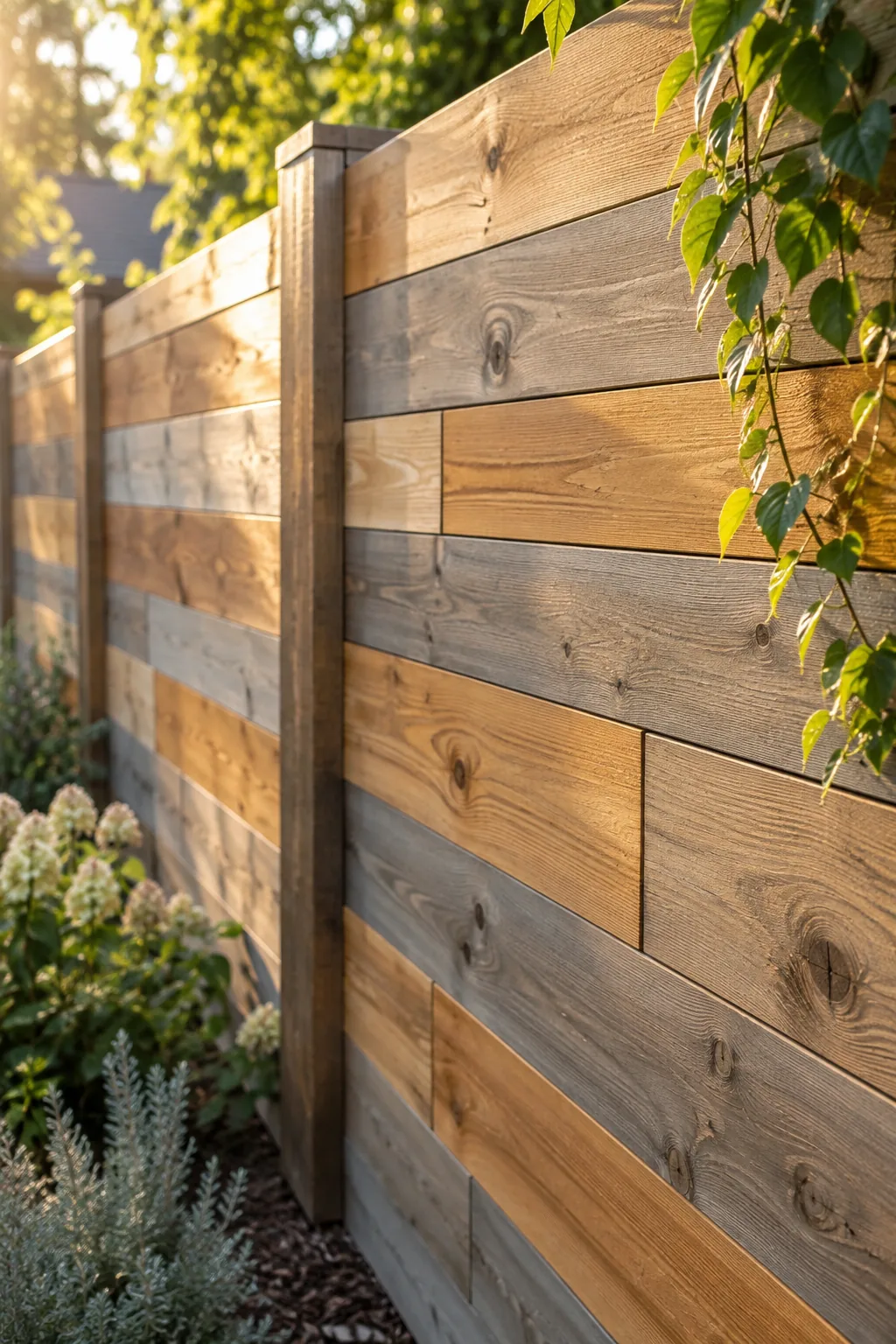
A staggered joint pattern mimics the look of hardwood flooring right on your fence line. Instead of having all your vertical seams line up on a single post, you let the wood boards end on alternating supports. It looks incredibly organic and prevents the eye from stopping at harsh vertical breaks. This method also lets you use up shorter scrap pieces of lumber, cutting down on total material waste.
Why it works: Staggering the seams distributes the structural tension, making the entire fence line much stronger against heavy winds.
16. Low Front Yard Boundary
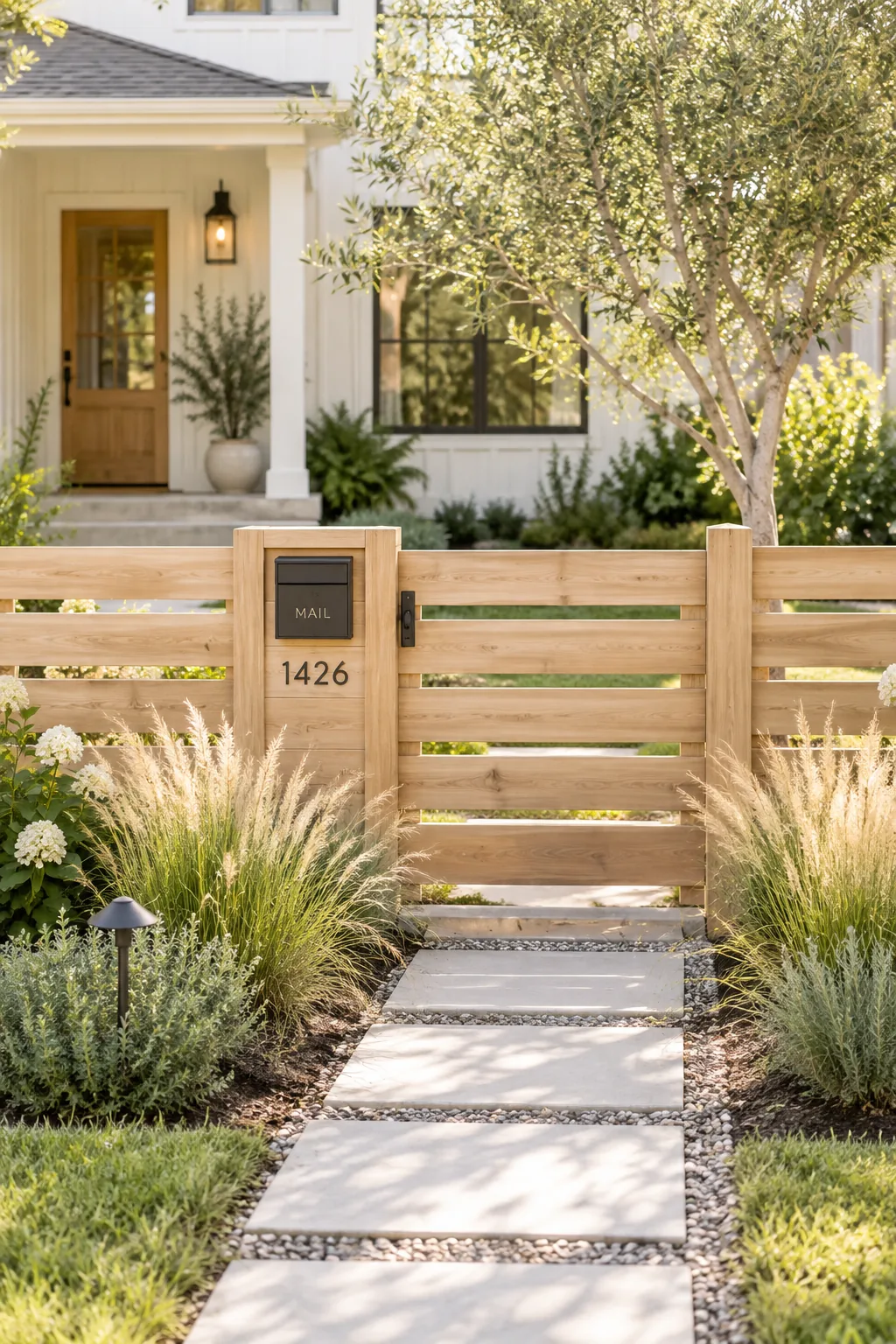
Building a short, three-foot horizontal wall is what makes a front yard feel enclosed without feeling hostile. Spacing the horizontal slats widely gives it a friendly, welcoming vibe while still keeping dogs off your lawn. You can easily integrate your mailbox directly into the wood framing for a custom, cohesive entryway. Planting low ornamental grasses right in front of the boards softens the hard lines beautifully. It is a simple weekend project that radically improves your curb appeal.