
12+ Beautiful Simple Flower Garden Ideas for Your Yard
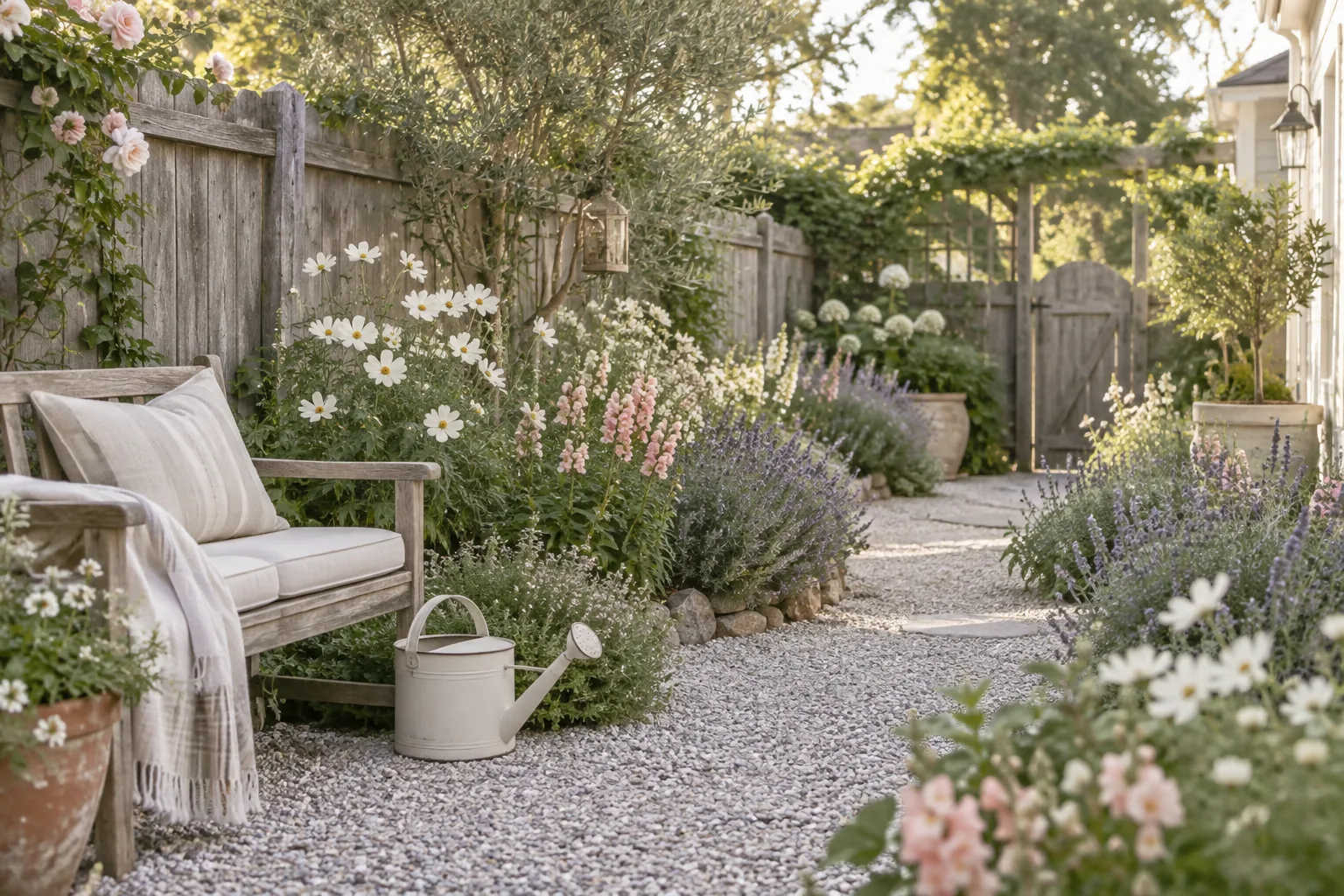
Creating a beautiful yard doesn't mean you have to spend every weekend pulling weeds or fussing over delicate plants. I put together my absolute favorite ways to build a simple flower garden that practically takes care of itself.
1. Group Potted Blooms
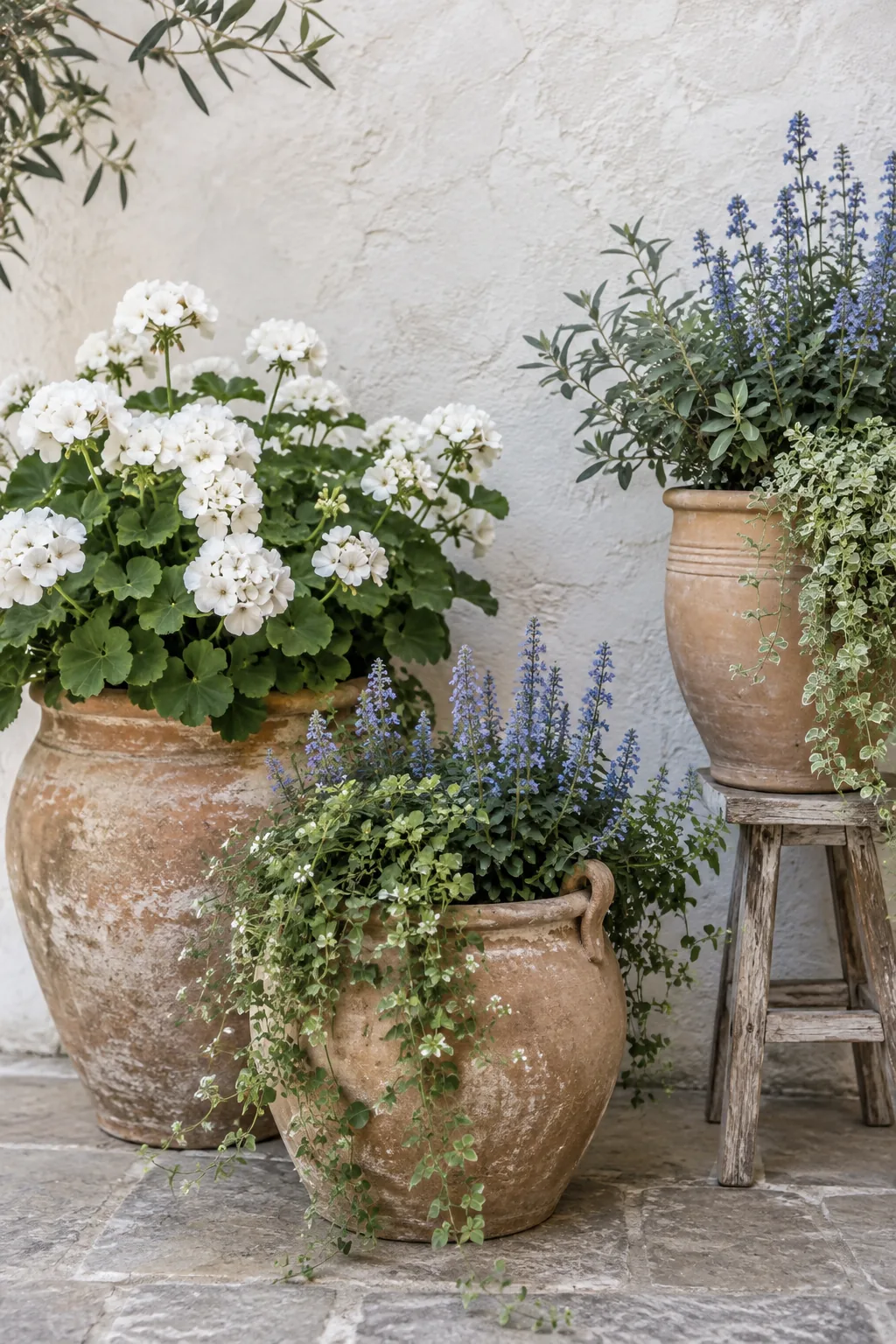
Three large terracotta pots clustered together make an instant focal point on a bare patio. Container gardening keeps weeds out and lets you easily swap seasonal blooms when they fade.
2. Layer by Height
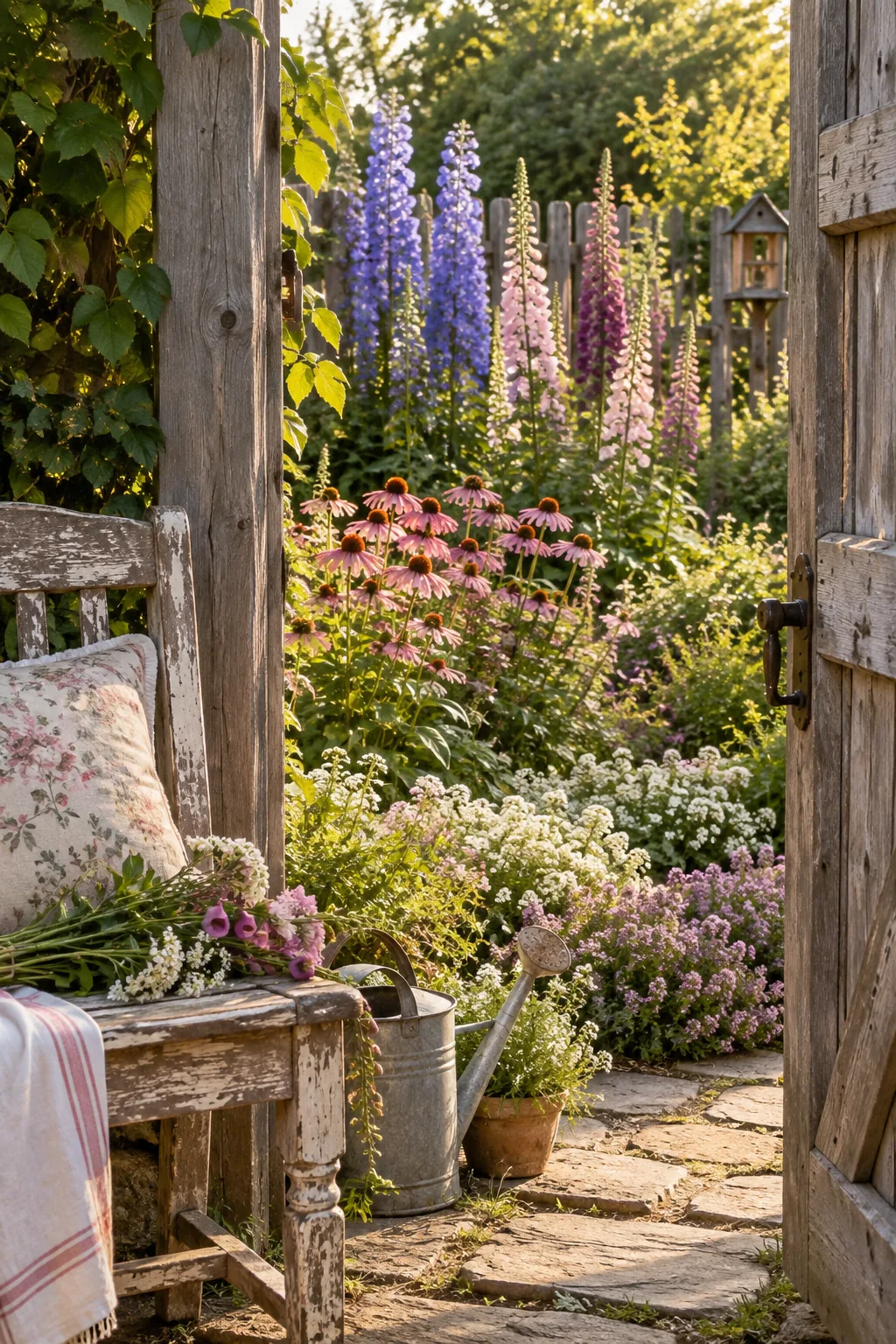
Plant your tallest blooms right against the fence line.
Layering your plants by height creates a lush, professional look. Put the tallest perennials in the back, medium growers in the middle, and creeping ground covers at the front edge. It gives every plant the sunlight it needs to thrive.
Why it works: Why it works: Stepping plant heights creates visual depth and ensures the front flowers don't block the sun from the back ones.
3. Build a Raised Bed
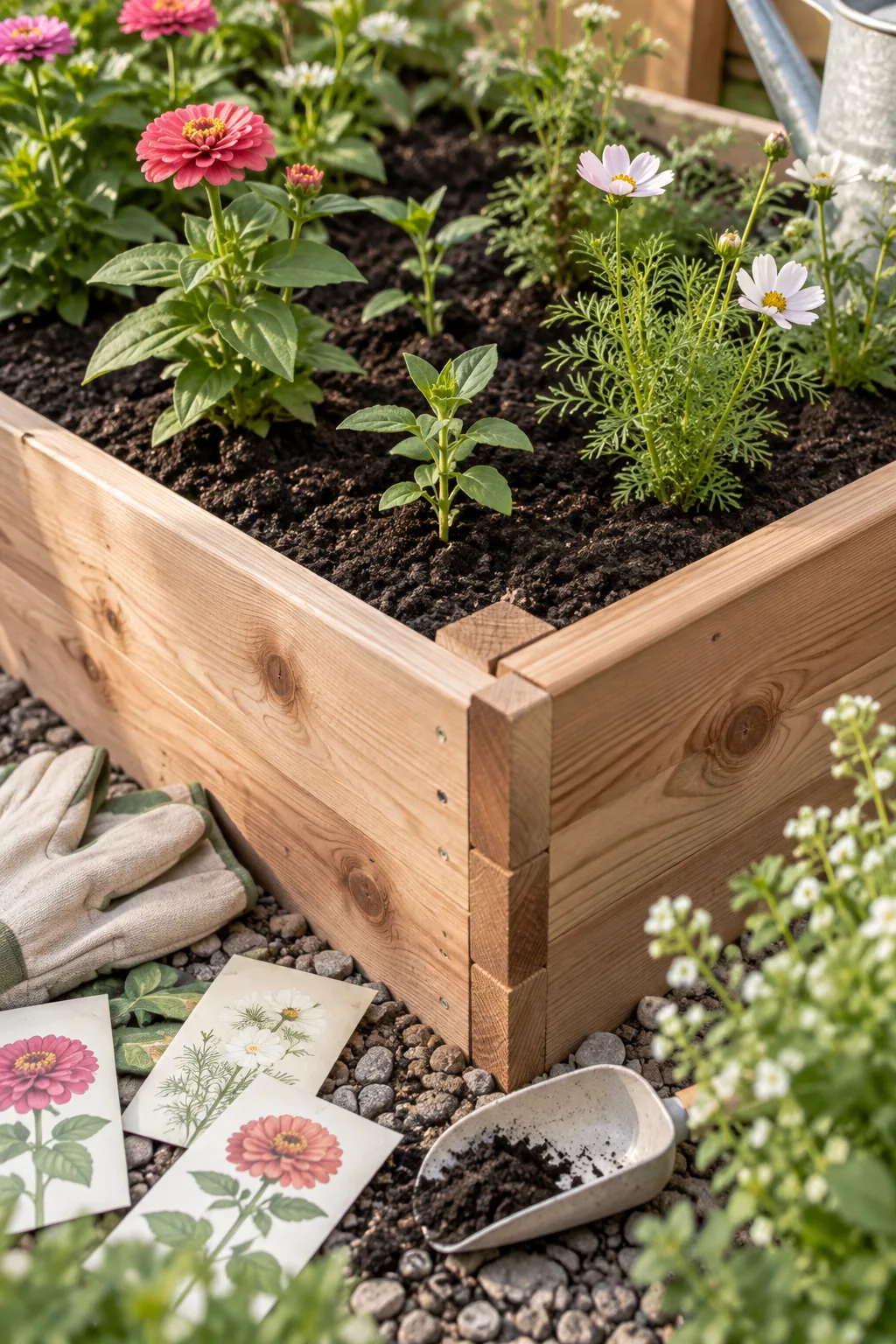
A standard 4×8 foot raised bed holds exactly enough space for a stunning cut flower garden. Building the frame from raw cedar keeps the soil warmer in the spring so seeds sprout faster. You just mix in a good compost blend and toss in zinnia or cosmos seeds for a riot of summer color.
Why it works: Why it works: Raised beds give you total control over the soil quality and drain much better than ground-level dirt.
4. Plant Local Wildflowers
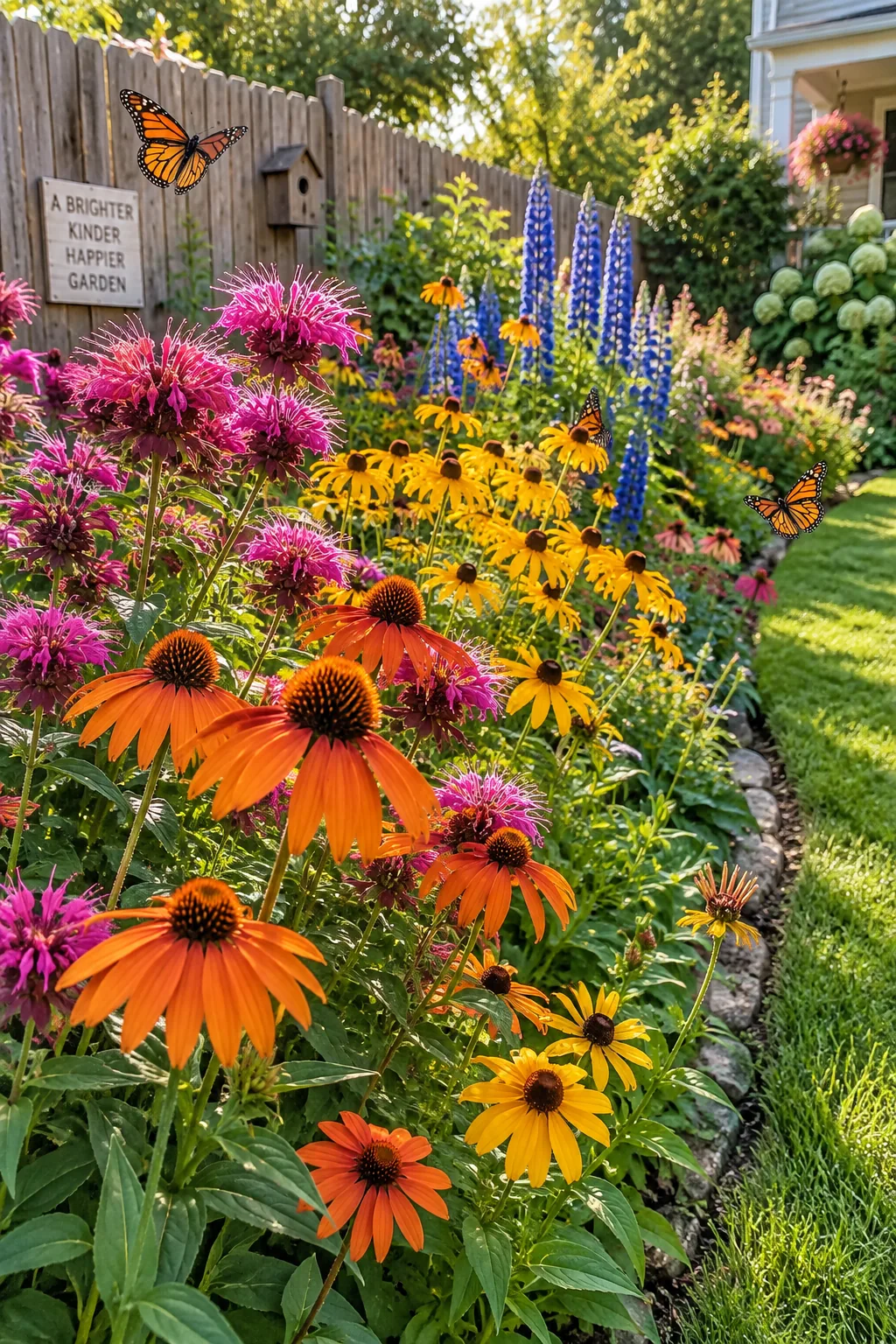
I always killed my delicate plants until I switched to native species that actually want to live in my climate. A wildflower border packed with local blooms requires zero fertilizer and brings in all the neighborhood butterflies.
5. Use Thick Mulch
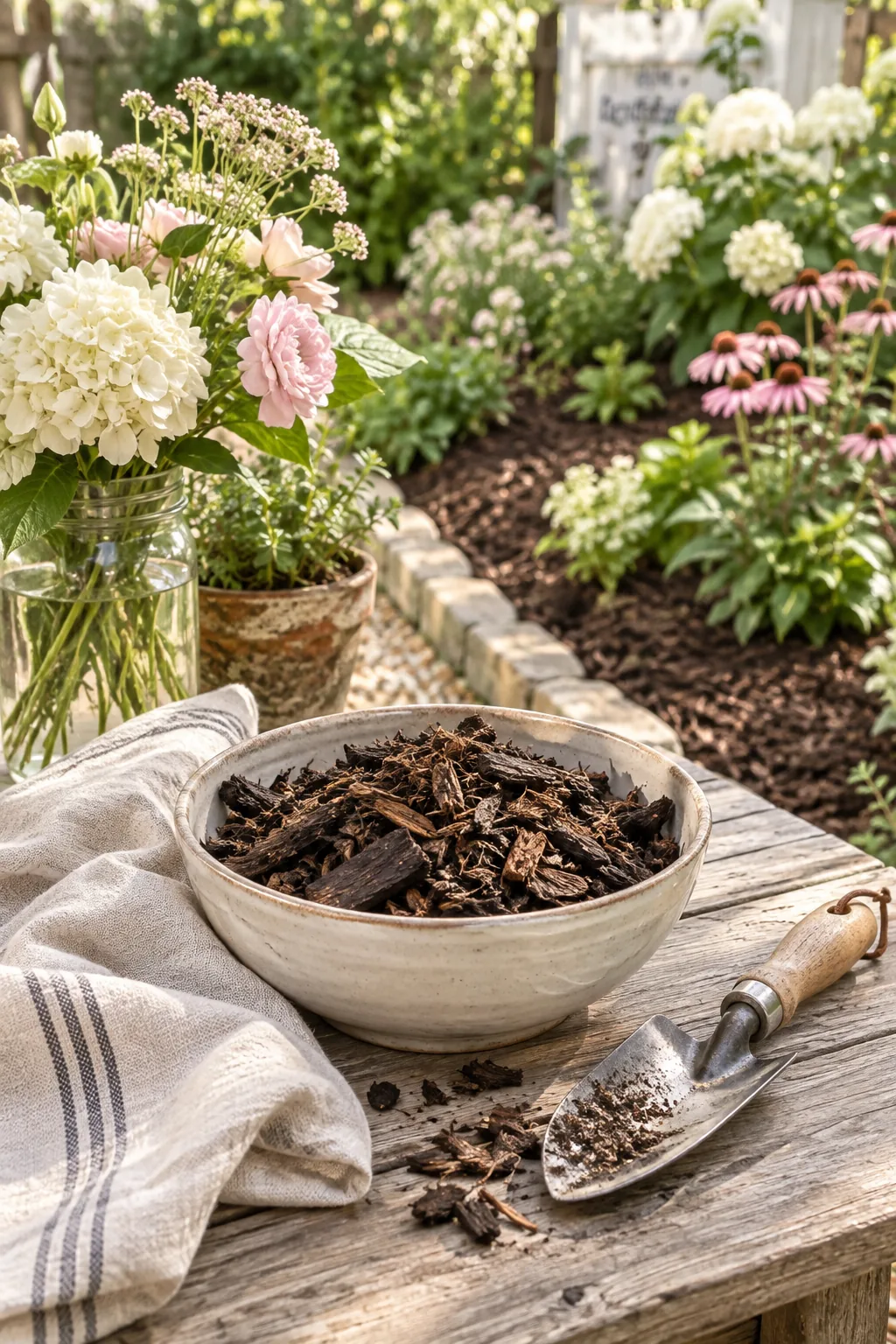
Six inches of natural mulch completely transforms a messy flower bed.
A thick layer of wood chips locks in moisture during brutal summer heat. It also breaks down slowly to feed the soil over time. You will spend way less time dragging the hose around.
- Shredded cedar bark
- Pine needles
- Composted leaves
6. Embrace the Shade
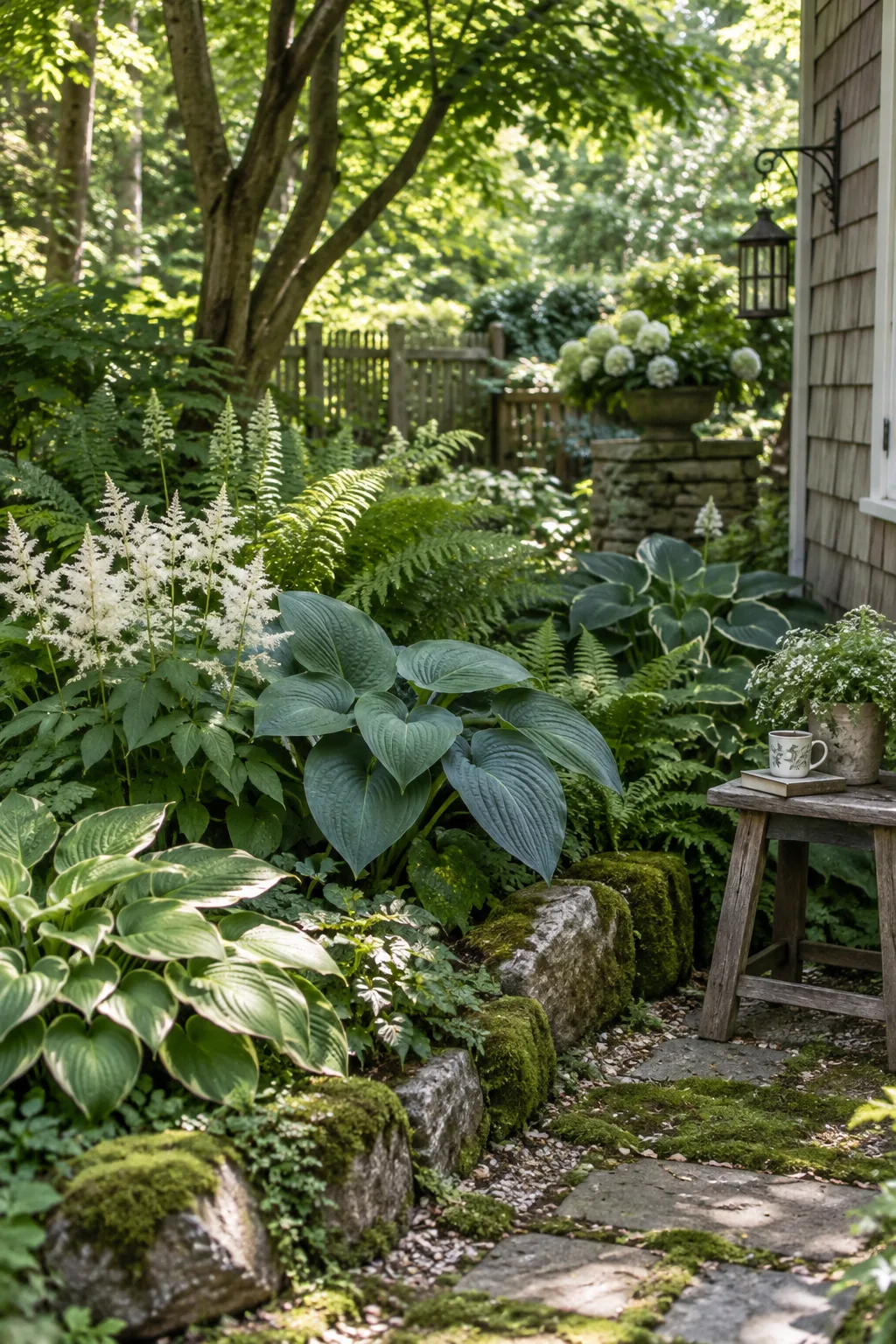
Shady corners usually end up as muddy dead zones in most yards.
Filling those dark spots with hostas and ferns turns a problem area into a lush green retreat. These shade lovers thrive with almost no attention and come back bigger every single year. Just give them plenty of water during their first season to establish the roots.
7. Plant Bulbs in Drifts
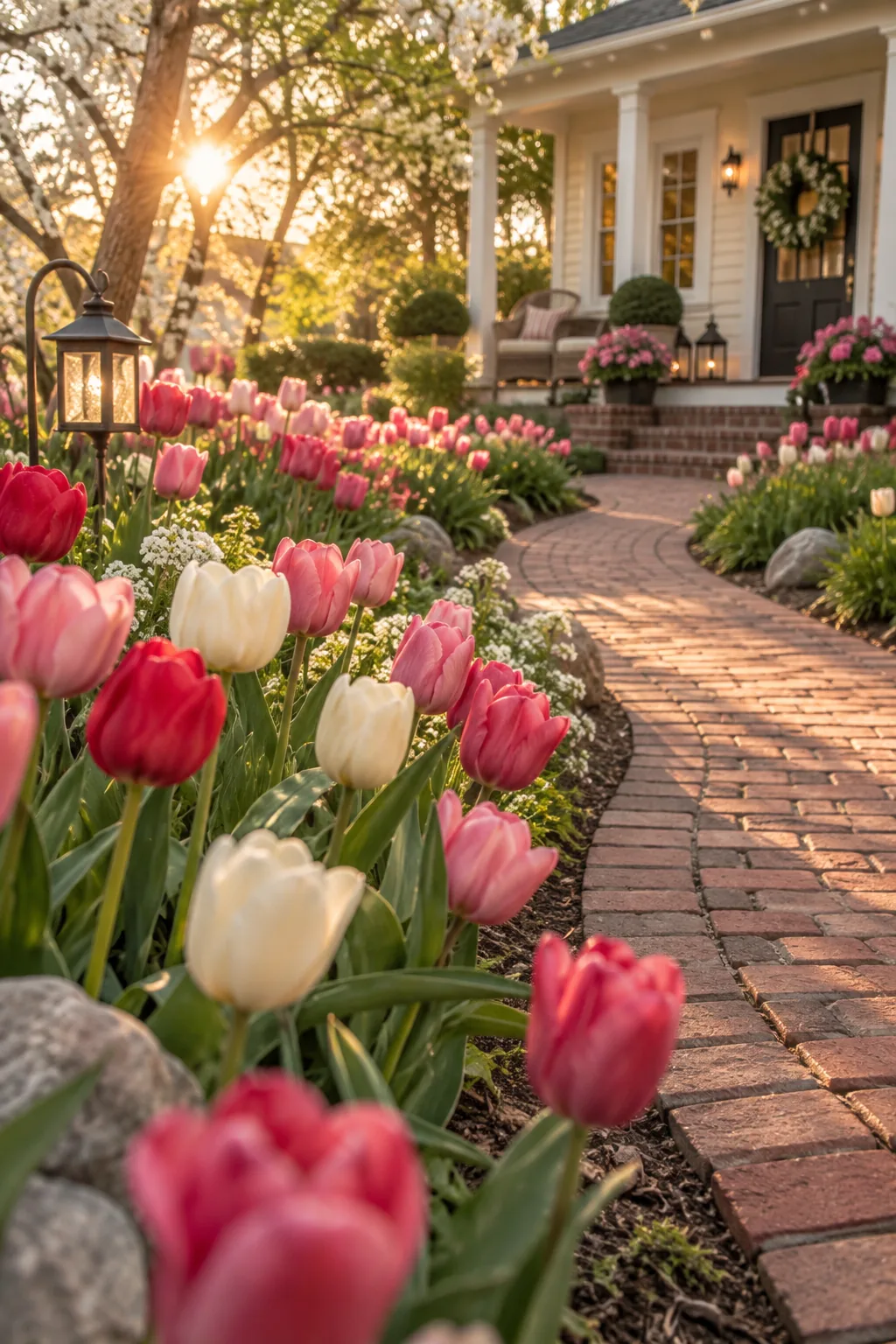
Planting bulbs in groups of five or seven creates a much more natural drift than planting them in straight rows. Digging one large, wide hole for a whole cluster of tulip bulbs is also way faster than digging individual holes for each flower. You just arrange them in a loose circle, cover them up, and wait for the spring show. The resulting clump looks like it sprouted there wild instead of being placed by a human. It brings a relaxed, cottage feel right to your front walkway.
8. Mix in Edible Herbs
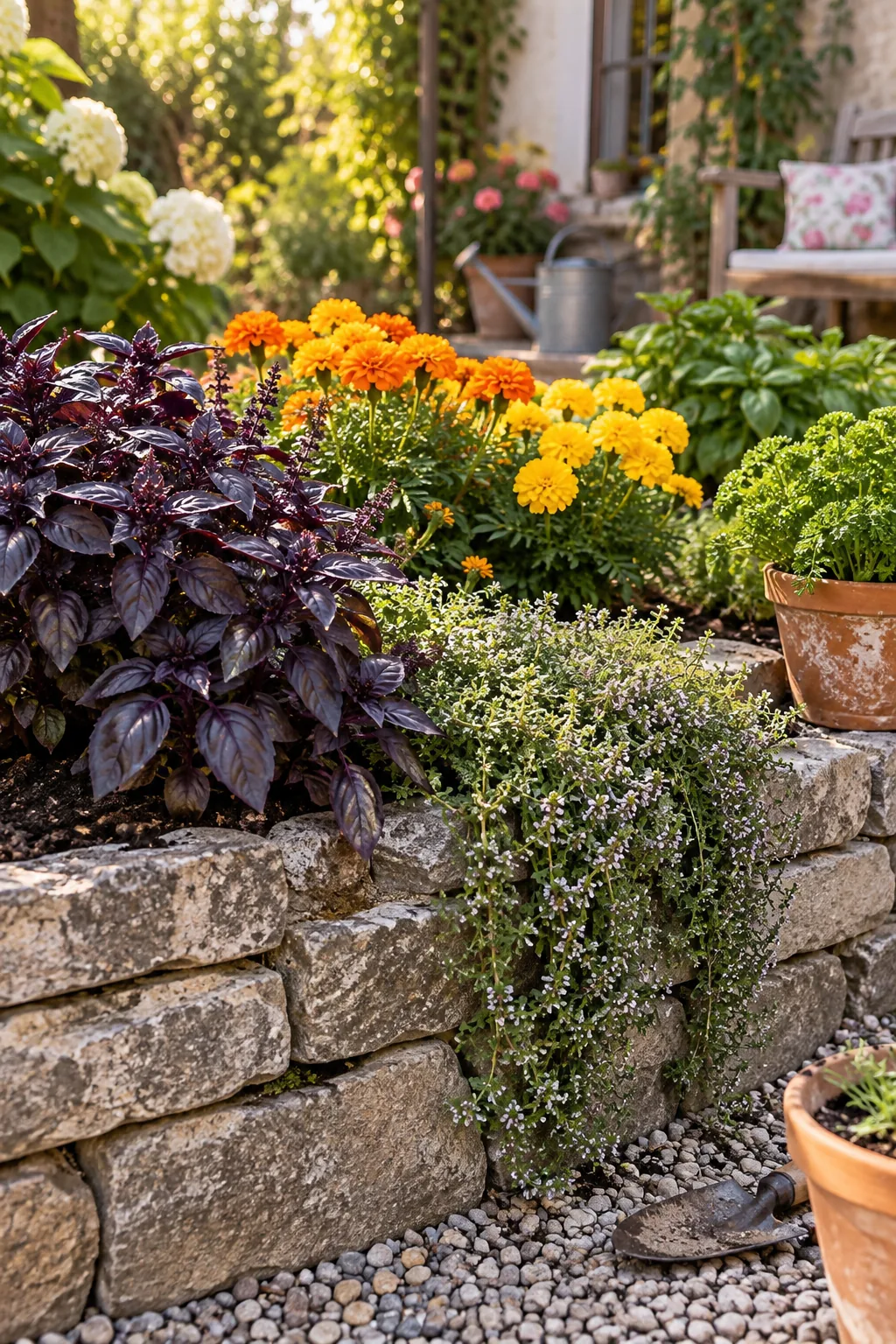
Mix edible herbs right into your ornamental flower beds. Purple basil and trailing thyme look gorgeous spilling over the edge of a stone border next to your marigolds. The strong scent of the herbs actually helps confuse pests and keeps bugs away from your delicate blooms.
Why it works: Why it works: Mixing herbs and flowers maximizes your growing space and creates a natural pest deterrent system.
9. Flank the Front Door
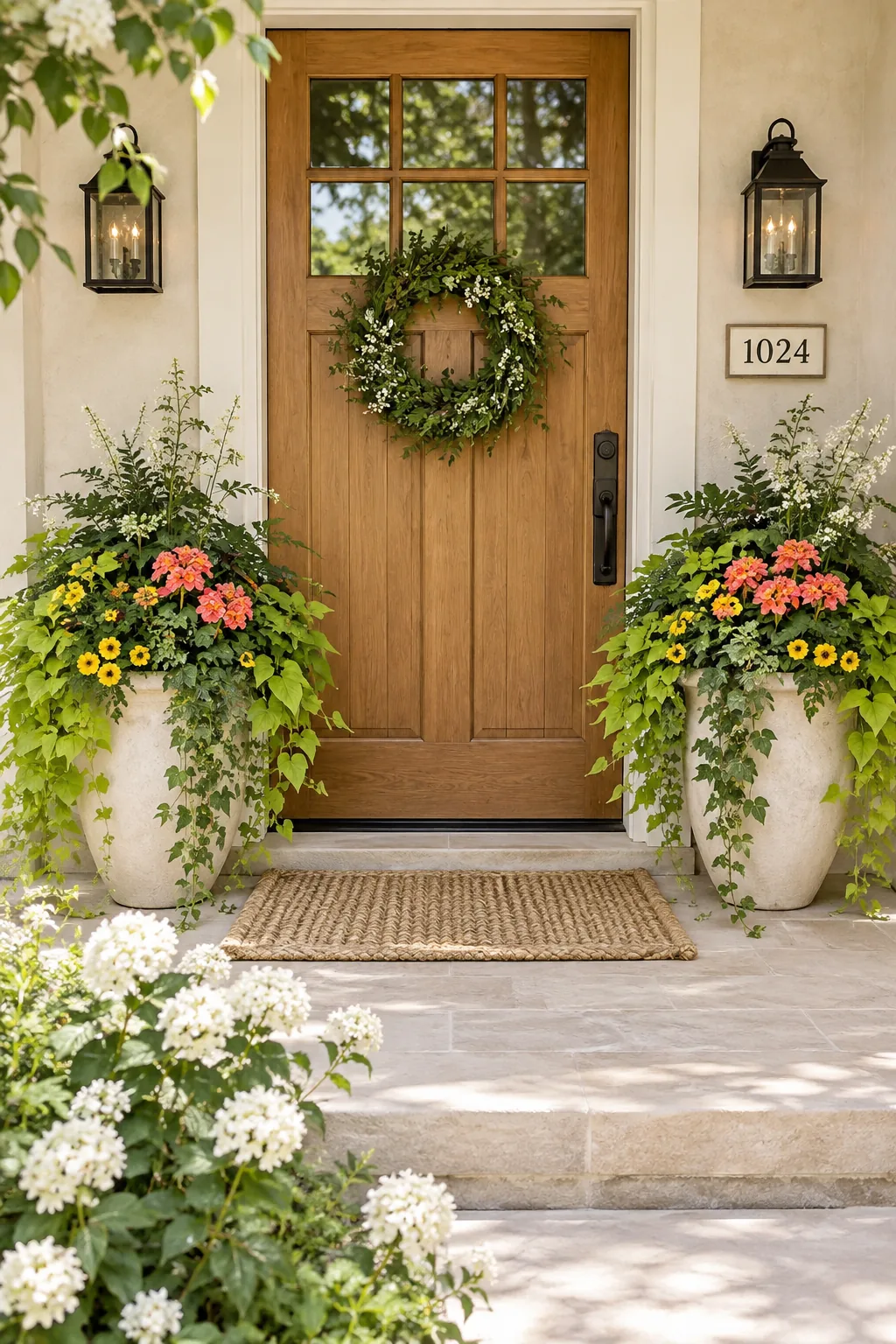
Two matching planters flanking your front door instantly upgrade your home's curb appeal. Stuffing them with a mix of trailing vines and bright annuals creates that overflowing, professional look. You only have to water them when the top inch of soil feels dry to the touch.
10. Stick to One Color
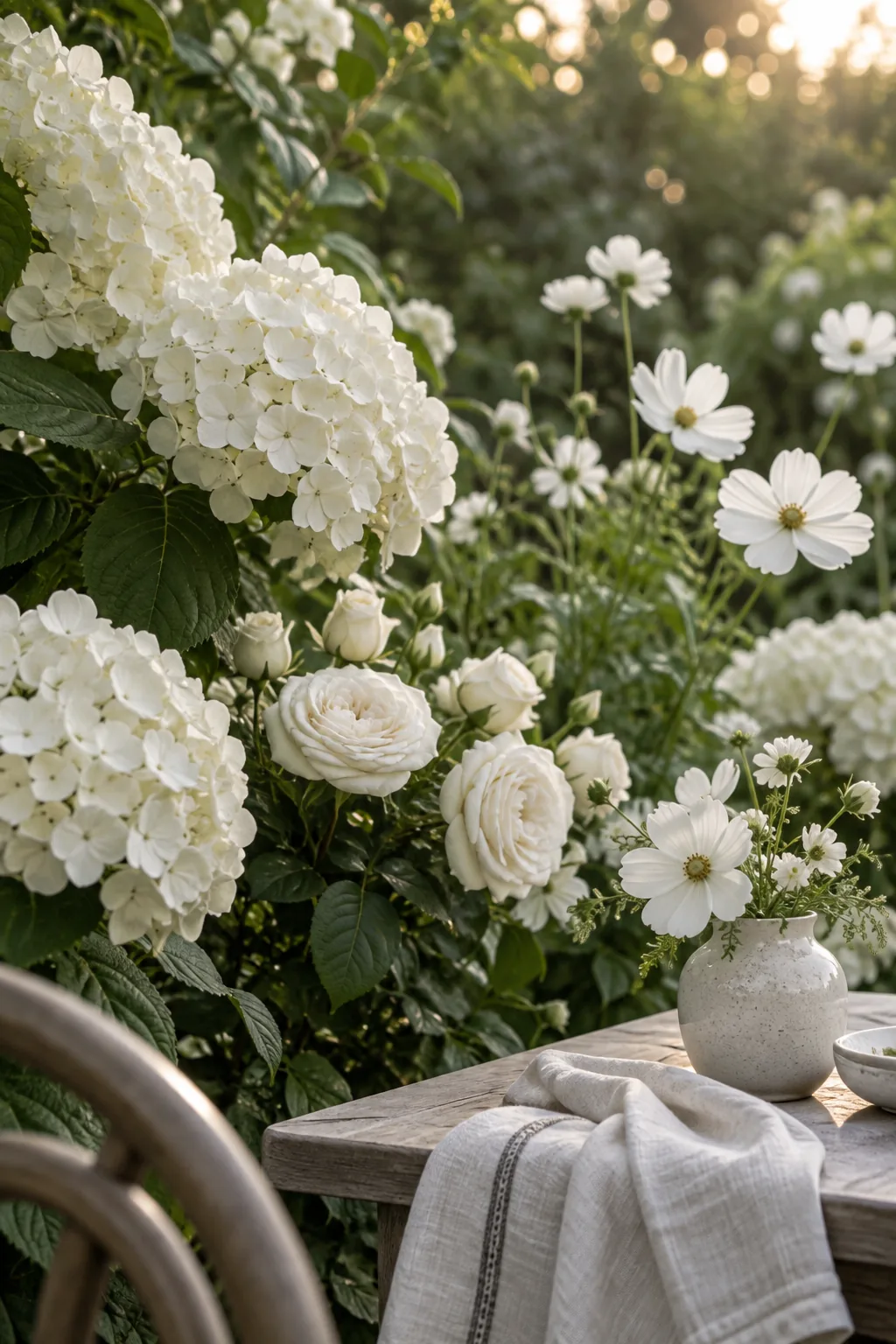
A monochromatic color scheme makes a tiny garden feel incredibly sophisticated.
Sticking entirely to white flowers against dark green foliage creates a calming, modern vibe. The white petals practically glow in the evening when you sit outside after dinner. It completely removes the stress of trying to match different flower colors at the nursery.
Why it works: Why it works: Limiting your color palette creates visual harmony and prevents a small space from looking chaotic.
11. Add Ornamental Grasses
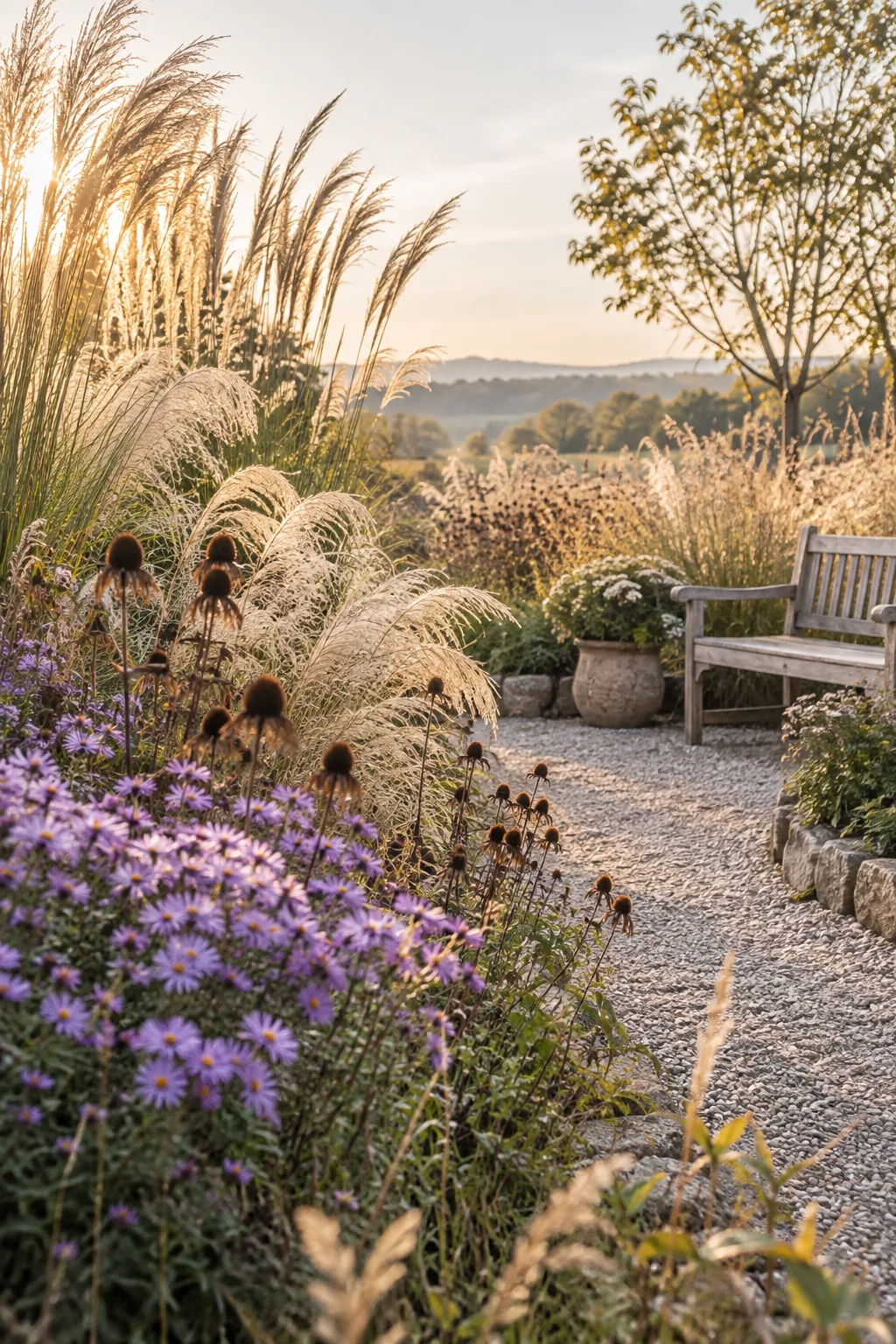
Relying on tough perennial grasses provides the structural backbone that makes a garden look good even in winter. Tall ornamental grasses sway beautifully in the breeze and add crucial texture next to flat flower petals. They require absolutely zero deadheading and only need to be chopped back once in early spring.
12. Soften the Pathways
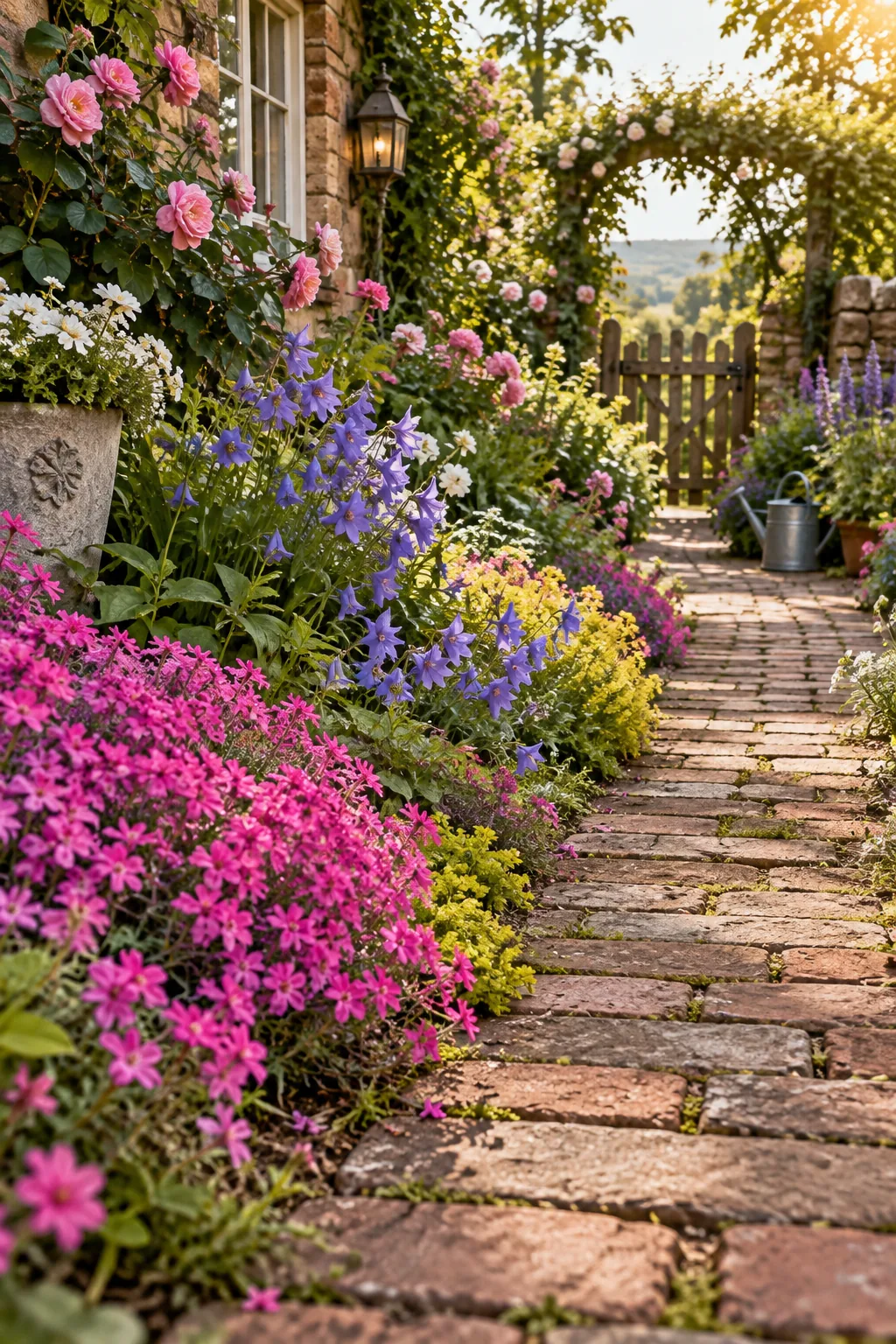
A charming cottage garden relies on tightly packed plants spilling over the pathways.
Letting your ground cover plants creep onto the brick or gravel softens the hard edges of your yard. It creates a romantic, lived-in atmosphere that feels incredibly welcoming. You just need to trim them back a few times a year so you can still walk by.
- Creeping thyme
- Sweet alyssum
- Trailing lobelia
13. Scatter Self-Seeding Flowers
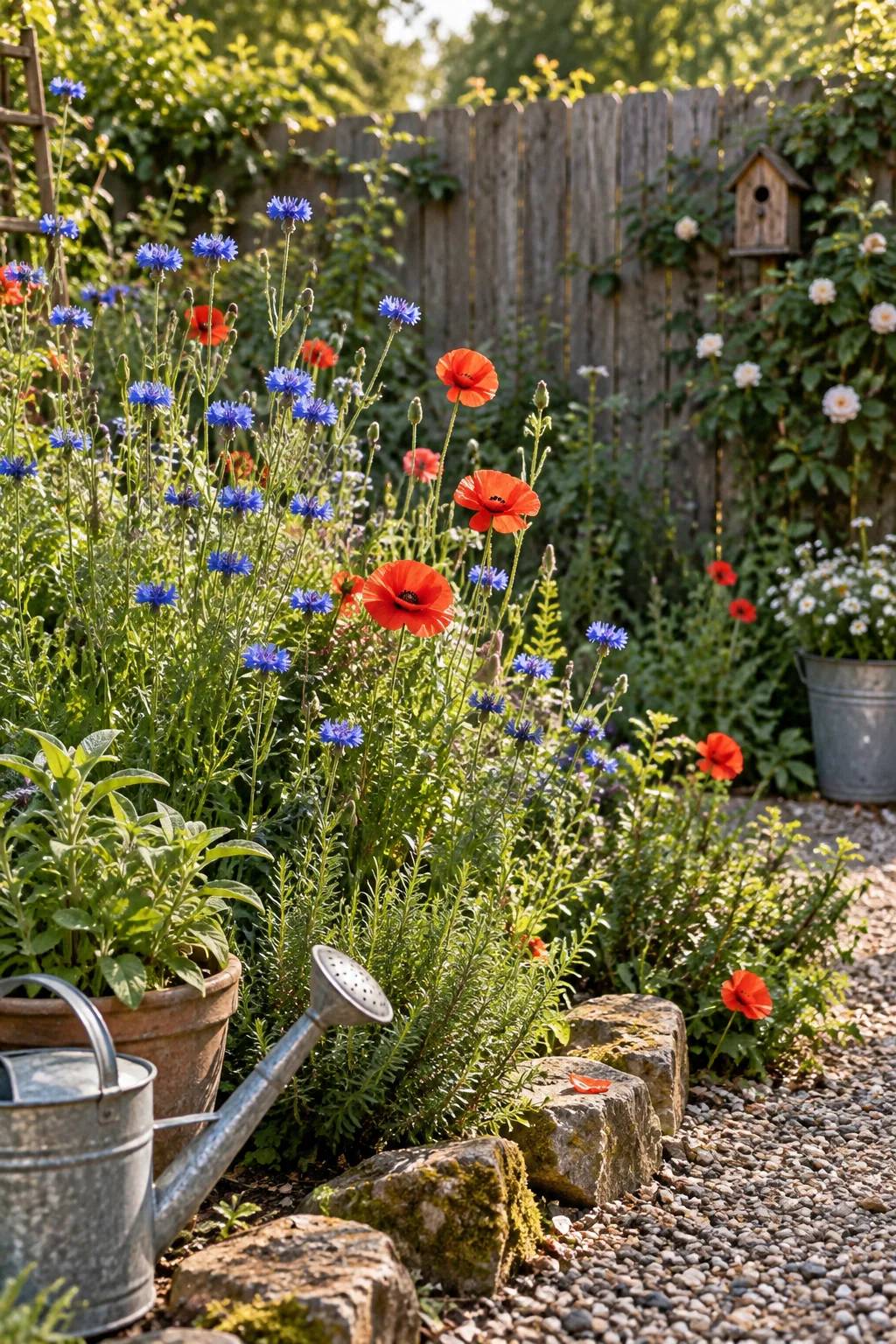
My absolute favorite lazy gardening trick is scattering self-seeding annuals in the fall. Plants like bachelor's buttons and poppies will drop their own seeds and magically pop back up every spring without any effort on your end.