
9+ Easy Landscape Edging Ideas for Your Yard
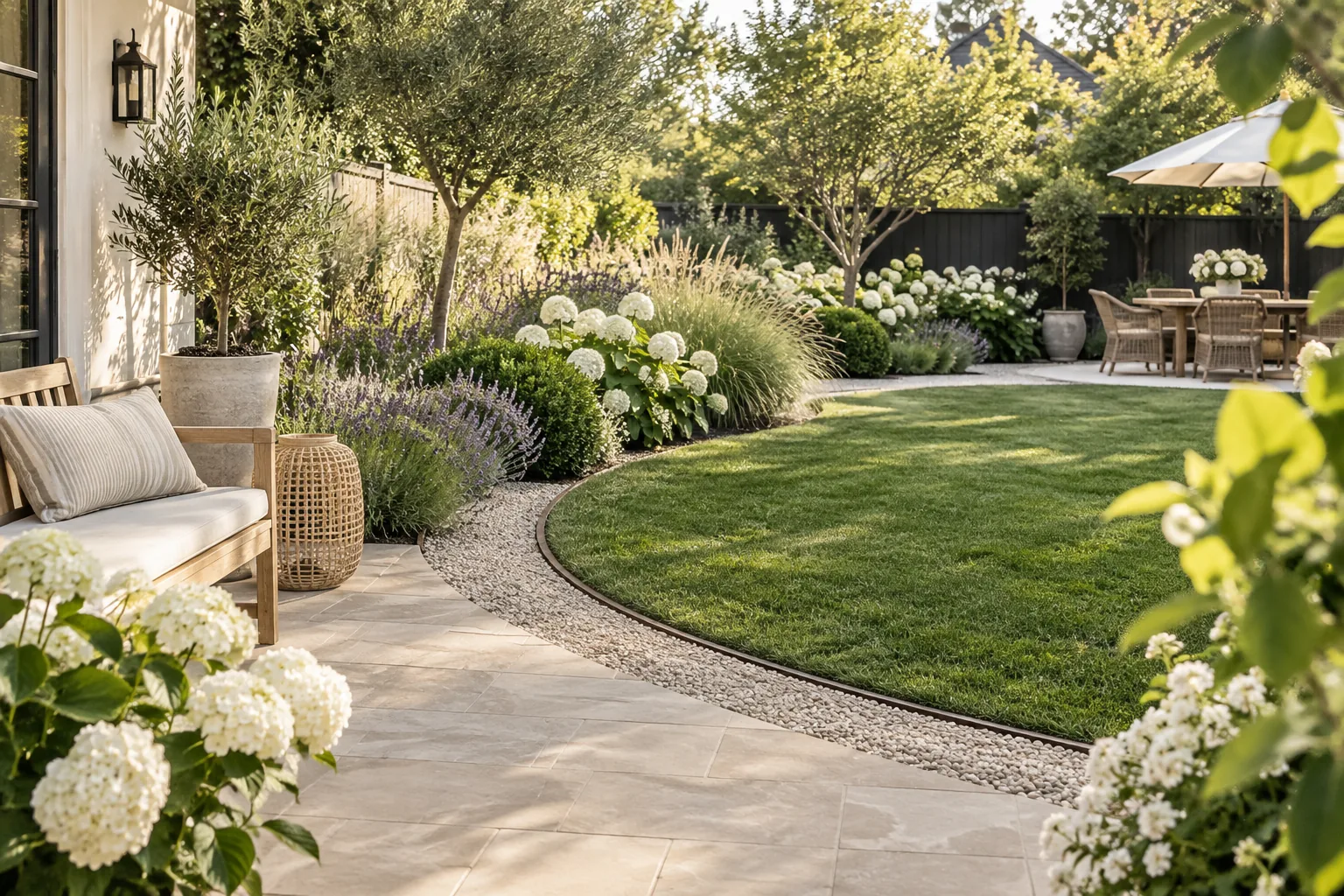
Good landscape edging keeps your mulch in place and stops the lawn from creeping into your flower beds. I gathered my favorite materials and methods to help you get those crisp, clean lines without spending a fortune.
1. Cinder Block Planters
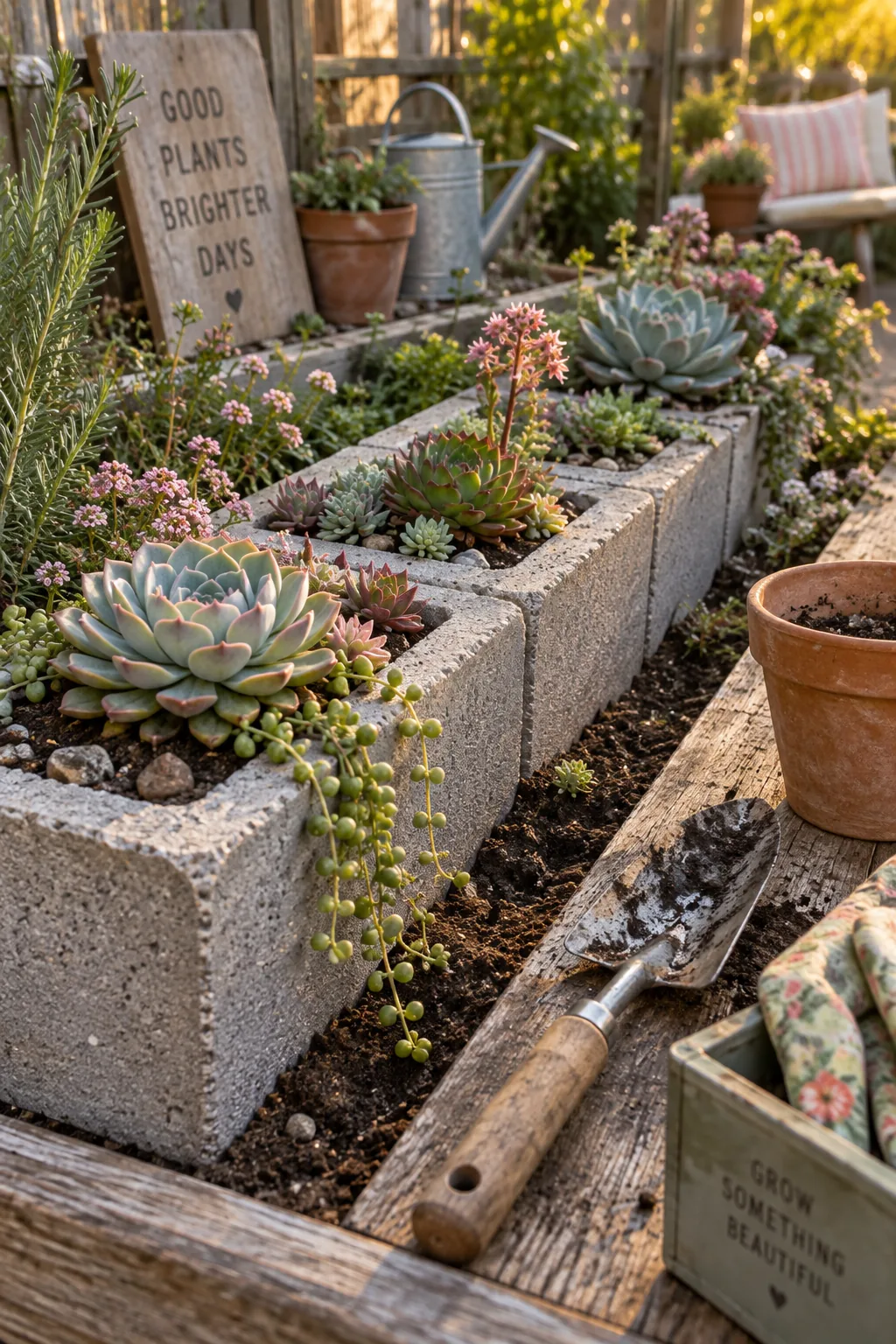
Bury the bottom third of your cinder blocks to keep them from shifting over the winter. This adds serious stability to heavy borders.
You can leave the blocks bare for an industrial vibe or paint them dark gray to blend in. The open holes are perfect for planting small succulents.
It takes some digging upfront, but the payoff is huge. You will never have to replace this edge.
2. Weathered Steel
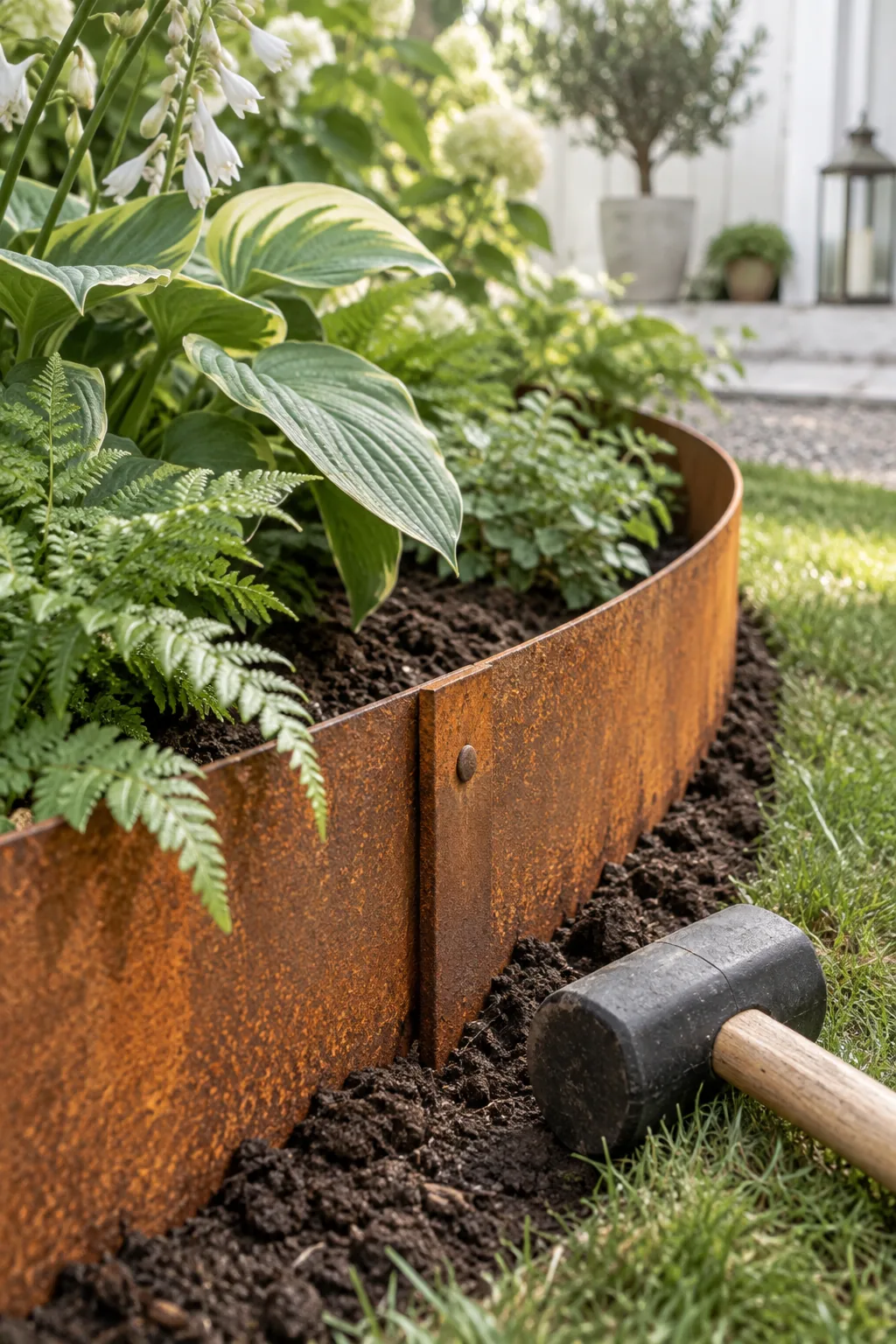
A rusty weathering steel edge creates a sleek, modern border that contrasts beautifully with soft green foliage. The metal arrives silver and naturally weathers into a rich orange-brown patina over a few months. It comes in long, flexible strips that easily bend around curved garden beds. You just pound the attached stakes directly into the soil with a rubber mallet. This is hands down the best way to get a perfectly smooth curve without hiring a professional crew.
3. Stacked Flagstone
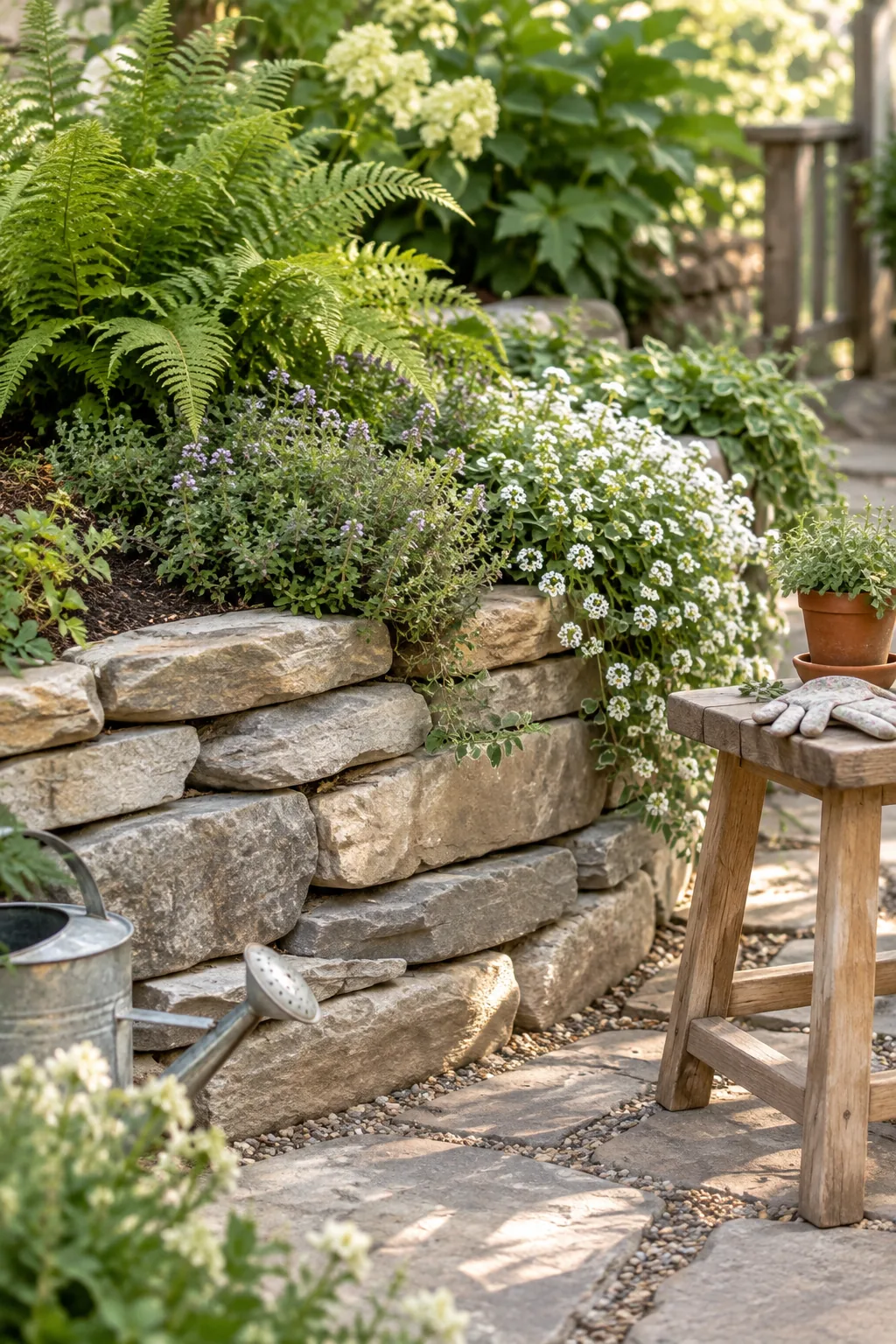
Heavy flagstone pieces work incredibly well because their irregular shapes lock together like a puzzle to block weeds. You just stack them two or three layers high to build a rugged, natural barrier that holds back mounds of soil.
4. Reclaimed Brick
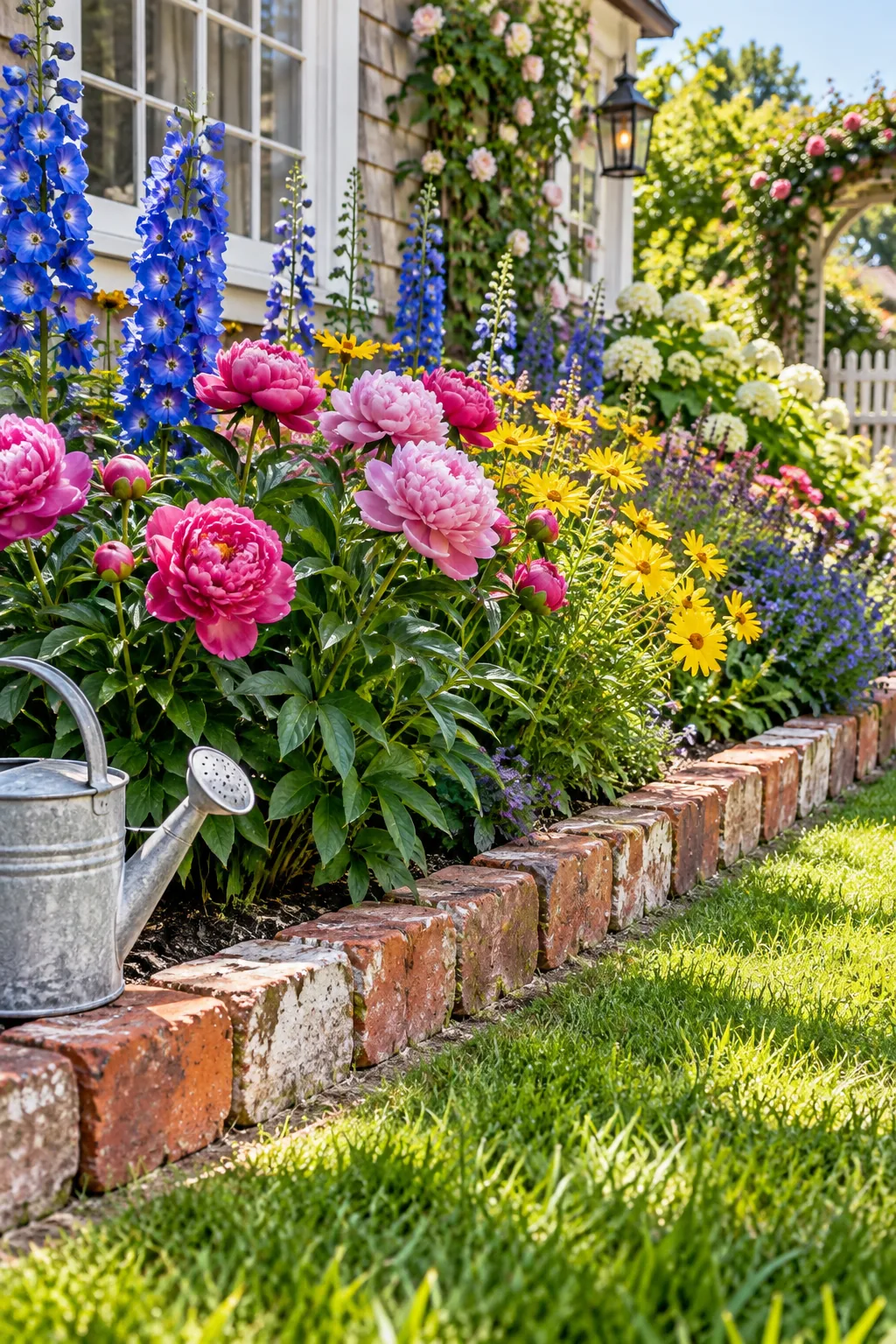
I always grab extra reclaimed bricks whenever I see them sitting by the curb. Digging a shallow trench and laying them end-to-end on a bed of sand gives you a timeless, cottage-style border that barely costs a dime.
5. Cedar Logs
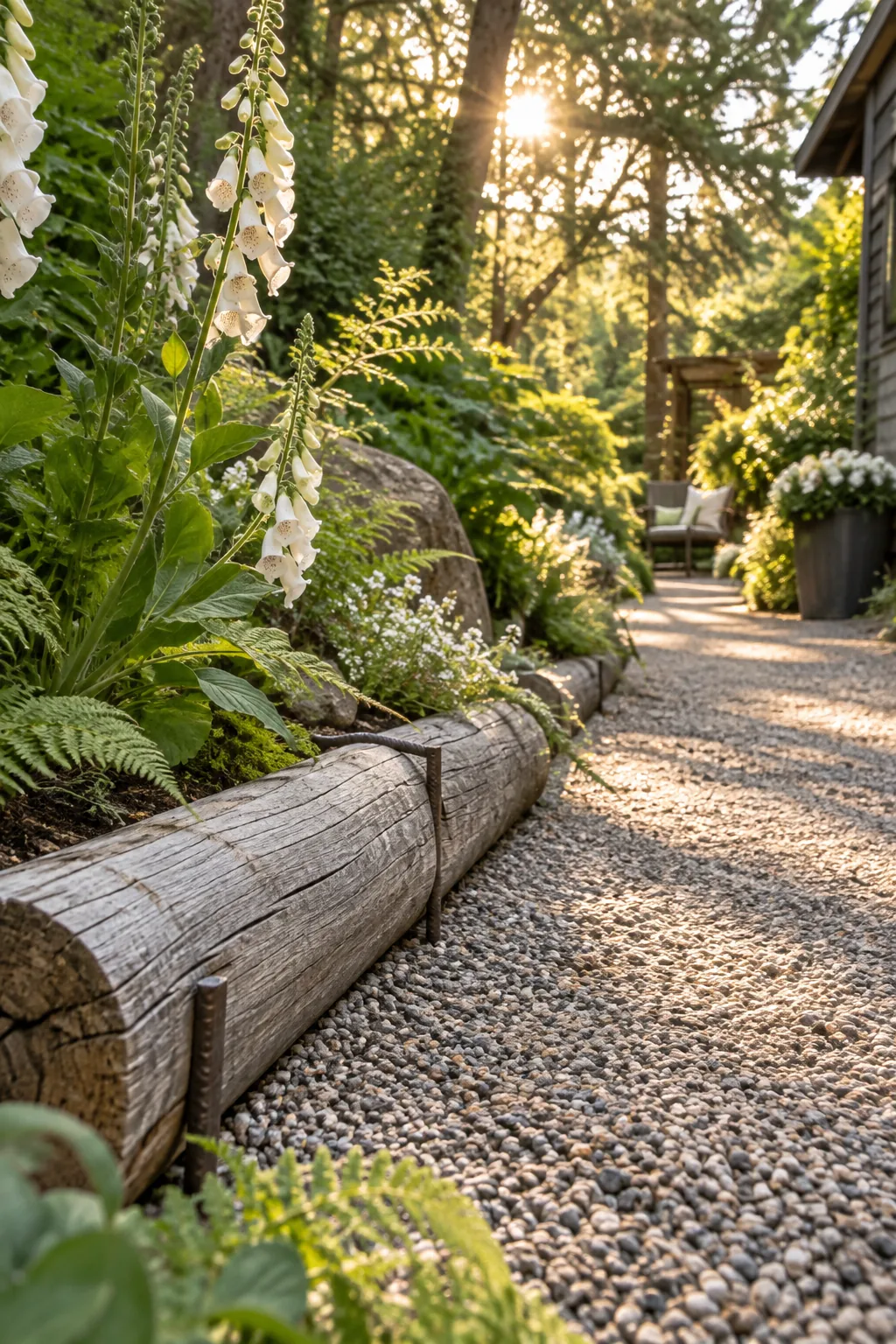
Thick cedar logs work beautifully as edging because the wood naturally resists rot and bugs for years.
You can lay them down horizontally along straight garden paths for a rustic, woodland feel. Just drill a hole through the ends and drive a piece of rebar into the ground to anchor them. They weather to a gorgeous silvery gray over time.
Why it works: The massive weight of the logs keeps mulch completely contained during heavy rainstorms.
6. Victorian Trench
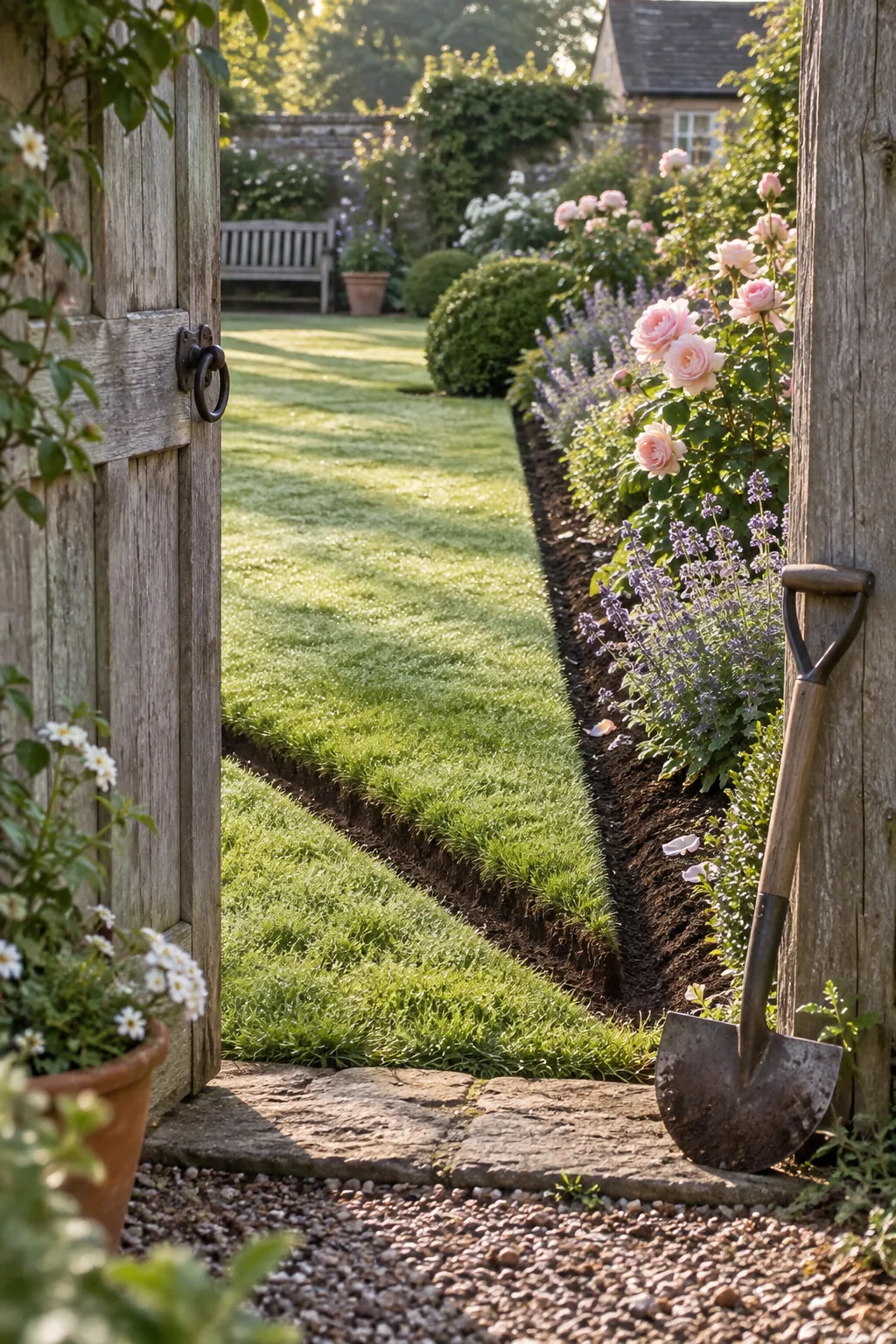
Digging a simple V-shaped trench four inches deep is the absolute cheapest way to edge your beds. We call this a Victorian edge.
You use a half-moon edger to slice straight down into the turf, then pull the soil back toward the garden. The empty space creates a shadow line that stops grass roots dead in their tracks.
It requires zero materials. You just have to recut the line once a year in the spring.
7. Woven Willow
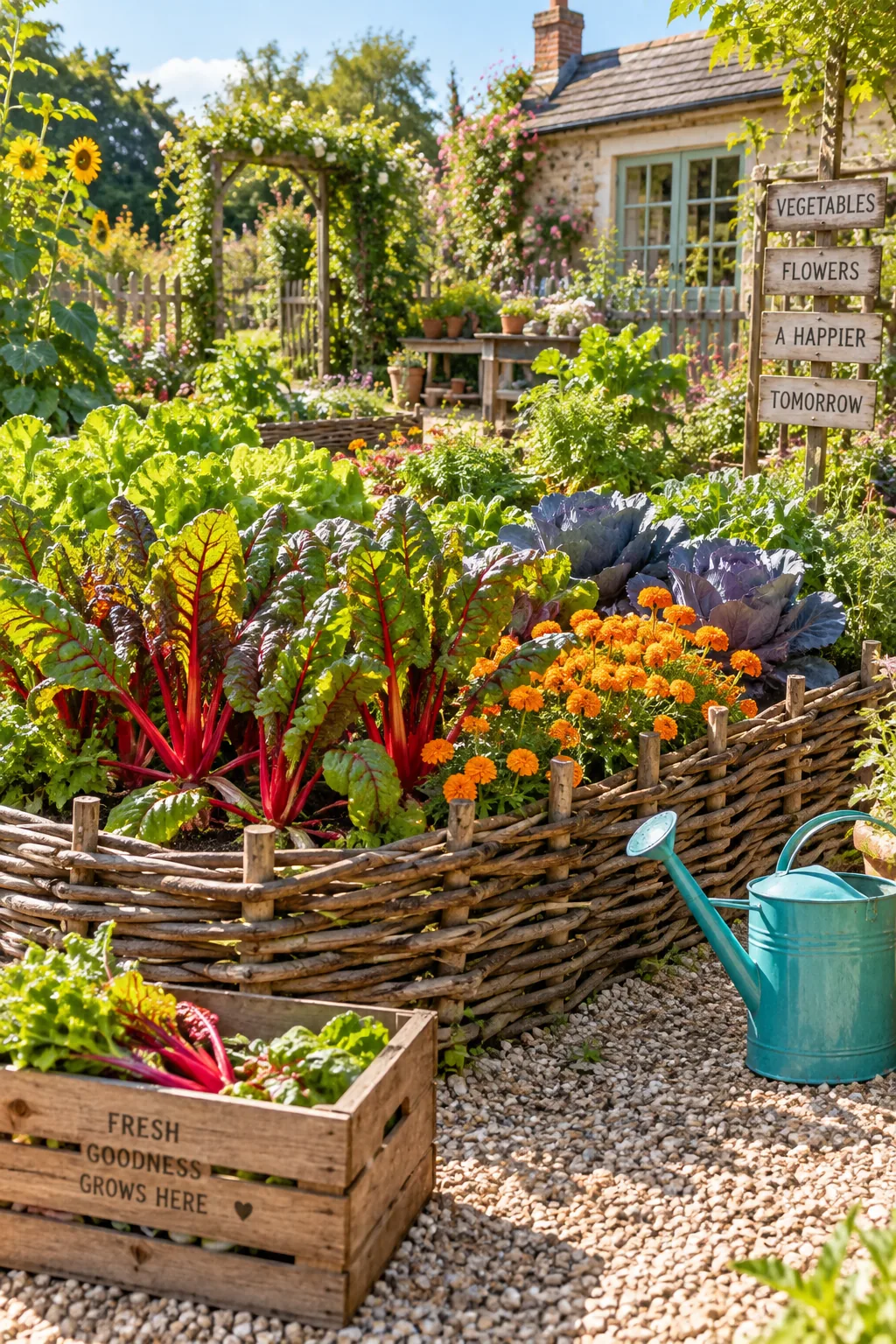
A low wall of woven willow branches creates an intricate, storybook look that feels right at home in a kitchen garden. You push sturdy vertical stakes into the mud and weave flexible green branches in and out to form a tight basket edge. This organic border eventually breaks down, but it feeds your soil in the process.
- Fresh willow whips
- Wooden stakes
- Garden mallet
8. Poured Concrete
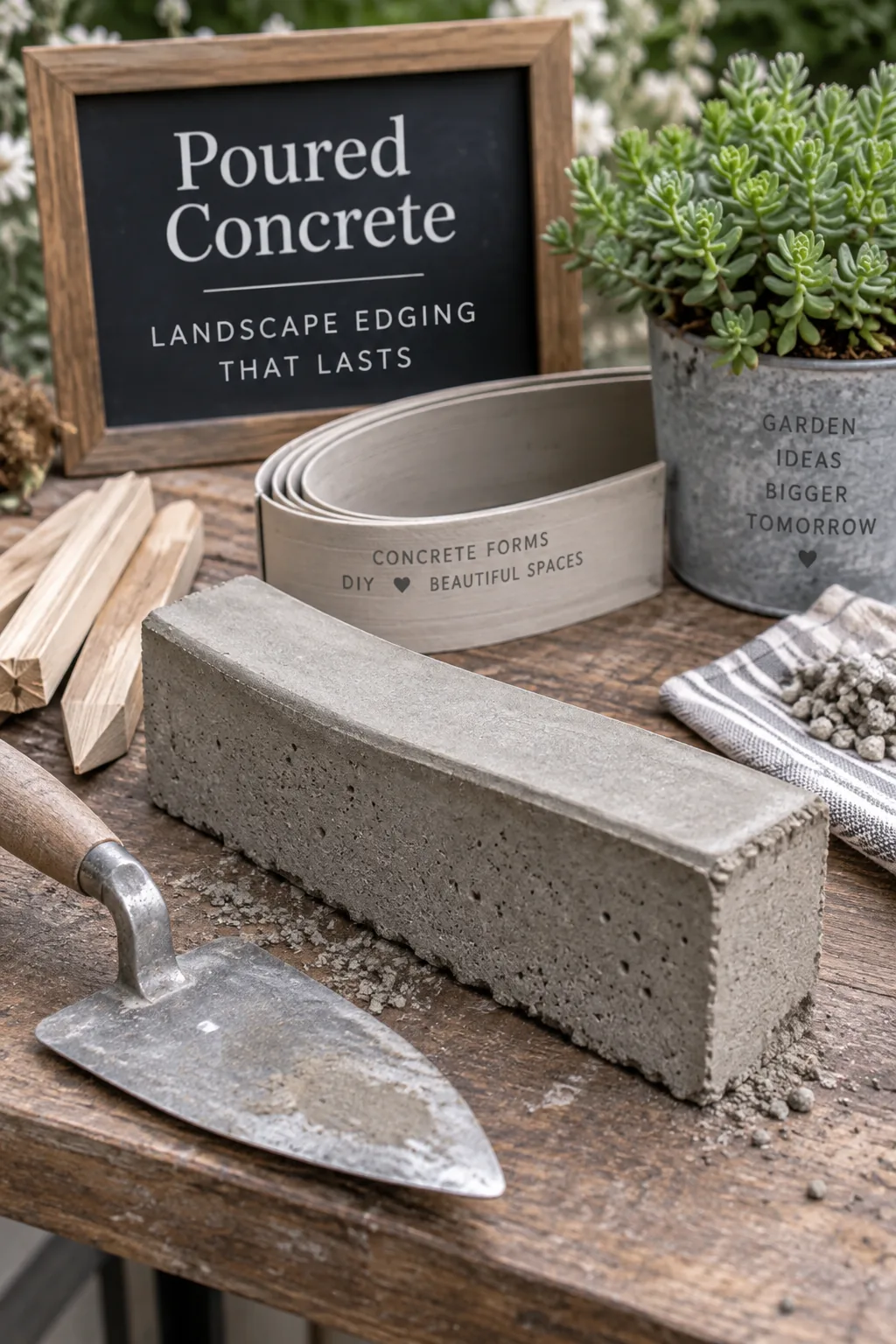
My favorite trick for a zero-maintenance border is pouring a solid concrete curb. It sounds intimidating, but renting a small mixer makes it totally doable.
You build a simple form out of flexible form board and wooden stakes. Pour the concrete, smooth the top with a trowel, and let it cure.
A mower wheel can ride right on top of this flat edge. It eliminates the need for string trimming entirely.
9. Flush Cobblestone
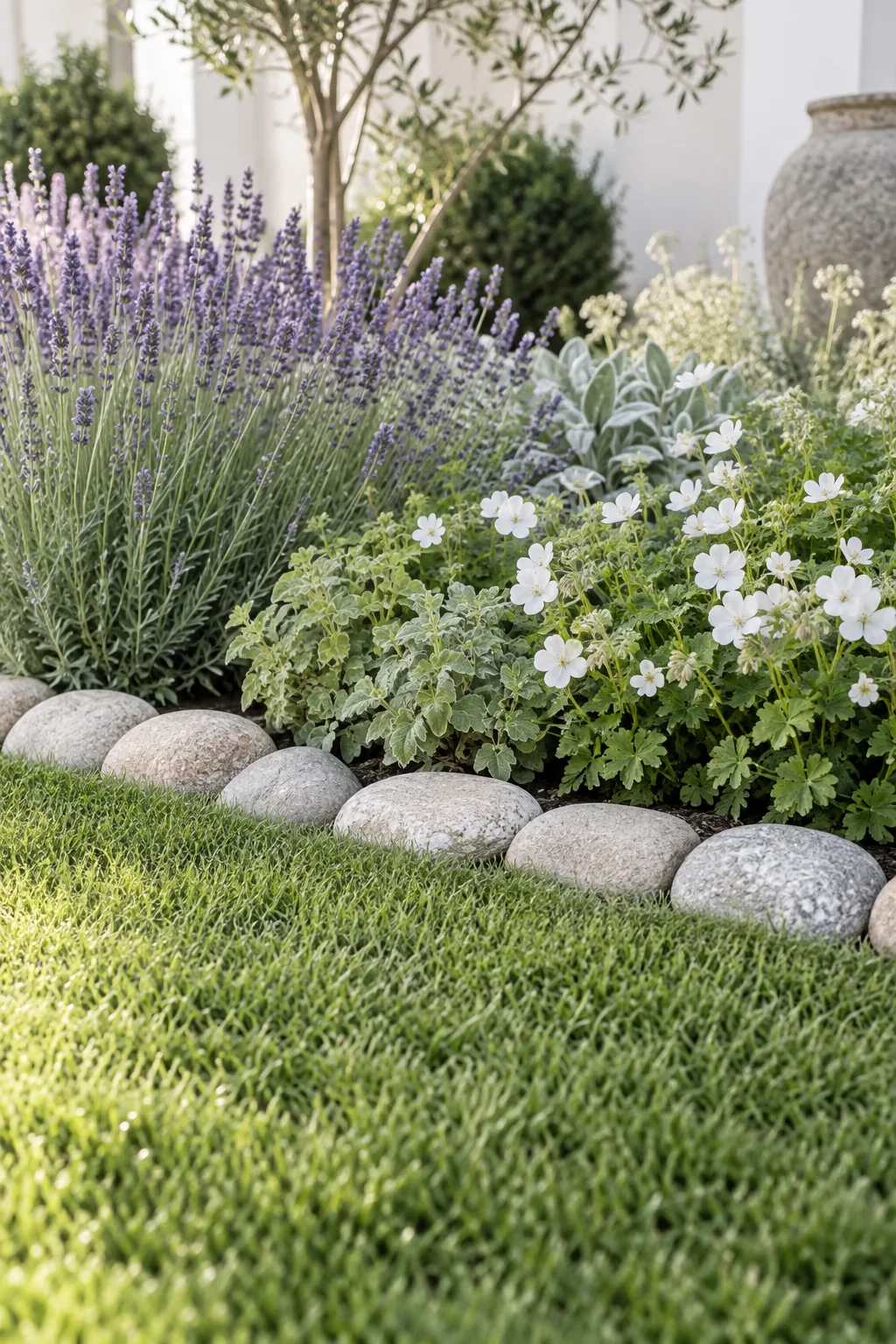
Sinking round cobblestones flush with the lawn creates a neat, textured ribbon that clearly separates your grass from your plantings. The smooth, rounded tops look incredibly tidy while letting water drain right through the gaps.
10. Upright River Rock
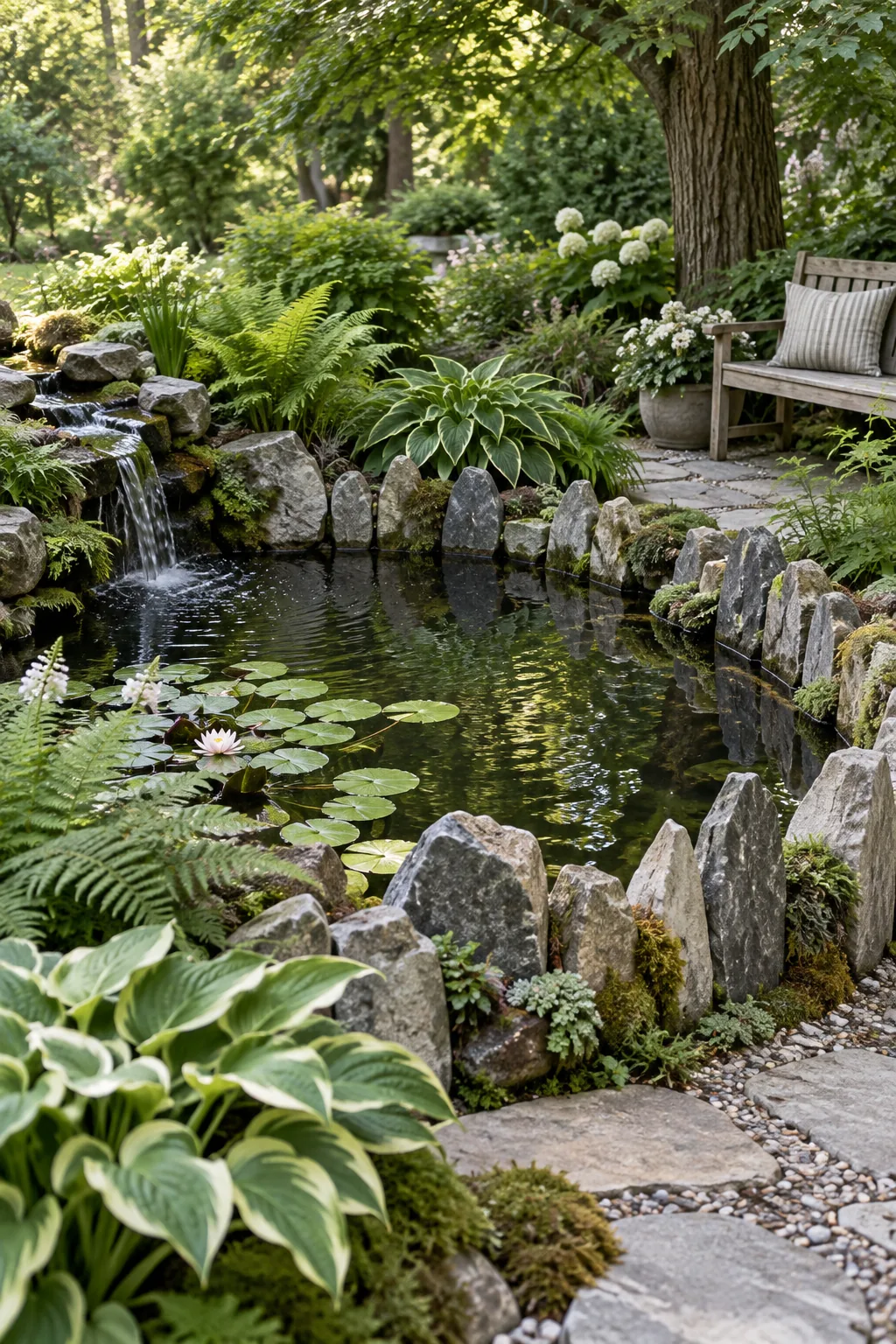
Sliced river rock works brilliantly because the flat bottoms sit securely on the soil without wobbling away. Standing these large stones upright side-by-side forms a jagged, naturalistic tooth edge that looks fantastic around water features or shade gardens.
Just make sure to lay down some landscaping fabric first so weeds do not sprout between the stones.