
As a parent, I’ve directly felt how a disorganized playroom can quickly become a source of tension. However, with thoughtful planning, this area can transform into a haven of creativity and happiness for your kids.
1. Personalized Mats

Employ personalized play mats to define playing areas, which adds a touch of individuality. I’ve found these mats to be both practical and endearing within any playroom office combo.
2. Furniture with Many Uses

Incorporate multi-purpose furniture such as storage benches that act as play surfaces for efficient space use. I’ve found these invaluable in maximizing both play areas and function. You can complement these versatile pieces with trendy wallpaper concepts to complete the room design.
3. Showcase Books on Shelves

Use floating shelves to showcase books with their covers facing out, which encourages independent reading. From my designs, this has been effective in getting children to read more.
4. Quiet Reading Space

Create a quiet reading space that has good lighting and soft seating to promote a passion for books. These nooks have become cherished spaces within the playrooms I’ve designed, especially when enhanced by creative curtains that add privacy and comfort.
5. Underused Space

Make use of underused areas, such as corners or under tables, for extra storage. It’s a strategy I’ve used to effectively increase the efficiency of a playroom. Check out these innovative ideas for storing toys to maximize your space.
6. Safe Foam Flooring

Think about foam flooring, which is soft for playing and easy to clean, which creates a safe area for energetic little ones. I’ve used it in many playrooms with great results.
7. Baskets and Containers for Managing Mess

Employ various baskets and bins to store toys, making it easy for children to clean up after playtime. In my house, labelled bins have turned chaos into peace. You can find more smart ideas for organizing toys on a budget to keep your home tidy.
8. Reusing Old Furniture

Upcycle old furniture pieces into unique storage options, which adds character and saves money. I’ve turned vintage pieces into playroom favorites. You can also explore unique storage ideas for tissue paper to keep your craft supplies organized.
9. Sensory Play Spot

Designate a space for sensory play that features textures and interactive aspects. This area has become a favorite in playrooms I’ve designed, which provides endless tactile discovering.
10. Transparent Storage Choices

Employ clear storage bins to make it simple for children to locate and return toys. From my designs, these have been essential for maintaining a user-friendly, organized space. You can explore more creative storage bin ideas to keep your home tidy.
11. Engaging Wall Decorations

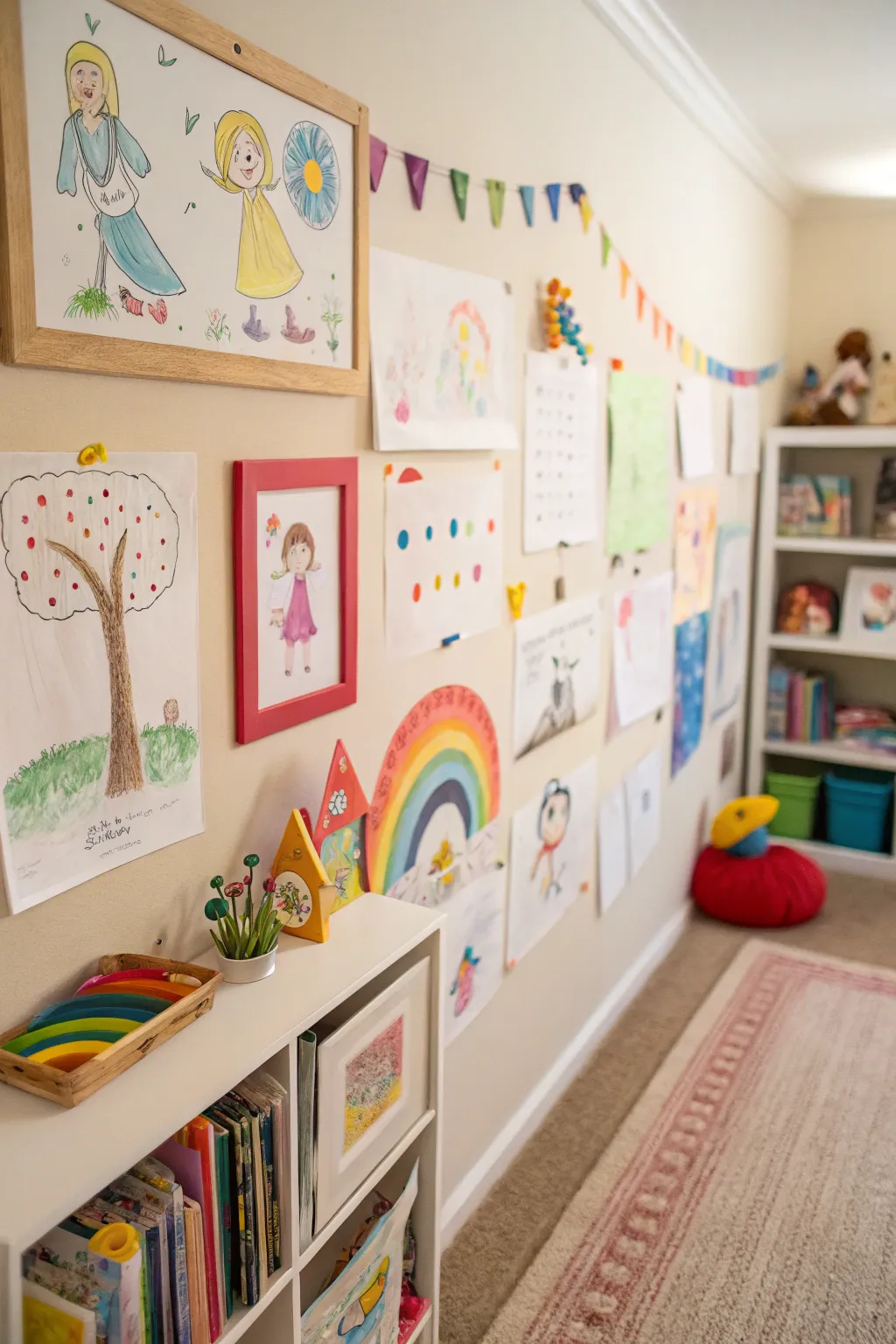
Encourage your child’s creativity with interactive wall decor and instructional posters. I’ve seen how these aspects can turn a plain wall into an inspiring feature within a playroom. You might also consider indoor lattice wall decor to add both texture and functional storage to the space.
12. Vertical Storage

Vertical storage options save floor space while making items easily accessible. This trick has been a lifesaver in smaller playrooms I’ve designed. You can find more inspiration in our fun and functional playroom ideas for grownups.
13. Freshness with Toy Rotation

Use a toy rotation strategy to maintain a fresh, engaging playroom atmosphere. From what I’ve seen, this keeps kids thrilled about their toys as though they’re always new. You can find more inspiration in our living room toy storage ideas.
14. Comfortable Child-Sized Furniture

Pick child-sized furniture to make the playroom more welcoming and practical for kids. In my past work, this has consistently fostered a sense of comfort and independence.
15. Embrace Light

Increase natural light within the playroom to create an inviting, bright atmosphere. From my past work, a well-lit area improves the energy levels and mood for playing.
16. Harmonizing with Color

Add color coordination to produce a visually attractive, cohesive playroom. Personally, I enjoy how dynamic colors add energy to a space while guiding organization effortlessly.
17. Accessible Open Shelving

Open shelving units revolutionize playroom organization, presenting toys and books in an organized manner while ensuring they’re easily accessible. From my designs, kids tend to play more when they can see their toys. These storage solutions are essential when you are designing a combined playroom and study area.
18. Dress-Up Area

Design a dress-up space with wall hooks for hanging costumes and accessories. I’ve seen this promote imaginative playing in countless playrooms. You can even incorporate chalkboard wall ideas to create a backdrop for their creative performances.
19. Creating Specific Play Spaces

Define dedicated areas for various activities like a crafts zone or a reading space, which aids in maintaining order in the playroom. From my past, this strategy not only arranges but also fosters focused playing.
20. Personal Art Displays

Display your child’s artwork to contribute a colorful, personal touch to the playroom walls. From my designs, this personalizes and celebrates creativity while pairing perfectly with unique playroom couches for a comfortable space.