
DIY Slide-Away Septic Tank Cover Planter Plans & Plant List
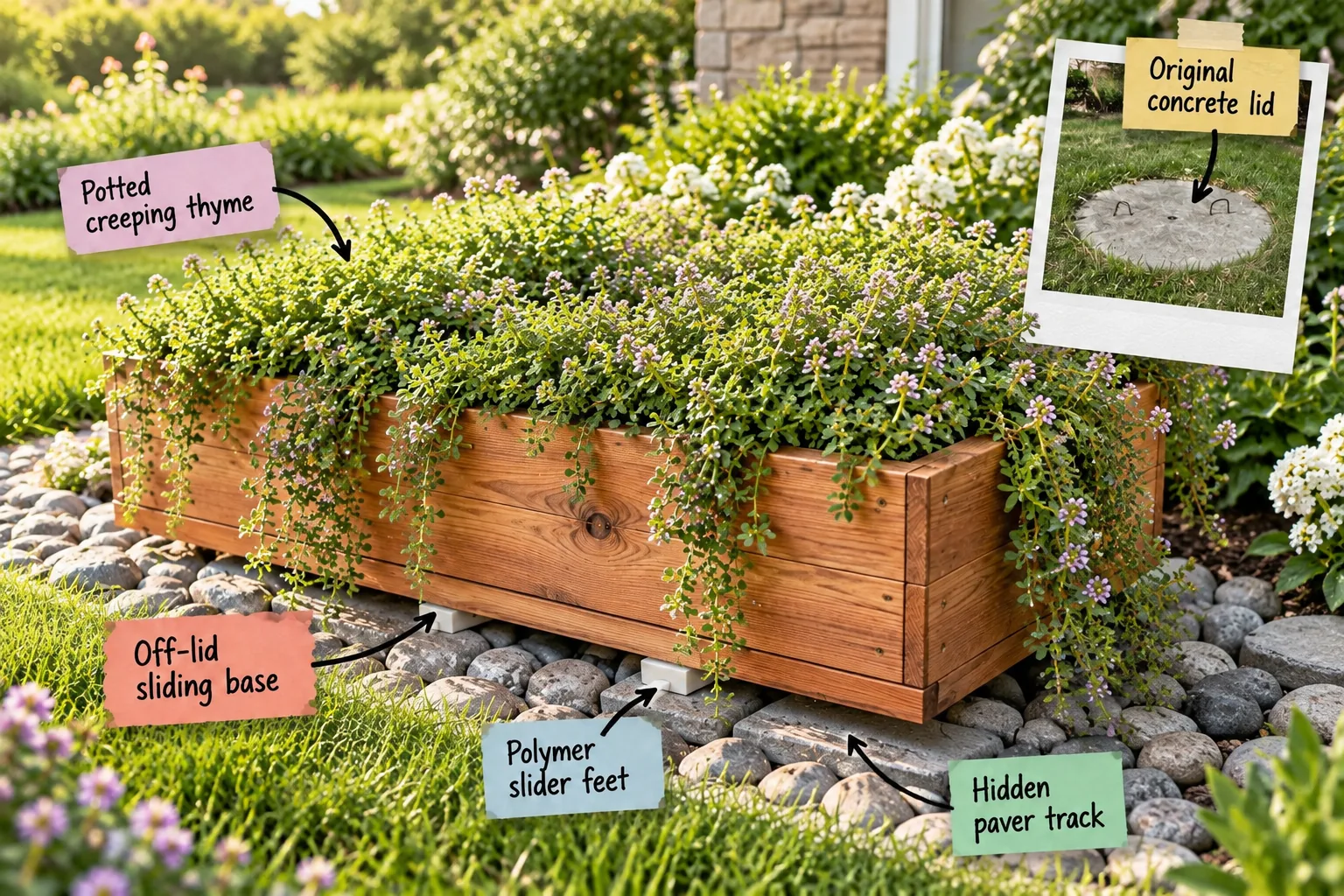
You will be able to build a sliding cedar planter that completely conceals your septic lid while keeping it instantly accessible for pumping. Get the complete slide-away planter build plans and shallow-root plant list right here to upgrade your yard seamlessly.
Hiding the Original Concrete Lid
The heavy concrete utility lid remains completely untouched and fully functional beneath your new decorative landscaping layer, ensuring you never compromise your home’s essential plumbing access.
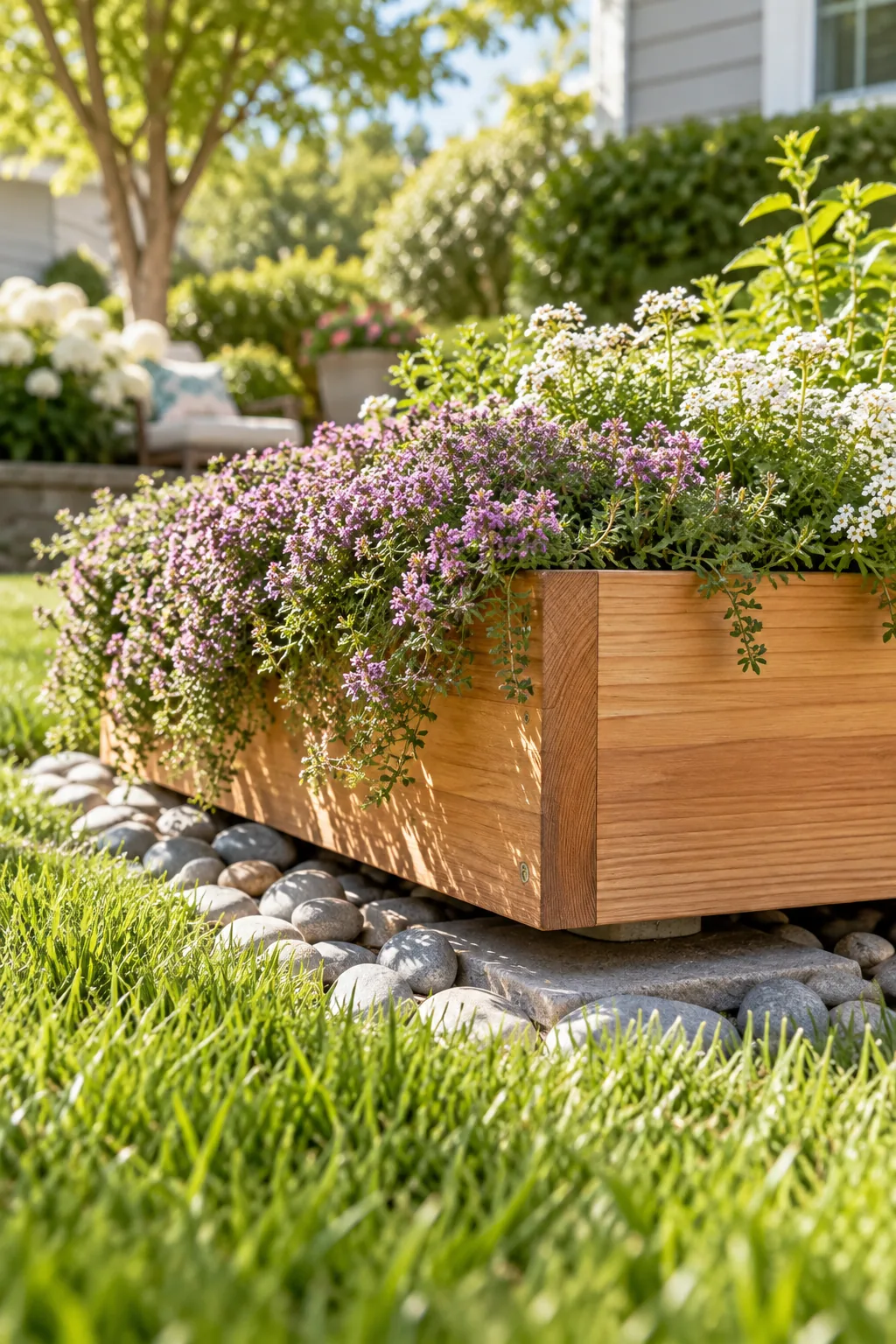
Always maintain a strict 2-inch air clearance above the concrete to prevent trapped moisture from causing premature rot on your wooden sliding structure.
Understanding Septic Lid Weight Limits
Standard utility covers are never designed to support heavy landscaping features, which is exactly why our off-lid structural design is so critical for the long-term safety of your yard’s plumbing.
Laying the Hidden Paver Track
Start your foundation by setting flat concrete stepping stones flush into the surrounding decorative river rock to create a completely invisible, trip-free glide path.
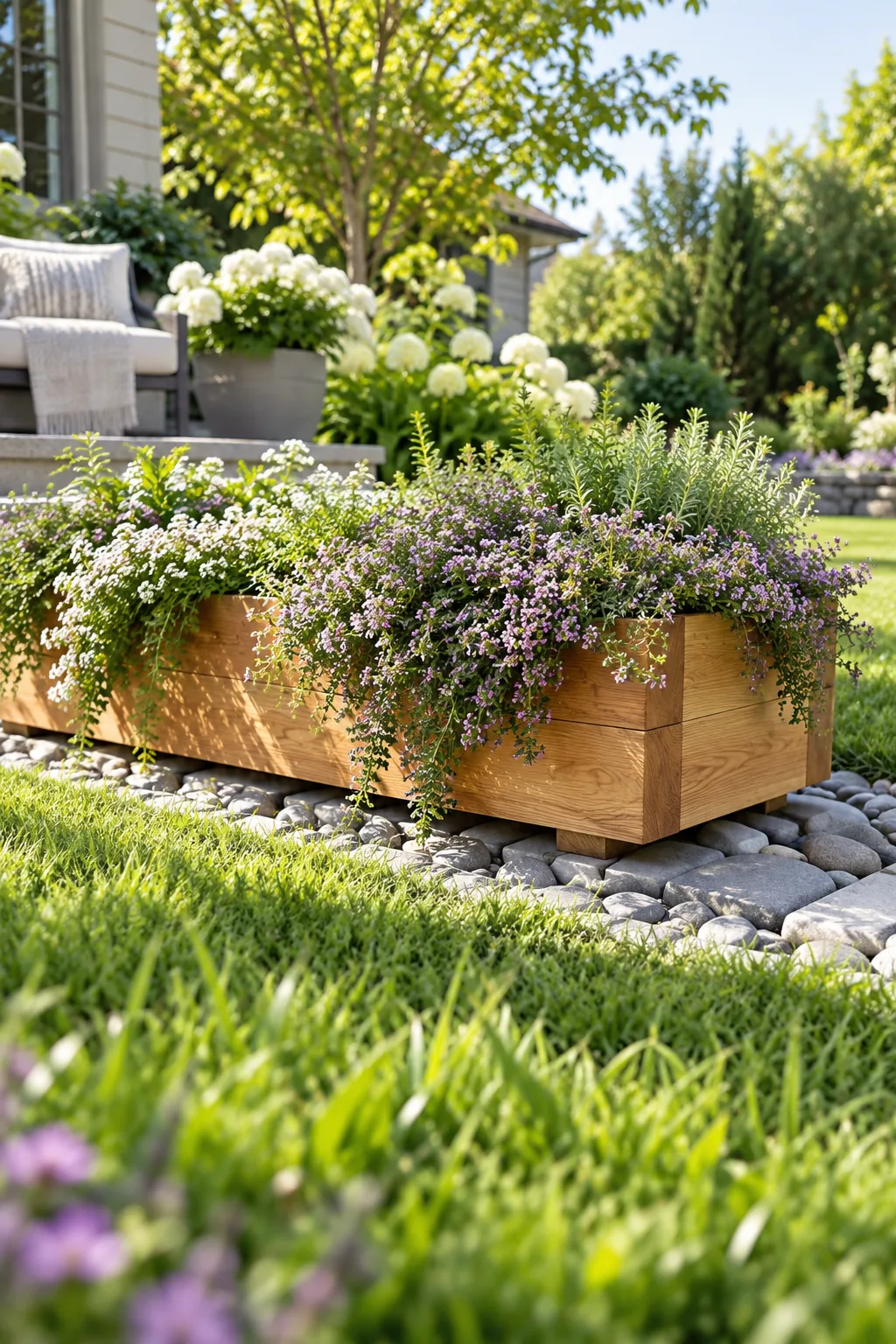
I highly recommend using 8×16-inch concrete pavers spaced perfectly to match your planter’s outer width, guaranteeing a smooth and level track for seasonal movement.
Leveling the Stone Foundation
Taking the extra time to tamp a solid layer of leveling sand beneath each individual paver ensures your heavy wooden planter will never awkwardly rock, tilt, or bind on the track.
Selecting the Best Decorative River Rock
Filling the gaps around your flat concrete track with smooth, medium-sized river rocks creates a brilliant visual transition that perfectly hides the functional sliding mechanism from everyday view.
Preventing Weed Growth in the Track
Laying a heavy-duty commercial landscape fabric directly beneath your leveling sand and river rock border permanently stops aggressive lawn weeds from creeping into your carefully measured glide path.
Installing Polymer Slider Feet
For completely effortless movement across the stone, firmly attach heavy-duty white polymer slider feet directly to the bottom corners of your structural wooden frame.
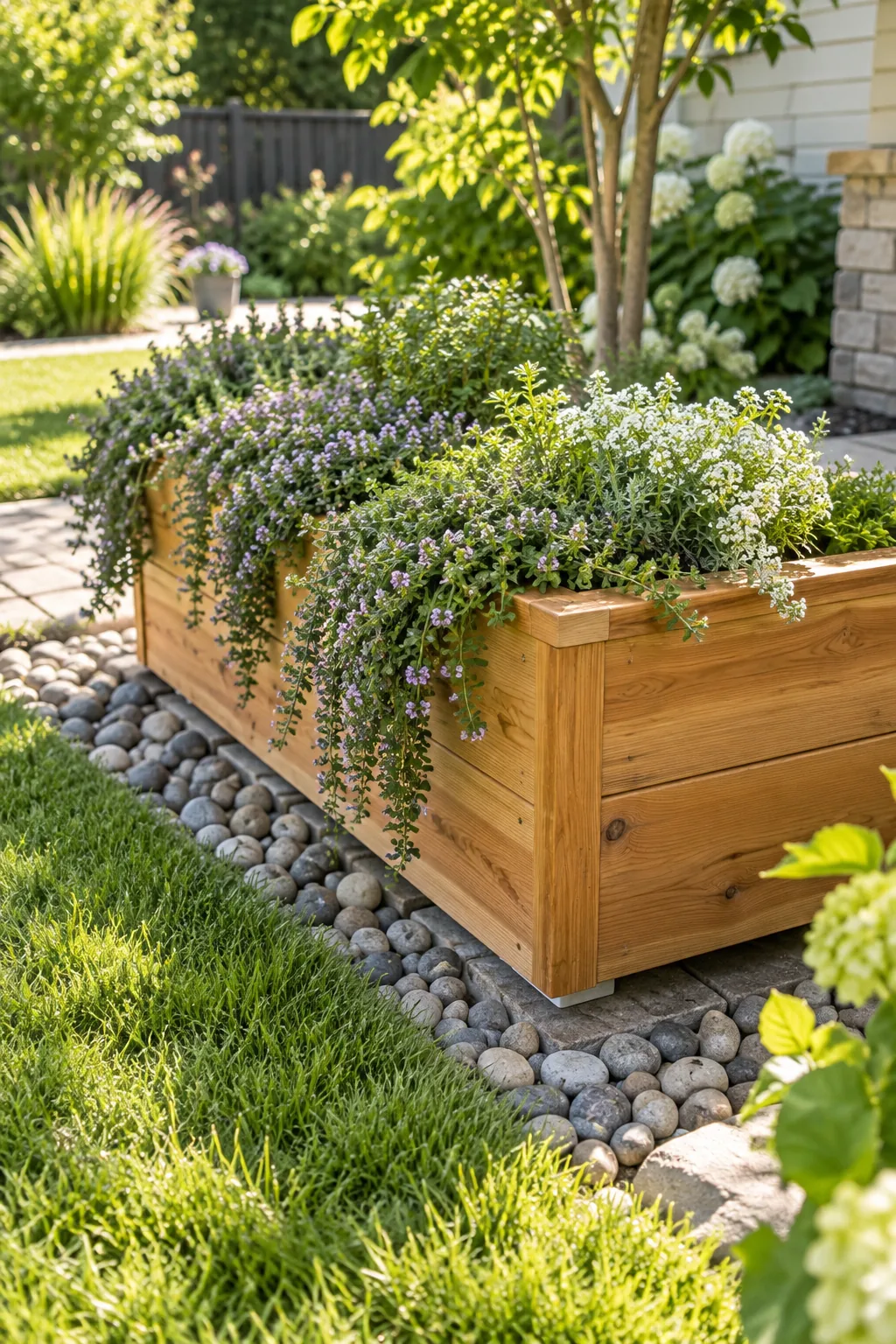
I learned the hard way on my own Austin patio that choosing the wrong friction hardware makes a heavy, wet soil box virtually impossible to budge when maintenance day arrives.
Building the Off-Lid Sliding Base
The structural secret to this seamless yard blend is constructing a hidden frame that bridges the utility lid without ever resting a single ounce of weight directly on the fragile concrete.
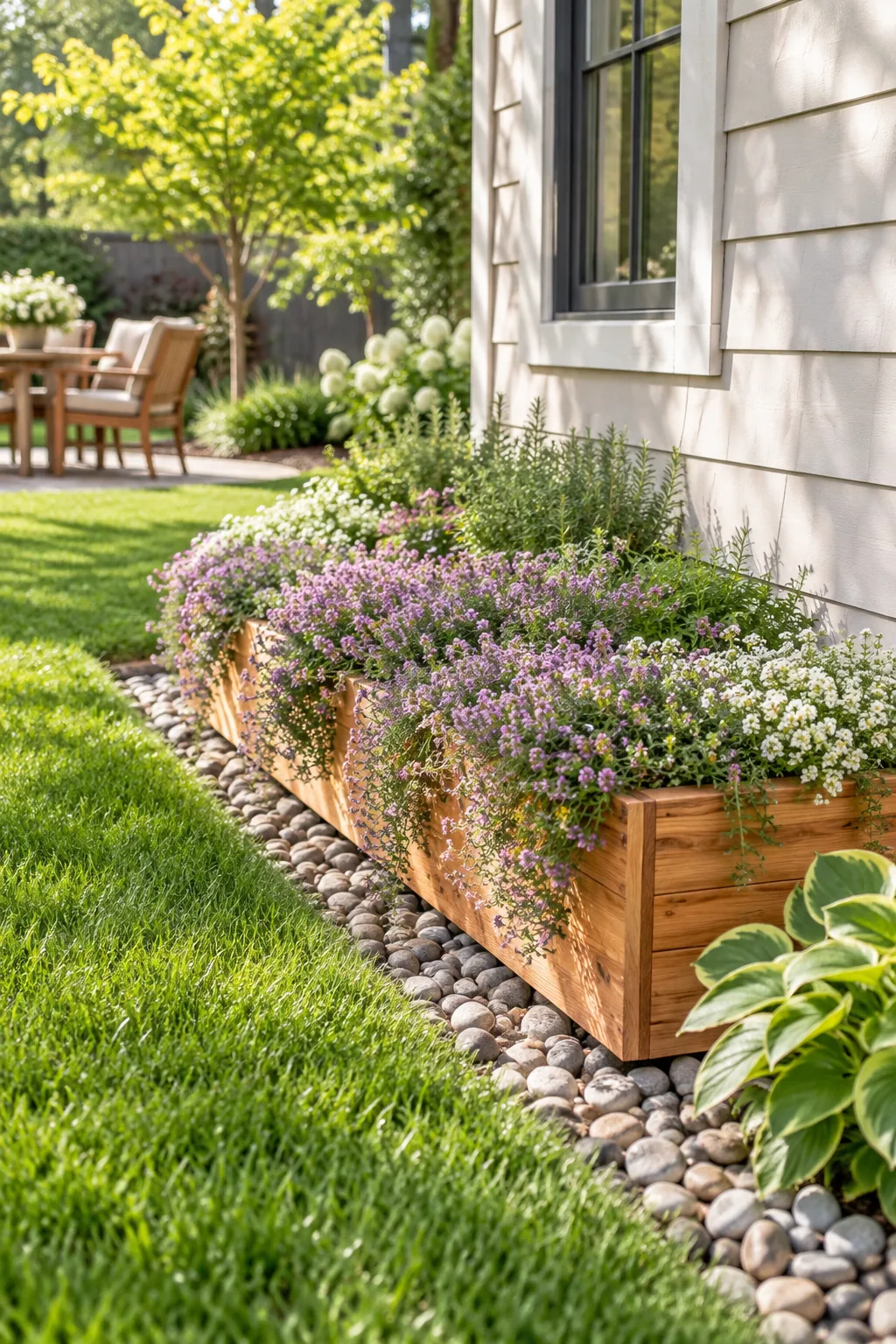
Always use rugged 2×4 pressure-treated lumber for this hidden base frame so it can safely support the immense weight of wet potting soil without bowing over time.
Choosing the Right Wood Finish
Applying a high-quality, clear water-repellent sealant to your pressure-treated base frame prevents the hidden wood from warping or splitting under the constant moisture draining from the soil above.
Slide-Away Planter Build Plans
This straightforward, step-by-step cut list creates a beautiful shallow cedar planter that perfectly balances maximum visual landscaping impact with a highly manageable overall weight.
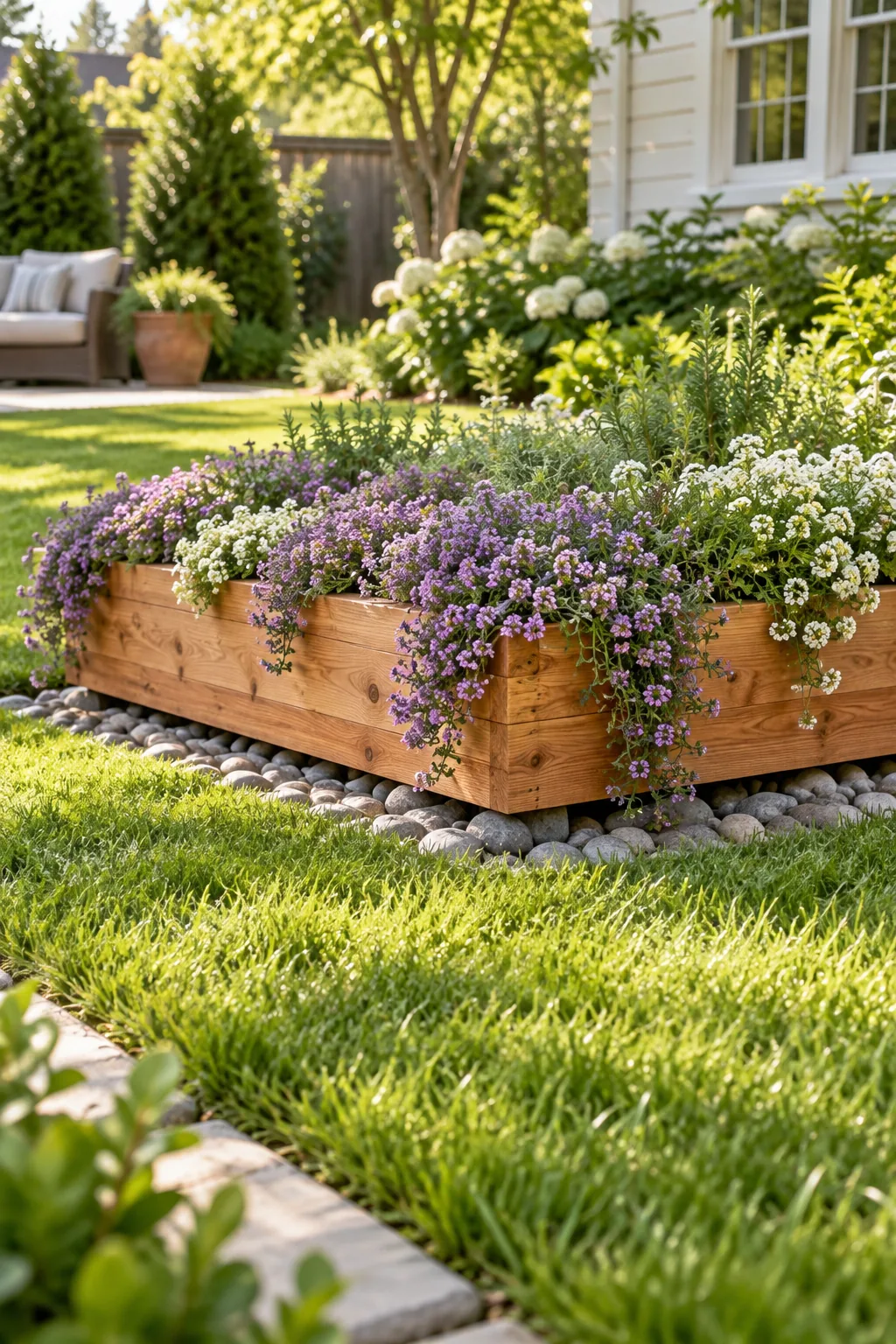
When I built mine last spring, sticking strictly to a 48×48-inch box with a 6-inch internal depth kept the finished project surprisingly light and easy to maneuver by myself.
| Component | Material | Quantity | Cut Length |
|---|---|---|---|
| Base Frame | 2×4 Pressure-Treated | 4 | 48 inches |
| Side Walls | 1×6 Cedar Boards | 4 | 48 inches |
| Floor Panel | 1/2-inch Plywood | 1 | 45×45 inches |
| Corner Trim | 1×2 Cedar Strips | 4 | 6 inches |
Assembling the Cedar Frame
Using premium exterior-grade deck screws rather than traditional nails ensures your shallow planter box remains completely rigid and structurally sound when you push it across the stone track.
Securing the Corner Trim
Fastening vertical cedar trim strips to the outside corners of your wooden box completely conceals the raw plywood edges, giving your DIY utility cover a polished, professional landscaping finish.
Selecting Potted Creeping Thyme
Creeping thyme is the absolute ideal cascading ground cover for this shallow landscaping project because it rapidly softens the hard wooden edges while requiring very little root space.
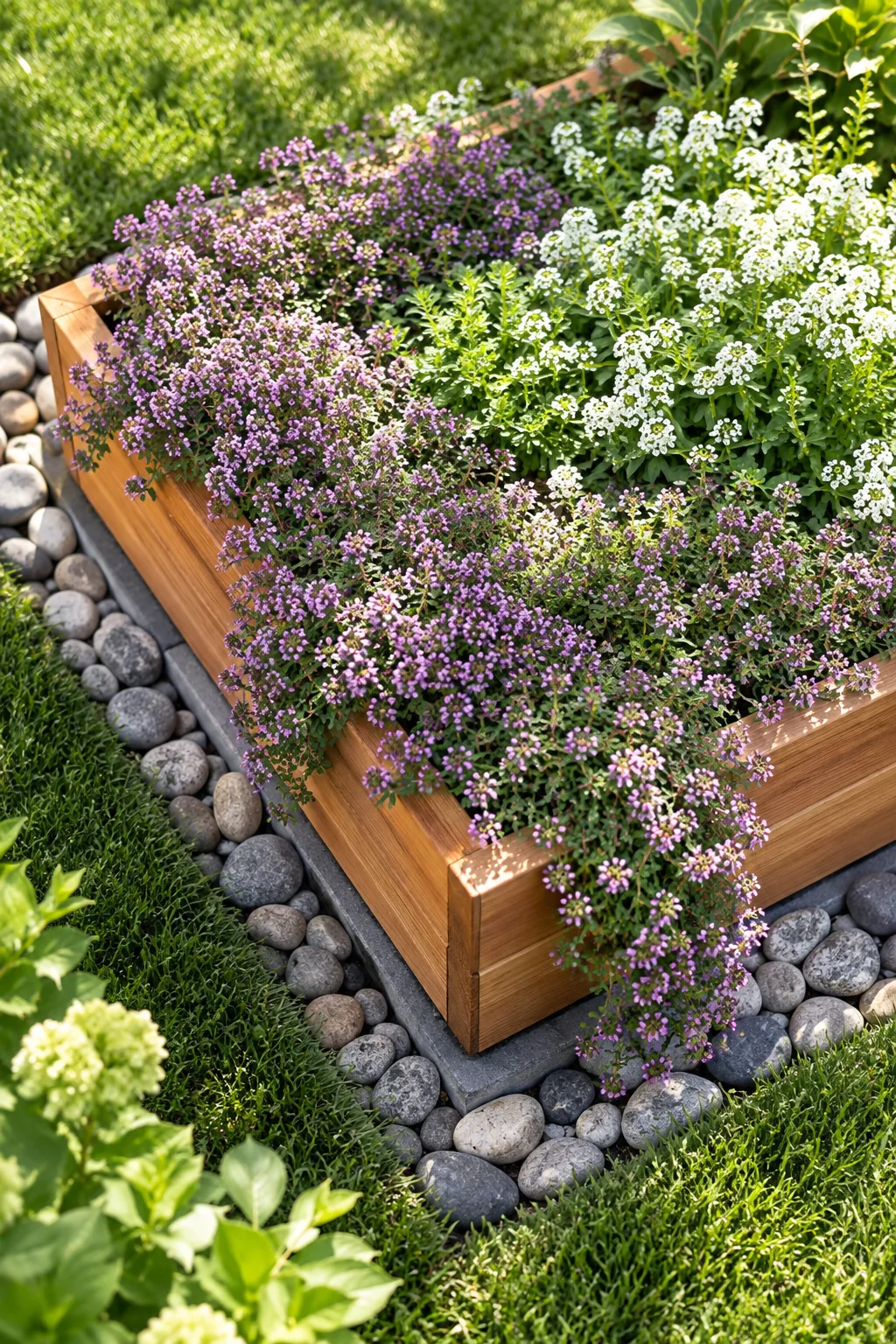
Sinking the plants directly from their 4-inch nursery pots into the shallow soil bed allows the vibrant green foliage to spill over the cedar sides beautifully in just weeks.
Spacing Your Ground Cover
Planting your nursery pots exactly six inches apart encourages the shallow roots to interlock quickly, creating a dense, solid mat of lush greenery in a single growing season.
Shallow-Root Plant List
You need alternative shallow-root trailing plants like vibrant sedum, sweet alyssum, or creeping jenny that thrive in just 6 inches of dirt without adding excessive weight to the sliding base.
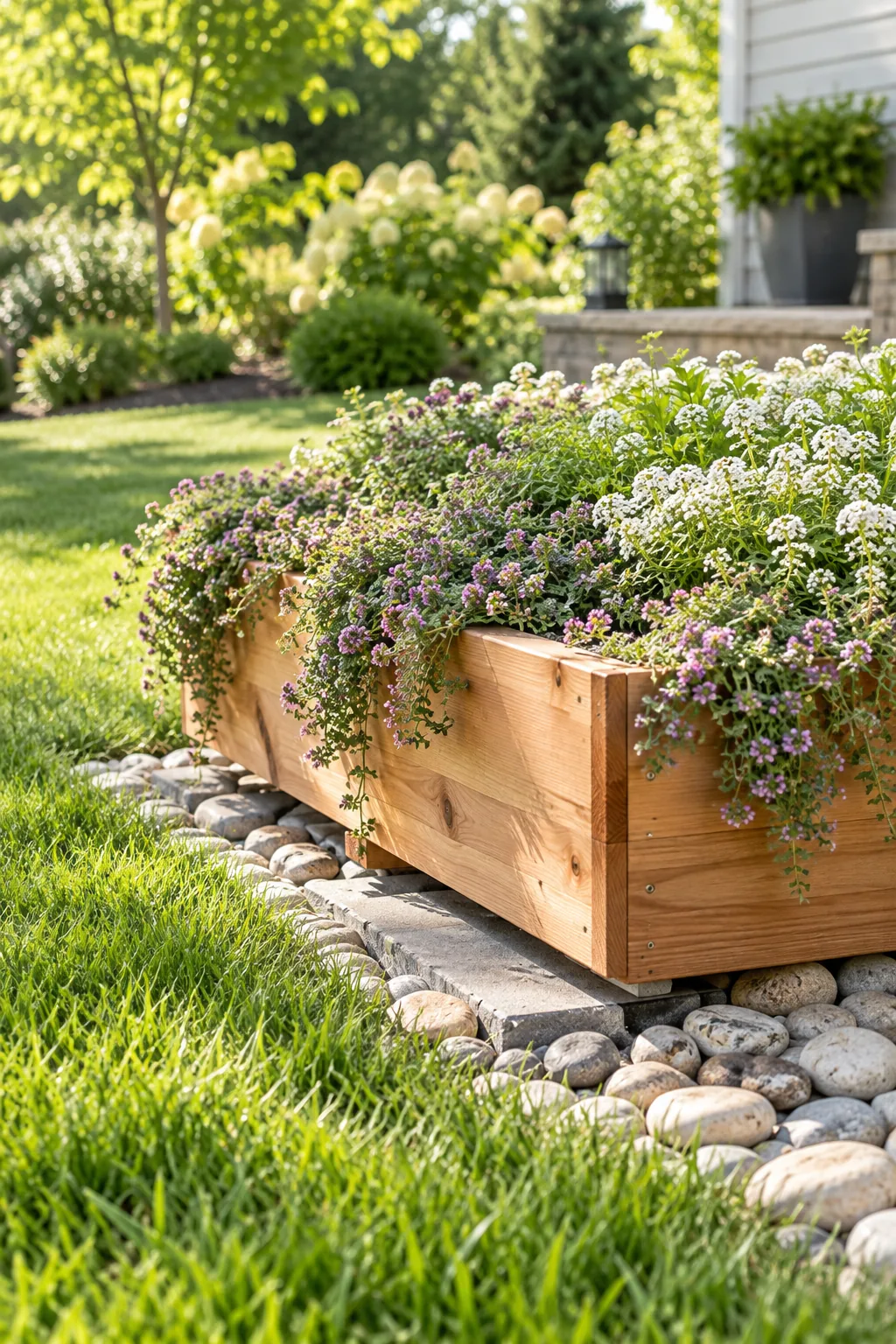
My own yard gets blazing Texas sun, so before finalizing your garden center purchase, ensure your chosen greenery can actually survive in a restricted, highly movable container environment.
Managing Soil Drainage
Elevating the planter base slightly and ensuring those half-inch drainage holes remain completely unobstructed prevents heavy water from pooling, which is the absolute key to keeping the total weight manageable.
Fertilizing Shallow-Root Plants
Because a shallow soil bed depletes its nutrients rapidly, applying a slow-release granular fertilizer every spring ensures your cascading thyme and sedum remain vibrantly green all season long.
Preparing for Winter Weather
If you live in a climate with heavy freezes, sliding the planter off the track for clearing trapped ice prevents your polymer feet from shattering when temperatures suddenly drop.
5 Styling Ideas for Slide-Away Planters
Match your hidden utility cover to your home's exterior with these distinct landscaping looks.
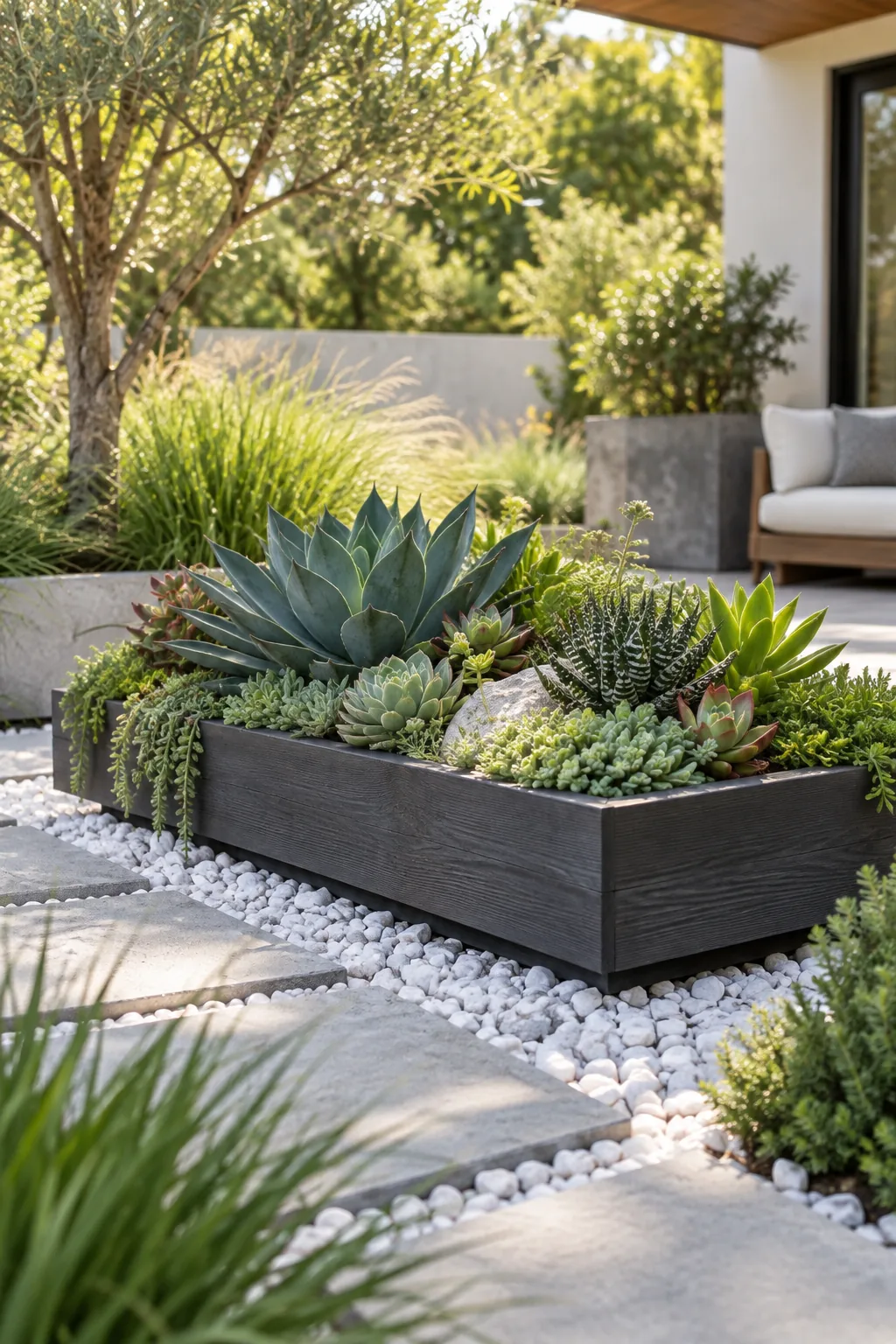
Modern slate gray styling: Charcoal stain and white marble chips give this cover a sleek, contemporary edge perfect for modern exteriors.
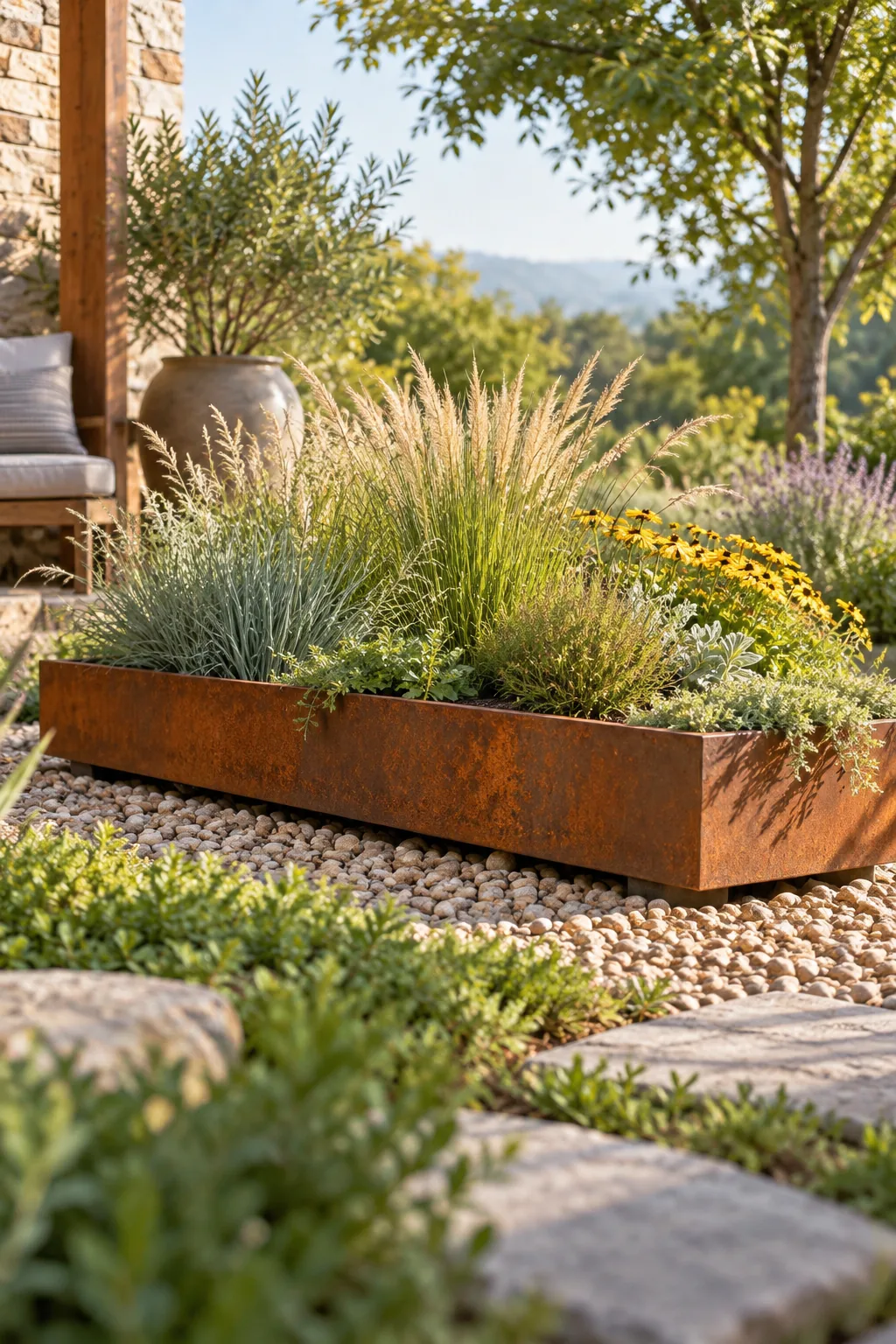
Rustic corten steel finish: Faux-rust finishes and native grasses blend seamlessly into natural, drought-tolerant desert or prairie landscapes.
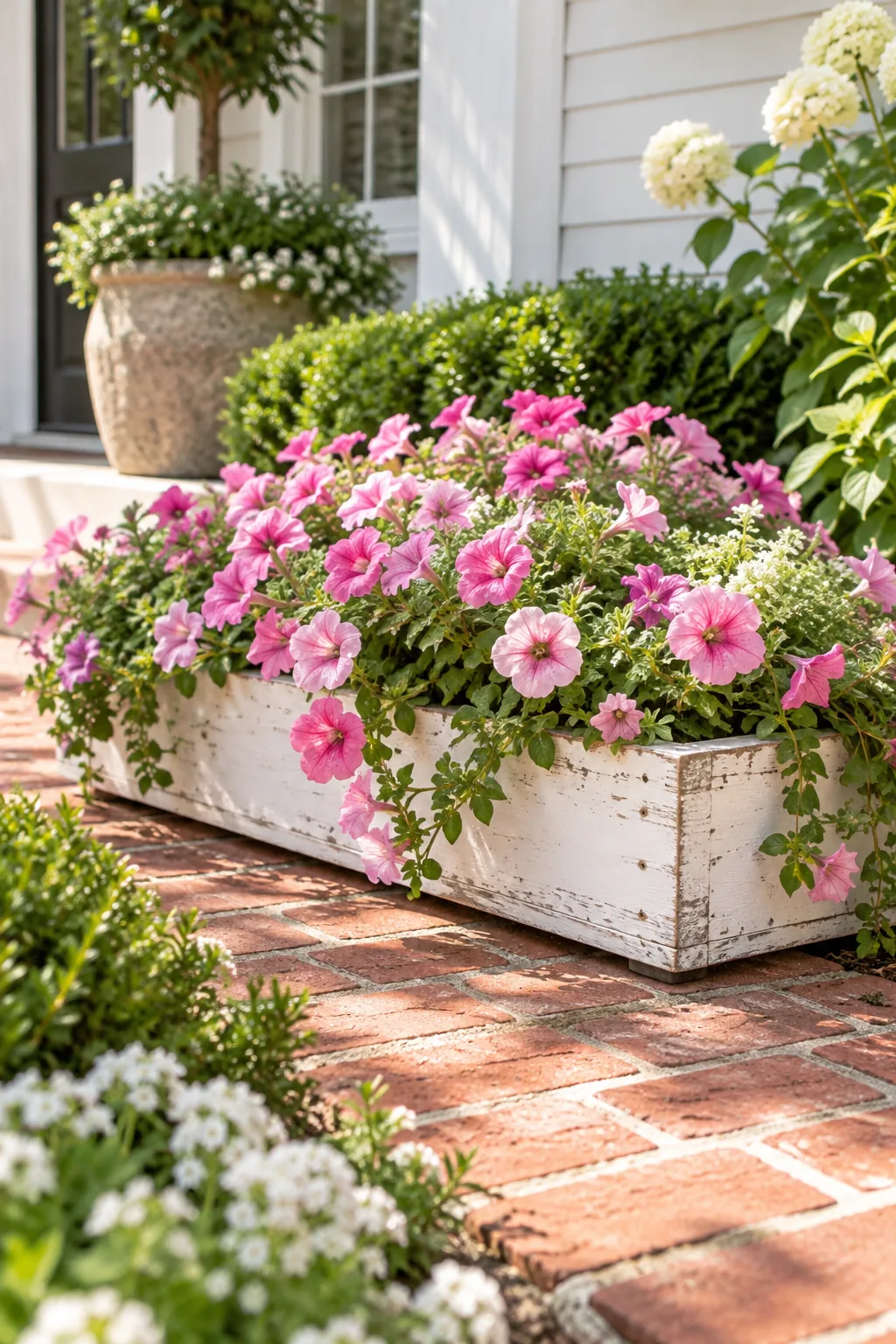
Cottage white painted look: Distressed white wood and bright trailing petunias create a charming focal point for traditional cottage gardens.
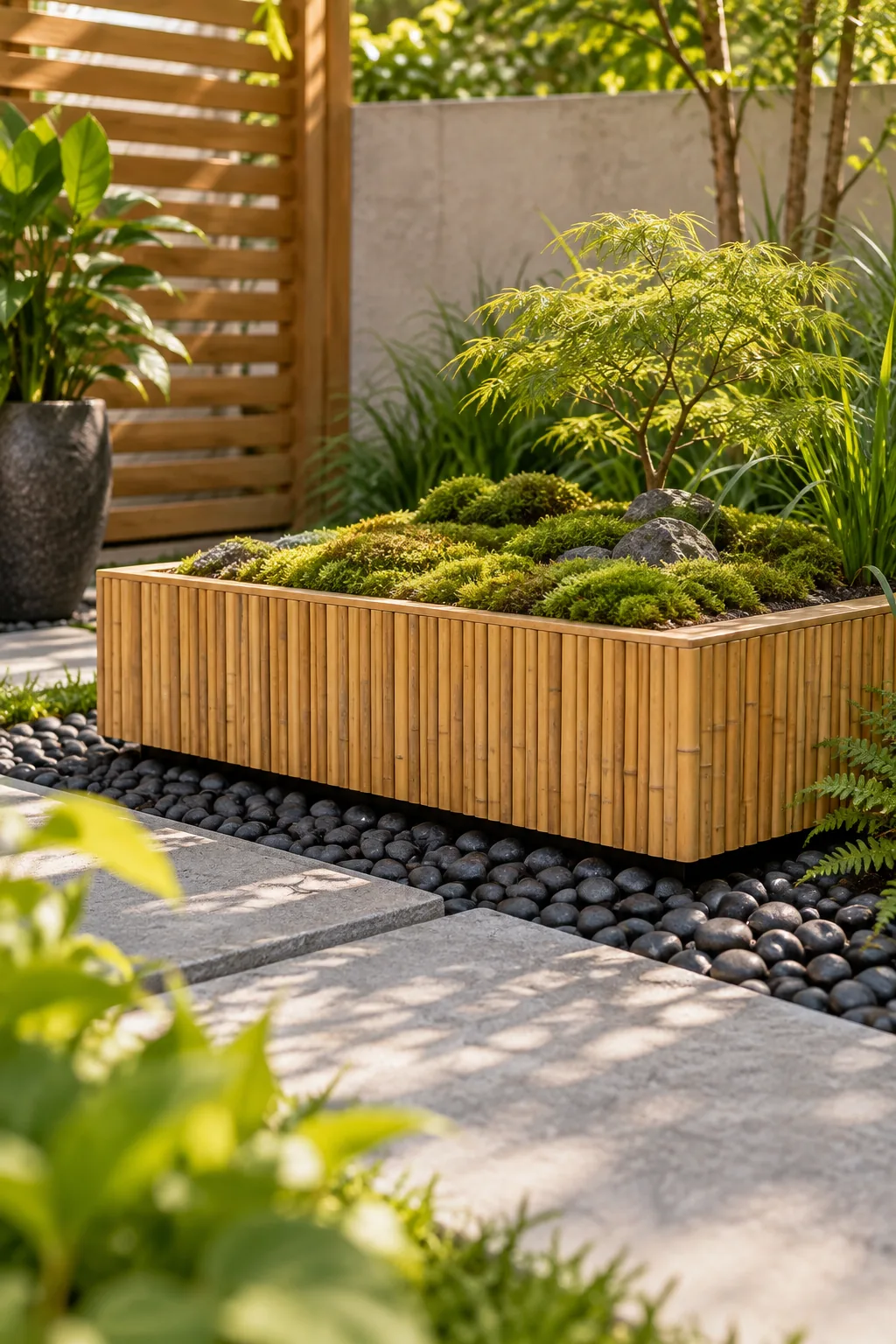
Zen bamboo clad design: Bamboo facing and smooth black river stones transform a utility cover into a peaceful meditation garden feature.
Classic brick paver style: Faux brick veneer allows the planter to perfectly match traditional brick homes and existing patio hardscaping.
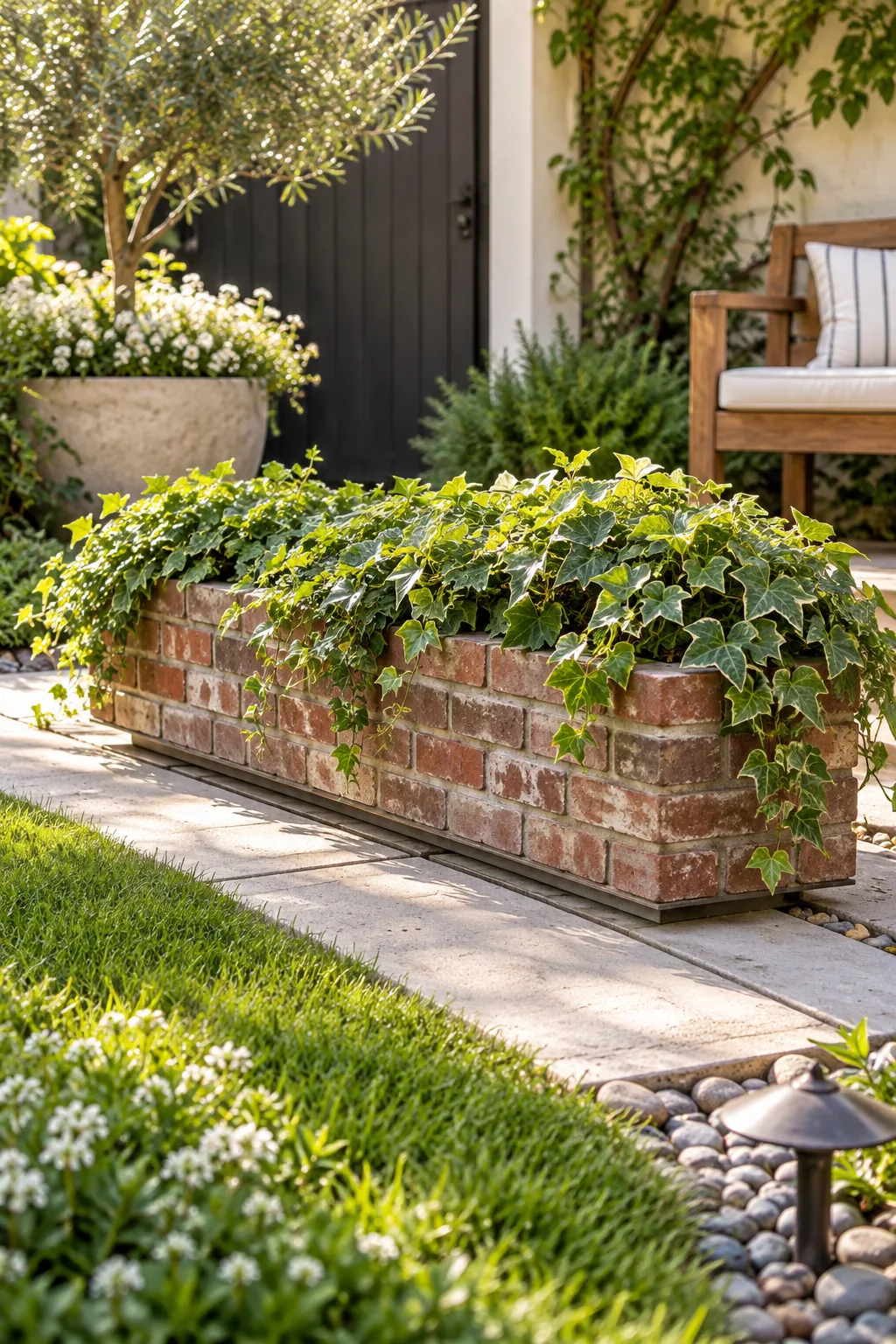
Maintaining Access for Inspections
The true test of this clever yard design is the practical, everyday routine of sliding the entire planter away for sudden septic pumping or scheduled utility inspections.
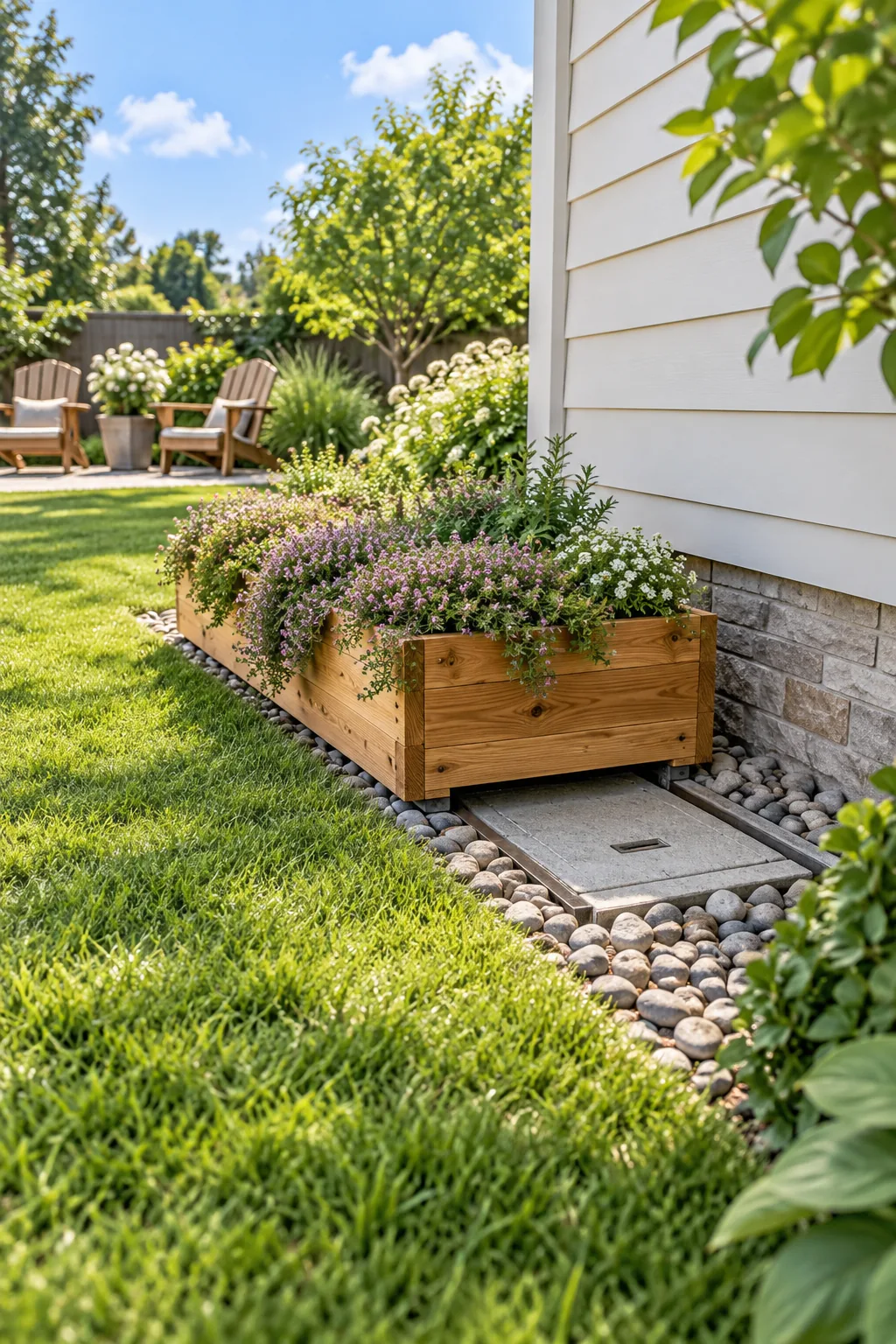
I can personally push my fully planted, 50-pound decorative box along the hidden track in under ten seconds, making essential yard maintenance a total breeze for just one person.