
15+ Modern Covered Patio Attached to House Ideas
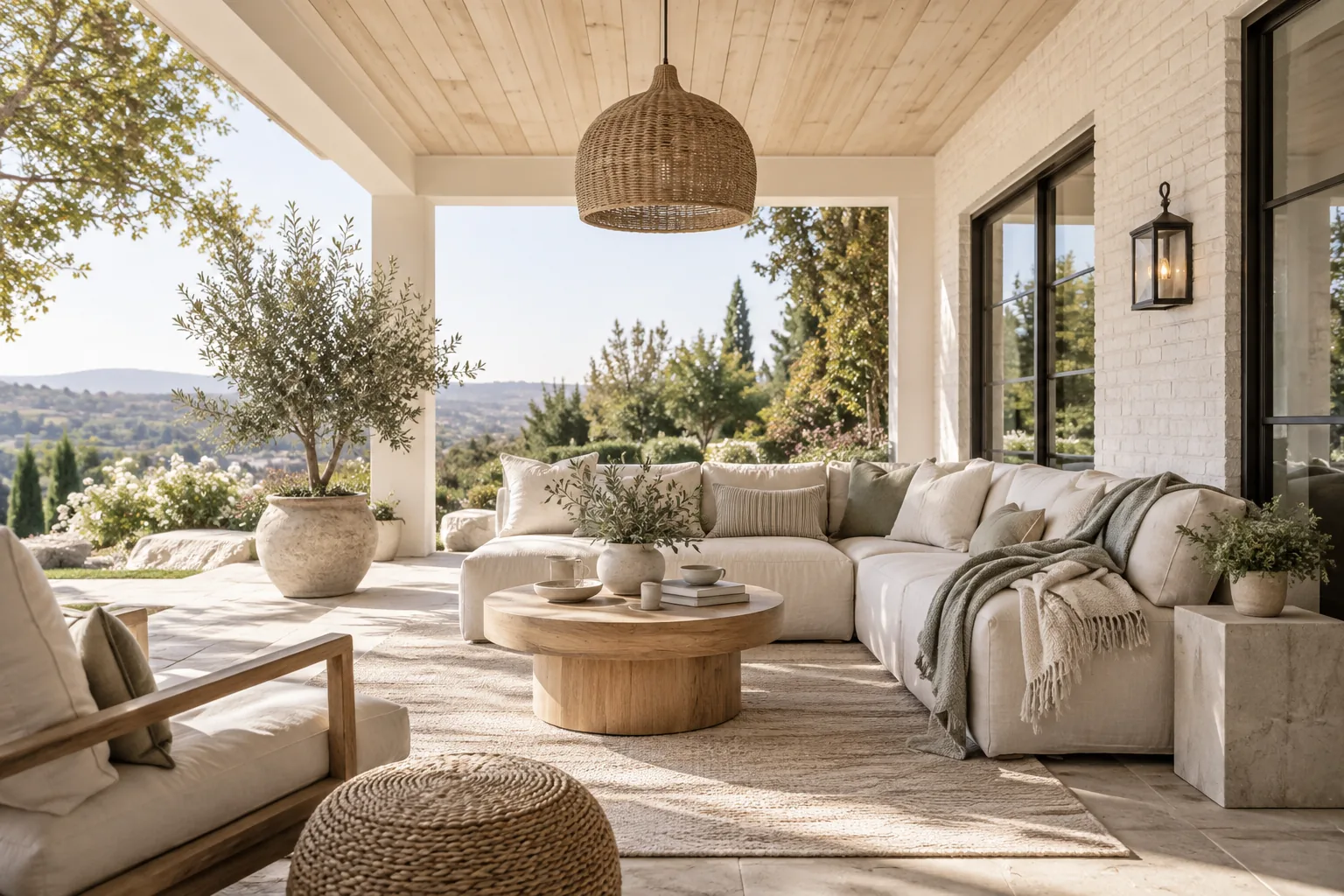
A covered patio attached to your house acts as a direct extension of your indoor living space. Treating this area like a real room makes the transition outside feel completely seamless.
1. Layer Your Illumination
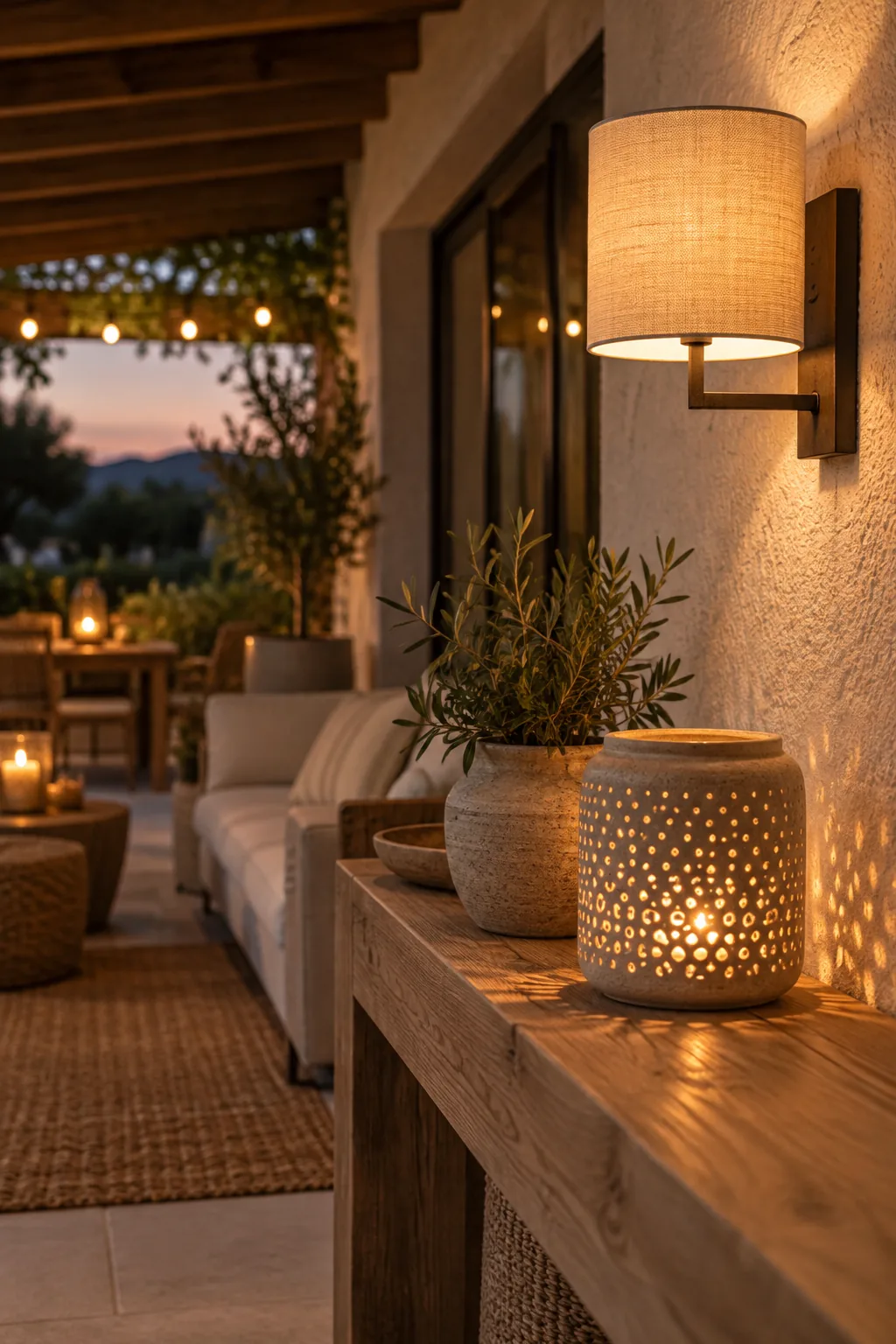
Over 80 percent of patio use happens after sunset. That means your lighting plan needs to work just as hard as your interior fixtures.
Layer your illumination to cover all the bases.
This setup keeps the space functional and safe without blinding your guests.
- Overhead pendants
- Wall sconces by the door
- Low-level step lights
2. Match the Indoor Flooring
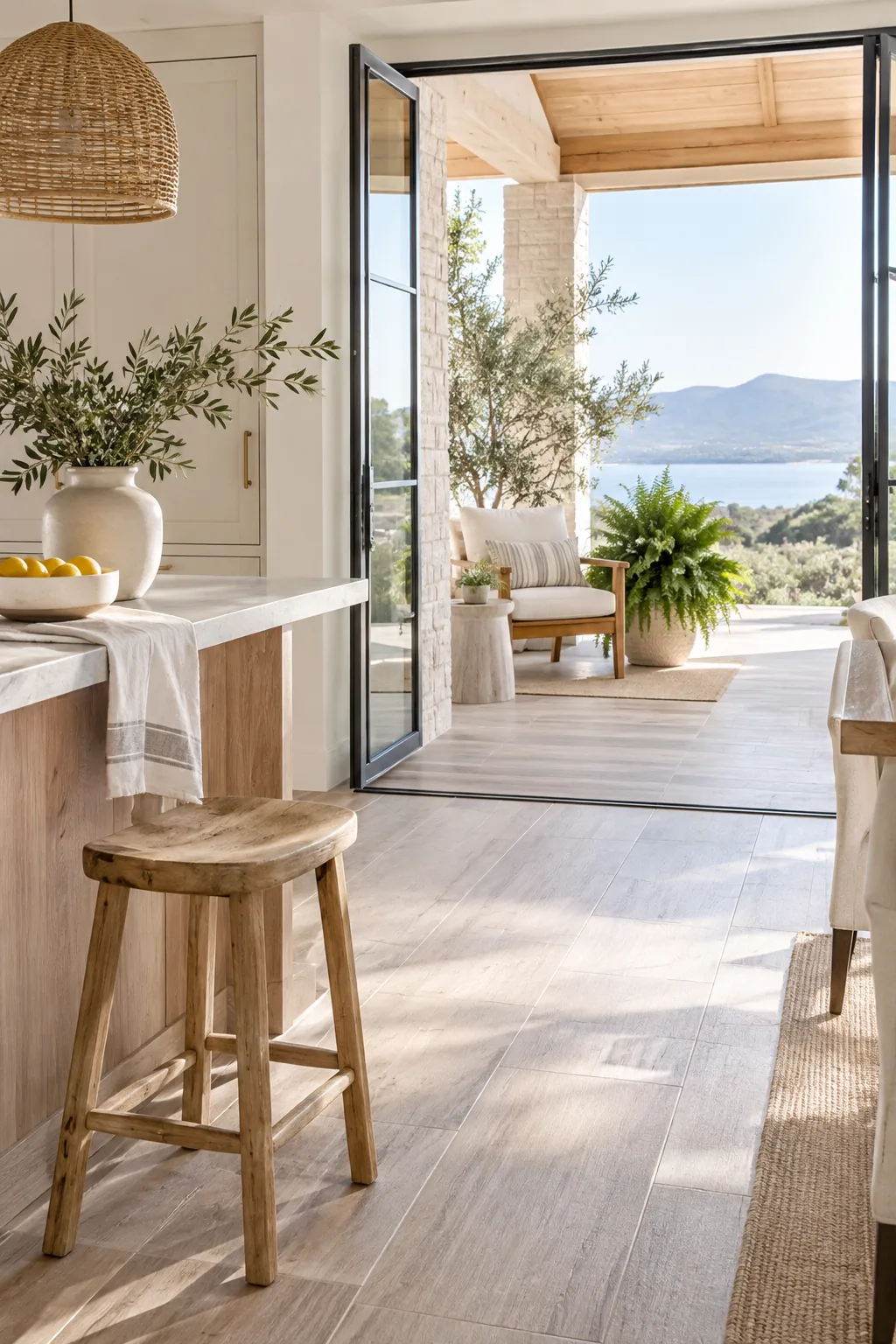
Match your patio flooring to the room just inside the door.
Running the same wood-look tile or poured concrete from the kitchen straight onto the patio blurs the visual boundary. It makes both your house and your outdoor space feel twice as large. You just need to ensure the outdoor version has a slip-resistant finish.
3. Maintain Walking Clearance
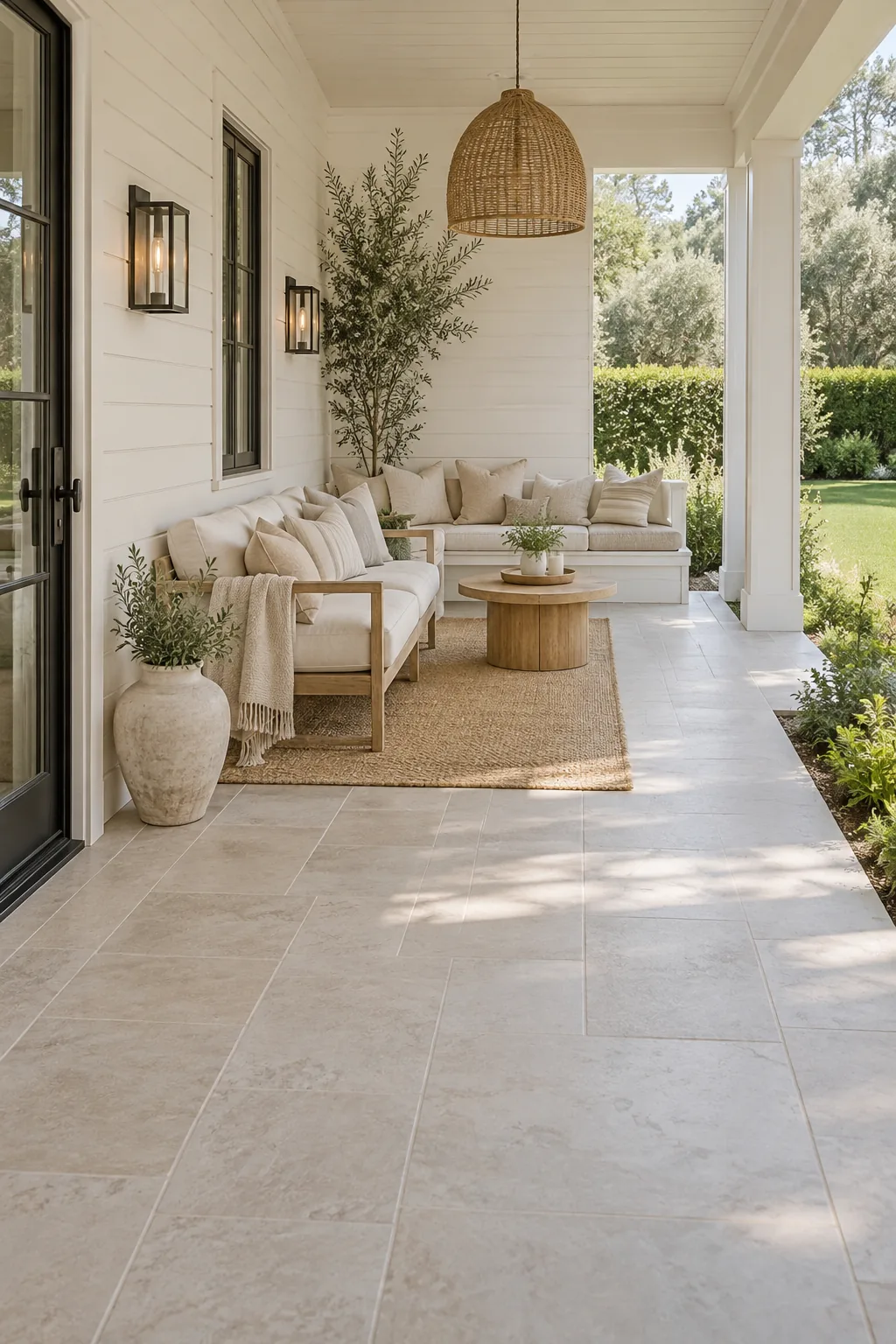
A standard outdoor sofa requires at least 36 inches of walking clearance around it. Cramming oversized furniture into a narrow attached patio ruins the flow of your home.
Stick to a streamlined teak set or a built-in corner bench.
This keeps the traffic path from the back door to the yard wide open.
4. Install a Translucent Roof
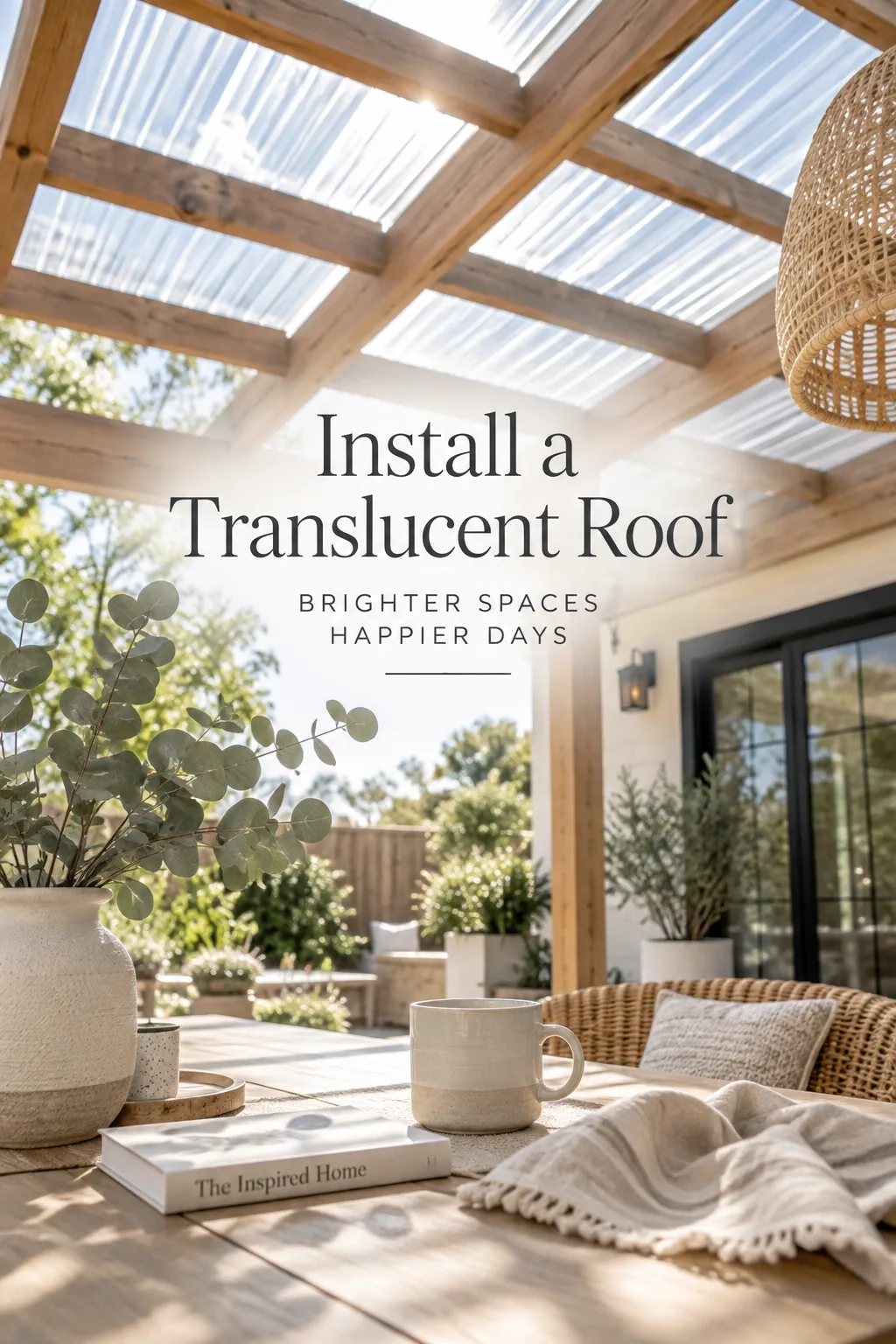
Solid patio roofs often block crucial natural light from entering the adjacent indoor rooms. Swapping a solid awning for a slatted pergola roof with a clear polycarbonate cover solves this issue instantly. You get full rain protection while keeping the interior of your home bright and airy. The translucent panels filter the harsh midday glare.
Why it works: It provides reliable weatherproofing without turning your indoor living room into a cave.
5. Extend the Existing Roofline
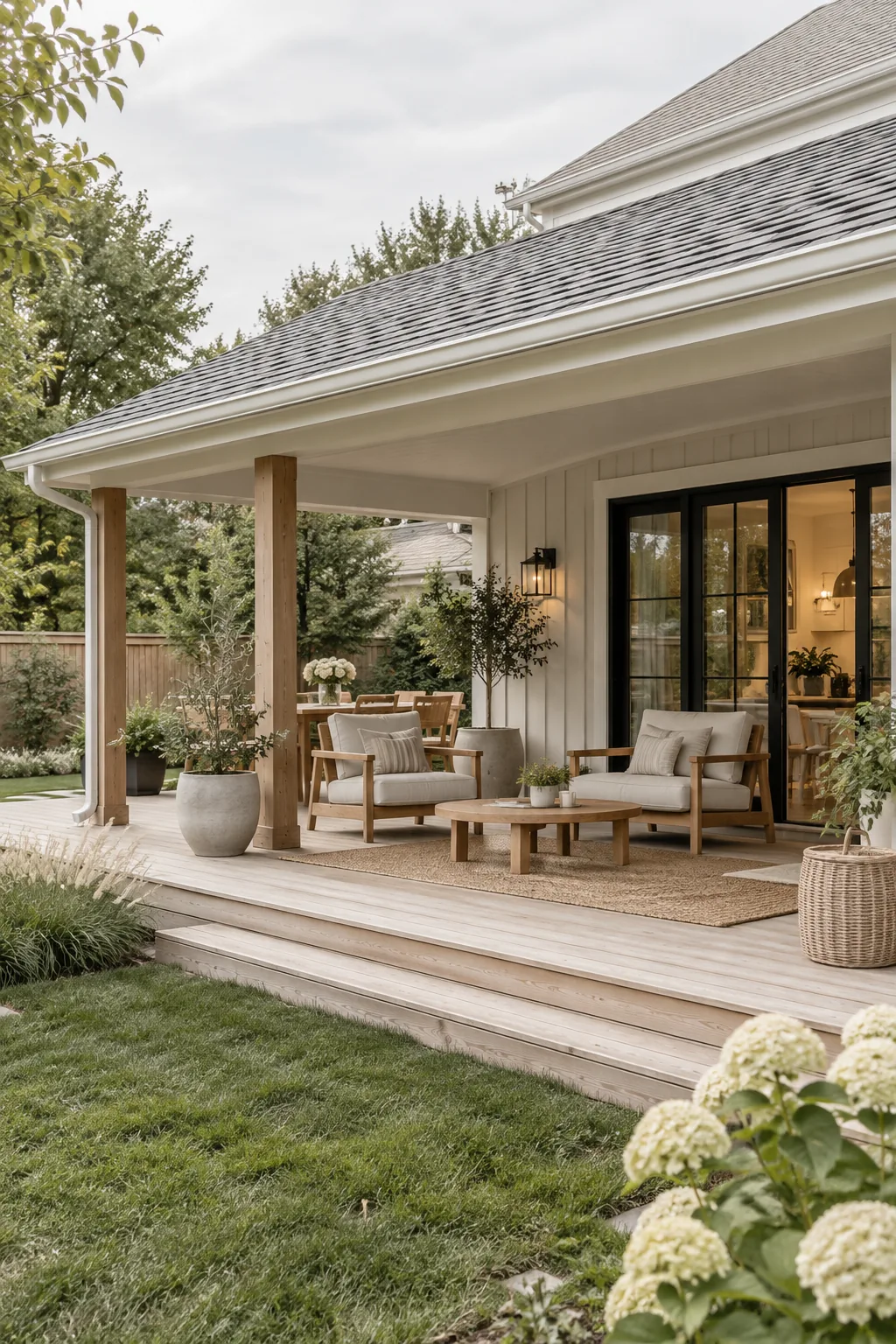
Building a pitch-matched roof extension directly off your existing eaves costs significantly less than erecting a freestanding pavilion. It looks like an original part of the architecture rather than a tacked-on afterthought.
6. Block the Wind Tunnels
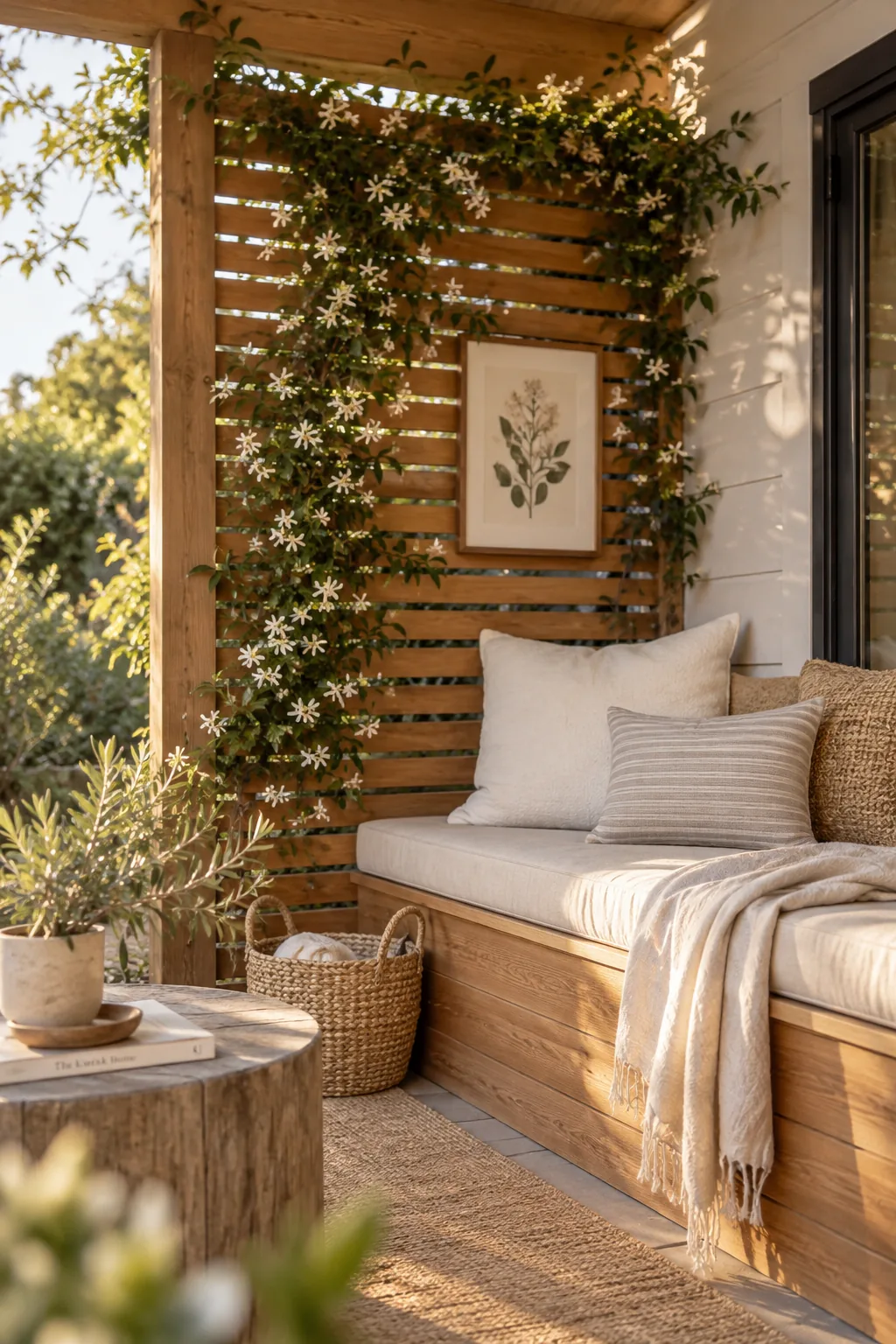
Wind tunnels form easily against flat exterior house walls.
Installing a slatted privacy screen on the windward side of your patio breaks up the gusts. It anchors the seating area and gives you a solid backdrop for mounting outdoor art or trailing vines.
7. Prioritize Lounge Seating
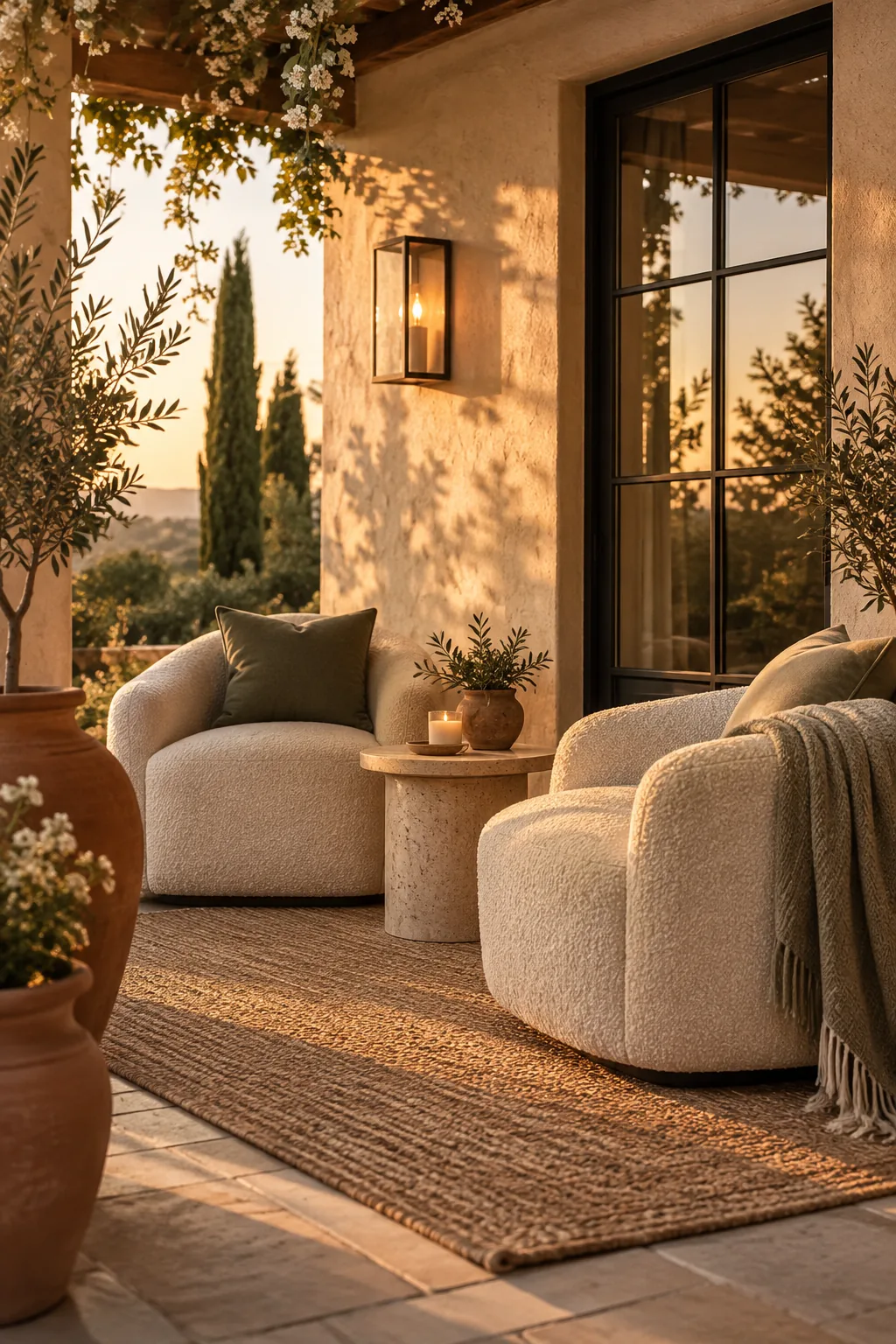
A 12-by-12 foot footprint is the absolute minimum size for a functional outdoor dining setup. If your attached patio is smaller than this, skip the dining table and prioritize a plush lounge area instead. Trying to squeeze in both just creates a cluttered obstacle course.
A pair of deep armchairs is always better than a cramped dining set.
8. Paint the Ceiling Lighter
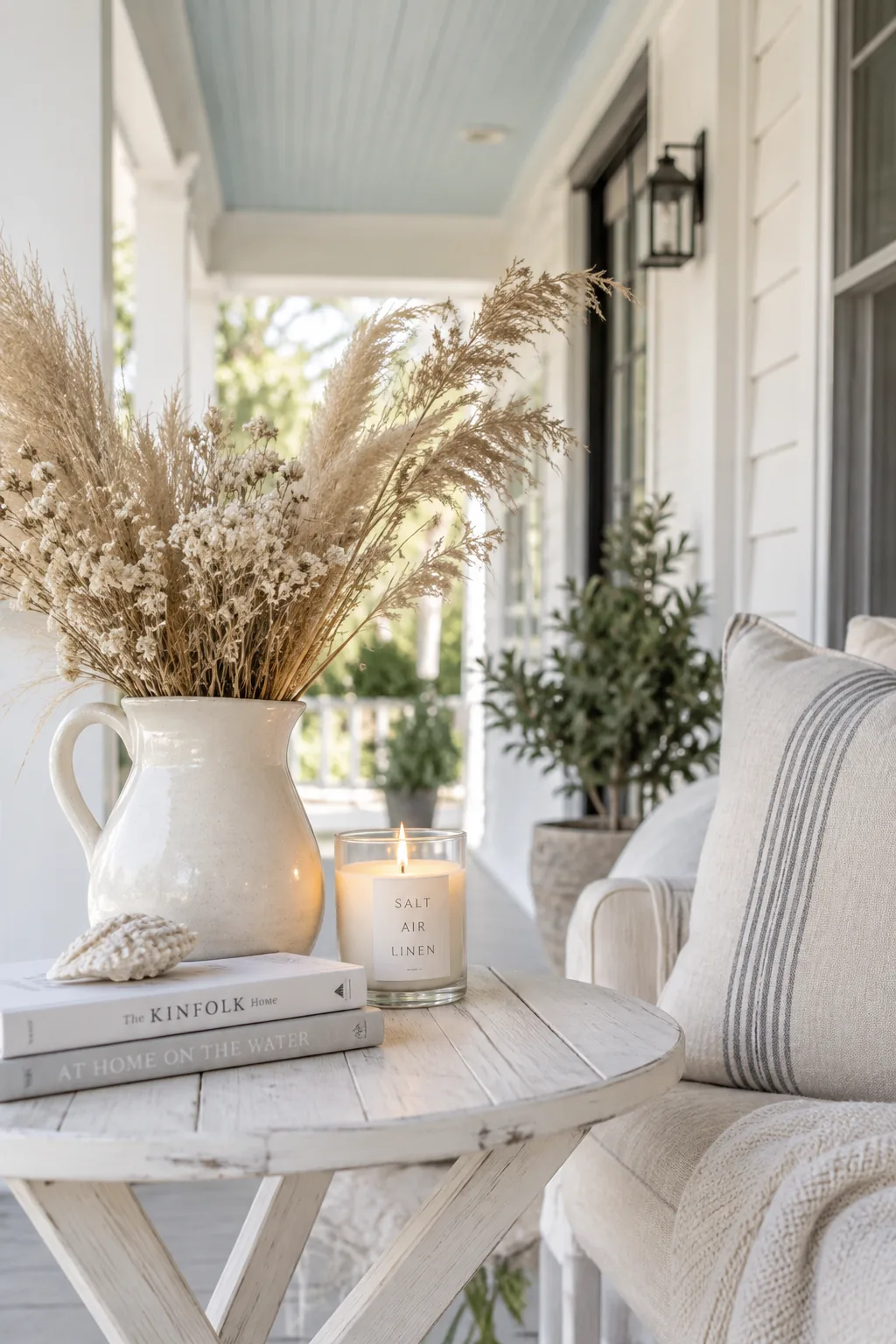
Paint your patio ceiling two shades lighter than your exterior siding.
A pale haint blue or soft white draws the eye upward and mimics the open sky.
Dark ceilings can make an attached structure feel heavy and oppressive.
Why it works: It visually lifts the roofline and prevents the covered space from feeling boxed in.
9. Hide the Dusty Rafters
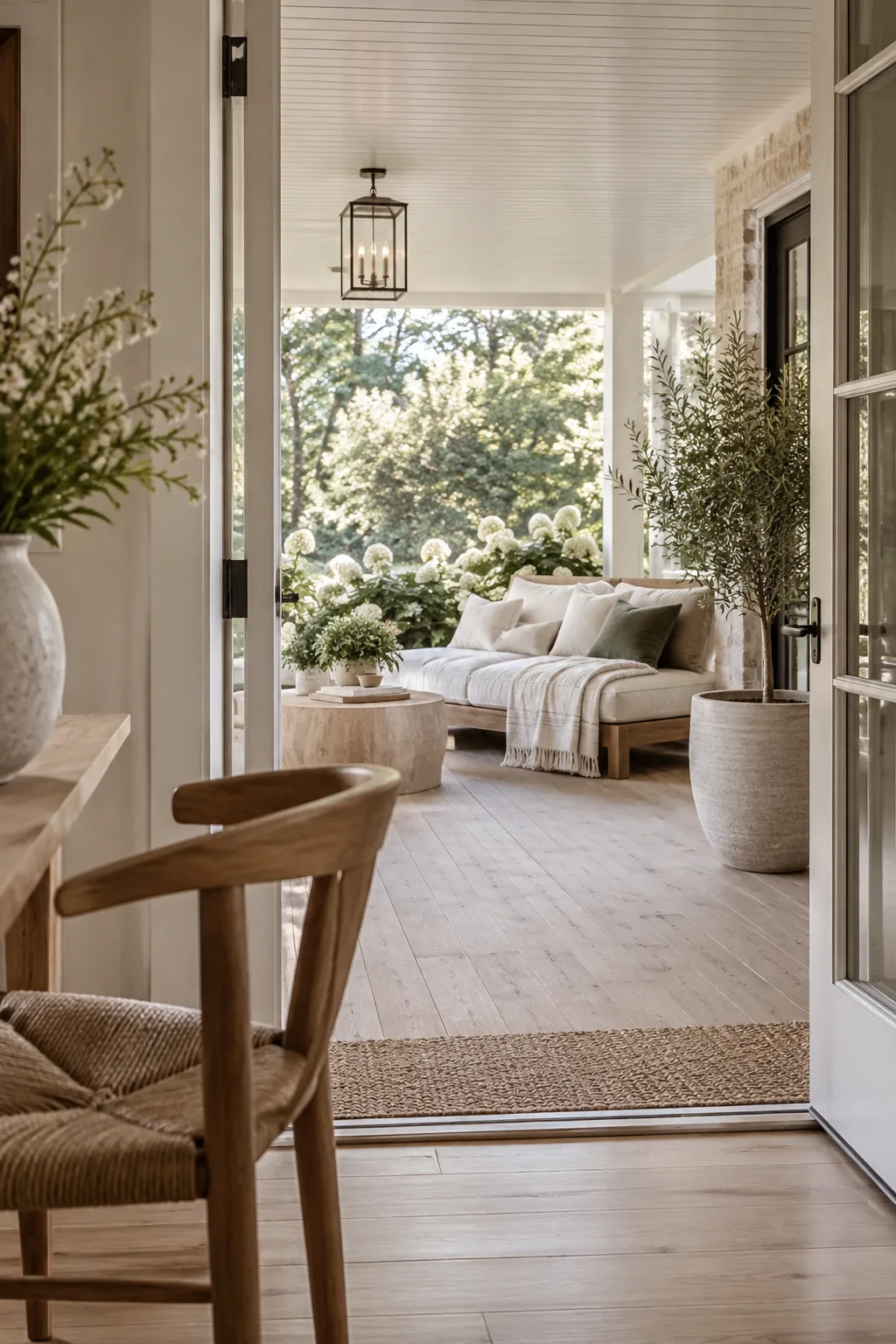
Exposed rafters trap dust, pollen, and spider webs right outside your back door. Finishing the ceiling with beadboard panels gives the patio a polished interior look and makes cleaning a breeze.
Why it works: A flat, finished surface eliminates the nooks where outdoor debris usually collects.
10. Decorate the Exterior Wall
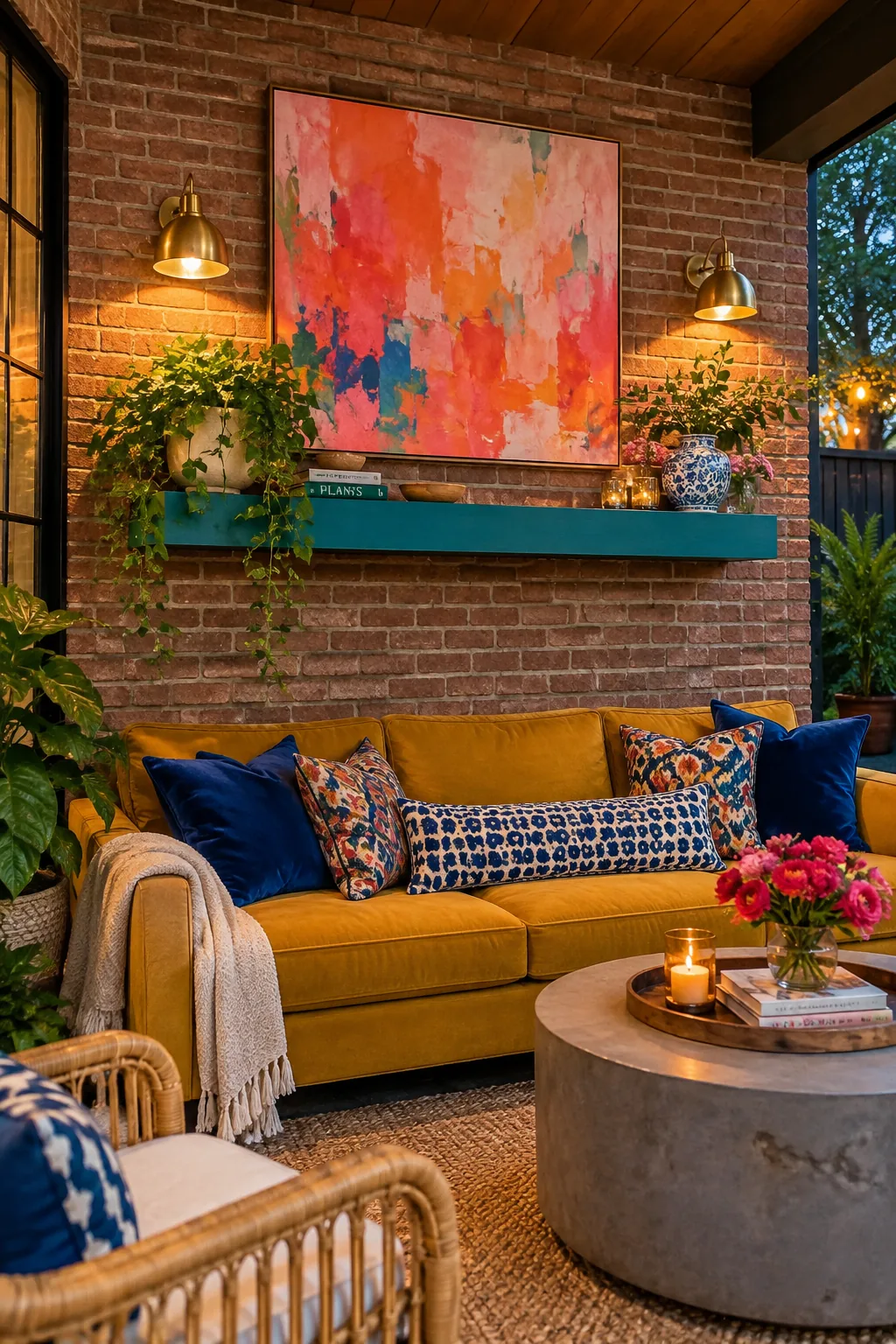
A cozy, living-room vibe happens when you treat the exterior wall of your house like an interior feature wall. You can easily dress up that blank siding by adding functional decor directly to the brick or stucco.
Just make sure any electronics are rated for damp locations before you drill into the masonry.
- Weather-resistant mirrors
- A mounted outdoor TV
- A floating console table
11. Use Symmetrical Furniture Placement
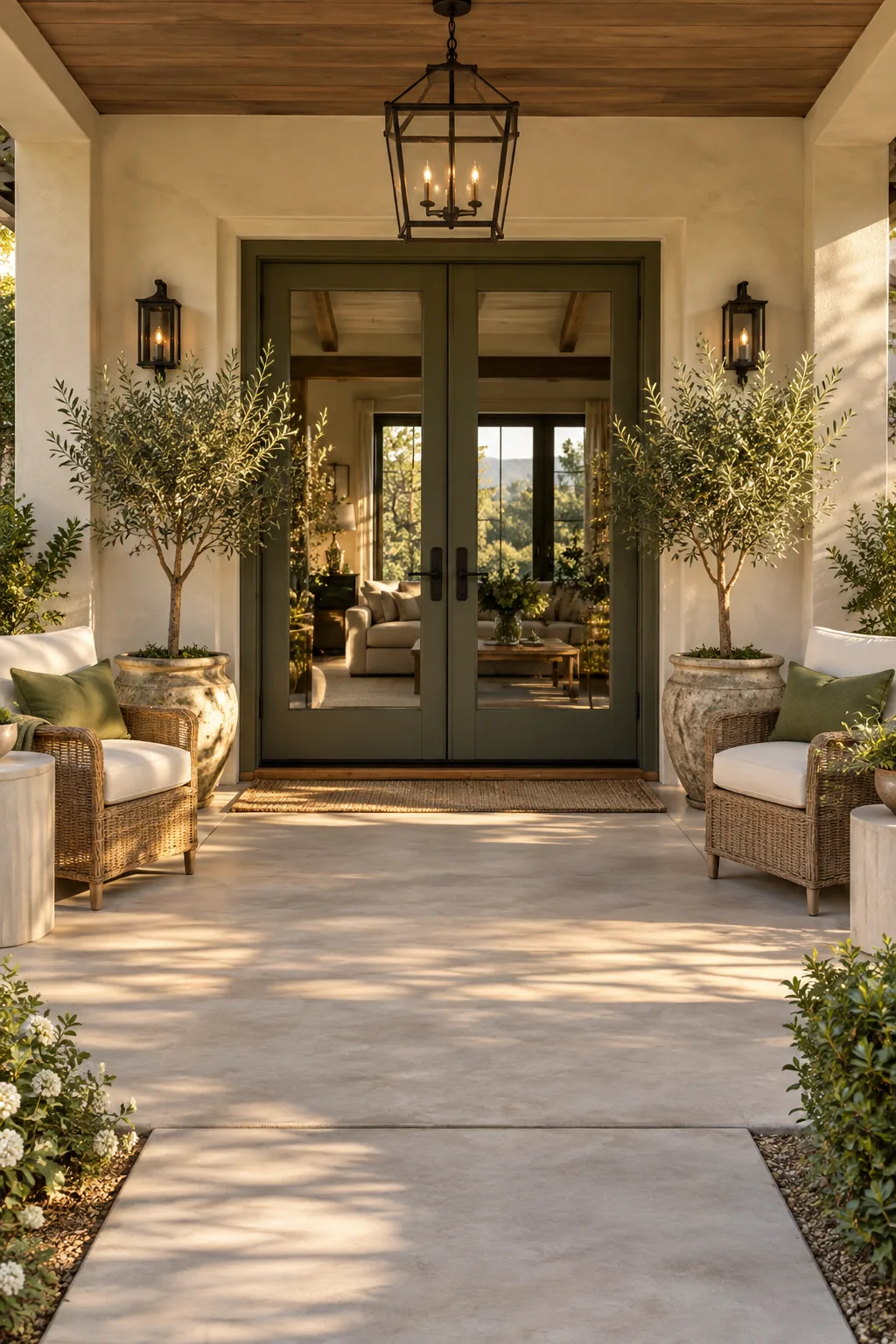
Symmetrical furniture placement grounds a patio that feels like it's floating off the back of the house. Flanking the main doors with identical potted olive trees and matching armchairs creates an immediate sense of order. This classic layout directs traffic naturally down the center of the space.
It is the easiest way to make a basic concrete slab look incredibly intentional.
12. Upgrade the Patio Doors
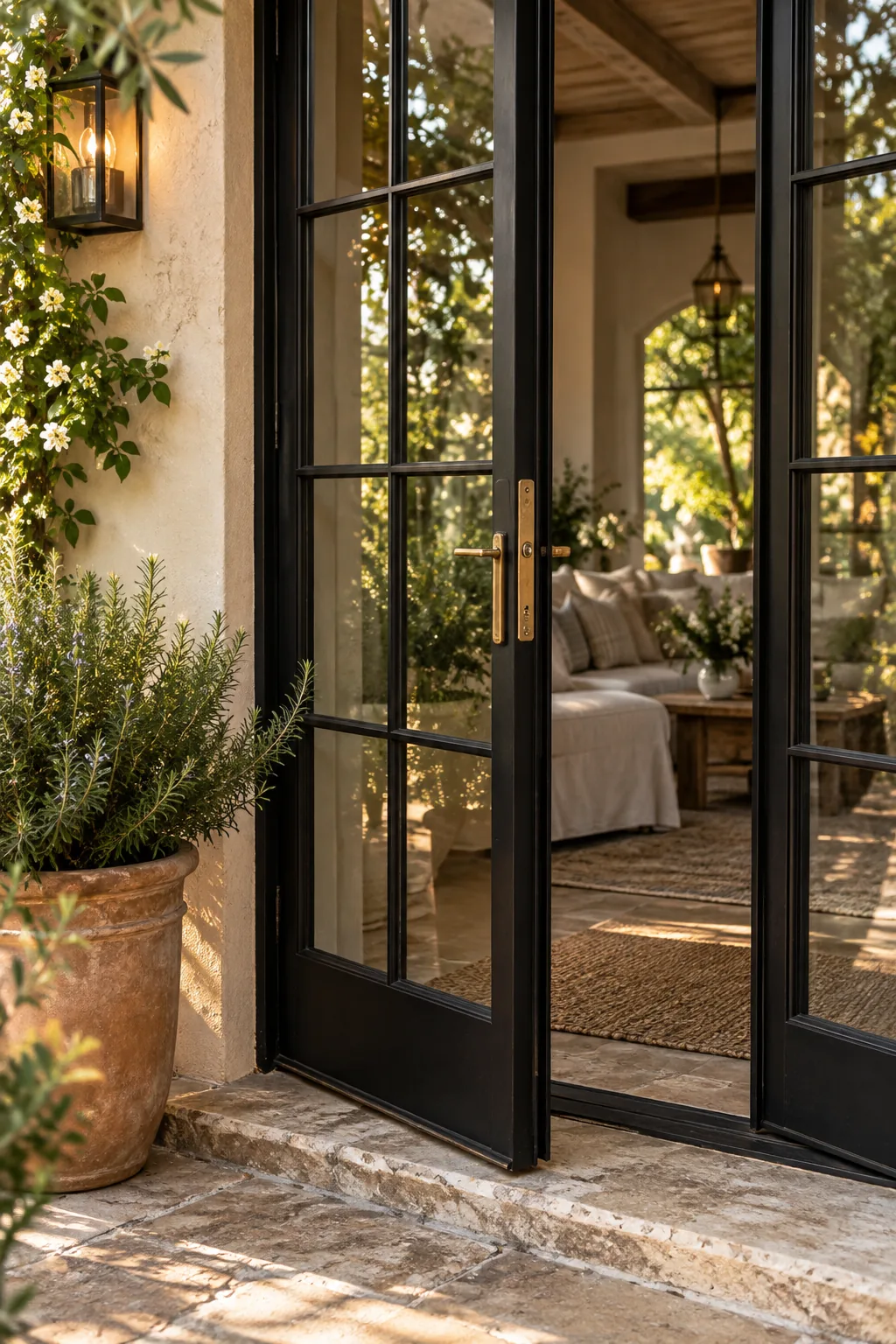
Standard sliding glass doors often look builder-grade and date the entire patio. Swapping them out for black framed French doors instantly elevates the connection between your indoor and outdoor rooms.
13. Stencil a Permanent Rug
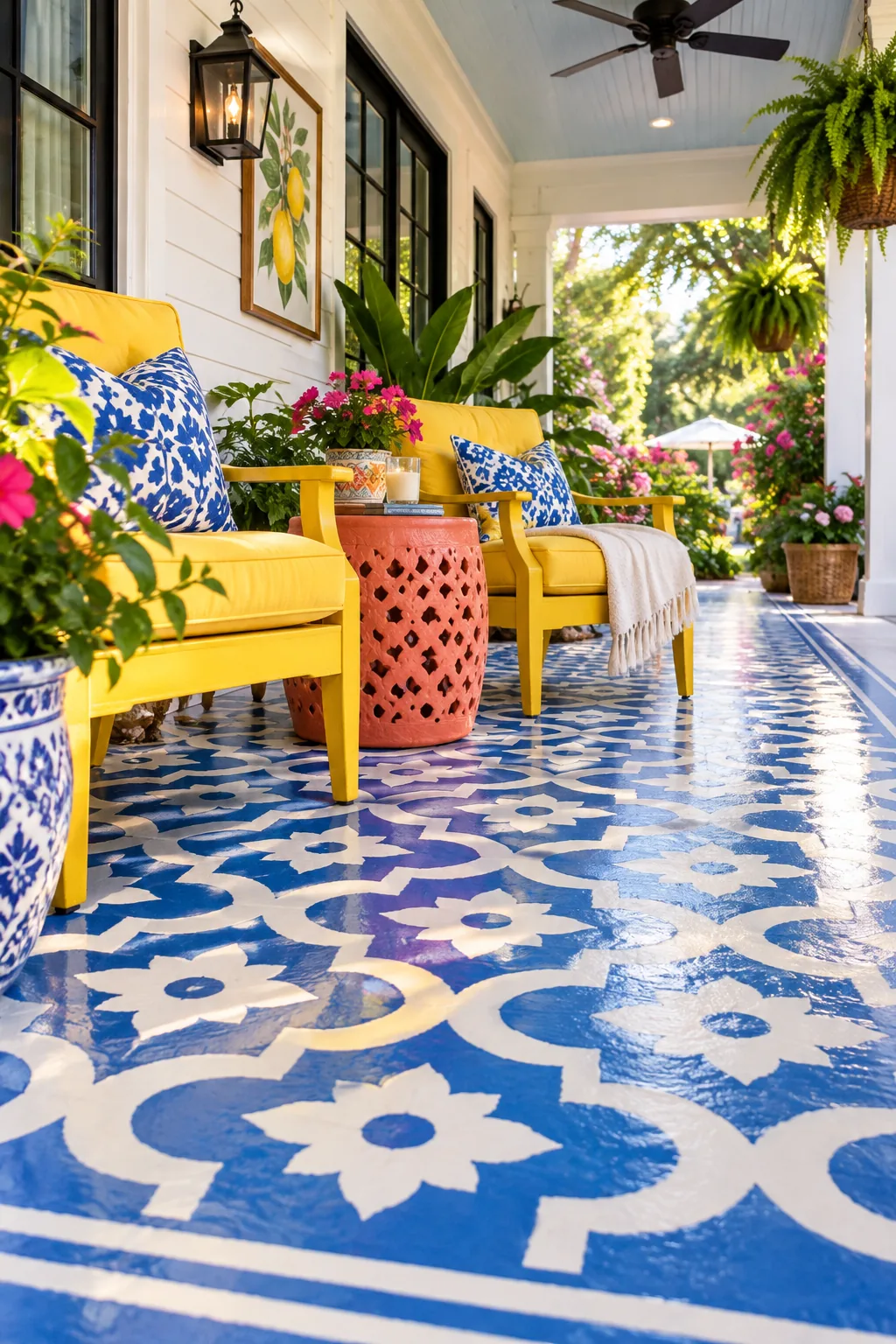
Most outdoor rugs last about three seasons before the elements break them down. You can skip the rug entirely and use stenciled floor tiles to define the seating area permanently. Painting a faux rug directly onto the concrete slab provides that necessary visual anchor for your furniture. It costs a fraction of a high-end rug and requires zero maintenance beyond a quick sweep. It also dries instantly after a heavy rainstorm.
14. Install Retractable Glass Walls
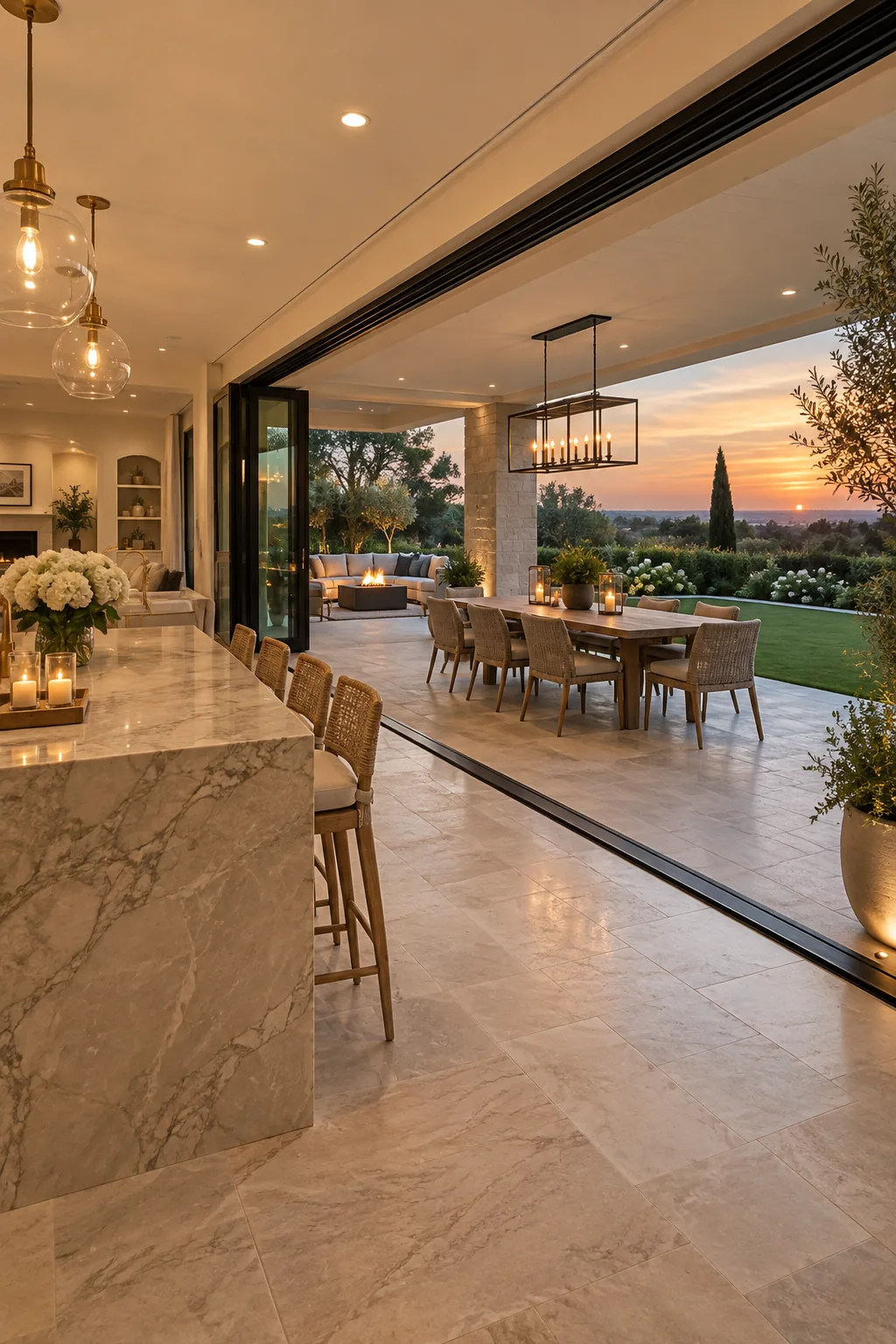
A seamless, modern aesthetic relies on continuous sightlines from the kitchen right through to the yard. You can achieve this by installing retractable glass walls that fold completely out of the way. When the weather is nice, the patio literally becomes part of the interior floor plan.
15. Add a Ceiling Fan
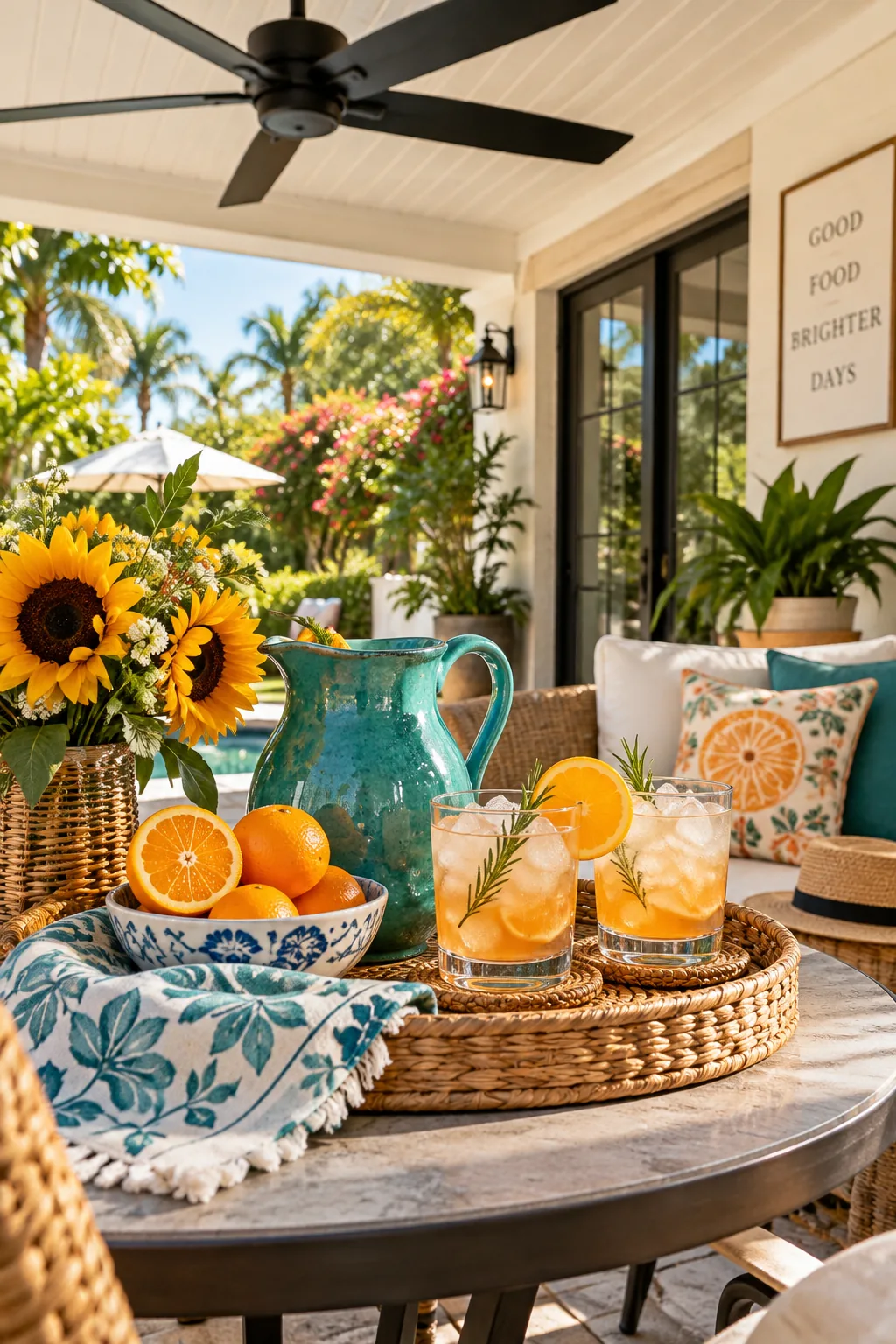
I always insist on adding an outdoor ceiling fan to any attached structure I design. A large matte black fan keeps the bugs away and makes the patio usable even during the stagnant dog days of summer.
16. Soften with Plush Textiles
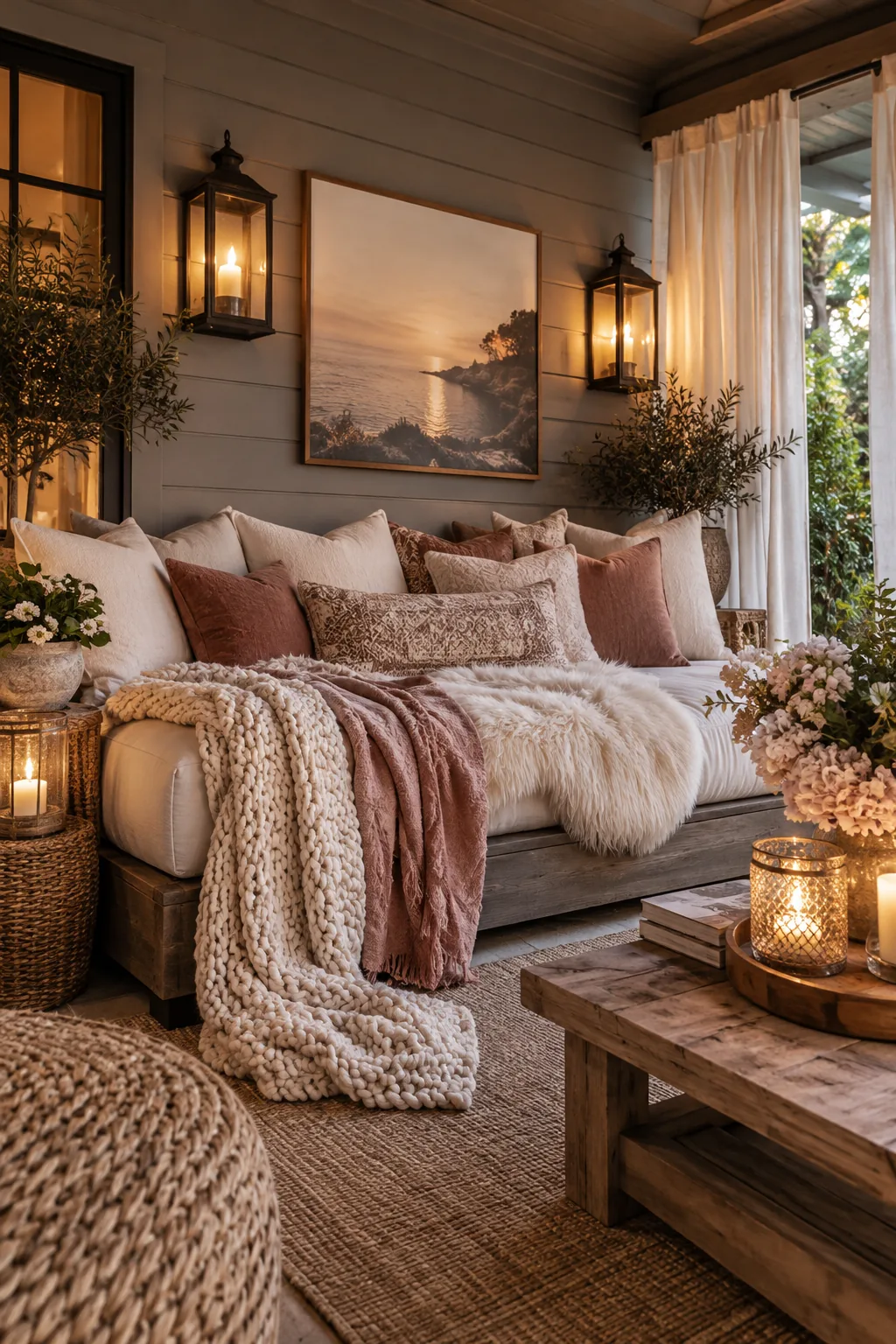
A high-end resort atmosphere is easy to replicate with the right textile choices. Layering different textures softens the hard exterior lines of your home's siding and roof. Focus on incorporating elements that feel plush and inviting.
- Fade-resistant linen curtains
- Oversized floor cushions
- A textured woven throw blanket